

Storm Shutters for Windows Exterior Guide
When the weather radio starts barking and your phone lights up with another severe storm alert, most West Tennessee homeowners do the same thing. They look at the windows first. That’s smart. Glass is one of the weakest points on the house when straight-line winds, hail, and tornado-driven debris start flying.
A lot of online advice misses the point for people in Jackson, Milan, Dyersburg, Humboldt, Lexington, and the surrounding area. It talks like every storm problem is a Florida hurricane problem. That’s not how it works here. West Tennessee homes face fast-moving severe weather, rotating storms, and sudden pressure changes that don’t give you much time to react.
Storm shutters for windows exterior can be a very good solution, but only if you pick the right style, the right material, and the right installation method for your house. If you own an older brick home, a ranch from the 1970s, or a newer build with wide openings, your best option may be very different from what a coastal guide recommends.
Protecting Your West Tennessee Home from Severe Weather
You know the routine. The sky goes green-gray, the wind picks up, and somebody in the house says, “Should we do something with the windows?” That question usually comes too late.
Storm shutters work best when they’re part of a plan, not a last-minute scramble. That’s the main reason I recommend homeowners think about them before storm season gets loud. You want protection that matches how storms hit West Tennessee, not a generic product pitch built around beachfront homes.
A common starting point involves one simple question: “Do I need something permanent, or something I can put up only when bad weather is coming?” That’s the right place to begin, because your answer affects cost, convenience, appearance, and how likely you are to use the system when you need it.
Why local weather changes the decision
In coastal markets, the conversation is mostly about long-duration hurricane exposure. Around here, the concern is often sudden impact and debris during severe storms and tornado events. That means quick deployment matters. Strong anchoring matters. Older wall construction matters even more.
If you’ve been reading national guides, you’ve probably seen a lot of advice that doesn’t address inland storm protection very well. One practical place to compare faster-deploying systems is this overview of rolling hurricane shutters, especially if you want something that doesn’t require hauling panels out of the garage every time the forecast turns ugly.
Practical rule: The best shutter is the one you’ll actually close before the storm hits.
What homeowners usually get wrong
The biggest mistake is buying based on looks alone. The second biggest is assuming any “hurricane-rated” shutter automatically solves a tornado-region problem. It might help. It might be excellent. But you still need to match the product to your opening, your mounting surface, and your local risk.
Another common mistake is underestimating setup time. If a system is awkward, heavy, or stored in the back of the shed, it tends to stay there. Convenience is protection. That’s not marketing talk. It’s how real people behave when the warning siren goes off.
Understanding Your Storm Shutter Options
Storm shutters only work if the system fits how you live. A retired couple in Jackson, a family in Medina with three back patio doors, and the owner of a 1950s brick ranch in Dyersburg should not buy the same setup.
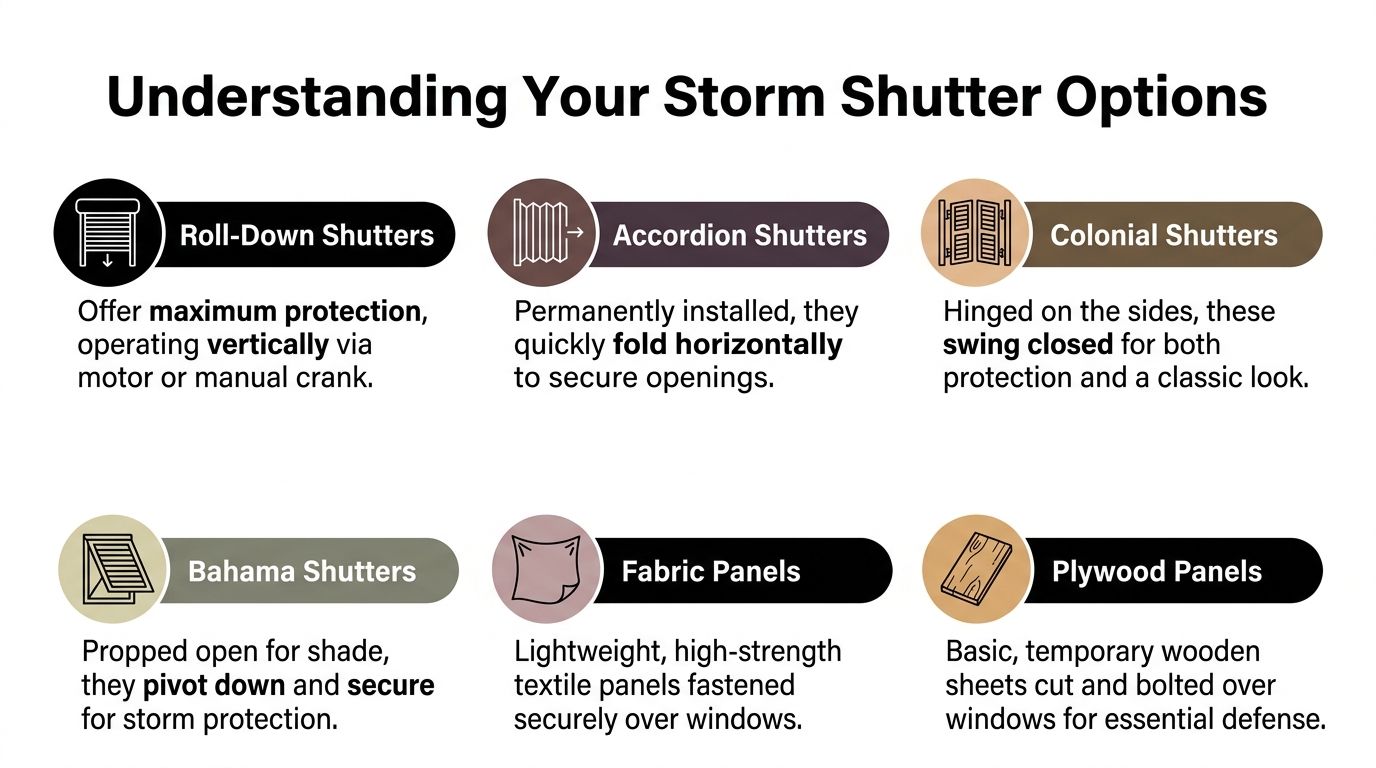
In West Tennessee, I tell homeowners to sort options by one question first. How fast can you secure the house when the weather turns bad and you have very little notice? That matters here because tornado warnings and severe thunderstorm warnings often give you a tighter timeline than a coastal hurricane track. If you own an older home with mixed window sizes, brick veneer, or aging trim, installation details matter just as much as the shutter style.
The six main shutter styles
Roll-down shutters
Roll-down shutters are the best fit for homeowners who want speed, consistency, and less physical work. They stay mounted above the opening, so you are not dragging panels out of storage while the sky turns green.
I recommend them most often for primary residences, larger openings, and homeowners who want protection they will use. They also make sense for older West Tennessee homes that need a retrofit-friendly solution without a pile of loose parts. If you want push-button operation, compare different automatic storm shutter systems for easier deployment.
Accordion shutters
Accordion shutters mount at the sides of the opening and pull across horizontally. They are practical, proven, and usually faster to close than removable panels.
They are a strong choice for side windows, patios, and homes where function matters more than appearance. I also like them for rental properties because the system stays attached to the house. The tradeoff is obvious. You will see the hardware.
Bahama shutters
Bahama shutters are top-hinged and sit out from the window. They add shade and give the home a finished look even when storm season is quiet.
Some rated Bahama systems are approved for demanding coastal standards, including Miami-Dade and High Velocity Hurricane Zone requirements, according to Bahama shutter sizing and performance details. That does not automatically make them the right answer for every West Tennessee house, but it does show that properly built models can offer serious protection. They are usually a better fit on homes where style matters and the architecture can carry the look.
Colonial shutters
Colonial shutters are side-hinged and swing over the window from both sides. They fit traditional homes well, especially older brick homes, cottages, and houses that already have decorative shutter lines.
I like them when curb appeal is a real priority. I am less enthusiastic when the window sits behind shrubs, porch posts, or tight side access. A shutter that is annoying to close tends to stay open.
Storm panels
Storm panels are the budget workhorse. You store them until you need them, then mount them over the openings.
They can protect well for the money, especially on homes with many windows. But they ask more from you at the worst time. You need storage space, labeled panels, the right fasteners, and enough time to install everything correctly. For many West Tennessee homeowners, that last part is where the plan falls apart.
Fabric screens
Fabric systems are lighter than rigid panels and easier to store. They can be a reasonable option for some openings, especially if weight and storage are your biggest concerns.
I still rank them below rigid shutters for many local homeowners. In our area, debris impact and sudden storm prep tend to push buyers toward more solid-feeling systems.
Exterior Storm Shutter Comparison
| Shutter Type | Protection Level | Ease of Use | Aesthetics | Typical Cost |
|---|---|---|---|---|
| Roll-Down | Very high | Excellent, especially motorized | Clean and modern | Usually the highest-cost option among common residential shutter types |
| Accordion | High | Good | Functional, more visible | Mid-range, depending on opening width and hardware |
| Bahama | High on rated models | Good | Decorative, coastal-inspired | Mid to upper range, depending on size and build |
| Colonial | Moderate to high on rated builds | Fair to good | Traditional | Mid to upper range, depending on material and custom sizing |
| Storm Panels | Good | Lowest convenience | Minimal visual impact when stored | Lower upfront cost than permanent systems |
| Fabric Panels | Varies | Good for storage | Minimal | Usually lower than permanent hinged or roll-down systems |
Cost rankings above align with the broader residential shutter type comparisons published by Bob Vila's storm shutter guide. Use those ranges as a starting point, not a final quote, because local labor, mounting surface, and opening size can shift the actual cost fast.
My practical recommendations by homeowner type
- You want the least hassle: Choose roll-down shutters.
- You want permanent protection at a lower price than roll-downs: Choose accordion shutters.
- You want storm protection plus shade and a more distinctive exterior: Choose Bahama shutters.
- You own an older traditional home and care about street-facing appearance: Choose colonial shutters.
- You need the lowest initial cost and can handle setup yourself: Choose storm panels.
- You are retrofitting an older home with uneven openings or tricky access: Favor a permanently mounted system over removable panels.
Quick deployment beats good intentions every time.
Choosing the Right Material Aluminum vs Fabric and More
Shutter type gets most of the attention, but material decides how the shutter feels, ages, cleans up, and performs over time. For storm shutters for windows exterior, material is not a cosmetic afterthought. It changes the whole ownership experience.
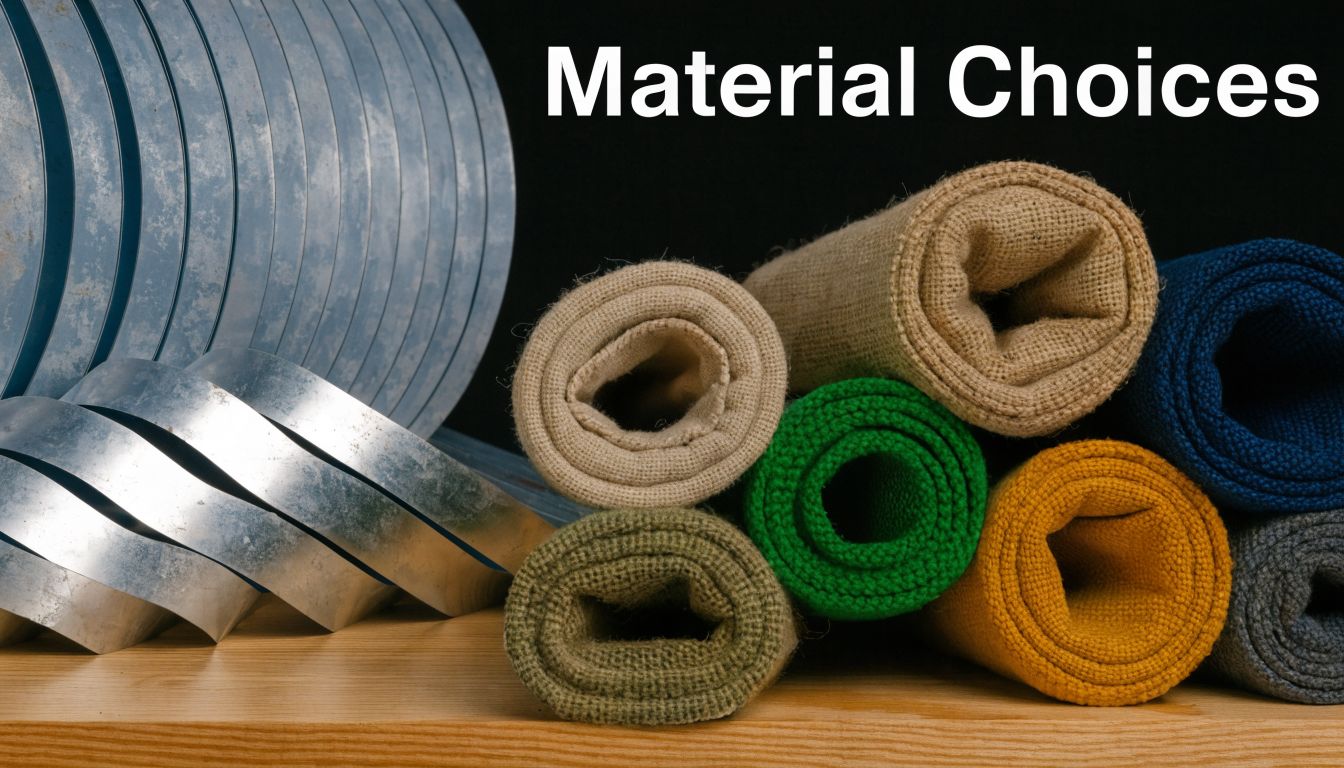
Aluminum is the default for a reason
Aluminum is the material I’d put at the top of the list for most West Tennessee homeowners. It’s strong without being excessively heavy, and it works across multiple shutter styles, including roll-down, Bahama, colonial, and panel systems.
It also has history on its side. In the 1950s, plywood dominated because it was cheap and easy to get, but it was heavy, less durable, and often needed replacement after each hurricane season. Aluminum emerged later as a lighter, more durable improvement, and roll-down shutters became the preferred option in the 1980s as shutter technology advanced, according to this history of hurricane shutter development.
Steel, polycarbonate, and fabric each have a place
Steel is strong, but weight can become a real issue. If you’re dealing with large removable panels, that extra heft matters. The strongest product on paper isn’t always the smartest product for a homeowner who has to handle it.
Polycarbonate is attractive when you want visibility and light transmission. Some homeowners like the idea of keeping a brighter interior while the opening stays protected. The tradeoff is that not everyone likes the look, and product quality varies.
Fabric is the easiest to store. That’s its big advantage. If garage space is tight and you don’t want stacks of panels, fabric can look appealing. I still think many homeowners feel better with rigid protection over key openings.
How I’d choose by real-life use
- For everyday convenience and long-term value: aluminum
- For specialty visibility needs: polycarbonate
- For maximum rugged feel with less concern about weight: steel
- For compact storage and occasional deployment: fabric
Don’t buy a material you can’t comfortably live with. Heavy systems get avoided. Delicate-feeling systems get second-guessed.
Don’t ignore appearance
Exterior shutters have a long architectural history. Shutters date back to ancient Greece and Rome, and exterior louvered shutters became especially popular in the southern United States during the 18th century, later becoming more widely accessible during the Industrial Revolution as mechanized woodworking mills produced uniform slats, according to this overview of the history of exterior shutters. That matters because storm protection doesn’t have to make your house look like an afterthought.
If your home has a strong traditional style, material and design should support that style. If it’s a newer build, cleaner aluminum systems often look more natural than decorative shutters that don’t fit the architecture.
Local Storm Protection Requirements for West Tennessee
Most buying guides fall short. They tell you whether a shutter is hurricane-rated and stop there. For West Tennessee, that’s not enough.
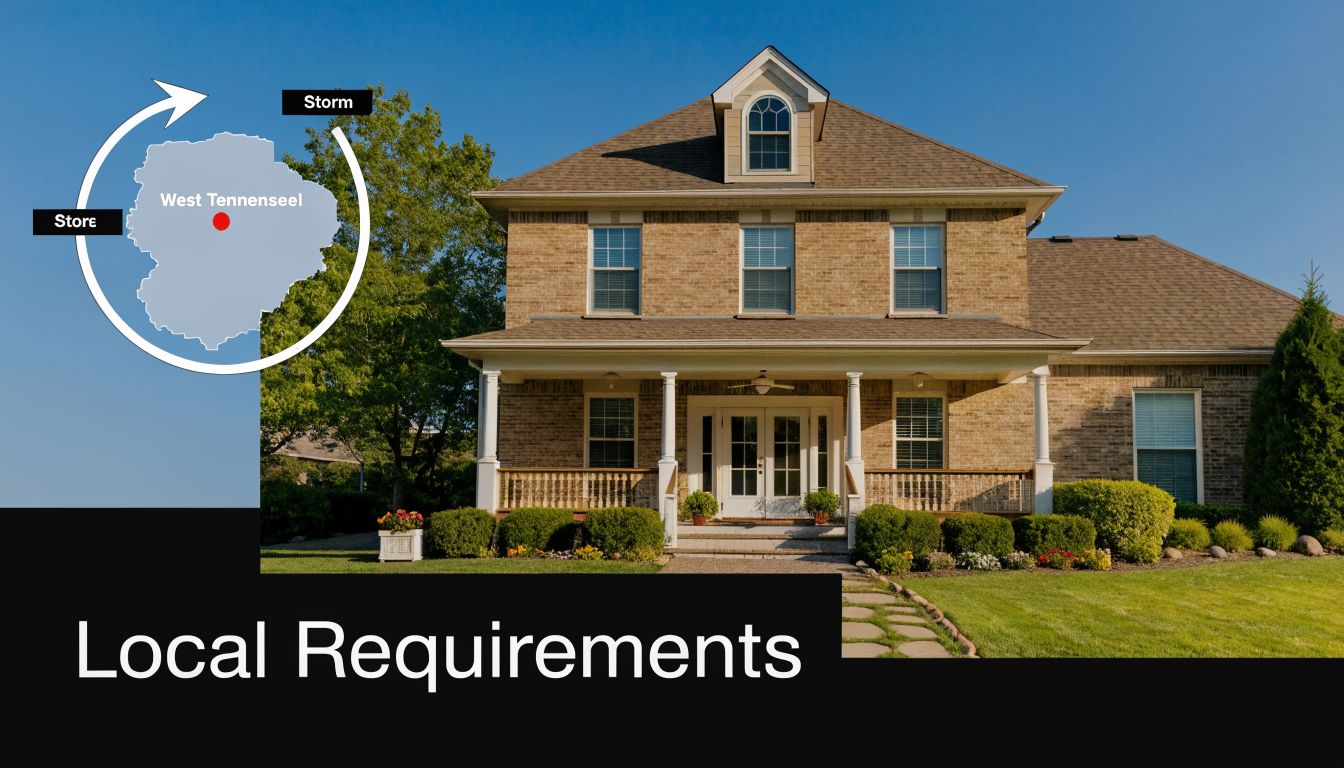
Hurricane-rated is not the whole answer
If you live in tornado-prone inland territory, confirm whether the shutter system meets ICC-500 standards for high-wind debris, not just coastal hurricane requirements. That’s especially important for older homes, and compliant installations can lead to insurance discounts up to 20%, as noted in this guidance on impact Bahama shutters and inland code concerns.
That doesn’t mean hurricane-rated products are useless here. Far from it. Many are strong. But “hurricane-rated” and “best for my West Tennessee house” are not automatically the same thing.
Why older homes need extra attention
A lot of houses in our area weren’t built with modern shutter attachment points in mind. Older brick, aging wood framing, shallow trim details, and nonstandard openings can make retrofitting tricky. You may have a strong shutter product and a weak mounting condition. In that case, the opening is still the problem.
This is exactly why homeowners should stop shopping by brochure and start thinking about installation engineering. The fastener schedule, substrate condition, and anchoring method matter just as much as the shutter panel itself.
Questions worth asking before you buy
- What standard does it meet: Ask specifically about ICC-500, not just hurricane approvals.
- How is it anchored: Mounting into sound framing is different from mounting into questionable trim or aging masonry.
- What happens on larger openings: Wide windows, patio doors, and grouped openings need a different approach than small bedroom windows.
- How will it work on a pre-1980 house: Older homes often require extra retrofit planning.
A rated shutter on a weak attachment surface is not a complete protection system.
My opinion on local priorities
For most West Tennessee homeowners, code fit and deploy speed should rank above decorative appeal. That doesn’t mean appearance doesn’t matter. It means appearance shouldn’t drive the decision until the protection details are settled.
If you own an older home, assume retrofitting will take more planning than the average online guide suggests. That’s normal. The right answer may be a hybrid approach, with different shutter styles on different elevations based on exposure, visibility, and mounting conditions.
Budgeting for Your Storm Shutter Installation
A Jackson homeowner can get one quote that looks reasonable, then a second quote that comes in thousands higher for the same house. Usually, the difference is not sales fluff. It is the opening sizes, the mounting surface, the shutter style, and the labor needed to make the system work on that specific home.

West Tennessee homes add another layer. Older brick ranch houses, deep trim details, and retrofits on pre-1980 homes often cost more than newer construction because the installer has to work around uneven surfaces and older framing conditions.
What drives the price
Shutter type sets the starting point. Roll-down systems cost more than removable panels because you are paying for tracks, housing, moving parts, and a more involved install.
Opening size changes the quote fast. One wide patio door or grouped living room window can cost more than several standard bedroom windows because larger spans need heavier components and tighter installation tolerances.
Operation matters too. Motorized shutters cost more upfront, but they make sense for homeowners who want fast deployment when tornado warnings hit after dark or while they are away from home.
Labor is where many budgets get thrown off. Retrofitting an older West Tennessee house usually takes more time than installing on flat, newer exterior walls. Brick, stone veneer, aging wood trim, and non-standard depths all add labor.
One number worth knowing
If you are pricing premium systems, this guide on the cost of installing shutters gives a useful local benchmark for roll-down shutters with windlocks.
The everyday value matters too. According to Rollac’s overview of security shutter benefits, rolling shutters can help reduce outside noise and improve insulation, which is one reason some homeowners accept the higher upfront cost. Around here, that matters most on busy roads, open rural properties, and west-facing windows that take hard afternoon sun.
Do not build your budget around energy savings alone. Build it around storm protection first, then count the comfort benefits as a bonus.
Why custom install affects cost
A cheap quote can get expensive later.
If the installer has to correct bad measurements, shim uneven masonry, or adjust around older trim details, your final bill goes up. That is common on retrofit jobs in West Tennessee, especially in neighborhoods with older homes that were never designed for modern storm protection hardware.
Custom installation tends to cost more on:
- Older homes with retrofit challenges
- Brick exteriors and masonry openings
- Wide windows and patio doors
- Motorized systems
- Homes with decorative trim, shutters, or limited mounting depth
If you are comparing bids, ask what is included. Some quotes cover only the shutter units. Others include site-specific mounting hardware, electrical work for motors, trim modifications, and finish touch-ups.
For a visual overview of the installation side, this video gives useful context:
A simple budgeting framework
Use a phased plan if the full project feels too expensive. That is the smartest move for many homeowners.
Start here:
Protect the highest-risk openings first
Focus on bedrooms, large street-facing glass, and patio doors.Decide how fast you need deployment to be
If quick setup matters, spend more on permanent systems that are easy to close during severe weather alerts.Budget for retrofit labor, not just the product
Older homes frequently exceed the online estimate on labor costs.Count everyday benefits realistically
Noise control and heat reduction are helpful, but they should not be the main reason you buy storm shutters.Plan for upkeep from the start
Even the best system needs cleaning and routine checks. The same gentle approach used in these best practices for cleaning aluminum siding applies well to many exterior shutter finishes.
If your budget is tight, protect the most exposed openings first and add the rest in stages. That approach fits a lot of West Tennessee homes better than trying to do everything at once.
Maintaining Your Exterior Shutters for Peak Performance
Storm shutters are not a one-and-done purchase. If you want them to work well year after year, you need a maintenance routine that fits West Tennessee conditions. Humidity, pollen, clay dust, and grime are hard on exterior surfaces even when you’re nowhere near salt air.
What aluminum needs in our climate
In humid, non-salt environments like West Tennessee, aluminum shutters can last 20 to 25 years but they require quarterly soft-washes to prevent efficiency loss from pollen and debris buildup, according to this guidance on aluminum shutter maintenance in inland climates. That’s one of the most overlooked parts of ownership.
A lot of coastal maintenance advice focuses on salt corrosion. Around here, the bigger headache is buildup. Dirty slats, clogged tracks, and neglected hinges don’t just look bad. They affect operation.
A realistic maintenance routine
Every quarter
- Wash the exterior surfaces: Use a gentle soft-wash approach.
- Check moving parts: Look for stiffness, drag, or track debris.
- Inspect hardware: Tighten anything that has loosened over time.
If you want a good outside reference for gentle washing methods, the best practices for cleaning aluminum siding are useful because the same soft-touch mindset applies to powder-coated aluminum shutters.
Before storm season
Open and close every operable shutter. Don’t wait for a warning day to discover one section sticks or one latch won’t seat properly.
For roll-down and accordion systems, clear out tracks and confirm the locking points engage cleanly. For Bahama and colonial shutters, inspect hinges, brackets, and fasteners for wear or looseness.
After a major storm
Do a visual inspection as soon as it’s safe. Look for bent slats, scratched finishes, loose fasteners, or signs that debris struck one section harder than the rest.
Clean shutters work better. Maintained shutters close faster. That’s what matters when weather turns in a hurry.
What to avoid
Don’t attack powder-coated aluminum with aggressive tools or harsh cleaners. Don’t assume a pressure washer is always the answer. If you force water where it doesn’t belong or damage the finish, you create more problems than you solve.
And don’t skip testing. A shutter that looks fine from the yard can still bind during operation.
Final Checklist Before You Buy Storm Shutters
Buying storm shutters for windows exterior gets easier when you stop treating it like one big decision and break it into a short checklist. That keeps you from getting distracted by sales language, decorative details, or one feature that sounds impressive but doesn’t fit your house.
Start with the weather risk
Ask yourself what you’re really protecting against. In West Tennessee, that usually means severe storms, wind-driven debris, hail, and tornado risk. If your first thought is only “hurricane protection,” you’re already using the wrong filter.
Match the shutter to your habits
Be honest here. If you won’t carry panels out and install them under pressure, don’t buy a panel system just because the sticker price is lower. Convenience isn’t a luxury feature. It’s part of the protection plan.
Confirm the standards, not just the marketing
This is the part too many homeowners skip. Ask what the product is rated for and how it will be mounted on your specific home. If you’re also vetting installers, it’s smart to understand basic contractor licensing requirements so you know what professional accountability should look like before you sign anything.
Check the house, not just the shutter
A strong shutter still needs a strong mounting surface. Older homes deserve extra scrutiny. Brick veneer details, aging trim, unusual window depth, and nonstandard openings can all change the right answer.
Decide where appearance matters most
Not every elevation has to get the same treatment. Street-facing windows may call for a more architectural solution. Less visible openings may be better served by a purely practical one.
Review the ownership side
Before you buy, make sure you can answer these questions:
- How fast does it deploy
- Who in the house can operate it
- How often does it need cleaning
- Will the finish and style still suit the home in a few years
- Does the install plan fit the wall construction
My simple buying order
- Protection fit
- Code and mounting fit
- Ease of use
- Appearance
- Budget
That order saves people from making expensive mistakes.
Buy the system that fits your house and your life. Not the one with the best brochure.
If you want the smartest result, get a real in-home evaluation. Measurements, mounting conditions, operating style, and architectural fit are hard to judge from photos alone.
If you’re ready to protect your home with storm shutters for windows exterior, contact Blinds Galore for a free in-home consultation in West Tennessee. Call (731) 571-5179 to talk through your options, get a custom install, and move forward with the confidence of 100% satisfaction.
You might also like

Best Plantation Shutter Brands – 2026 Review
If you're looking at your windows right now and thinking the room needs more polish, better privacy,

What Are Plantation Shutters Made Of
You're probably looking at a window right now thinking the same thing a lot of West Tennessee homeowners
Contemporary Roman Shades: Modern Styles for Your Home
You know the feeling. Your old blinds work, but they don't do your room any favors. They look hard,
Sliding Glass Window Treatments for Your West TN Home
That sliding glass door probably does two jobs at once in your home. It opens your living space to the
Vertical Blinds vs Horizontal Blinds: The Definitive Homeowner’s Guide
When you're trying to decide between vertical and horizontal blinds, it really comes down to your
Cordless Blinds vs Corded Blinds A Modern Homeowner’s Guide
When you're weighing the pros and cons of cordless blinds vs corded blinds, the verdict for today's