

9 Custom Shutter Hardware Options for Your Jackson, TN Home Remodel
Quick answer: Custom shutter hardware — hinges, tilt rods, frames, louver sizes, panel configurations, specialty finishes, motorization, and more — determines how your plantation shutters look, operate, and hold up over time. For Jackson, TN homeowners remodeling or renovating, choosing the right hardware means matching your home's architecture, your family's lifestyle, and West Tennessee's humidity levels. This guide walks through nine key hardware categories, what each one costs, and how to make smart choices before your free in-home consultation with a local expert.
Why Shutter Hardware Matters More Than Most Homeowners Realize
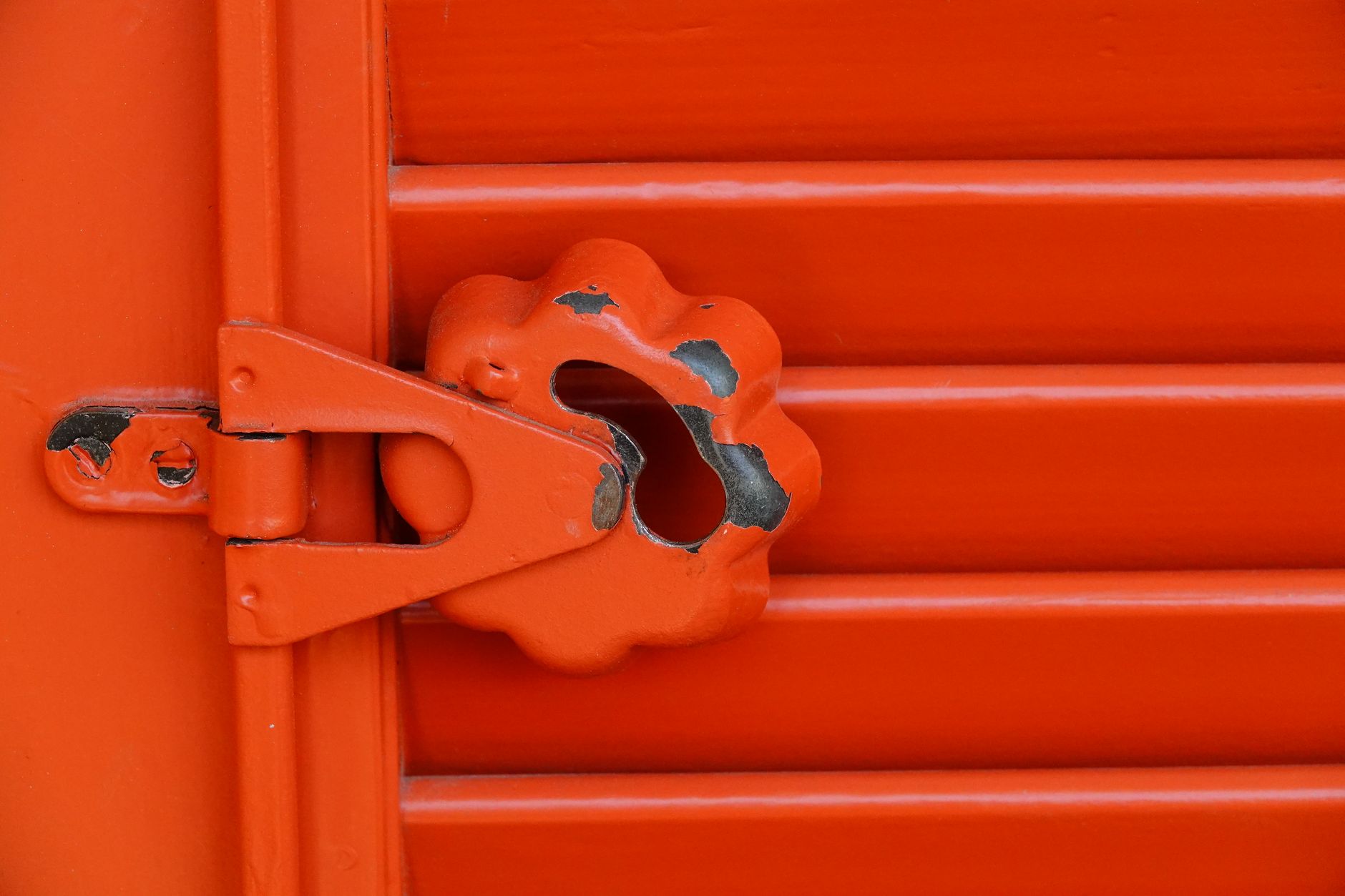
Shutter hardware is the unglamorous backbone of every window treatment project, but it deserves serious attention — especially during a home remodel when walls are open, trim is being replaced, and you have a genuine opportunity to install everything correctly the first time. In Jackson, TN, where home renovation activity has grown steadily alongside the region’s expanding housing market, more homeowners are asking the right questions about hardware before they sign off on an installation. This section explains why that matters.
Hardware Is the Skeleton Behind Every Beautiful Shutter
When most Jackson homeowners picture plantation shutters, they imagine crisp white louvers and clean sightlines. What they rarely picture is the hardware holding everything together — yet that hardware is exactly what separates a shutter that looks stunning for 30 years from one that sags, squeaks, or warps within five. Hinges, frames, tilt mechanisms, and panel pins all work together to keep your shutters plumb, functional, and beautiful through West Tennessee’s hot summers and damp winters.
- Poor-quality hinges cause panels to drift out of alignment over time
- Incorrect frame sizing creates light gaps that defeat the purpose of the shutter
- Cheap tilt rods strip or snap under daily use
The West Tennessee Climate Factor
Jackson, TN sits in a humid subtropical climate zone, with average summer humidity hovering around 70–80% and temperatures regularly topping 90°F. That moisture and heat cycle causes wood to expand and contract — which means shutter hardware must be specified to accommodate movement. Stainless steel and brass hardware components resist corrosion far better than zinc alloys in high-humidity environments. When you’re investing in custom shutters for a remodel, specifying the right hardware finish from the start prevents costly callbacks and replacements down the road.
1. Shutter Frame Types — the Foundation of Every Installation

Before a single louver is hung, the frame must be selected and sized correctly. The frame type determines how the shutter integrates with your existing window trim — and during a remodel, you often have more flexibility than in a finished room. Choosing the right frame at the renovation stage can save $200–$500 per window compared to retrofitting later, because carpenters can prep the rough opening to exact specifications before drywall and trim go in.
L-Frame vs. Z-Frame vs. Deco Frame
The frame is the border that anchors your shutter panel to the window opening. Three configurations dominate residential installations in West Tennessee:
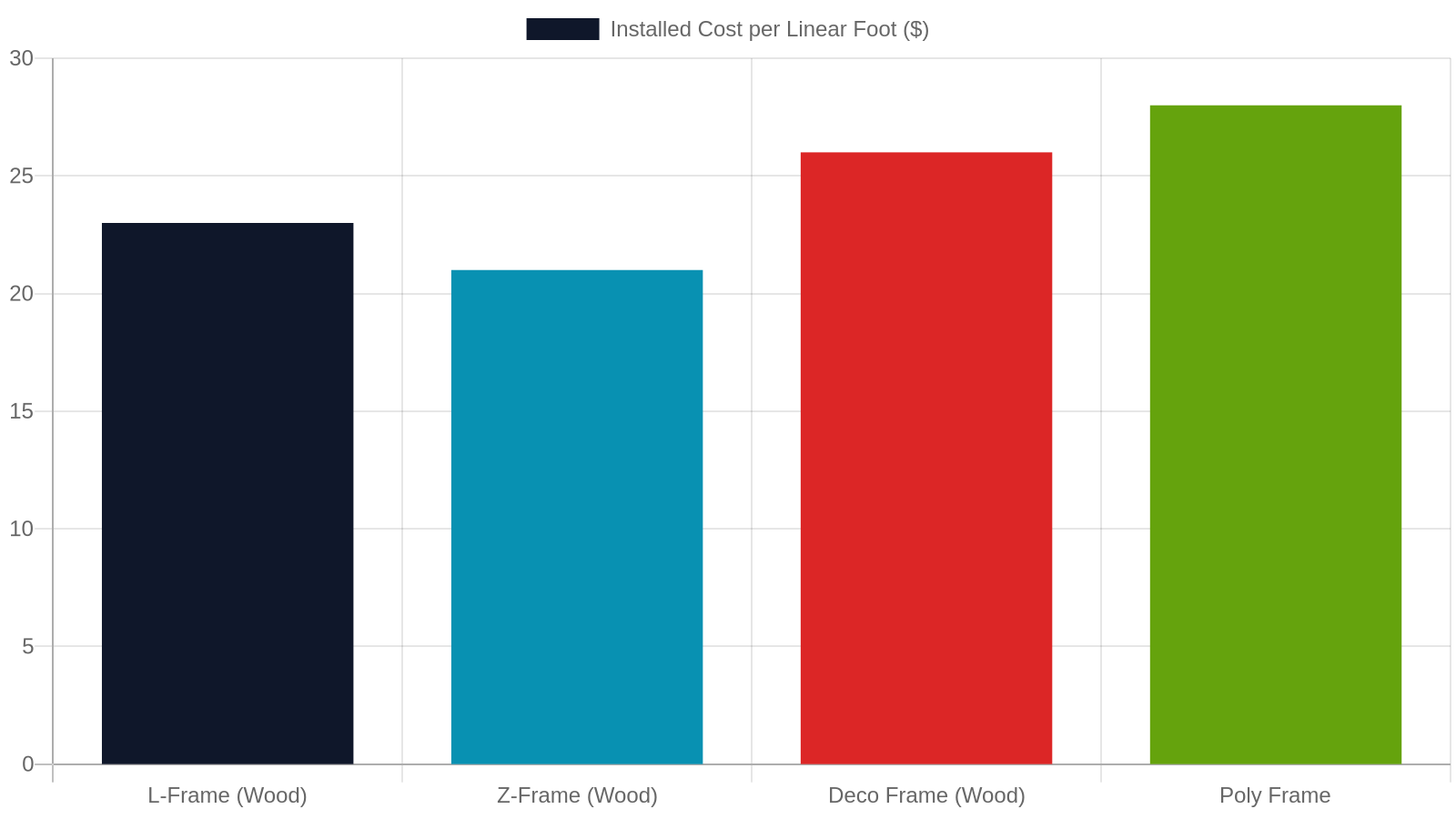
- L-Frame: Mounts flush inside the window casing. Best for new construction and deep window sills (minimum 2.5-inch depth). Clean, built-in appearance.
- Z-Frame: Wraps around the existing window casing. Ideal for remodels where removing trim is impractical. Adds roughly ¾ inch of projection into the room.
- Deco Frame: A decorative face-mount option that creates a furniture-quality look. Popular in formal dining rooms and master bedrooms throughout Jackson and Henderson, TN.
Frame depth must be measured precisely — even a ¼-inch error causes misalignment. This is one reason professional measuring is non-negotiable for custom work.
Material Options: Wood, MDF, and Poly Frames
Frame material affects both durability and price. Solid basswood frames run approximately $18–$28 per linear foot installed and accept paint or stain beautifully. MDF (medium-density fiberboard) frames cost 15–20% less but are heavier and more susceptible to moisture — a real concern in Jackson’s climate. Poly (PVC/composite) frames cost $22–$35 per linear foot but are virtually impervious to humidity, making them the top recommendation for bathrooms, laundry rooms, and any room with a window near a water source.
2. Hinge Styles — How Your Panels Swing Open and Closed
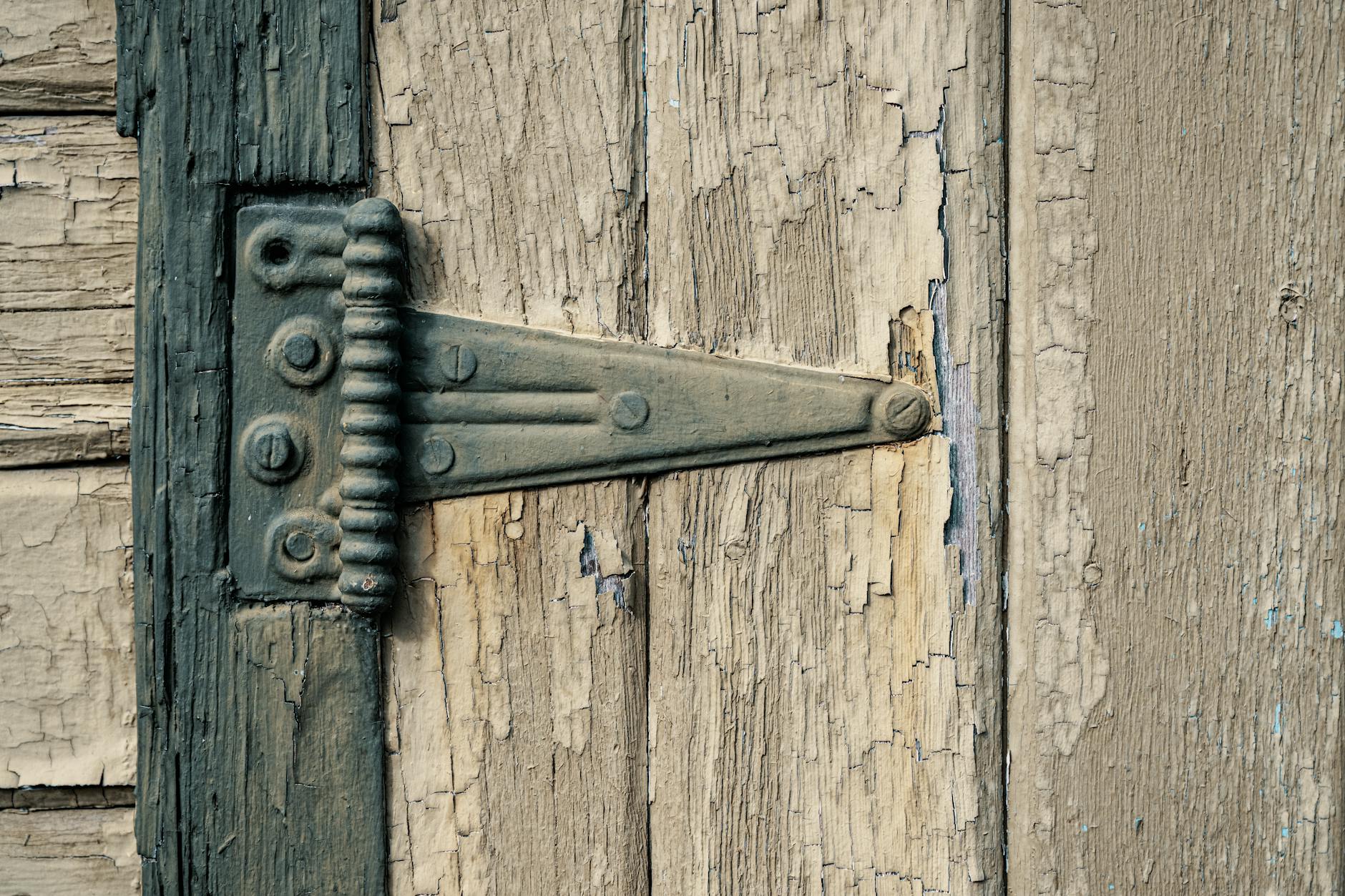
Hinges are one of those hardware details that homeowners never notice — until they fail. A squeaky, sagging, or misaligned hinge turns a beautiful shutter into a daily frustration. During a remodel, specifying the correct hinge style and finish for each room’s use pattern and moisture level is a small decision with a big long-term payoff. Quality hinges add roughly $30–$80 per window to the total project cost but can double the functional lifespan of the installation.
Butt Hinges, Wrap Hinges, and Piano Hinges
Hinges do the heavy lifting every time you open a shutter panel. Three styles are standard in custom installations:
- Butt hinges: Traditional mortised hinges, nearly invisible when the panel is closed. Used on most interior shutters. Available in satin nickel, oil-rubbed bronze, antique brass, and matte black.
- Wrap hinges: Surface-mounted on the outside of the frame, easier to install and adjust. Slightly more visible but very durable — a good choice for high-traffic rooms.
- Piano (continuous) hinges: Run the full height of the panel for maximum weight distribution. Recommended for panels taller than 54 inches or heavier poly shutters.
Hinge Finish and Corrosion Resistance
In West Tennessee’s humid climate, solid brass and stainless steel hinges outperform zinc-alloy alternatives by a wide margin. Zinc hinges can begin showing surface oxidation within 3–5 years in humid rooms, while quality brass hardware routinely lasts 20+ years. Matte black powder-coated steel is a popular modern choice — it’s stylish and holds up well as long as the coating is intact. Budget roughly $4–$12 per hinge for quality hardware; a standard two-panel bi-fold shutter uses 4–6 hinges total.
3. Louver Sizes — Matching the Scale of Your Rooms

Louver size is the hardware specification that most dramatically changes the visual weight and character of a shutter. Choose too small and the shutters look fussy in a modern home; choose too large and they can overwhelm a compact window. During a remodel, you have the advantage of seeing the raw window openings — which makes it much easier to visualize scale before committing. Most Jackson, TN renovation projects in the past five years have trended toward 3½-inch and 4½-inch louvers, reflecting the region’s growing preference for open, airy interiors.
The Four Standard Louver Widths Explained
Louver width is one of the most visible hardware decisions you’ll make. Standard options are:
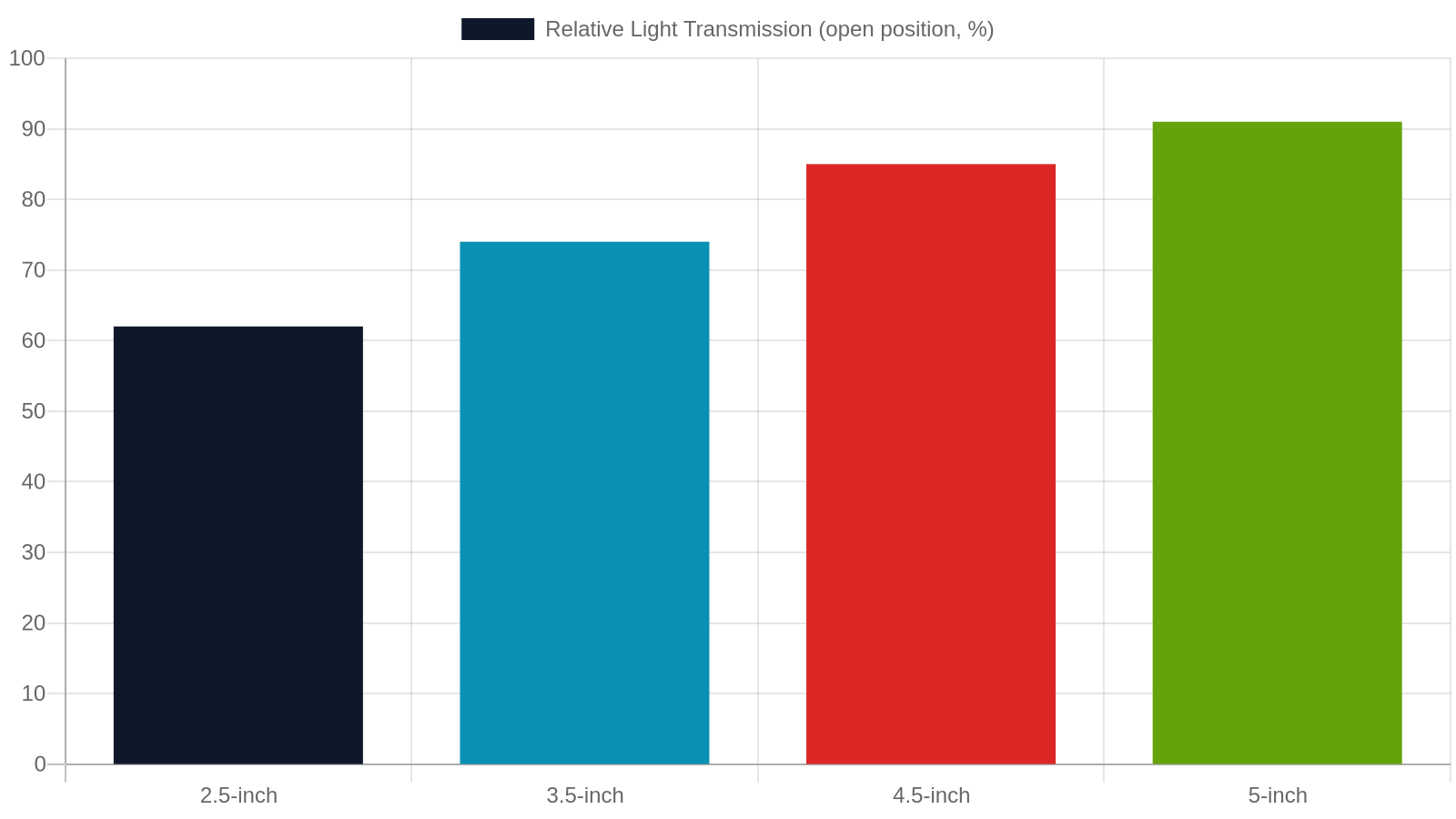
- 2½-inch louvers: Traditional and colonial in character. Best suited for smaller windows, cottage-style homes, and period renovations. Less popular in new builds.
- 3½-inch louvers: The most versatile size — works in virtually every room and architectural style. A safe default for Jackson, TN ranch homes and craftsman bungalows.
- 4½-inch louvers: Contemporary and open. Maximizes the view when open, creates a bold statement when closed. Ideal for large picture windows and great rooms.
- 5-inch louvers: The largest standard option. Increasingly popular in modern farmhouse and transitional renovations throughout West Tennessee.
How Louver Size Affects Light Control and Privacy
Wider louvers let in up to 30% more light when fully open compared to 2½-inch louvers at the same window size, because there are fewer slats interrupting the glass area. However, wider louvers also leave slightly larger gaps when tilted to the privacy position. For bedrooms and bathrooms in Jackson neighborhoods, 3½-inch or 4½-inch louvers with a hidden tilt rod strike the best balance between light, view, and privacy. Discuss your specific room’s orientation — south-facing windows in West Tennessee get intense afternoon sun — with your installer before finalizing louver width.
4. Tilt Rod Options — Hidden vs. Traditional
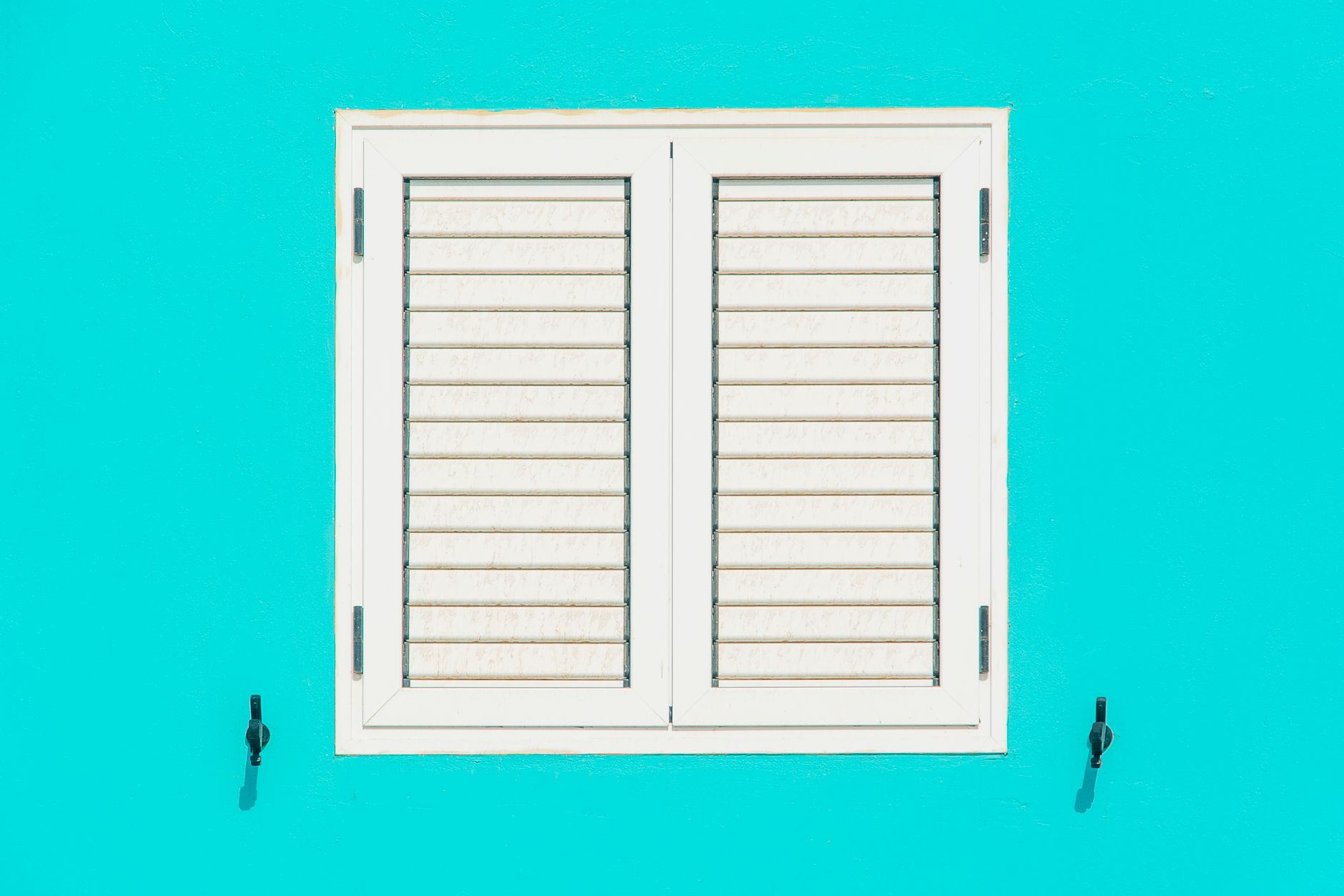
The tilt rod is the hardware component you interact with most often — it’s what you reach for every morning to let light in and every evening to close for privacy. Choosing between a traditional center tilt rod and a hidden rear tilt rod is partly an aesthetic decision and partly a practical one. Both options are durable when properly specified; the difference lies in how the shutter looks and how the mechanism feels in daily use.
Center Tilt Rods: Classic and Reliable
The traditional center tilt rod runs vertically down the middle of the shutter panel, connecting all louvers so they tilt in unison. It’s the most mechanically straightforward design — easy to repair, easy to replace, and universally compatible with all louver sizes. Center tilt rods are the default choice for budget-conscious renovations and for installations in utility rooms, rental properties, and secondary bedrooms where aesthetics are less critical. They’re also the most durable option for households with young children who tend to grab whatever is most visible.
Hidden Tilt (Rear Tilt) Rods: The Clean-Line Choice
Hidden tilt rods move the tilt mechanism to the back of the panel, completely out of sight from the front. The result is an unobstructed view through the louvers and a cleaner, more contemporary appearance. Hidden tilt shutters cost approximately $15–$25 more per panel than center-tilt versions, but they’re overwhelmingly preferred for living rooms, master suites, and any room where the shutters are a design focal point. They’re available on louvers 3½ inches and wider. For upscale Jackson, TN home remodels, hidden tilt is quickly becoming the expected standard rather than an upgrade.
5. Panel Configuration Hardware — Bi-Fold, Bypass, and More
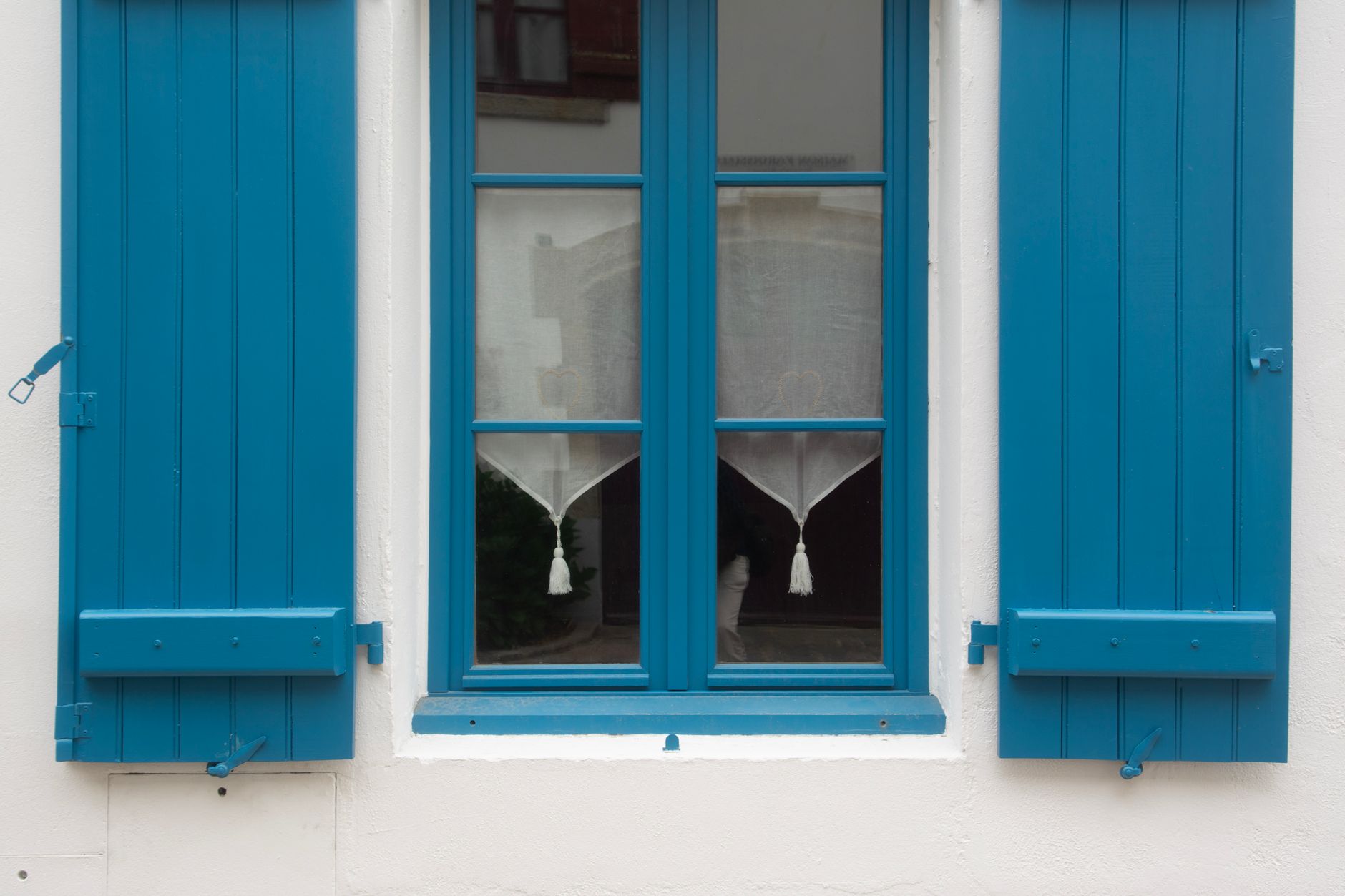
Panel configuration hardware determines how your shutters open, close, and stack when not in use. The right configuration depends on the window or door type, the available clearance on each side, and how often you’ll be operating the shutters. During a remodel, it’s worth planning panel configurations room by room — a sliding glass door in the den needs completely different hardware than a double-hung window in the guest bedroom.
Bi-Fold Panels: The Most Popular Configuration
Bi-fold shutters use pairs of panels hinged together so they fold back against the window frame when opened. This is the configuration most Jackson homeowners picture when they think of plantation shutters. Bi-fold hardware includes panel hinges, a tension pin system, and a magnetic or latch closure to hold panels open or closed. Standard bi-fold sets handle panels up to about 18 inches wide each; wider panels require heavier-duty hardware and may need a mid-rail for structural support.
Bypass Track Systems and Café-Style Hardware
For wide windows, sliding glass doors, and pass-through openings, bypass track systems allow shutter panels to slide past each other on a top-mounted track — similar to sliding closet doors. Track hardware must be rated for the panel weight (typically 8–15 lbs per panel for poly shutters). Café-style shutters cover only the lower half of the window and use a simple frame with two hinges per panel — a popular choice for kitchen windows in West Tennessee farmhouses and bungalows where you want privacy at counter height but full light above. Hardware for café installations costs 20–30% less than full-height configurations.
6. Specialty Finishes and Paint Options for Hardware
Hardware finish is where function meets personal style. During a whole-home remodel, this is the moment to think about your metal finish story across all rooms — mixing too many finishes creates visual noise, while a consistent palette ties the home together. Most designers recommend choosing one primary finish and one accent finish throughout the home, then applying that logic to shutter hardware as well.
Matching Hardware Finish to Your Interior Palette
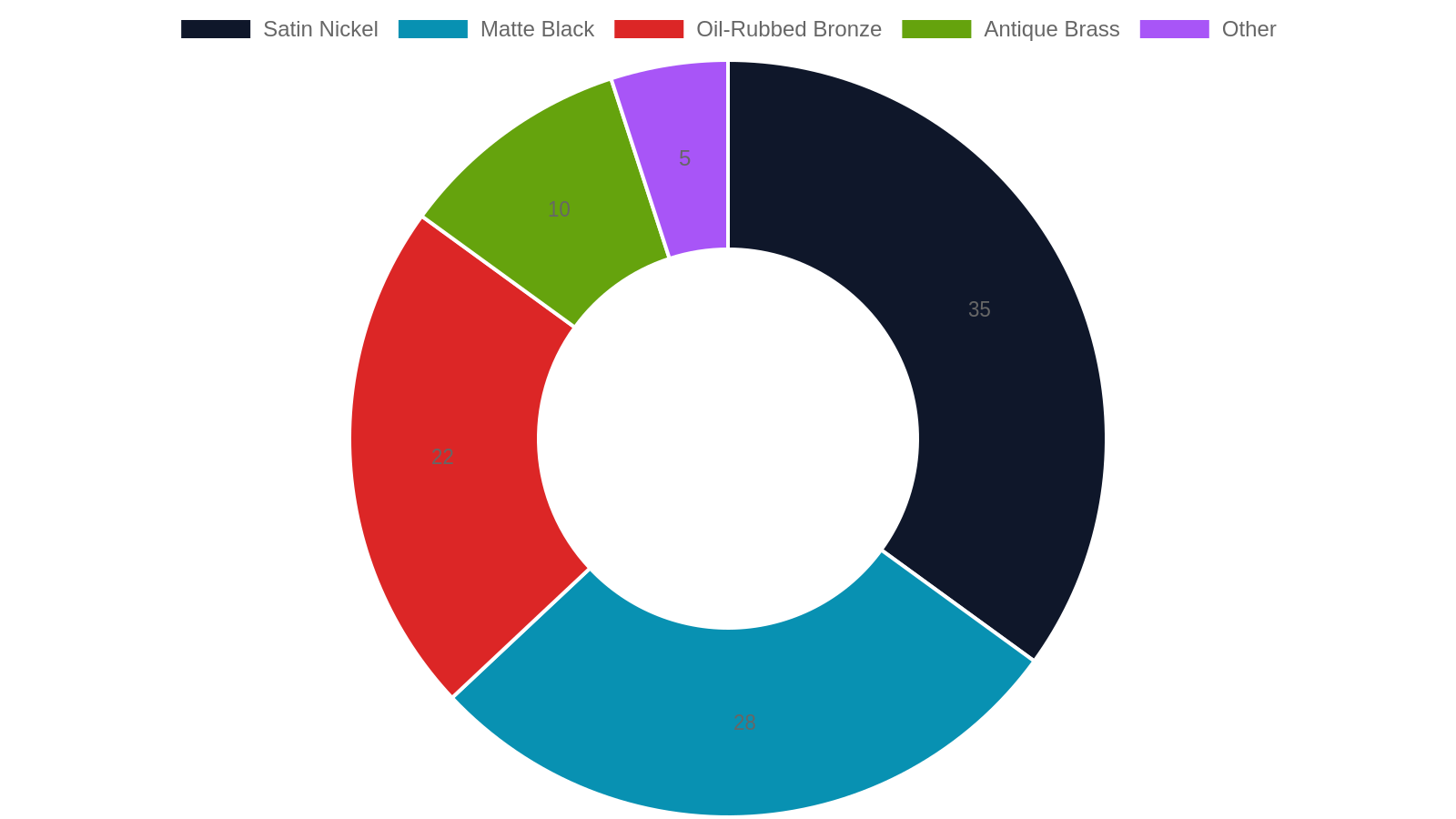
Shutter hardware finishes should coordinate with your other interior metal tones — door hinges, cabinet pulls, light fixtures, and plumbing fixtures. The four most popular hardware finishes in Jackson, TN renovations right now are:
- Satin nickel: Versatile, works with cool and warm palettes. The safest choice for transitional and contemporary interiors.
- Oil-rubbed bronze: Rich and warm. Pairs beautifully with dark wood floors and traditional Southern interiors.
- Matte black: Trending strongly in modern farmhouse and industrial-chic renovations across West Tennessee.
- Antique brass: Making a comeback in eclectic and maximalist interiors; adds warmth and character.
Paint-Grade vs. Stain-Grade Shutter Bodies
The shutter body itself is a hardware-adjacent decision that affects the entire installation’s final appearance. Paint-grade shutters (typically MDF or finger-jointed wood) accept primer and paint smoothly and are the most common choice — roughly 75% of Jackson-area installations use a painted finish, most often Benjamin Moore White Dove or Sherwin-Williams Alabaster. Stain-grade shutters use solid basswood or cedar and showcase the natural grain — a premium option that costs 25–40% more but adds warmth and uniqueness to formal spaces like home offices, libraries, and dining rooms.
Custom Shutter Hardware at a Glance — 9-Option Comparison
Use this table to quickly compare each hardware category by typical cost impact, best use case, and durability in West Tennessee's humid climate.
7. Mid-Rail Hardware — Structural Support for Tall Windows
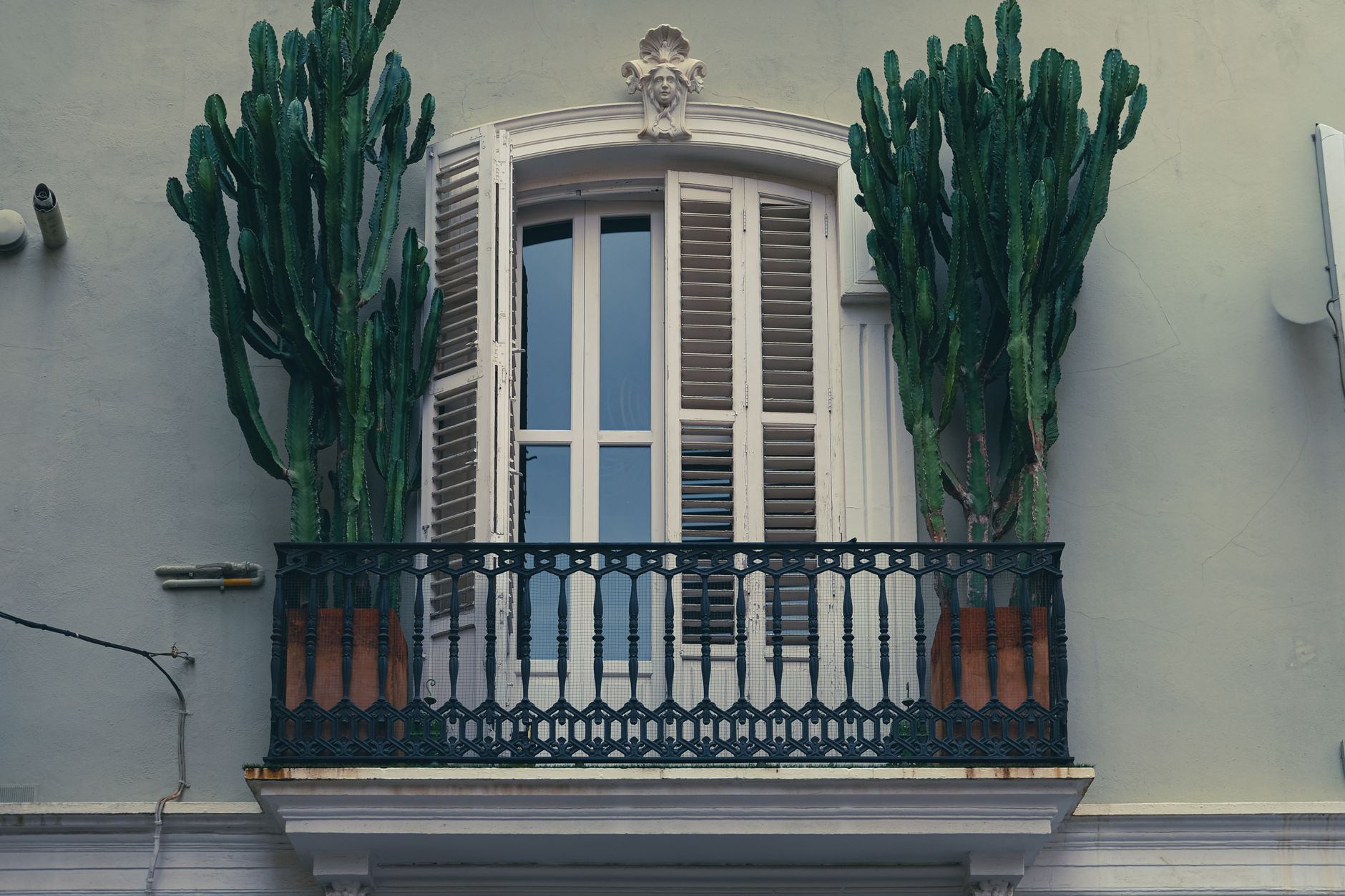
Mid-rail hardware is one of those specifications that experienced installers bring up proactively — and inexperienced ones sometimes skip, leading to panels that warp or bow within a few years. For Jackson, TN homes with tall ceilings and correspondingly tall windows, the mid-rail question should be part of every shutter conversation from the start. It’s a small hardware addition that makes a significant structural and functional difference.
When Do You Need a Mid-Rail?
A mid-rail is a horizontal dividing bar that splits a tall shutter panel into upper and lower sections. It’s both a structural necessity and a design feature. Any panel taller than 54 inches generally requires a mid-rail to prevent the louvers from bowing or the panel from racking over time. Jackson, TN homes built in the 1990s and 2000s often have 9- or 10-foot ceilings, meaning window heights of 60–72 inches are common — making mid-rails a frequent specification in local renovation projects.
Functional Mid-Rails: Independent Tilt Sections
Beyond structural support, mid-rails enable independent tilt control of the upper and lower louver sections. This is a genuinely useful feature: you can tilt the lower louvers closed for privacy from street-level views while keeping the upper louvers open for natural light and sky views. The hardware required includes a split tilt rod or two separate tilt mechanisms per panel, adding approximately $20–$40 per panel to the installation cost. For street-facing rooms in Jackson neighborhoods, this is one of the most practical hardware upgrades available.
8. Motorized Shutter Hardware — Smart Home Integration
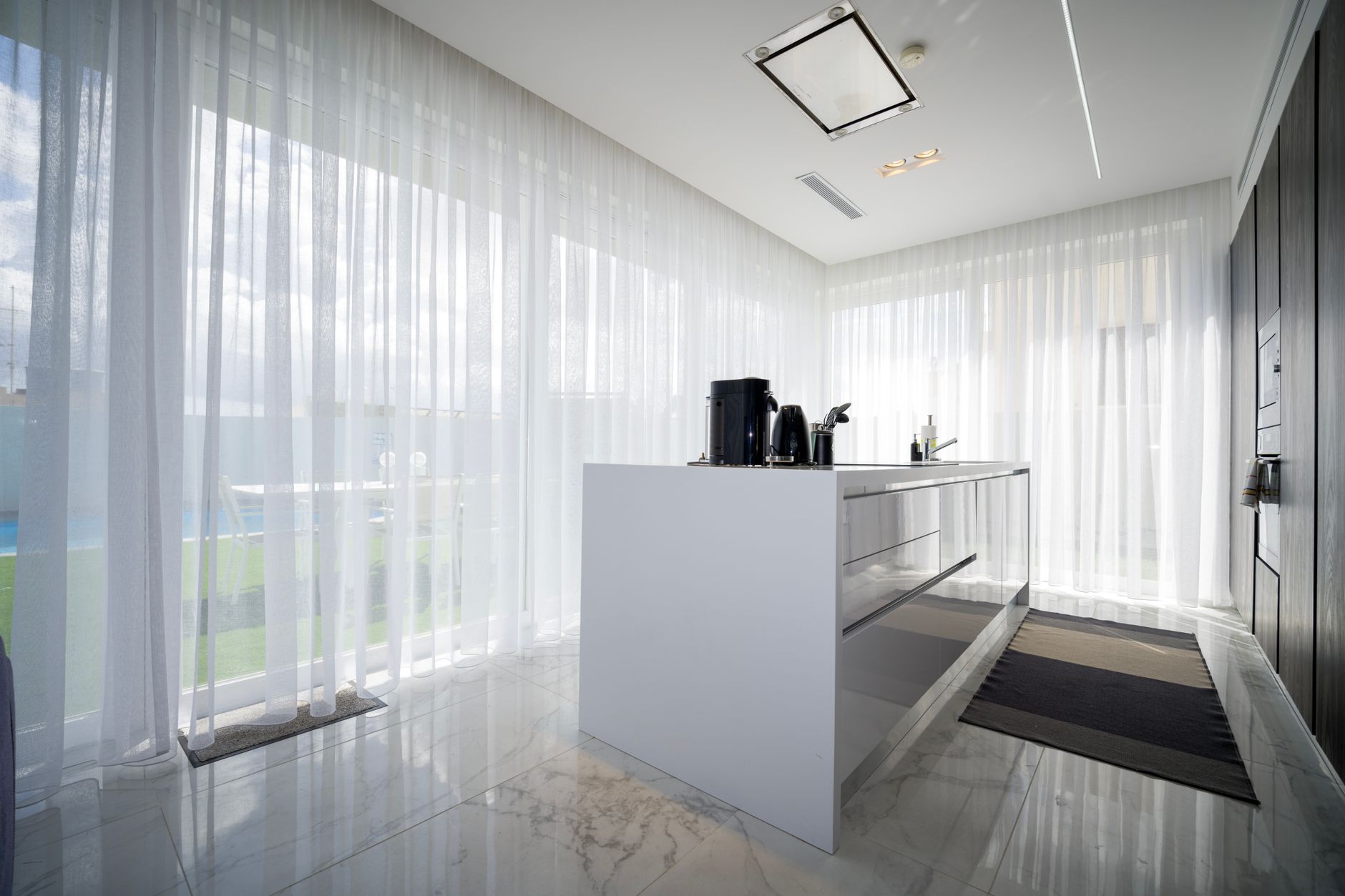
Motorized shutter hardware represents the fastest-growing segment of the custom window treatment market, and a whole-home remodel is the ideal time to integrate it — especially if your contractor is already running electrical and smart-home wiring. While motorization isn’t necessary for every window, strategic use in key locations adds genuine convenience and a premium feel that today’s buyers notice.
How Motorized Tilt Systems Work
Motorized shutters use a small electric motor integrated into the shutter frame to tilt louvers open and closed on command. Most systems operate via a wall switch, remote control, or smartphone app, and leading brands now integrate with Amazon Alexa, Google Home, and Apple HomeKit. The motor and wiring are concealed within the frame during installation — which is why motorization is much easier and cleaner to add during a remodel than as a retrofit. Battery-operated motors (rechargeable via USB-C) eliminate the need for in-wall wiring entirely and are a popular choice for renovation projects where running new electrical isn’t practical.
Cost and Practical Considerations for Motorization
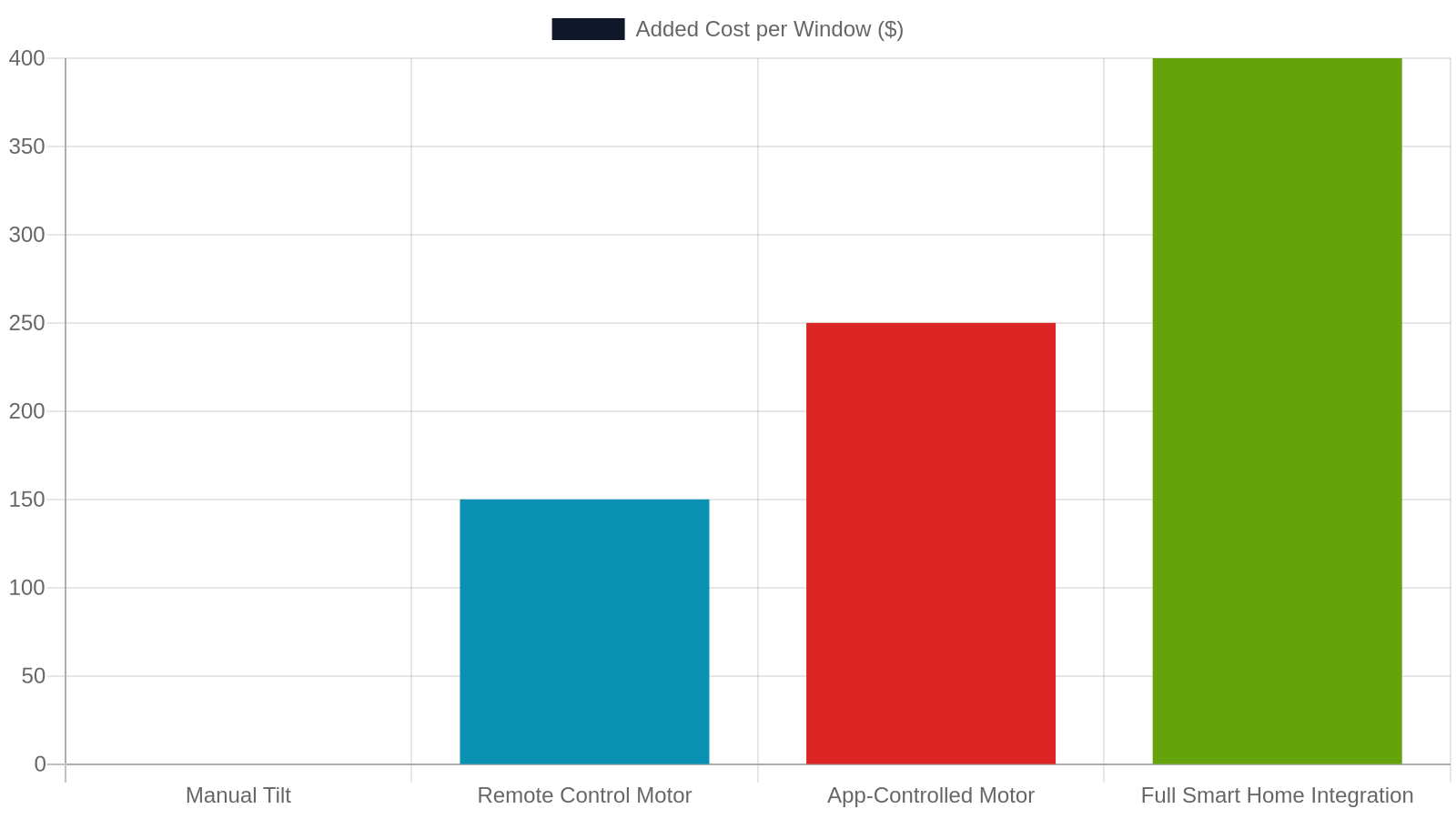
Motorized shutter hardware adds $150–$400 per window depending on the motor type, control system, and whether hardwiring is required. It’s most cost-effective when specified for hard-to-reach windows — skylights, windows above staircases, or large picture windows — and for homeowners with mobility limitations. In Jackson, TN, motorization is increasingly requested for primary bedroom shutters where the convenience of adjusting light without getting out of bed is a genuine quality-of-life improvement. Smart home integration also adds resale value in today’s market.
9. Specialty Hardware for Arched, Bay, and Unique Windows
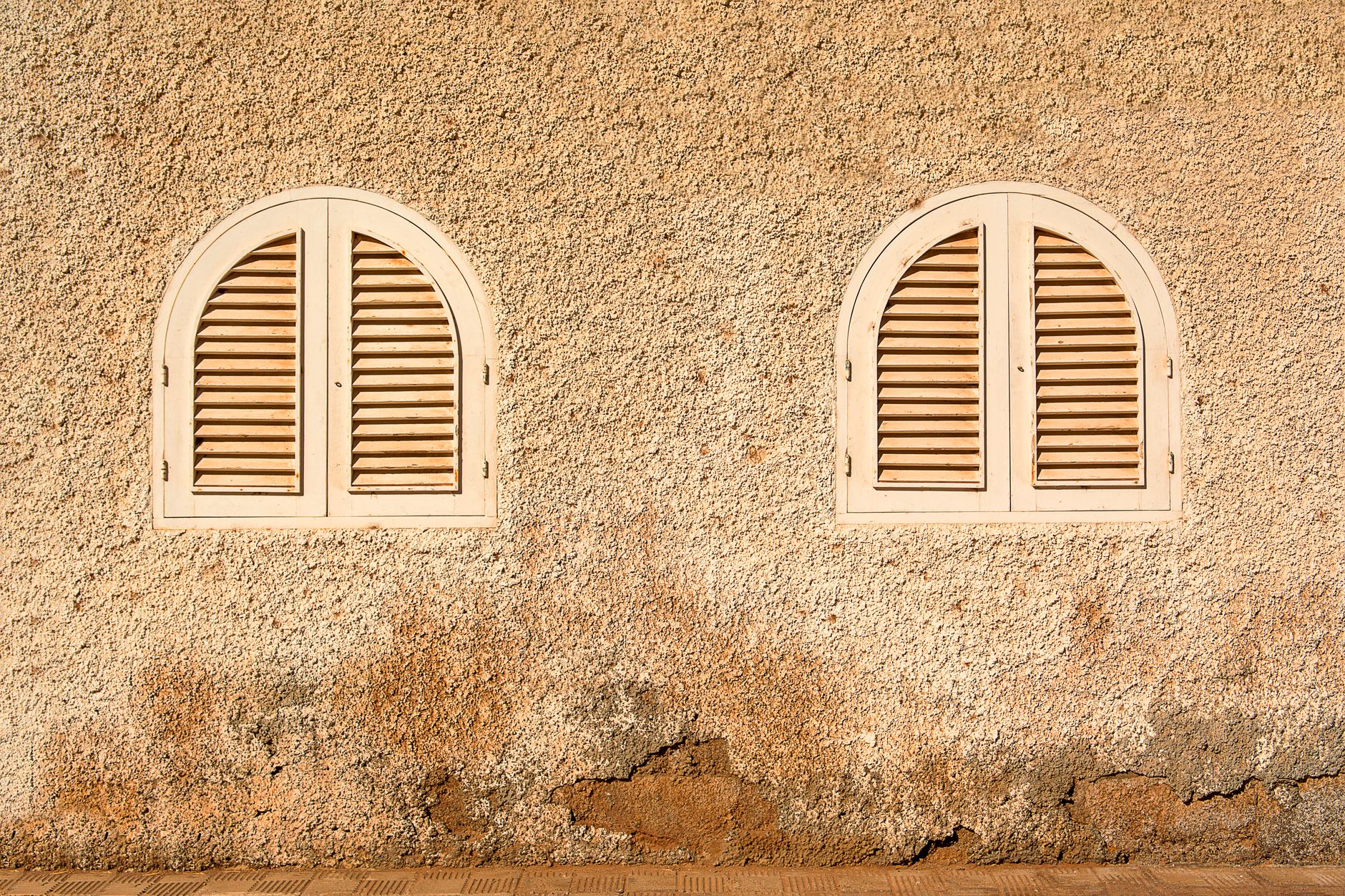
Not every window in a West Tennessee home is a simple rectangle — and specialty window shapes require specialty hardware solutions. Arched windows, bay windows, cathedral windows, and angled sills all demand hardware that’s fabricated to fit the specific geometry of the opening. This is where the difference between a true custom shutter company and a big-box store becomes most apparent: custom hardware for non-standard windows simply cannot be ordered off a shelf. It must be measured, specified, and built for your exact opening.
Arched Window Shutter Hardware
Arched windows are a signature feature in many Jackson, TN homes — from the craftsman bungalows near downtown to the newer construction in the Lambuth and North Jackson areas. Standard rectangular shutter hardware simply doesn’t work for arched openings. Custom arched shutters require a bent or shaped frame rail that follows the curve of the arch precisely, plus specialty hinges rated for the non-standard geometry. These are true custom fabrication jobs — not catalog items — and they typically cost 40–80% more per window than equivalent rectangular installations. The result, however, is a built-in look that no off-the-shelf blind or shade can replicate.
Bay Windows and Angled Frame Hardware
Bay windows present a different challenge: the panels on the angled side windows must be hinged at a compound angle so they fold back without colliding with the center window’s frame. Specialty angled hinge hardware — available in 30°, 45°, and 67.5° configurations — solves this problem cleanly. Bay window shutter hardware also typically includes a custom-bent frame rail for the corner transitions. For Milan, Lexington, and Henderson homeowners with bay window bump-outs, this hardware is the difference between shutters that work beautifully and shutters that bind, gap, or simply can’t be installed at all.
Ready to Choose Your Custom Shutter Hardware in Jackson, TN?
You’ve now got a solid foundation in all nine categories of custom shutter hardware — from frame types and hinge styles to motorization and specialty arched-window solutions. The next step is translating that knowledge into a real specification for your Jackson, TN remodel. That’s where Blinds Galore comes in. We’ve been helping West Tennessee homeowners make exactly these decisions for over 18 years, and we’d love to help you get it right the first time.
Start with a Free In-Home Consultation
The best way to navigate all nine hardware categories above isn’t to spend hours researching online — it’s to have an experienced local professional measure your windows, assess your home’s architecture, and walk you through your options in person. Blinds Galore brings the showroom directly to your home anywhere in the Jackson, TN area, including Lexington, Henderson, and Milan. Our consultants carry physical samples of every hardware finish, louver size, frame type, and tilt rod option so you can see and feel the difference before you commit. There’s no charge for the consultation and no pressure to buy — just expert guidance tailored to your remodel.
Our 100% Satisfaction Guarantee and What It Covers
Every custom shutter installation by Blinds Galore is backed by our 100% satisfaction guarantee. If the hardware doesn’t perform as specified, if a finish doesn’t match what you approved, or if a panel doesn’t hang correctly, we make it right — no runaround, no fine print. With over 18 years of experience serving West Tennessee homeowners, our reputation is built on installations that look great on day one and keep working beautifully for decades. Call us at (731) 571-5179 to schedule your free in-home consultation, or explore our full custom-built shutter options to see the styles and hardware configurations we install most often in Jackson and surrounding communities.
Frequently Asked Questions
How much do custom plantation shutters with quality hardware cost in Jackson, TN?
Custom plantation shutters in the Jackson, TN area typically range from $200 to $450 per window installed, depending on size, louver width, frame type, and hardware upgrades like hidden tilt rods or motorization. Specialty windows (arched, bay) can run 40–80% higher. A free in-home consultation with Blinds Galore will give you an exact quote for your specific windows.
What is the best shutter hardware for humid climates like West Tennessee?
For West Tennessee's humid subtropical climate, poly (PVC/composite) frames and solid brass or stainless steel hinges offer the best moisture resistance. Avoid zinc-alloy hardware in bathrooms or laundry rooms, as it can oxidize within 3–5 years. Poly frames are virtually impervious to humidity and are the top recommendation for any room near a water source.
What's the difference between a hidden tilt rod and a center tilt rod on plantation shutters?
A center tilt rod runs visibly down the middle of the shutter panel and connects all louvers for simultaneous tilting. A hidden (rear) tilt rod moves the mechanism to the back of the panel, leaving the front face completely unobstructed for a cleaner look. Hidden tilt adds roughly $15–$25 per panel and is available on louvers 3.5 inches and wider.
Do I need a mid-rail on my plantation shutters?
Yes, if your shutter panels are taller than 54 inches. A mid-rail provides structural support that prevents louvers from bowing and panels from racking over time. It also enables independent tilt control of the upper and lower louver sections, which is a practical privacy feature for street-facing windows.
Can plantation shutters be motorized during a home remodel in Jackson, TN?
Yes, and a remodel is actually the ideal time to add motorization because your contractor may already be running electrical. Motorized shutter hardware adds $150–$400 per window depending on the control system. Battery-operated motors are also available and don't require new wiring. Most systems integrate with Amazon Alexa, Google Home, and Apple HomeKit.
Does Blinds Galore serve areas outside Jackson, TN?
Yes. Blinds Galore serves the greater Jackson, TN area and surrounding West Tennessee communities including Lexington, Henderson, and Milan. They offer free in-home consultations throughout the region, bringing shutter samples and hardware options directly to your home.
You might also like
Custom Shutters for Jackson TN Sunrooms: Your 9-Point Light Control and Durability Guide
Quick answer: Custom shutters are the best window treatment for Jackson, TN sunrooms because they handle

Best Plantation Shutters for Jackson TN Entryways: 9 Things to Know
Quick answer: Plantation shutters are one of the best window treatment choices for Jackson, TN entryways
Custom Shutters for Bedrooms in Jackson, TN: Privacy, Light Control, and 8 Design Options
Quick answer: Custom bedroom shutters give Jackson, TN homeowners the best combination of privacy, light
Custom Shutters for Living Rooms in Jackson, TN: Your Style and Light Control Guide
Quick answer: Custom plantation shutters are one of the best investments a Jackson, TN homeowner can
Custom Shutters for Dining Rooms in Jackson, TN: Your Complete Style and Light Control Guide
Quick answer: Custom plantation shutters are the most versatile and durable window treatment for dining
Plantation Shutters for Bathroom Windows in Jackson, TN: Your 9-Point Guide to Moisture Resistance
Quick answer: Custom plantation shutters are the top moisture-resistant window treatment for Jackson,