

8 Best Custom Plantation Shutter Tips for Jackson TN Dining Rooms
Quick answer: Custom plantation shutters are one of the best window treatment choices for Jackson, TN dining rooms because they offer precise light control, lasting durability, and timeless Southern style. The eight tips in this guide cover everything from choosing the right louver size and frame finish to cleaning wood versus faux-wood panels and keeping hinges aligned year after year. Whether your dining room faces the afternoon sun on a Milan road or overlooks a shaded backyard in Henderson, the right shutters — professionally measured and installed — can transform the space for decades.
1. Understand Why Plantation Shutters Excel in Dining Rooms
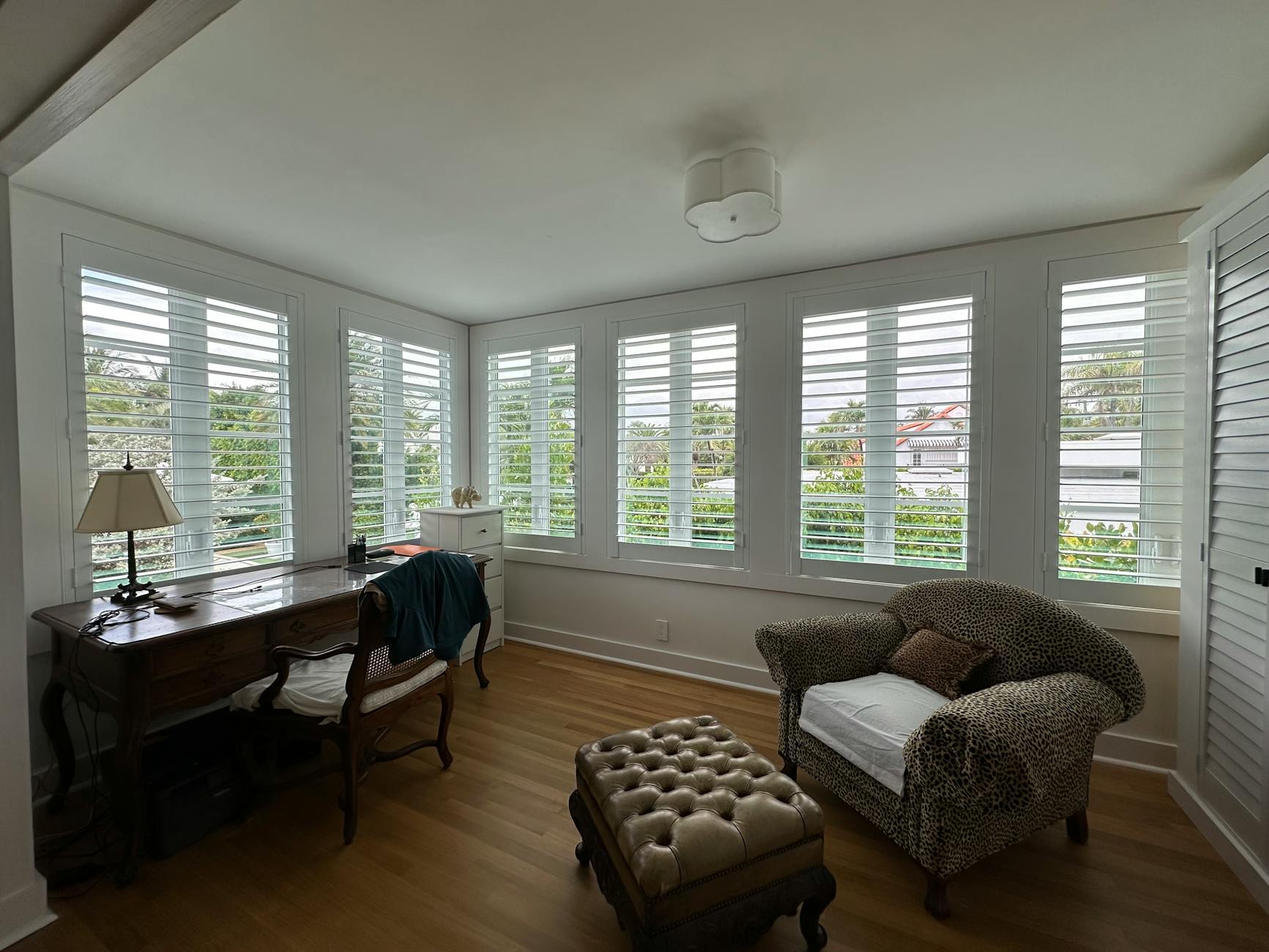
Before diving into design tips, it helps to understand what makes plantation shutters such a natural fit for dining rooms specifically. Unlike bedrooms or living rooms, dining spaces demand a window treatment that can shift from casual to formal at a moment’s notice — and that can handle the humidity and cooking odors that come with the territory. Plantation shutters meet every one of those demands.
Light Control That Matches Every Meal
Dining rooms serve double duty: bright and cheerful for weekend brunches, softly lit and intimate for dinner parties. Plantation shutters are uniquely suited to this range because the adjustable louvers let you dial in exactly how much natural light enters without swapping out a different shade or blind. Tilt the slats to 45° and you bounce light off the ceiling for a warm, diffused glow. Close them fully and you create a candlelit atmosphere even on a sunny West Tennessee afternoon.
Unlike curtains, shutters don’t billow when the HVAC kicks on, and unlike roller shades, they won’t block your view of the backyard when you want it. That versatility is why interior designers consistently rank plantation shutters among the top dining room window treatments in the South.
Long-Term Value vs. Other Window Treatments
Quality custom plantation shutters typically last 20–30 years with proper care — far longer than the average fabric shade (5–8 years) or aluminum blind (3–5 years). For Jackson, TN homeowners, that longevity translates directly into cost savings. A set of custom shutters installed today may outlast two or three rounds of replacement blinds at a comparable price point.
Shutters also add measurable resale value. According to Remodeling Magazine’s Cost vs. Value data, window treatment upgrades that improve curb appeal and energy efficiency consistently return 60–80% of their cost at resale — and plantation shutters check both boxes. They’re a fixture, not a furnishing, which means buyers see them as a built-in upgrade rather than a decorating choice they’ll want to change.
2. Choose the Right Louver Size for Your Dining Room Windows

Louver size is one of the most impactful — and most overlooked — decisions in the shutter selection process. Get it right and the shutters look like they were born with the house. Get it wrong and even the most expensive panel can feel off. Here’s how to choose confidently.
Standard Louver Sizes and What They Do
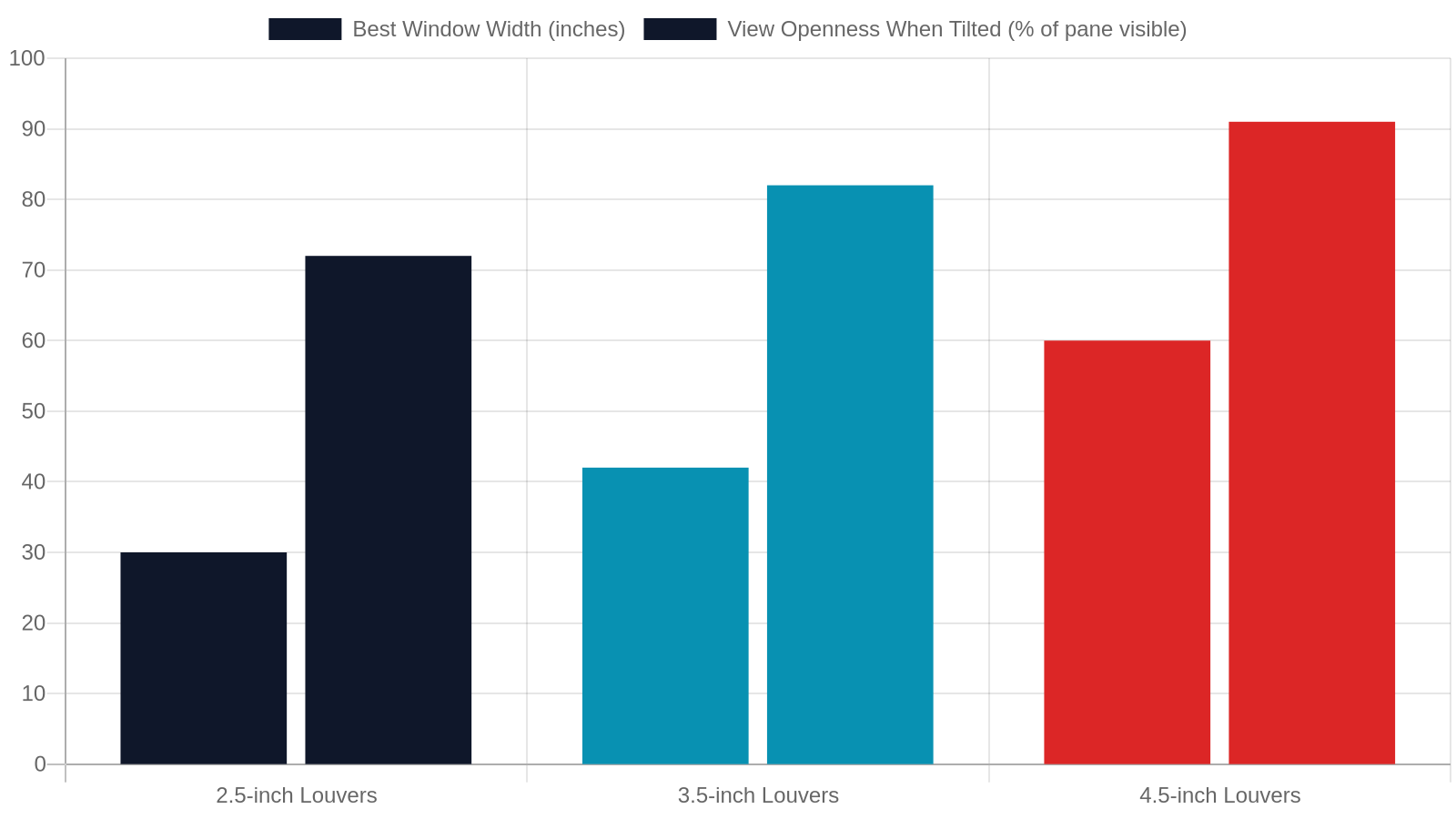
Plantation shutter louvers — the horizontal slats you tilt open and closed — come in three standard widths: 2.5 inches, 3.5 inches, and 4.5 inches. The size you pick changes the look and function of the shutter dramatically.
- 2.5-inch louvers suit smaller windows and cottage-style homes. They offer a traditional, finely detailed look but provide slightly less unobstructed view when open.
- 3.5-inch louvers are the most popular choice for dining rooms because they balance visibility with a clean, classic profile. They work well on standard 36–48 inch wide windows.
- 4.5-inch louvers are ideal for large picture windows or wide bay windows. When open, they virtually disappear, giving you an almost unobstructed view of the yard or street.
Matching Louver Size to Your Room's Scale
A good rule of thumb: the taller and wider your windows, the larger the louver you should choose. In a dining room with 9-foot ceilings and floor-to-ceiling windows — common in newer Jackson, TN builds — 4.5-inch louvers look proportionate and grand. In a cozy dining nook with a single 30-inch window, 2.5-inch louvers keep the scale intimate and appropriate.
When in doubt, hold a ruler up to your window and visualize the slat width before ordering. Better yet, let a professional bring physical samples to your home. Blinds Galore’s free in-home consultation does exactly that — a design consultant arrives with actual louver samples so you can see them in your dining room’s real light before committing.
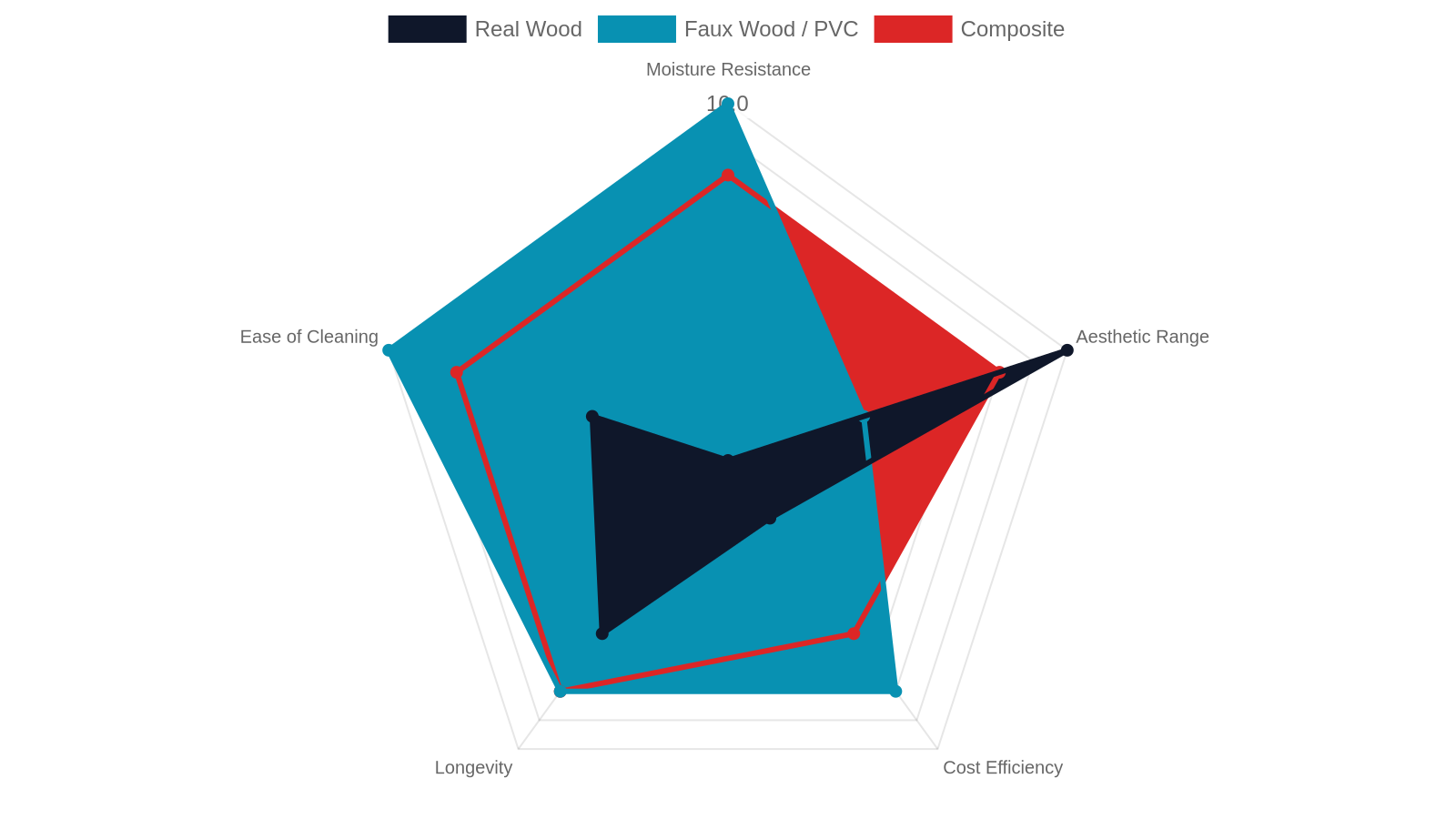
3. Select the Best Material — Wood vs. Faux Wood vs. Composite
The material you choose for your plantation shutters affects not just appearance but long-term durability, maintenance requirements, and cost. In a dining room — a space that sees humidity from cooking, temperature swings, and daily use — material selection is especially important. Here’s a clear breakdown of your three main options.
Real Wood Shutters: Beauty With Conditions
Real wood plantation shutters — typically crafted from basswood, poplar, or paulownia — offer the richest grain patterns and the widest range of paint and stain finishes. They’re the classic choice for formal dining rooms in historic homes throughout Jackson and West Tennessee. Basswood shutters can be stained to match existing millwork, creating a seamless, built-in look that no other material replicates.
The trade-off is sensitivity to moisture and humidity. West Tennessee summers are notoriously humid, and a dining room near a kitchen can see significant moisture fluctuations. Real wood shutters in these conditions may warp or crack over time if not properly sealed and maintained. They’re best suited for dining rooms with good climate control and low direct moisture exposure.
Faux Wood and Composite: The Practical Powerhouse
Faux wood shutters — made from PVC, vinyl, or a wood-composite core — were engineered specifically to solve real wood’s moisture problem. They won’t warp, crack, or swell in humid West Tennessee summers, making them an excellent choice for dining rooms that open onto kitchens or have windows near exterior walls that collect condensation in winter.
Modern faux wood shutters have come a long way aesthetically. High-quality composite panels mimic the texture and weight of real wood convincingly, and they accept paint finishes beautifully. They’re also typically 15–25% less expensive than comparable real wood shutters, which makes them a smart choice for larger dining room window configurations. For most Jackson, TN homeowners, composite or faux wood shutters offer the best balance of performance, appearance, and value. Explore the full range of options on our custom built shutters page.
4. Pick a Frame Style and Finish That Complements Your Dining Room
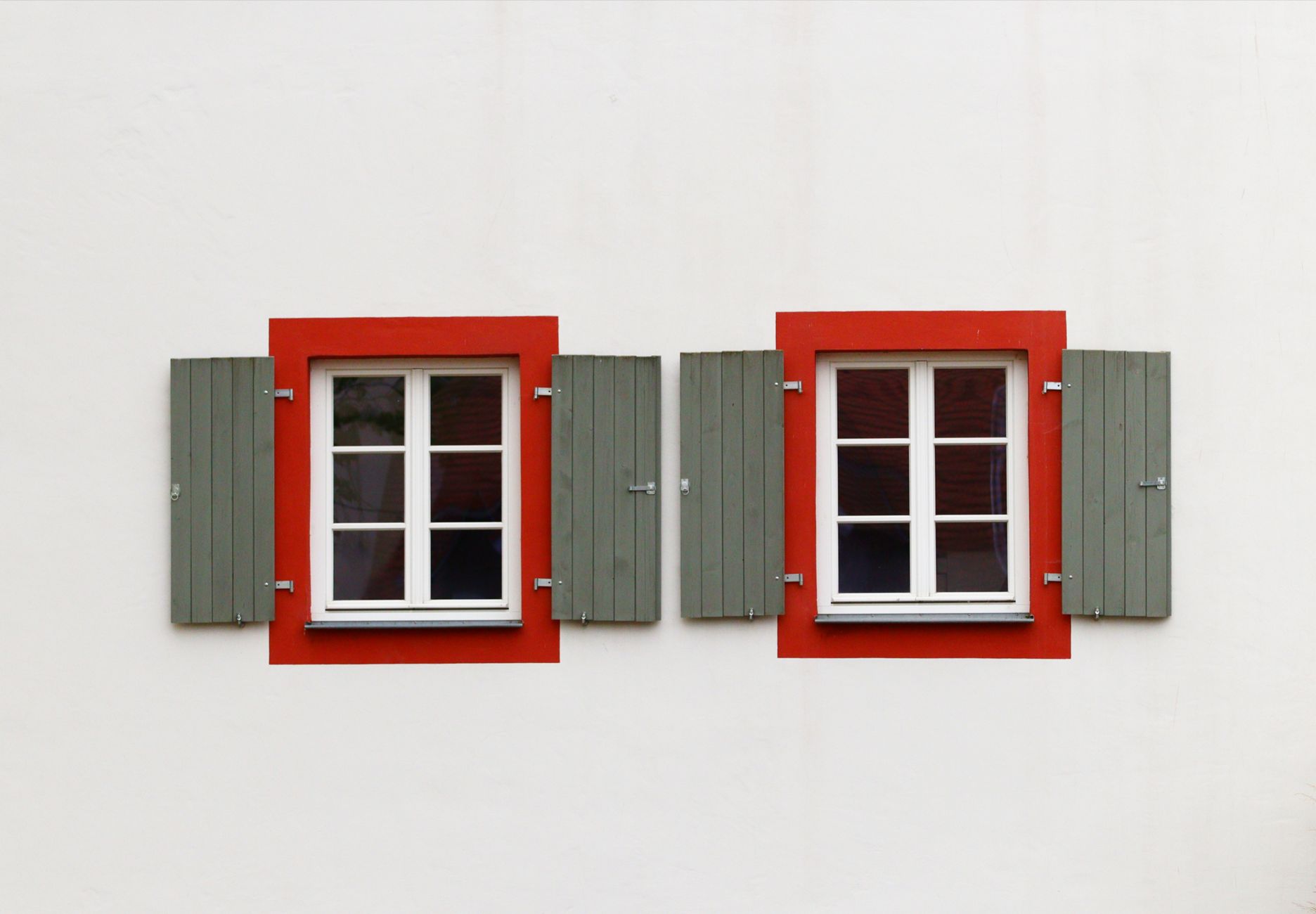
Beyond louver size and material, the frame style and finish color are the two decisions that most dramatically affect how your plantation shutters integrate with your dining room’s overall design. These choices should be made with your specific window architecture and room palette in mind.
Frame Configuration Options Explained
Plantation shutters come in several frame configurations that affect how they sit in and around your window opening. The three most common are:
- L-frame (inside mount): The shutter panel sits inside the window casing, flush with the wall. This is the cleanest, most architectural look and works beautifully in dining rooms with deep window sills.
- Z-frame (outside mount): The frame wraps around the outside of the window opening, covering the casing. Ideal when windows lack a deep enough recess for an inside mount, or when you want the shutters to appear larger than the window itself.
- Bypass or bi-fold frames: Allow multiple panels to stack or fold back completely, maximizing the view and light opening. Great for wide dining room windows or sliding glass doors that lead to a patio.
Finish Colors That Work in Southern Dining Rooms
White and off-white finishes dominate plantation shutter sales across the South for good reason — they’re timeless, they brighten a room, and they complement virtually every wall color and furniture style. Bright white (pure white) reads crisp and modern, while antique white or linen tones feel warmer and more traditional — a natural fit for the classic Southern aesthetic common in Jackson, TN homes.
If your dining room features dark wood furniture or rich wall colors, consider a painted wood shutter in a deep navy, sage green, or charcoal for a dramatic, designer look. Stained wood shutters in honey oak or walnut add warmth and pair beautifully with farmhouse or craftsman dining room styles. When choosing, always evaluate the finish in your actual dining room light — morning sun and evening lamplight can make the same color look very different.
5. Measure Precisely — Why Professional Measuring Matters
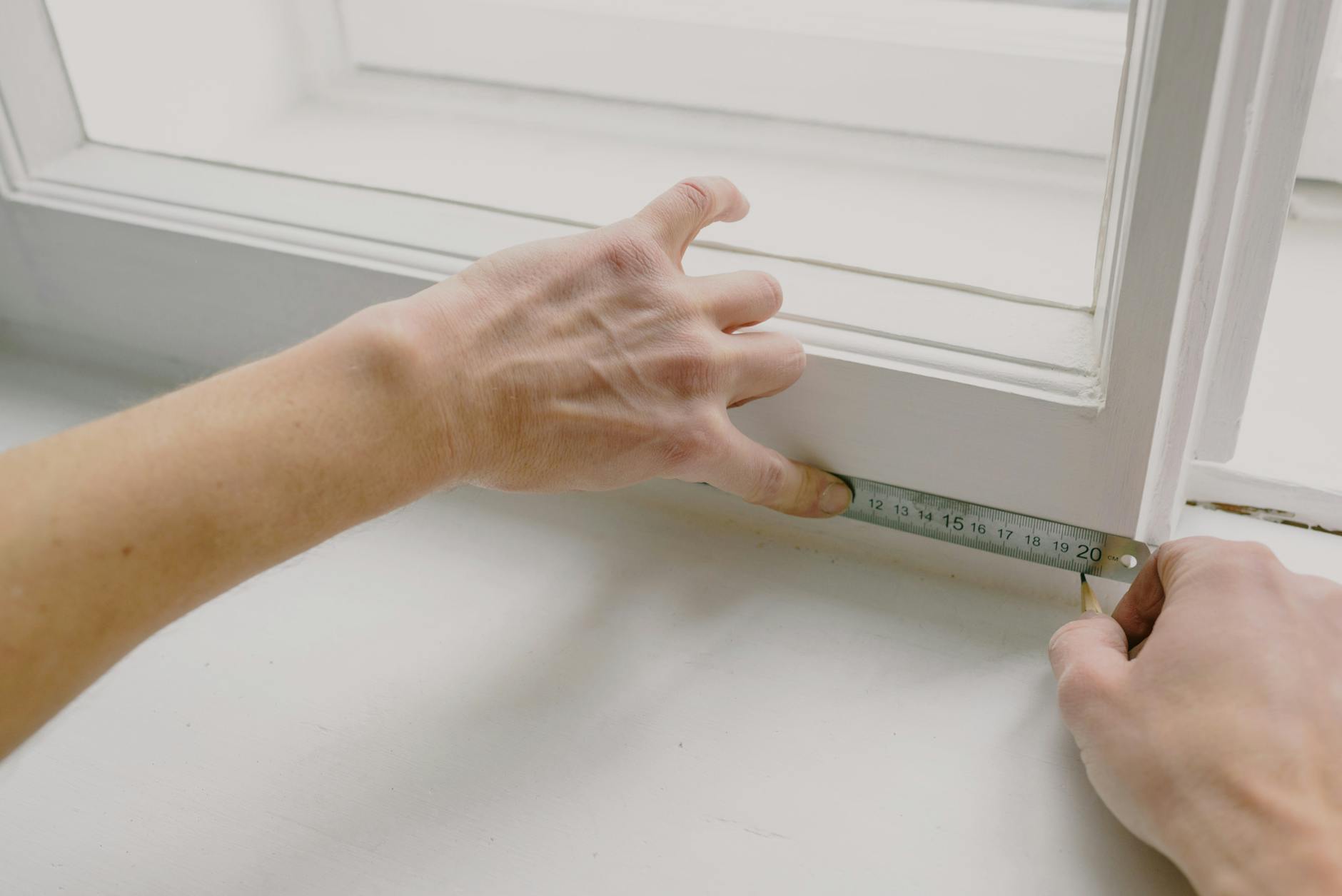
Custom shutters are only as good as the measurements they’re built from. Even a quarter-inch error can mean a panel that binds, gaps, or simply won’t mount correctly. This is one area where professional expertise pays for itself immediately — and it’s why Blinds Galore includes professional measuring as part of every free in-home consultation.
The Cost of Getting It Wrong
Custom plantation shutters are built to your exact window dimensions — which means a measuring error is not a minor inconvenience. It’s a panel that won’t fit, a gap that lets in light and drafts, or a frame that won’t close properly. Remaking a custom shutter panel typically costs 50–100% of the original panel price and adds 3–6 weeks to your timeline. In a dining room where you’re hosting Thanksgiving or a holiday dinner, that delay matters.
Common DIY measuring mistakes include: failing to account for out-of-square windows (very common in older Jackson homes), not measuring at multiple heights and widths to catch variations, and overlooking obstructions like window cranks, locks, or deep sill returns that affect the frame depth required.
What a Professional Measurement Includes
When Blinds Galore sends a professional to your home for a free in-home consultation, the measuring process covers far more than width and height. The consultant checks:
- Square corners: Most windows are not perfectly square. A pro accounts for the widest and tallest points to ensure the frame fits without gaps.
- Depth of window recess: Inside-mount shutters require a minimum recess depth — typically 2.5 to 3.5 inches depending on the frame style chosen.
- Obstructions: Window locks, crank handles, and HVAC vents near the sill can all affect which mount style and frame depth will work.
- Panel split points: On wide windows, the consultant determines the optimal split between panels so the tilt rod and center rail align naturally with the window’s proportions.
Getting these details right the first time is why professional measuring is a non-negotiable step in the custom shutter process.
6. Optimize Your Shutters for Energy Efficiency in West Tennessee
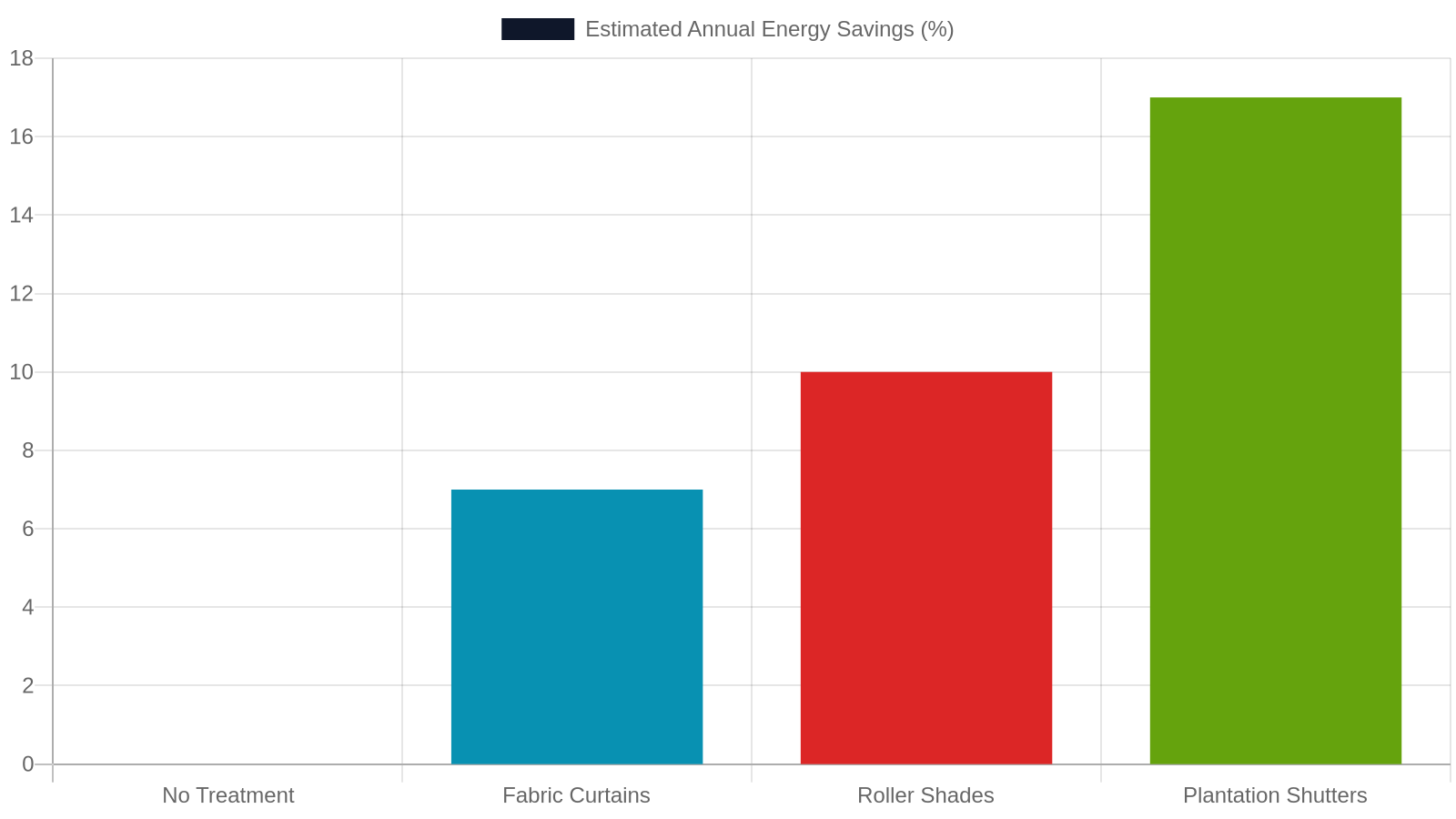
Energy efficiency is an underappreciated benefit of plantation shutters — one that becomes very real when you’re paying a West Tennessee summer electric bill. The right shutters, used strategically, can meaningfully reduce solar heat gain in summer and heat loss in winter, making your dining room more comfortable year-round.
How Plantation Shutters Reduce Heating and Cooling Costs
West Tennessee summers are long and hot, and dining rooms with south- or west-facing windows can become uncomfortably warm by mid-afternoon. Closed plantation shutters create a dead air space between the louvers and the glass that acts as a thermal buffer — similar in principle to double-pane glass. Studies from the Lawrence Berkeley National Laboratory estimate that interior window shutters can reduce solar heat gain by up to 45% on south-facing windows during summer months.
In winter, the same air pocket helps retain indoor heat, reducing the load on your furnace. For Jackson, TN homeowners on a budget, this translates to meaningful savings — the U.S. Department of Energy estimates that window treatments with good insulating properties can reduce heating and cooling costs by 10–20% annually.
Strategic Louver Positioning for Seasonal Comfort
You don’t have to choose between light and energy efficiency — strategic louver positioning lets you have both. In summer, tilt the louvers upward at a 45° angle so they deflect direct sunlight toward the ceiling rather than into the room. This bounces diffused light in while blocking the radiant heat that comes with direct sun exposure.
In winter, open the louvers fully during daylight hours to maximize passive solar gain through your dining room windows, then close them at dusk to trap that warmth inside. This simple daily habit can noticeably reduce your heating bill over a West Tennessee winter without sacrificing comfort or natural light during meals.
7. Clean Your Plantation Shutters the Right Way
Plantation shutters are remarkably low-maintenance compared to fabric window treatments, but they do need regular attention — especially in a dining room where cooking residue, humidity, and daily use accelerate dust and grime buildup. The good news: a proper cleaning routine takes very little time and keeps your shutters looking showroom-fresh for years.
Weekly Dusting Routine That Takes Under 5 Minutes
The most effective plantation shutter cleaning routine is also the simplest: dust the louvers weekly with a microfiber cloth or a lamb’s wool duster. Work from top to bottom, wiping each louver in a single stroke. For shutters with a tilt rod, close the louvers in one direction, dust the exposed faces, then tilt them the other way and dust the opposite faces.
In a dining room, airborne cooking oils and food particles can accumulate on louver surfaces faster than in other rooms. A weekly dusting habit prevents this buildup from hardening into a film that requires more aggressive cleaning later. Set a reminder — five minutes once a week is far easier than a deep clean every few months.
Deep Cleaning Without Damaging Your Shutters
For a monthly or quarterly deep clean, use a damp microfiber cloth lightly moistened with warm water and a drop of mild dish soap. Wipe each louver individually, then follow immediately with a dry cloth to prevent moisture from sitting on the surface. This is especially important for real wood shutters, where standing moisture can cause swelling or finish damage over time.
Avoid these common mistakes:
- Never use steam cleaners on wood or composite shutters — the heat and moisture can warp panels and loosen joints.
- Avoid harsh chemical sprays like bleach or ammonia-based cleaners, which can strip paint finishes and yellow white panels over time.
- Don’t soak the louvers — excess water that seeps into the tilt mechanism or frame joints can cause long-term damage.
Faux wood and PVC shutters are more forgiving of moisture and can handle a slightly wetter wipe-down, but the same gentle approach extends their life and keeps finishes looking fresh.
Plantation Shutter Options at a Glance: Material and Style Comparison
Use this table to quickly compare the most important attributes of each shutter material and mount style for dining room applications in West Tennessee homes.
8. Perform Annual Maintenance to Keep Shutters Operating Perfectly

Even the highest-quality custom plantation shutters benefit from a simple annual maintenance check. Think of it the same way you’d think about servicing your HVAC or checking your smoke detectors — a small investment of time each year prevents larger problems down the road. Here’s what to look for and how to address the most common issues.
Checking and Adjusting Hinges and Tilt Mechanisms
Once a year — spring is a natural time in West Tennessee, just before the humidity of summer sets in — inspect every hinge and the tilt rod mechanism on your dining room shutters. Loose hinges are the most common cause of panels that sag, bind, or won’t close flush. Tighten any loose screws with a small Phillips-head screwdriver. If a screw spins without catching, remove it, insert a wooden toothpick with a dab of wood glue into the hole, let it dry overnight, then re-drive the screw.
The tilt rod — the vertical bar that connects all the louvers — should move smoothly with light finger pressure. If it feels stiff or catches, apply a tiny amount of clear silicone lubricant (not WD-40, which attracts dust) to the pivot points where the louvers connect to the rod.
Inspecting for Warping, Cracking, and Finish Wear
During your annual check, look along the length of each louver and panel frame for any signs of warping — a slight bow or twist that wasn’t there before. Minor warping in real wood shutters is common after a particularly humid West Tennessee summer and may self-correct once indoor humidity stabilizes in fall. Significant warping that prevents the panel from closing properly may require professional adjustment or panel replacement.
Check painted finishes for chips, yellowing, or crazing — fine cracks in the paint surface that indicate the finish is aging. Small chips can be touched up with a matching paint pen available from your shutter manufacturer. Widespread yellowing on white shutters is often caused by UV exposure and may indicate it’s time to consider a professional repaint or panel replacement. Catching these issues early — during an annual inspection rather than when they become obvious — keeps repair costs manageable and your dining room looking its best.
Styling Your Dining Room: Design Pairings That Work
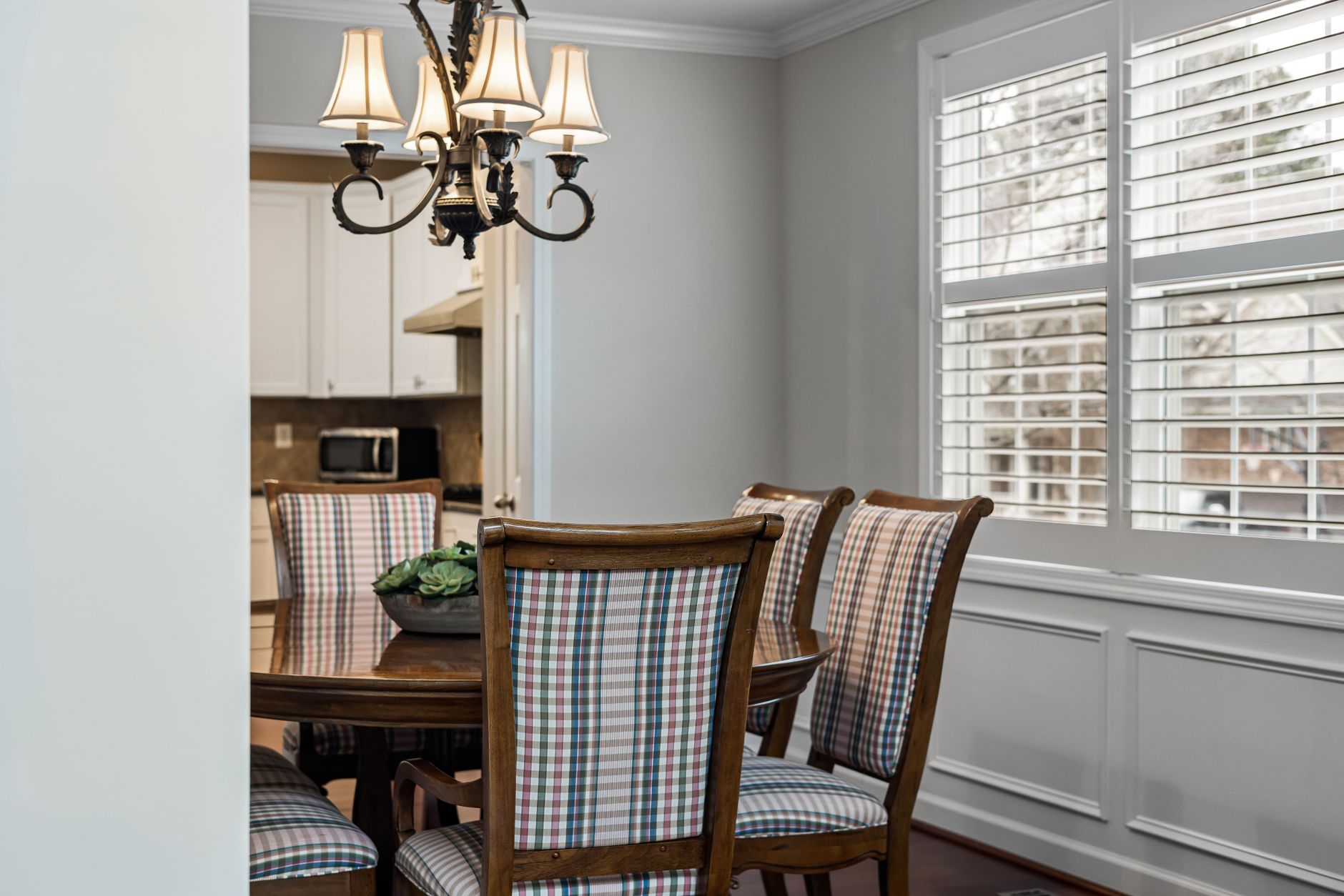
Plantation shutters are a design foundation, not just a functional window covering. The way you style them — and what you pair them with — determines whether your dining room feels finished and intentional or simply covered. These pairing ideas work particularly well in the range of home styles common across Jackson, TN and the surrounding West Tennessee communities.
Pairing Shutters With Dining Room Furniture Styles
White plantation shutters are the most versatile pairing in any dining room because they act as a neutral architectural element that lets furniture and textiles take center stage. They complement:
- Traditional Southern dining rooms with dark wood tables and upholstered chairs — the white shutters provide contrast and brightness.
- Farmhouse and cottage styles with shiplap walls and a distressed wood table — shutters add structure and formality to balance the rustic elements.
- Modern transitional rooms with clean-lined furniture and neutral palettes — shutters reinforce the architectural quality of the space.
For a more dramatic look, stained wood shutters in a warm walnut or honey oak finish pair beautifully with craftsman-style dining rooms featuring built-in cabinetry and natural wood details common in many Henderson and Lexington, TN homes.
Layering Shutters With Other Window Treatments
Plantation shutters work exceptionally well as a base layer beneath drapery panels. The shutters handle light control and privacy while the drapes add softness, color, and texture. In a dining room, this combination is particularly effective: keep the shutters closed for privacy during evening meals while the drapes frame the window with a warm, finished look.
When layering, mount your drapery rod 4–6 inches above the window frame and 8–12 inches wider than the window on each side. This makes the window appear taller and wider, and it allows the drapes to clear the shutter panels completely when drawn open. Choose drapery fabrics in linen, velvet, or cotton in a color that pulls from your dining room’s existing palette — this ties the shutters and soft furnishings together into a cohesive design story.
Ready to Transform Your Jackson, TN Dining Room?

You’ve now got eight proven tips for designing, selecting, and maintaining custom plantation shutters in your Jackson, TN dining room. The next step is seeing what’s possible in your own space — with your windows, your light, and your style. That’s exactly what Blinds Galore’s free in-home consultation is designed to do.
What to Expect From Your Free In-Home Consultation
Getting started with custom plantation shutters from Blinds Galore is straightforward. Call us at (731) 571-5179 to schedule your free in-home consultation, and one of our design consultants will come to your home in Jackson, Lexington, Henderson, Milan, or the surrounding West Tennessee area at a time that works for you. During the visit, you’ll:
- See actual louver and material samples in your dining room’s real lighting conditions
- Get professional measurements taken on the spot — no guesswork, no DIY errors
- Receive a detailed, no-obligation quote for custom shutters built to your exact specifications
- Hear honest recommendations tailored to your budget, your home’s architecture, and your lifestyle
Every order is backed by our 100% satisfaction guarantee. If something isn’t right, we make it right — that’s the Blinds Galore promise to every homeowner we serve.
Keep Learning: More Window Treatment Resources
Plantation shutters are just one piece of the window treatment puzzle. If you’re also considering shades, blinds, or other custom options for other rooms in your home, our window treatment tips and ideas blog is packed with practical guides, design inspiration, and maintenance advice tailored to West Tennessee homes. You’ll also find detailed information on our custom shades for rooms where a softer look is the goal.
Whether you’re outfitting a single dining room window or planning a whole-home window treatment refresh, Blinds Galore brings eighteen years of experience and a genuine commitment to getting it right. We’re your neighbors here in West Tennessee, and we’d love to help your home look its very best — one window at a time.
Frequently Asked Questions
How much do custom plantation shutters cost for a dining room in Jackson TN?
Custom plantation shutters in Jackson, TN typically cost between $18 and $45 per square foot installed, depending on material (faux wood being least expensive, real wood highest), louver size, and frame configuration. A single standard dining room window might run $300–$600 fully installed; larger bay or picture windows can reach $1,200–$2,000. Blinds Galore provides a free in-home quote so you know the exact price before committing.
Are plantation shutters good for dining rooms with a lot of cooking smells and humidity?
Yes — faux wood and composite plantation shutters are an excellent choice for dining rooms near kitchens because they resist moisture, won't absorb cooking odors, and wipe clean easily. Real wood shutters can be used but require proper sealing and more careful maintenance in high-humidity environments like West Tennessee summers.
What louver size is best for plantation shutters in a dining room?
For most dining rooms, 3.5-inch louvers are the most popular and versatile choice. They provide a classic look, good light control, and an open view when tilted. Choose 4.5-inch louvers for large picture or bay windows where maximum view and a more modern look are priorities, and 2.5-inch louvers for smaller windows in cottage-style homes.
How do I clean plantation shutters in a dining room without damaging them?
Dust weekly with a microfiber cloth or lamb's wool duster, working top to bottom. For deeper cleaning, use a damp cloth with a drop of mild dish soap, then dry immediately. Avoid steam cleaners, bleach, ammonia-based sprays, or soaking the louvers, as these can warp wood, strip finishes, or damage tilt mechanisms.
Do plantation shutters help with energy efficiency in West Tennessee?
Yes. Closed plantation shutters create an insulating air pocket between the louvers and the glass that can reduce solar heat gain by up to 45% on south-facing windows in summer, and help retain indoor heat in winter. The U.S. Department of Energy estimates well-insulating window treatments can reduce annual heating and cooling costs by 10–20%.
Does Blinds Galore serve areas outside Jackson TN?
Yes. Blinds Galore serves the greater West Tennessee area including Lexington, Henderson, Milan, and surrounding communities. They offer free in-home consultations throughout the region — call (731) 571-5179 to schedule a visit at your home.
You might also like
Custom Shutters for Jackson TN Bedrooms: Your 9-Point Light Control and Privacy Guide
Quick answer: Custom plantation shutters are the gold-standard window treatment for Jackson, TN bedrooms
Custom Bathroom Shutters in Jackson TN: 7 Things You Must Know
Quick answer: Custom bathroom shutters in Jackson, TN are one of the smartest window treatment investments
Custom Shutters for Jackson TN Sunrooms: Your 9-Point Light Control and Durability Guide
Quick answer: Custom shutters are the best window treatment for Jackson, TN sunrooms because they handle

Best Plantation Shutters for Jackson TN Entryways: 9 Things to Know
Quick answer: Plantation shutters are one of the best window treatment choices for Jackson, TN entryways

Custom Shutters for Bedrooms in Jackson, TN: Privacy, Light Control, and 8 Design Options
Quick answer: Custom bedroom shutters give Jackson, TN homeowners the best combination of privacy, light
Custom Shutters for Living Rooms in Jackson, TN: Your Style and Light Control Guide
Quick answer: Custom plantation shutters are one of the best investments a Jackson, TN homeowner can