
How to Compare Blind Styles Using Product Videos Before Your Jackson TN Consultation
Quick answer: Before your free in-home consultation with Blinds Galore in Jackson, TN, watching product videos is the single best way to narrow down your blind, shade, or shutter style. Videos show real-world light filtering, operating mechanisms, and texture in motion — details that photos simply can't convey. Spend 20–30 minutes browsing video content online, note which styles match your light-control needs and décor, and bring those observations to your appointment. You'll make a faster, more confident decision and walk away with window treatments you'll love for years.
Why Product Videos Beat Static Photos When Choosing Window Treatments
Choosing window treatments is one of those decisions that looks simple until you’re standing in a room with twelve fabric swatches and no clear winner. Product videos change that equation entirely. Unlike a static swatch or a catalog image, a well-produced product video puts the treatment in motion — and motion is where the real story lives.
Motion Reveals What Images Hide
A still photograph of a cellular shade looks flat. A 60-second video showing the same shade being raised, tilted, and backlit by afternoon sun tells you everything: how the fabric diffuses glare, whether the cord stacks neatly at the top, and how the color shifts from warm to cool as clouds pass. According to a 2023 consumer research report by Window Covering Manufacturers Association (WCMA), 74% of homeowners who watched product videos before purchasing felt more satisfied with their final selection than those who relied on swatches and photos alone.
That satisfaction gap matters especially in West Tennessee, where sunlight angles and humidity can affect how a treatment looks and operates season to season. Videos give you a live preview of performance, not just appearance.
The Three Things Only Video Can Show You
When you watch a product video, pay close attention to three specific details that photos can never communicate:
- Light bleed: How much light leaks around the edges when the blind is fully closed? This matters enormously for bedrooms and home theaters.
- Operating feel: Does the lift mechanism glide smoothly, or does it require two hands? Motorized options look very different in motion versus a spec sheet.
- Stack height: When the blind is fully raised, how much of the window does the stacked material cover? A thick cellular shade can block 6–8 inches of glass at the top — significant for smaller windows.
Knowing these three factors before your consultation means your Blinds Galore advisor can skip the basics and dive straight into the options that genuinely fit your home.
A Quick Primer on the 5 Main Blind and Shade Styles You'll Encounter
Before you can compare styles using video, you need a working vocabulary. Here’s a fast, plain-English breakdown of the five main categories you’ll encounter on any product video page — and the key specs to listen for as each video plays.
1. Horizontal Blinds (Wood, Faux Wood, and Aluminum)
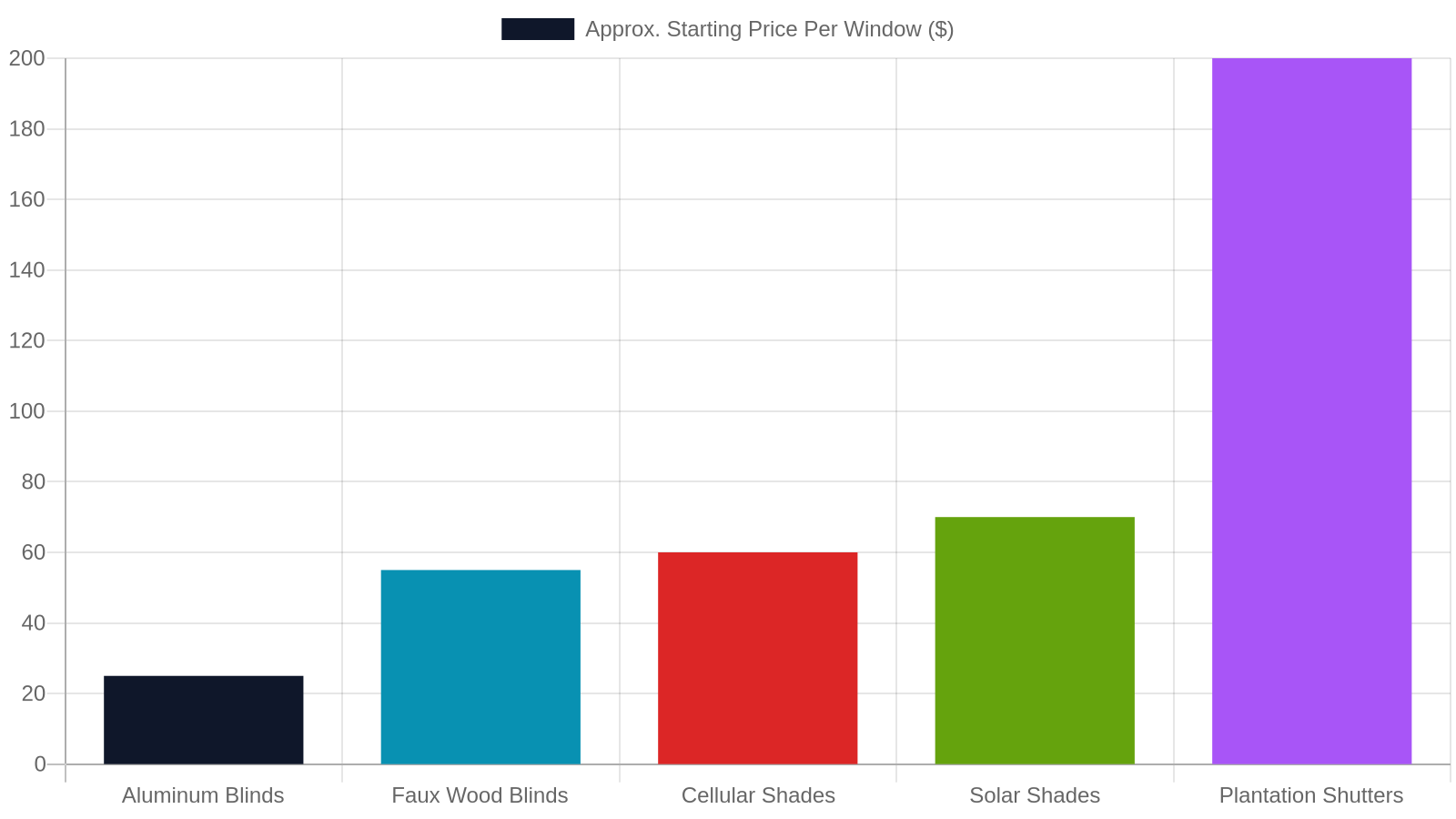
Horizontal blinds are the classic choice and the most widely recognized style. Slat widths typically range from 1 inch (micro-blinds) to 2.5 inches (wide-slat wood blinds). Real wood blinds add warmth and grain character but can warp in high-humidity rooms like kitchens and bathrooms. Faux wood blinds — made from composite PVC — resist moisture, cost 20–40% less than real wood, and are a top seller for Jackson, TN homeowners dealing with humid summers. Aluminum blinds are the most budget-friendly option, starting around $15–$40 per window for standard sizes.
2. Roller, Solar, and Cellular Shades
Shades operate on a single piece of fabric rather than individual slats. Roller shades are sleek and minimal, rolling tightly into a cassette at the top. Solar shades use an open-weave fabric that blocks UV rays while preserving your view — openness factors range from 1% (near-blackout) to 14% (very open). Cellular (honeycomb) shades are the energy-efficiency champions: their air-pocket cells can reduce window heat loss by up to 40% in winter, according to the U.S. Department of Energy. Single-cell shades start around $45–$80 per window; double-cell versions run $75–$150.
3. Plantation Shutters and Roman Shades
Plantation shutters are a permanent, furniture-grade upgrade. Louvre widths of 3.5 inches or 4.5 inches are most popular in Southern homes because they allow generous airflow while controlling light precisely. Custom-built shutters from Blinds Galore are crafted to fit your exact window dimensions and can add measurable resale value — real estate studies suggest window shutters return 50–80% of their cost at resale. Roman shades fall in between: they’re fabric-based like a shade but fold into neat horizontal pleats when raised, offering a tailored, upholstered look that works beautifully in dining rooms and bedrooms.
How to Use the Blinds Galore Product Video Library Effectively
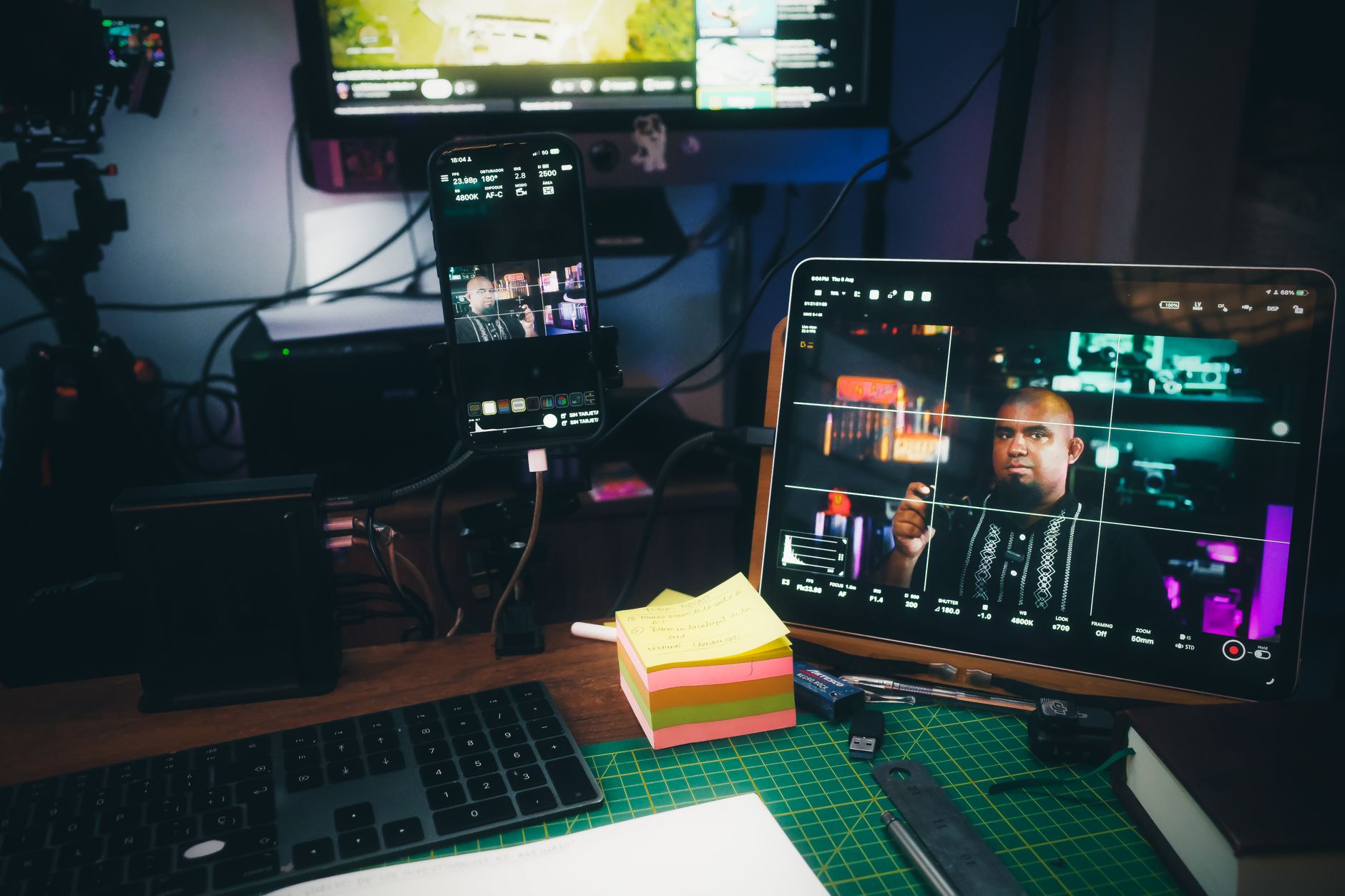
Having a video library available is only useful if you approach it with a strategy. Clicking randomly through dozens of videos and hoping something jumps out is the least efficient way to prepare for a consultation. Here’s a three-step method that takes about 25 minutes and leaves you genuinely ready.
Start With Your Room's Primary Need
Before pressing play on a single video, write down your room’s primary need. Is it privacy (bedroom, street-facing living room)? Light control (home office, media room)? Energy efficiency (west-facing windows that bake in the afternoon)? Or pure aesthetics (a formal dining room where you want drama)? Every product video will show the treatment performing across multiple scenarios, but you’ll absorb the relevant details much faster if you know what you’re looking for before you hit play.
Watch Each Video at Least Twice
On your first viewing, let the video wash over you and note your gut reaction: does the style feel right for the room? On the second viewing, focus on mechanics. Watch how the operator raises and lowers the treatment. Note whether there’s a cord, a cordless lift, or a motorized remote. Cordless and motorized options now account for over 60% of custom blind orders nationally, driven largely by child-safety regulations and convenience. If you have young children or pets in your Jackson, TN home, pay close attention to any video that demonstrates cordless or motorized operation.
Take Notes You Can Bring to Your Consultation
Keep a simple notepad (or the Notes app on your phone) open while you watch. Jot down:
- The product name or style shown in the video
- The color or fabric that caught your eye
- Any feature you liked or disliked
- Questions the video raised but didn’t answer
Arriving at your free consultation with even a half-page of notes transforms the appointment. Your Blinds Galore advisor can immediately focus on the two or three styles that genuinely interest you, bring the right samples, and give you accurate pricing — all in a single visit. Browse the full product video library on the Blinds Galore website before your appointment to build that shortlist.
Matching Blind Styles to Every Room in Your Jackson TN Home
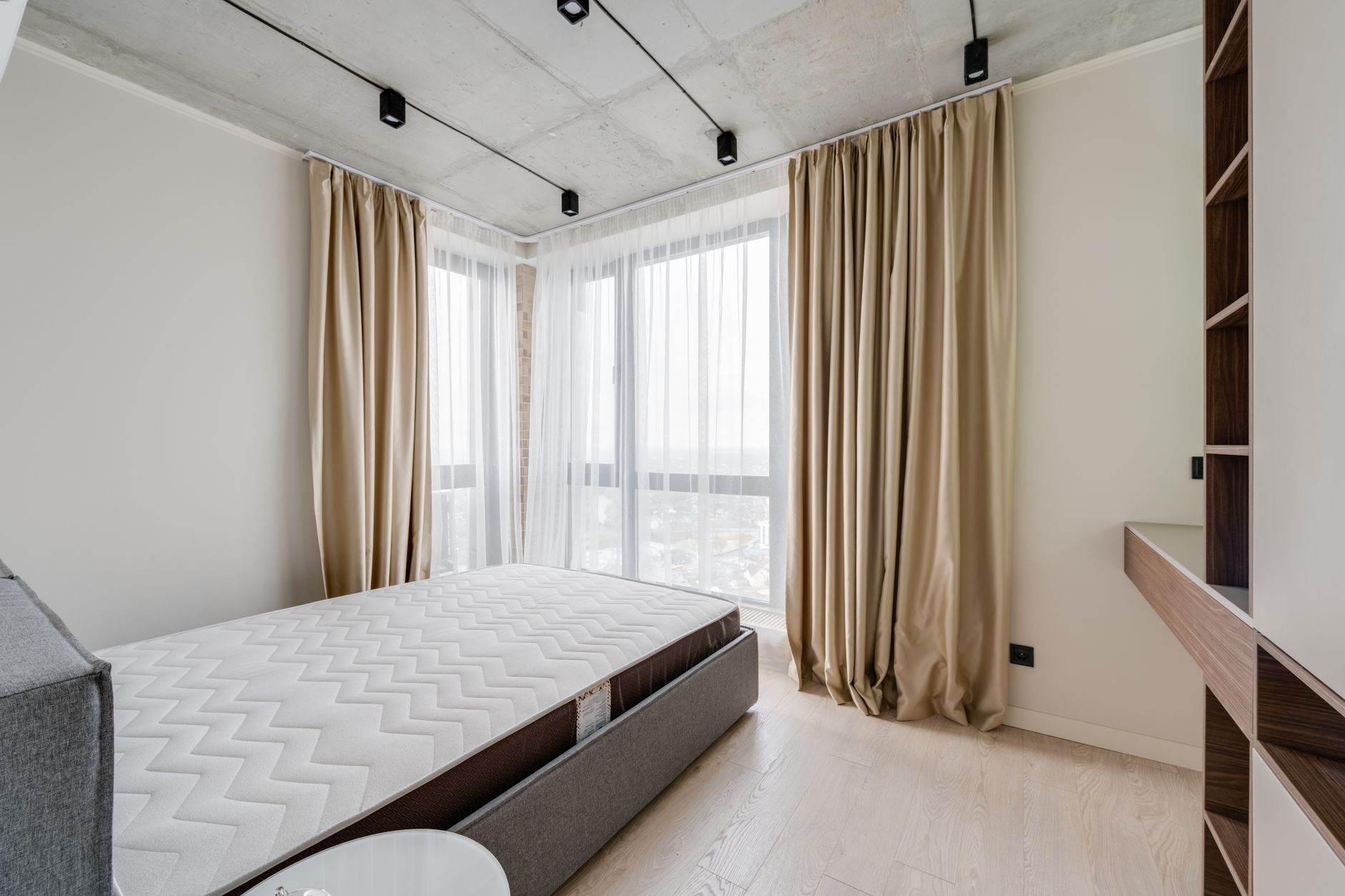
Not every blind style works in every room, and product videos are the fastest way to see those differences play out in realistic settings. Here’s how to apply what you learn from videos to the specific rooms in your home.
Bedrooms: Privacy and Blackout Performance
Bedrooms demand the highest level of light control. When watching product videos for bedroom treatments, look specifically for blackout cellular shades or room-darkening roller shades with side channels that eliminate light gaps. A standard room-darkening shade blocks 95–99% of light; a true blackout shade with side channels blocks 99.9%. Videos will often demonstrate this by filming the room with all lights off — if you can see the fabric glowing around the edges, that’s light bleed. For master bedrooms in Jackson, TN homes facing east, this detail is critical for sleeping past sunrise.
Living Rooms: Balancing Light and Style
Living rooms call for layered solutions. Watch videos that show sheer shades or solar shades for daytime privacy while preserving your view, paired with a heavier blackout option for evening movie nights. Plantation shutters are also a perennial favorite for living rooms in West Tennessee — their louvered design lets you angle light precisely without closing the window entirely. Look for videos that demonstrate the shutter’s tilt rod in action; a smooth, single-rod tilt mechanism is a mark of quality craftsmanship.
Kitchens and Bathrooms: Moisture Resistance Matters
In high-humidity rooms, material choice is everything. Product videos for kitchens and bathrooms should feature faux wood blinds, aluminum blinds, or moisture-resistant roller shades. Watch for any mention of anti-warp guarantees or moisture ratings. Real wood blinds will visibly bow and crack over time in steamy environments — a detail that’s hard to appreciate from a photo but becomes obvious when a video shows a side-by-side comparison of wood versus faux wood after simulated moisture exposure. For Jackson, TN homes where summer humidity regularly exceeds 70%, this is a non-negotiable consideration.
Understanding Light-Control Ratings Before You Watch Any Video
Light-control terminology can feel like a foreign language the first time you encounter it. Product videos use these terms constantly, and understanding them before you press play means you’ll absorb the visual demonstrations instead of pausing to Google definitions.
The Four Light-Control Categories Explained
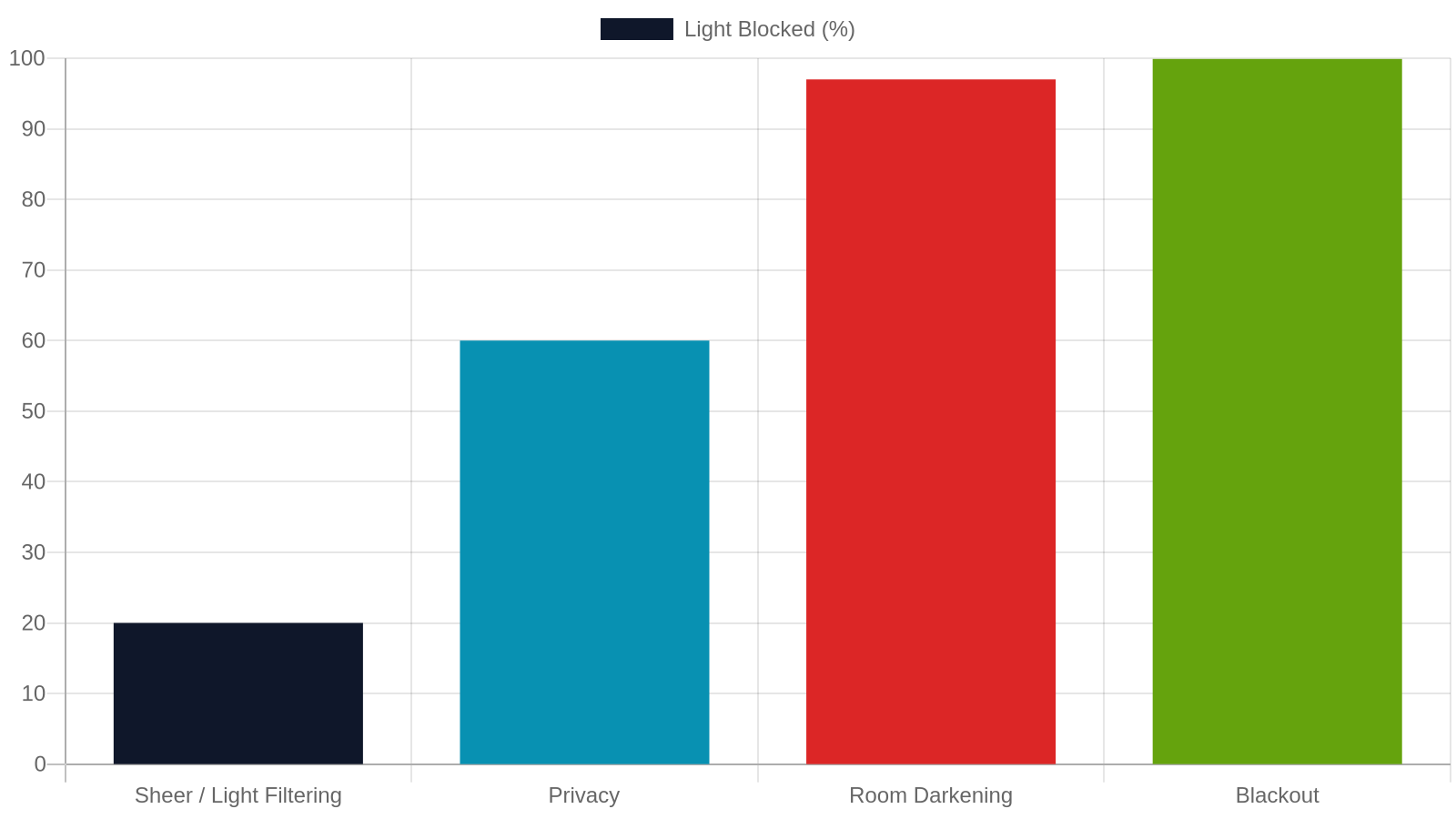
Most manufacturers use four standard light-control categories. Knowing them before you watch videos helps you filter quickly:
- Sheer / Light Filtering: Softens and diffuses light; no privacy at night when interior lights are on. Best for living rooms and dining rooms.
- Privacy: Blocks direct view from outside during the day; some light still enters. Good for home offices and bathrooms.
- Room Darkening: Blocks 95–99% of light. Ideal for bedrooms and media rooms.
- Blackout: Blocks 99%+ of light, often with side-channel hardware. Best for nurseries, shift workers’ bedrooms, and home theaters.
Product videos almost always demonstrate the treatment in both a lit and an unlit room — use those scenes to verify the manufacturer’s rating matches what you actually see on screen.
Solar Shade Openness Factor: What the Numbers Mean
Solar shades carry an openness factor percentage that tells you how much of the weave is open space. A 1% openness factor is nearly opaque — maximum UV protection, minimal view. A 10% openness factor is quite open — you can see through it clearly, but it still blocks 80–90% of UV rays. Videos are invaluable here because they show the view-through at different times of day. A 5% solar shade that looks perfectly transparent in a dimly lit showroom video may feel more opaque when your west-facing window is flooded with 4 p.m. Tennessee sun. Look for videos filmed in bright, direct sunlight for the most realistic preview.
Motorized vs. Manual: What Product Videos Reveal About Operation
One of the most underrated benefits of product videos is watching operating mechanisms in real time. A motorized blind that looks identical to a cordless manual blind in a photo reveals its entire personality the moment someone demonstrates it on video. Here’s what to look for.
Corded, Cordless, and Continuous-Loop Systems
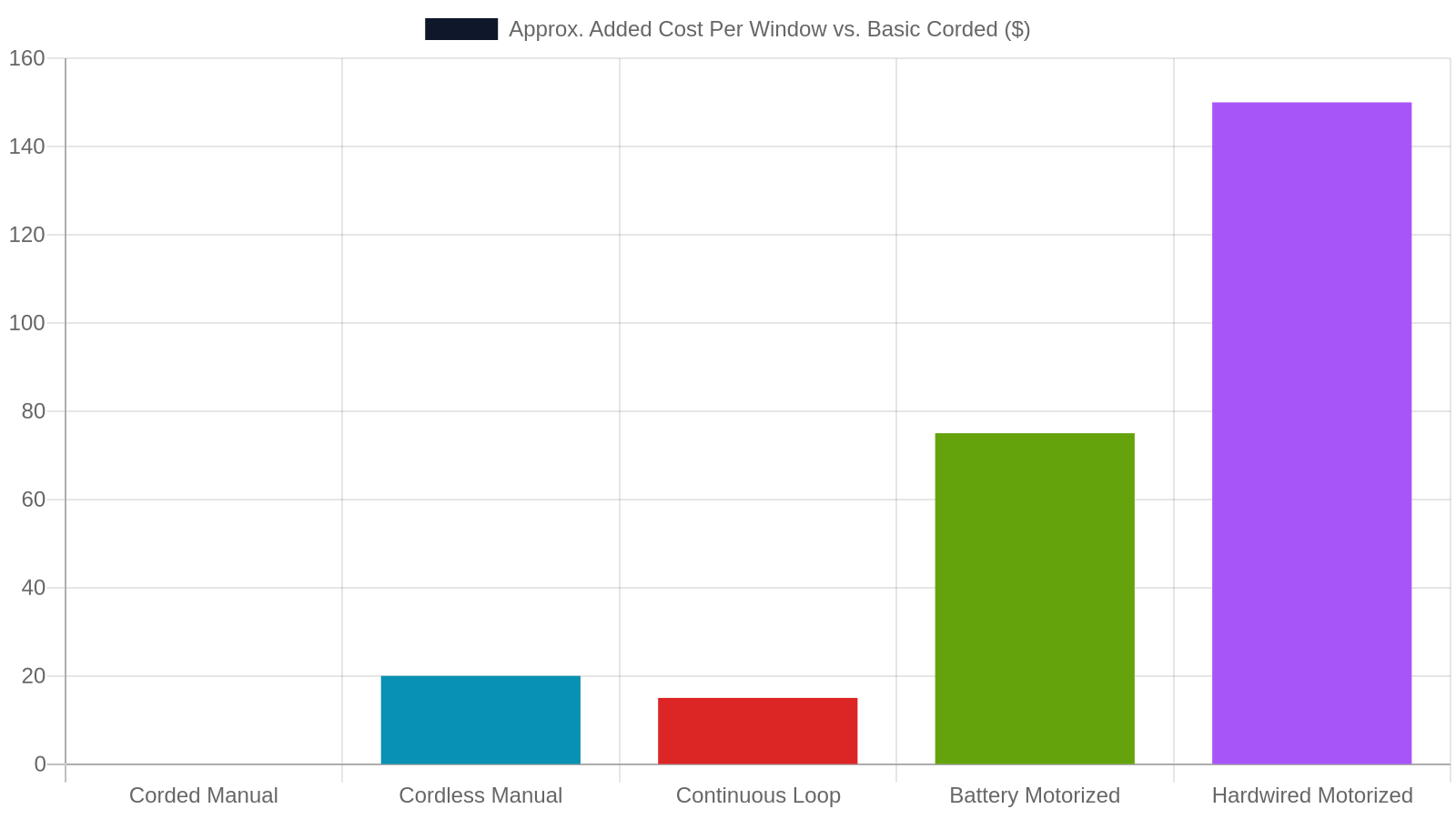
Manual blinds come in three main operating systems, and videos make the differences unmistakably clear. Corded lift systems are the traditional option — a dangling cord raises and lowers the blind. They’re the least expensive but pose a strangulation hazard for children under 6, which is why the U.S. Consumer Product Safety Commission (CPSC) has pushed hard for industry-wide elimination of free-hanging cords since 2018. Cordless lift systems use a spring-loaded mechanism — you simply push the bottom rail up or pull it down. Continuous-loop (wand) systems use a fixed-length cord loop, eliminating the free-hanging hazard while maintaining easy operation for large or heavy blinds.
Motorized Blinds: Smart Home Integration in West Tennessee Homes
Motorized blinds have dropped significantly in price over the past five years. Entry-level battery-operated motorized roller shades now start around $120–$180 per window for standard sizes — a premium of roughly $60–$90 over a comparable cordless manual shade. Product videos for motorized treatments should show the remote control, the app interface (if Wi-Fi enabled), and the speed of travel. Look for videos that demonstrate group control — the ability to raise or lower all blinds in a room simultaneously. For large open-plan homes in the Jackson, TN area with many windows, group control can be a genuine quality-of-life upgrade, not just a luxury.
Color and Material: How Video Lighting Can Mislead You (and How to Compensate)
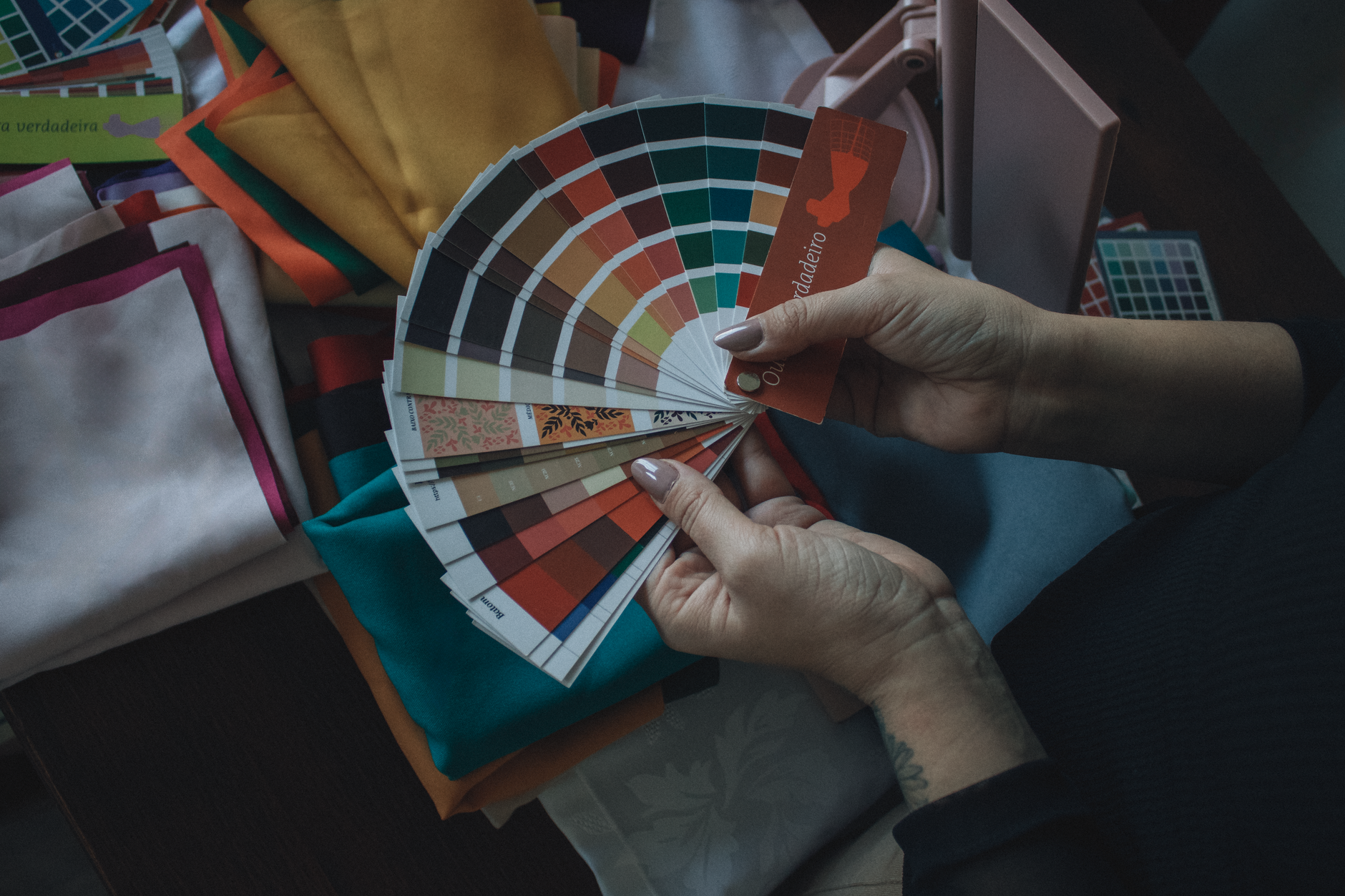
Color accuracy is the Achilles’ heel of video shopping for any home furnishing — and window treatments are no exception. Understanding this limitation upfront helps you use videos for what they do best and rely on physical samples for what they don’t.
Why Video Colors Don't Always Match Real Life
Every screen — phone, tablet, laptop, TV — renders color differently. A warm linen shade filmed under studio lighting and displayed on a cool-toned monitor can look almost white, when in person it reads as a rich cream. This is a known limitation of video shopping, and it’s exactly why Blinds Galore’s free in-home consultations exist. Use videos to evaluate style, texture, and operation; use physical samples brought to your home to evaluate color and exact finish. The combination of video research plus an in-home sample review is the gold standard for making a confident decision.
Texture Clues That Video Does Capture Well
While color can mislead, texture actually translates well on video — especially when the camera moves close to the fabric or slat surface. Watch for:
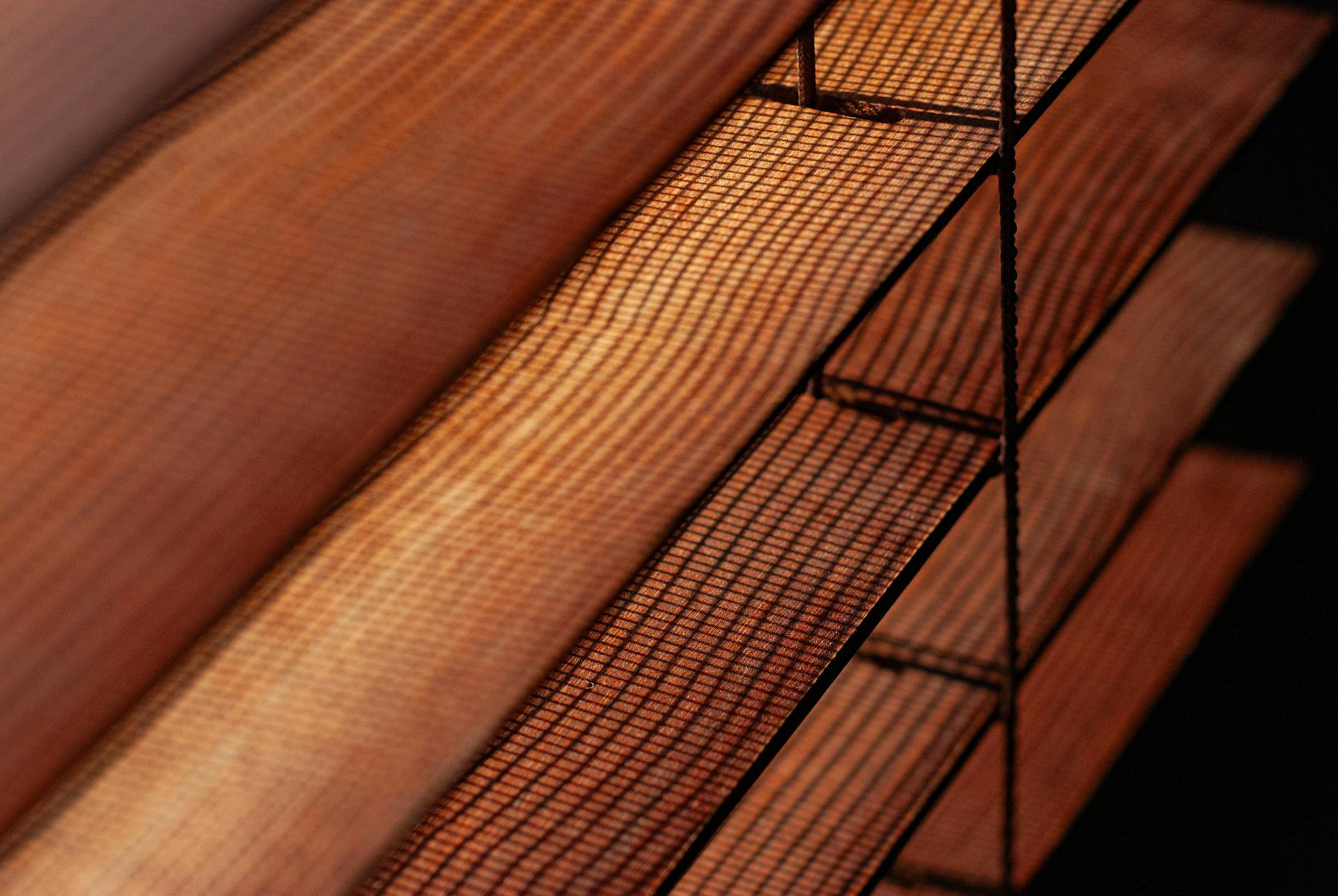
- Grain lines in wood and faux wood blinds — a tight, consistent grain reads as higher quality
- Weave density in solar and sheer shades — you can see how open or closed the weave is even on a phone screen
- Fabric weight — heavier Roman shades hang with a different drape than lightweight polyester; video captures this movement clearly
- Finish sheen — matte versus satin finishes on shutters and aluminum blinds are visible in good video lighting
Training your eye on these texture cues during video research means your in-home consultation becomes a color-confirmation appointment rather than a style-discovery session — cutting appointment time nearly in half.
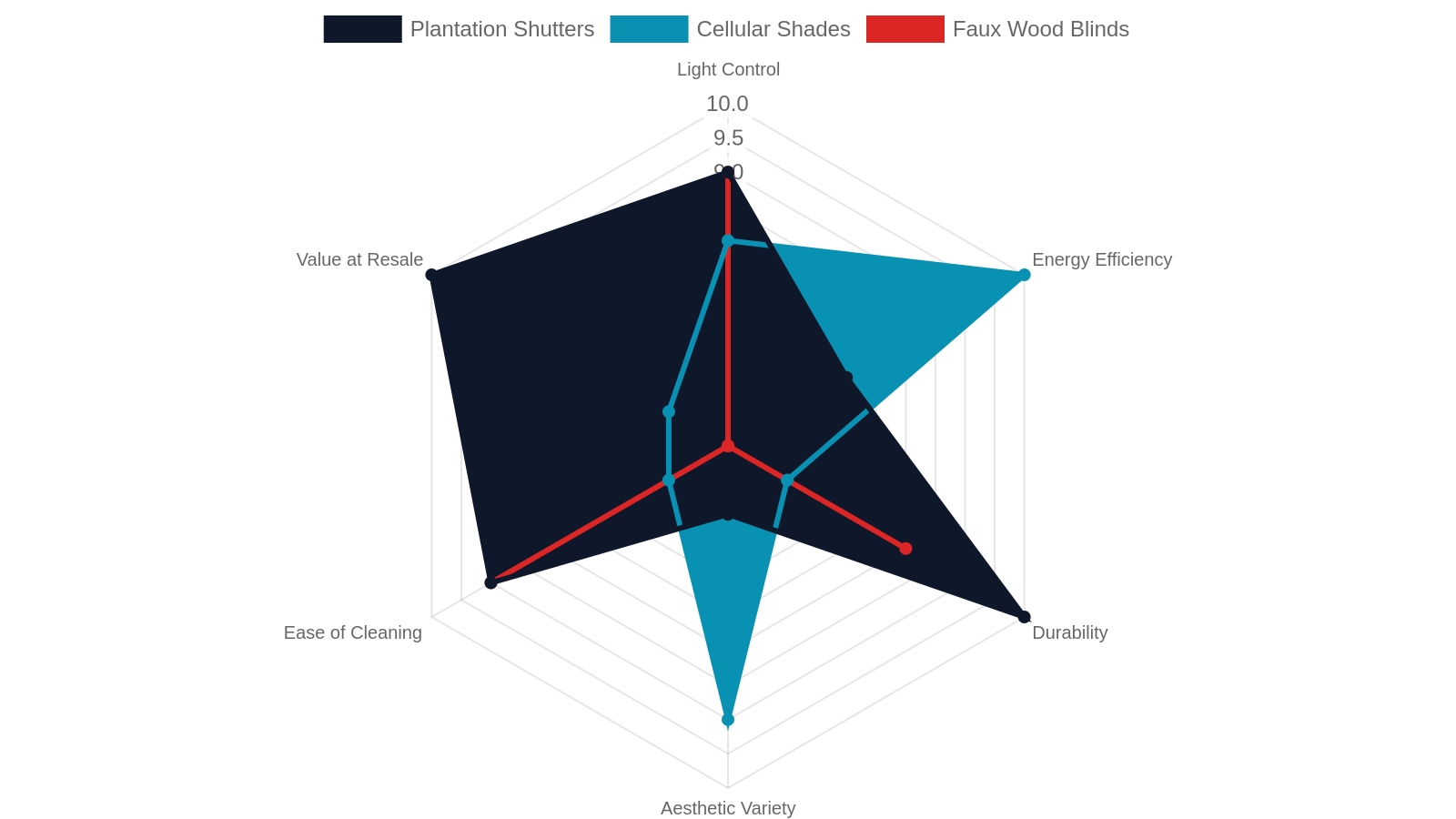
Blind, Shade, and Shutter Styles at a Glance
Use this quick-reference table to compare the five main window treatment styles across the factors that matter most before your video research session.
Building Your Shortlist: A 5-Step Pre-Consultation Video Review Process

Research without structure is just browsing. Here’s a concrete five-step process you can complete in about 30 minutes that transforms scattered video watching into a focused shortlist ready for your consultation.
Step 1 – Inventory Your Windows
Before watching a single video, walk through your home and list every window you want to treat. Note the room, the approximate size (small: under 24″ wide; medium: 24″–48″; large: 48″+), the direction it faces, and your primary concern (privacy, light, energy, aesthetics). A typical Jackson, TN home has 10–18 windows. You don’t need the same treatment in every room — in fact, mixing styles thoughtfully creates a more custom, designed feel than using one product throughout.
Step 2 – Watch One Video Per Style Category
Limit your first viewing session to one representative video per major style category: one horizontal blind video, one cellular shade video, one roller shade video, one plantation shutter video, and one Roman shade video. That’s roughly 15–20 minutes of total viewing. After each video, write a one-word reaction: love, maybe, no. Eliminate the “no” categories immediately. This leaves you with a focused shortlist of two or three styles to explore in depth.
Steps 3–5: Dive Deep, Compare, and Decide on Your Top Two
With your shortlist in hand:
- Step 3 – Deep dive: Watch two or three videos for each shortlisted style, focusing on different colors and operating systems.
- Step 4 – Side-by-side compare: Open two browser tabs and toggle between your top two styles, focusing on the texture and operation details outlined above.
- Step 5 – Write your top two choices: Bring this list — with any specific product names or colors you noted — to your Blinds Galore consultation. Your advisor will bring physical samples of exactly those options, making the in-home appointment faster and far more decisive.
This five-step process takes about 30 minutes and consistently produces homeowners who arrive at consultations knowing what they want — which means they leave with a signed order rather than a stack of brochures to review later.
Comparing Plantation Shutters vs. Blinds vs. Shades: the Full Picture
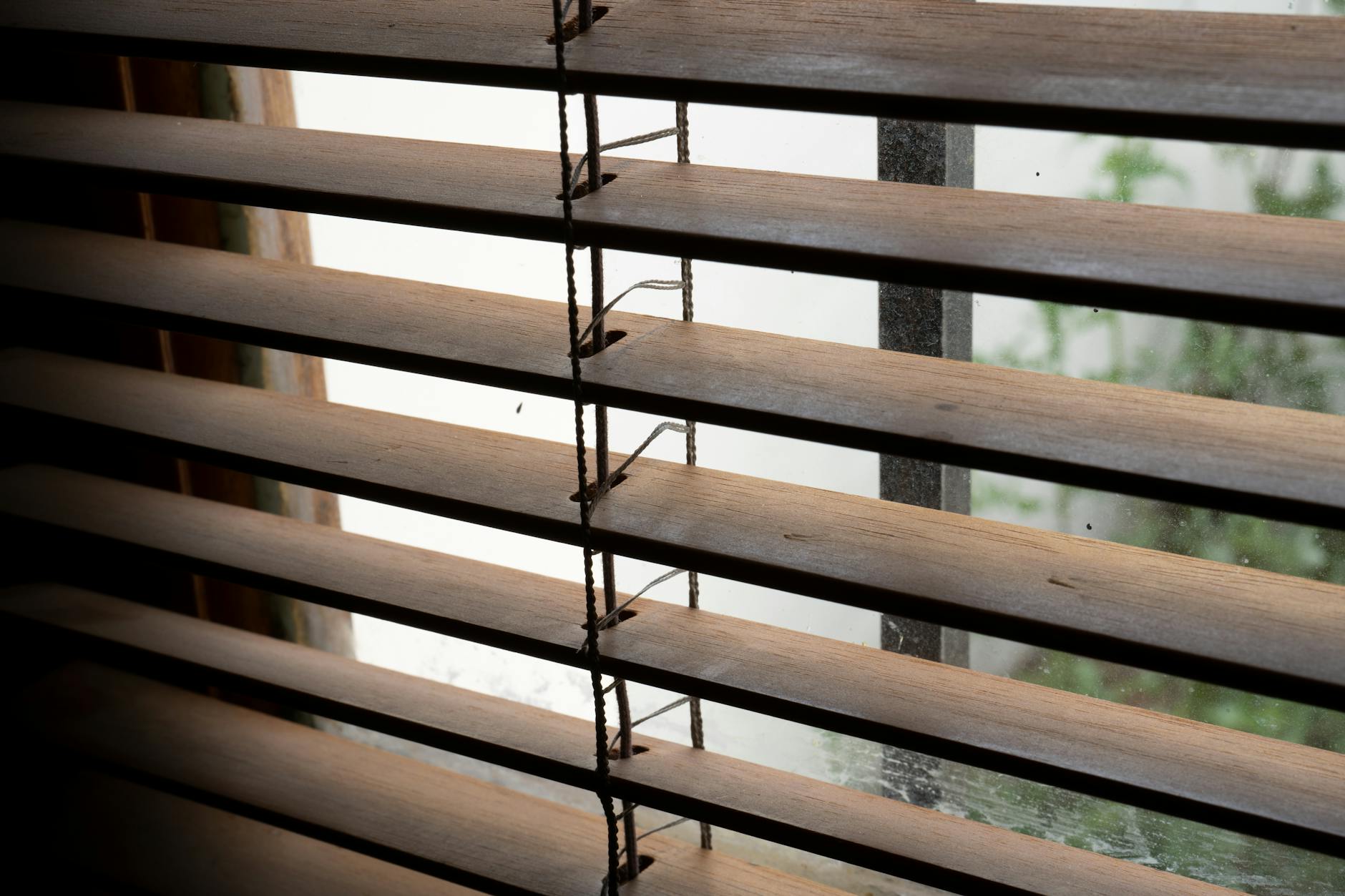
At some point in your video research, you’ll face the big three-way choice: plantation shutters, blinds, or shades. Each has a distinct value proposition, and product videos are the best tool for feeling that difference before you commit. Here’s the honest breakdown.
When Plantation Shutters Are Worth the Investment
Plantation shutters carry the highest upfront cost — custom-built shutters for a standard window typically run $250–$450 installed, compared to $80–$180 for a quality cellular shade. But shutters are permanent fixtures, not fabric products. They don’t fade, sag, or need replacing every 7–10 years the way most fabric shades do. For homeowners in Jackson, TN planning to stay in their home long-term, or anyone focused on resale value, shutters often deliver the best lifetime cost per year. Explore Blinds Galore’s custom-built shutter options to see styles and configurations available for West Tennessee homes.
When Shades Outperform Blinds
Shades win on energy efficiency and fabric variety. The honeycomb structure of a double-cell cellular shade provides an R-value of approximately R-3 to R-4 — meaningful insulation in a region where summer cooling costs are a real concern. Shades also offer the widest range of fabric choices, from sheer linens to bold geometric patterns, making them the most versatile option for design-forward homeowners. Blinds, by contrast, win on precise light control (you can angle individual slats) and tend to be easier to clean — a practical advantage in dusty or high-traffic rooms. See Blinds Galore’s full custom shade collection for fabric and style options available in the Jackson area.
Questions to Ask Your Blinds Galore Advisor After Your Video Research

Video research sharpens your eye for style and features, but your free in-home consultation is where the real expertise lives. Coming in with the right questions — ones that videos can’t answer — turns your appointment into a highly productive conversation rather than a passive presentation.
Measurement and Fit Questions
Even after thorough video research, measurement is where most DIY window treatment projects go wrong. Custom blinds are measured to the nearest 1/8 inch, and an inside-mount blind that’s even 1/4 inch too wide will bind in the frame. Your Blinds Galore advisor handles professional measuring as part of the free consultation — but you can still ask smart questions: “Should this window be inside-mounted or outside-mounted given the frame depth?” and “Is there any obstruction — a handle, a crank, a radiator — that will affect how the blind hangs?” These are details that videos rarely address and that only an in-person measurement can resolve.
Warranty, Lead Time, and Installation Questions
Custom window treatments are made to order, so lead times matter. Ask your advisor: “What is the current lead time for this product?” (Typical custom blind lead times range from 2–4 weeks for standard products to 6–8 weeks for specialty shutters.) Also ask about warranty coverage — quality manufacturers typically offer limited lifetime warranties on hardware and 3–5 years on fabric. Finally, confirm that professional installation is included, and ask whether the installer will haul away your old window coverings. These practical details don’t appear in product videos but make a real difference in your overall experience.
Ready to Book Your Free Jackson TN Consultation?

You’ve done the research. You know your styles, you understand light-control ratings, and you have a shortlist ready. The next step is putting that knowledge to work with a professional who can bring it all together in your actual home — with your actual windows, your actual light, and your actual décor.
What to Expect During Your Blinds Galore In-Home Appointment
Blinds Galore brings the showroom to you — literally. Your advisor arrives with a curated selection of samples based on your room types and the style preferences you’ve identified through your video research. They’ll measure every window professionally, discuss your light-control and privacy needs room by room, and provide a transparent, itemized quote before they leave. There’s no pressure, no upsell tactics — just expert guidance backed by over 18 years of experience serving Jackson, Milan, Lexington, Henderson, and the broader West Tennessee community. Every order comes with Blinds Galore’s 100% satisfaction guarantee.
Start Your Research Today, Then Call Us
The best consultations happen when homeowners have done a little homework. Spend 20–30 minutes with the Blinds Galore product video library before your appointment — watch a few styles, jot down your reactions, and arrive with a shortlist. Then call us at (731) 571-5179 to schedule your free in-home consultation. We serve Jackson, TN and surrounding communities including Milan, Lexington, and Henderson. Whether you’re outfitting a single bedroom or a whole new build, our team is ready to help you find the perfect window treatment for every room in your home — on your timeline, at your budget, with zero guesswork.
Frequently Asked Questions
Can I really choose my blinds just by watching product videos online?
Videos are excellent for narrowing down style, operating mechanism, and texture — but not for final color selection. Use videos to build a shortlist of two or three styles, then rely on physical samples brought to your home during a free in-home consultation to confirm color and finish in your actual lighting conditions.
How long should I spend watching product videos before my consultation?
About 20–30 minutes is ideal. Watch one video per major style category first (roughly 15 minutes), eliminate styles you don't like, then spend another 10–15 minutes going deeper on your top two or three choices. Arrive at your consultation with a written shortlist.
What is the difference between room-darkening and blackout blinds?
Room-darkening blinds block approximately 95–99% of light, leaving a small amount of ambient light around the edges. Blackout blinds — often paired with side-channel hardware — block 99%+ of light and are the best choice for nurseries, shift workers' bedrooms, and home theaters.
Are motorized blinds worth the extra cost for a Jackson TN home?
For homes with many windows, hard-to-reach windows, or young children, motorized blinds are often worth the premium of $60–$150 per window over cordless manual options. Battery-operated systems require no rewiring and can integrate with smart-home platforms like Amazon Alexa and Google Home.
How do I know if plantation shutters are right for my home?
Plantation shutters are the best long-term investment if you plan to stay in your home for 10+ years, want a treatment that adds resale value, or need precise light control without fabric. They cost more upfront ($200–$450+ per window installed) but last 20–30 years and never need fabric replacement.
Does Blinds Galore serve areas outside Jackson, TN?
Yes. Blinds Galore serves the greater West Tennessee region, including Milan, Lexington, Henderson, and surrounding communities. Call (731) 571-5179 to confirm service availability in your area and schedule a free in-home consultation.
You might also like
7 Best Custom Blinds for Sunrooms in Jackson, TN: Light Control and UV Protection Guide
Quick answer: The best custom blinds for sunrooms in Jackson, TN balance strong UV protection with flexible
How to Install Custom Faux Wood Blinds in Your Jackson, TN Home: a 10-Step Guide
Quick answer: Installing custom faux wood blinds in a Jackson, TN home is a manageable DIY project for
How to Choose the Right Window Treatment Style Using Product Videos
Quick answer: Choosing the right window treatment — blinds, shades, or plantation shutters — comes
7 Best Custom Blinds for Laundry Rooms and Utility Spaces in Jackson, TN
Quick answer: The best custom blinds for laundry rooms and utility spaces in Jackson, TN are moisture-resistant

8 Best Custom Blinds for Kitchens with Large Windows in Jackson, TN
Quick answer: For kitchens with large windows in Jackson, TN, the best custom blinds balance moisture
9 Best Window Treatments for Jackson TN Home Theaters and Media Rooms
Quick answer: For home theaters and media rooms in Jackson, TN, the single best window treatment is a