


Blinds vs. Shutters: Your 7-Point Guide for Jackson, TN Homes
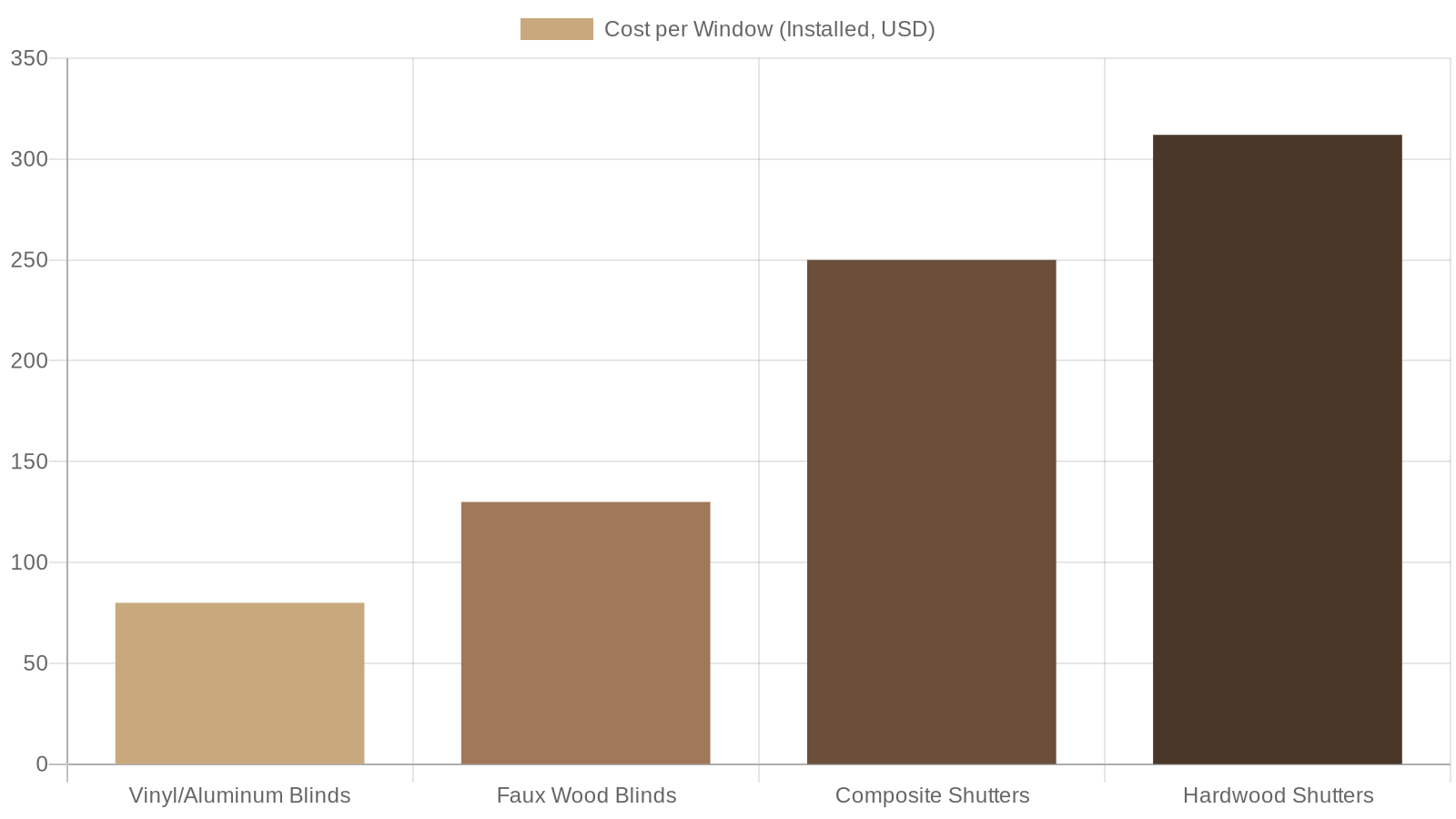
Quick answer: Choosing between blinds and shutters for your Jackson, TN home comes down to five factors: budget, light control, energy efficiency, durability, and style. Plantation shutters cost more upfront — typically $200–$350 per window installed — but add lasting home value and superior insulation. Custom blinds run $80–$180 per window and offer more style variety and faster installation. For most West Tennessee homeowners, shutters win in living rooms and master bedrooms, while blinds excel in kitchens, rentals, and high-humidity spaces. A free in-home consultation with a local expert is the fastest way to decide.
1. Understanding What You're Actually Comparing
Before you can make a smart decision for your Jackson, TN home, it helps to understand exactly what each product is — and what it isn’t. The terms “blinds” and “shutters” are sometimes used interchangeably at hardware stores, but they are fundamentally different products with different installation methods, price points, and lifespans. Let’s define each clearly so every comparison in this guide lands on solid ground.
What Are Plantation Shutters?
Plantation shutters are solid, hinged panels — usually made from wood, faux wood, or composite — that mount directly inside or outside your window frame. The wide louvers (typically 2.5 to 4.5 inches) tilt to control light and privacy, and the entire panel swings open like a door for full ventilation. Because they’re permanently installed, they become part of the architecture of your home rather than a removable accessory.
In Jackson, TN and across West Tennessee, plantation shutters are especially popular in craftsman bungalows, newer construction subdivisions, and any home where the owner wants a clean, built-in look that photographs beautifully.
What Are Custom Blinds?
Blinds are a broad category of window coverings made from horizontal or vertical slats — wood, faux wood, aluminum, or vinyl — suspended from a headrail and controlled by a cord, wand, or motorized lift. Unlike shutters, blinds hang inside the window casing and can be removed or replaced without any structural changes to the window.
Custom blinds are cut to your exact window dimensions, which eliminates the light gaps and rattling you get with off-the-shelf big-box options. Upgrading to custom faux wood blinds is one of the most popular moves West Tennessee homeowners make when refreshing a rental property or updating a whole house at once.
2. Upfront Cost: What Jackson Homeowners Actually Pay

Budget is the deciding factor for many Jackson, TN homeowners — especially those outfitting a whole house, a rental property, or a new construction build. The honest truth is that shutters cost more upfront, but the math over a decade or two often tells a different story. Let’s break down real numbers so you can plan accurately.
Typical Price Ranges per Window
Cost is usually the first question homeowners ask, and rightfully so. Here’s what you can realistically expect for professionally measured and installed window treatments in the Jackson, TN market:
- Custom blinds (faux wood or wood): $80–$180 per window, installed
- Aluminum or vinyl blinds: $50–$110 per window, installed
- Plantation shutters (composite/faux wood): $200–$300 per window, installed
- Plantation shutters (real hardwood): $275–$350+ per window, installed
A typical West Tennessee home has 15–20 windows. That means a full-house blind installation might run $1,200–$3,600, while full-house shutters could range from $3,000–$7,000 depending on window count and material choice.
Hidden Costs to Factor In
Sticker price isn’t the whole story. Consider these additional cost factors:
- Repairs: Blind slats and cords wear out and typically cost $15–$60 per window to repair. Shutters rarely need repairs beyond an occasional hinge adjustment.
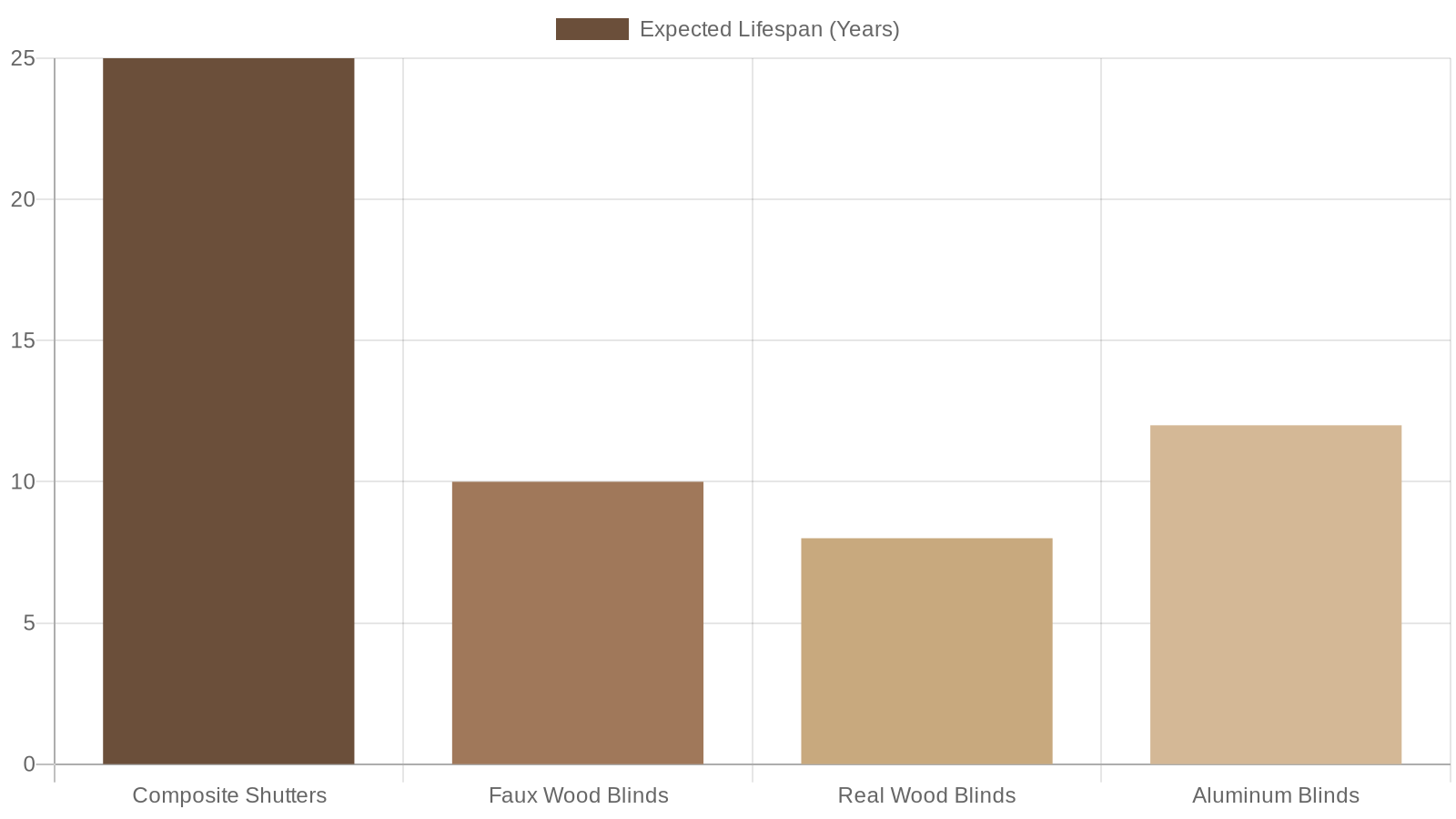
- Replacement cycle: Quality blinds last 7–12 years; well-made plantation shutters can last 20–30 years or more.
- Resale value: Plantation shutters are a recognized home feature that appraisers and buyers notice. Blinds are generally considered personal property, not a home improvement.
When you divide shutter cost over a 25-year lifespan, the annual cost per window often comes out lower than replacing blinds twice over the same period.
3. Light Control and Privacy: Which Gives You More Options?
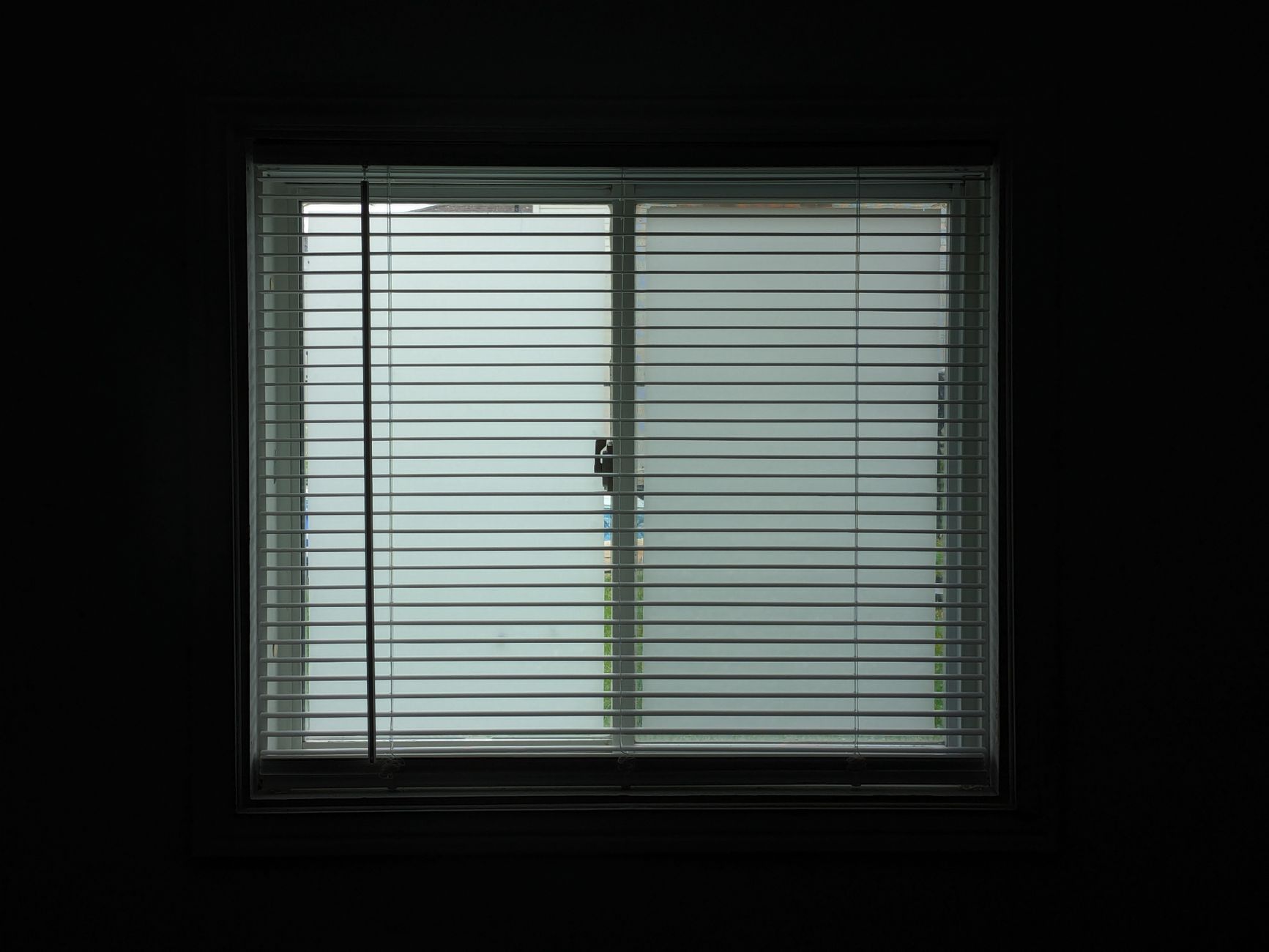
West Tennessee gets long, bright summers and intense afternoon sun — especially in open subdivisions around Jackson and Milan. How well your window treatments manage that light directly affects your comfort, your furniture’s longevity, and your electric bill. Both blinds and shutters give you good control, but they do it differently, and one may suit your lifestyle better than the other.
How Shutters Manage Light
Plantation shutters give you three distinct light states: louvers fully open (maximum light, full view), louvers tilted at an angle (filtered light, partial privacy), and panels fully closed (near-blackout, complete privacy). Because the louvers are rigid and wide — usually 3.5 to 4.5 inches — you can aim light precisely toward the ceiling to brighten a room without exposing yourself to street-level views. This makes shutters a favorite for street-facing living rooms and master bedrooms throughout neighborhoods in Jackson and nearby Lexington.
How Blinds Manage Light
Blinds offer a similar tilt-and-raise mechanism, but with more granular control thanks to narrower slats (typically 1 to 2.5 inches). You can raise the blind partially, leaving the lower half of the window covered for privacy while the upper half floods the room with natural light — a technique called top-down privacy that’s very popular in two-story homes where neighbors can see in from the street. Some custom blinds also come in room-darkening or blackout fabric options that shutters simply can’t replicate, making them the better choice for home theaters, nurseries, and shift workers who sleep during the day.
4. Energy Efficiency in West Tennessee's Climate
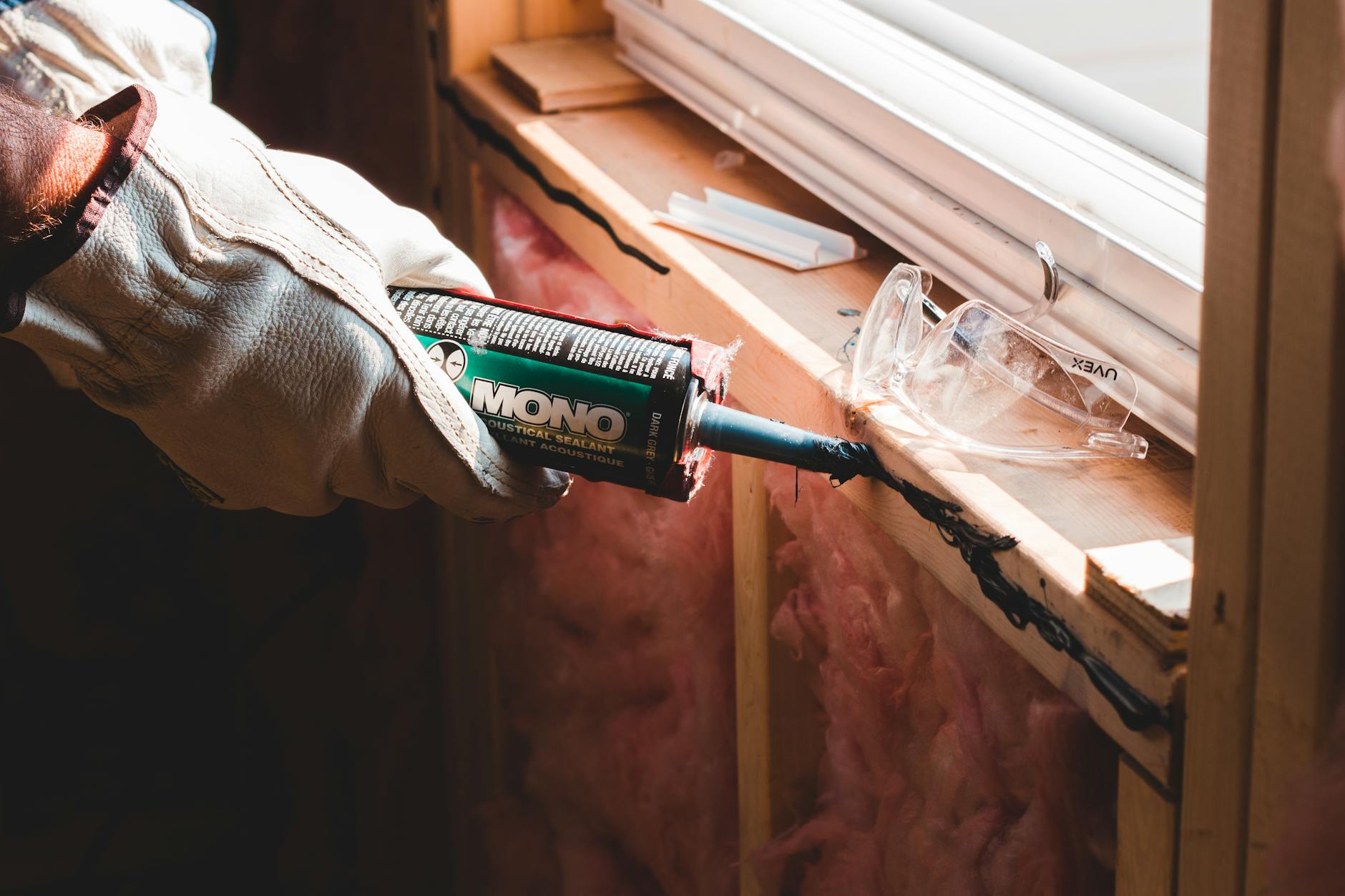
Energy efficiency matters more in West Tennessee than many homeowners realize. Jackson sits in USDA Hardiness Zone 7b, which means you’re running your HVAC hard in both July and January. The right window treatment can meaningfully reduce that load — or the wrong one can undermine even new double-pane windows. Here’s how blinds and shutters stack up on thermal performance.
Shutters as an Insulating Layer
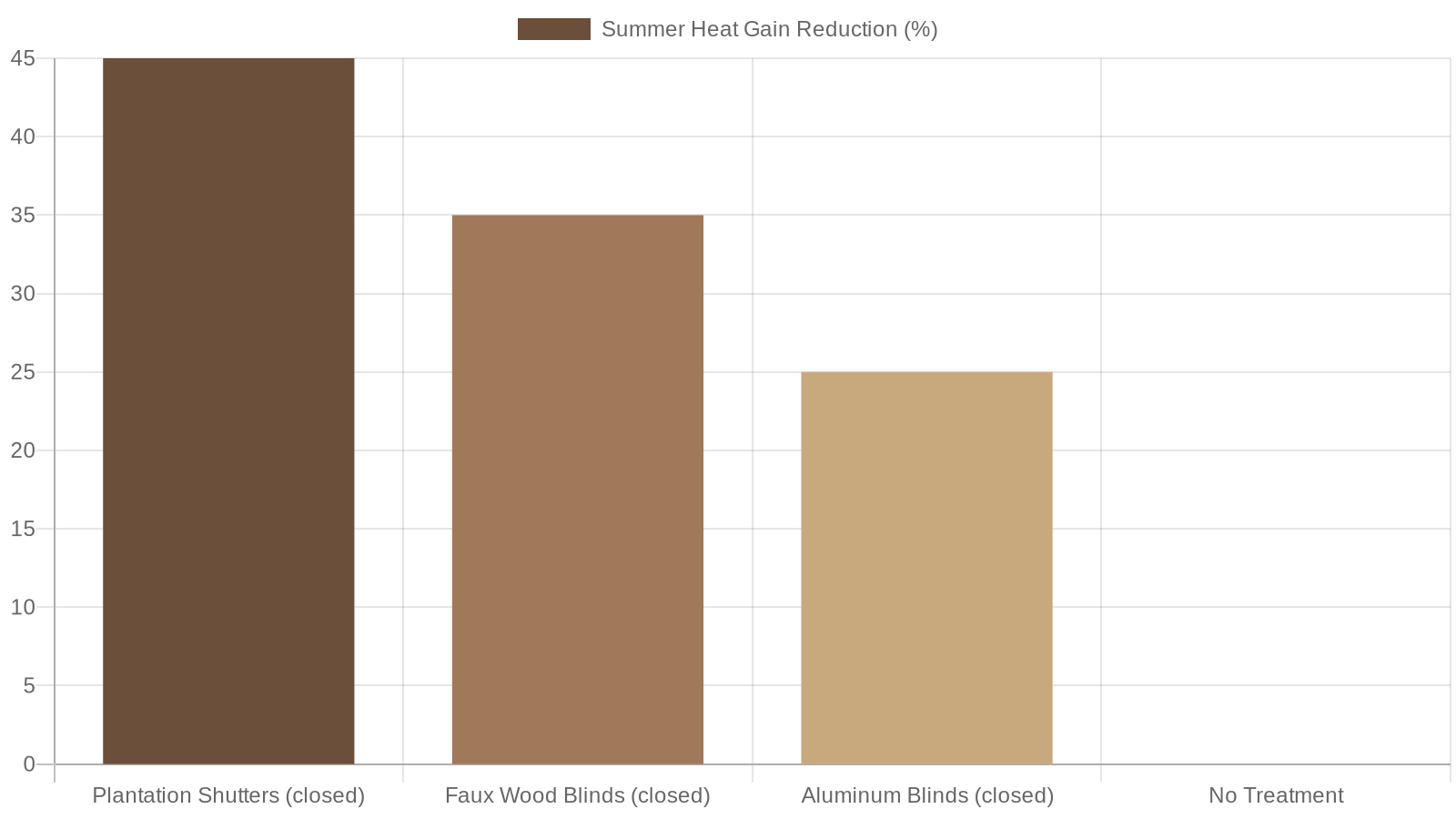
Plantation shutters, when closed, create a dead-air space between the glass and the room — a principle similar to double-pane windows. Studies from the U.S. Department of Energy suggest that interior shutters can reduce heat gain through windows by up to 45% in summer and reduce heat loss by up to 51% in winter. In Jackson, TN — where summers regularly push past 95°F and winters dip into the 20s — that insulating effect can translate to measurable savings on your Duke Energy or Gibson EMC bill. Composite shutters, in particular, don’t warp or crack in Tennessee’s humidity swings, maintaining a tight seal year after year.
Blinds and Energy Performance
Horizontal blinds, when fully closed, can reduce solar heat gain by roughly 45% as well — but only when the reflective side faces outward. The key difference is that blinds have gaps between slats and around the edges, which allows convective air currents to transfer heat into the room even when the blind is down. Cellular shades (a cousin of blinds) outperform both blinds and shutters on pure insulation, but if you’re choosing strictly between blinds and shutters, shutters win the energy-efficiency round for West Tennessee’s mixed climate. That said, adding a cellular liner to custom blinds can close the gap significantly.
5. Durability and Maintenance: The Real-World Test
Jackson homeowners with young children, pets, or rental properties need window treatments that can take a beating. Durability and ease of cleaning aren’t glamorous topics, but they’re the difference between a window treatment that looks great at year ten and one that you’re replacing for the third time. Here’s an honest look at long-term performance for both options.
Shutter Durability Over Time
High-quality plantation shutters — especially those made from composite or engineered wood — are built to last 20 to 30 years with minimal maintenance. There are no cords to fray, no fabric to fade, and no slats to snap. Cleaning is straightforward: a damp cloth or a quick pass with a microfiber duster keeps them looking sharp. The main enemy of wood shutters in West Tennessee is moisture; real hardwood can warp in bathrooms or kitchens where humidity spikes. Composite shutters solve this problem entirely and are the recommended choice for any room that sees steam or splashing water.
Blind Durability Over Time
Custom faux wood blinds are impressively durable for their price point — they resist moisture, won’t yellow in UV light, and hold up well in homes with kids and pets. Real wood blinds, while beautiful, can warp in high-humidity rooms just like wood shutters. Aluminum blinds are the most durable option for rental properties and commercial spaces in Henderson or Milan, where tenant turnover means more wear and tear. The weak point of any blind is the lift cord and tilt mechanism: these moving parts typically need replacement or repair every 7–10 years, a cost that shutters don’t incur.
6. Style and Aesthetics: Matching Your Home's Personality
Window treatments are one of the first things visitors notice in your home — and one of the last things you want to get wrong. Both blinds and shutters come in enough options to suit most design tastes, but they each have a natural aesthetic home. Understanding where each shines helps you avoid a mismatch that will bother you every time you walk into the room.
When Shutters Are the Style-Forward Choice
Plantation shutters have a timeless, architectural quality that works in almost any home style — from the craftsman cottages near downtown Jackson to the newer construction homes in Madison County subdivisions. Their clean lines and neutral white or off-white finish complement both traditional and contemporary interiors. Because they’re built into the window frame, they create a cohesive, intentional look that interior designers often describe as “finished.” If you’re staging a home for sale or renovating to increase appraisal value, shutters are almost always the more impressive choice to a prospective buyer walking through the front door.
When Blinds Win on Style Versatility
Blinds offer a wider range of finishes, colors, and textures than shutters. Custom wood blinds in a warm walnut or cherry stain can anchor a traditional study; sleek white aluminum blinds keep a modern kitchen feeling crisp and minimal. Vertical blinds — often used on sliding glass doors and large picture windows — are a category that shutters simply can’t replicate without significant cost. If you’re working with a bold or eclectic interior design scheme, the variety of custom blind options gives you more creative latitude. Explore our custom shades collection to see how fabric, texture, and color can transform a room’s entire mood.
7. Room-by-Room Recommendations for West Tennessee Homes
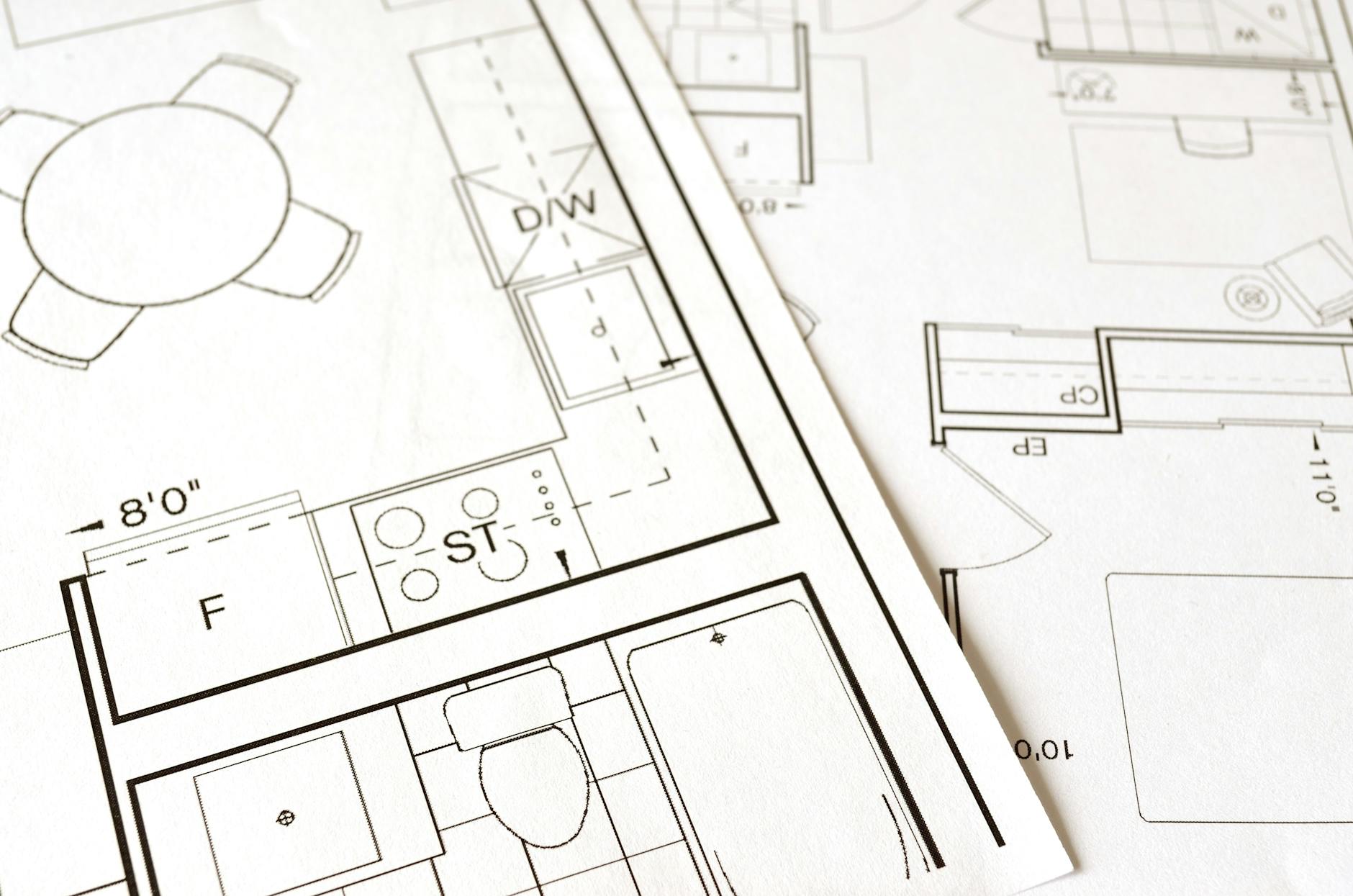
There’s rarely a single right answer for an entire house. Most Jackson, TN homeowners end up with a mix — shutters in the rooms that matter most for resale value and daily living, and custom blinds in the spaces where practicality or budget takes priority. Here’s a room-by-room breakdown to guide your thinking.
Living Rooms, Dining Rooms, and Master Bedrooms
These are the rooms where shutters consistently outperform blinds. Living rooms and dining rooms are high-visibility spaces where the architectural quality of shutters pays the biggest aesthetic dividend. Master bedrooms benefit from shutters’ superior light control and the quiet, cord-free operation — no rattling slats at 3 a.m. when a ceiling fan kicks on. If your master bedroom faces east and you’re a light sleeper, shutters with wide louvers will give you the most precise morning light management of any window treatment option.
Kitchens, Bathrooms, and Laundry Rooms
High-moisture rooms are where composite shutters or faux wood blinds both shine — and where real wood products of either type should be avoided. Composite shutters handle steam and humidity without warping, but faux wood blinds are a more budget-conscious choice for a kitchen or bathroom refresh. Faux wood blinds are also easier to wipe down after cooking splatter, which is a practical advantage in a busy kitchen. For Jackson homeowners renovating a bathroom on a tight budget, a set of custom faux wood blinds delivers a clean, polished look at a fraction of the shutter cost.
Rental Properties, Home Offices, and Kids' Rooms
For rental properties in Jackson, Henderson, or Lexington, durability and replacement cost are the primary concerns. Aluminum or faux wood blinds are the practical choice — they’re tough, inexpensive to replace, and tenants understand how to operate them. In home offices, motorized blinds with smart-home integration offer a level of convenience that shutters don’t easily provide. Kids’ rooms call for cordless blinds specifically — the Consumer Product Safety Commission has issued ongoing warnings about cord-strangulation hazards, and cordless custom blinds eliminate that risk entirely while still looking great.
8. Installation: What the Process Looks Like

Even the most beautiful window treatment looks wrong if it’s installed poorly. Understanding what the installation process involves — and why professional installation matters — helps you set realistic expectations and avoid the frustration of a DIY project that doesn’t go as planned. Here’s what the process looks like from first measurement to final adjustment.
Measuring and Ordering Custom Window Treatments
Both blinds and shutters must be precisely measured to fit your windows — even a quarter-inch error can mean a gap that lets in light or a panel that won’t close properly. This is why professional measuring is so important, and why big-box store blinds so often disappoint. A professional measuring visit typically takes 30–60 minutes for an average home, and the measurements feed directly into a custom fabrication order. Lead times in the current market run 2–4 weeks for blinds and 3–6 weeks for shutters, depending on the manufacturer and material.
The Installation Day Experience
Blind installation is faster — a skilled installer can typically hang 8–12 windows in a half-day. Shutter installation takes longer because each panel must be level, plumb, and properly shimmed within the frame. Expect a full day for a whole-house shutter installation. Either way, a professional installation means no stripped screws, no crooked headrails, and no warranty voided by DIY mistakes. At Blinds Galore, our installation team handles everything from the first measurement to the final adjustment — you don’t touch a drill.
Blinds vs. Shutters: 10-Point Comparison at a Glance
Use this side-by-side breakdown to quickly assess which window treatment wins for your specific priorities. Ratings are relative (Excellent / Good / Fair / Poor) based on typical residential performance in West Tennessee conditions.
9. Motorization and Smart Home Integration
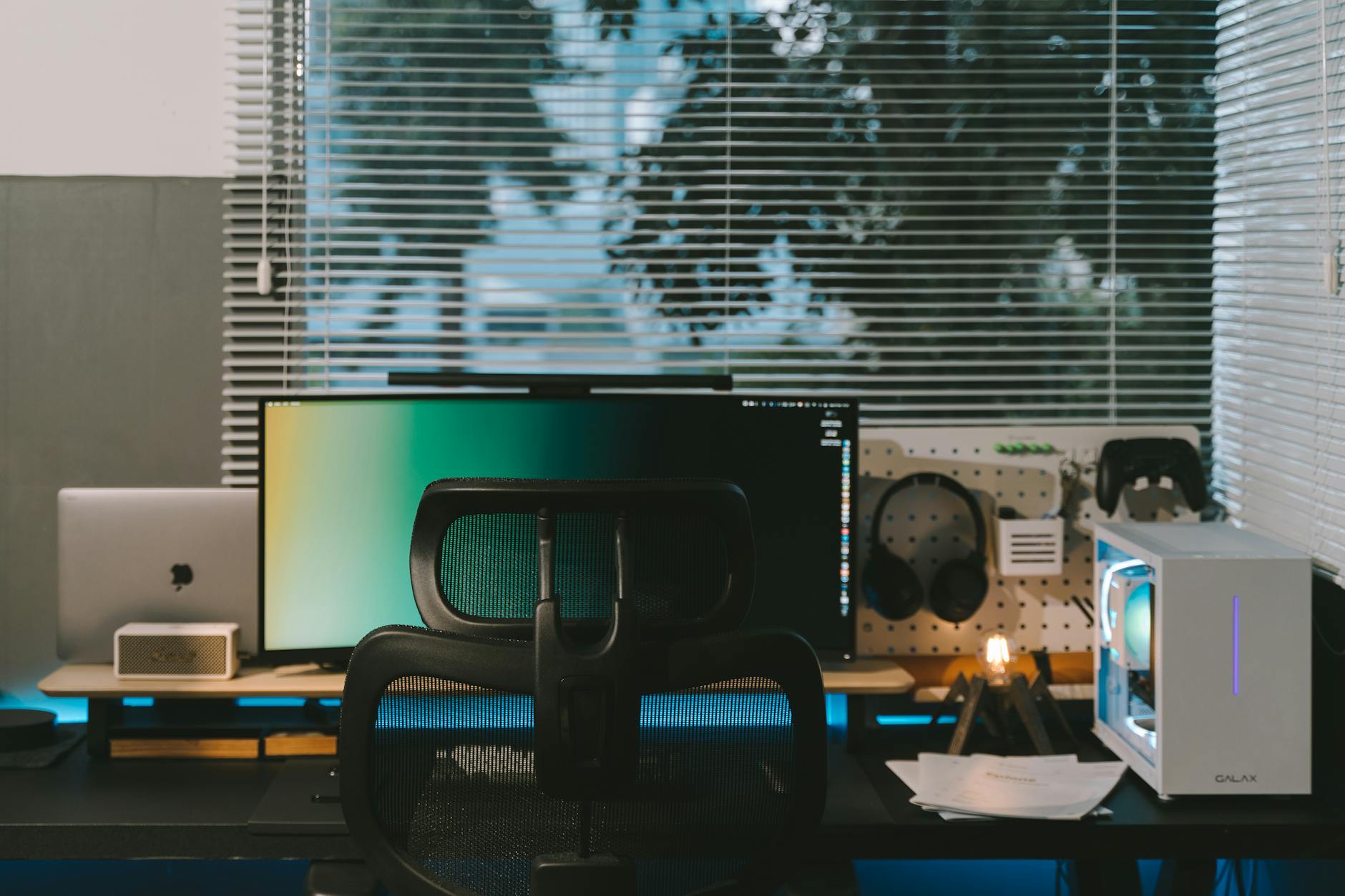
Smart home technology has changed what homeowners expect from their window treatments. Whether you want to automate your morning routine, improve security by making your home look occupied while you’re away, or simply avoid climbing on furniture to reach a high window, motorization is worth considering — especially for blinds. Here’s how the two options compare on the smart-home front.
Motorized Blinds: Convenience at Your Fingertips
Motorized blinds have come a long way in the past five years. Today’s options integrate with Amazon Alexa, Google Home, and Apple HomeKit, letting you raise or lower every blind in your home with a voice command or a scheduled automation. This is especially useful for large windows, high windows above staircases, and homeowners with mobility limitations. Motorized blinds typically add $50–$150 per window to the cost of the treatment itself, and they require either a battery pack (rechargeable via USB) or a hardwired power source.
Motorized Shutters: Less Common, Still Available
Motorized plantation shutters exist but are far less common and considerably more expensive — typically adding $200–$400 per window. For most Jackson homeowners, the manual operation of shutters (a simple tilt rod or direct louver adjustment) is intuitive enough that motorization isn’t necessary. Where motorized shutters make the most sense is in commercial applications — storefronts, offices, or restaurants in the Jackson area where staff need to adjust multiple large windows quickly. For residential use, the cost-benefit rarely pencils out unless you have a specific accessibility need.
10. Resale Value: What Buyers in Jackson, TN Actually Notice

If there’s any chance you’ll sell your Jackson, TN home in the next decade, window treatments become a minor investment decision as well as an aesthetic one. Here’s what the data and local real estate experience suggest about how each option affects perceived home value.
Shutters as a Home Feature
Real estate agents across West Tennessee consistently report that plantation shutters are one of the window treatment details buyers comment on during showings. Unlike blinds — which are typically considered personal property and sometimes removed by sellers — shutters are permanently installed and convey with the home as a fixture. The National Association of Realtors has noted that window treatments, particularly shutters, can contribute to a home’s perceived value and reduce time on market. In the Jackson, TN housing market, where move-in-ready homes command a premium, shutters signal quality and care to buyers who’ve seen a lot of tired rentals and dated interiors.
Blinds and Resale: A More Neutral Impact
Custom blinds in good condition are a neutral factor in a home sale — they’re better than nothing, and a buyer won’t complain about inheriting quality faux wood blinds. But they’re unlikely to generate the “oh, I love those” reaction that shutters do. If you’re planning to sell within 3–5 years, the ROI calculation for shutters is more favorable than if you’re staying for 20 years (where the long-term savings make the math easy regardless). For a home you’re planning to sell soon, prioritize shutters in the living room, dining room, and master bedroom — the rooms buyers photograph and remember.
11. Special Considerations for West Tennessee's Climate
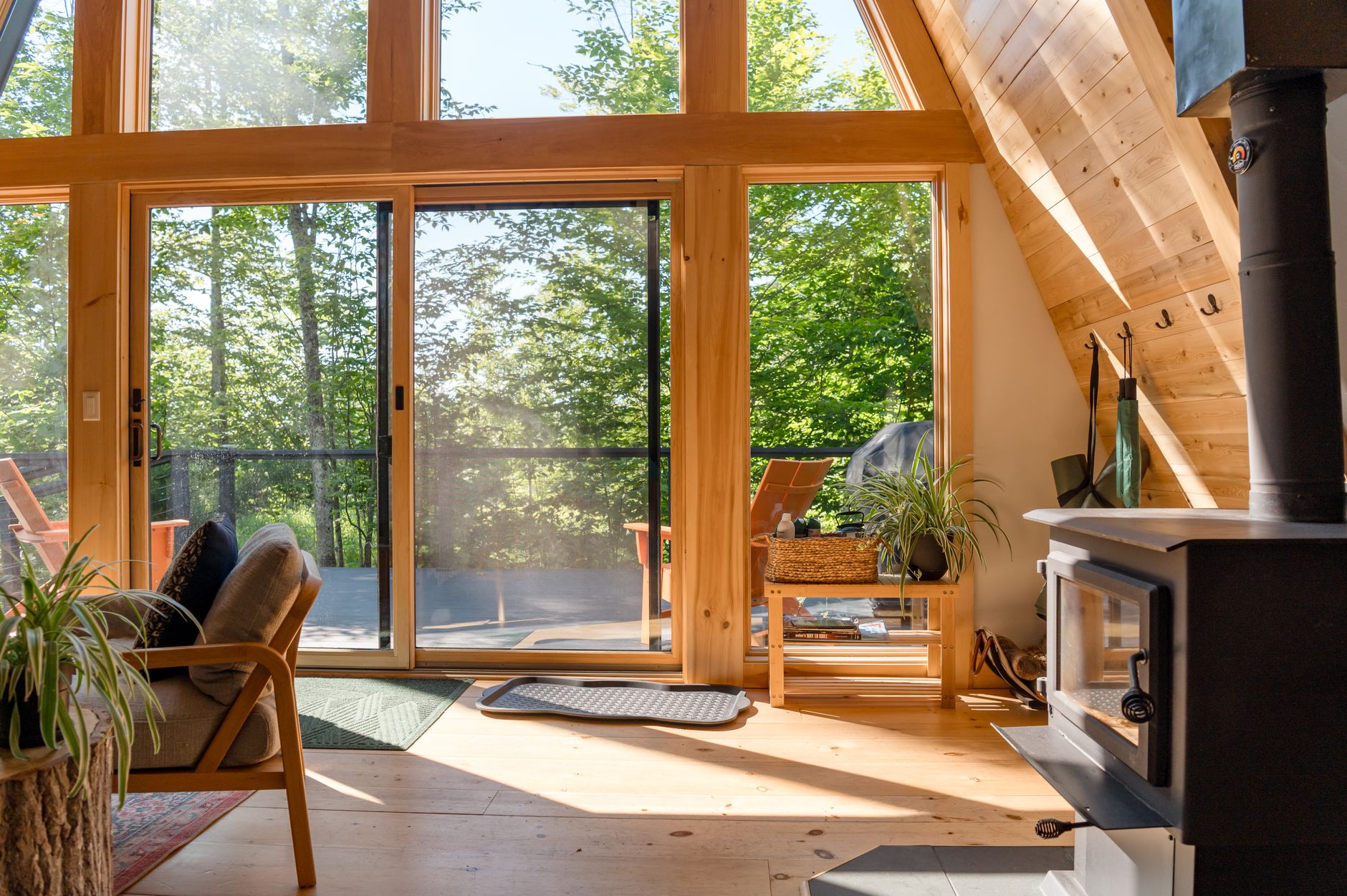
Living in West Tennessee means your window treatments face specific environmental challenges that homeowners in milder climates don’t deal with. Choosing the right material — not just the right style — is essential to getting a window treatment that still looks great five summers from now. Here’s what the local climate demands from your blinds or shutters.
Humidity, Heat, and Material Choice
Jackson, TN sits in a humid subtropical climate (Köppen Cfa), which means hot, sticky summers and mild but occasionally frigid winters. That humidity is the enemy of real wood — both wood blinds and wood shutters can warp, crack, or swell in rooms that see significant moisture fluctuation. The solution is straightforward: choose composite or faux wood for any room that isn’t climate-controlled 24/7, and reserve real wood for formal living spaces with consistent HVAC. Composite shutters and faux wood blinds are engineered specifically to handle the kind of humidity swings West Tennessee homeowners deal with every June through September.
UV Fading and Sun Orientation
West-facing windows in Jackson get brutal late-afternoon sun from May through October. UV exposure fades furniture, flooring, and artwork — and it also degrades window treatments over time. Shutters, being solid panels, block UV more completely than open-slat blinds when closed. For west-facing rooms, consider adding a UV-blocking sheer shade behind shutters or blinds for maximum protection during peak sun hours. South-facing windows benefit most from the precise louver control that shutters offer, letting you angle light toward the ceiling rather than directly onto your floors and furniture.
Ready to Find the Right Fit for Your Home?

You’ve now got a complete picture of how blinds and shutters compare across every dimension that matters to Jackson, TN homeowners — cost, light control, energy efficiency, durability, style, and resale value. The right answer for your home depends on your specific rooms, your budget, and your long-term plans. The good news: you don’t have to figure it out alone.
Why a Free In-Home Consultation Changes Everything
Reading about blinds and shutters online only gets you so far. The real decision happens when you see actual samples against your walls, in your light, next to your furniture. That’s exactly what Blinds Galore’s free in-home consultation is designed to do. Our team brings the showroom to your home — samples, swatches, and expert guidance — so you can see how each option looks in your actual space before you commit to a single dollar. We serve Jackson, Lexington, Henderson, Milan, and the surrounding West Tennessee communities, and we’ve been doing this for over 18 years.
Request your free in-home consultation online, or call us directly at (731) 571-5179. We’ll measure every window, walk you through every option, and give you a clear quote — all with our 100% satisfaction guarantee backing every installation we do.
Your Next Step
Whether you’ve already decided on plantation shutters for your living room or you’re still weighing faux wood blinds for a rental property in Henderson, the fastest path to a decision you’ll love is a conversation with someone who knows West Tennessee homes. See our custom-built shutter options or browse our full range of window treatments at blindswesttn.com. When you’re ready to take the next step, Blinds Galore is here — neighborly, experienced, and backed by a guarantee that means it.
Frequently Asked Questions
Are plantation shutters worth the extra cost in Jackson, TN?
For most Jackson homeowners who plan to stay in their home 5+ years, yes. Plantation shutters last 20–30 years, add perceived resale value, and provide superior insulation against West Tennessee's hot summers and cold winters. The higher upfront cost often pays for itself over time compared to replacing blinds every 8–12 years.
What's the best window treatment for a humid bathroom in Tennessee?
Composite plantation shutters or faux wood blinds are the best choices for high-humidity rooms in West Tennessee. Both resist warping and moisture damage that would ruin real wood blinds or hardwood shutters. Avoid real wood products in any room that regularly sees steam or splashing water.
How long does it take to get custom blinds or shutters installed?
Custom blinds typically have a 2–4 week lead time from measurement to installation. Plantation shutters usually take 3–6 weeks depending on material and manufacturer. Installation day itself runs a half-day for blinds or a full day for whole-house shutters.
Do blinds or shutters do a better job blocking heat in summer?
Both can reduce solar heat gain by up to 45% when fully closed, but plantation shutters create a sealed dead-air space that provides better overall insulation. In Jackson, TN's hot summers, shutters give you a slight edge on keeping cooling costs down, especially on south- and west-facing windows.
Can I get cordless blinds for a child's room in Jackson, TN?
Yes — cordless custom blinds are widely available and strongly recommended for any room where children or pets are present. The Consumer Product Safety Commission has issued warnings about cord-strangulation hazards, and cordless blinds eliminate that risk entirely without sacrificing style or light control.
Does Blinds Galore serve areas outside Jackson, TN?
Yes. Blinds Galore serves the greater West Tennessee area including Lexington, Henderson, Milan, and surrounding communities. They offer free in-home consultations throughout the region — call (731) 571-5179 to schedule a visit.
You might also like

How to Choose the Right Window Treatment Style Using Product Videos
Quick answer: Choosing the right window treatment — blinds, shades, or plantation shutters — comes

7 Best Custom Blinds for Laundry Rooms and Utility Spaces in Jackson, TN
Quick answer: The best custom blinds for laundry rooms and utility spaces in Jackson, TN are moisture-resistant

8 Best Custom Blinds for Kitchens with Large Windows in Jackson, TN
Quick answer: For kitchens with large windows in Jackson, TN, the best custom blinds balance moisture

9 Best Window Treatments for Jackson TN Home Theaters and Media Rooms
Quick answer: For home theaters and media rooms in Jackson, TN, the single best window treatment is a

7 Best Custom Blinds for Sunrooms and Screened Porches in Jackson, TN
Quick answer: The best custom blinds for sunrooms and screened porches in Jackson, TN balance UV protection,
Faux Wood Blinds vs Cellular Shades: Your 9-Point Guide for West Tennessee Sunrooms
Quick answer: For West Tennessee sunrooms and screened porches, faux wood blinds win on moisture resistance,