

7 Best Plantation Shutters for Jackson TN Sunrooms and Garden Rooms
Quick answer: Plantation shutters are the top window treatment choice for Jackson, TN sunrooms and garden rooms because they handle intense Southern sun, high humidity, and wide temperature swings better than fabric shades or standard blinds. Poly-resin and composite shutters resist warping and fading, while wide 3.5-inch or 4.5-inch louvers give you precise light and ventilation control. Expect to invest $250–$650 per window for custom-fitted units, with professional installation typically adding $75–$150 per window. Blinds Galore offers free in-home consultations across Jackson and West Tennessee to help you choose the right shutter for every sunroom window.
Why Sunrooms and Garden Rooms Demand a Special Window Treatment
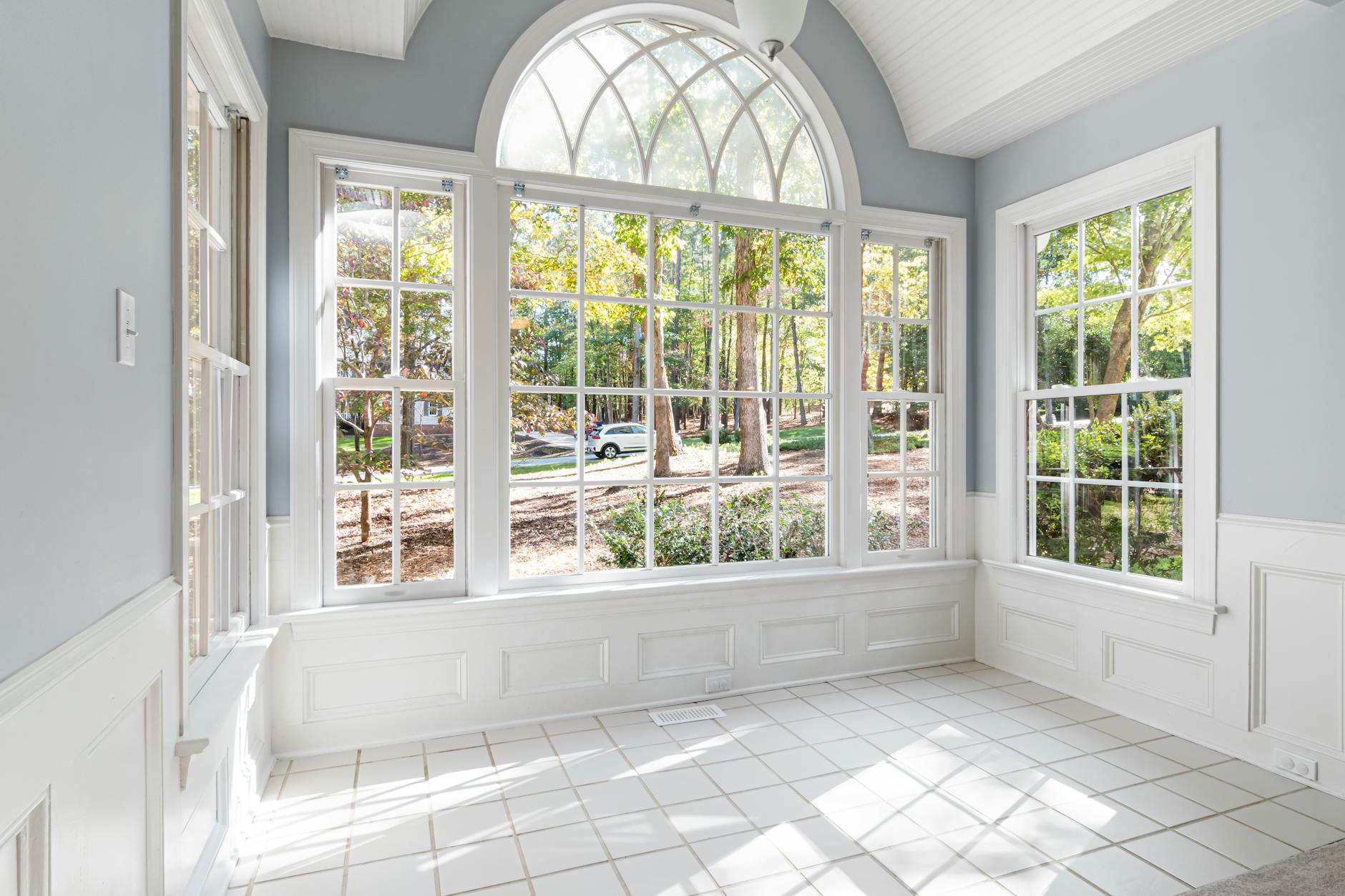
Not all window treatments are created equal, and nowhere is that more obvious than in a sunroom or garden room. These spaces are designed to flood your home with natural light and a connection to the outdoors — but that same openness creates real challenges for window coverings. Before we rank the best shutter options, it’s worth understanding exactly what conditions your sunroom shutters will face in Jackson, TN and the surrounding West Tennessee region.
The Unique Climate Challenge Inside a Sunroom
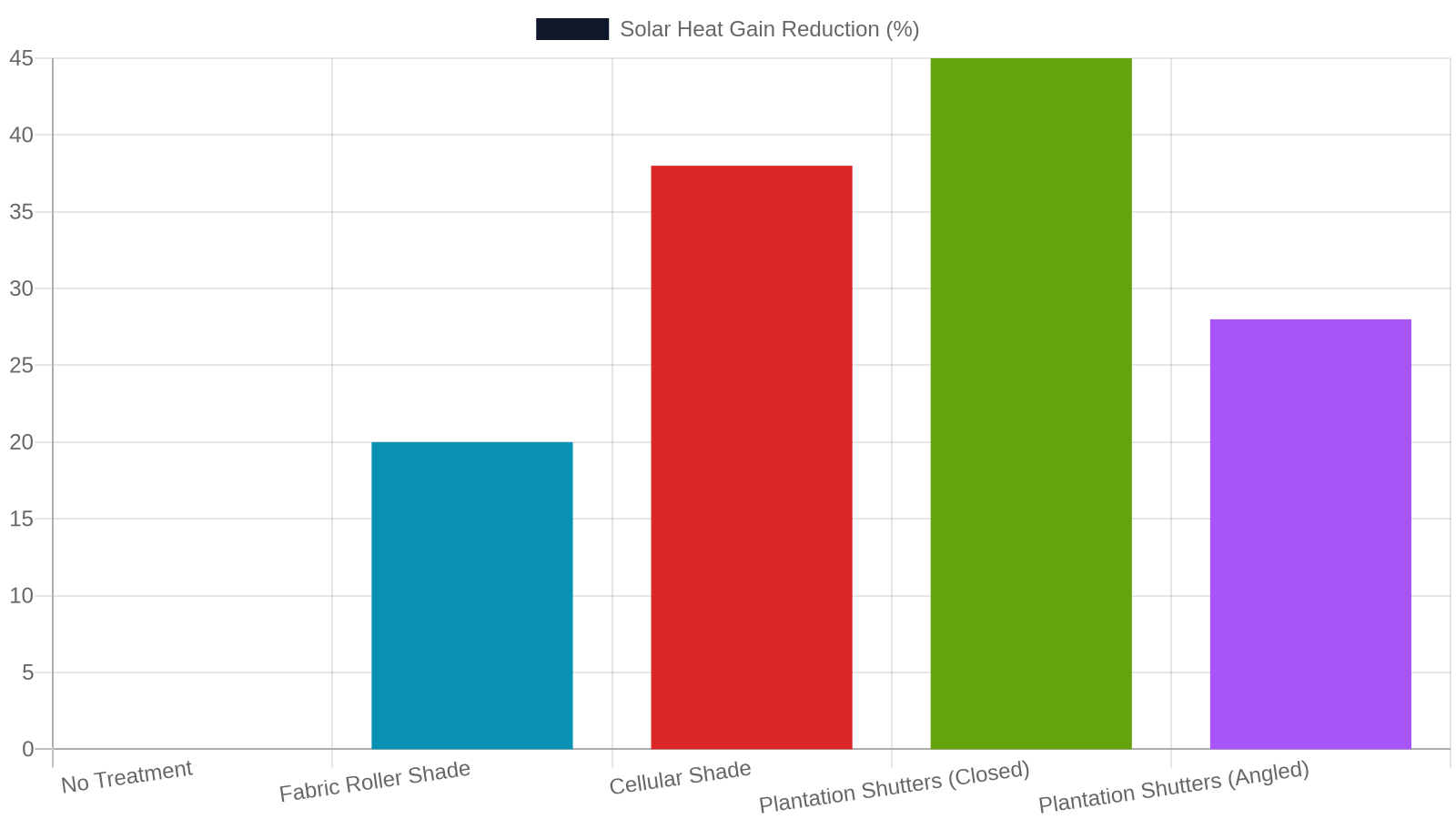
A sunroom in Jackson, TN is essentially a glass envelope. On a July afternoon, interior temperatures can spike to 110°F or higher without proper shading, and UV index readings through untreated glass can reach levels that fade upholstery in as little as six months. Standard fabric roller shades absorb that heat and transfer it back into the room; aluminum mini-blinds warp and discolor within a season or two. Plantation shutters, by contrast, create an insulating air pocket between the louver panel and the glass, reducing solar heat gain by up to 45% according to the Efficient Windows Collaborative.
Humidity, Condensation, and Why Wood Fails Here
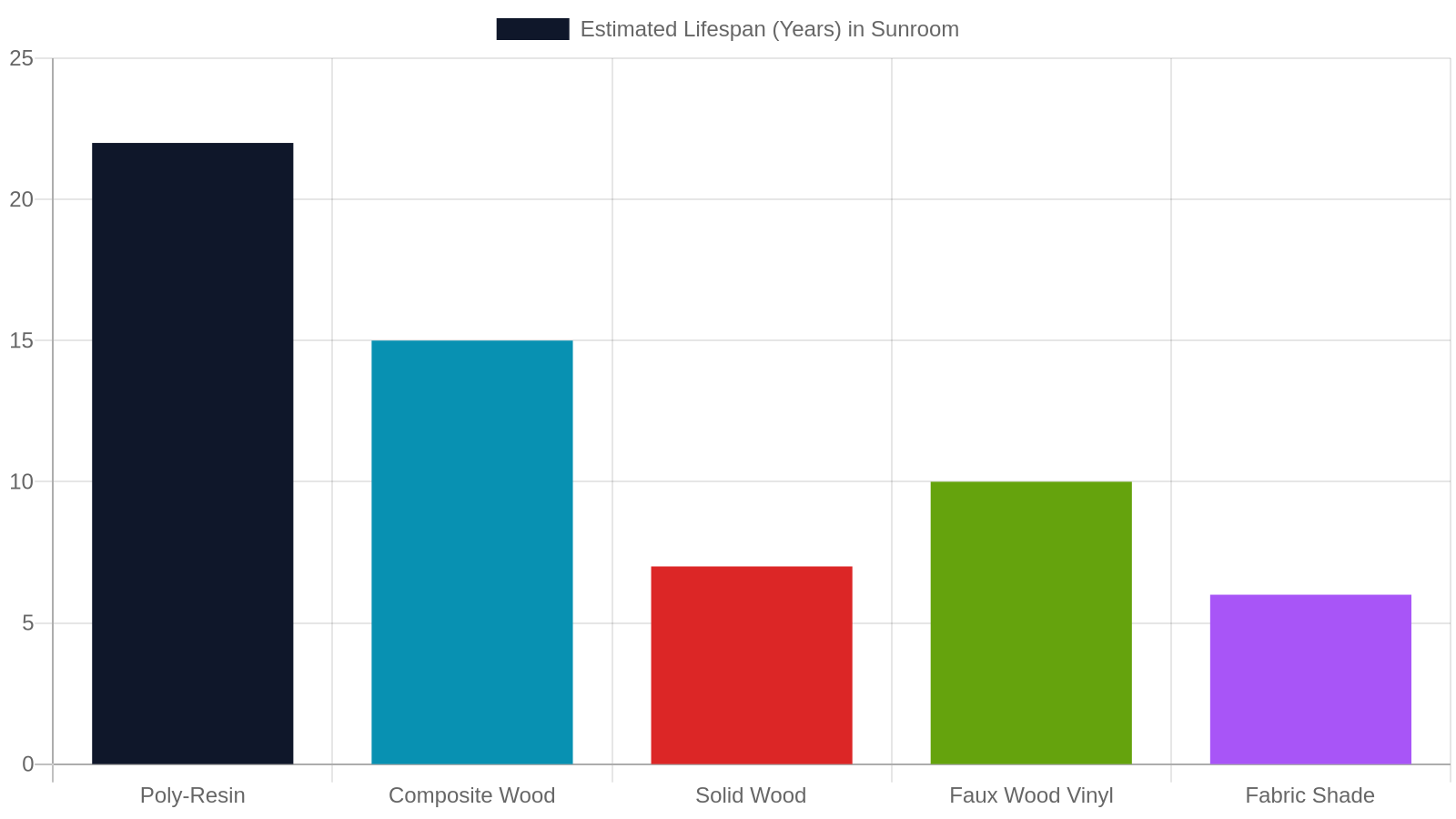
West Tennessee summers bring average relative humidity above 70%, and garden rooms that incorporate irrigation or water features push that even higher. Solid-wood shutters — beautiful as they are in living rooms — expand and contract with moisture changes, causing louvers to stick, panels to bow, and paint to crack. This is exactly why material selection is the single most important decision you’ll make for a sunroom shutter. The good news: modern poly-resin and composite alternatives look virtually identical to real wood but are completely waterproof and dimensionally stable year-round.
1. Poly-Resin Plantation Shutters — the Sunroom Gold Standard
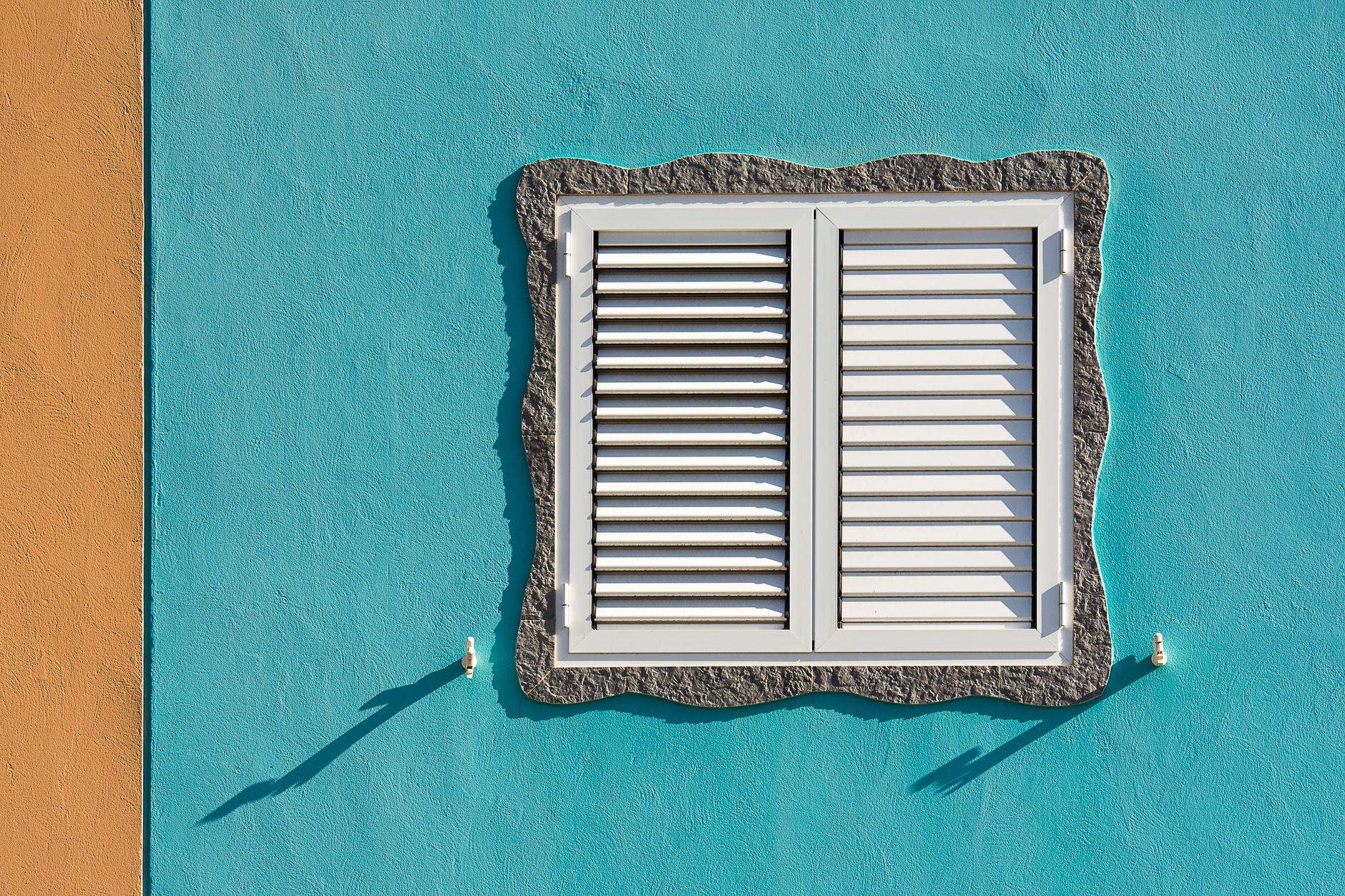
If you could choose only one shutter type for a Jackson, TN sunroom, poly-resin would be the near-universal recommendation from window treatment professionals. It combines the classic aesthetic of traditional plantation shutters with engineering specifically suited to high-heat, high-humidity glass-enclosed spaces. Here’s a closer look at why poly-resin earns the top spot on this list.
What Makes Poly-Resin Different
Poly-resin shutters are manufactured from a high-density polymer compound that contains no wood fiber whatsoever. That matters enormously in a sunroom because there is nothing organic to absorb moisture, swell, or support mold growth. Leading brands engineer their poly-resin panels to withstand temperatures from -20°F to 160°F without distortion — a range that covers even the most extreme Jackson summer and the rare West Tennessee ice storm. The material is also UV-stabilized at the molecular level, so the bright white or off-white finish won’t yellow after years of direct sun exposure.
Cost and Lifespan Expectations
Custom poly-resin shutters typically run $300–$550 per window installed in the Jackson, TN market, depending on window size and louver width. That’s a meaningful upfront investment, but consider the lifespan: quality poly-resin shutters carry manufacturer warranties of 20–25 years, and many homeowners report panels that still look new after 15 years of sunroom service. Compare that to fabric cellular shades, which typically need replacement every 5–8 years in a high-UV environment. Over a 20-year horizon, poly-resin shutters frequently cost less per year than fabric alternatives.
2. Composite Wood Shutters — Real-Wood Look With Added Resilience
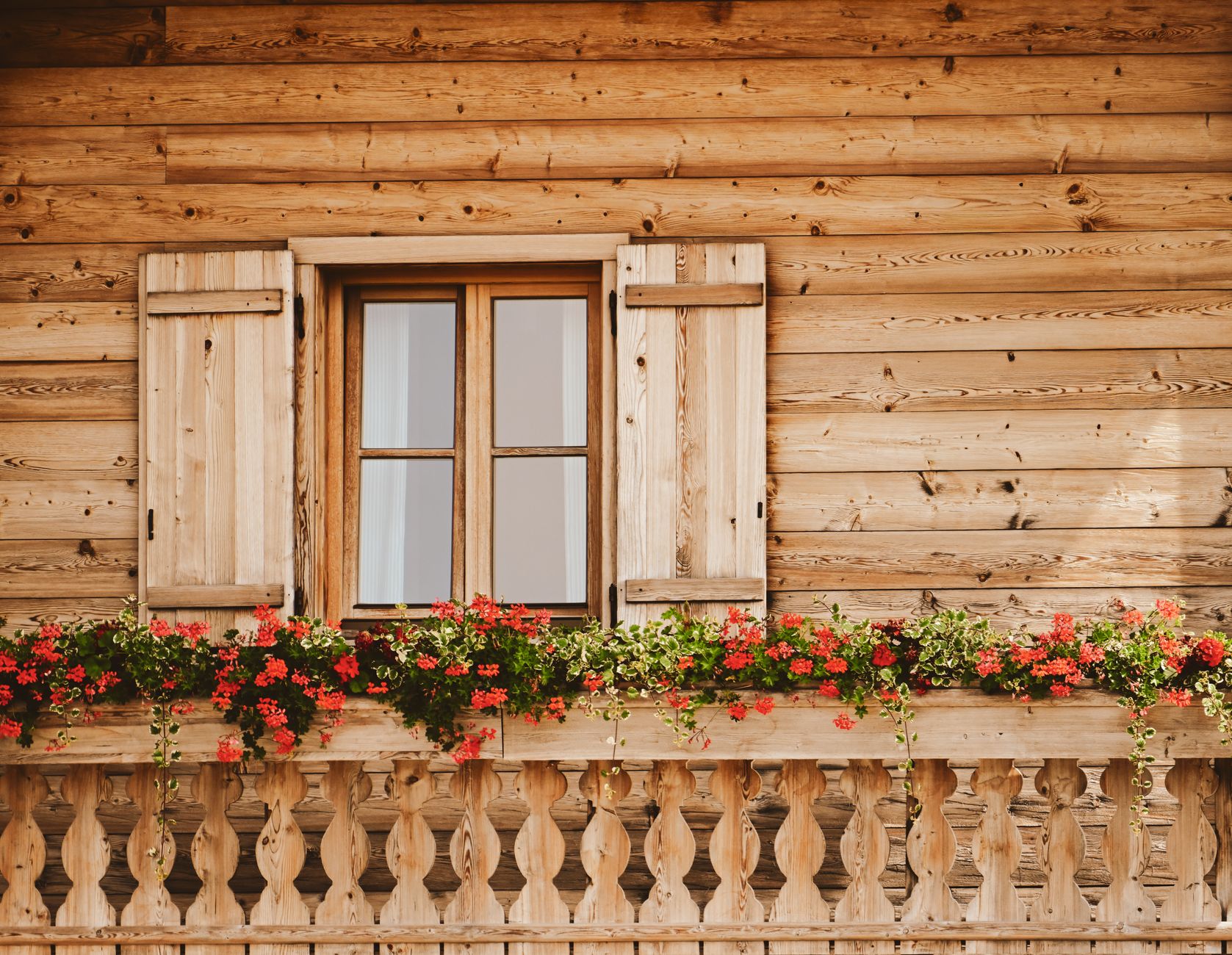
Composite wood shutters occupy the second tier of sunroom performance — not quite as bulletproof as pure poly-resin, but far more durable than solid wood and capable of delivering a richer visual texture. For many homeowners in Jackson and surrounding communities, composite shutters offer the ideal balance of aesthetics and practicality.
How Composite Construction Works
Composite shutters blend real wood fiber with PVC or polymer binders, pressed into panels under high heat. The result is a product that accepts stain and paint exactly like solid wood — giving you a richer, more varied grain appearance than pure poly-resin — while resisting moisture significantly better than untreated timber. For homeowners who want the warmth of a wood look in a sunroom that connects to a natural garden aesthetic, composite shutters hit a sweet spot that neither pure poly-resin nor solid wood quite achieves.
Where Composite Shutters Shine and Where They Fall Short
Composite shutters perform beautifully in three-season sunrooms that are heated in winter but not air-conditioned to extremely low temperatures in summer. They handle humidity well but are not fully waterproof — sustained exposure to standing water or direct rain splash (as can happen in a garden room with open panels) can eventually cause surface delamination. Budget $280–$500 per window installed, and expect a lifespan of 12–18 years with normal sunroom use. They’re an excellent middle-ground choice for Henderson or Lexington homeowners whose sunrooms see moderate rather than extreme conditions.
3. Wide-Louver Shutters (4.5-Inch) — Maximum Light Control for Large Glass Panels
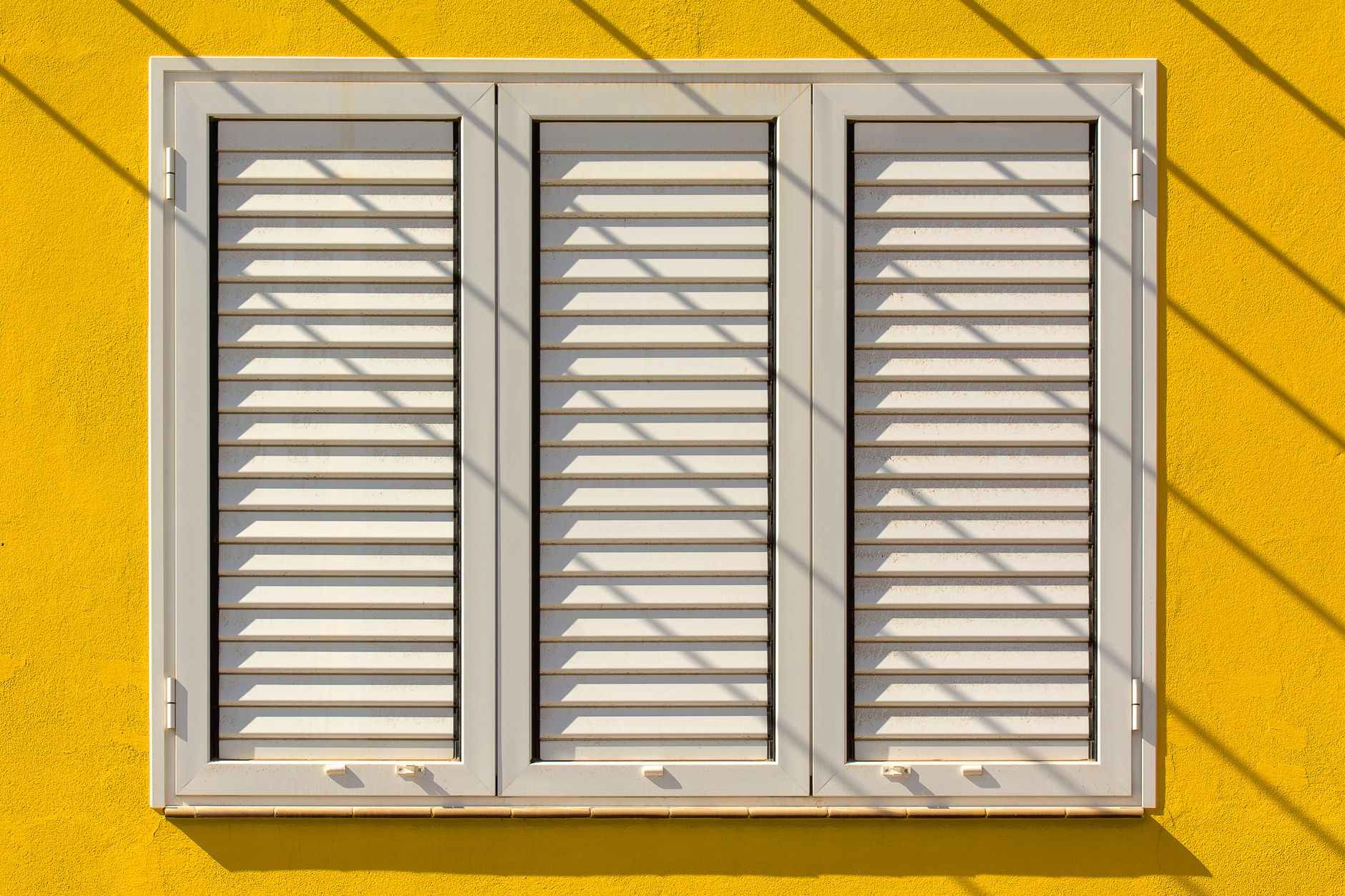
When you’re choosing plantation shutters for a sunroom, louver width is almost as important as material. The scale of sunroom windows — often two to three times the size of interior windows — calls for proportionally larger louvers that look right, operate smoothly, and give you the precise light control that makes a sunroom truly livable throughout the day.
Louver Size and Why It Matters in a Sunroom
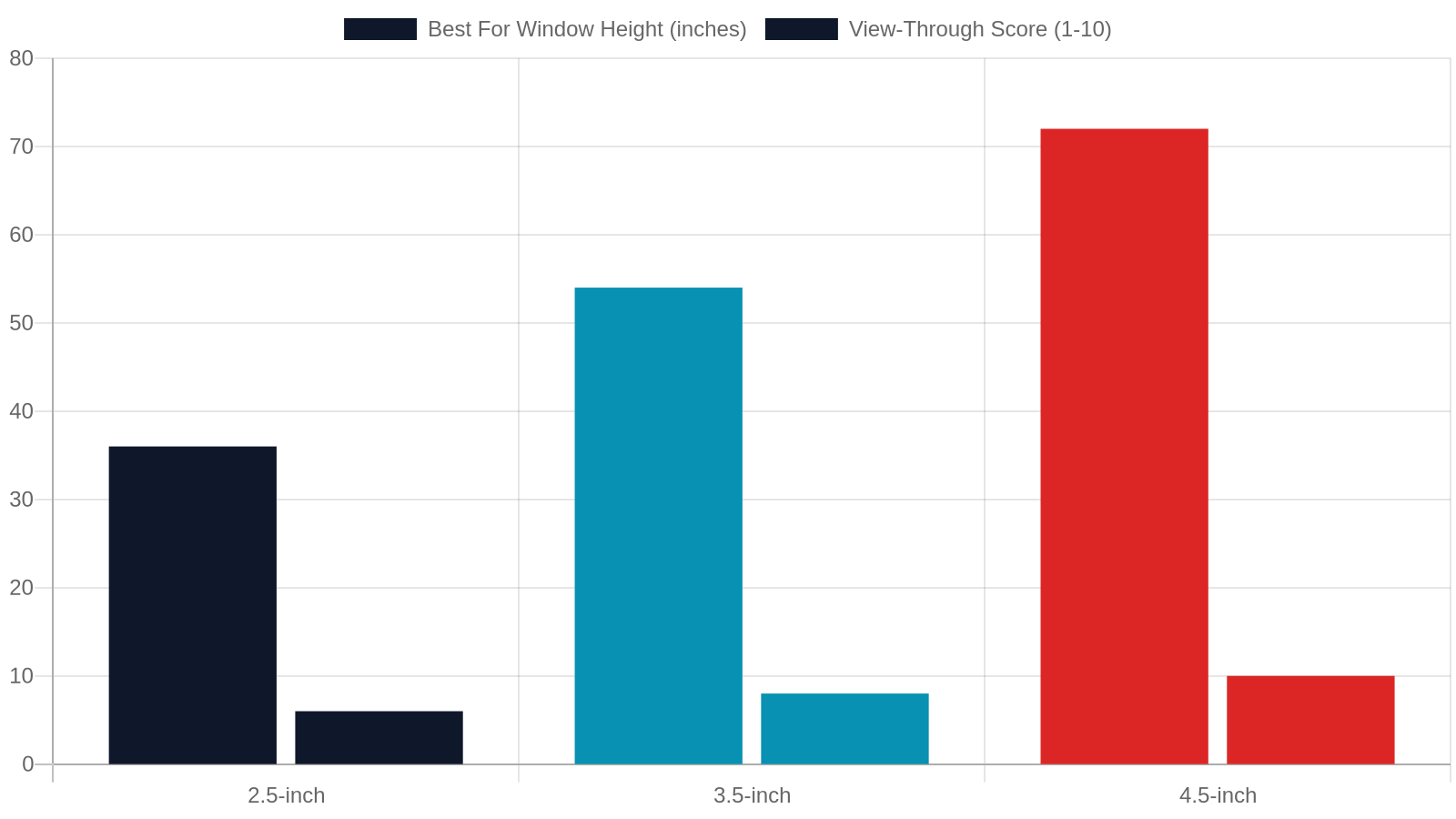
Plantation shutters come in louver widths ranging from 2.5 inches to 4.5 inches. In a standard bedroom or living room, 3.5-inch louvers are the most popular choice. But sunrooms and garden rooms typically feature larger panes of glass — floor-to-ceiling panels, wide picture windows, or banks of casement windows — where wider louvers look proportionally correct and provide better view-through when open. A 4.5-inch louver on a 72-inch-tall sunroom window creates fewer horizontal lines, making the view to your garden feel more expansive and unobstructed.
Light Control Precision With Wide Louvers
Wide louvers also give you finer angular control over incoming light. Because each louver spans more vertical distance, a 10-degree tilt adjustment moves the light beam significantly farther up or down the interior wall than the same adjustment on a narrow louver. This precision is invaluable in a sunroom where you might want to bounce morning light off the ceiling for ambient illumination while blocking direct glare on a reading chair. Most quality shutter systems allow louver tilt in increments as small as 5 degrees, giving you essentially stepless control throughout the day.
4. Full-Height Shutters vs. Café-Style — Choosing the Right Coverage
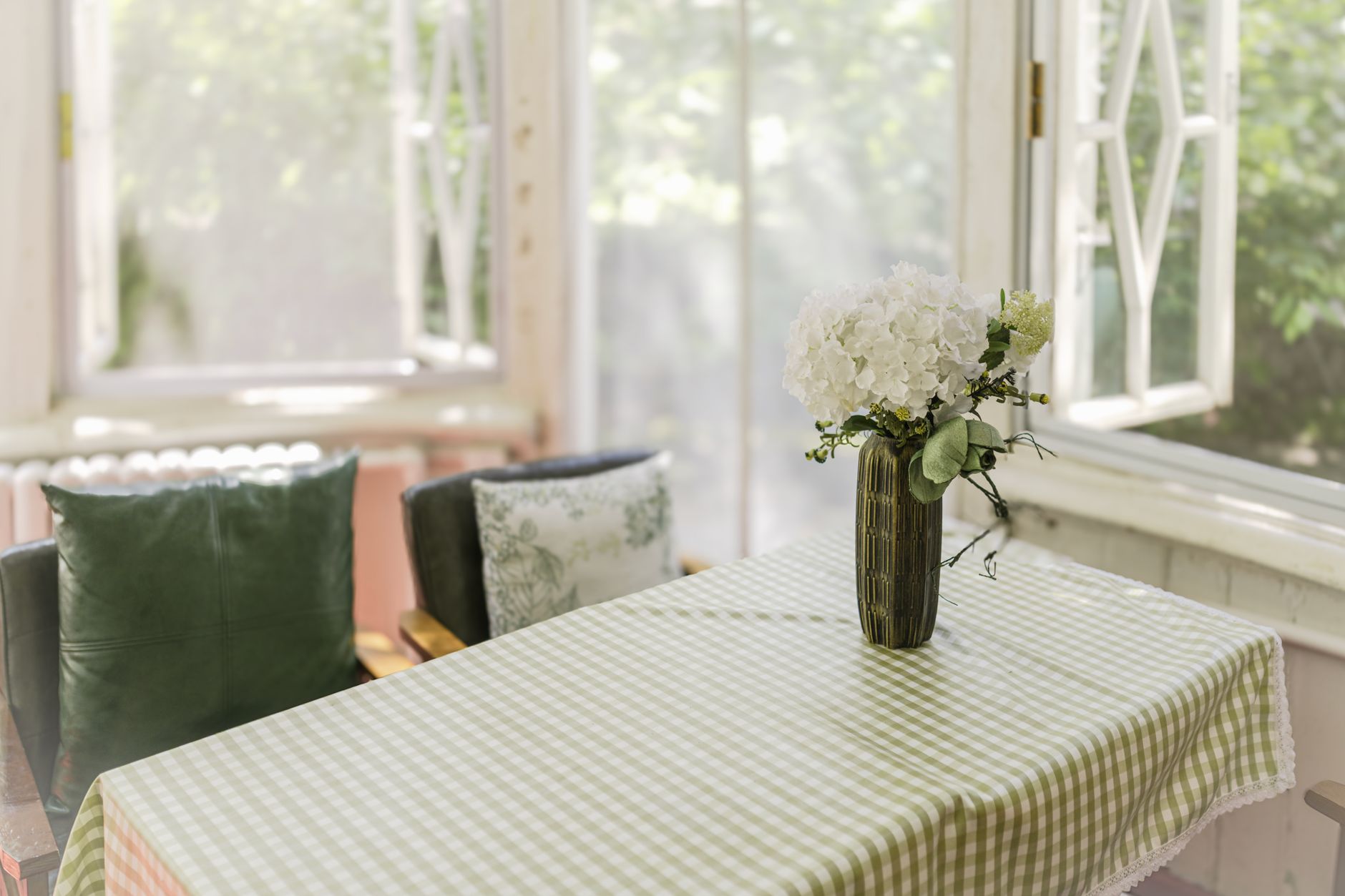
Once you’ve settled on a material and louver width, the next decision is coverage style. Sunrooms and garden rooms present a unique tension between wanting maximum natural light and view-through on one hand, and needing UV protection and glare control on the other. The good news is that plantation shutters offer several coverage configurations purpose-built for this challenge.
Full-Height Shutters for Total Privacy and UV Protection
A full-height shutter panel covers the entire window from top sill to bottom sill, giving you 100% coverage when the louvers are closed. For sunrooms that face west or southwest — the most punishing sun exposure in West Tennessee’s afternoon hours — full-height shutters are the practical choice. They allow you to close the lower half of the louvers to block direct glare on furniture and floors while leaving the upper half angled open for diffused natural light. This split-tilt capability (available on shutters with a mid-rail divider) is one of the most useful features in a sunroom setting.
Café-Style Shutters for Garden Rooms That Prioritize the View
Café-style shutters cover only the lower 40–60% of the window, leaving the upper portion bare. In a garden room where the whole point is enjoying an unobstructed view of your landscaping, café shutters let you block ground-level glare and maintain privacy from passersby while keeping the sky and treetop views completely open. They cost roughly 20–30% less than full-height panels because they use less material, and they’re a popular choice in Milan and Lexington neighborhoods where garden rooms overlook private backyards. The trade-off is that they offer no UV protection for the upper portion of the room.
5. Specialty-Shape Shutters for Arched and Angled Sunroom Windows
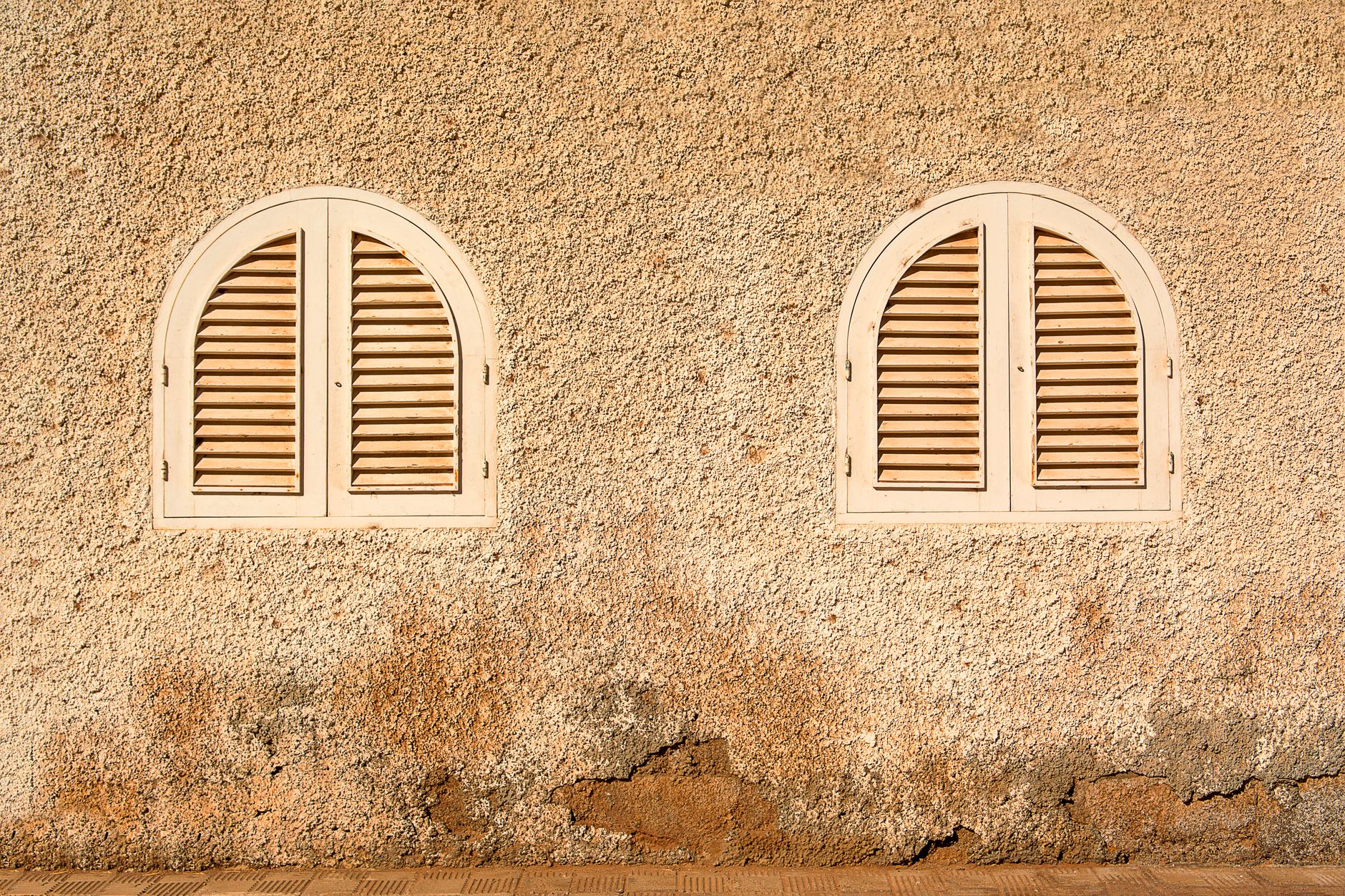
One of the most compelling arguments for choosing plantation shutters over any other window treatment in a sunroom is their ability to be custom-fabricated for non-standard window shapes. While roller shades and cellular shades are limited to rectangular openings (or require awkward workarounds), plantation shutters can be built to fit virtually any architectural window shape your sunroom features.
Why Sunrooms Have So Many Non-Rectangular Windows
Sunroom architecture frequently incorporates arched transoms, angled gable windows, triangular peaks, and trapezoid panels that standard rectangular shutters simply cannot fit. These specialty shapes are often the most visually prominent windows in the room — the arch above the French doors, the triangular window at the roofline — and leaving them bare while dressing the rectangular windows below creates an unfinished, mismatched look. Custom-built shutters can be fabricated to match virtually any geometric shape, with the louvers either operational (tilting normally) or fixed at a decorative angle.
Fixed vs. Operable Louvers in Specialty Shapes
For true arched or triangular windows, fixed-louver specialty shutters are the most common solution. The louvers are set at a permanent angle — typically 45 degrees — that filters light beautifully while maintaining the architectural integrity of the shape. Fixed-louver specialty shutters typically cost $180–$400 per unit depending on size and complexity. For larger arched windows where light control matters more, some manufacturers offer operable arched shutters with a working tilt rod, though these run 30–50% more than fixed versions. Either way, the result is a cohesive, custom look that ties the entire sunroom together.
6. Energy Efficiency — How Shutters Reduce Cooling Costs in West Tennessee
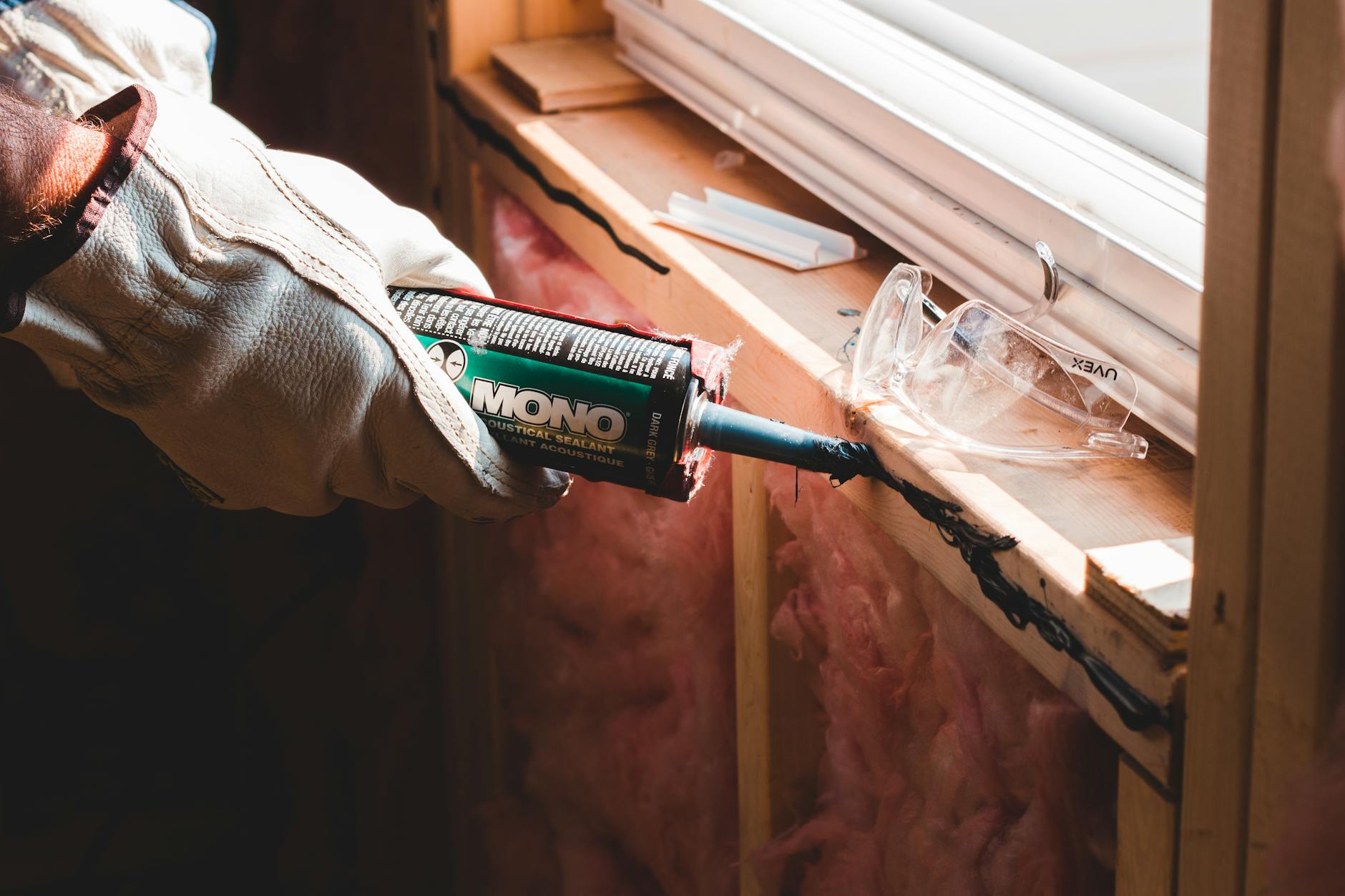
Energy efficiency is one of the most frequently overlooked benefits of plantation shutters in a sunroom context. Jackson, TN homeowners who invest in quality shutters often report a noticeable reduction in their summer cooling bills — and the physics behind that reduction are straightforward and well-documented.
The Science of Shutter Insulation
Closed plantation shutters create a dead-air insulating layer between the louver panel and the window glass. This air pocket acts as a thermal buffer, slowing the rate at which solar heat transfers into the room. Studies from the Lawrence Berkeley National Laboratory found that interior window shutters can reduce solar heat gain through a single-pane window by up to 51% and through a double-pane window by up to 33%. For a Jackson, TN homeowner running central air conditioning from May through September, that translates to a measurable reduction in monthly utility bills — estimates typically range from $15–$40 per month for a sunroom with 6–8 windows.
Winter Performance in West Tennessee's Mild Winters
West Tennessee winters are mild by national standards, but overnight lows regularly dip into the mid-20s°F in January, and a poorly insulated sunroom can lose heat rapidly through its glass walls. Closed plantation shutters add a measurable R-value to the window assembly — approximately R-0.5 to R-1.2 depending on louver width and panel thickness. That’s modest compared to double-cell honeycomb shades (R-3 to R-4), but shutters compensate by allowing you to fully open the louvers on sunny winter days and harvest free solar heat gain — something opaque cellular shades cannot do without removing them entirely.
Sunroom Plantation Shutter Options at a Glance
Use this comparison to quickly match the right shutter type to your sunroom's specific conditions, budget, and aesthetic goals.
7. Color and Finish Options That Complement Sunroom Aesthetics
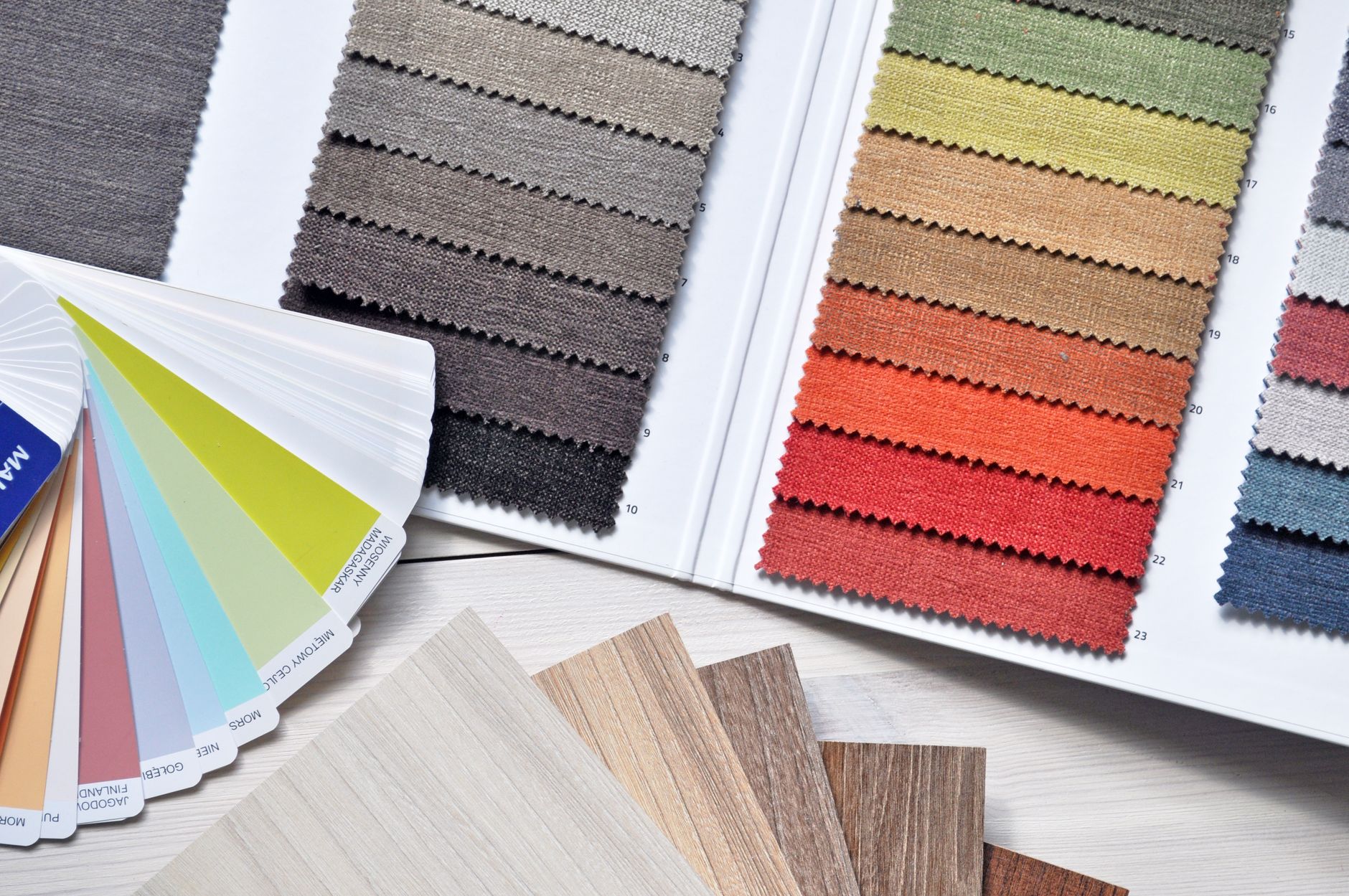
Plantation shutters are available in a wider range of colors and finishes than most homeowners realize, and the choice you make will significantly influence the overall feel of your sunroom. Because sunrooms live at the intersection of interior design and outdoor connection, the right finish can either blend the shutters seamlessly into the architecture or make them a deliberate design statement.
Classic White and Off-White — the Timeless Sunroom Choice
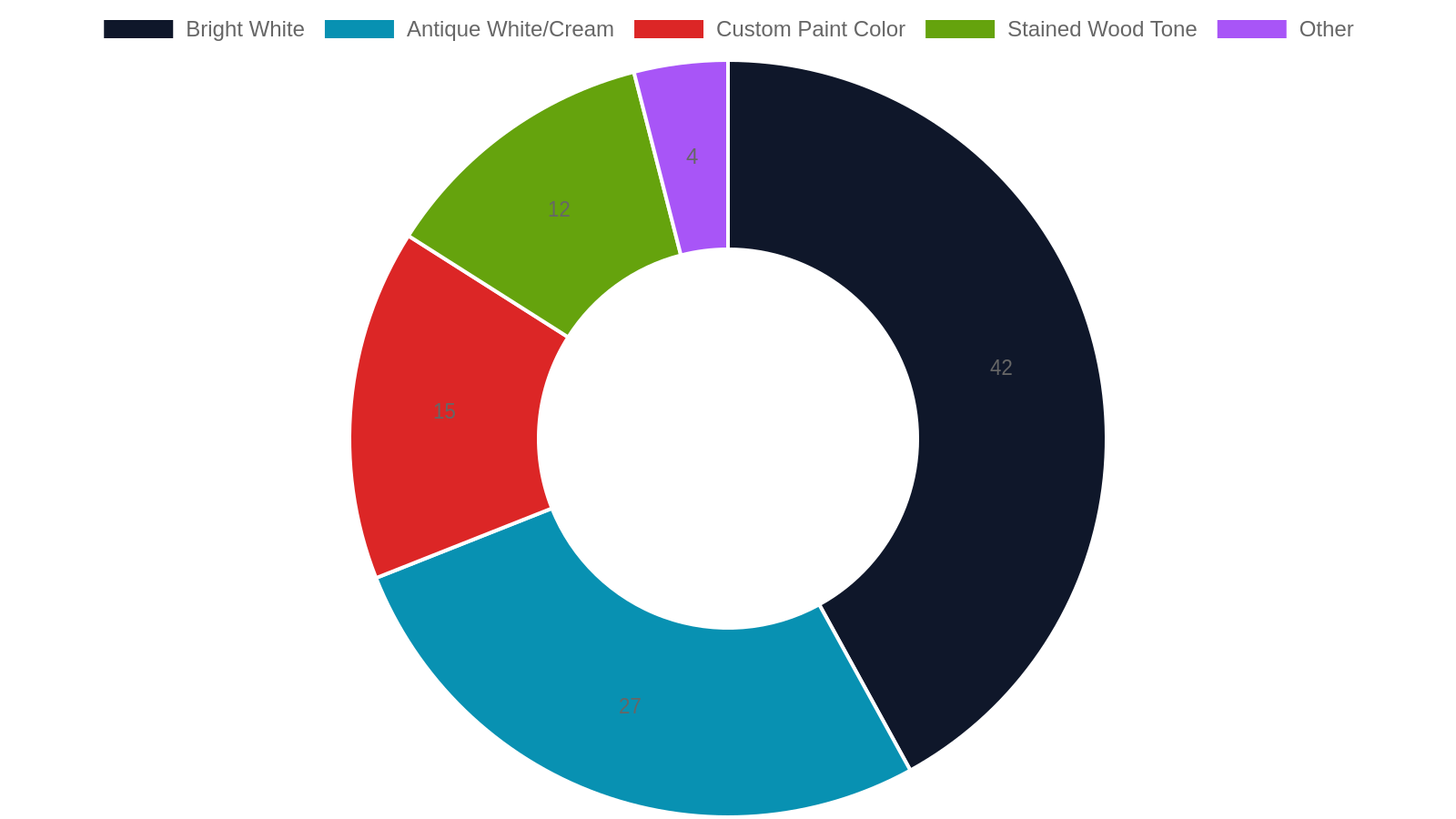
Approximately 65–70% of plantation shutters sold in residential sunrooms are ordered in bright white or antique white. The reason is simple: white louvers reflect rather than absorb solar radiation, keeping the shutter surface cooler and reducing heat transfer into the room. White also acts as a neutral backdrop that lets your garden views, furniture, and plant life take center stage — exactly the visual priority in a sunroom. Antique white (also called linen or cream) adds a slightly warmer tone that pairs beautifully with natural rattan, wicker, or wood furniture common in garden room settings.
Painted and Stained Finishes for a Custom Look
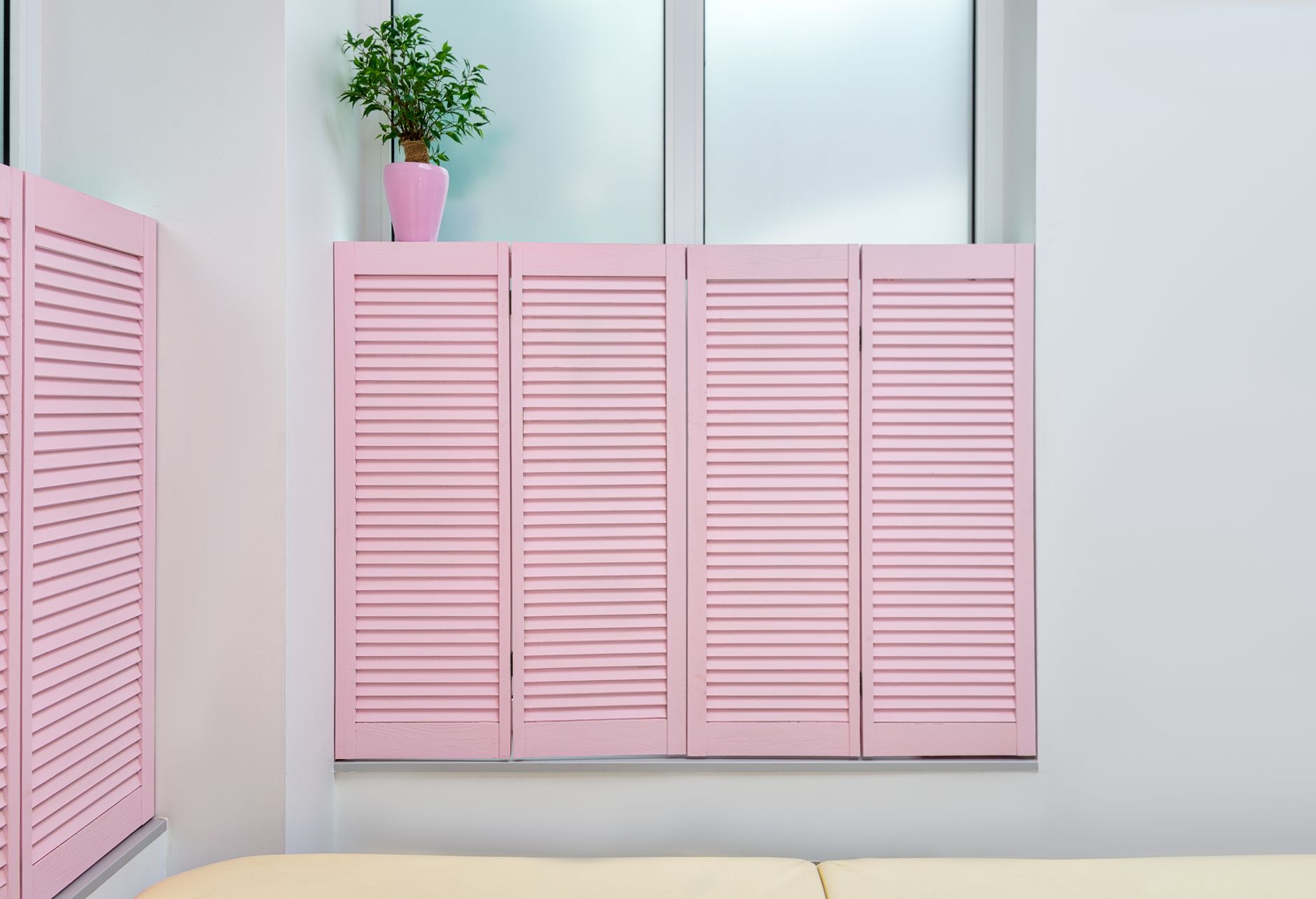
For homeowners who want their sunroom shutters to feel more architecturally integrated, painted finishes in sage green, soft gray, navy, or black have grown significantly in popularity since 2020. A dark-painted shutter against a white sunroom wall creates a dramatic, high-contrast look that photographs beautifully and feels intentional rather than default. Stained finishes — available on composite shutters — bring warmth and a botanical quality that suits garden rooms especially well. Expect to pay a 10–20% premium over standard white for custom paint colors, and always request a physical sample before committing, as colors can shift significantly under the intense natural light of a sunroom.
Professional Measuring and Installation — Why It Matters More in Sunrooms

Custom plantation shutters are only as good as the measurements behind them. In a standard room, a slightly imprecise measurement is an inconvenience. In a sunroom — with its larger, sometimes irregular window openings and unique framing systems — an incorrect measurement can mean a panel that doesn’t close, gaps that let in unfiltered UV light, or a frame that interferes with the window’s operating mechanism. This is one area where professional expertise pays for itself immediately.
Sunroom Windows Are Rarely Square
Standard interior windows are installed in framed wall openings that are relatively easy to square and plumb. Sunroom and garden room windows, by contrast, are often part of a prefabricated sunroom kit or a custom glass enclosure where the frames may be slightly out of square by 1/8 to 1/4 inch — enough to cause a custom shutter panel to bind, gap, or refuse to close properly if the measurements aren’t taken correctly. Professional measurers know to take three horizontal measurements and three vertical measurements per window opening, using the smallest dimension to ensure the shutter fits without forcing.
Mounting Options and Frame Considerations
Sunroom shutters are almost always installed as inside-mount units, meaning the shutter frame fits within the window recess. This requires a minimum depth of 1.75 inches for the frame to seat properly — a measurement that varies widely across different sunroom manufacturers. Outside-mount installation (where the shutter frame overlaps the window casing) is an alternative when depth is insufficient, but it requires careful planning to avoid interfering with window hardware, cranks, or sliding mechanisms. A professional installer will assess your specific sunroom construction and recommend the correct mounting approach before any order is placed.
Maintenance Tips to Keep Your Sunroom Shutters Looking New for Decades
Plantation shutters are among the lowest-maintenance window treatments available — especially the poly-resin and composite options best suited to sunrooms. But ‘low maintenance’ doesn’t mean ‘no maintenance.’ A simple routine keeps your shutters operating smoothly and looking showroom-fresh for the full lifespan of the product.
Routine Cleaning — Simple and Quick
One of the most practical advantages of poly-resin and composite shutters in a sunroom is how easy they are to clean. Dust the louvers with a microfiber duster or a soft dry cloth every two to four weeks — more frequently if you run ceiling fans or have pets. For deeper cleaning, wipe the louvers with a damp cloth and a small amount of mild dish soap, then dry immediately. Never use abrasive cleaners, bleach, or solvent-based products on painted or stained finishes, as these can dull the surface or strip the UV-protective coating. A full cleaning of a 6-window sunroom typically takes under 30 minutes.
Annual Inspection and Hardware Check
Once a year — ideally in early spring before the intense summer sun arrives — inspect each shutter panel for the following: loose staples or tack points where the tilt rod attaches to individual louvers, stiff or binding hinges on bi-fold panels, and any hairline cracks at the corners of the frame where thermal expansion stress concentrates. Most issues caught at this stage can be corrected with a simple hardware adjustment or a drop of silicone lubricant on the hinge pins. Addressing small problems early prevents the kind of panel failure that requires full replacement — and protects the manufacturer warranty that typically requires documented maintenance.
Ready to Transform Your Jackson, TN Sunroom? Here's Your Next Step
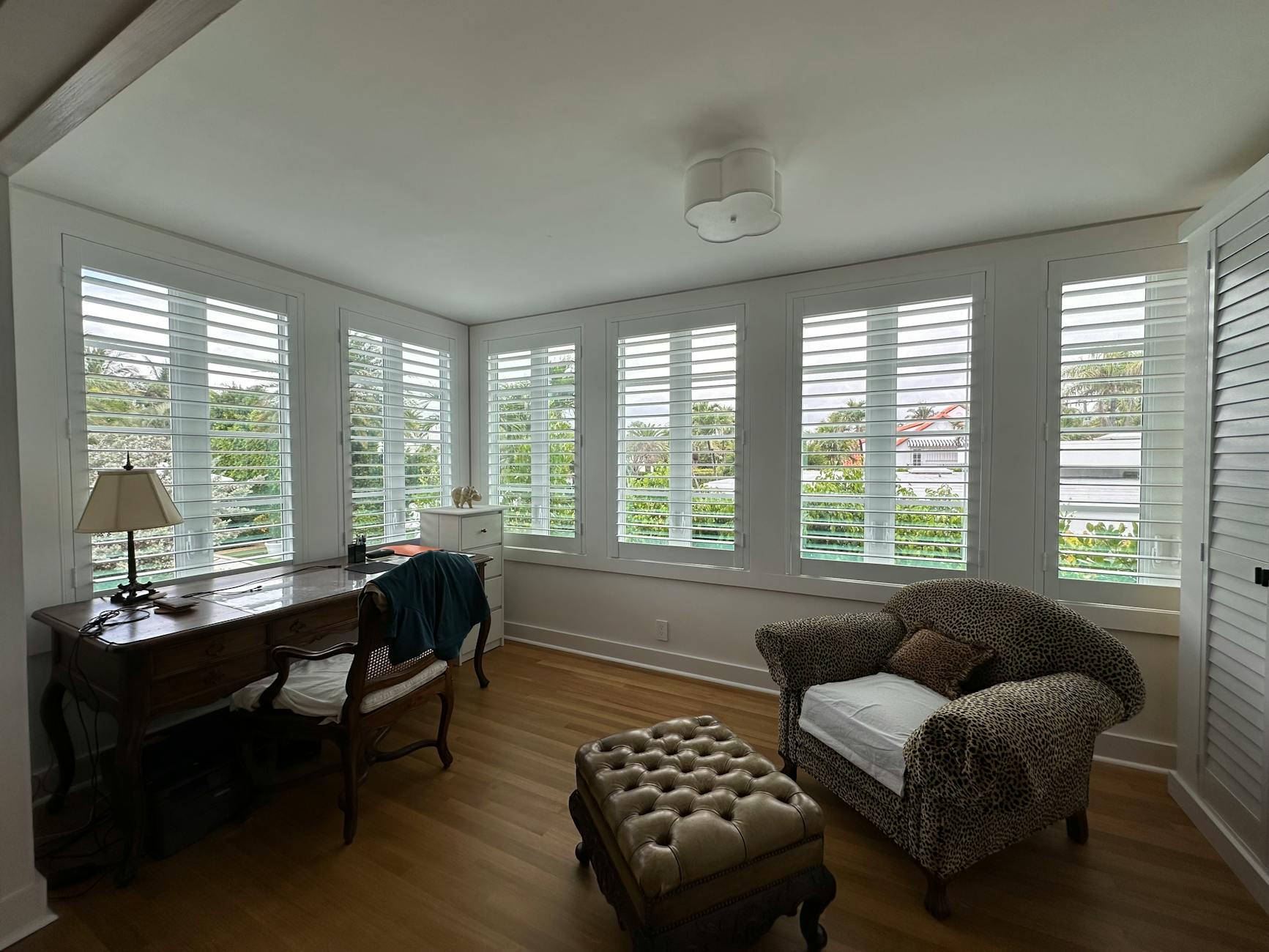
You’ve done the research — now it’s time to see exactly what plantation shutters would look like in your own sunroom or garden room. The best way to make a confident decision on material, louver size, coverage style, and color is to see full-size samples in your actual space, under your actual light conditions. That’s precisely what Blinds Galore’s free in-home consultation is designed to provide. If you’re ready to explore your options for custom-built plantation shutters in West Tennessee, the process starts with a single call.
What to Expect From a Free In-Home Consultation
Blinds Galore brings the showroom directly to your sunroom — no guessing about how a color or louver size will look in your actual space. During a free in-home consultation, a specialist will measure every window, assess your sunroom’s construction and mounting options, show you full-size louver samples in natural light, and provide a detailed written quote. The entire appointment typically takes 45–75 minutes for a standard sunroom, and there’s absolutely no obligation to purchase. Homeowners in Jackson, Lexington, Henderson, Milan, and surrounding West Tennessee communities are all within the service area.
Backed by an 18-Year Track Record and 100% Satisfaction Guarantee
With over 18 years of experience serving West Tennessee homeowners, Blinds Galore has fitted shutters in hundreds of sunrooms and garden rooms across the region. Every custom installation is backed by a 100% satisfaction guarantee — if something isn’t right, it gets made right, period. Call (731) 571-5179 to schedule your free consultation, or visit Blinds Galore’s custom window treatment gallery to explore the full range of plantation shutters, shades, and blinds available for your sunroom project. You can also learn more about the team and their commitment to West Tennessee homeowners at the Blinds Galore About page.
Frequently Asked Questions
Are plantation shutters good for sunrooms in Jackson, TN?
Yes — plantation shutters, especially poly-resin and composite versions, are one of the best window treatments for Jackson, TN sunrooms. They handle the region's intense summer heat, high humidity, and UV exposure far better than fabric shades or wood blinds, and they can reduce solar heat gain by up to 45%.
What is the best material for plantation shutters in a sunroom?
Poly-resin is the top choice for sunrooms because it is fully waterproof, dimensionally stable from -20°F to 160°F, and UV-stabilized so it won't yellow or warp. Composite wood shutters are a strong second option for homeowners who prefer a wood-grain appearance and have moderate (not extreme) humidity conditions.
How much do plantation shutters cost for a sunroom in West Tennessee?
Custom plantation shutters for a sunroom in the Jackson, TN area typically cost $250–$650 per window installed, depending on material, louver size, and window dimensions. Specialty shapes like arched or triangular windows may cost $180–$400 per unit on top of rectangular panels.
What louver size is best for sunroom plantation shutters?
For most sunrooms with floor-to-ceiling or large-pane windows, 4.5-inch louvers are the best choice. They look proportionally correct on tall windows, provide a more open view when angled, and give you finer control over where light is directed inside the room. Smaller 3.5-inch louvers work well for standard-sized sunroom windows.
How do I clean plantation shutters in a sunroom?
Dust poly-resin or composite shutters with a microfiber cloth every 2–4 weeks. For deeper cleaning, wipe louvers with a damp cloth and mild dish soap, then dry immediately. Avoid bleach, abrasive cleaners, or solvent-based products, which can damage the finish and UV-protective coating.
Does Blinds Galore serve areas outside of Jackson, TN?
Yes. Blinds Galore serves the greater West Tennessee area, including Lexington, Henderson, Milan, and surrounding communities. They offer free in-home consultations throughout the region — call (731) 571-5179 to schedule an appointment.
You might also like
Custom Shutters for Jackson TN Sunrooms: Your 9-Point Light Control and Durability Guide
Quick answer: Custom shutters are the best window treatment for Jackson, TN sunrooms because they handle

Best Plantation Shutters for Jackson TN Entryways: 9 Things to Know
Quick answer: Plantation shutters are one of the best window treatment choices for Jackson, TN entryways

Custom Shutters for Bedrooms in Jackson, TN: Privacy, Light Control, and 8 Design Options
Quick answer: Custom bedroom shutters give Jackson, TN homeowners the best combination of privacy, light

Custom Shutters for Living Rooms in Jackson, TN: Your Style and Light Control Guide
Quick answer: Custom plantation shutters are one of the best investments a Jackson, TN homeowner can

Custom Shutters for Dining Rooms in Jackson, TN: Your Complete Style and Light Control Guide
Quick answer: Custom plantation shutters are the most versatile and durable window treatment for dining
Plantation Shutters for Bathroom Windows in Jackson, TN: Your 9-Point Guide to Moisture Resistance
Quick answer: Custom plantation shutters are the top moisture-resistant window treatment for Jackson,