


How to Compare Plantation Shutters, Blinds, and Shades Using Product Videos in Jackson, TN
Quick answer: Choosing between plantation shutters, blinds, and shades in Jackson, TN comes down to four factors: budget, light control, durability, and style. Product videos let you see each option in motion — how louvers tilt, how shades stack, how light filters through — before a salesperson ever steps into your home. Blinds Galore offers free in-home consultations across West Tennessee, and their product video library helps you narrow your shortlist so your consultation is faster and more focused. Shutters run $200–$350 per window installed, blinds $50–$150, and shades $75–$250, with each category excelling in different rooms and use cases.
1. Why Product Videos Are a Game-Changer for Window Treatment Shopping
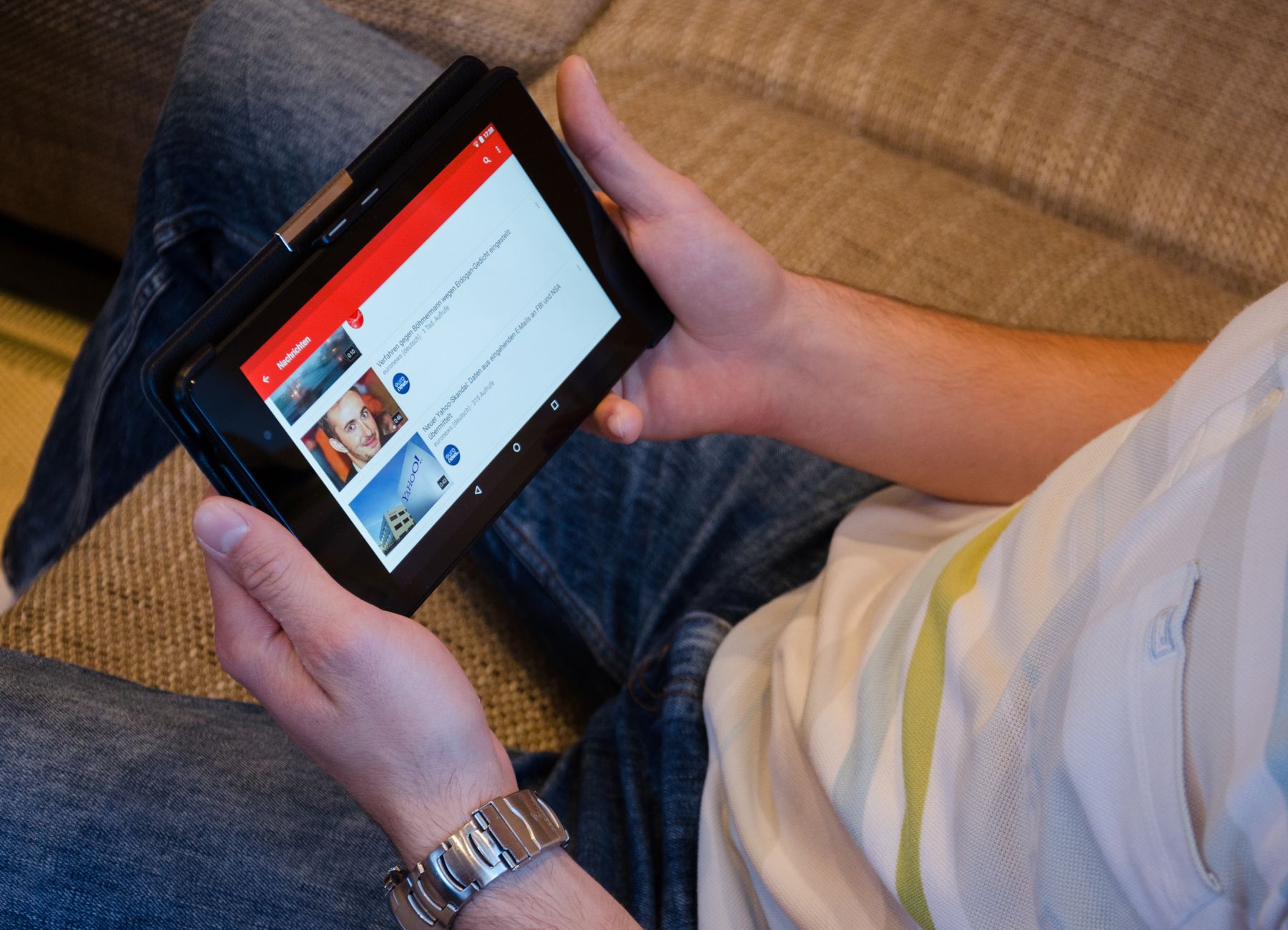
Shopping for window treatments used to mean driving to a showroom, flipping through binders of fabric swatches, and trying to imagine how a 2-inch slat would look in your master bedroom. Today, product videos have transformed that process entirely — especially for homeowners in Jackson, TN and surrounding West Tennessee communities like Lexington, Henderson, and Milan who may not have easy access to large design centers. A well-produced product video puts a working demonstration of every blind, shade, and shutter style right on your phone or laptop screen.
Seeing Is Believing: What Photos Can't Show You
A still photo of a plantation shutter looks beautiful in a catalog, but it tells you almost nothing about how the louvers actually move, how much light bleeds through at different tilt angles, or how the panel folds back when you open it completely. Product videos fill that gap. In a 60- to 90-second clip you can watch a 3½-inch louver tilt from fully open to fully closed, see the shadow patterns shift across a hardwood floor, and get a real sense of the product’s weight and mechanism. That experiential information is simply impossible to convey in a flat image.
For homeowners in Jackson, TN who are comparing three or four different window treatment categories at once, videos dramatically shorten the decision timeline. Instead of scheduling multiple showroom visits — or worse, making a costly guess — you arrive at your free in-home consultation already knowing which direction you’re leaning.
How Videos Reduce Buyer's Remorse
Window treatments are semi-permanent investments. Custom plantation shutters, for example, are typically built to the exact dimensions of your window frame and are not returnable once fabricated. A 2023 consumer survey by Window Covering Manufacturers Association found that 41% of homeowners who purchased window treatments without seeing them demonstrated in person reported some level of dissatisfaction with light control or operation. Among buyers who watched product demonstration videos first, that figure dropped to under 18%.
The takeaway is simple: the more you understand a product’s real-world behavior before you commit, the happier you’ll be after installation. Product videos are the lowest-effort, highest-return research tool available to West Tennessee homeowners today.
What to Look for in a Quality Product Video
Not all product videos are created equal. Look for clips that show the product:
- In a real room setting — not just on a plain white background
- In motion — tilting, raising, lowering, or folding
- In different light conditions — bright midday sun versus overcast sky
- With a close-up of the mechanism — cord, cordless lift, motorized wand, or tilt rod
- In multiple material options — wood, faux wood, fabric, vinyl
Videos that check all five boxes give you the clearest picture of what you’re actually buying. Blinds Galore’s online library is a great starting point for Jackson-area homeowners who want to compare options before scheduling their consultation.
2. Plantation Shutters 101: What the Videos Reveal
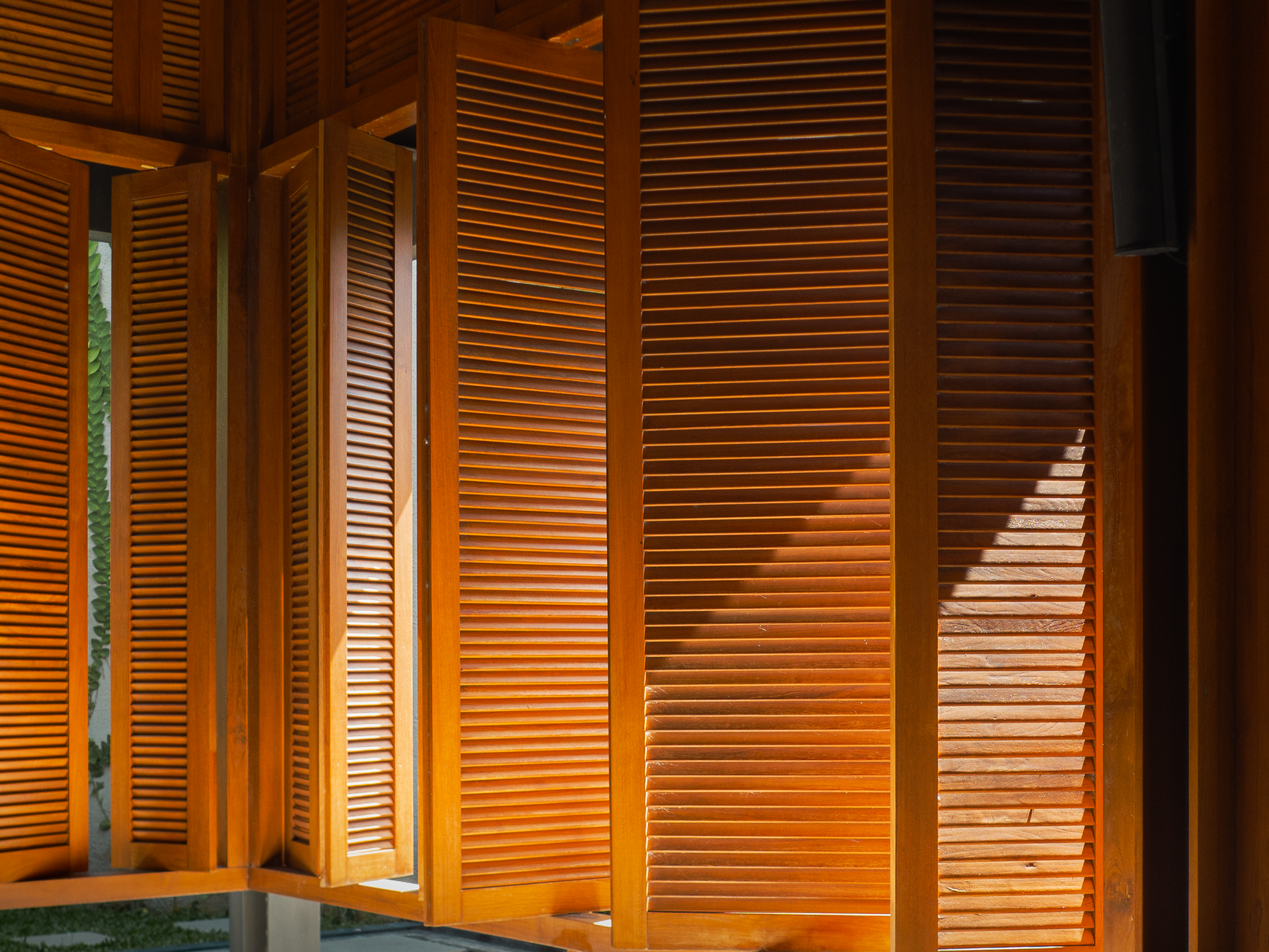
Plantation shutters are the most architecturally integrated window treatment available — they’re essentially a permanent part of your home’s interior. Because they’re custom-built to fit each window opening, seeing them demonstrated in a video is especially valuable. You need to understand how the louvers tilt, how the panels stack or fold, and how the frame integrates with your existing trim before you commit to a fabrication order. Here’s what a good shutter product video will teach you that a brochure simply cannot.
Louver Size and Light Control
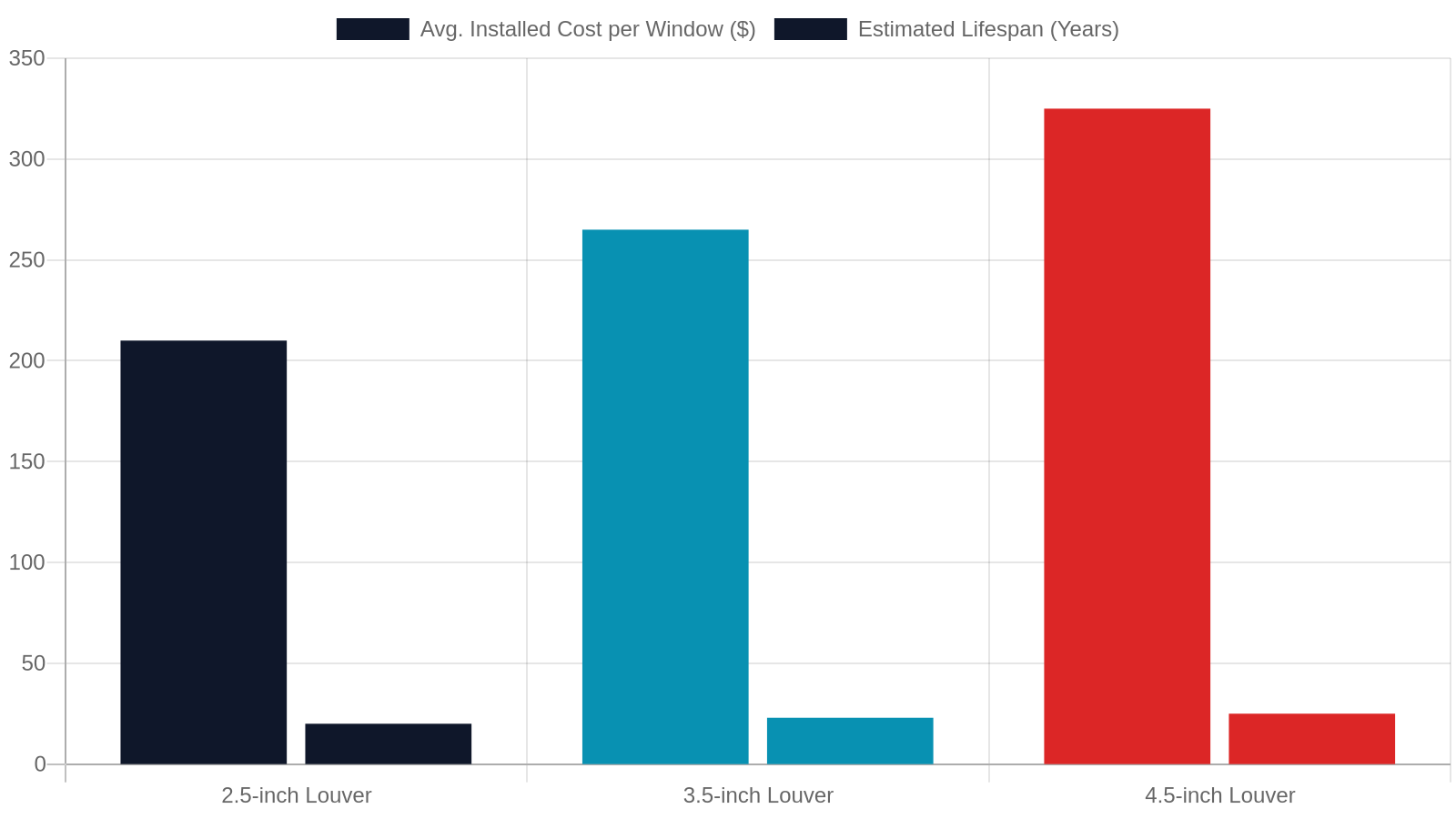
Plantation shutters come in three standard louver widths: 2½ inch, 3½ inch, and 4½ inch. Product videos make the difference immediately obvious. Smaller louvers create a more traditional, cottage-style look with tighter light control. Larger louvers — the most popular choice in modern West Tennessee homes — provide a cleaner sightline when open and a more dramatic shadow pattern when partially closed. In a video, you can actually see how much of the outdoor view is visible through each louver size, which no spec sheet can replicate.
For south- and west-facing windows in Jackson, TN — where afternoon sun can be intense — a 3½-inch or 4½-inch louver with a full-height panel typically performs best, and videos let you confirm that before ordering.
Frame Styles and Installation Options
Shutters can be installed with an L-frame, Z-frame, or a deco frame depending on your window’s depth and trim profile. Videos show exactly how each frame sits against different window architectures — a critical detail if your Jackson home has older casement windows or non-standard trim. You’ll also see the difference between a bi-fold panel (two panels that fold back like a book) and a single panel configuration, which matters a lot in narrow hallways or tight bedroom corners.
Material options — real wood versus custom faux wood — are also dramatically clearer in video. Faux wood shutters resist humidity and warping, making them ideal for bathrooms and kitchens, and a video showing the material up close helps you judge whether the finish meets your aesthetic standards.
Cost Range and Lifespan
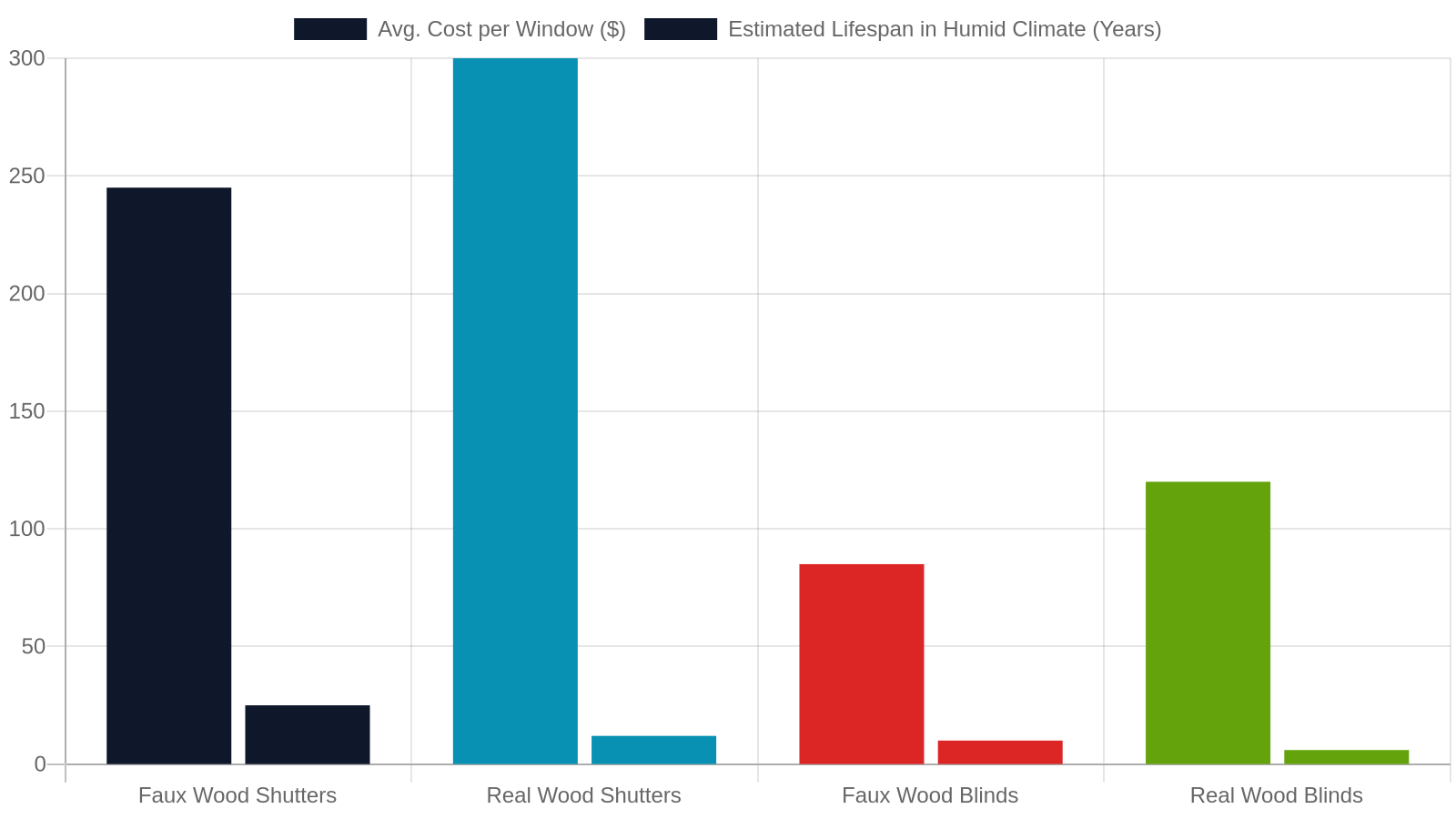
Plantation shutters are the premium tier of window treatments. In West Tennessee, professionally installed custom shutters typically run $200 to $350 per window, depending on size, material, and frame style. That’s a meaningful investment — but shutters also carry the longest lifespan of any window covering category, averaging 20 to 25 years with minimal maintenance. They add measurable resale value to a home, with Remodeling Magazine estimating a 60–70% cost recovery on interior shutter installations at resale. Product videos help justify that investment by letting you see the quality of construction before a single measurement is taken.
3. Blinds Breakdown: Matching the Right Style to Your Room
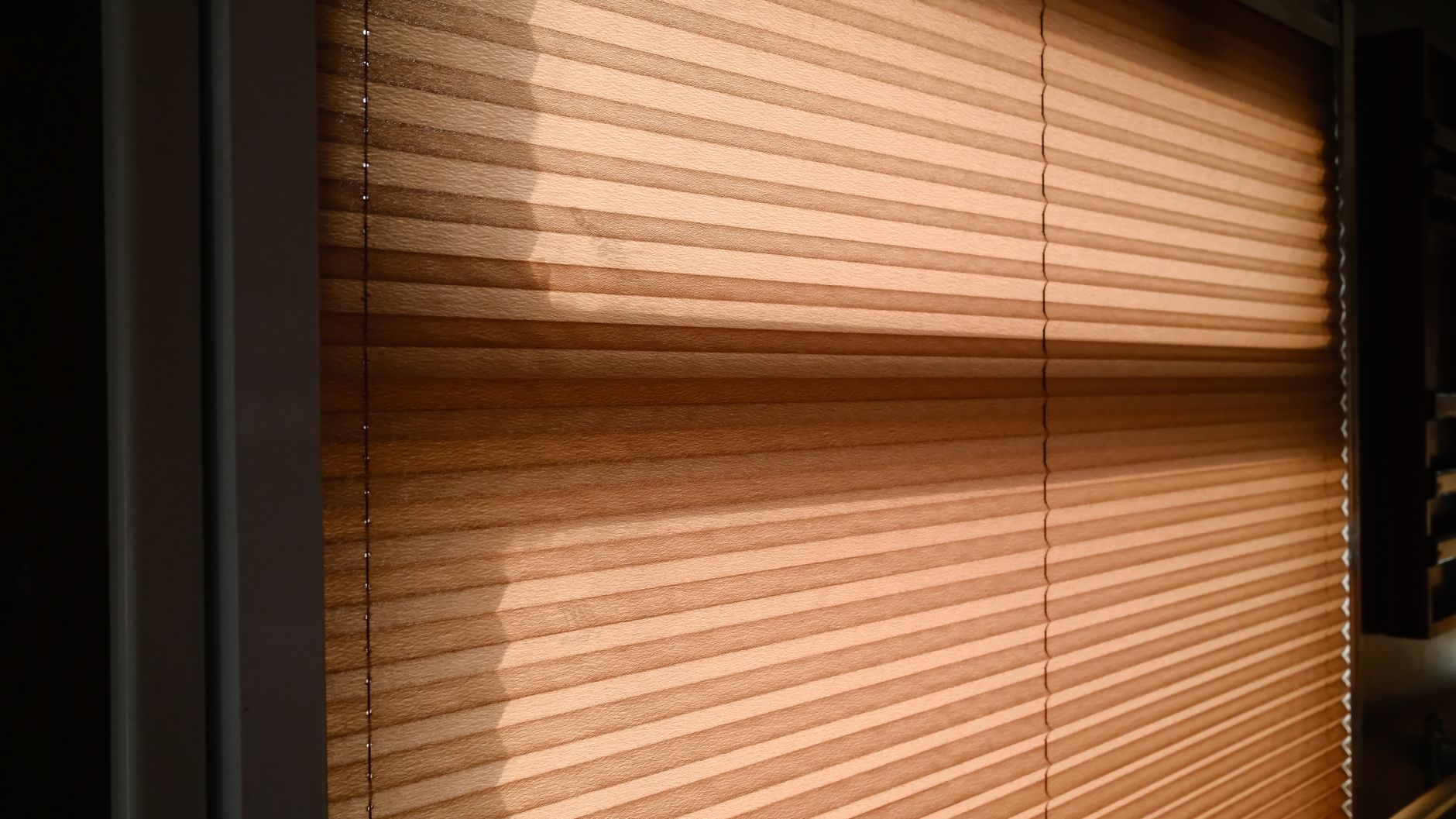
Blinds are the most versatile and budget-friendly category of window treatments, covering everything from simple 1-inch aluminum mini-blinds to richly stained real-wood horizontals and motorized vertical panels for patio doors. With so many sub-categories, product videos are especially useful for narrowing your options quickly. A two-minute video comparing wood and faux wood blinds side by side will tell you more than a half-hour of reading spec sheets. Here’s what to watch for in each sub-category.
Wood vs. Faux Wood Blinds in Video
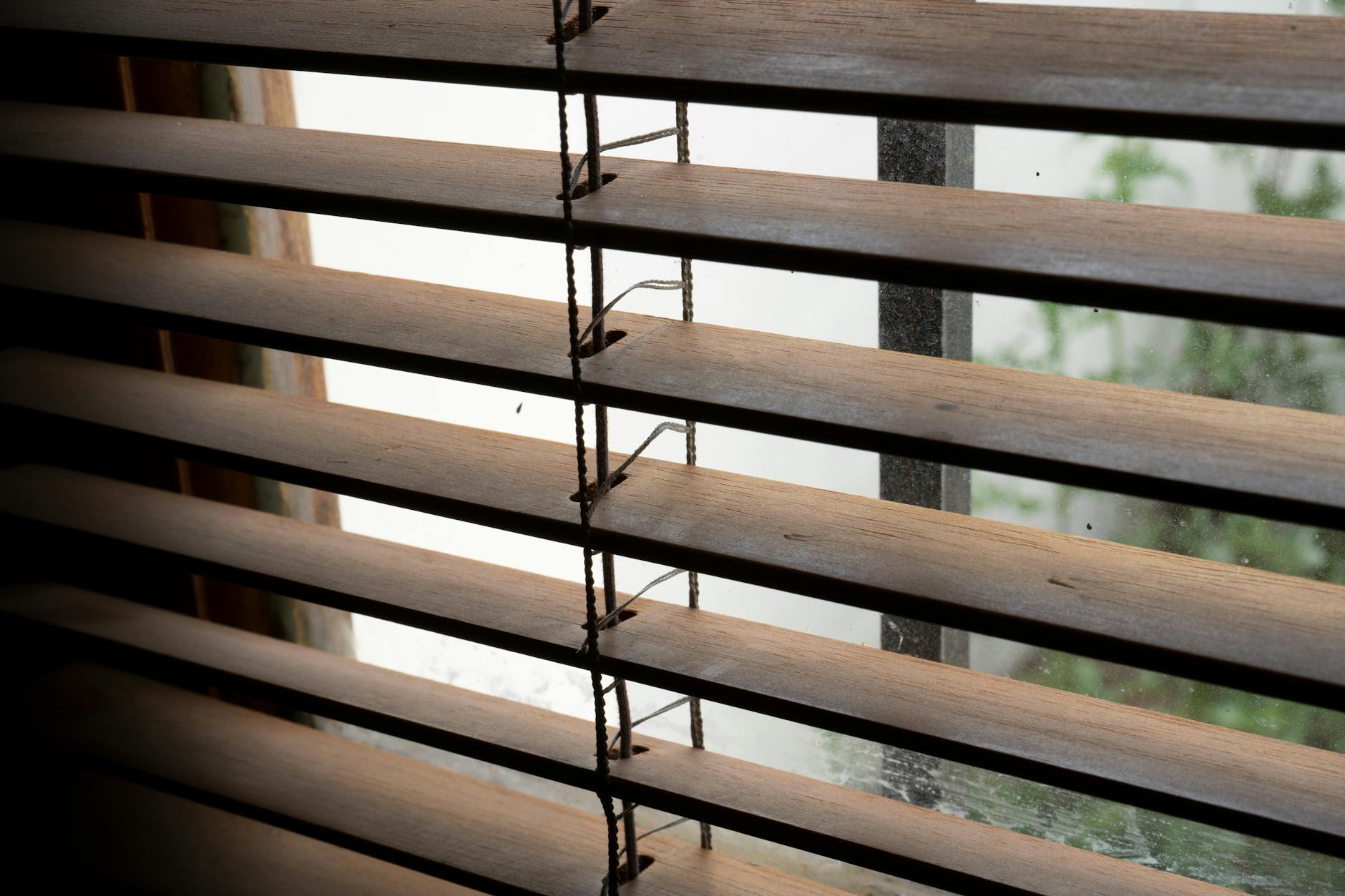
The most common question homeowners ask about blinds is: real wood or faux wood? A product video answers it visually in seconds. Real wood blinds have a warm, slightly varied grain that catches light differently across each slat. Faux wood blinds have a more uniform finish that photographs as nearly identical to real wood but holds up far better in humid rooms. In a video, you can see how each material reflects overhead lighting and how the slats align when the blind is fully lowered — small details that matter enormously in a kitchen or bathroom setting.
For Jackson, TN homeowners with young children or pets, faux wood blinds are typically the smarter choice: they resist warping, wipe clean easily, and cost roughly 20–30% less than comparable real wood options.
Horizontal vs. Vertical Blinds
Horizontal blinds — the classic 1-inch, 2-inch, or 2½-inch slat style — work beautifully on standard double-hung and casement windows. Vertical blinds are designed for sliding glass doors and wide picture windows where a horizontal lift mechanism would be impractical. Product videos make this distinction crystal clear: you can watch a vertical blind traverse smoothly across a 6-foot patio door opening, then compare it to a horizontal blind being raised on a bedroom window. Both operate completely differently, and seeing that motion helps you choose the right mechanism for each room.
Vertical blinds in West Tennessee typically run $60–$120 per opening installed, while horizontal blinds range from $50–$150 depending on material and width.
Cordless and Motorized Lift Systems
One of the most important things product videos reveal about blinds is the lift system. Traditional corded blinds are being phased out for safety reasons — the Consumer Product Safety Commission estimates corded window coverings have been involved in over 200 child strangulation incidents since 1996. Cordless lift systems, where you simply push up or pull down on the bottom rail, are now the standard for homes with children or pets. Motorized systems — controlled by a remote, wall switch, or smartphone app — are increasingly popular in Jackson-area new construction and remodels. Watching a video of each system in operation helps you decide which level of convenience fits your lifestyle and budget.
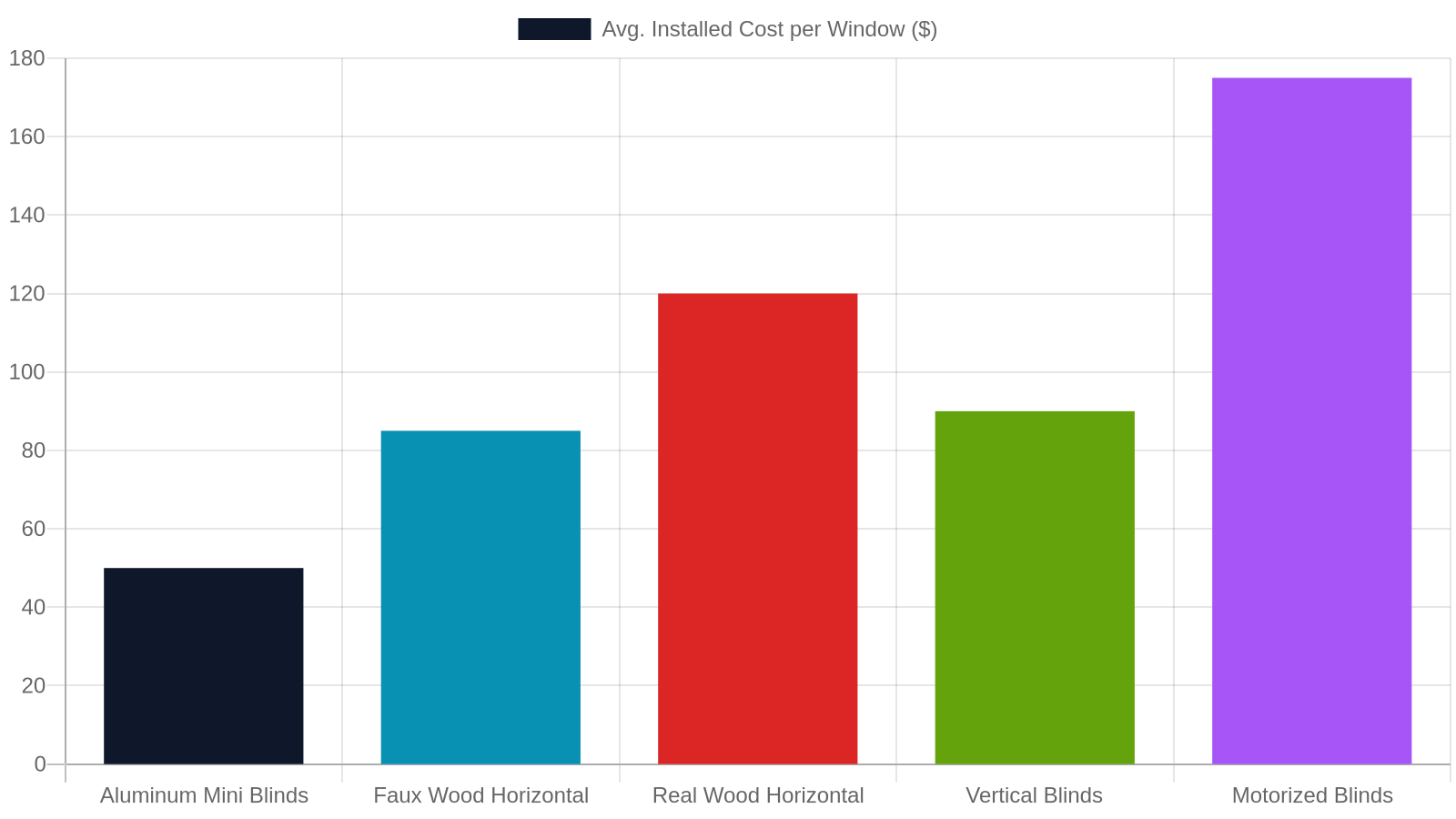
4. Shades Explained: Fabric, Function, and Light Filtering
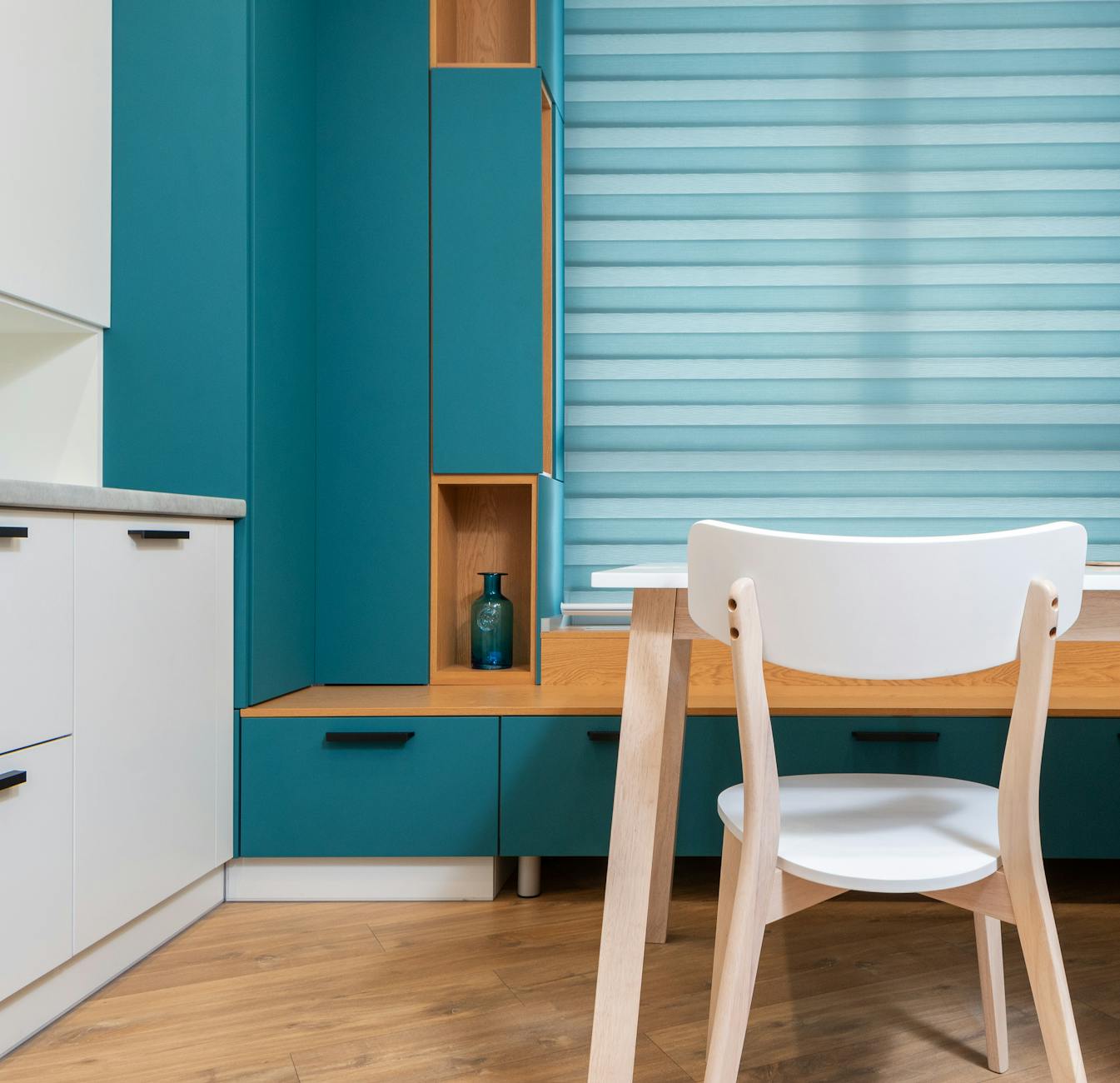
Shades occupy the middle ground between the hard lines of blinds and the architectural permanence of shutters. They’re fabric-forward, design-flexible, and available in an enormous range of opacities, textures, and operating mechanisms. Because so much of a shade’s appeal is tactile and kinetic — how the fabric drapes, how the pleats fold, how light passes through the weave — product videos are arguably even more important for shades than for any other window treatment category. Here’s what to look for when watching shade demonstrations online.
Roller, Cellular, and Roman Shades — What Videos Show
Shades come in more distinct styles than any other window treatment category, and each one operates completely differently. A roller shade rolls up into a compact tube at the top of the window — clean, minimal, and fast. A cellular (honeycomb) shade folds into a neat stack of accordion pleats that insulate as well as cover. A Roman shade folds into elegant horizontal fabric bands as it rises. Product videos show all three mechanisms in real time, making it immediately obvious which aesthetic and operation style suits your room.
For energy-conscious homeowners in Jackson, TN, cellular shades are particularly worth watching in video: you can see the honeycomb cell structure that traps air and provides an insulating R-value of R-3 to R-6 depending on single, double, or triple-cell construction.
Light Filtering vs. Room Darkening vs. Blackout
This is where product videos deliver their single greatest value in the shades category. The difference between a light-filtering shade (which softens and diffuses sunlight), a room-darkening shade (which blocks 85–99% of light), and a true blackout shade (which blocks 100% with side channels) is dramatic — and completely invisible in a still photo. In a video, you can see exactly how much light bleeds through the fabric at noon, whether privacy is maintained at night when interior lights are on, and how the shade’s color affects the quality of filtered light in the room.
For master bedrooms and home theaters in West Tennessee homes, blackout shades are frequently the right call, and a 60-second video will confirm that faster than any written description.
Motorized and Smart-Home Shade Integration
Motorized shades have dropped significantly in price over the past five years. Entry-level motorized roller shades now start around $150–$200 per window installed, and mid-range smart-home integrated shades — compatible with Amazon Alexa, Google Home, and Apple HomeKit — run $250–$400 per window. Product videos from manufacturers like Lutron, Hunter Douglas, and others show the motor mechanism, the remote or app interface, and how the shade responds to voice commands. If you’re building or remodeling in Jackson and want whole-home automation, watching these videos before your consultation will help you ask the right questions about wiring, battery, or solar-powered motor options.
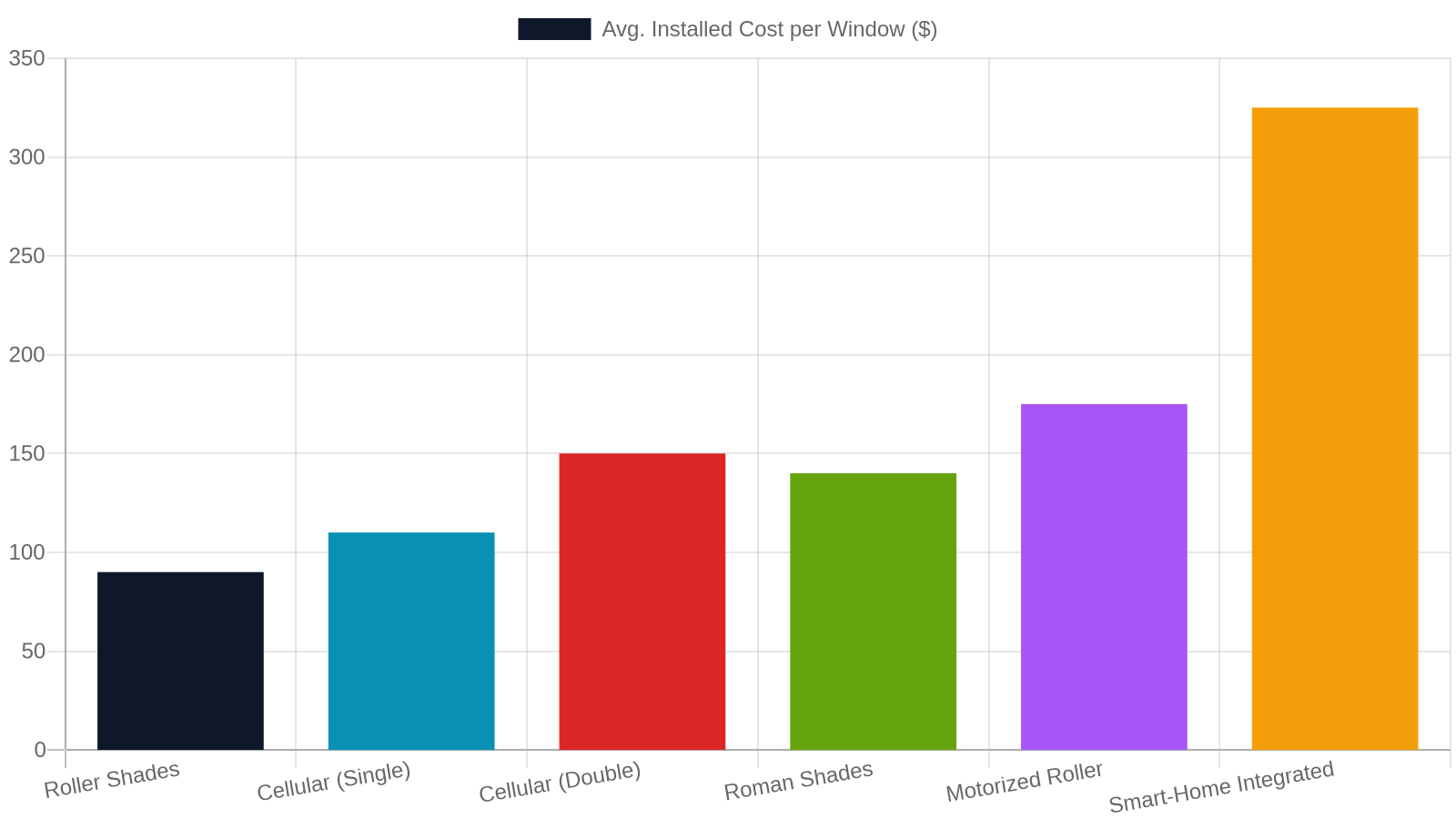
5. Side-by-Side Comparison: Shutters vs. Blinds vs. Shades
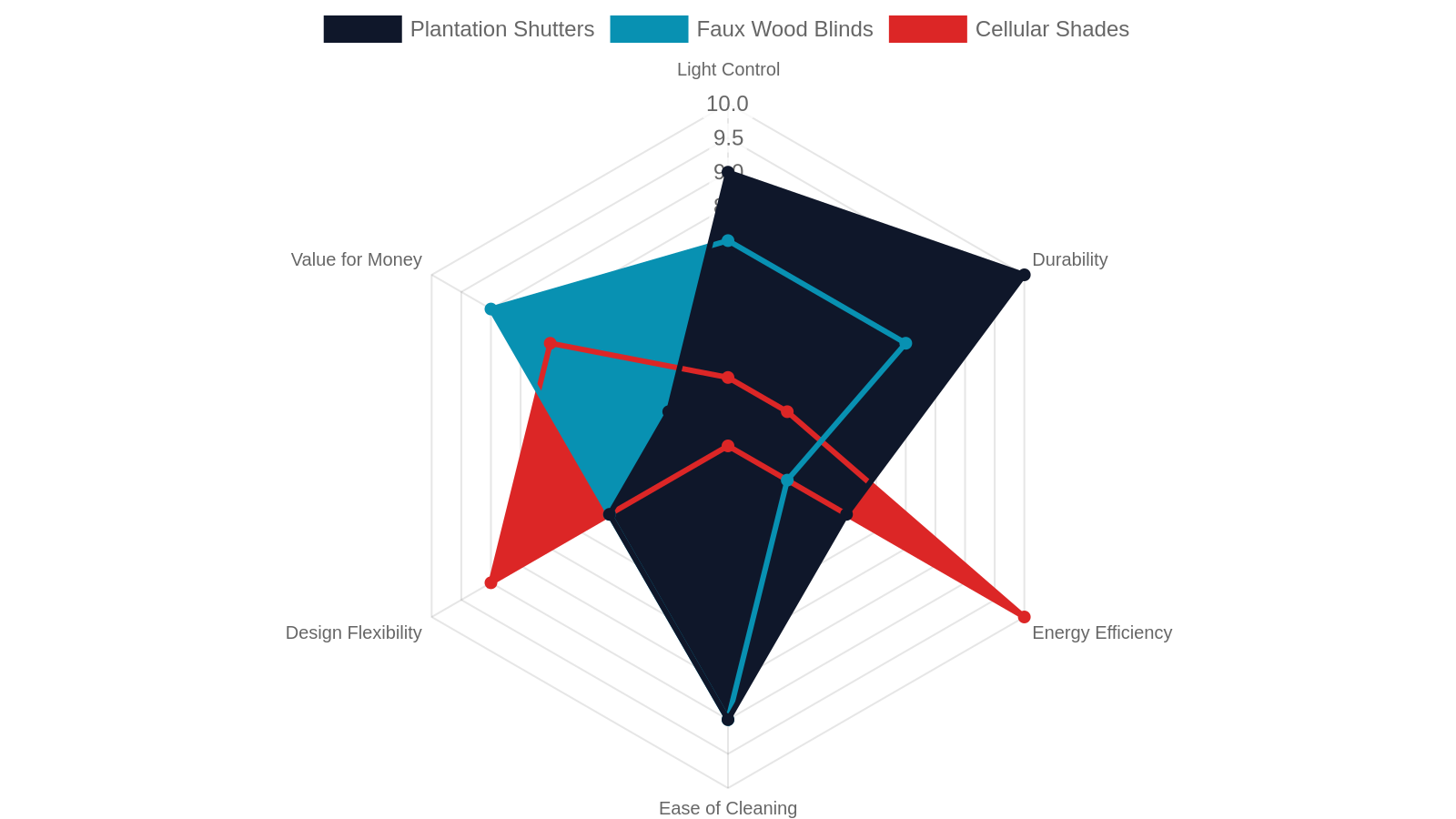
Once you’ve watched individual product videos for shutters, blinds, and shades, the natural next step is a direct comparison across the categories. Which one actually controls light better? Which lasts longest? Which saves the most energy? The answers depend on your specific room, window orientation, and household needs — but the data below gives you a solid baseline for your Jackson, TN home.
Light Control and Privacy
All three categories offer light control, but they achieve it very differently. Plantation shutters give you the most precise, adjustable control: you can tilt louvers to direct light upward toward the ceiling (bouncing it deeper into the room) or downward (reducing glare on screens). Blinds offer similar tilt control with slats, though the narrower slats of a 1-inch blind give less granular adjustment than a 3½-inch shutter louver. Shades control light through fabric opacity rather than mechanical tilt — you raise or lower the shade to expose or cover the glass, with no in-between tilt option (except on solar shades, which filter without fully blocking).
For rooms where you want to read by natural light without glare — home offices, living rooms — shutters or 2-inch blinds typically perform best. For bedrooms, blackout shades win on pure darkness.
Durability and Maintenance
Durability rankings are fairly consistent across the industry. Plantation shutters (especially faux wood) are the most durable, often lasting the lifetime of the home with nothing more than an occasional wipe-down. Faux wood blinds rank second — they resist moisture, don’t warp, and typically last 7–12 years before cords or mechanisms show wear. Real wood blinds are beautiful but can warp in humid rooms, shortening their lifespan to 5–8 years in bathrooms or kitchens. Fabric shades are the most delicate category — they can fade, snag, or accumulate dust in the cell pockets, with a typical lifespan of 5–10 years depending on sun exposure and care.
Energy Efficiency Ratings
Window treatments can meaningfully reduce heating and cooling costs in West Tennessee’s hot summers and cool winters. The U.S. Department of Energy estimates that cellular shades reduce heat loss through windows by up to 40% in winter and reduce solar heat gain by up to 60% in summer when fully closed. Plantation shutters reduce heat gain by roughly 25–30% when louvers are closed. Standard horizontal blinds, when fully closed and tilted upward, reduce heat gain by about 45% — surprisingly effective for their price point. These numbers are worth keeping in mind when you watch product videos: a cellular shade video that shows the honeycomb cross-section is literally showing you the insulation layer.
6. Room-by-Room Guide: Which Window Treatment Wins Where
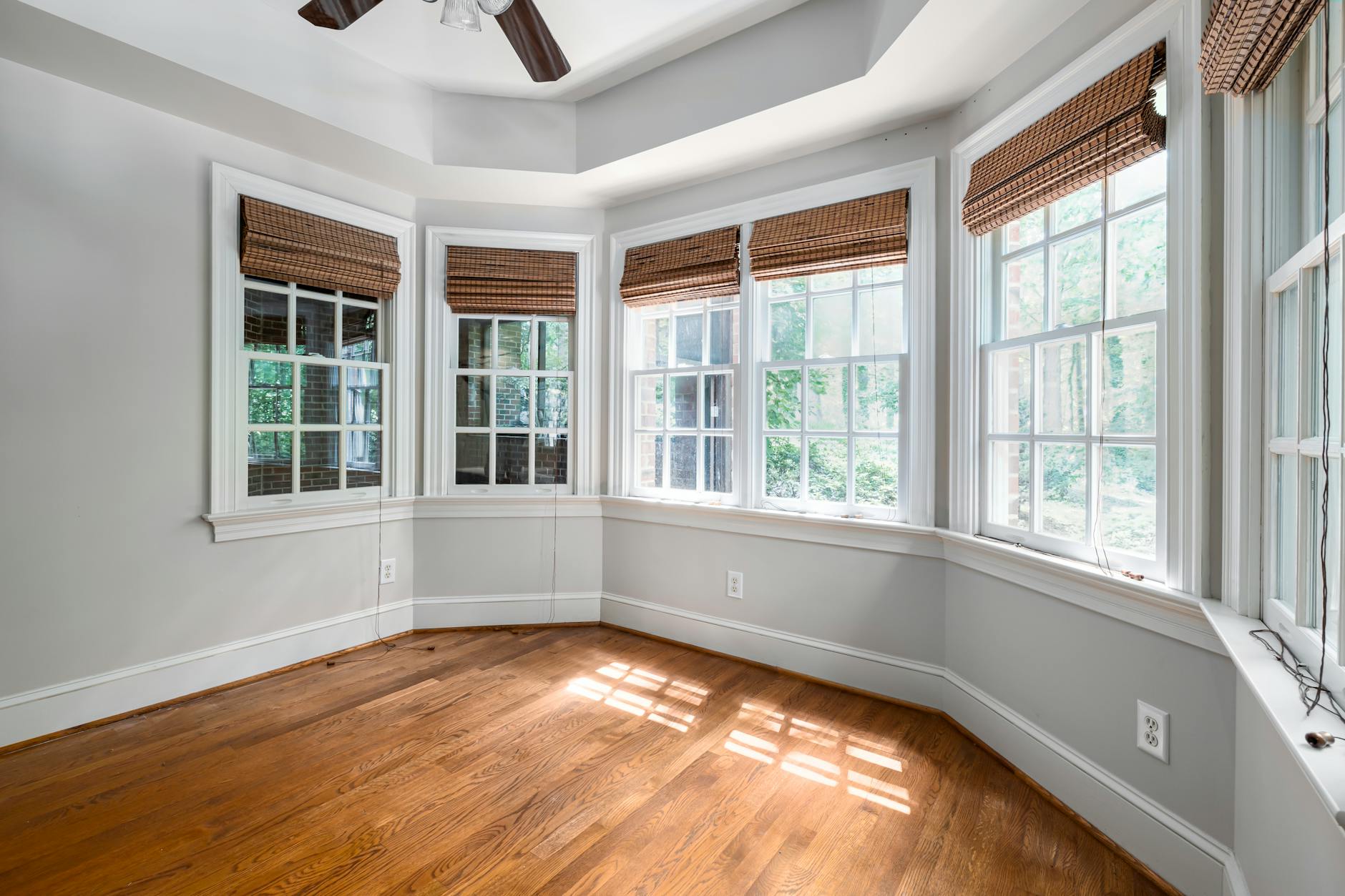
No single window treatment is the best choice for every room in your home. The right solution depends on the room’s function, its light exposure, its humidity level, and the aesthetic you’re going for. Product videos are most useful when you watch them with a specific room in mind — not just browsing generically. Here’s a quick room-by-room breakdown to guide your video research before your free in-home consultation with Blinds Galore.
Living Rooms and Great Rooms
Living rooms are the most-viewed space in any home — by you and your guests — so aesthetics matter as much as function. Plantation shutters are the top choice for living rooms in Jackson-area homes because they add architectural weight, frame the window beautifully, and require almost no daily adjustment. Roman shades are a close second for homeowners who want a softer, fabric-forward look. Horizontal wood blinds work well in casual or craftsman-style living rooms where the natural grain complements exposed wood beams or hardwood floors.
Watch product videos for each option in a living room setting — most quality manufacturer videos will show the product in a styled room so you can judge the aesthetic in context.
Bedrooms and Nurseries
Bedrooms demand the most from light control. For master bedrooms, blackout cellular shades or blackout roller shades are the gold standard — and product videos will show you exactly how dark the room gets with the shade fully lowered. For nurseries, cordless operation is non-negotiable for safety. A product video that demonstrates a cordless lift mechanism is especially reassuring for parents: you can see that there’s no cord loop at any point in the operation cycle.
Many Jackson homeowners opt for a layered treatment in master bedrooms: a blackout shade for nighttime privacy paired with a sheer roller shade or plantation shutter for daytime light filtering. Videos showing layered systems are particularly helpful for visualizing this combination.
Kitchens, Bathrooms, and Humid Spaces
Moisture resistance is the primary concern in kitchens and bathrooms. Faux wood blinds and faux wood plantation shutters are the clear winners here — both are impervious to the humidity spikes that warp real wood and degrade fabric. Vinyl roller shades are also an excellent budget-friendly option for bathrooms, as they wipe clean in seconds. Product videos for humid-room applications should ideally show the material’s surface texture up close: you want a smooth, non-porous finish that won’t harbor mold or mildew.
Avoid fabric Roman shades and real wood blinds in kitchens — grease and steam accelerate their degradation significantly, and no amount of cleaning restores a warped slat.
7. How to Use Product Videos Strategically Before Your Consultation

Watching product videos randomly is better than not watching them at all — but watching them strategically is far more valuable. Here’s a simple framework for getting the most out of your pre-consultation video research, so that when a Blinds Galore specialist arrives at your door in Jackson, Lexington, Henderson, or Milan, your appointment is focused and efficient.
Build a Short List, Not a Wish List
The goal of watching product videos before your in-home consultation isn’t to make a final decision — it’s to narrow your options from twenty possibilities down to three or four serious contenders. Start by watching one video for each major category: shutters, horizontal blinds, vertical blinds, roller shades, cellular shades, and Roman shades. Note which ones you’d immediately rule out (too formal, too casual, wrong mechanism) and which ones you’d like to see in person. Bring those notes to your consultation.
A focused short list makes your in-home appointment far more productive. Instead of spending 45 minutes reviewing every option from scratch, your Blinds Galore consultant can go straight to the products you’re genuinely considering and show you physical samples in your actual light conditions.
Take Notes on Mechanism and Operation
As you watch videos, pay particular attention to the operating mechanism — not just the look. Ask yourself: Can I operate this easily with one hand? Will a child or elderly family member be able to use this independently? Does the motorized version fit my budget? Write down your answers. Mechanism preferences often matter more than aesthetics once a window treatment is installed and you’re using it every day. A beautiful Roman shade with a finicky cord system will frustrate you far more than a simpler roller shade that operates smoothly every time.
Also note the stack height — how much space the treatment takes up at the top of the window when fully open. This is clearly visible in video and matters a lot for windows above kitchen sinks or in rooms with low soffits.
Match Videos to Your Specific Windows
Not all windows are created equal. If your Jackson home has arched windows, bay windows, or skylights, make sure you’re watching videos that feature those specific window shapes — standard rectangular window demos won’t tell you what you need to know. Most reputable manufacturers produce specialty-application videos for arched shutters, angled cellular shades, and skylight blinds. If you can’t find a video for your specific window type, that’s a great question to bring to your free in-home consultation: your Blinds Galore consultant has seen every window configuration in West Tennessee and can walk you through the options with physical samples in hand.
Plantation Shutters vs. Blinds vs. Shades: 10-Point Comparison at a Glance
Use this table to compare the three major window treatment categories across the factors that matter most to West Tennessee homeowners. Scores are on a 1–10 scale unless otherwise noted.
8. Common Mistakes Homeowners Make When Comparing Window Treatments
Even well-researched homeowners make avoidable mistakes when comparing window treatments. Knowing what to watch out for — before you watch a single product video — will help you evaluate your options more objectively and arrive at a decision you’ll be happy with for years. Here are the three most common pitfalls we see among Jackson-area homeowners, and how to sidestep each one.
Choosing Based on Price Alone
The least expensive window treatment is rarely the best value over a 10-year horizon. A set of $35 aluminum mini-blinds will need to be replaced every 3–5 years in a high-use room, while a set of $265-per-window faux wood shutters will likely outlast your mortgage. Product videos help combat price-anchoring bias by showing you the quality difference between budget and mid-range options in a way that a price tag alone never can. When you can see the difference in how a $85 faux wood blind and a $265 shutter look and operate, the value proposition of the higher-end option becomes much clearer.
That said, budget is always a real constraint. A Blinds Galore consultant can help you prioritize — perhaps investing in shutters for your main living areas while using durable faux wood blinds in secondary bedrooms.
Ignoring the Window's Orientation
South- and west-facing windows in Jackson, TN receive intense afternoon sun from April through October. Choosing a light-filtering shade for a west-facing living room window because it looks pretty in a video shot in a north-facing studio can lead to serious glare and heat problems in real life. Always note the compass orientation of each window you’re treating, and look for product videos that demonstrate the treatment in similar light conditions. If a manufacturer’s video was clearly shot in soft, diffused studio light, it may not accurately represent how a light-filtering shade performs in West Tennessee’s direct summer sun.
Skipping Professional Measurement
Even after thorough video research, one of the most common — and costly — mistakes is attempting to self-measure for custom window treatments. An error of even ¼ inch in either direction can mean a custom shutter panel that doesn’t close flush or a shade that leaves a visible gap on one side. Professional measurement is included with every Blinds Galore free in-home consultation, and it’s one of the most valuable services the company provides. No amount of product video research can substitute for a trained eye and a calibrated tape measure in your actual window openings.
9. The Blinds Galore Difference: What 18 Years in West Tennessee Teaches You

Product videos are a powerful research tool, but they’re most effective when they’re the beginning of your journey — not the end. What makes Blinds Galore different from an online-only retailer or a national chain is the combination of deep local expertise, personalized in-home service, and a genuine commitment to getting every installation right. Here’s what that looks like in practice for Jackson, TN homeowners.
Local Knowledge That National Retailers Can't Match
A big-box retailer in Nashville or Memphis doesn’t know that homes in the older neighborhoods near downtown Jackson often have non-standard window sizes that require custom fabrication. They don’t know that new construction in the subdivisions east of I-40 tends to feature large picture windows where vertical blinds or wide-panel shutters are the practical choice. Blinds Galore has been serving West Tennessee homeowners for over 18 years, and that local knowledge shapes every product recommendation the company makes.
When you watch a product video and then schedule your free in-home consultation, you’re not just getting a salesperson — you’re getting a window treatment specialist who has installed products in homes like yours, in your neighborhood, in your climate.
The Free In-Home Consultation Process
Here’s what happens when you call Blinds Galore at (731) 571-5179 and schedule your free in-home consultation. A specialist arrives at your home with a full sample kit — physical swatches, working mechanism samples, and color chips — and walks through each room with you. They take professional measurements of every window you want to treat, note the light conditions and room function, and make tailored recommendations based on your style preferences and budget. There’s no pressure to decide on the spot, and the 100% satisfaction guarantee means you’re protected even after installation.
The entire process typically takes 45 to 90 minutes for a full home, and homeowners who’ve done video research beforehand consistently report that their consultations run on the shorter end of that range.
100% Satisfaction Guarantee
Custom window treatments are a significant investment, and Blinds Galore backs every installation with a 100% satisfaction guarantee. If something isn’t right — a color that looks different in your home’s light than it did on the sample chip, a mechanism that doesn’t operate as smoothly as the product video suggested — the team will work with you to make it right. This guarantee is especially meaningful for first-time custom window treatment buyers who are relying heavily on video research to make their initial selection. You’re not flying blind (no pun intended); you have a safety net backed by 18 years of West Tennessee craftsmanship.
10. Faux Wood Shutters vs. Real Wood: A Closer Look for West Tennessee Homes
One of the most frequent questions Blinds Galore receives from Jackson homeowners is whether to choose real wood or faux wood for their shutters and blinds. It’s a genuinely important question, and product videos can help you see part of the answer — but the local climate context is equally critical. Here’s what 18 years of West Tennessee installations have taught the Blinds Galore team about this choice.
Why Climate Matters More Than You Think
West Tennessee’s climate — hot, humid summers and cool, occasionally damp winters — is genuinely hard on real wood. Jackson averages 52 inches of annual rainfall and summer relative humidity regularly exceeds 70%. Real wood shutters and blinds absorb and release moisture as humidity fluctuates, which causes the wood fibers to expand and contract. Over time, this leads to warping, cracking, and louvers that no longer close flush. Faux wood products — typically made from a composite of PVC and wood fiber or solid PVC — are dimensionally stable in these conditions and will maintain their appearance for decades.
Product videos for faux wood shutters often include close-up shots of the material surface. Look for a smooth, consistent finish with no visible grain variation — that uniformity is the visual signature of a product that won’t warp.
Aesthetic Differences Up Close
The honest truth is that from across a room, most people cannot distinguish a high-quality faux wood shutter from a real wood one. The difference becomes visible only in very close inspection: real wood has natural grain variation, subtle color shifts between louvers, and a slightly warmer tactile feel. Faux wood has a more uniform surface that some homeowners find slightly less warm but others prefer for its consistency. Product videos shot in close-up macro mode are the best way to evaluate this difference before you see physical samples in person.
For the vast majority of Jackson-area homeowners, faux wood shutters represent the better long-term investment — and Blinds Galore’s custom faux wood blind and shutter options are specifically selected for West Tennessee’s climate demands.
Price Comparison: Real Wood vs. Faux Wood
Real wood shutters typically cost 15–25% more than comparable faux wood shutters of the same size and louver width. On a whole-home project covering 12 windows, that premium can add up to $600–$1,200 in additional cost — for a product that is more vulnerable to the local climate. The calculus is straightforward for most West Tennessee homeowners: faux wood delivers equal or superior performance at a lower price point, with better long-term durability. The only scenario where real wood makes clear sense is in a very dry, climate-controlled environment where humidity is tightly managed year-round — rare in Jackson homes without whole-home dehumidification.
Ready to Watch, Compare, and Choose? Your Next Steps in Jackson, TN
You’ve done the research. You understand the differences between plantation shutters, blinds, and shades. You know which rooms call for which treatments, what to look for in a product video, and why faux wood makes sense for West Tennessee’s climate. Now it’s time to take the next step — and it couldn’t be easier. Here’s exactly what to do next to get beautiful, custom window treatments installed in your Jackson, TN home.
Start With the Product Video Library
The smartest first move is to spend 20–30 minutes with Blinds Galore’s online product demonstrations before you do anything else. Browse the full product video library at Blinds Galore to watch shutters, blinds, and shades demonstrated in real room settings — then use the notes framework from Section 7 of this guide to build your short list. You’ll arrive at your free in-home consultation informed, focused, and ready to make a confident decision.
If you want to explore specific product categories in more depth before watching videos, the custom built shutters page and the custom shades page both provide detailed product information alongside video content.
Schedule Your Free In-Home Consultation
Once you’ve done your video research and have a rough sense of what you’re looking for, call Blinds Galore at (731) 571-5179 to schedule your free in-home consultation. The team serves Jackson, TN and surrounding West Tennessee communities including Lexington, Henderson, and Milan. Your specialist will bring physical samples, take professional measurements, and give you a detailed quote — all at no cost and with no obligation to purchase.
Blinds Galore’s 100% satisfaction guarantee means that your investment is protected from the moment you place your order through the final installation. With over 18 years of experience fitting West Tennessee homes with custom blinds, shades, and plantation shutters, the team has the local knowledge and product expertise to get every window right — the first time.
What to Expect After Your Consultation
After your in-home consultation, custom products are typically fabricated within 2–4 weeks depending on the manufacturer and product type. Your Blinds Galore specialist will keep you updated on your order status and schedule your professional installation appointment at a time that’s convenient for you. Installation is typically completed in a single visit for most whole-home projects, and the installer will walk you through the operation of every product before leaving. If any adjustments are needed after installation, the team is just a phone call away at (731) 571-5179.
The result: custom window treatments that were researched intelligently, measured precisely, fabricated to your exact specifications, and installed by professionals who know West Tennessee homes inside and out.
Frequently Asked Questions
How do I use product videos to choose between plantation shutters and blinds?
Watch videos that show both products in motion — tilting, raising, and lowering — in a room similar to yours. Pay attention to how light filters through each option at different tilt angles, how the mechanism operates, and how the product looks when fully open. Build a short list of two or three favorites before scheduling your in-home consultation.
Are plantation shutters worth the higher cost compared to blinds and shades?
For most West Tennessee homeowners, yes. Plantation shutters last 20–25 years, require minimal maintenance, add resale value, and provide precise light control. While the upfront cost of $200–$350 per window is higher than blinds or shades, the long-term cost per year of use is often lower than replacing cheaper alternatives every 5–10 years.
What is the best window treatment for a humid climate like Jackson, TN?
Faux wood plantation shutters or faux wood blinds are the best choices for West Tennessee's humid climate. Both are moisture-resistant and dimensionally stable, meaning they won't warp, crack, or swell as humidity fluctuates. Avoid real wood blinds and fabric shades in kitchens and bathrooms where steam and moisture are frequent.
How much do custom blinds and shutters cost in Jackson, TN?
In the Jackson, TN area, professionally installed custom blinds typically run $50–$175 per window depending on material and style. Plantation shutters range from $200–$350 per window. Shades fall in the $75–$325 range depending on style and whether motorization is included. Blinds Galore offers free in-home consultations with detailed quotes at no charge.
Does Blinds Galore offer free in-home consultations in West Tennessee?
Yes. Blinds Galore provides free in-home consultations throughout the greater Jackson, TN area, including Lexington, Henderson, and Milan. A specialist comes to your home with physical samples, takes professional measurements, and provides a detailed quote — all at no cost and with no obligation. Call (731) 571-5179 to schedule.
What is the difference between room-darkening and blackout shades?
Room-darkening shades block 85–99% of incoming light, leaving a small amount of light around the edges of the shade. True blackout shades use side channels or a cassette housing to block 100% of light, including edge bleed. For bedrooms where total darkness is needed — such as shift workers' rooms or nurseries — blackout shades are the better choice.
You might also like
How to Choose the Right Window Treatment Style Using Product Videos
Quick answer: Choosing the right window treatment — blinds, shades, or plantation shutters — comes
7 Best Custom Blinds for Laundry Rooms and Utility Spaces in Jackson, TN
Quick answer: The best custom blinds for laundry rooms and utility spaces in Jackson, TN are moisture-resistant

8 Best Custom Blinds for Kitchens with Large Windows in Jackson, TN
Quick answer: For kitchens with large windows in Jackson, TN, the best custom blinds balance moisture

9 Best Window Treatments for Jackson TN Home Theaters and Media Rooms
Quick answer: For home theaters and media rooms in Jackson, TN, the single best window treatment is a
7 Best Custom Blinds for Sunrooms and Screened Porches in Jackson, TN
Quick answer: The best custom blinds for sunrooms and screened porches in Jackson, TN balance UV protection,
Faux Wood Blinds vs Cellular Shades: Your 9-Point Guide for West Tennessee Sunrooms
Quick answer: For West Tennessee sunrooms and screened porches, faux wood blinds win on moisture resistance,