

Roller Shades vs Cellular Shades: Your 10-Point Guide for Jackson, TN Living Rooms
Quick answer: Roller shades and cellular shades are both excellent choices for Jackson, TN living rooms, but they serve different priorities. Roller shades win on clean modern style, easy operation, and lower starting cost (typically $60–$150 per window custom). Cellular shades — also called honeycomb shades — win on energy efficiency and sound absorption, making them smarter for West Tennessee's hot summers and chilly winters. The right pick depends on your light-control needs, insulation goals, and décor. A free in-home consultation with a local expert is the fastest way to decide.
1. What Are Roller Shades? A Plain-English Definition
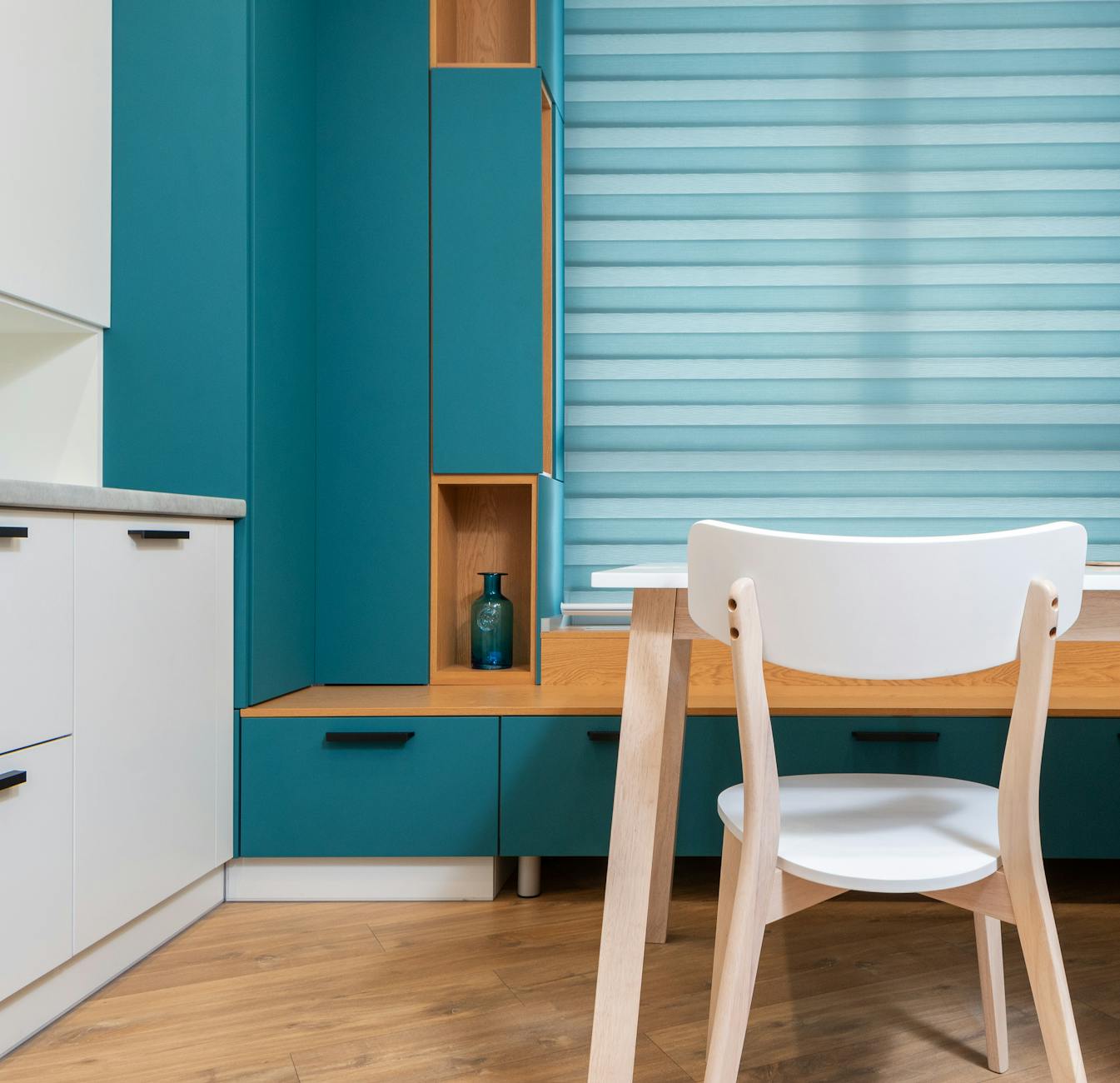
Before comparing the two shade types, it helps to understand exactly what each product is. Roller shades are one of the most popular window treatments in American homes today, and for good reason — they combine a minimal footprint with a wide range of fabric choices. Here’s a closer look at how they work and what makes them tick.
How the Mechanism Works
A roller shade is exactly what it sounds like: a single layer of fabric wound around a horizontal tube mounted at the top of your window. When you pull the shade down, fabric unrolls smoothly; when you raise it, the fabric rolls back up. Most modern roller shades use a spring-tension or cordless lift system, and many can be fitted with motorization for remote or smart-home control.
The simplicity of the design is a feature, not a limitation. Because there are no pleats, cells, or complex folds, roller shades are among the easiest window treatments to clean and maintain — a huge plus in a busy Jackson, TN household.
Fabric Options and Light Levels
Roller shades come in three broad fabric categories:
- Sheer / light-filtering: Allows soft, diffused daylight while reducing glare. Visibility through the fabric remains when it’s bright outside.
- Room-darkening: Blocks 85–99% of incoming light — ideal for afternoon naps or reducing West Tennessee’s intense summer sun.
- Blackout: Opaque fabric with a coated backing that eliminates virtually all light, often used in media rooms or bedrooms adjacent to living spaces.
Custom roller shades can also be ordered in solar fabrics rated by openness factor (1%, 3%, 5%, 10%), letting you fine-tune how much UV and heat you block while keeping your view of the yard.
2. What Are Cellular Shades? Understanding the Honeycomb Design
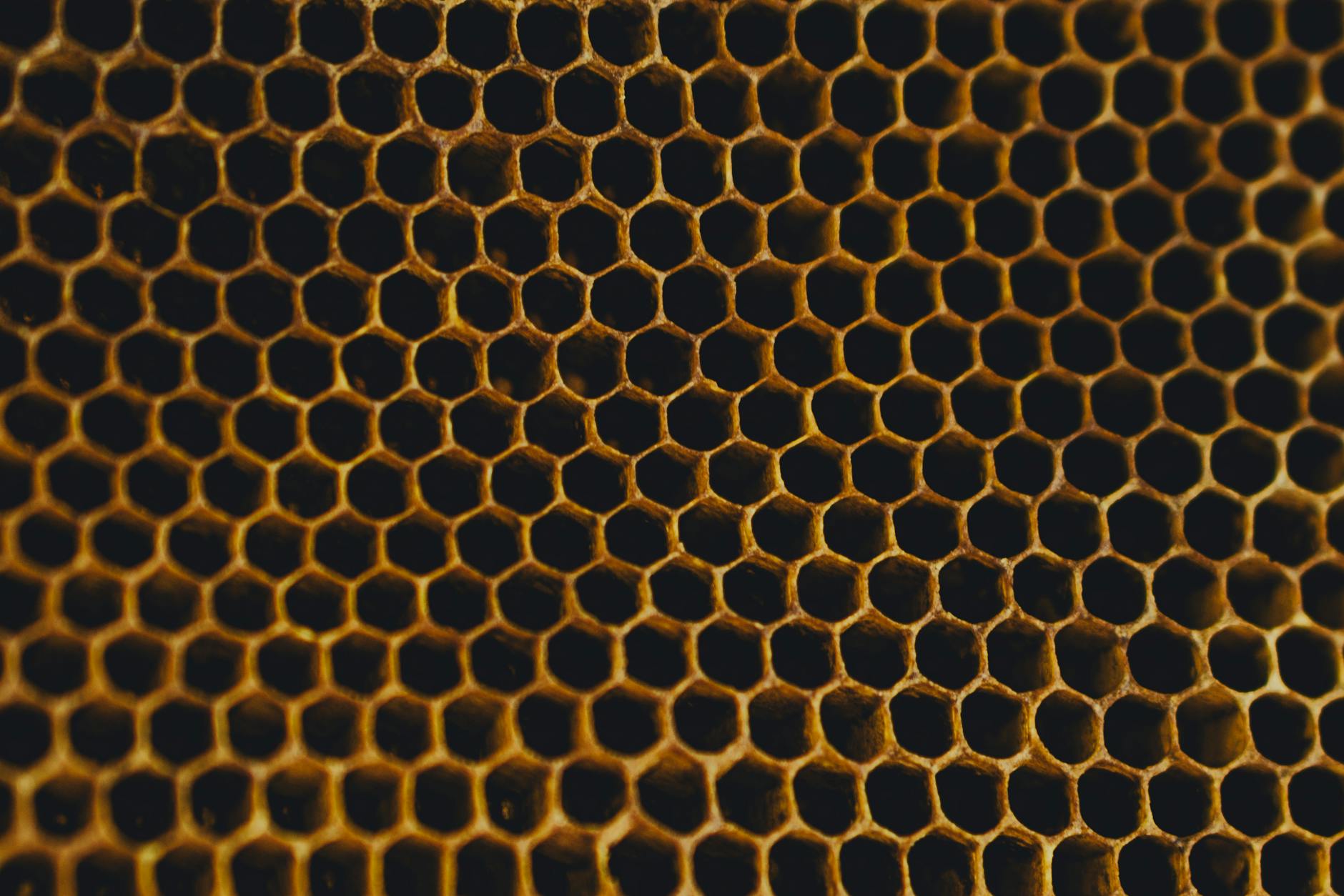
Cellular shades look similar to pleated shades at first glance, but the honeycomb cell structure sets them apart entirely. That structure is the reason energy-efficiency-minded homeowners across West Tennessee consistently choose them — and why they carry a slightly higher price tag than basic roller shades. Let’s unpack the technology.
The Science Behind the Cell Structure
Cellular shades — frequently called honeycomb shades — are constructed from pleated fabric that forms individual air pockets, or cells, when the shade is lowered. Those trapped air pockets act as a thermal buffer between the window glass and your living room, slowing heat transfer in both directions.
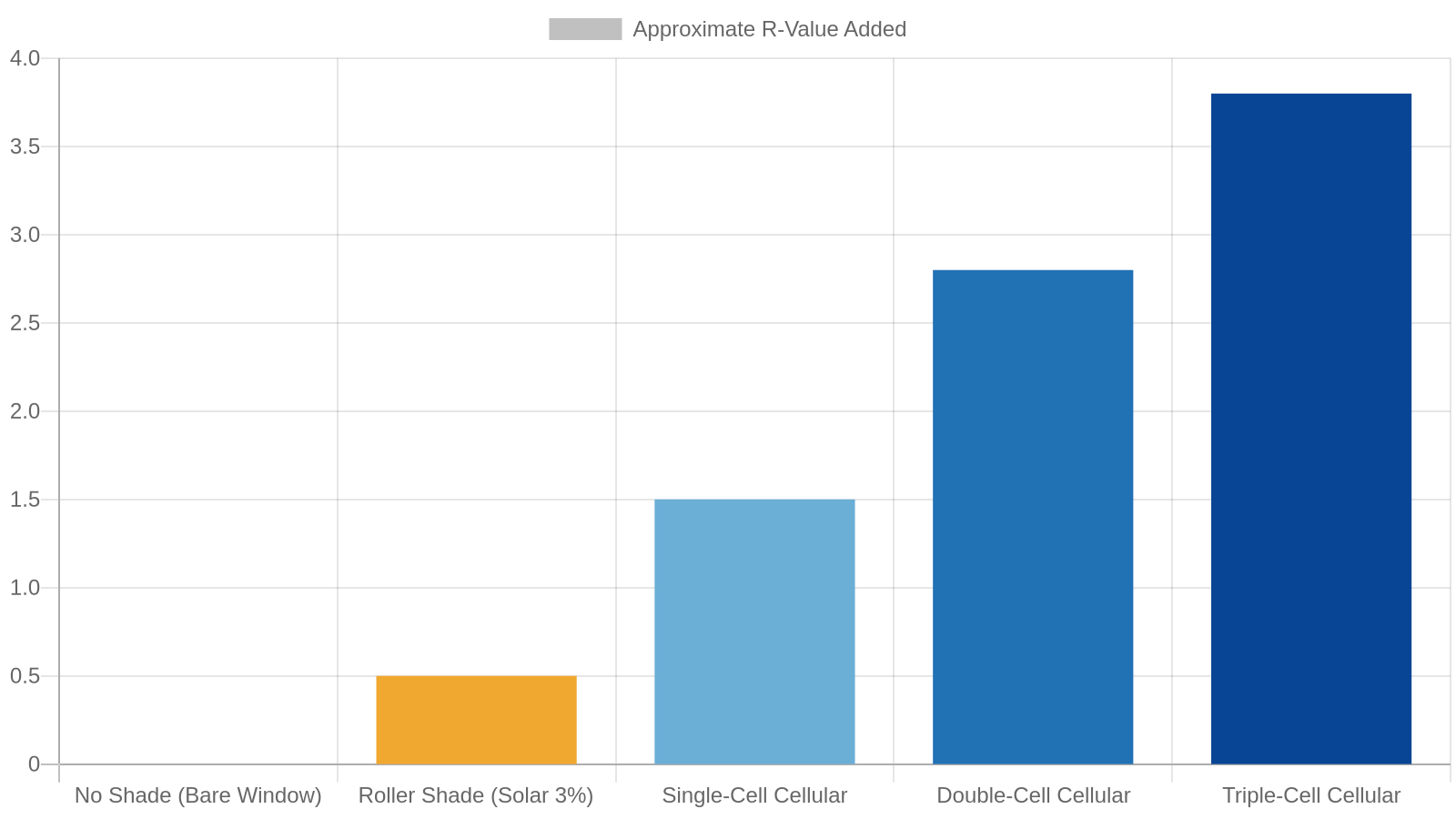
This insulating principle is the same one used in double-pane windows: dead air space resists temperature movement. A quality single-cell shade can improve a standard window’s R-value by approximately 1.0–2.0, while a double-cell shade adds roughly 2.0–3.0, and a triple-cell shade can push that number even higher — a meaningful upgrade for Jackson, TN homes that face 90°F+ summers and occasional winter freezes.
Single, Double, and Triple Cell — What's the Difference?
The number of cell layers determines both insulation performance and price:
- Single-cell: One row of honeycomb pockets. Good light diffusion, entry-level insulation, lowest cost. Best for mild climates or interior rooms.
- Double-cell: Two stacked rows of pockets. The most popular choice for living rooms — balances cost and energy savings well.
- Triple-cell: Three rows. Maximum insulation and sound absorption. Ideal for rooms facing west (afternoon sun) or street-facing windows in noisier neighborhoods.
All three configurations are available in light-filtering or room-darkening fabrics, and many manufacturers offer a top-down/bottom-up option so you can lower the shade from the top for privacy while still letting daylight in at the ceiling line.
3. Light Control: How Each Shade Manages Jackson's Intense Southern Sun
Jackson, Tennessee sits in the heart of West Tennessee’s humid subtropical climate zone, which means long, sunny summers with intense afternoon UV exposure. How a shade manages that light — and how much control it gives you day to day — is one of the most practical factors in your decision.
Roller Shades and Directional Light
Roller shades give you precise, on-demand light control. Because the fabric is a single flat panel, the transition from full open to full closed is clean and immediate. Solar fabrics with a 3% or 5% openness factor are particularly popular in Jackson living rooms that face south or west — they cut glare and block up to 97% of UV rays while preserving your view of the backyard or street.
One limitation: when a roller shade is fully raised, it offers zero privacy. The rolled fabric sits at the very top of the window, leaving the glass completely exposed. Pairing a roller shade with a sheer curtain panel solves this elegantly for homeowners who want layered privacy.
Cellular Shades and Diffused Light
Light-filtering cellular shades scatter incoming sunlight through the fabric weave, creating a soft, even glow rather than a bright streak across your living room floor. This diffusion quality is especially pleasant in rooms used for reading, conversation, or watching television — all common living room activities.
Room-darkening cellular shades use a tighter weave or coated fabric to block 85–95% of light. They don’t typically reach true blackout levels (that requires a specially coated roller shade), but for most daytime living room use, the light reduction is more than adequate. The top-down/bottom-up option available on most cellular shades adds a layer of flexibility roller shades can’t easily match.
4. Energy Efficiency: Keeping Your Living Room Comfortable Year-Round
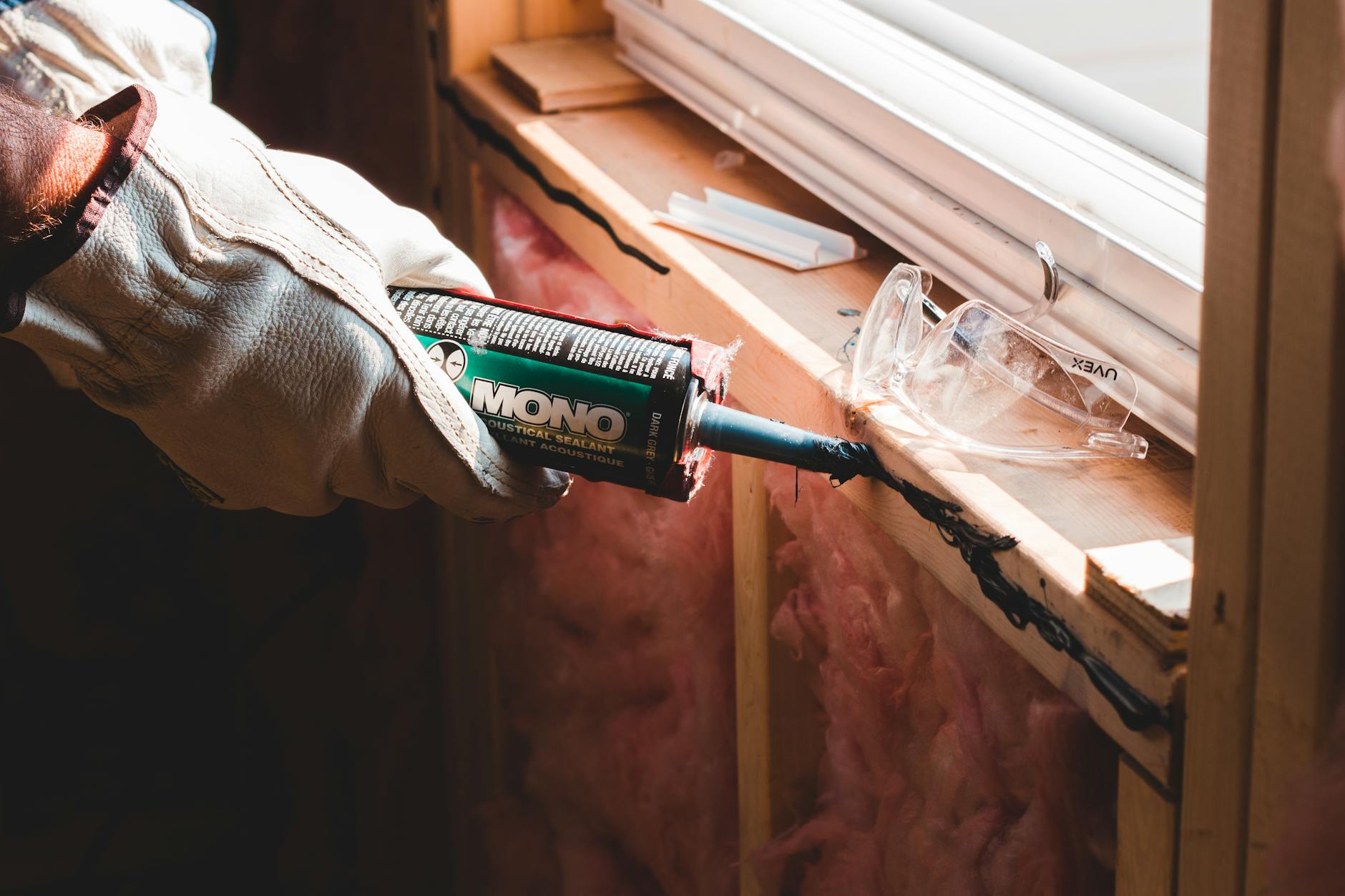
Energy costs are a real concern for homeowners across Jackson, Lexington, and Henderson. West Tennessee summers push air conditioners hard, and even mild winters add to heating bills. The shade you choose can meaningfully affect how hard your HVAC system works — here’s how the two options compare on energy performance.
Roller Shades and Heat Management
A standard roller shade provides modest thermal benefit. A solar-fabric roller shade with a low openness factor (1%–3%) can block a significant portion of solar heat gain in summer, which directly reduces the load on your HVAC system. The U.S. Department of Energy estimates that interior window shades can reduce solar heat gain by up to 45% when fully closed on a sunny day.
However, roller shades offer little insulation against conducted heat loss in winter. The single flat panel doesn’t trap air, so cold radiating off the glass still enters the room. In Jackson’s milder winters this may be acceptable, but homeowners with older single-pane windows will feel the difference.
Cellular Shades and R-Value Performance
Cellular shades are the clear winner on insulation. The National Fenestration Rating Council (NFRC) and independent testing consistently show that double-cell cellular shades improve a window’s effective R-value by 2.0–3.5 depending on cell size and fabric density. For a typical Jackson home with 10–12 living room windows, that improvement can translate to measurable savings on monthly energy bills.
During West Tennessee’s hot summers, cellular shades slow heat transfer into the room. During the cooler months, they reduce heat loss through the glass. The Energy Star program specifically recommends cellular shades as one of the most effective interior window insulation products available — a designation no roller shade currently holds.
5. Privacy and Light-Filtering Options Side by Side
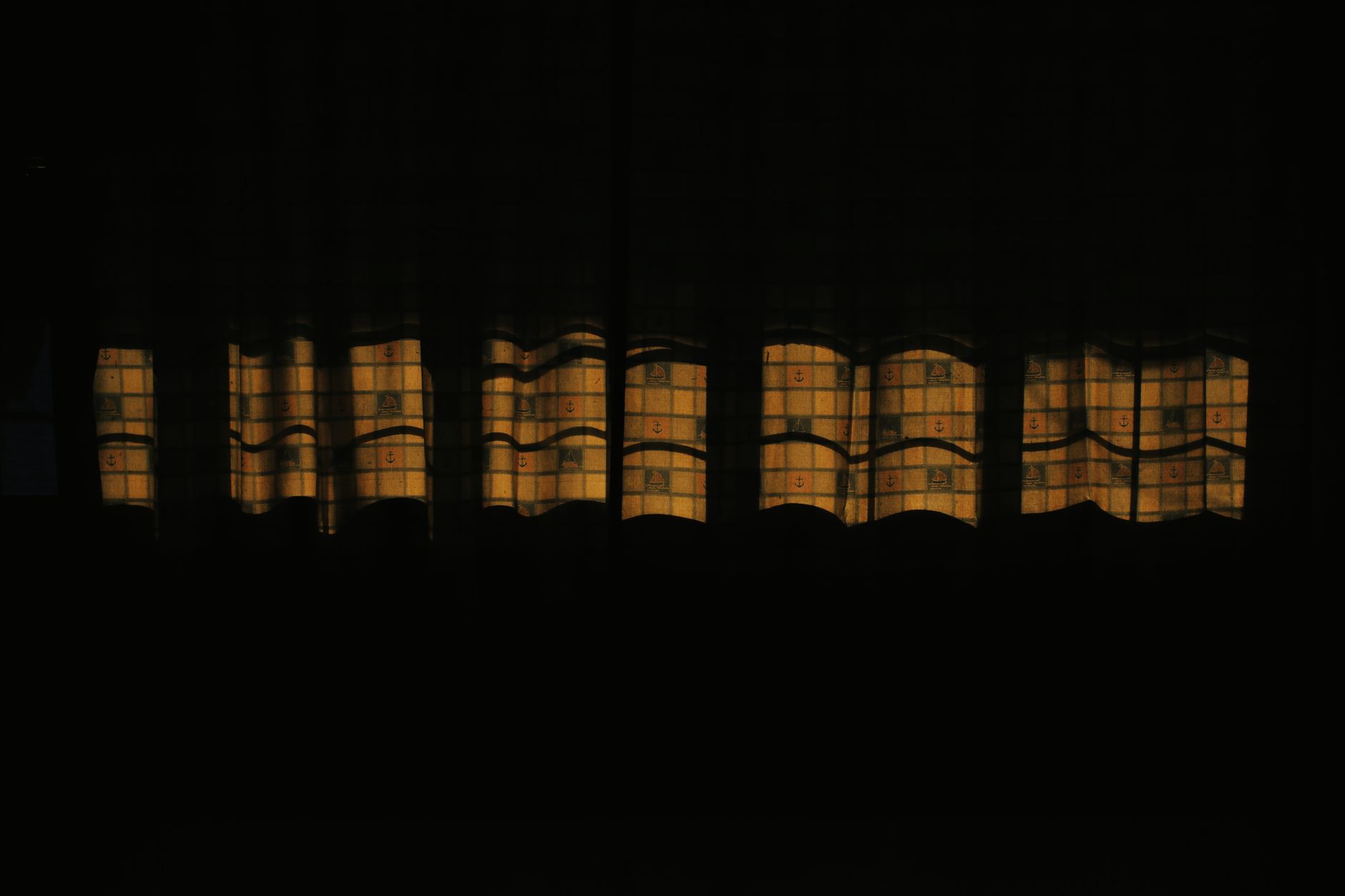
Privacy is a top concern for living rooms that face the street or a neighbor’s yard — a common situation in many Jackson neighborhoods and in communities like Milan and Lexington where homes sit close together. Here’s how roller and cellular shades compare when the sun goes down and the lights come on inside.
Daytime Privacy Considerations
Privacy during daylight hours is often misunderstood. With a sheer or light-filtering roller shade, people outside can see silhouettes through the fabric when interior lighting is brighter than outside — typically in the evening. During the day, a solar roller shade with a 3% openness factor provides reasonable privacy while maintaining your outward view.
Cellular shades in light-filtering fabric offer similar daytime privacy characteristics. The woven texture of the fabric tends to obscure detail more effectively than some solar roller fabrics at equivalent openness levels, giving cellular shades a slight privacy edge in side-by-side testing.
Evening Privacy Solutions
For true evening privacy in your Jackson living room, both shade types require a room-darkening or blackout fabric. Room-darkening cellular shades are particularly effective because the tighter fabric weave combined with the cell structure prevents light bleed-through even at the edges — especially when the shade is ordered with a flush-mount inside-mount installation that minimizes side gaps.
Roller shades achieve similar evening privacy with room-darkening or blackout fabrics, and many manufacturers offer side-channel track systems that virtually eliminate edge light gaps. If total blackout is a priority in your living room — perhaps for a home theater setup — a blackout roller shade with side channels is the most effective single-product solution available.
6. Aesthetics and Style: Which Shade Fits Your Living Room Décor?
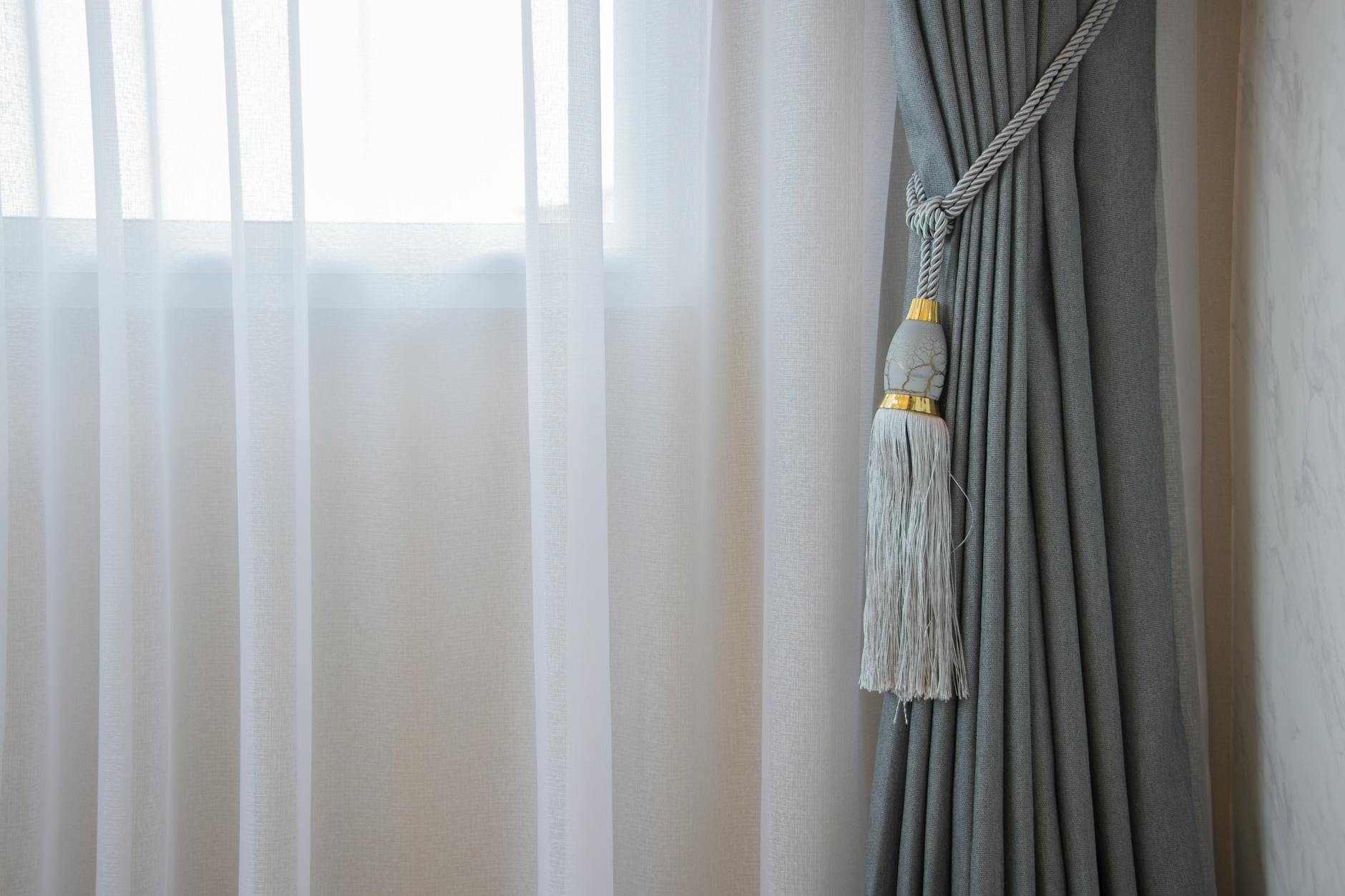
Window treatments are a design decision as much as a functional one. The shade you choose will be visible every day and should complement your furniture, wall colors, and overall living room aesthetic. Here’s how each product type reads visually — and which interior styles each serves best.
The Clean, Modern Look of Roller Shades
Roller shades have a minimal, architectural quality that works exceptionally well in contemporary, transitional, and Scandinavian-inspired interiors. When raised, the shade nearly disappears — a thin tube at the top of the window. When lowered, the flat fabric panel reads as a clean design element rather than a window covering.
Custom fabric options for roller shades are vast: linen textures, geometric prints, bold colors, subtle patterns, and even custom-printed designs. If your Jackson living room features modern furniture, clean lines, and a neutral palette, a custom roller shade in a textured linen or natural woven fabric will look intentional and polished.
The Soft, Transitional Appeal of Cellular Shades
Cellular shades have a softer, more traditional look thanks to their pleated, textured face. The honeycomb pattern visible from the room side adds subtle visual interest without being busy. They pair naturally with transitional, cottage, farmhouse, and traditional interiors — the kind of warm, livable spaces that are popular throughout West Tennessee.
Color and fabric options for cellular shades have expanded dramatically in recent years. Beyond the classic white and cream, you’ll find warm taupes, soft greys, dusty blues, and even bold accent colors. The fabric tends to have a slight sheen that catches light differently throughout the day, giving the window a dynamic, finished look.
7. Cost Comparison: What to Budget for Custom Shades in West Tennessee

Budget is always part of the conversation, and it should be — custom window treatments are a real investment in your home. The good news is that both roller shades and cellular shades are available across a wide price range, and a professional consultation can help you find the right product at the right price point for your specific windows and goals.
Roller Shade Pricing Ranges
Custom roller shades for a standard living room window (approximately 36″ × 60″) typically range from $60 to $150 per window for fabric-only options, rising to $150–$350 per window for premium solar fabrics, motorization-ready hardware, or specialty textures. A living room with four windows might run $240–$600 at the entry level or $600–$1,400 with premium upgrades.
Motorized roller shades add $100–$300 per window depending on the motor brand and smart-home integration. For homeowners who want the convenience of app or voice control — increasingly popular in Jackson’s newer subdivisions — motorized roller shades offer the cleanest look because there are no cords or chains to manage.
Cellular Shade Pricing Ranges
Custom cellular shades for the same standard window size typically start at $80 to $175 per window for single-cell options, with double-cell running $120–$250 and triple-cell reaching $180–$350 or more per window. A four-window living room in double-cell fabric might cost $480–$1,000 installed.
The price premium over roller shades is real but modest — and when you factor in potential energy savings over the life of the product (cellular shades typically last 7–12 years with normal use), the total cost of ownership often favors cellular shades in homes with high energy bills. Many West Tennessee homeowners find the payback period on double-cell shades is 3–5 years in HVAC savings alone.
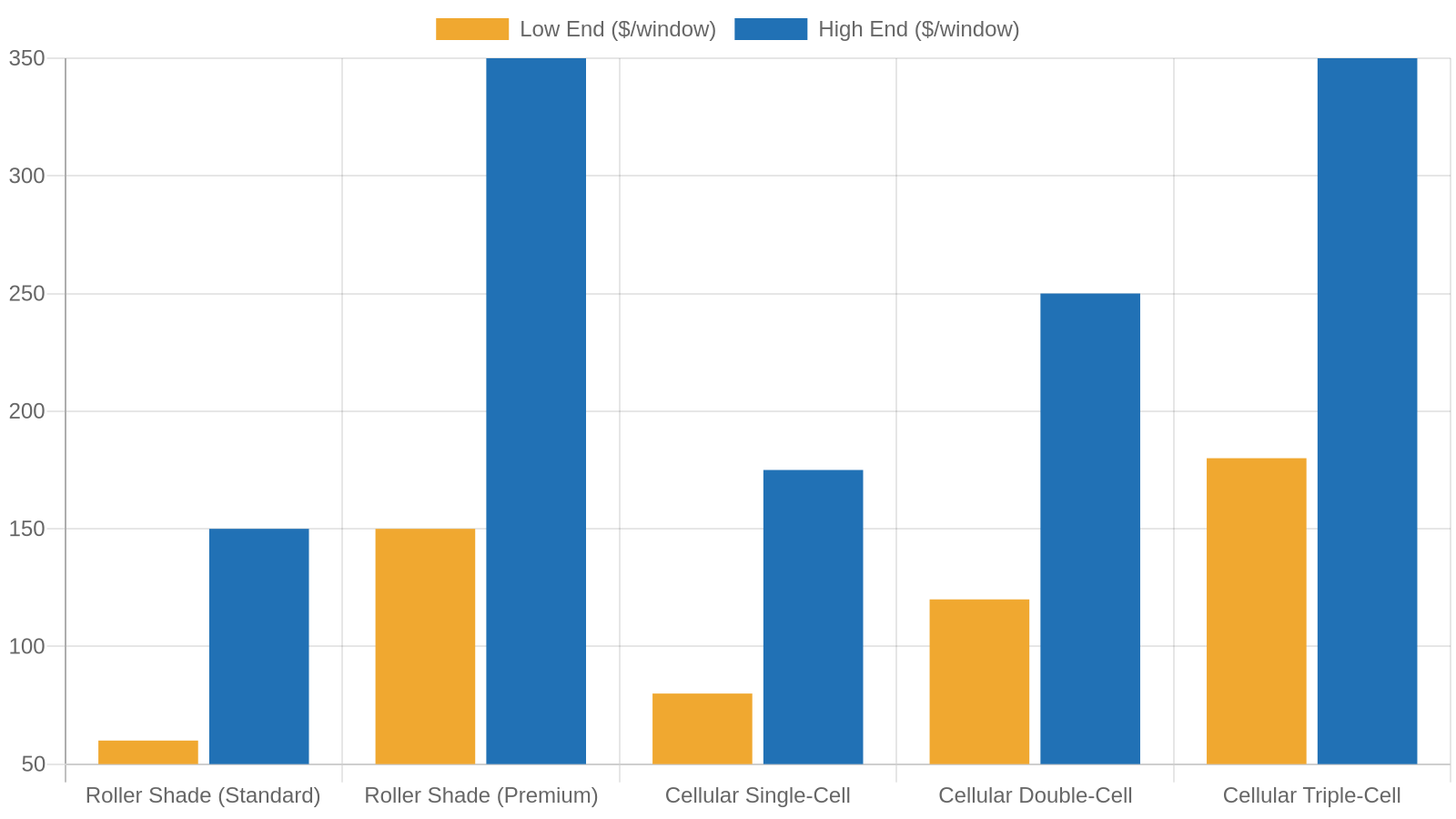
Roller Shades vs Cellular Shades: 10-Point Comparison at a Glance
Use this side-by-side summary to quickly identify which shade type aligns with your living room priorities. Both products are available as custom-measured, professionally installed options from Blinds Galore in Jackson, TN.
8. Durability and Maintenance: Which Shade Holds Up Longer?
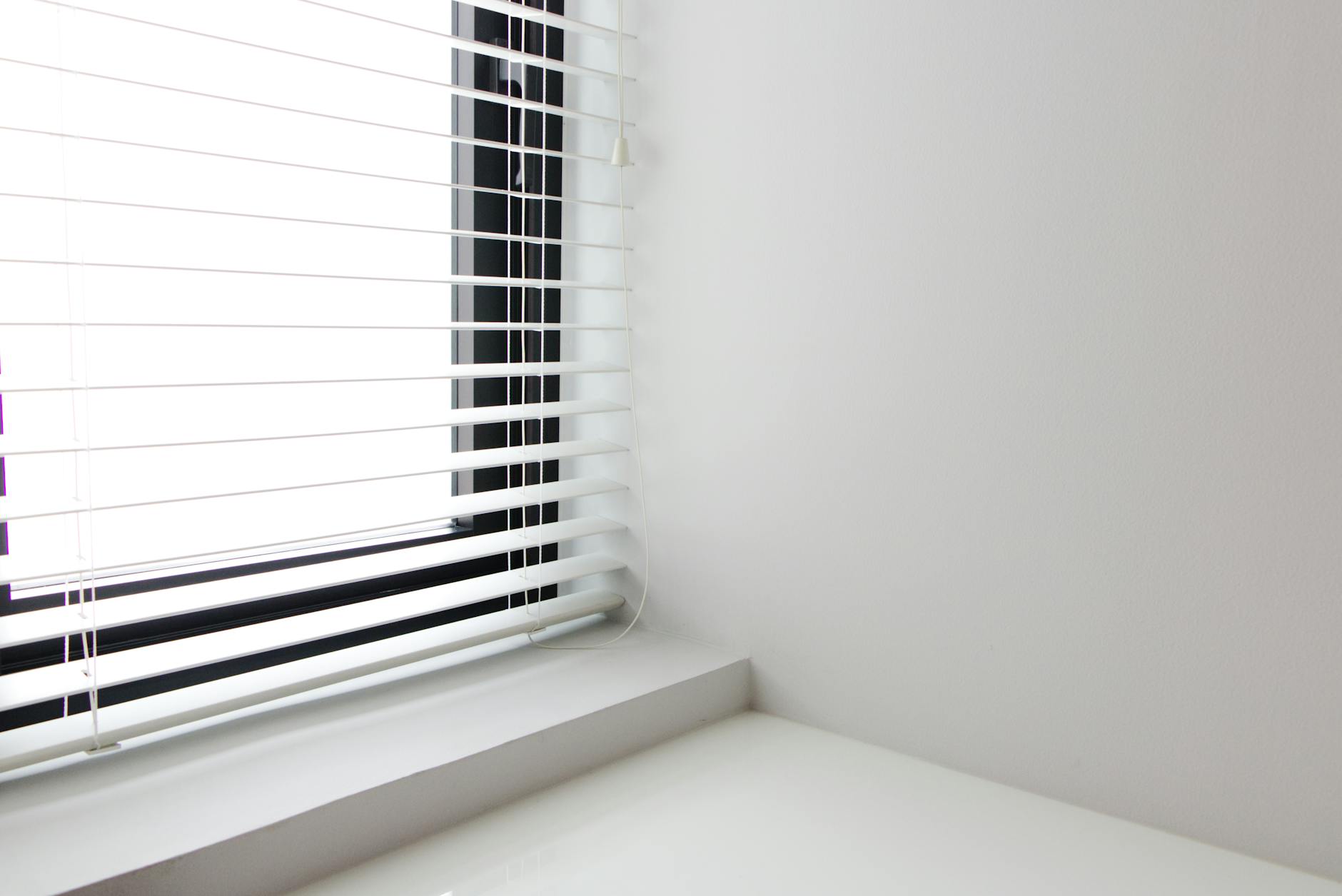
Durability matters — especially for busy households with kids, pets, or high-traffic living rooms. Both shade types are designed for daily use, but they differ in how they age and how much effort they require to keep looking their best. Here’s what to expect from each over the long haul.
Roller Shade Lifespan and Care
A quality custom roller shade typically lasts 7–10 years in a living room environment with normal use. The spring or cordless lift mechanism is the most common point of wear — but modern mechanisms from reputable manufacturers are rated for 10,000+ lift cycles, which translates to many years of daily use before any maintenance is needed.
Cleaning is straightforward: most roller shade fabrics can be spot-cleaned with a damp cloth and mild soap. Solar and blackout fabrics are particularly resistant to dust accumulation because their smooth, flat surface doesn’t trap particles the way textured fabrics do. Occasional light vacuuming with a brush attachment keeps them looking fresh.
Cellular Shade Lifespan and Care
Cellular shades generally last 7–12 years, with high-quality double and triple-cell products often reaching the upper end of that range. The pleated cell structure is more delicate than a flat roller fabric — sharp creasing from improper raising can permanently damage the cells — but with normal use the honeycomb structure holds its shape well for years.
Cleaning cellular shades requires a bit more care. Compressed air or a hair dryer on a cool setting can clear dust from inside the cells. For deeper cleaning, some cellular shades can be gently hand-washed in a bathtub with mild detergent, though always check the manufacturer’s care instructions first. Avoid machine washing, which can collapse the cell structure permanently.
9. Motorization and Smart Home Compatibility
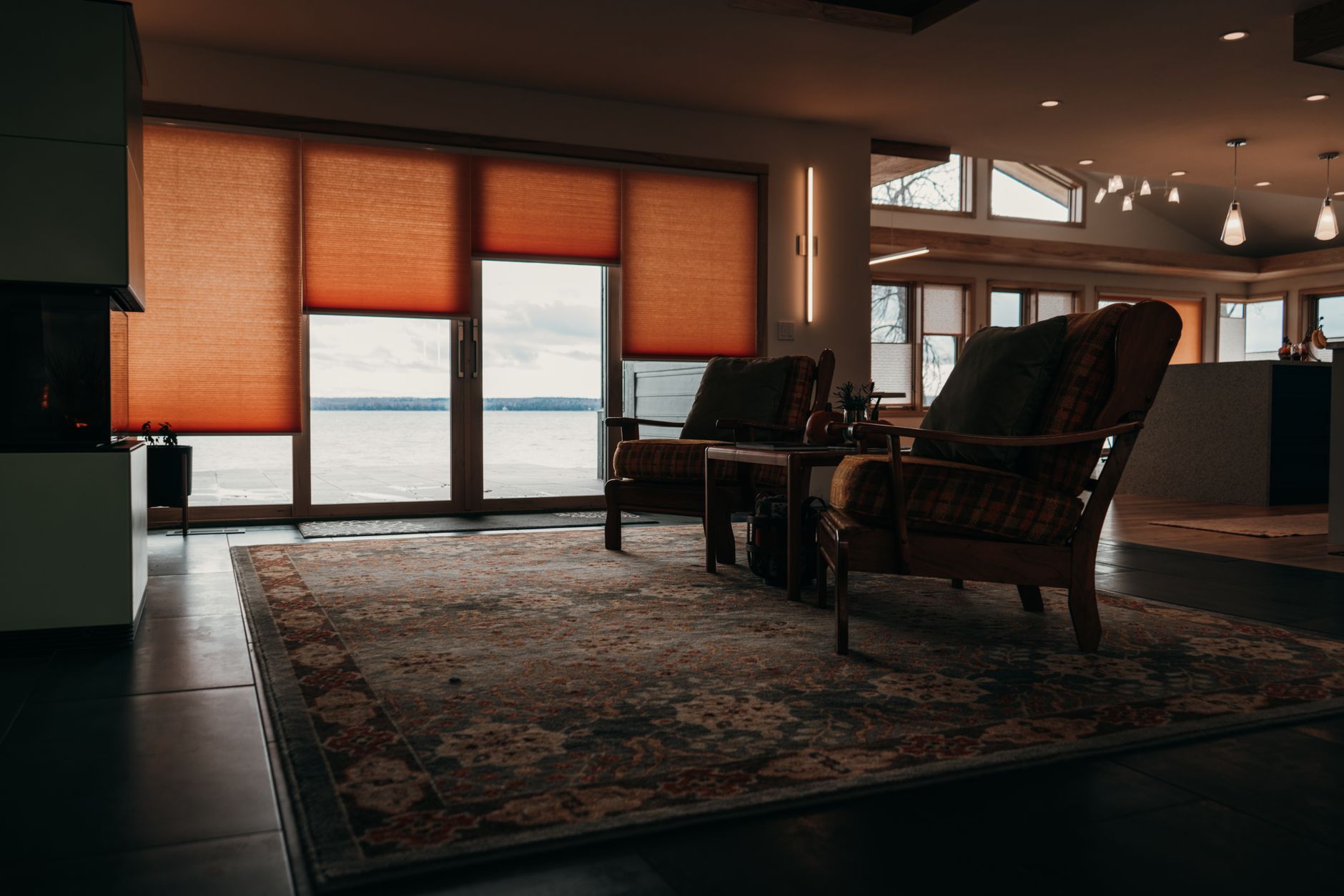
Smart home technology has transformed window treatments from a manual chore into an automated comfort feature. Both roller and cellular shades are available with motorization, but there are differences in how each type integrates with smart home systems — and which one makes more sense for your Jackson living room setup.
Motorized Roller Shades
Roller shades are the most popular choice for motorization, and it’s easy to see why: the flat, rolling mechanism integrates cleanly with electric motors, and the finished look is completely cord-free. Most motorized roller shade systems are compatible with major smart home platforms including Amazon Alexa, Google Home, and Apple HomeKit, allowing voice control or scheduled automation.
Battery-powered motors (no hardwiring required) are available for retrofit installations in existing Jackson homes, while hardwired motors offer the most reliable performance for new construction or remodel projects. A single remote or app can control multiple shades simultaneously — ideal for living rooms with several windows facing the same direction.
Motorized Cellular Shades
Cellular shades can absolutely be motorized, though the product selection is somewhat narrower than for roller shades. Motorized cellular shades are particularly valuable for large windows, high windows, or specialty shapes where manual operation would be awkward. The top-down/bottom-up feature — one of cellular shades’ most popular options — can also be motorized, giving you app or remote control over both the top and bottom rails independently.
For homeowners who prioritize energy efficiency and smart home integration equally, motorized double-cell cellular shades represent the premium intersection of both goals: maximum insulation plus automated scheduling to lower shades during peak sun hours and raise them when the sun moves away from that window.
10. How to Choose: A Room-by-Room Decision Framework

After nine sections of comparison, here’s the practical bottom line: neither shade type is universally better. The right choice depends on your specific living room, your home’s insulation situation, your aesthetic preferences, and your budget. Use this framework to make a confident decision.
When Roller Shades Are the Right Call
Choose roller shades for your Jackson living room when:
- Your décor is modern, minimalist, or transitional and you want the window treatment to recede visually.
- You want maximum light control flexibility, including true blackout capability for a home theater or media room.
- Budget is a primary consideration and you want the best style-per-dollar value.
- You plan to motorize and want the widest selection of smart-home-compatible products.
- Your living room windows are already well-insulated (double or triple-pane glass) and additional thermal performance from the shade is less critical.
When Cellular Shades Are the Right Call
Choose cellular shades for your Jackson living room when:
- Energy efficiency is a top priority and you want to reduce HVAC costs through all four seasons.
- Your home has older single-pane windows that lose heat in winter and gain heat in summer.
- You want top-down/bottom-up flexibility — privacy at eye level with daylight at the ceiling.
- Your living room faces west or south and receives intense afternoon sun for several hours daily.
- Sound absorption matters — double and triple-cell shades measurably reduce noise transmission from outside.
Still unsure? That’s exactly what a free in-home consultation is for. A local expert can assess your specific windows, measure accurately, and recommend the right product for your home’s unique conditions.
Ready to Find Your Perfect Custom Shade in Jackson, TN?

You’ve done the research. Now it’s time to see these shades in your own living room — with your lighting, your furniture, and your windows. Blinds Galore makes that easy with a completely free in-home consultation that takes the guesswork out of the decision entirely.
Why Local Expertise Makes the Difference
Choosing between roller shades and cellular shades from a website or big-box store is one thing. Having a local professional measure your windows, assess your light conditions, and show you actual fabric samples in your home is another experience entirely. Colors look different in your living room than on a screen. Fabric textures feel different in person. And window measurements that are even a quarter-inch off can mean a shade that gaps, binds, or simply doesn’t look right.
Blinds Galore has served Jackson, TN and surrounding communities — including Lexington, Henderson, and Milan — for over 18 years. Every consultation is free, every measurement is done by a professional, and every installation comes backed by a 100% satisfaction guarantee. That’s not a marketing phrase; it’s how the business has earned its reputation across West Tennessee.
Your Next Steps
Ready to upgrade your living room windows? Here’s how to get started:
- Browse your options: Explore the full range of custom shades available from Blinds Galore, including roller shades, cellular shades, and specialty options for every room in your home.
- Schedule a free in-home consultation: Call (731) 571-5179 to book your appointment. A Blinds Galore specialist will come to your Jackson-area home, measure every window, and bring samples so you can see exactly how each option looks in your actual space.
- Get it installed right: Professional installation is included — no DIY guesswork, no gaps, no frustration. Just beautiful, custom-fitted window treatments that work perfectly from day one.
Whether you’re leaning toward the clean lines of a roller shade or the energy-saving power of a cellular shade, Blinds Galore will help you make the choice you’ll love for years to come. Give us a call at (731) 571-5179 — we’d love to bring the showroom to you.
Frequently Asked Questions
Are cellular shades worth the extra cost over roller shades?
For most West Tennessee homeowners, yes — especially if your home has older windows or high energy bills. The insulation provided by double-cell cellular shades can reduce HVAC costs enough to offset the price difference within 3–5 years, and they also reduce outside noise, which roller shades do not.
Can I get blackout cellular shades for my living room?
Cellular shades are available in room-darkening fabrics that block 85–95% of light, but true blackout (99%+ light elimination) is more reliably achieved with coated roller shade fabrics. If total blackout is a priority — for a media room or home theater — a blackout roller shade with side channels is the better choice.
How long does a free in-home consultation with Blinds Galore take?
A typical in-home consultation for a living room takes 30–60 minutes. The specialist will measure your windows, show you fabric and hardware samples, and provide a detailed quote before leaving. There's no obligation to purchase.
Do roller shades or cellular shades work better for large living room windows?
Both can be made for large windows, but motorization is strongly recommended for any shade wider than 72 inches. Roller shades have a wider selection of motorized options and tend to be the preferred choice for very wide or very tall windows, including sliding glass door applications.
What's the difference between room-darkening and blackout shades?
Room-darkening shades block 85–95% of incoming light — enough to significantly dim a room but not eliminate all light. Blackout shades use opaque or coated fabrics to block 99%+ of light. Both are available in roller shades; cellular shades typically max out at room-darkening performance.
Does Blinds Galore serve areas outside of Jackson, TN?
Yes — Blinds Galore serves the greater West Tennessee area including Lexington, Henderson, Milan, and surrounding communities. Call (731) 571-5179 to confirm service availability in your specific area and schedule a free in-home consultation.
You might also like
Best Blackout Shades for Jackson TN Bedrooms: 9 Things to Know
Quick answer: Blackout shades block 99–100% of incoming light, making them the top choice for Jackson,

Best Faux Wood Blinds for Moisture-Prone Bathrooms and Kitchens in Jackson, TN
Quick answer: Faux wood blinds are the single best window treatment choice for moisture-prone bathrooms

Best Motorized Blinds for Large Windows in Jackson, TN: Cost and Control Guide
Quick answer: Motorized blinds are the most practical solution for large windows in Jackson, TN homes,
Faux Wood vs. Real Wood Blinds: Durability and Cost Compared for Jackson, TN Homes
Quick answer: Faux wood blinds typically cost $20–$60 per window less than real wood and outperform
7 Best Motorized Cellular Shades for Large Windows in Jackson, TN
Quick answer: Motorized cellular shades are the top choice for large windows in Jackson, TN homes because

9 Reasons to Choose Blinds Galore for West Tennessee Window Treatments
Quick answer: Blinds Galore is West Tennessee's go-to source for custom blinds, shades, and plantation