

8 Best Custom Blinds for Sunroom Windows in Jackson, TN
Quick answer: The best custom blinds for sunroom windows in Jackson, TN balance light control, heat reduction, and UV protection while standing up to West Tennessee's intense summer sun. Top solutions include solar shades, cellular shades, faux wood blinds, plantation shutters, roller shades, vertical blinds, woven wood shades, and motorized options. Each suits different sunroom styles and budgets, ranging from roughly $80 to $400+ per window installed. Blinds Galore offers free in-home consultations to help Jackson-area homeowners find the perfect fit.
Why Sunroom Windows Demand a Smarter Window Treatment
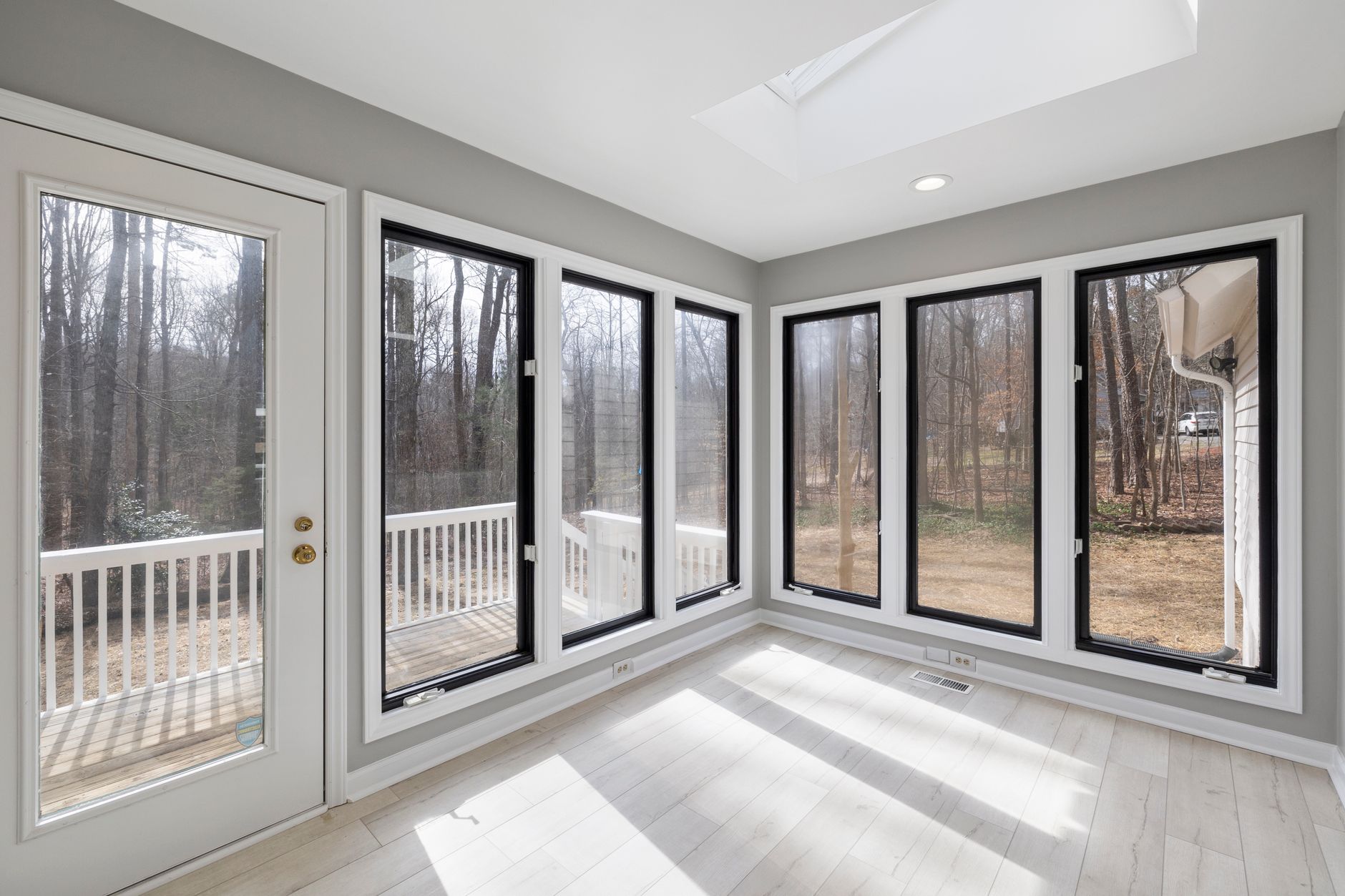
Before diving into the eight best solutions, it helps to understand exactly why sunrooms require a different approach to window treatments than the rest of your home. Jackson, TN’s climate — hot, humid summers and mild but sunny winters — puts sunroom windows under constant stress. The right blind or shade does four jobs at once: controls glare, reduces solar heat gain, blocks UV rays, and enhances the room’s aesthetic. Getting even one of those wrong makes the space uncomfortable or damages your furnishings over time.
The Unique Challenge of Sunroom Light and Heat
Sunrooms are designed to let the outdoors in, but that same exposure creates real problems. In Jackson, TN, summer temperatures regularly climb above 95°F, and a south- or west-facing sunroom can trap heat like a greenhouse. Studies from the U.S. Department of Energy show that up to 76% of sunlight that falls on standard double-pane windows enters as heat. Without the right window treatment, your sunroom becomes unusable from June through August — and your energy bills climb right along with the mercury.
UV radiation is equally damaging. Prolonged exposure fades furniture, flooring, and upholstery by as much as 40–60% faster than shaded interiors. Choosing a window covering that blocks UV rays isn’t just about comfort; it protects a significant home investment.
What Makes Sunroom Windows Different from Standard Windows
Sunroom windows differ from typical home windows in three key ways: size, quantity, and angle. Many sunrooms feature floor-to-ceiling glass panels, angled roof windows, or wraparound configurations that standard off-the-shelf blinds simply can’t accommodate. Custom-measured treatments are almost always necessary to achieve a clean, professional look and proper light seal.
Humidity is another factor unique to sunrooms. Because these spaces often bridge indoor and outdoor environments, moisture levels fluctuate more than in a typical bedroom or living room. That’s why material choice — faux wood over real wood, for instance — matters enormously in a sunroom setting.
1. Solar Shades — the Sunroom Workhorse

If you ask most window treatment specialists what single product they’d recommend for a sunroom, solar shades top the list almost every time. They’re engineered specifically for high-sun environments, they preserve your outdoor view, and they come in dozens of colors and openness levels to match any décor. For homeowners in Jackson, Lexington, and Henderson, TN who want maximum functionality without sacrificing the airy feel of their sunroom, solar shades are the logical starting point.
How Solar Shades Work
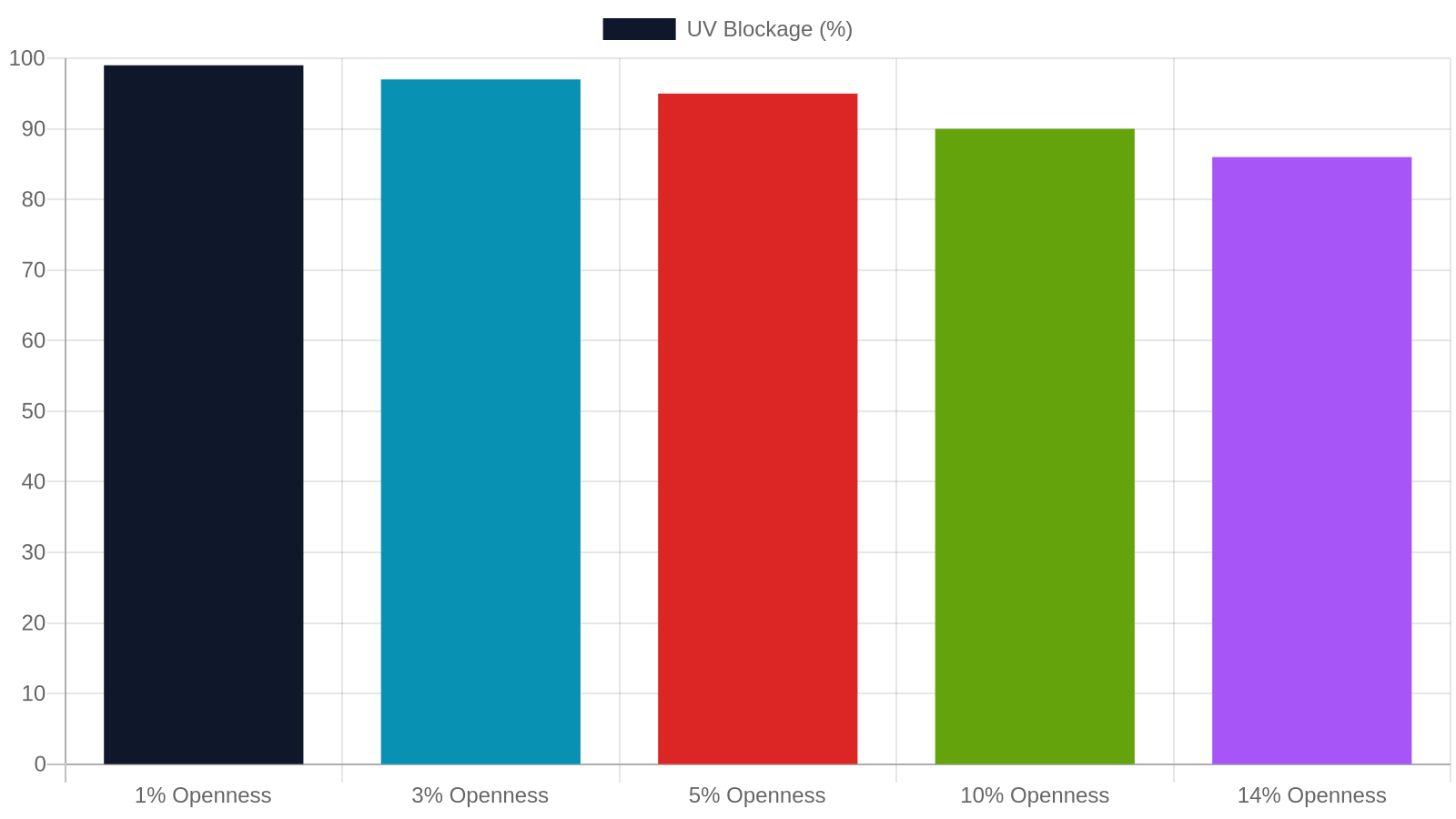
Solar shades are woven from a specially engineered mesh fabric that filters sunlight rather than blocking it entirely. The key spec to understand is openness factor — expressed as a percentage that describes how much light passes through the weave. A 1% openness fabric blocks roughly 99% of UV rays and provides strong glare control; a 10% fabric lets in more daylight and preserves more of your outdoor view.
For Jackson sunrooms with a southern or western exposure, most window treatment professionals recommend a 3–5% openness factor as the sweet spot: enough view preservation to enjoy the outdoors, enough blockage to keep the room cool and glare-free during peak afternoon hours.
Solar Shade Costs and Durability
Custom solar shades for sunroom windows typically run $90–$200 per window installed, depending on size and fabric grade. High-quality solar fabrics carry UV-resistance ratings of 10+ years, making them one of the most durable choices for sun-drenched spaces. Look for fabrics rated GREENGUARD Gold certified if indoor air quality matters to your family.
Solar shades pair beautifully with motorization (covered in Solution 8), allowing you to raise or lower multiple large panels simultaneously with a single remote or smartphone app — a huge convenience in a room with six, eight, or more windows.
2. Cellular (Honeycomb) Shades — Energy Efficiency Champions

West Tennessee summers mean air conditioning runs hard from May through September. Cellular shades address the energy side of sunroom window treatments more effectively than almost any other product. By trapping air in their honeycomb cells, they create a thermal buffer between the hot glass and your living space — reducing the workload on your HVAC system and potentially trimming monthly utility costs. Custom cellular shades for sunroom windows typically range from $120–$280 per window installed.
The Science Behind the Honeycomb Cell
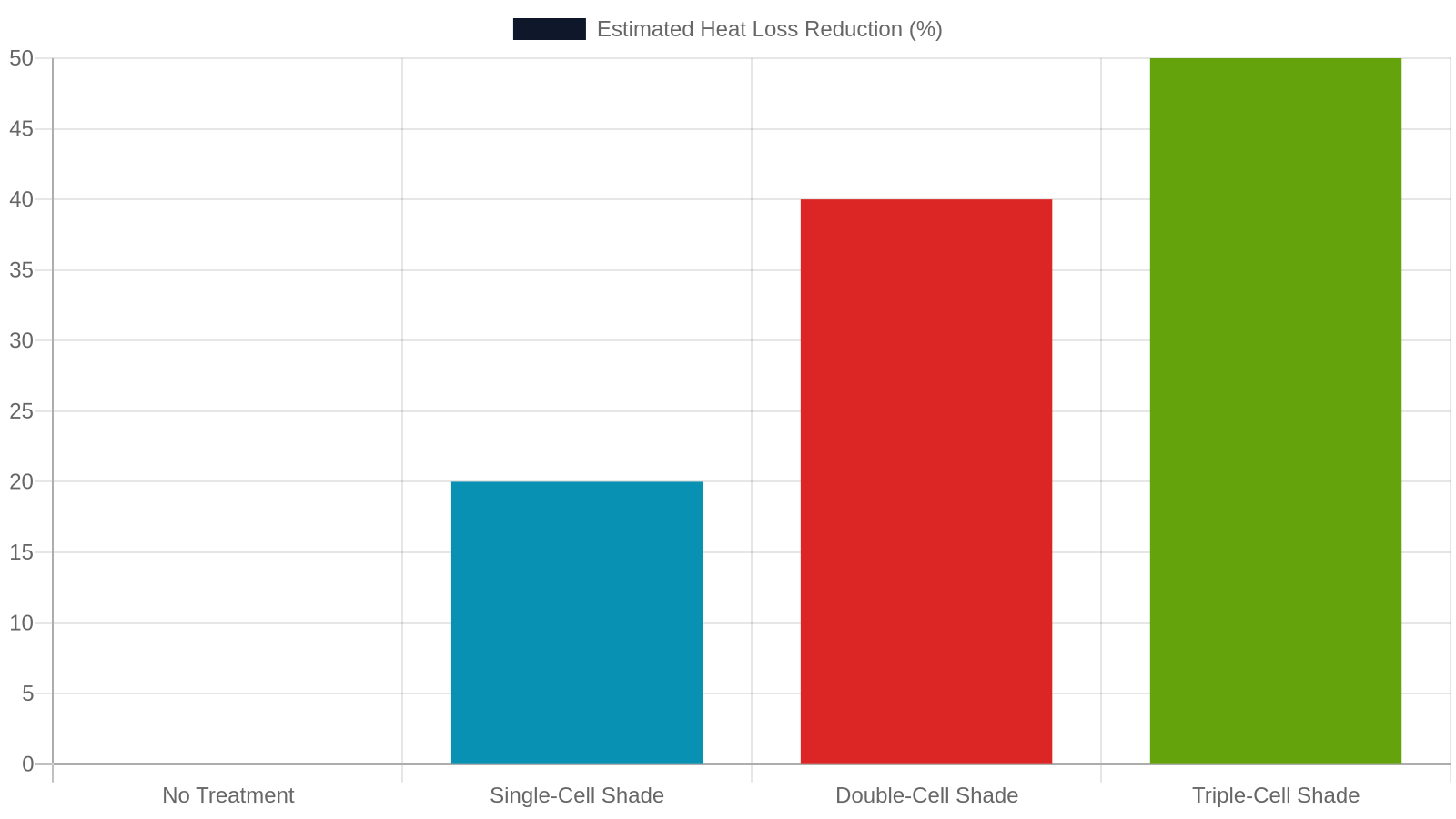
Cellular shades get their name from their cross-section: rows of hexagonal air pockets that act as insulating chambers. Single-cell shades provide basic insulation; double-cell and triple-cell shades add progressively more thermal resistance. The U.S. Department of Energy estimates that properly fitted cellular shades can reduce heat loss through windows by up to 40% in winter and meaningfully reduce solar heat gain in summer — a double benefit for West Tennessee homeowners who pay both heating and cooling bills.
For sunrooms, double-cell shades in a light-filtering fabric offer the best balance: they soften harsh afternoon light into a warm, diffused glow while keeping the room’s temperature more stable throughout the day.
Top-Down/Bottom-Up: a Sunroom Game-Changer
One of the most useful features available on cellular shades is the top-down/bottom-up (TDBU) configuration. In a sunroom, this means you can lower the top of the shade to block harsh overhead sun while leaving the bottom raised to preserve your ground-level garden view. TDBU cellular shades cost roughly 15–25% more than standard configurations but are consistently rated by homeowners as one of the most practical upgrades available for sunroom spaces.
Cellular shades are also among the quietest window treatments — no slat rattle in the breeze, no cord clatter — which helps maintain the peaceful, retreat-like atmosphere most sunroom owners are after.
3. Faux Wood Blinds — Humidity-Proof and Handsome
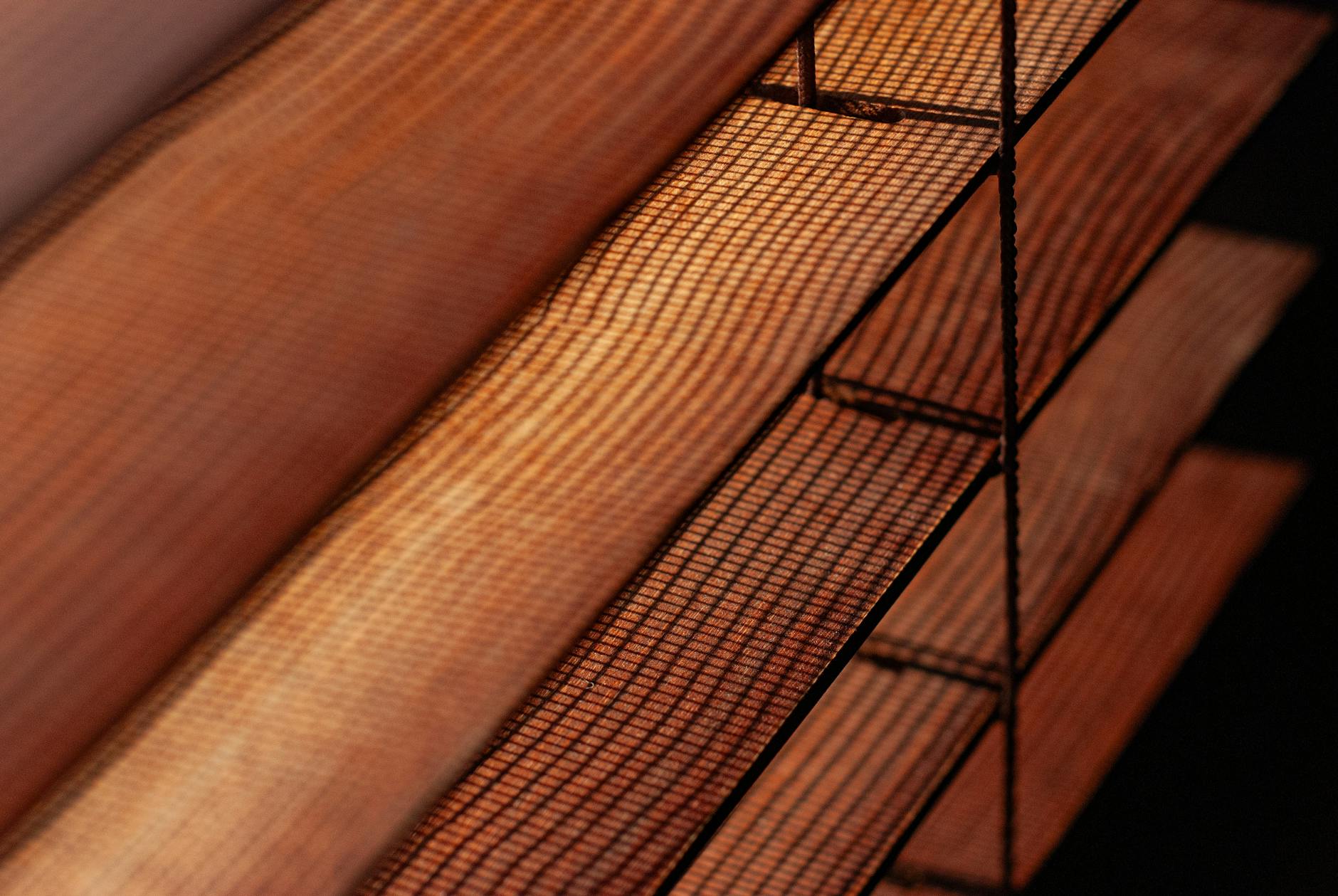
For Jackson, TN sunrooms where style and durability both matter — and where the budget needs to stay reasonable — faux wood blinds are a perennial favorite. They offer the classic, tailored look of real wood blinds without the vulnerability to West Tennessee’s heat and humidity. Whether your sunroom is a cozy reading nook or a full-scale entertaining space, faux wood blinds provide clean lines and precise light control through adjustable slats.
Why Real Wood Fails in Sunrooms
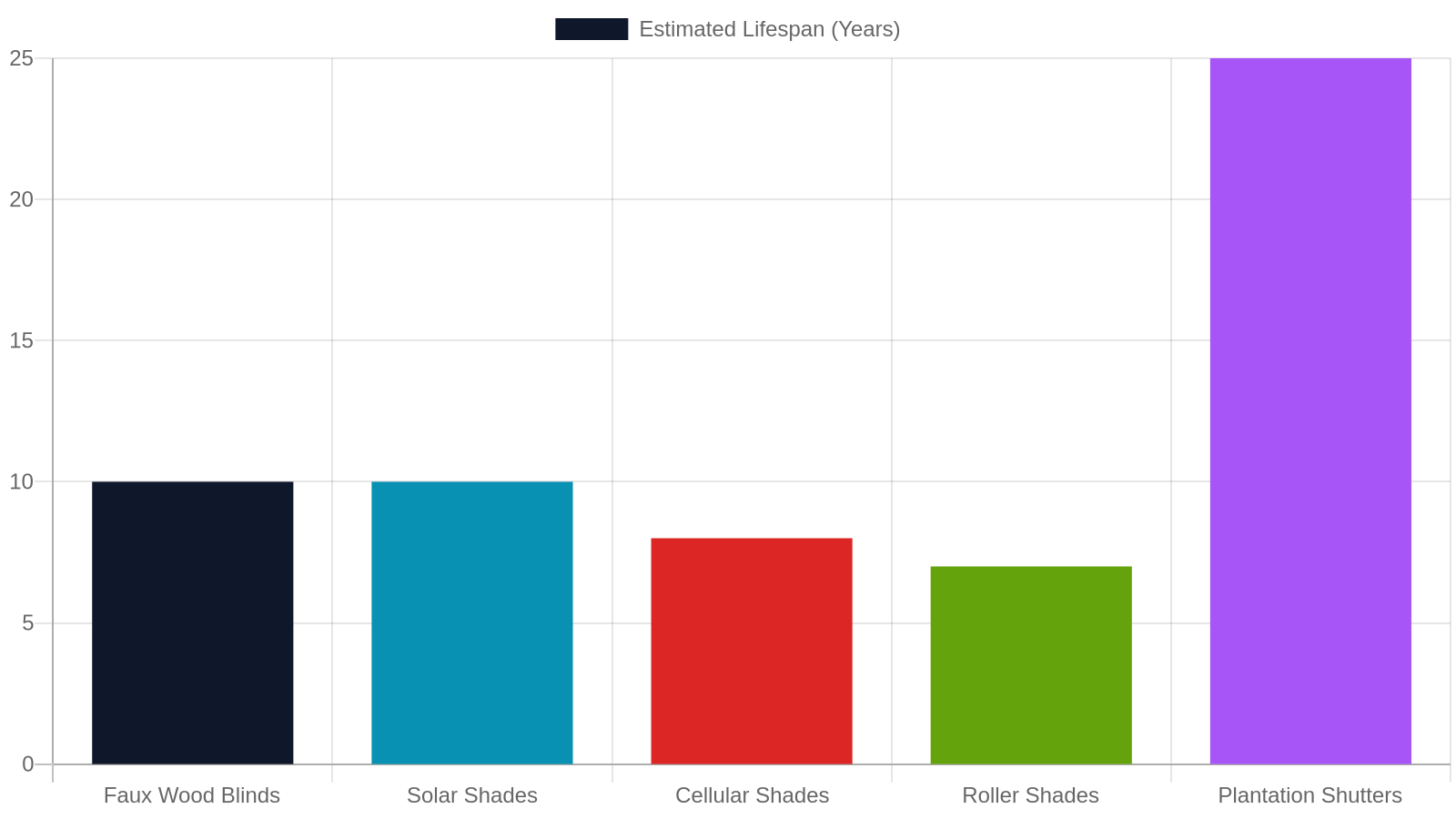
Real wood blinds are beautiful, but sunrooms are genuinely hostile to natural wood. The combination of direct sunlight, temperature swings, and elevated humidity causes real wood slats to warp, crack, and fade within 2–5 years in high-exposure environments. Many homeowners discover this the hard way after investing in premium wood blinds only to replace them a few seasons later.
Faux wood blinds — made from a composite of PVC and wood particles, or from solid PVC — are engineered to resist all three threats. They won’t warp in humidity, won’t crack in heat, and their factory-applied finish resists UV fading far longer than stained real wood.
Style Options and Price Points
Modern faux wood blinds are nearly indistinguishable from real wood at a glance. They’re available in 2-inch and 2.5-inch slat widths, in dozens of painted and woodgrain finishes ranging from bright white to espresso. For sunrooms with a traditional or transitional design aesthetic, faux wood blinds deliver the warm, classic look of wood without the maintenance headaches.
Custom faux wood blinds for sunroom windows typically cost $80–$180 per window installed — often the most budget-friendly option among custom treatments. Blinds Galore carries a wide selection of faux wood styles suited to Jackson-area homes; you can explore our faux wood blind options to see current finishes and configurations.
4. Plantation Shutters — the Premium Long-Term Investment
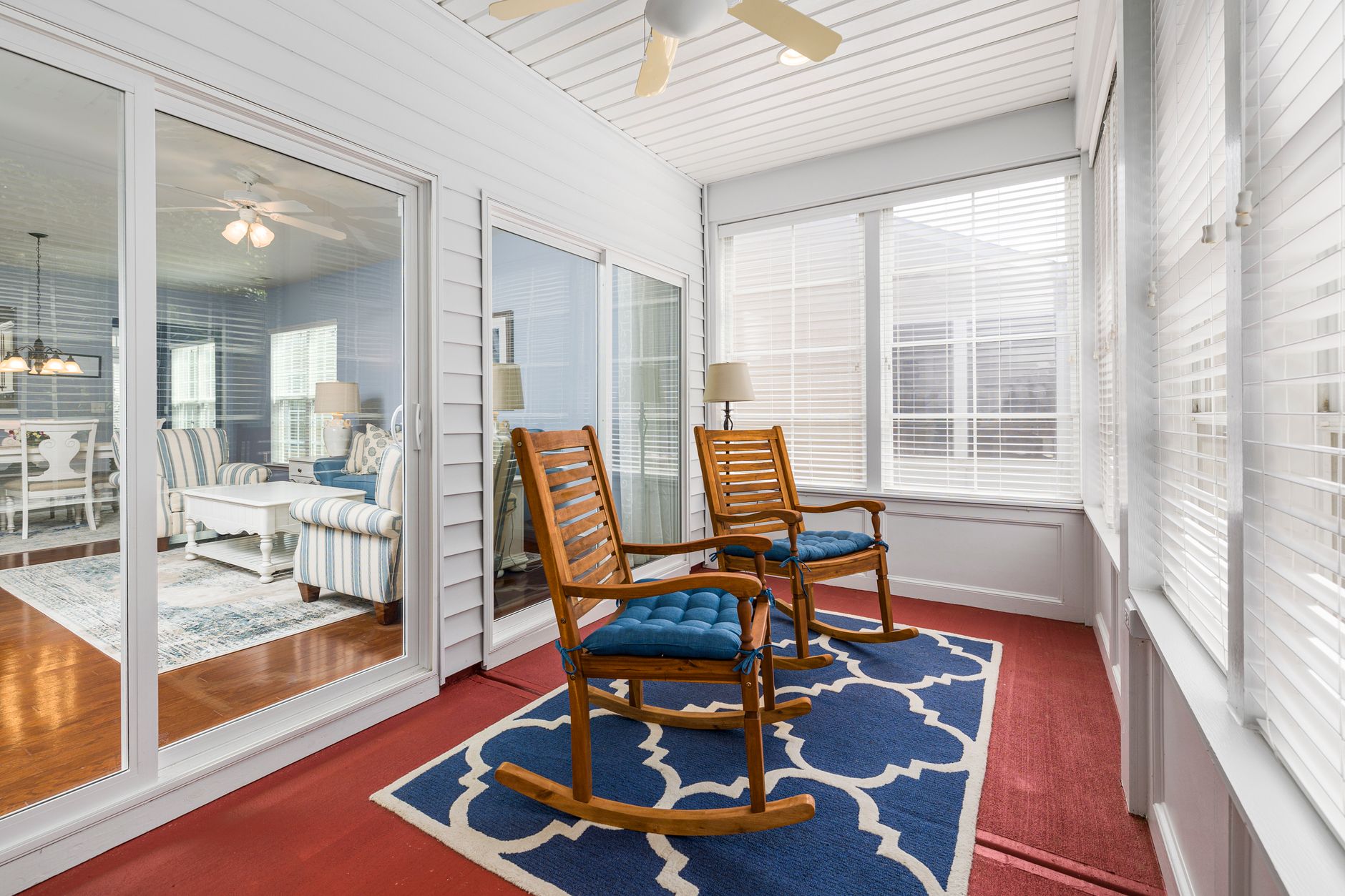
If you’re planning to stay in your Jackson home for many years and want a window treatment that looks custom-built (because it is), plantation shutters are the gold standard. They’re the most durable, most architecturally integrated, and most visually impressive option available for sunroom windows. The upfront cost is higher than other solutions, but the lifespan — often 20–30 years with minimal maintenance — makes the per-year cost competitive with fabric shades that need replacing every 7–10 years.
What Sets Plantation Shutters Apart
Plantation shutters are the only window treatment that becomes a permanent architectural feature of your home. Custom-built frames fit flush into the window opening, and wide louvers — typically 3.5 or 4.5 inches — allow precise control over light direction and airflow. In a sunroom, you can angle the louvers to bounce light toward the ceiling (brightening the room without glare) or tilt them downward to block direct afternoon sun while maintaining privacy.
Because plantation shutters are custom-built for each window opening, they handle non-standard sunroom configurations — angled roof panels, arched windows, odd-shaped frames — far better than any fabric shade or blind. They’re also the only treatment that adds measurable resale value to a home, with some real estate studies citing a return of up to 80% of installation cost at resale.
Material Choices for Sunroom Shutters
For sunrooms specifically, poly-resin or composite shutters outperform real wood for the same reasons faux wood blinds do: they resist warping, cracking, and moisture damage. High-quality composite shutters carry warranties of 10–25 years, making them a true set-it-and-forget-it investment. Custom plantation shutters typically run $200–$400+ per window installed, reflecting their handcrafted nature and longevity.
If you’re considering shutters for your Jackson sunroom, our team at Blinds Galore can walk you through every option during a free in-home consultation. Visit our custom built shutters page to see styles and get inspired before your appointment.
5. Roller Shades — Clean, Modern, and Versatile
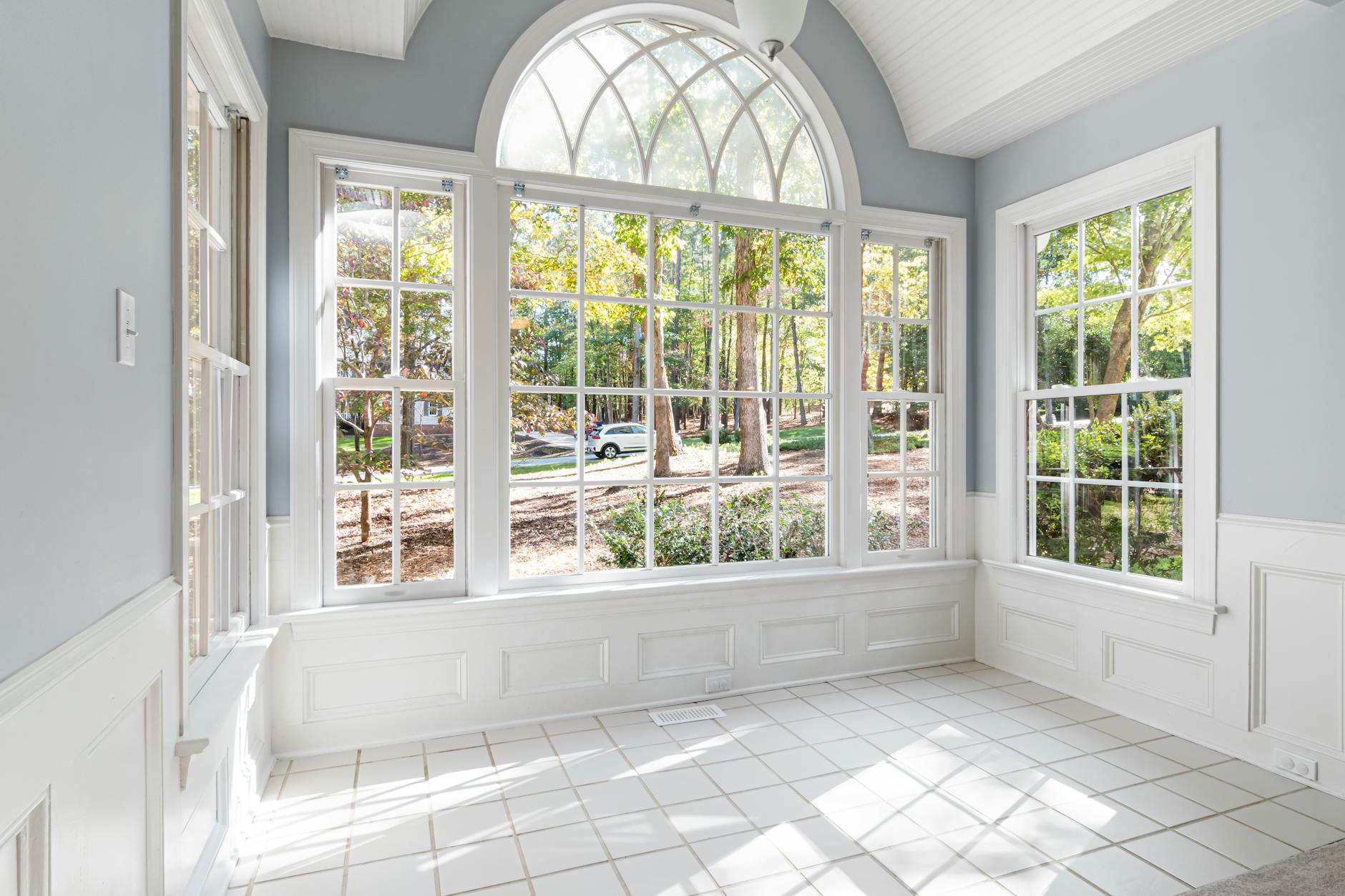
Roller shades are the minimalist’s answer to sunroom light control. Their clean, streamlined profile suits modern and transitional sunroom designs where you want the window treatment to recede visually rather than make a statement. They’re also one of the most customizable options in terms of fabric choice, color, and opacity — making them a strong fit for homeowners in Milan, Henderson, and across West Tennessee who want a tailored look without the complexity of shutters or cellular shades.
Light-Filtering vs. Blackout Roller Shades
Roller shades come in a spectrum of opacities, from sheer light-filtering fabrics that soften sunlight into a warm glow, all the way to room-darkening and blackout fabrics that block virtually all light. For a sunroom, the most popular choice is a light-filtering or semi-opaque fabric — one that reduces glare and UV exposure without making the room feel like a cave during the day.
Many Jackson homeowners opt for roller shades in a dual-shade configuration: a light-filtering shade for daytime use paired with a blackout shade on the same hardware for evenings or naps. This dual system costs roughly $150–$300 per window installed but gives you complete control over the room’s light level at any hour.
Fabric and Pattern Options
One of roller shades’ biggest advantages is the sheer variety of fabric options available. From crisp white linens to bold geometric prints, custom roller shades can be tailored to match any sunroom décor — coastal, farmhouse, contemporary, or traditional. UV-resistant fabrics are available in most collections and are strongly recommended for sunroom installations where direct sun exposure is constant.
Roller shades are also one of the easiest treatments to keep clean: most fabrics can be wiped down with a damp cloth, and some are even rated for light moisture exposure — useful in sunrooms that open to a pool or patio area.
6. Vertical Blinds — the Smart Choice for Sliding Doors and Wide Spans
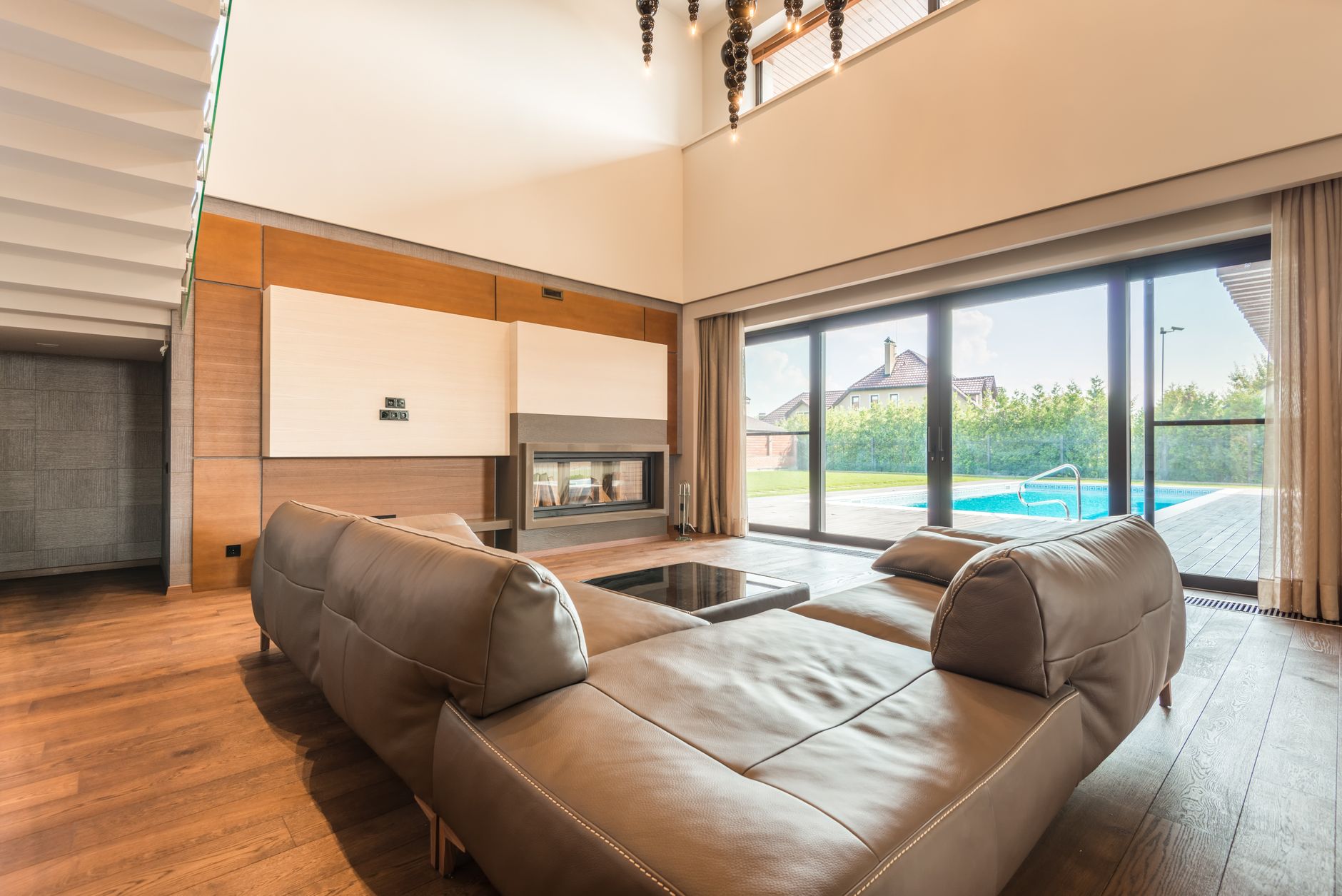
Vertical blinds are often overlooked in favor of trendier options, but for sunrooms with sliding glass doors or wide window banks, they remain one of the most practical and cost-effective solutions available. Their ability to handle large spans without sagging, combined with easy side-stacking operation, makes them uniquely suited to the way most sunrooms are actually used — as active, high-traffic spaces that connect the home to the outdoors.
When Vertical Blinds Make Sense in a Sunroom
Many sunrooms feature sliding glass doors or wide panoramic windows that span 6, 8, or even 12 feet. Horizontal blinds and shades become impractical at these widths — they’re heavy, difficult to operate, and prone to sagging. Vertical blinds are specifically designed for wide horizontal spans and sliding door applications, with individual vanes that stack neatly to one side when open and rotate precisely to control light direction when closed.
For sunrooms with direct patio or deck access, vertical blinds offer a practical advantage: you can slide them open in seconds to step outside without disturbing the rest of the window treatment. This ease of operation makes them a favorite among Jackson homeowners who use their sunroom as a transitional indoor-outdoor living space.
Modern Vertical Blind Materials
Today’s vertical blinds have come a long way from the clunky vinyl vanes of the 1990s. Modern options include fabric vanes, faux wood vanes, and solar-mesh vanes that provide the same UV-filtering benefits as solar shades in a vertical format. Fabric vanes in particular offer a soft, elegant look that suits contemporary sunroom designs. Custom vertical blinds for wide sunroom openings typically run $120–$250 per opening installed, making them one of the more affordable solutions for large-format windows.
8 Sunroom Window Treatment Solutions at a Glance
Use this side-by-side comparison to quickly evaluate each solution against the factors that matter most for your Jackson, TN sunroom.
7. Woven Wood Shades — Natural Texture with Sunroom Charm
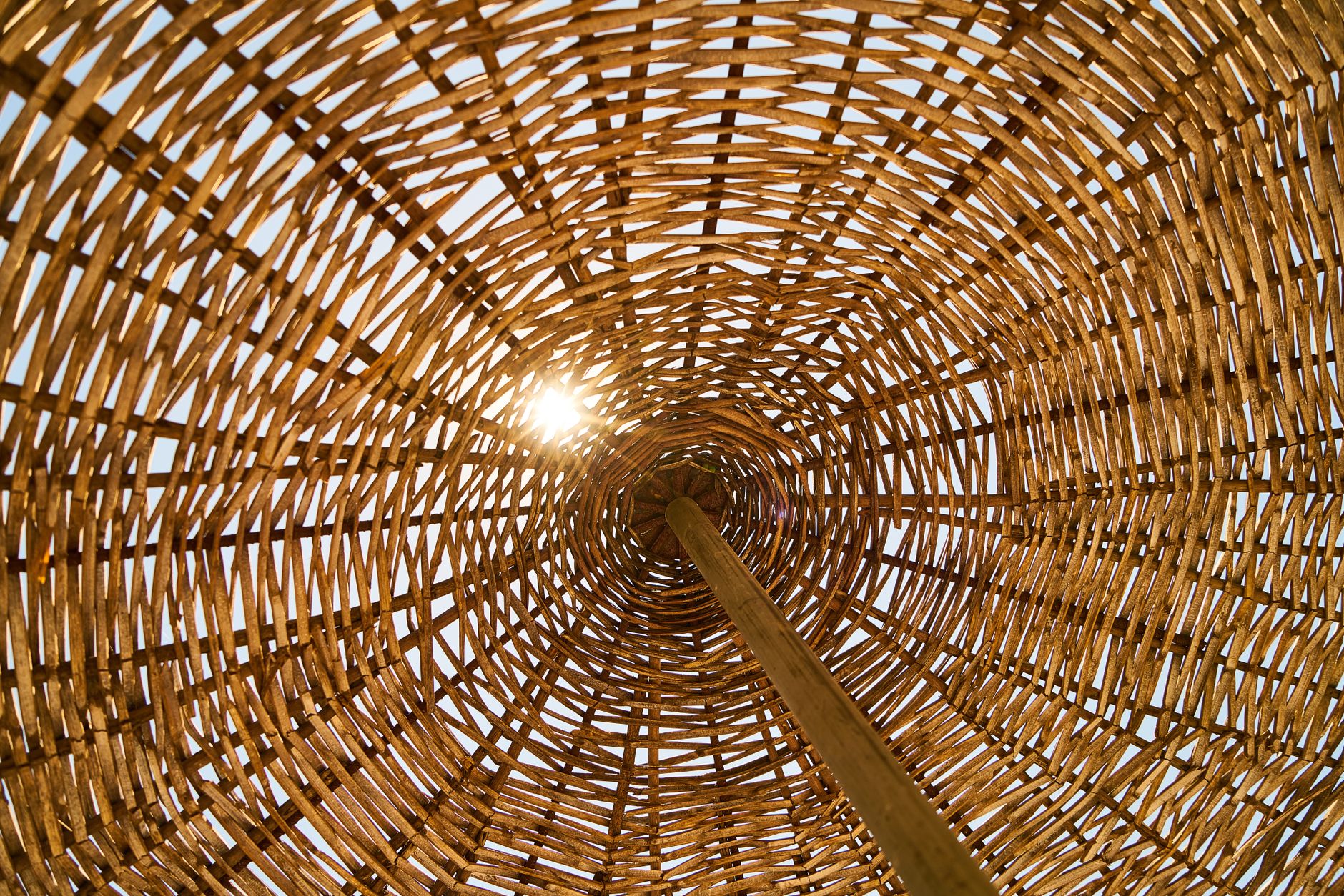
Woven wood shades bring a warmth and organic texture to sunrooms that no synthetic product can fully replicate. If your sunroom has a garden-inspired, coastal, or natural design theme, woven wood shades are often the finishing touch that pulls the whole room together. They’re also a conversation piece — guests notice them in a way they rarely notice a plain roller shade. The key is choosing the right material for your specific sunroom’s environment, which is where professional guidance makes a real difference.
Materials and Light Filtering Characteristics
Woven wood shades — also called bamboo shades or natural shades — are made from grasses, reeds, jute, bamboo, or a blend of natural fibers woven into a flexible panel. Their open weave structure allows filtered, dappled light to pass through, creating a warm, organic glow that suits sunrooms with a botanical, coastal, or bohemian aesthetic. Most woven wood shades filter roughly 50–80% of incoming light depending on the weave tightness, without fully blocking the view.
For UV protection, woven wood shades can be ordered with a privacy liner or blackout liner sewn to the back of the panel. The liner adds UV blockage and privacy while preserving the natural texture visible from inside the room. Lined woven wood shades cost approximately $130–$250 per window installed.
Humidity Considerations for Natural Fiber Shades
Here’s the honest caveat: natural fiber shades are more susceptible to humidity damage than synthetic alternatives. In a Jackson sunroom that stays well-climate-controlled, they perform beautifully for 5–10 years. In a sunroom that’s frequently open to outdoor air or experiences significant temperature swings, natural fibers can develop mold, warping, or brittleness over time.
The solution is to choose a bamboo or seagrass blend rather than pure jute or grass, as these materials are more moisture-resistant. Ask your Blinds Galore consultant about which woven wood materials are best suited to your specific sunroom’s ventilation and humidity profile during your free in-home visit.
8. Motorized Window Treatments — Smart Control for Complex Sunrooms
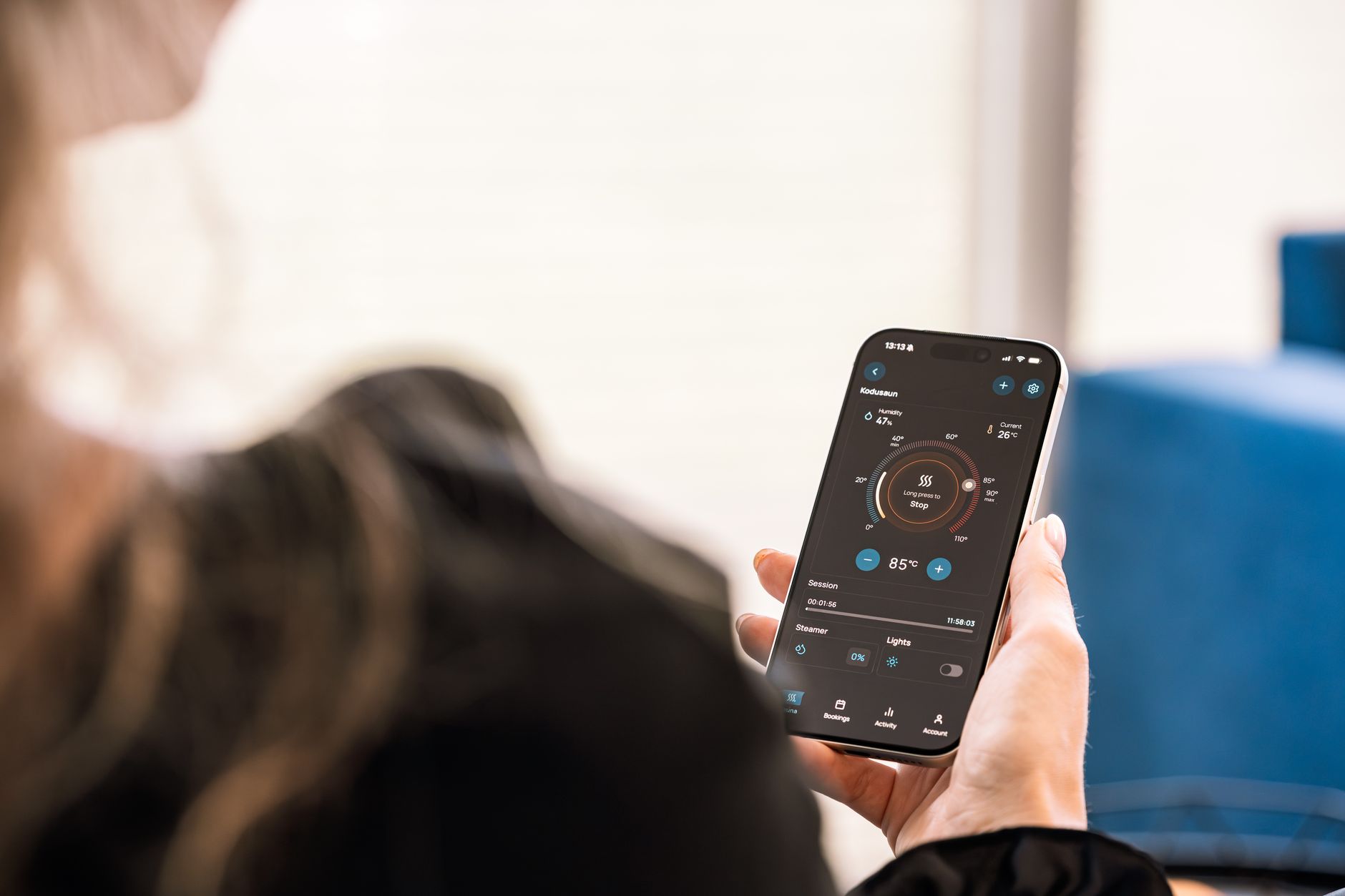
Motorization is the upgrade that transforms a collection of good window treatments into a truly smart sunroom system. It’s especially valuable in sunrooms with many windows, hard-to-reach panels, or homeowners who want to automate light and temperature management throughout the day. While motorization adds to the upfront cost, it’s compatible with virtually every treatment covered in this guide — solar shades, cellular shades, roller shades, and more — making it a flexible add-on rather than a separate product category.
Why Motorization Makes Sense in a Sunroom
Sunrooms often have windows in hard-to-reach locations: high on angled walls, above doorways, or in roof panels. Manually operating blinds in these spots requires a step stool at best and is genuinely impractical at worst. Motorized window treatments solve this completely. With a single remote, wall switch, or smartphone app, you can raise or lower every shade in the room simultaneously — or program them to adjust automatically based on time of day or sunlight intensity.
Smart home integration is increasingly popular in Jackson-area new construction and remodels. Motorized shades from leading brands integrate with Amazon Alexa, Google Home, Apple HomeKit, and SmartThings, allowing voice control and automation routines. Imagine your sunroom shades automatically lowering at 2 PM on summer afternoons to block peak heat — then rising again at 6 PM to let in the evening light.
Cost and Battery vs. Hardwired Options
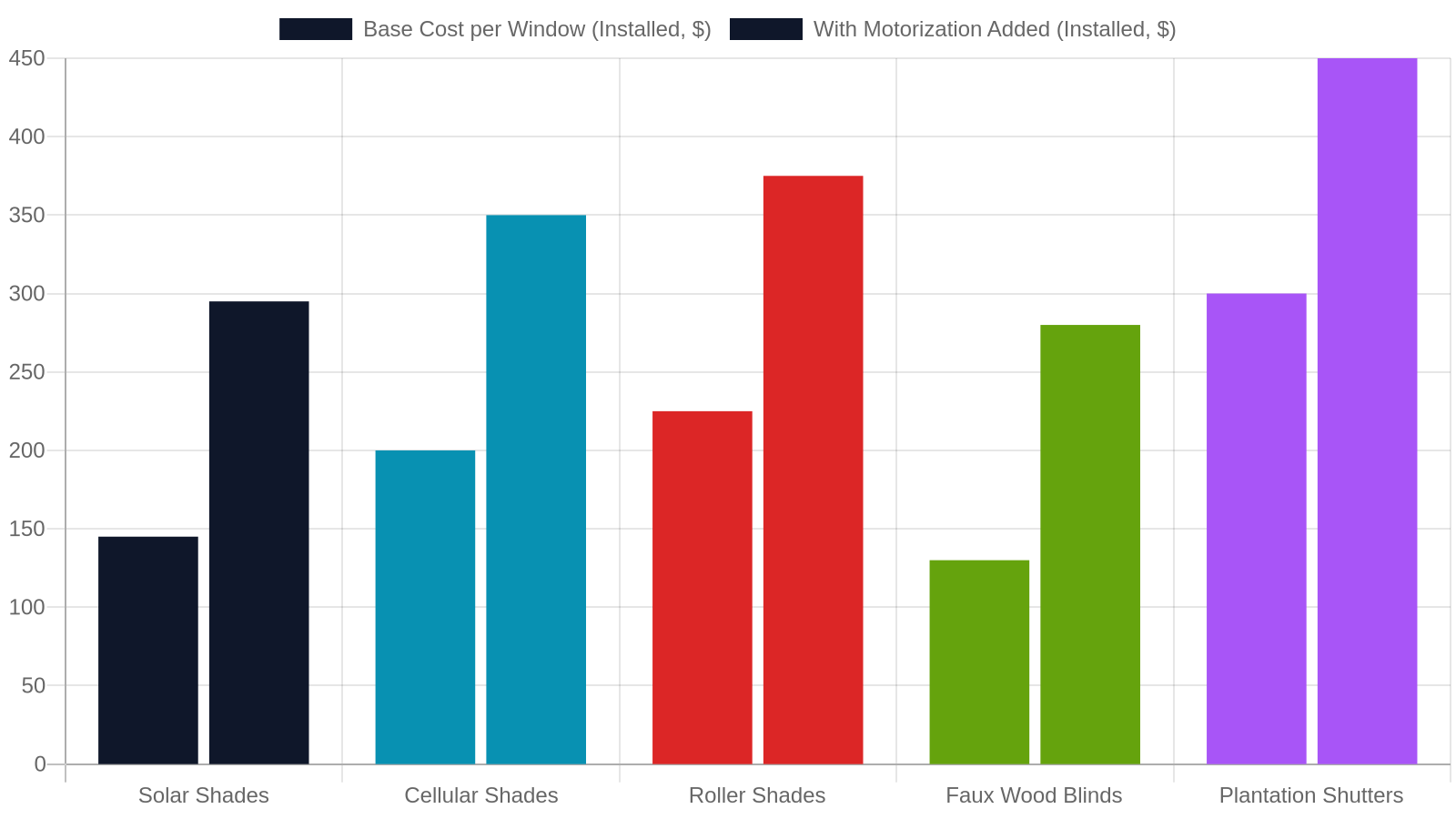
Motorization adds approximately $100–$200 per window to the cost of any shade or blind. For a sunroom with eight windows, that’s an additional $800–$1,600 — a meaningful investment, but one that pays dividends in convenience and energy savings over time. Most motorized shades today run on rechargeable lithium battery packs that last 6–18 months per charge, eliminating the need for electrical wiring. Hardwired options are also available for new construction or renovation projects where wiring can be planned in advance.
For sunrooms with solar shades, cellular shades, or roller shades, motorization is particularly impactful because it allows you to fine-tune light levels throughout the day without getting up from your chair — making the sunroom a genuinely comfortable, all-day living space regardless of the season.
How to Choose the Right Solution for Your Sunroom
With eight strong options on the table, the challenge isn’t finding a good solution — it’s finding the right solution for your specific sunroom. The best choice depends on a combination of factors: your sunroom’s orientation, the size and shape of your windows, your design preferences, your budget, and how you actually use the space. The following framework helps narrow the field quickly.
Match the Treatment to Your Sunroom's Orientation
The direction your sunroom faces is the single biggest factor in choosing a window treatment. South-facing sunrooms receive intense light all day and need strong UV blockage — solar shades at 1–3% openness or plantation shutters are ideal. West-facing sunrooms get brutal afternoon heat and glare; cellular shades or motorized solar shades with automation work best. East-facing sunrooms enjoy gentle morning light and can handle lighter treatments like woven wood shades or 5–10% solar shades. North-facing sunrooms rarely need heavy light control and can use almost any treatment primarily for aesthetics.
Budget, Timeline, and Lifestyle Factors
Beyond orientation, three practical factors shape the right choice:
- Budget: Faux wood blinds and vertical blinds offer the lowest entry cost ($80–$180/window). Plantation shutters and motorized systems sit at the premium end ($250–$450+/window).
- Timeline: Custom treatments typically require 3–6 weeks from measurement to installation. If you need a faster solution, some in-stock roller shade fabrics can be custom-cut and installed in 1–2 weeks.
- Lifestyle: Households with young children or pets benefit from cordless or motorized options for safety. Frequent entertainers may prefer the dramatic look of plantation shutters. Remote workers using the sunroom as a home office often prioritize glare control above all else.
Ready to Transform Your Jackson Sunroom? Here's Your Next Move
You’ve done the research — now it’s time to see these solutions in person, in your own home, with your own lighting and décor. The difference between an okay sunroom and a truly great one often comes down to the window treatments, and getting them right is exactly what Blinds Galore has been doing for West Tennessee homeowners for nearly two decades. Here’s how to take the next step with confidence.
What to Expect from a Blinds Galore In-Home Consultation
Blinds Galore brings the showroom directly to your Jackson, TN home — no driving across town, no guessing whether a sample will match your walls. During your free in-home consultation, a trained specialist will measure every window precisely, show you fabric and material samples in your actual lighting conditions, and recommend the solutions best suited to your sunroom’s orientation, style, and budget. There’s no pressure and no obligation — just expert guidance tailored to your home.
With over 18 years of experience serving Jackson, Lexington, Henderson, Milan, and the surrounding West Tennessee communities, Blinds Galore has outfitted hundreds of sunrooms with custom window treatments. Every installation is backed by a 100% satisfaction guarantee — if something isn’t right, we make it right.
Stay Informed and Explore More Ideas
Choosing window treatments is a big decision, and the more informed you are, the happier you’ll be with the result. We regularly publish guides, tips, and product spotlights on the Blinds Galore blog — covering everything from energy-saving shade strategies to the latest trends in custom shutters and motorized systems. It’s a great resource to bookmark as you plan your sunroom upgrade.
You can also explore our full range of custom shades online to see the breadth of options available before your consultation. When you’re ready to get started, call us at (731) 571-5179 or visit our contact page to schedule your free in-home measurement. We look forward to helping you make your Jackson sunroom the most comfortable room in the house — all year long.
Frequently Asked Questions
What are the best blinds for a sunroom with a lot of direct sunlight?
Solar shades with a 1–5% openness factor are the top choice for high-sun sunrooms. They block 95–99% of UV rays, reduce glare significantly, and preserve your outdoor view. Plantation shutters and cellular shades are strong alternatives if you want more insulation or a more architectural look.
Will regular blinds warp or fade in a sunroom?
Real wood blinds and low-quality fabric shades can warp, crack, or fade within 2–5 years in a sunroom environment due to heat, UV exposure, and humidity fluctuations. Choose faux wood blinds, composite plantation shutters, or UV-rated solar and roller shade fabrics specifically designed for high-sun applications.
How much do custom sunroom blinds cost in Jackson, TN?
Custom sunroom window treatments in the Jackson, TN area typically range from $80–$180 per window for faux wood blinds, $90–$200 for solar shades, $120–$280 for cellular shades, and $200–$400+ for plantation shutters — all installed. Motorization adds roughly $100–$200 per window on top of the base cost.
Are motorized blinds worth it for a sunroom?
Yes, especially for sunrooms with many windows, hard-to-reach panels, or a desire for automated light management. Motorized shades can be programmed to lower automatically during peak afternoon heat, reducing cooling costs and improving comfort without manual effort. They're compatible with Alexa, Google Home, and Apple HomeKit.
Do I need a professional to measure and install sunroom blinds?
Professional measuring is strongly recommended for sunrooms because of non-standard window sizes, angled panels, and wide spans. Even small measurement errors can result in ill-fitting treatments that let in light around the edges or don't operate correctly. Blinds Galore offers free in-home measuring and professional installation throughout the Jackson, TN area.
What window treatment is best for a sunroom sliding glass door?
Vertical blinds are the most practical choice for sunroom sliding glass doors because they stack neatly to one side for easy access and handle wide horizontal spans without sagging. Motorized roller shades are a sleeker alternative if you prefer a more modern look and don't mind a slightly more complex operation.
You might also like
7 Best Custom Blinds for Sunrooms and Screened Porches in Jackson, TN
Quick answer: The best custom blinds for sunrooms and screened porches in Jackson, TN balance UV protection,
Faux Wood Blinds vs Cellular Shades: Your 9-Point Guide for West Tennessee Sunrooms
Quick answer: For West Tennessee sunrooms and screened porches, faux wood blinds win on moisture resistance,
7 Best Custom Shades for Jackson TN Bedrooms: Light and Privacy Guide
Quick answer: The best custom shades for Jackson, TN bedrooms balance light control, privacy, and style
How to Measure Windows for Custom Shades: Your 9-Step Guide for Jackson, TN Homes
Quick answer: To measure windows accurately for custom shades in Jackson, TN, you need a steel tape measure,
Plantation Shutters vs. Faux Wood Blinds: Which Adds More Resale Value in Jackson, TN?
Quick answer: For Jackson, TN homeowners weighing resale impact, custom interior plantation shutters
How to Compare Plantation Shutters, Blinds, and Shades Using Product Videos in Jackson, TN
Quick answer: Choosing between plantation shutters, blinds, and shades in Jackson, TN comes down to four