

What Are Woven Wood Shades? Natural & Stylish
Some rooms in West Tennessee feel finished the minute you walk in. The light is soft. The windows don’t look bare. The space has warmth without feeling heavy. Then there are the rooms that almost get there, but something’s missing.
A lot of homeowners around Jackson run into that exact problem. They want a window treatment that feels more inviting than a plain roller shade, less formal than drapery, and softer than a hard blind. They also need something that works with our mix of bright sun, humidity, and everyday living.
That’s where woven wood shades come in. If you’ve been asking what are woven wood shades, the short answer is simple. They’re shades made from natural materials such as bamboo, reeds, grasses, and jute, woven together to create texture, filtered light, and an easy organic look. The better answer takes a little more unpacking, especially if you’re trying to choose the right style for a home in the Jackson area.
Bringing Natural Style to West Tennessee Homes
A common scene goes like this. You repaint the walls, swap in a new rug, maybe add a lamp or two, and the room still feels flat when the afternoon sun hits the windows. The furniture may be right, but the window treatment doesn’t bring any life into the space.
That’s why woven woods have become such a smart fit for homes across West Tennessee. They add texture in a way paint never can. They also soften a room without making it feel fussy, which matters whether your house leans farmhouse in Medina, traditional in Jackson, or a little more relaxed and collected out toward the smaller towns.
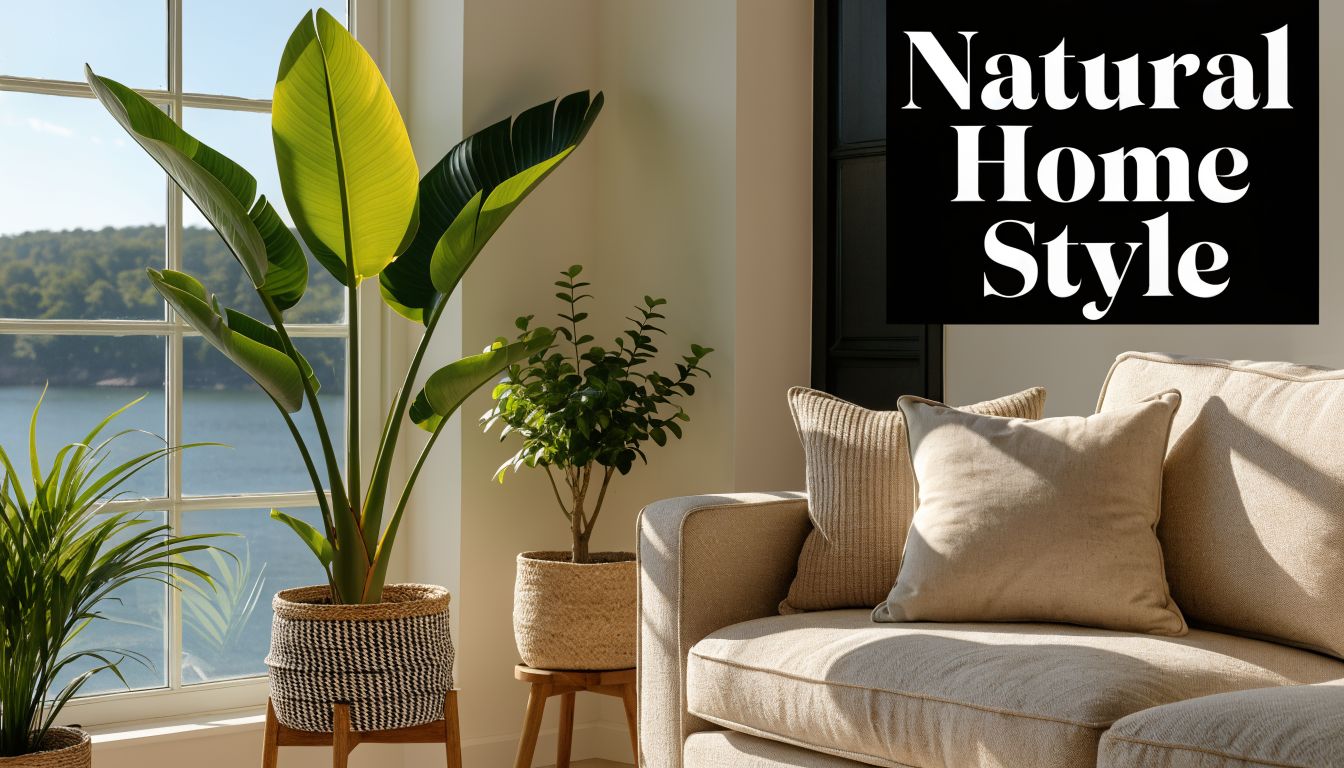
What I like most about them is that they don’t feel trendy in a disposable way. Woven wood shades trace their roots back to around 3000 BC, when Egyptians used woven papyrus for early window coverings, and that long design history has now stretched across over 5,000 years of use and refinement, which helps explain why they still look right in modern homes today, as noted in the history of window treatment trends.
Local note: In West Tennessee, the right woven shade can make a bright room feel calmer without taking away the daylight you actually want.
They’re not just there to cover glass. They act more like a design layer. When the weave catches morning light in a breakfast nook or softens late sun in a living room, the whole room reads warmer and more settled.
The Art of the Weave Understanding Materials and Texture
A woven wood shade is best thought of as natural texture built into a working shade. It raises and lowers like a standard shade, but the surface has depth, variation, and little imperfections that make it feel more like furniture or basketry than a flat manufactured product.
That’s what confuses some people at first. They hear “woven wood” and assume every shade looks the same. It doesn’t. The material mix changes the personality of the window treatment quite a bit.
What they’re made from
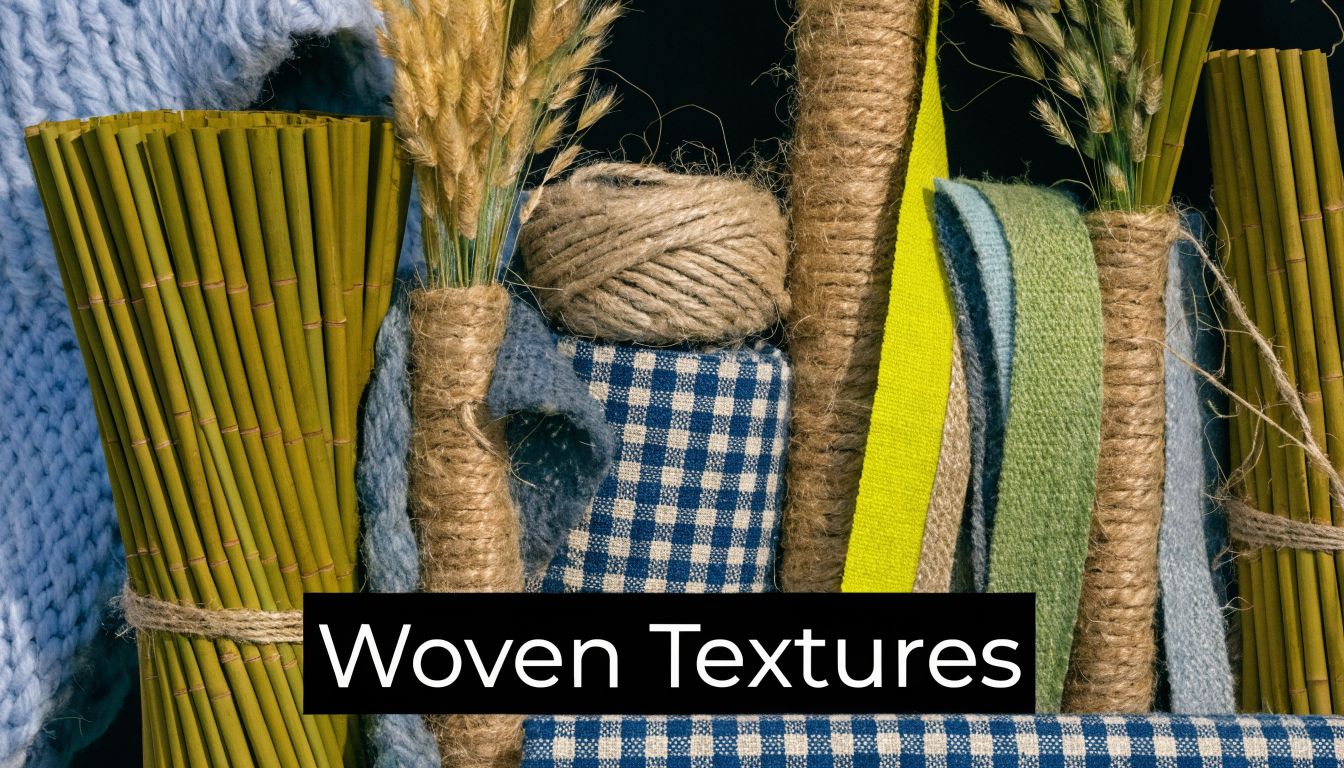
Woven wood shades are commonly made from natural fibers such as bamboo, jute, kenaf, ramie, reeds, and grasses. Those materials are selected for color, texture, and durability, then woven into a flexible panel that lifts into neat folds when raised.
Here’s how those materials usually read in a room:
- Bamboo tends to look cleaner and more structured. If you like a tidier line and a slightly more polished appearance, bamboo often gets you there.
- Jute usually feels softer and more fibrous. It pairs well with relaxed interiors and rooms that need warmth.
- Reeds and grasses bring more variation. They often show tonal shifts that make the shade feel handcrafted and casual in a good way.
- Mixed natural weaves can land in the middle, giving you texture without looking too rustic.
If you’ve noticed natural materials showing up in lighting, furniture, and decor lately, that broader design shift helps explain why woven woods feel so current. Golden Lighting gives a good visual sense of why natural lights are trending, and many of the same reasons apply at the window.
How texture changes the room
Texture affects more than style. It changes how the room feels during the day.
A tighter, more uniform weave usually looks a little more polished. A looser or more irregular weave feels earthier and more relaxed. Neither is automatically better. It depends on the room, the wall color, and how much visual movement you want.
A good woven wood shade doesn’t try to disappear. It gives the window presence without making the room feel busy.
In a painted, traditional room, a reed or grass weave can keep the space from feeling stiff. In a newer farmhouse interior, bamboo or a more refined mixed weave often adds warmth without fighting the cleaner lines.
One point people often mix up
Woven wood shades are shades, not blinds. They don’t have tilting slats. Instead, the woven material itself filters the light. If you’re weighing hard slats against soft woven fabric, this look at faux wood blinds vs real wood blinds can help clarify where woven woods sit in the bigger window treatment picture.
That difference matters because woven woods give you a gentler effect. Instead of slicing light into bright bands, they tend to soften it.
Designing Your Shades From Style to Operation
Once you understand the material, the next question is usually about customization. Through customization, woven wood shades go from “nice idea” to “that’s exactly what I want on my windows.”
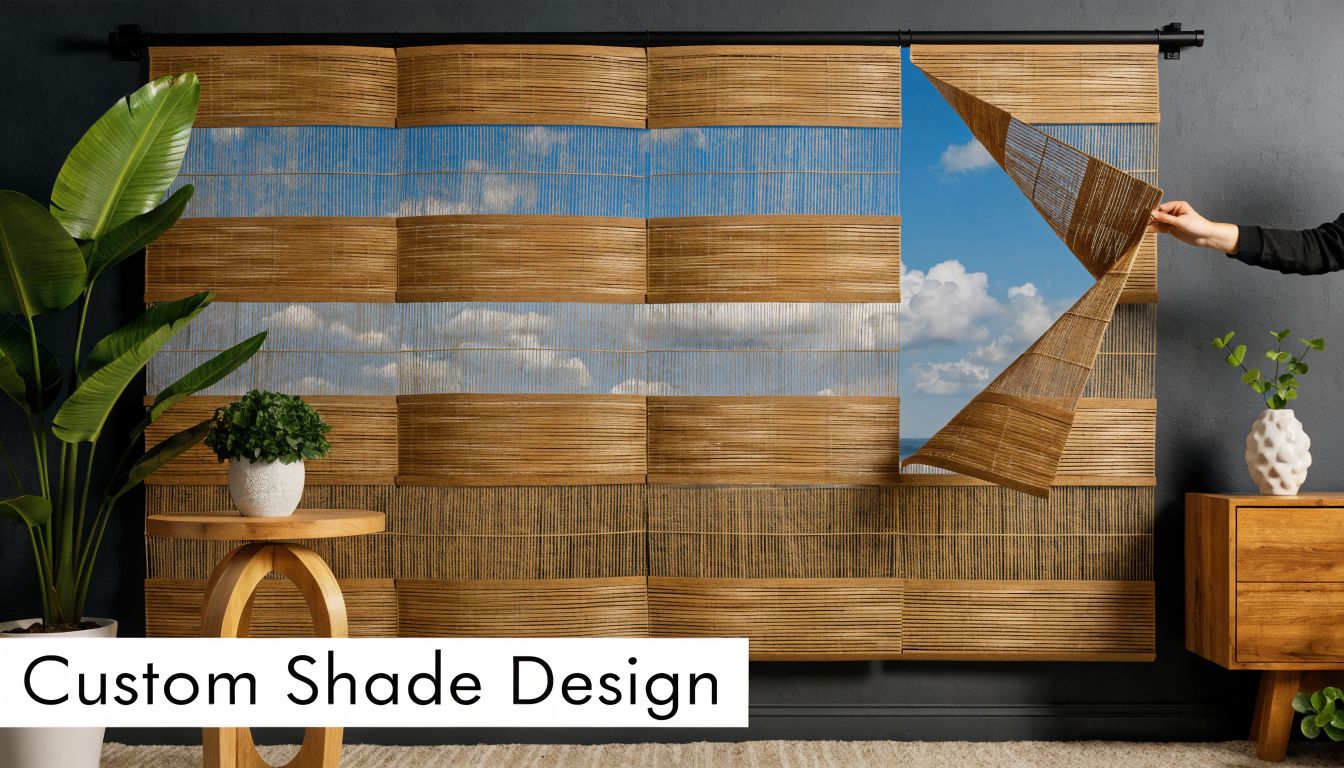
The first choice is the overall look. Some woven woods have a softer Roman-style fold when raised. Others feel a bit cleaner and more refined. The weave may be natural and relaxed, but the finished shade can still look polished.
The look at the window
A woven shade doesn’t just come down to color. It also comes down to how it sits on the window.
A few details make a big difference:
- Flat or softly folded appearance changes whether the shade feels crisp or more relaxed.
- Valances help hide the hardware and give the top of the window a cleaner finish.
- Inside mount or outside mount affects how precise the final installation feels.
For practical sizing, woven wood shades are available in broad width ranges and can work on many standard residential windows. Inside mount depth matters, though, so measuring correctly is a big part of getting the finished look right.
Operation choices that matter in daily life
The second decision is how you want the shade to work every day. This part is easy to underestimate until you live with the product.
Some homeowners want the simplest clean look possible. Others care most about convenience on tall windows, over kitchen sinks, or across a wall of glass.
Here’s the plain-English version:
- Cordless operation keeps the profile neater and is easier for many families to live with.
- Motorization is helpful when windows are hard to reach or when you want multiple shades moving together.
- Top-down/bottom-up options let you lower from the top or raise from the bottom, which is useful when you want daylight without giving up privacy.
Woven woods also stack into overlapping folds when lifted, so they don’t vanish like a roller shade. Some homeowners love that layered look. Others prefer a weave and fold style that stays visually lighter when raised.
A short product video can help if you’re trying to picture the movement and finish on an actual window:
What works well in West Tennessee homes
South- and west-facing windows around here usually need more thought than a shaded front room. In those brighter spots, woven woods can look beautiful, but the weave, liner, and operating system matter more because the sun is more intense in the afternoon.
Practical rule: If the window gets strong late-day sun or is hard to reach, choose performance first, then choose the prettiest weave within that setup.
That approach keeps the shade from being a design-only decision. It becomes a comfort decision too.
Mastering Light and Privacy with Custom Liners
Most buying decisions are won or lost at this juncture. People fall in love with the texture of woven woods, then pause and wonder, “Will these give me enough privacy?”
That’s a fair question. By nature, woven wood shades act like a natural screen. Their semi-open construction diffuses sunlight and softens glare, with visibility often compared to a 10 to 15 percent openness roller shade. In plain terms, they let a room glow instead of turning the window into a bright hard rectangle.
What an unlined shade does well
An unlined woven wood shade is often the right choice in living rooms, dining rooms, and other spaces where you want warmth and filtered daylight.
It can also help protect the room. High-quality woven wood shades can block up to 99% of harmful UV rays, which helps protect flooring, furniture, and artwork from sun damage, as noted in this overview of woven wood shade history and performance.
That said, privacy changes with lighting conditions. During the day, many woven woods feel fairly private. At night, when the lights are on inside, the weave matters much more.
When a liner changes everything
This is why liners matter so much.
A light-filtering liner gives you a softer version of privacy. You still get brightness, but with a more finished, shielded feel. A blackout liner is the stronger option for bedrooms, nurseries, and media rooms where you want the woven look without the see-through effect.
A lot of homeowners assume liners ruin the natural character. Good ones don’t. They’re typically added behind the woven face so you keep the texture on the room side.
- Choose unlined for decorative texture and gentle daylight.
- Choose light-filtering lined for family rooms, street-facing windows, and everyday privacy.
- Choose blackout lined for sleep spaces or rooms where outside light is a problem.
If privacy is your top concern, this guide to the best blinds for privacy helps compare woven woods with other options.
The biggest mistake is buying for daytime looks only. Nighttime privacy is what usually changes the final choice.
Woven Woods vs Other Shades A Practical Comparison
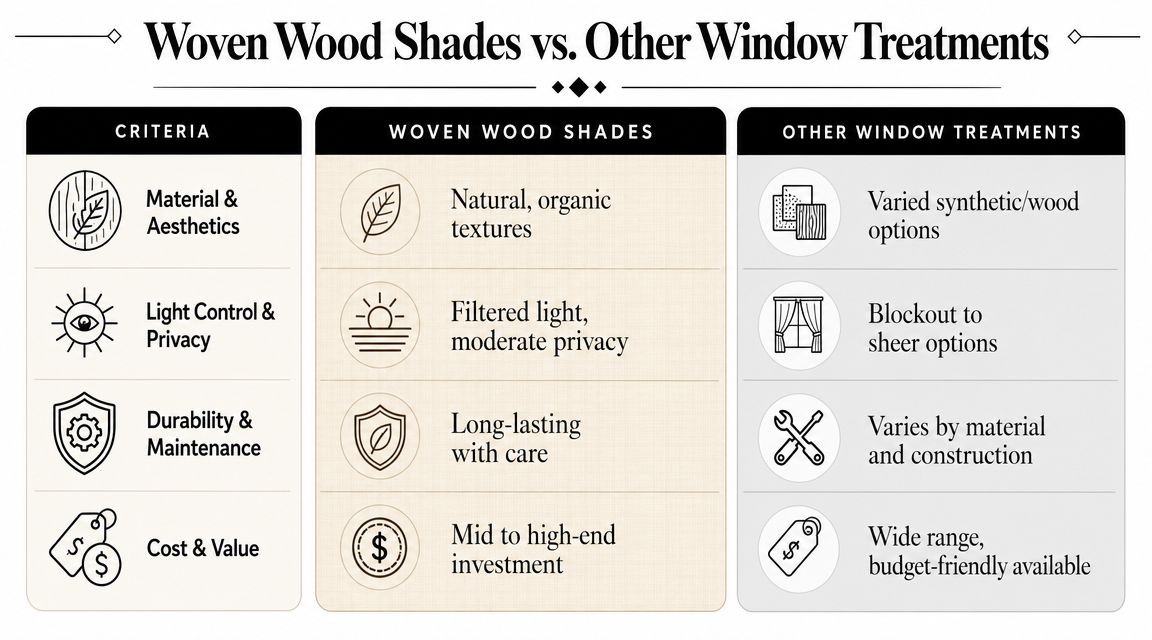
Woven wood shades do some things beautifully. They also have limits. If you compare them against other window treatments, the right choice gets much clearer.
For many West Tennessee homes, the decision comes down to three categories: woven woods, cellular shades, and faux wood blinds. Each solves a different problem.
Where woven woods stand out
Woven woods win on texture and warmth. They make a room feel layered and finished in a way many smooth shades can’t. If your goal is to make a space feel less flat, they’re hard to beat.
Cellular shades win on insulation. Unlined woven woods typically offer an R-value of 1.5 to 2.5, while cellular shades can reach 3.5 to 5.0, making cellular shades about 25 to 40% more effective at reducing heat gain, according to product information for woven wood shade energy comparisons.
Faux wood blinds win on slat control and easy familiarity. They’re often the straightforward choice when homeowners want a classic blind look and simple tilting control.
Window Shade Comparison for West Tennessee Homes
| Feature | Woven Wood Shades | Cellular Shades | Faux Wood Blinds |
|---|---|---|---|
| Aesthetic | Natural texture, organic look | Clean, soft, simple | Structured, classic blind appearance |
| Light control | Filtered light, improved with liners | Wide range from light filtering to room darkening | Strong control through tilting slats |
| Privacy | Moderate unlined, stronger with liner | Strong, depending on fabric choice | Good when closed |
| Insulation | Modest without liner | Strongest of the three | Moderate |
| Best fit | Living rooms, dining rooms, layered natural interiors | Bedrooms, sun-heavy windows, energy-focused rooms | Kitchens, baths, traditional spaces |
| Maintenance feel | Gentle dusting and light care | Low-profile upkeep | Easy wipe-down routine |
That table won’t choose for you, but it does frame the decision the right way. If style and filtered light matter most, woven woods make a strong case. If energy performance is the main goal, cellular shades may come out ahead.
How to decide without overthinking it
A simple way to narrow it down is to ask what problem you’re solving first.
- If the room feels cold or plain, woven woods usually help most.
- If the room gets hot fast, cellular shades deserve a close look.
- If you want tilt control and a more traditional blind, faux wood is often the practical choice.
If you like gathering ideas from broader home-furnishing guides, Tip Top Furniture & Mattresses has a helpful article on choosing window treatments for your Albany home. The location is different, but the style decision process is still useful.
And if you’re still sorting out the basic categories, this explanation of the difference between blinds and shades clears up a lot of confusion before you buy.
Lifespan Maintenance and Cost Expectations
Woven wood shades are a crafted product, so it’s reasonable to ask how they hold up. The good news is that quality versions are built for real use, not just showroom looks.
Many bamboo and reed weaves are designed to last over 10 years with minimal fading, and some show under 5% color loss after 1,000 hours of UV exposure. Their natural makeup is also resistant to mildew, which is especially helpful in humid conditions, according to the performance details noted earlier.
What maintenance actually looks like
Care is usually simpler than people expect. You’re not scrubbing them down every week.
Most of the time, upkeep looks like this:
- Regular dusting with a soft cloth, feather duster, or brush attachment
- Gentle vacuuming when the weave collects more dust than a quick pass can remove
- Light attention to spills or spots, without soaking the material
Keep woven woods in the category of “careful cleaning,” not “hard cleaning.” They’re durable, but they’re still made from natural fibers.
What affects lifespan most
The biggest factors aren’t mysterious. They’re sunlight, moisture, and fit.
A well-made shade that’s measured correctly and used in the right room tends to age much better than one forced into a poor installation or exposed to the wrong conditions. That matters in West Tennessee, where humidity can creep up and strong sun can hit certain windows hard for hours.
What to expect on cost
Woven wood shades usually sit in the mid- to premium end of the market because they’re more design-driven and more specialized than a basic blind. Material choice, liner selection, size, and operating system all change the final quote.
That’s why broad price shopping online can be misleading. Two woven wood shades may look similar in a photo and perform very differently once you add lining, mount style, and lift system.
If budget is your main filter, compare categories first. If the finished look matters most, woven woods are often worth pricing accurately in person.
Your West Tennessee Woven Wood Shade Experts
Woven wood shades are a strong choice when you want softness, texture, and a more custom look at the window. They fit a lot of homes in this part of Tennessee because they can feel relaxed without looking unfinished, and polished without feeling too formal.
They also work best when someone helps you match the weave, liner, mount, and operation to the room. That’s especially true around Jackson, where bright sun, humidity, and mixed home styles can change what works from one window to the next.
If you’d like help choosing the right woven woods for your space, Blinds Galore makes the process easy with in-home guidance, custom install, and 100% satisfaction as the standard. Instead of guessing from small online samples, you can see options in your own lighting and get measured correctly the first time.
Call (731) 571-5179 when you’re ready to talk through your windows with a local expert who understands West Tennessee homes.
If you’re ready to bring natural texture and better light control into your home, schedule a consultation with Blinds Galore. You’ll get local guidance, professional measuring, custom install, and a 100% satisfaction approach that makes choosing woven wood shades much easier. Call (731) 571-5179 to get started.
You might also like

Best Plantation Shutter Brands – 2026 Review
If you're looking at your windows right now and thinking the room needs more polish, better privacy,
What Are Plantation Shutters Made Of
You're probably looking at a window right now thinking the same thing a lot of West Tennessee homeowners
Contemporary Roman Shades: Modern Styles for Your Home
You know the feeling. Your old blinds work, but they don't do your room any favors. They look hard,
Sliding Glass Window Treatments for Your West TN Home
That sliding glass door probably does two jobs at once in your home. It opens your living space to the
Vertical Blinds vs Horizontal Blinds: The Definitive Homeowner’s Guide
When you're trying to decide between vertical and horizontal blinds, it really comes down to your
Cordless Blinds vs Corded Blinds A Modern Homeowner’s Guide
When you're weighing the pros and cons of cordless blinds vs corded blinds, the verdict for today's