


Colored Exterior Shutters: A West TN Homeowner’s Guide
A lot of West Tennessee homeowners reach the same point. The front of the house looks fine, but not finished. The siding is clean, the landscaping is decent, and the entry looks serviceable, yet the whole exterior still feels flat. That’s usually where colored exterior shutters move from being a decorative extra to being the feature that gives the home some definition.
In this part of Tennessee, shutters have to do more than look good on installation day. They need to hold color through strong summer sun, handle humidity without turning into a maintenance project, and fit the style of the house instead of looking like an afterthought. A black shutter on red brick can look sharp. A muted green on a painted farmhouse can look even better. But the wrong material or finish will show problems fast.
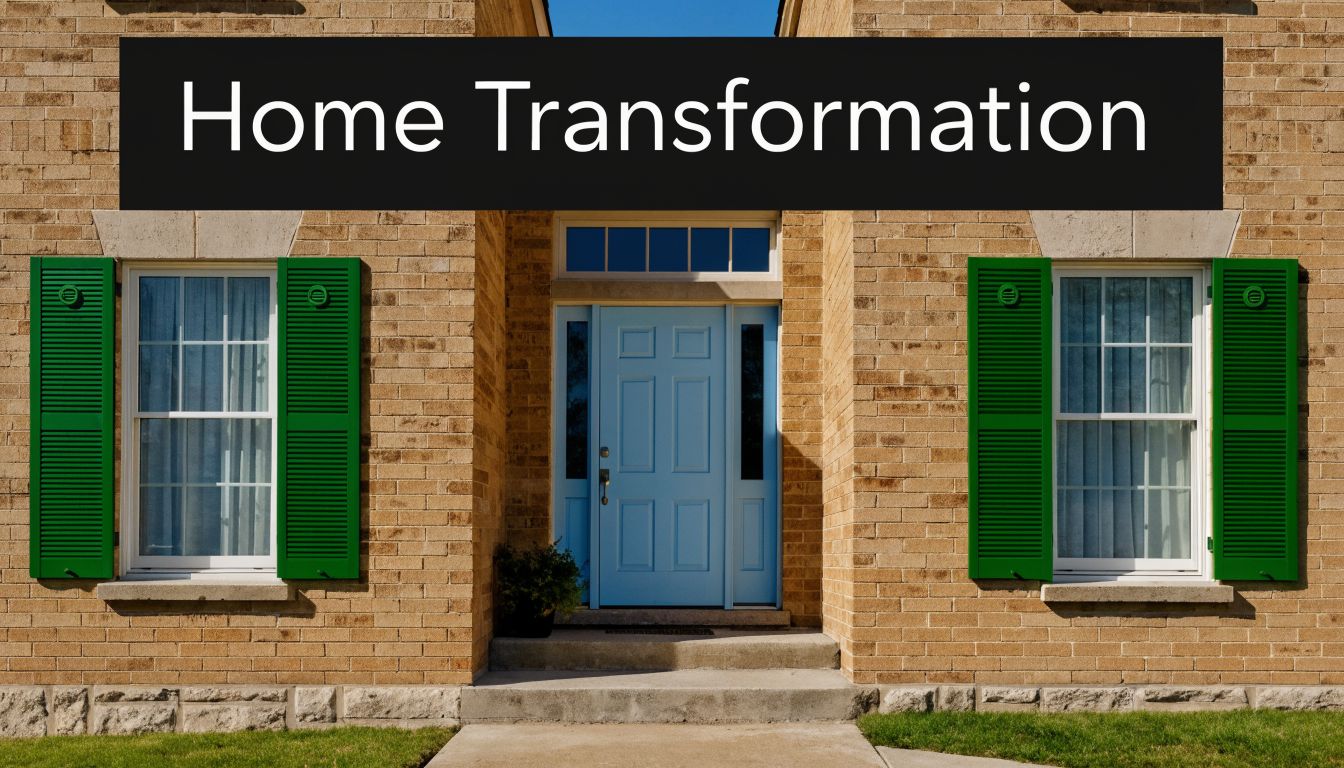
Transform Your Home with Colored Exterior Shutters
Colored exterior shutters work because they change the face of the house without changing the structure. They frame windows, balance the scale of the front elevation, and give plain siding or brick a stronger architectural rhythm. On homes around Jackson, Dyersburg, Humboldt, and Milan, that often means using shutters to pull together the door color, trim tone, and masonry so the exterior reads as one design instead of a collection of parts.
There’s also a reason shutters still matter architecturally. Exterior shutters first appeared in ancient Greece as security features, then evolved in the 18th century into louvered designs that became iconic on Southern U.S. homes for ventilation and protection from heat and storms, a history noted by the evolution of exterior shutters. That heritage still shows up today. The best shutters don’t just add color. They look like they belong on the house.
What colored shutters do well
Some exterior upgrades get attention because they’re expensive. Shutters get attention because they’re visible. When they’re proportioned right and colored right, they can:
- Define the windows so the house looks more custom
- Break up large walls on long ranch homes or newer builds
- Support the home’s style whether that’s Colonial Revival, farmhouse, or a simple brick traditional
- Tie together accent colors from doors, roofing, trim, or stone
That last point is often underestimated. A shutter color doesn’t live on its own. It sits next to brick undertones, white trim, roof shingles, soffits, gutters, porch columns, and landscaping. The choice has to work with all of it.
Practical rule: If the shutter color looks good on a sample board but fights the brick or siding in full daylight, it’s the wrong color.
What doesn’t work
Homeowners usually regret one of three things. They choose a color that’s too trendy for the house, a shutter that’s too small for the window, or a cheap finish that fades before the rest of the exterior ages. All three problems are avoidable if the selection happens on site, in real light, against the actual home.
That’s where custom install matters. A shutter that fits the architecture and is installed correctly looks intentional. One that’s undersized or poorly placed looks decorative in the wrong way.
If you want help sorting through style, material, and finish choices, call (731) 571-5179. The right result starts with seeing samples at your home, measuring correctly, and making sure the final look matches the house. That’s how custom install should work, and it should come with 100% satisfaction behind it.
Choosing Your Shutter Material for the Tennessee Climate
Material choice decides whether your shutters stay attractive or become one more exterior headache. In West Tennessee, heat and humidity expose weak materials fast. What looks fine in a showroom can twist, fade, crack, or start looking tired once it spends a few seasons on a south-facing wall.
Wood looks authentic but asks for upkeep
Wood still has visual appeal. On the right home, especially older brick or traditional architecture, wood shutters can give the most natural look. They also offer flexibility if you want a specific painted finish or a more historically appropriate profile.
The trade-off is maintenance. In our climate, wood needs attention. Moisture, sun, and repeated expansion and contraction are tough on paint and joints. If a homeowner wants the look of wood, that’s reasonable, but it only works long term when they go in knowing they’ll need to stay ahead of upkeep.
Wood is usually the right fit for the homeowner who values traditional character more than low maintenance.
Composite is the best performer for tough conditions
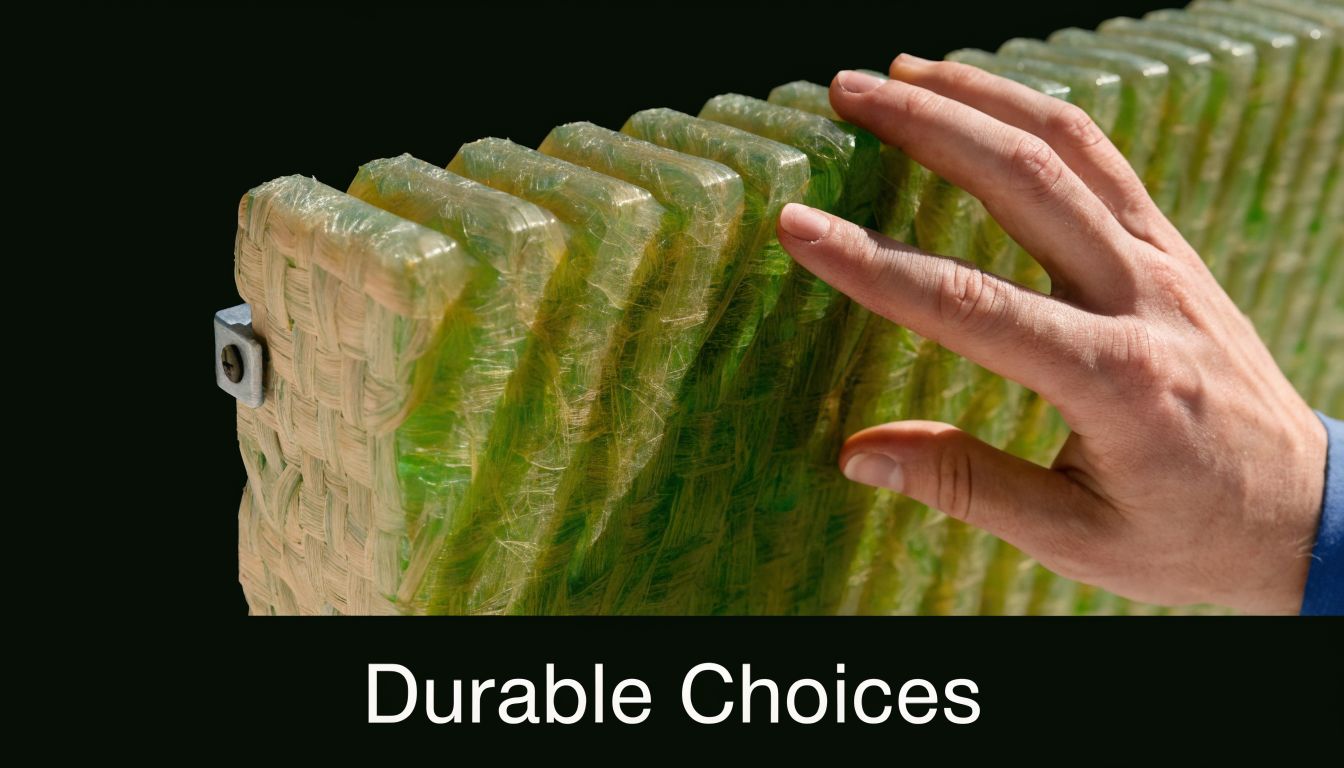
For many West Tennessee homes, polymer composite shutters are the smartest balance of strength, scale, and color durability. According to architectural exterior shutter specifications from Royal Corinthian, polymer composite shutters reinforced with aluminum can span up to 45 inches wide without sagging, and they often carry a lifetime warranty on both the product and the Sherwin-Williams Polane paint finish.
That matters on larger front windows where undersized shutters look wrong and weaker materials can lose shape. It also matters in high sun. A finish engineered with solar reflective properties gives you a better shot at holding color over time.
Here’s a deeper look at one common comparison in local projects: vinyl shutters vs wood.
Composite makes sense when the house needs larger shutters, a factory-grade finish, and less risk of sagging or shape loss over time.
Vinyl has a place, but quality varies
Vinyl can be a practical choice when the goal is a clean look with less maintenance. The problem is that “vinyl” covers a wide range of products. Basic vinyl can look thin or feel temporary. Better vinyl products hold up much better, especially when the color is part of the material itself rather than just sprayed on the surface.
That distinction is where homeowners either save themselves years of frustration or create it. Cheap vinyl often wins on price and loses on appearance.
A short visual can help if you're comparing material types and profile options before choosing:
A practical material guide for local homes
| Material | Best for | Main advantage | Main concern |
|---|---|---|---|
| Wood | Historic and traditional homes | Authentic appearance | Ongoing maintenance |
| Polymer composite | Larger windows, high-exposure walls, long-term durability | Strong construction and premium finish | Higher upfront investment |
| Vinyl | Simpler upgrades and lower-maintenance installs | Easy care | Quality varies a lot |
The best material isn’t the one with the best sales pitch. It’s the one that fits the house, the exposure, and the owner’s tolerance for upkeep. Around here, that usually means being honest about how much direct sun the front elevation gets, how humid the site stays, and whether the homeowner wants to repaint in a few years. Owners generally prefer not to.
Factory-Finished vs Custom-Painted Shutters
Finish choice is where many shutter projects either hold up beautifully or start aging early. Homeowners often focus on the color itself and skip over how that color gets onto the shutter. That’s a mistake. On exterior shutters, the finish system matters almost as much as the material underneath it.
Why factory finishes usually last longer
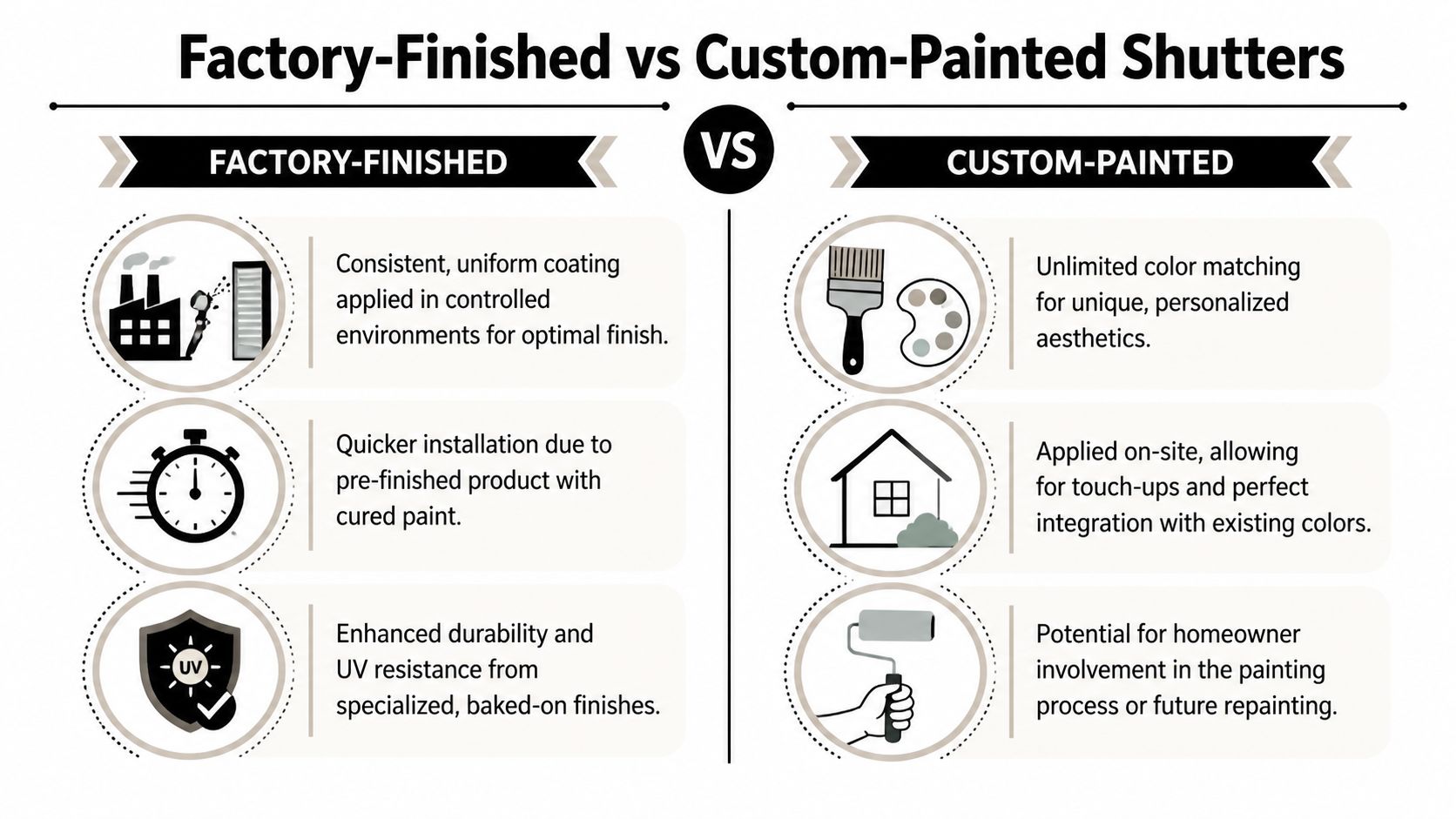
A good factory finish has one major advantage. It’s applied under controlled conditions. That usually means better consistency, stronger adhesion, and fewer shortcuts than a site-applied paint job.
This is especially important with colored exterior shutters that will sit in full sun. Premium factory systems are designed for weather exposure, and some products are built so the color isn’t just on the surface.
A strong example is molded-through vinyl. According to Shutterland’s vinyl shutter measurements and material guidance, molded-through colored vinyl shutters use integral pigmentation and are proven to maintain vibrancy for over 50 years in real-world exposure based on accelerated weathering tests. The same source notes they come in about 19 standard colors and are designed to be maintenance-free, unlike wood shutters that can fade 20-30% within 5 years without upkeep.
That’s a meaningful difference in the field. If the color runs through the material, you’re not relying on a surface coat alone to keep the shutter looking consistent.
Where custom painting still makes sense
Custom painting has one clear advantage. It gives you freedom. If the home needs an exact match to a front door, a historic trim color, or a difficult brick undertone, site painting may be the only way to get there.
That said, custom-painted shutters need realistic expectations. The quality depends on prep, product choice, weather conditions during application, and future maintenance. Homeowners sometimes like the idea of “we can always repaint later.” They usually like it less when later arrives.
A good way to think about this trade-off is the same way contractors think about other exterior finish systems. This comparison on choosing fence finishes for Ottawa fences is useful because it shows the broader principle well. Controlled finishes tend to win on consistency and durability, while field-applied finishes win on flexibility.
Factory finish is usually the better durability play. Custom paint is usually the better color-match play.
The decision in plain terms
Use this framework when deciding:
- Choose factory-finished shutters if you want the least maintenance, stronger finish consistency, and product warranties that depend on the original coating.
- Choose custom-painted shutters if the home needs a very specific color match that standard palettes won’t deliver.
- Avoid repainting molded-through vinyl unless the manufacturer clearly allows it. Some products are designed to keep their warranty integrity only when left in their factory state.
Quick comparison
| Finish type | Best strength | Best use case | Main trade-off |
|---|---|---|---|
| Factory-finished | Consistency and long-term weather performance | Most standard residential projects | Fewer color options than custom paint |
| Custom-painted | Precise color matching | Unique homes and exact coordination jobs | More maintenance risk over time |
For most homeowners, factory-finished wins because it removes variables. That doesn’t mean custom-painted is wrong. It just means custom-painted should be chosen on purpose, not because it sounds easier.
How to Select the Perfect Shutter Color
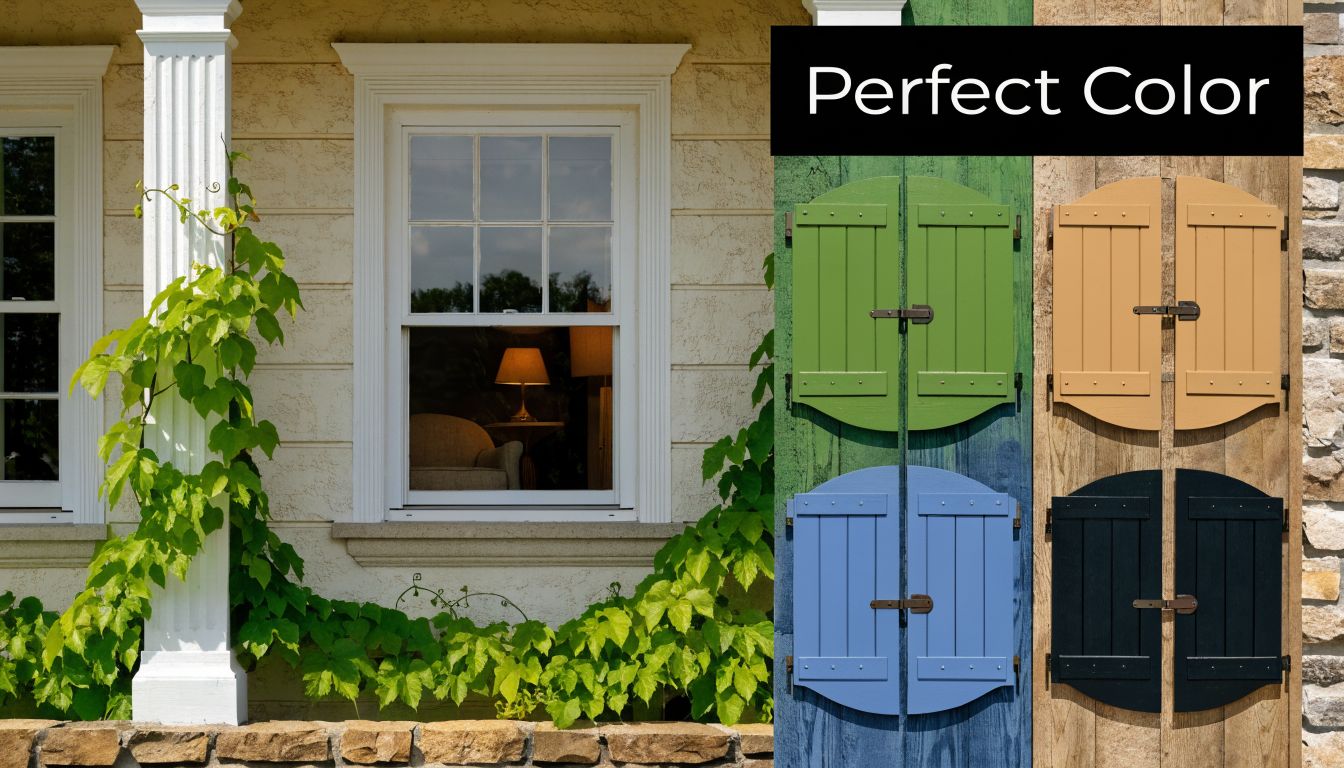
Color selection gets oversimplified all the time. People hear “black works with brick” or “blue looks good on white houses” and think the job is done. It isn’t. The right shutter color depends on the house style, the fixed materials, and how much sun the front of the home gets through the year.
Start with the fixed surfaces
The safest way to choose colored exterior shutters is to ignore trendy samples at first and study what can’t be changed easily. That means:
- Brick undertone such as red, brown, orange, or washed neutral
- Roof tone whether it reads warm or cool
- Trim color especially if it’s bright white, creamy white, or tan
- Siding product and texture including fiber cement like James Hardie
If the house has mixed materials, the shutter color needs to bridge them. On many West Tennessee brick homes, that means using shutters to connect warm masonry with a darker roof and a painted front door. On farmhouse-style homes with painted siding, shutters often work best when they create contrast without overpowering the porch and trim.
Match the style of the house, not just the palette
A shutter color can be attractive and still be wrong for the architecture. Deep black on a formal brick Colonial-style home usually feels grounded and classic. The same black on a soft country cottage can feel too severe. A green shutter can look perfect on a historic or wooded lot, but muddy on bright white trim if the shade is off.
These are the combinations that tend to work well locally:
- Traditional red brick homes often handle black, deep green, and restrained blue well
- Painted farmhouses usually respond better to softer greens, deeper blue-grays, or clean black if the trim is simple
- Newer homes with fiber cement siding can carry more contemporary tones, especially medium grays and muted blues
- Historic homes usually look better with colors that feel rooted rather than flashy
If you’re weighing darker trim and shutter combinations, this lookbook on black windows with shutters can help you think through contrast more clearly.
Some houses want bold contrast. Others want quiet definition. The right shutter color depends on which job the house needs done.
West Tennessee sun changes the answer
This is the part many national guides miss. In high-sun regions like West Tennessee, darker colors such as black and dark blue are more prone to UV degradation and can show fading up to 30% within 5 years, according to popular house and shutter color combinations guidance. That doesn’t mean you should never choose dark shutters. It means you should choose them carefully and pay attention to finish quality.
A dark shutter on a shaded street and a dark shutter on a full-sun west-facing wall are not the same decision. Premium, UV-stabilized finishes are far more important when you go dark.
A better way to narrow the final choice
Instead of asking “What color do I like?” ask these three questions:
What does the house need more of
Does it need contrast, softness, or structure? If the front elevation looks washed out, darker shutters may solve it. If it already has strong roof and brick contrast, softer shutters may balance it better.
What will the color look like at noon
Morning shade can flatter almost any sample. Midday sun tells the truth. Always check shutter samples against the home in bright natural light.
Will the color still look right after weathering
Even with quality finishes, some colors show aging more quickly than others. Very dark choices can still be the right move, but they should be selected with the exposure in mind.
Simple color direction by exterior type
| Exterior type | Shutter direction that often works |
|---|---|
| Warm red brick | Black, deep green, restrained navy |
| White or light siding | Black, slate blue, muted green |
| Greige or gray siding | Charcoal, blue-gray, soft black |
| Historic-style facade | Traditional green, black, deeper neutral tones |
The right shutter color should look settled on the house, not pasted onto it. That’s the difference between a home that feels finished and one that looks like someone added shutters at the last minute.
Your Seamless Custom Shutter Experience
Most shutter problems don’t start with color. They start with guessing. Guessing the size, guessing the style, guessing how the color will read against the brick, and guessing whether the install method will look right once everything is mounted.
A better process is straightforward. It starts with a phone call to (731) 571-5179 and a scheduled in-home visit. Samples come to the house, not the other way around. That matters because exterior color decisions made under store lighting often change once they’re set against your own brick, trim, roofline, and landscaping.
What happens in the home
At the consultation, the work should be practical. Windows get measured carefully. The proportions of each opening are checked. The style of the home gets taken into account so the shutters don’t fight the architecture.
That visit is also where material and finish decisions get easier. A homeowner can compare a cleaner vinyl look against a heavier composite look, hold color samples against trim, and decide whether they want a softer contrast or a stronger one. Those decisions are much easier on site than they are from a catalog.
Why custom install matters
Shutters don’t look custom just because they were ordered in a custom size. They look custom when the fit, placement, spacing, and attachment all work together. Good installation protects the final appearance. It also protects the product from avoidable problems caused by poor mounting or bad alignment.
A well-chosen shutter can still look wrong if the install is off. Good proportions deserve good placement.
For the homeowner, the value is simple. No chasing measurements. No trying to interpret hardware instructions. No finding out after the fact that the color looked different on the wall than it did in the box.
What the finished result should feel like
A smooth shutter project should feel organized from start to finish. The selections are made with real samples. The sizes are measured for the actual windows. The order matches the house. The installation is handled professionally. The result looks like it belonged there all along.
That’s what people are really after. Not just shutters, but a clean exterior upgrade without a DIY headache. And if it’s being done right, it should come with custom install and a clear 100% satisfaction promise behind the work.
Installation Warranty and Long-Term Value
A good shutter project doesn’t end when the installers leave. Long-term value comes from three things working together: the right product, correct installation, and basic maintenance that fits the local environment. If one of those is missing, the shutter may still look decent for a while, but it won’t perform the way it should.
Installation protects both appearance and warranty
Professional installation matters for more than looks. It helps keep the shutter aligned, properly anchored, and mounted in a way that supports the manufacturer’s expectations. That matters if the shutter is part of a warranty-backed system from a premium manufacturer.
It also matters when the house has details that complicate the job. Brick surfaces, arched windows, unusual trim depth, and HOA expectations can all affect how the shutter needs to be specified and mounted. Those issues are much easier to solve before ordering than after holes are drilled.
For homeowners comparing the project as an investment, this guide to the cost of installing shutters is a useful place to look at the bigger picture.
Energy value is real when the product is chosen well
Shutters are often treated as cosmetic, but the better systems can contribute to comfort too. According to Timberlane’s exterior shutter style information, properly installed insulated composite shutters can reduce a home's HVAC load by 15-20% by reflecting solar radiation, and pairing reflective colors with materials like James Hardie siding supports overall exterior energy performance.
That doesn’t mean every shutter on every house creates the same result. It means reflective colors, quality construction, and proper installation can support the home’s envelope instead of just decorating it.
Simple maintenance that works here
West Tennessee doesn’t require complicated shutter maintenance, but it does reward consistency. The basics are enough:
- Wash off pollen and dirt before buildup sits through summer heat.
- Check mounting points after storms and seasonal expansion.
- Look at sun-exposed elevations first because they show wear sooner than shaded sides.
- Use gentle exterior cleaning methods instead of overly aggressive scrubbing or pressure that can damage finishes.
If you want a sensible outside-cleaning reference, these Water Works Power Washing tips offer a good general reminder on cleaning exterior surfaces without being careless.
The longest-lasting shutter is usually the one that gets cleaned lightly and checked occasionally, not the one that gets ignored until the finish looks tired.
Long-term value comes from fewer corrections later
Cheap shutters often create expensive redo work. The size looks off. The color ages badly. The finish fails. The mounting loosens. Then the homeowner either lives with it or replaces it sooner than expected.
A well-selected shutter avoids that cycle. It fits the architecture, supports the exterior color scheme, and asks for less maintenance over time. That’s where the value is. Not in buying the cheapest option once, but in avoiding the need to fix the same decision twice.
Your Questions About Colored Shutters Answered
Colored exterior shutters are one of the simplest ways to sharpen curb appeal, but they only stay an asset if the material, finish, and color fit the house and the climate. In West Tennessee, the smartest choice usually comes down to this: buy for sun exposure and humidity, not just for first impressions. A shutter that still looks right years later is the one worth installing.
Good design also has to be practical. The color has to work with your brick, siding, or trim. The material has to handle the weather. The install has to look intentional. Homeowners often focus on only one of those and end up disappointed. The best results come when all three line up.
If you're comparing exterior improvements more broadly, this guide for Cleveland area homeowners is a useful reminder that curb appeal works best when individual upgrades support the whole front elevation.
For local homeowners ready to move forward, the next step is simple. Call (731) 571-5179 to get help with selections, custom install, and a project backed by 100% satisfaction.
Frequently Asked Questions
| Question | Answer |
|---|---|
| Do colored exterior shutters help resale appeal? | They can. Shutters give the front of the home more structure and can make windows look more finished, especially when the style and proportions fit the house. |
| Can I paint my existing shutters instead of replacing them? | Sometimes, but it depends on the material and condition. If the existing shutters are warped, undersized, or made from a product that doesn’t hold paint well, repainting usually won’t fix the real issue. |
| Are dark shutters a bad idea in West Tennessee? | Not always. Dark shutters can look excellent, but they need a finish designed to handle sun exposure. On heavily exposed walls, finish quality matters a lot more. |
| How long does a custom shutter project usually take? | Timing depends on product selection, finish choice, and manufacturing lead time. Custom work takes longer than off-the-shelf buying, but the fit and final appearance are usually much better. |
| What if my windows are not standard sizes? | That’s exactly where custom sizing matters. Non-standard windows need measurements taken on site so the shutters look proportional and intentional. |
| Will professional installation make a visible difference? | Yes. Proper spacing, alignment, and placement are what separate a clean architectural look from shutters that seem stuck on as decoration. |
For homeowners across Jackson and West Tennessee who want colored exterior shutters done right, Blinds Galore makes the process simple. Call (731) 571-5179 to schedule your consultation, get expert guidance at home, and enjoy custom install backed by 100% satisfaction.
You might also like

Best Plantation Shutter Brands – 2026 Review
If you're looking at your windows right now and thinking the room needs more polish, better privacy,

What Are Plantation Shutters Made Of
You're probably looking at a window right now thinking the same thing a lot of West Tennessee homeowners
Contemporary Roman Shades: Modern Styles for Your Home
You know the feeling. Your old blinds work, but they don't do your room any favors. They look hard,

Sliding Glass Window Treatments for Your West TN Home
That sliding glass door probably does two jobs at once in your home. It opens your living space to the

Vertical Blinds vs Horizontal Blinds: The Definitive Homeowner’s Guide
When you're trying to decide between vertical and horizontal blinds, it really comes down to your
Cordless Blinds vs Corded Blinds A Modern Homeowner’s Guide
When you're weighing the pros and cons of cordless blinds vs corded blinds, the verdict for today's