

7 Best Cellular Shades for Jackson TN Kitchens: Moisture Resistance and Easy Cleaning Guide
Quick answer: Cellular shades — also called honeycomb shades — are among the best window treatments for Jackson, TN kitchens because their unique air-pocket construction resists humidity, blocks grease-laden steam, and wipes clean in seconds. Single-cell shades offer good insulation at a lower price, while double- and triple-cell options deliver superior energy savings year-round in West Tennessee's hot summers and chilly winters. Look for moisture-resistant or washable fabric coatings, cordless or motorized lift systems for safety, and light-filtering or top-down/bottom-up configurations to balance natural light with privacy over your sink or breakfast nook.
1. Why Kitchens Demand a Different Kind of Window Treatment

Not every window treatment belongs in a kitchen. Before choosing cellular shades — or any covering — it pays to understand exactly what a kitchen environment throws at window treatments day after day. Jackson, TN summers push indoor humidity even higher when you add cooking moisture to the mix, making material selection critical.
The Unique Challenges of a Kitchen Environment
Kitchens are the hardest-working rooms in any Jackson, TN home. Between boiling pasta, sautéing vegetables, and running the dishwasher, humidity levels inside a kitchen can spike 20–40% higher than in adjacent rooms. That moisture, combined with airborne grease and cooking odors, destroys fabric window treatments that weren’t designed for the job.
- Humidity: Repeated exposure warps wood blinds and causes mold growth in standard cellular fabrics.
- Grease film: Microscopic oil particles settle on any surface within 6–8 feet of the cooktop.
- UV exposure: South- and west-facing kitchen windows in West Tennessee receive intense afternoon sun that fades untreated fabrics within 18–24 months.
Choosing a window treatment engineered for these conditions isn’t a luxury — it’s a maintenance decision that saves you money over time.
Why Standard Blinds Often Fall Short in Kitchens
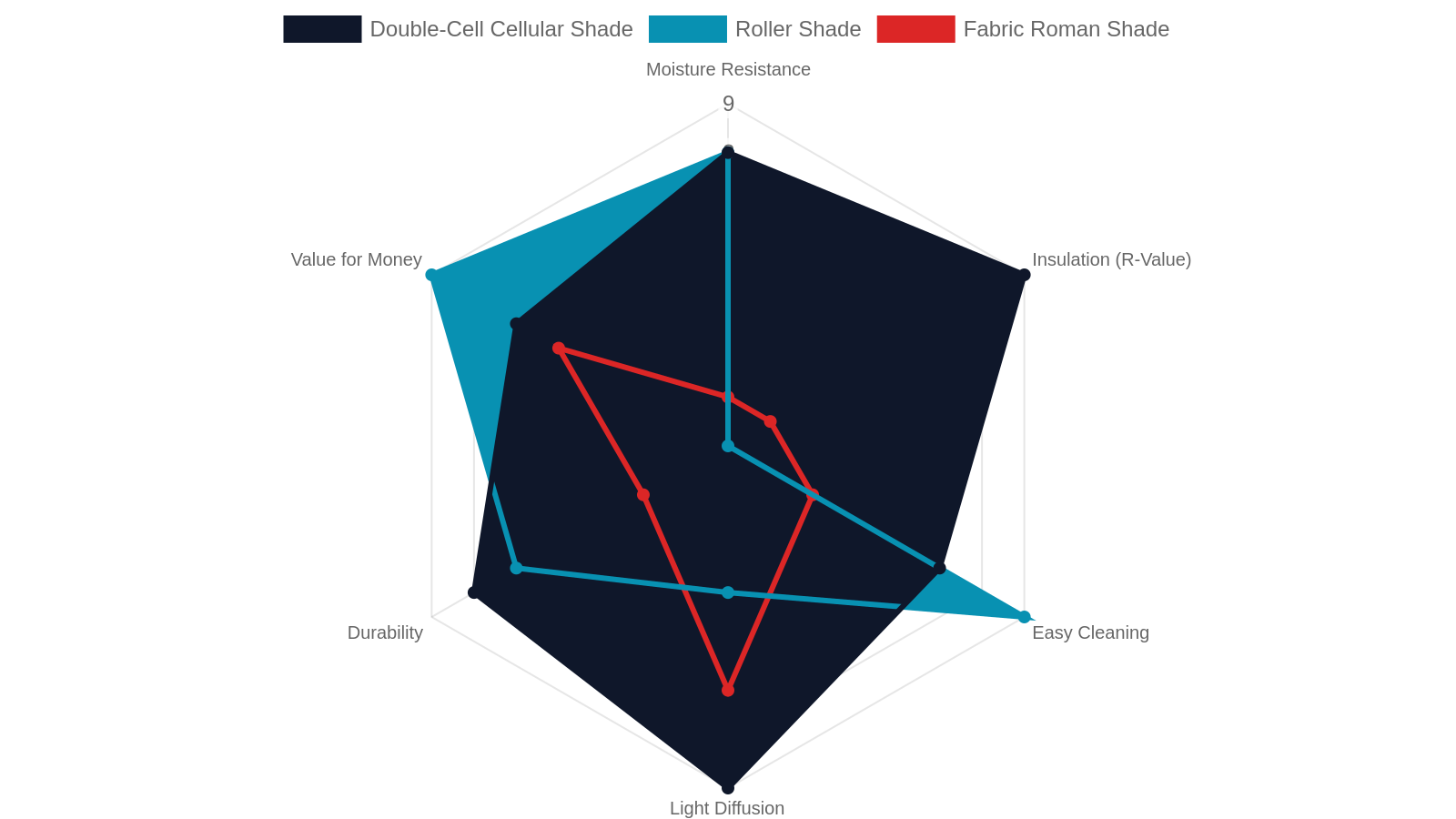
Traditional horizontal aluminum or wood blinds collect grease between every slat, requiring tedious individual cleaning. Fabric Roman shades trap steam in their folds. Even faux-wood blinds, while moisture-tolerant, offer minimal insulation value. Cellular shades thread the needle: they’re engineered with sealed honeycomb cells that resist moisture infiltration, provide measurable R-value insulation, and feature smooth face fabrics that wipe down quickly — making them a practical, stylish choice for the busiest room in your home.
2. What Are Cellular Shades? A Plain-English Definition
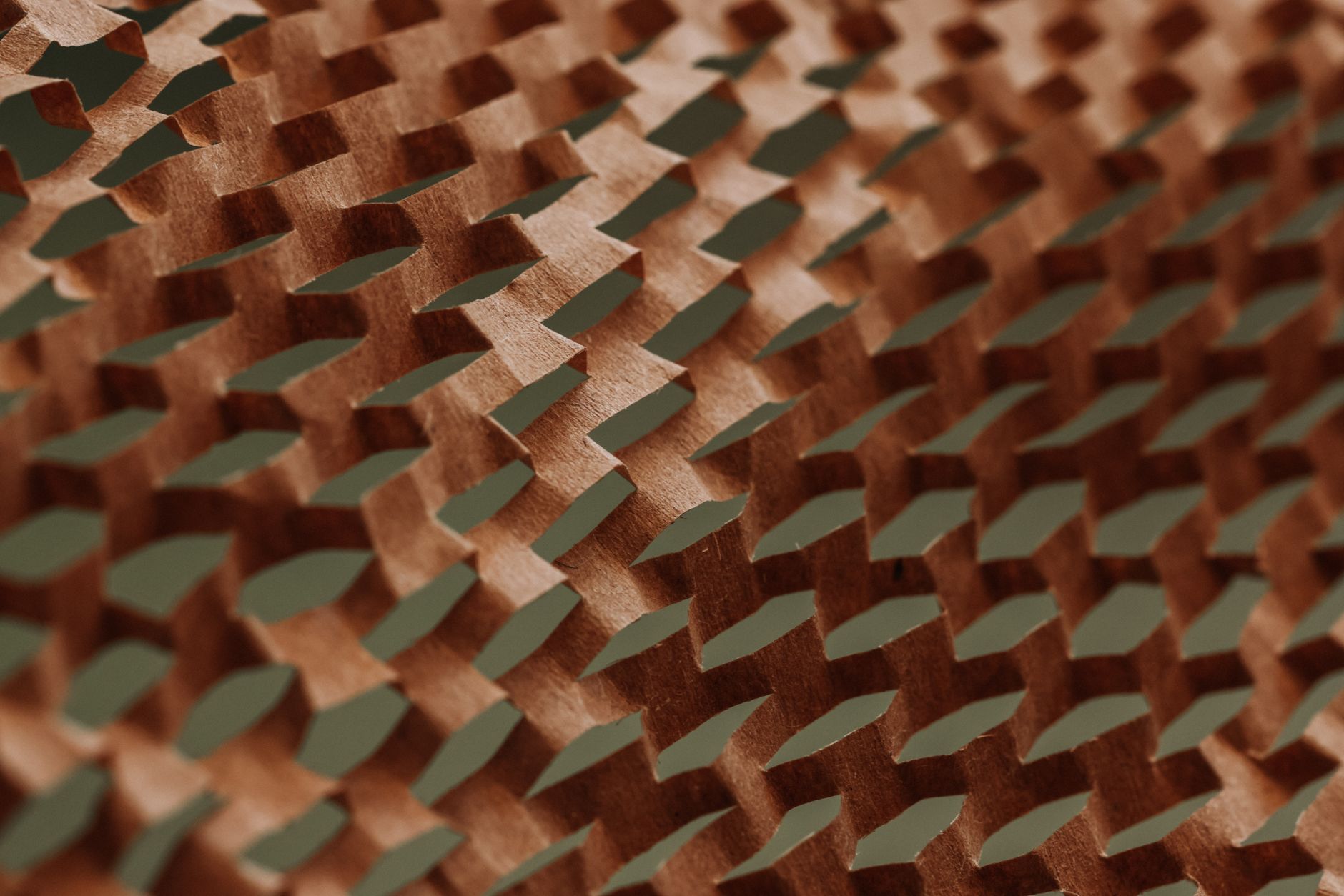
If you’ve heard the terms ‘cellular shades’ and ‘honeycomb shades’ used interchangeably at a showroom or on a home improvement site, that’s because they are the same product. Understanding the basic construction helps you make smarter decisions about cell size, opacity, and layering — all of which affect how well the shade performs in a moisture-rich kitchen environment.
The Honeycomb Structure Explained
Cellular shades — marketed interchangeably as honeycomb shades — are soft window coverings constructed from rows of hollow, hexagonal fabric tubes stacked vertically. Each tube is a sealed air pocket. When light hits the shade, those pockets diffuse it softly across the room. When cold or hot air presses against the glass, those same pockets trap a layer of still air that acts as insulation.
The cells are formed by bonding two or more layers of nonwoven polyester fabric together at precise intervals. The result is a structure that looks elegant from inside the room and presents a clean, uniform appearance from the street — a detail that matters for curb appeal in neighborhoods across Jackson, Lexington, and Henderson.
Single-Cell vs. Double-Cell vs. Triple-Cell
The number of cell layers determines insulating power and price:
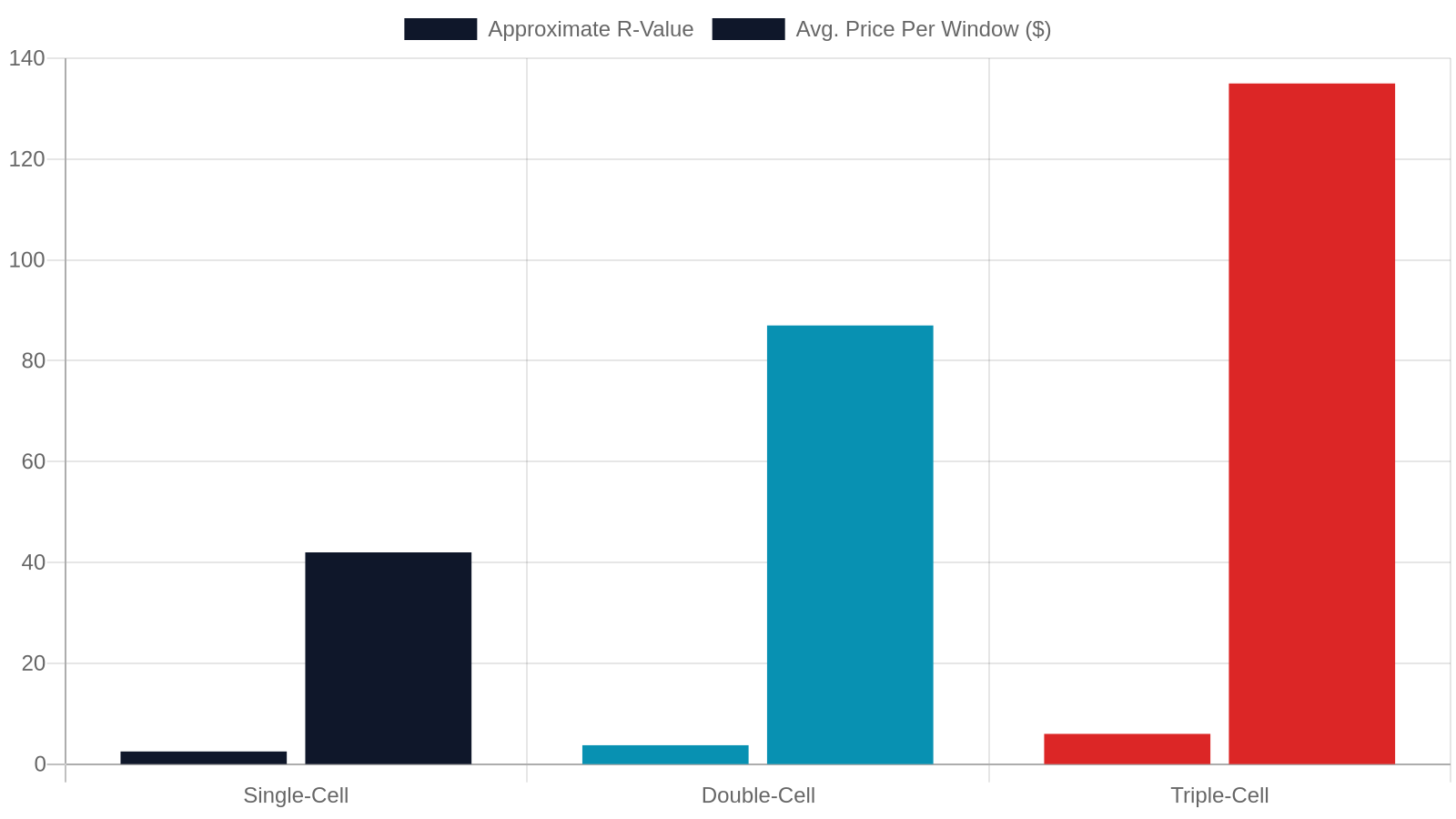
- Single-cell (single honeycomb): One row of air pockets. R-value approximately R-2 to R-3. Best for mild climates or budget-conscious projects. Retail price range: $25–$60 per window for standard sizes.
- Double-cell (double honeycomb): Two stacked rows of pockets. R-value approximately R-3 to R-4.5. The most popular choice for West Tennessee kitchens. Retail price range: $55–$120 per window.
- Triple-cell (triple honeycomb): Three rows. R-value up to R-6. Best for large picture windows or rooms with extreme sun exposure. Retail price range: $90–$180 per window.
For most Jackson, TN kitchens, double-cell shades offer the best balance of performance and value.
3. Moisture Resistance: What the Specs Actually Mean

Moisture resistance is the single most important performance attribute for a kitchen cellular shade — more important than color, cell size, or even price. A shade that absorbs cooking steam will sag, discolor, and eventually harbor mold. Here’s how to read the specs and ask the right questions before you commit.
Moisture-Resistant vs. Waterproof: Know the Difference
Window treatment manufacturers use the terms moisture-resistant, humidity-tolerant, and waterproof loosely, so it’s worth decoding them before you buy:
- Moisture-resistant: The fabric has been treated with a hydrophobic coating that causes water droplets to bead and roll off rather than soak in. This is the minimum standard you want for a kitchen.
- Humidity-tolerant: The fabric won’t warp, shrink, or grow mold when ambient humidity stays elevated for extended periods — common in Jackson summers when you’re cooking with the windows closed and the AC running.
- Waterproof: A true waterproof cellular shade uses a vinyl or coated polyester face fabric that can be wiped with a damp cloth without any risk of water absorption. These are rare but ideal for windows directly above a sink.
Always ask for the specific fabric treatment certification, not just a marketing label, when shopping for kitchen cellular shades.
Fabric Coatings That Perform Best in Kitchens
The most kitchen-friendly cellular shade fabrics share a few characteristics: they’re made from solution-dyed polyester (color is baked into the fiber, not printed on top, so it won’t fade or wash out), they carry a stain-guard finish such as Teflon™ or Nano-Tex™ coating, and they have a smooth, low-texture face that doesn’t trap grease particles in the weave. Avoid heavily textured or linen-look fabrics for the kitchen — they look beautiful in a living room but become grease magnets within months of cooking use. Stick with smooth, tightly woven polyester in light-to-medium colors that won’t show every splash.
4. Easy Cleaning: Your Step-by-Step Maintenance Routine

One of the biggest selling points of cellular shades for kitchens is that cleaning them is genuinely simple — as long as you follow the right technique. The wrong approach (soaking, scrubbing, machine washing) can destroy the honeycomb structure in a single cleaning session. Here’s the routine that keeps kitchen cellular shades looking new for years.
Weekly Dusting — 2 Minutes Per Window
The fastest way to keep kitchen cellular shades looking fresh is to prevent buildup before it starts. Once a week — or whenever you wipe down your countertops — run a microfiber duster or the brush attachment of a vacuum lightly across the face of the shade. Work top to bottom so loosened dust falls away from clean sections. This two-minute habit prevents grease particles from bonding to the fabric and turning into the stubborn yellow film that’s so common on kitchen window treatments in West Tennessee homes.
Monthly Spot Cleaning — Removing Grease Splatter
For grease spots or food splatter, act quickly — fresh stains are always easier to remove than set ones. Use this simple process:
- Mix 1 teaspoon of mild dish soap (Dawn or similar) with 1 cup of lukewarm water.
- Dampen a clean white cloth — never a colored cloth that might transfer dye.
- Blot (don’t rub) the stain from the outside edge inward to prevent spreading.
- Follow with a second cloth dampened with plain water to rinse.
- Allow the shade to air dry fully before raising it — trapped moisture inside the cells is the enemy.
Never submerge a cellular shade in water or put it in a washing machine, even if the fabric feels robust. The cell structure is bonded with adhesive that water will dissolve over time.
Annual Deep Cleaning — Compressed Air Method
Once or twice a year, use a can of compressed air (the kind sold for cleaning electronics) to blow dust and debris out of the interior of each cell. Hold the nozzle about 3 inches from the bottom of the shade and work upward. This is especially effective for double- and triple-cell shades where the inner pockets are impossible to reach with a cloth. Follow with a light vacuum pass using the upholstery brush attachment. If the shade still looks dingy after this process, it may be time to consider replacement — most quality kitchen cellular shades have a practical lifespan of 7–12 years with proper care.
5. Light Control Options That Work Best Over Kitchen Windows
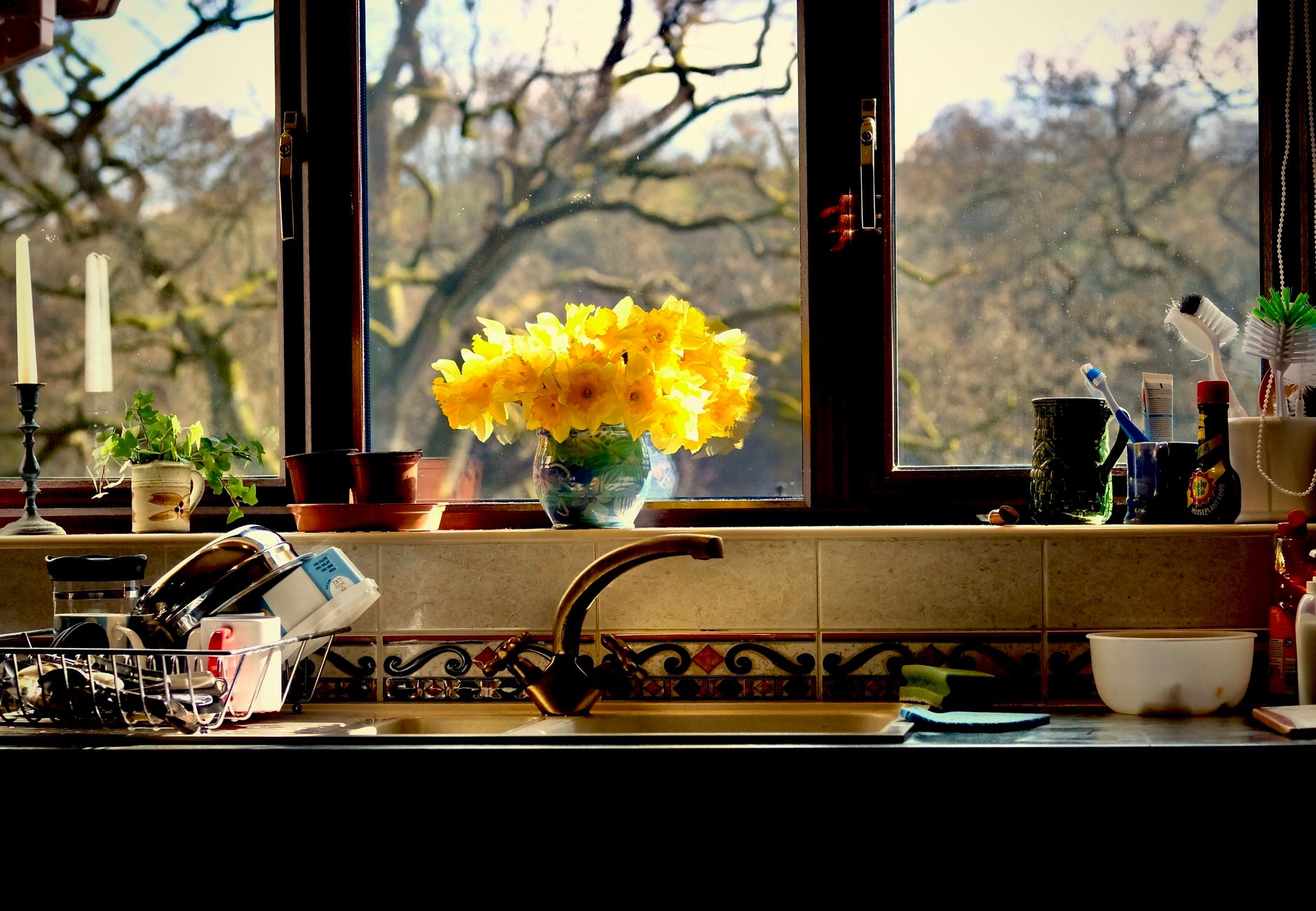
Light control in a kitchen is a balancing act: you want enough natural light to work comfortably, enough privacy to feel at ease, and enough UV protection to prevent your cabinetry and countertops from fading. Cellular shades offer several configurations that address all three concerns simultaneously — here’s how to choose the right one for your kitchen layout.
Light-Filtering vs. Room-Darkening in a Kitchen Context
Most homeowners in Jackson, TN choose light-filtering cellular shades for kitchens rather than room-darkening options. Here’s why: kitchens benefit from natural daylight for food prep, and completely blocking the sun makes the space feel cave-like during the day. Light-filtering cellular fabrics diffuse sunlight into a soft, even glow that eliminates harsh glare on countertops and screens while still brightening the room. They also provide privacy during daylight hours — passersby can’t see in, but you can still sense the warmth of the day through the fabric.
Room-darkening cellular shades make more sense for kitchen windows that face a neighbor’s house directly or for homeowners who work night shifts and sleep during the day.
Top-Down/Bottom-Up: The Kitchen Sink Game-Changer
If your kitchen has a window directly above the sink — one of the most common layouts in West Tennessee homes — a top-down/bottom-up (TDBU) cellular shade is worth every extra dollar. TDBU shades can be lowered from the top, raised from the bottom, or set anywhere in between. This means you can lower the top half to let in sky light while keeping the bottom half raised for privacy from the street. You get natural light while doing dishes without sacrificing privacy. TDBU configurations typically add $15–$35 per shade to the base price — a small premium for a significant functional upgrade.
6. Energy Efficiency: Real Numbers for West Tennessee Summers
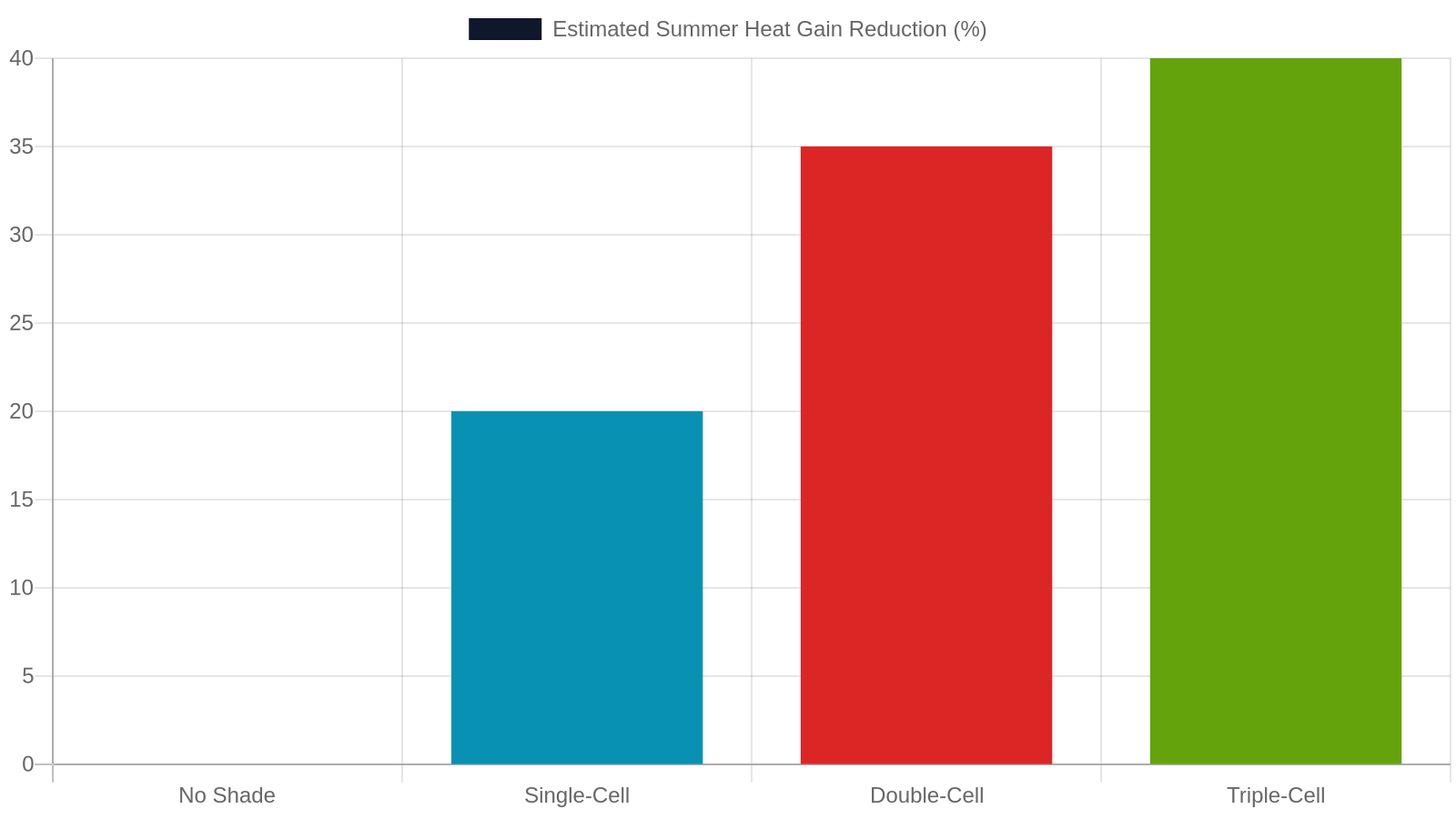
Energy efficiency is one of the most compelling arguments for cellular shades in any room — but especially in the kitchen, where windows are often large, south-facing, and left uncovered because traditional treatments don’t hold up to cooking conditions. Here are the real numbers behind the energy savings claims you’ll see in showrooms and on manufacturer websites.
How Cellular Shades Cut Cooling Costs in Jackson, TN
West Tennessee summers are no joke. Jackson, TN averages 39 days above 90°F annually, and kitchen windows — especially those facing south or west — can act like solar collectors that drive up your AC bill. The U.S. Department of Energy estimates that properly installed cellular shades can reduce heat gain through windows by up to 40% in summer, translating to measurable savings on monthly utility bills.
For a typical 1,800 sq ft Jackson home with 8–10 windows, upgrading to double-cell cellular shades throughout the house can save an estimated $150–$300 per year in heating and cooling costs, depending on your HVAC system and existing window efficiency. Kitchen windows alone account for a meaningful portion of that gain because they’re often uncovered or dressed with thin curtains that provide zero insulation value.
Winter Performance: Keeping Heat Inside
Tennessee winters are milder than the national average, but January lows in Jackson regularly dip into the mid-20s°F. Single-pane windows — still common in older Jackson and Henderson homes — lose heat rapidly overnight. A double-cell cellular shade acts as a secondary insulating layer, slowing heat transfer through the glass. Closing your cellular shades at sunset during winter months is a simple habit that can reduce overnight heat loss by up to 35% compared to uncovered windows, according to the Attachments Energy Rating Council (AERC). That’s free insulation you’re already paying for once you invest in the shades.
7. Cordless and Motorized Options: Safety and Convenience in the Kitchen

The operating system you choose for your kitchen cellular shades affects daily convenience, long-term safety, and even how often you’ll actually use the shades. Homeowners who find their shades inconvenient to operate tend to leave them in one position permanently — defeating the purpose of an adjustable window treatment. Here’s what to know about your options.
Why Cordless Is the Standard for Kitchen Windows
Corded window treatments pose a documented strangulation risk for young children and pets — a concern the U.S. Consumer Product Safety Commission (CPSC) has flagged for decades. In 2018, new federal safety standards effectively made cordless and inaccessible-cord designs the industry default for stock window coverings. For custom cellular shades in Jackson, TN kitchens, cordless lift systems are now the most popular choice for three reasons:
- Safety: No dangling cords near countertops where children climb or pets jump.
- Cleanliness: Cords accumulate grease and grime in kitchen environments — eliminating them eliminates a maintenance headache.
- Ease of use: A simple push or pull on the bottom rail raises or lowers the shade instantly.
Motorized Cellular Shades: Worth the Upgrade?
Motorized cellular shades — operated by a remote, wall switch, or smartphone app — are increasingly popular in Jackson-area homes being built or renovated with smart-home systems. For kitchens specifically, motorization shines when windows are above the sink, over the range, or in high or hard-to-reach locations. You can raise the shade with a tap while your hands are covered in flour or raw chicken. Motorized systems add approximately $80–$200 per shade depending on the motor brand and whether you choose battery-powered or hardwired operation. Battery-powered motors (Somfy, Lutron, and similar brands) are the most popular for kitchen retrofits because they require no electrician.
8. Sizing and Fit: Inside Mount vs. Outside Mount for Kitchen Windows
Even the best cellular shade fabric performs poorly if the shade doesn’t fit the window correctly. In kitchen environments, fit matters doubly: gaps at the edges let in humidity from outside and reduce the insulating air seal the honeycomb cells are designed to create. Here’s how to think about mount type and measurement for kitchen windows specifically.
Inside Mount: Clean, Built-In Look
An inside mount cellular shade fits within the window frame itself, creating a clean, architectural look that doesn’t interrupt the sight lines of your cabinetry or backsplash. Inside mounts are ideal when your window frame has a depth of at least 2 inches (most modern construction offers 3–4 inches). The trade-off: inside-mounted shades leave small gaps of exposed glass at the sides, which reduces both privacy and insulation efficiency slightly. For kitchen windows that aren’t in direct line of sight from the street, this is usually an acceptable compromise for the aesthetic benefit.
Outside Mount: Maximum Coverage and Insulation
An outside mount cellular shade is installed on the wall or trim above and outside the window frame, covering the entire window opening and typically extending 2–4 inches beyond each side. This maximizes light blockage, improves insulation performance (no edge gaps), and can make a small kitchen window appear larger — a visual trick that works well in older Jackson and Henderson homes with smaller window openings. Outside mounts are also the only option when window frame depth is insufficient for an inside mount. The downside: the shade hardware is visible on the wall, which some homeowners find less polished than an inside mount.
Measuring Tips to Get It Right the First Time
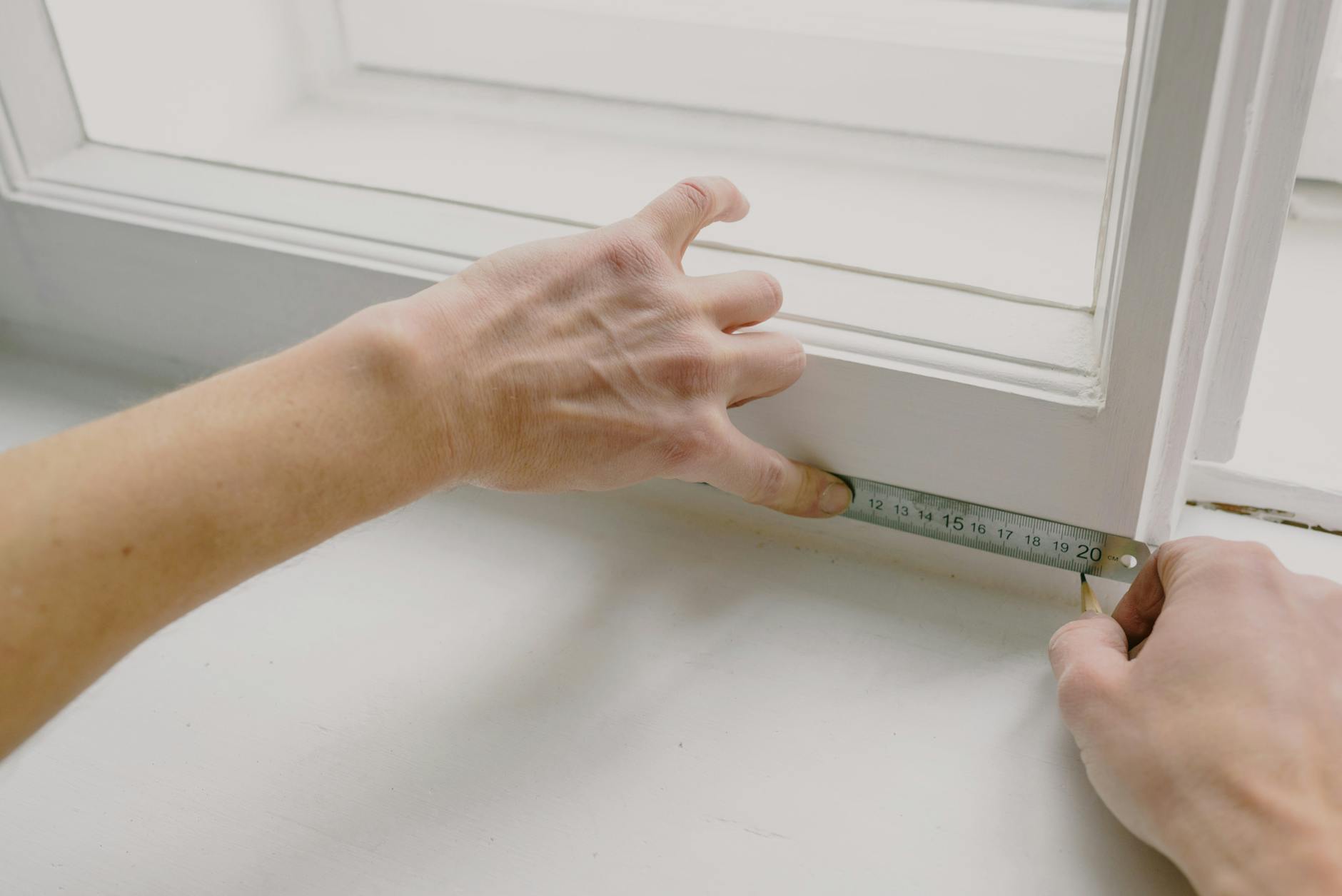
Accurate measurement is non-negotiable for custom cellular shades. A shade that’s even 1/4 inch too wide won’t fit inside the frame; one that’s too narrow leaves visible gaps. Follow these rules:
- Measure width at the top, middle, and bottom of the window opening — use the narrowest measurement for inside mounts.
- Measure height on the left, center, and right — use the longest measurement.
- Always measure in fractions of an inch, not rounded numbers.
- When in doubt, have a professional measure — most custom shade providers, including Blinds Galore, include professional measuring as part of their free in-home consultation service.
Kitchen Window Treatment Comparison at a Glance
Use this table to quickly compare the most popular kitchen window treatment options across the attributes that matter most in a cooking environment.
9. Color and Style: Choosing Shades That Work With Your Kitchen Design

Cellular shades come in hundreds of fabric colors and textures, which can make the selection process feel overwhelming. In a kitchen, the right color does double duty: it enhances the room’s design and it shows (or hides) the inevitable cooking residue that accumulates on any kitchen window treatment. Here’s a practical framework for narrowing your choices.
Best Colors for Kitchen Cellular Shades
Color choice for kitchen cellular shades is both an aesthetic and a practical decision. Lighter colors — white, ivory, warm linen, soft gray — maximize natural light transmission and make small kitchens feel larger. They also show grease stains more readily, which is actually a useful reminder to clean regularly. Darker colors — charcoal, navy, deep taupe — hide stains better but can make a kitchen feel smaller and reduce the light-diffusing benefit of the cellular fabric. For most Jackson, TN kitchens with standard white or cream cabinetry, a warm white or light greige cellular shade is the most versatile and timeless choice.
Coordinating With Cabinetry, Countertops, and Backsplash
A cellular shade should complement your kitchen’s existing palette without competing with it. A few reliable rules:
- If your cabinetry is white or off-white, choose a shade in the same white family — pure white with white cabinets, warm white with cream cabinets.
- If you have wood-tone cabinetry (oak, walnut, hickory), a warm linen or wheat-toned cellular shade echoes the warmth without matching it exactly.
- If your backsplash is a bold pattern or color, a neutral shade lets the tile be the focal point.
- Gray quartz countertops pair beautifully with cool-toned cellular shades in silver, dove, or pale blue-gray.
Bringing fabric swatches home to view in your actual kitchen lighting — rather than judging by a showroom sample — is always the smartest approach.
10. How Cellular Shades Compare to Other Kitchen Window Treatment Options
Cellular shades don’t exist in a vacuum — they compete with roller shades, faux-wood blinds, Roman shades, and curtain panels for the kitchen window spot. Understanding where cellular shades win and where they fall short helps you make a confident, informed decision rather than a guess you’ll regret in two years.
The Case Against Fabric Curtains and Roman Shades in Kitchens
Fabric curtains and Roman shades are perennial favorites in living rooms and bedrooms, but they’re genuinely poor performers in kitchens. Curtain panels pool on the floor or hang near the cooktop — a fire hazard that most homeowners don’t consider until it’s nearly too late. Roman shades trap cooking steam in their folds, creating the ideal environment for mildew growth. Both require frequent laundering that fades colors and distorts shapes over time. If you love the soft, layered look of fabric treatments, consider pairing a kitchen cellular shade with a simple valance mounted high above the window — you get the softness without the maintenance nightmare.
Cellular Shades vs. Roller Shades in the Kitchen
Roller shades are the closest competitor to cellular shades for kitchens. They’re easy to clean (a single flat surface), available in moisture-resistant fabrics, and generally less expensive. The key difference is insulation: a roller shade is a single flat layer of fabric with essentially zero R-value, while a double-cell cellular shade provides R-3 to R-4.5. In West Tennessee’s climate — where you’re running the AC 6+ months of the year — that insulation difference translates to real money. Roller shades win on price and ease of cleaning; cellular shades win on energy performance and light diffusion quality.
11. What to Expect From a Professional Installation in Jackson, TN

Buying custom cellular shades is only half the equation — professional installation ensures they perform as designed, look their best, and last as long as possible. Here’s what the process looks like from consultation to finished kitchen, so you know exactly what to expect.
The Free In-Home Consultation: What Happens
A professional cellular shade installation in Jackson, TN begins long before anyone picks up a drill. The process starts with a free in-home consultation where a window treatment specialist visits your home, assesses your kitchen windows, and walks you through fabric samples, cell sizes, operating systems, and mount options in your actual space — under your actual lighting. This is fundamentally different from choosing shades online or in a showroom, where you’re guessing how a fabric will look against your cabinetry and countertops.
During the consultation, a professional measurer takes precise measurements of every window to ensure your custom shades fit perfectly — no gaps, no binding, no returns.
Installation Day: Timeline and What to Prepare
Once your custom cellular shades are fabricated (typically 2–4 weeks for custom orders), installation is straightforward. A professional installer can typically hang 4–6 kitchen shades in 1–2 hours. To prepare:
- Clear the countertop below each window so the installer has room to work safely.
- Remove any existing window treatments, or ask if the installer will handle removal.
- Have your preferred mount type (inside or outside) confirmed before installation day.
- Test each shade immediately after installation — raise, lower, and check the tilt or cord function before the installer leaves.
A reputable installer backs their work with a satisfaction guarantee, so any fit or function issues are corrected at no additional cost.
Ready to Transform Your Kitchen Windows? Start With a Free Consultation
You’ve done the research. You know that double-cell, moisture-resistant, cordless cellular shades are the smart choice for a Jackson, TN kitchen. Now the only question is which fabric, which color, and which configuration is right for your specific windows. That’s exactly what a free in-home consultation is designed to answer — and it costs you nothing.
Why Jackson, TN Homeowners Choose Blinds Galore
Blinds Galore has been serving Jackson, TN and the surrounding communities of Lexington, Henderson, and Milan for over 18 years. Every project comes with a 100% satisfaction guarantee — if something isn’t right, we make it right, period. Our team brings the showroom to your home, so you’re choosing fabrics and finishes in your actual kitchen light, not under fluorescent showroom bulbs. We handle professional measuring, custom fabrication, and expert installation from start to finish.
Whether you’re upgrading a single kitchen window or outfitting an entire new build in West Tennessee, we’re here to help you find the right cellular shade for your space, your cooking habits, and your budget.
Your Next Step
The easiest way to get started is to explore our full range of custom shades and then schedule your free in-home consultation. You can also browse our custom plantation shutters if you’re considering shutters for other rooms in your home. When you’re ready to talk, call us directly at (731) 571-5179 — a real person answers, and we’ll get you on the schedule fast. Jackson, TN kitchens deserve window treatments that work as hard as the families who cook in them. Let Blinds Galore help you find yours.
Frequently Asked Questions
Are cellular shades good for kitchens with a lot of steam and humidity?
Yes — cellular shades made from moisture-resistant or humidity-tolerant polyester fabrics are well-suited for steamy kitchens. Look for shades with a hydrophobic coating and solution-dyed polyester fabric, which resists both moisture absorption and color fading from UV exposure. Avoid cellular shades made from natural fibers like cotton or linen in kitchen environments.
How do I clean grease off cellular shades in my kitchen?
For fresh grease spots, blot (don't rub) with a cloth dampened in a mild dish soap and lukewarm water solution, then follow with a plain water rinse and allow to air dry fully. For routine maintenance, dust weekly with a microfiber cloth or vacuum brush attachment. Never submerge cellular shades in water or machine wash them, as this dissolves the adhesive bonding the honeycomb cells.
What is the best cellular shade cell size for a kitchen window?
A 3/8-inch or 1/2-inch cell size is most popular for kitchen windows. Smaller cells (3/8 inch) provide a finer, more refined appearance and work well on narrower windows. Larger cells (3/4 inch) offer slightly better insulation per layer but look bulkier on small windows. For most standard Jackson, TN kitchen windows, a 3/8-inch double-cell shade hits the sweet spot of looks and performance.
How much do custom cellular shades cost in Jackson, TN?
Custom double-cell cellular shades for a standard kitchen window typically range from $55 to $120 per window before installation, depending on fabric, cell size, and operating system. Cordless lift systems are standard at most price points. Motorized options add $80–$200 per shade. A free in-home consultation with a local provider like Blinds Galore will give you an accurate quote based on your specific window dimensions and chosen options.
Should I choose inside mount or outside mount cellular shades for my kitchen?
Inside mounts give a cleaner, built-in look and work well when your window frame has at least 2 inches of depth. Outside mounts provide better light blockage and insulation (no edge gaps) and can make small windows appear larger. For kitchen windows directly above a sink or countertop, outside mounts are often preferred because they cover the full window opening and reduce condensation around the frame edges.
Do cellular shades really save energy in Tennessee summers?
Yes. The U.S. Department of Energy estimates that properly installed cellular shades can reduce heat gain through windows by up to 40% in summer. For Jackson, TN homes that run air conditioning for six or more months per year, upgrading to double-cell cellular shades throughout the home can save an estimated $150–$300 annually on utility bills. Kitchen windows — often uncovered or dressed with thin curtains — represent a significant portion of that potential savings.
You might also like

9 Reasons to Choose Blinds Galore in Jackson, TN for Window Treatments
Quick answer: Blinds Galore in Jackson, TN stands out from competitors because of its 18-plus years of

How to Contact Blinds Galore Jackson TN for a Free Consultation
Quick answer: To schedule a free in-home window treatment consultation with Blinds Galore in Jackson,

7 Best Custom Blinds for Jackson TN Garages: Durability and Light Control
Quick answer: The best custom blinds for Jackson, TN garages combine moisture resistance, UV protection,

How Product Videos Help Jackson TN Homeowners Choose Custom Blinds and Shades
Quick answer: Product videos let Jackson, TN homeowners see exactly how custom blinds, shades, and plantation

Best Custom Faux Wood Blinds for Jackson TN Kitchens: 9 Things to Know
Quick answer: Custom faux wood blinds are the top choice for Jackson, TN kitchens because they mimic

Video Demos: See Custom Blinds and Shades Installed in 10 Jackson TN Homes
Quick answer: Seeing is believing when it comes to custom window treatments. Blinds Galore's product