

9 Reasons Faux Wood Blinds Are the Best Choice for West Tennessee Home Builders
Quick answer: Faux wood blinds are the smartest window treatment choice for West Tennessee home builders and contractors because they combine the rich look of real wood with superior moisture resistance, lower cost, and virtually zero maintenance — qualities that matter in Jackson's humid climate. They install quickly across multiple units, satisfy a wide range of buyer tastes, and hold up far better than real wood in bathrooms, kitchens, and sun-drenched rooms. Blinds Galore has served West Tennessee builders for over 18 years with custom-measured, professionally installed faux wood blinds backed by a 100% satisfaction guarantee.
Why West Tennessee Builders Are Choosing Faux Wood Blinds
Across West Tennessee, home builders and remodeling contractors are increasingly specifying faux wood blinds as the standard window treatment for new builds and renovations. The reasons go well beyond aesthetics. Faux wood blinds deliver a premium look at a practical price point, and they perform reliably in the real-world conditions that Jackson-area homes face every day. Understanding why this product category has become a builder favorite starts with the local environment and the demands of professional construction timelines.
The Jackson, TN Climate Factor
Jackson and the surrounding West Tennessee communities — Lexington, Henderson, Milan — experience hot, humid summers and mild but damp winters. That humidity is the enemy of real wood window treatments. Real wood warps, cracks, and fades when exposed to the moisture swings common in this part of the state. Faux wood blinds, made from a composite of PVC and wood fiber or from solid PVC, resist warping and moisture damage entirely, making them a far more practical choice for new construction and renovation projects throughout the region.
Builder Timelines and Turnkey Convenience
Home builders and contractors operate on tight schedules. Every day a project sits unfinished costs money. Faux wood blinds are available in a wide range of standard and custom sizes, and a professional window treatment partner like Blinds Galore can measure, order, and install across an entire development in a coordinated timeline. That turnkey approach eliminates the back-and-forth of sourcing, measuring, and scheduling separate trades, keeping your project on schedule and your clients happy at walk-through.
1. Superior Moisture Resistance in High-Humidity Rooms
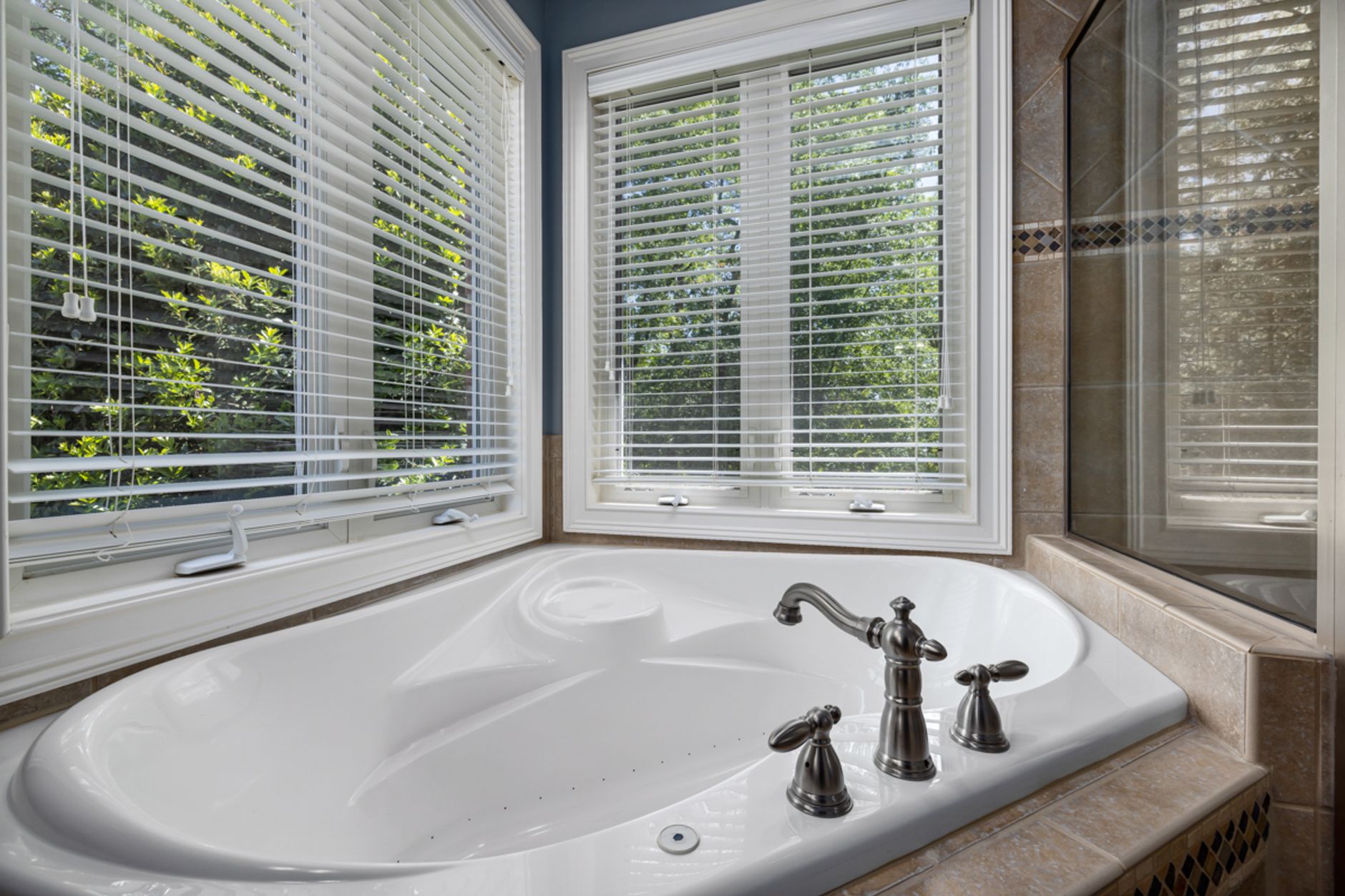
Moisture resistance is arguably the single most important performance attribute for window treatments in West Tennessee homes. Whether it’s the daily humidity of a Jackson summer or the steam from a busy kitchen, the ability to withstand moisture without warping, swelling, or peeling is what separates faux wood blinds from real wood alternatives. Builders who specify faux wood in moisture-prone rooms dramatically reduce post-closing service calls and warranty claims.
Bathrooms and Kitchens: Where Real Wood Fails
Real wood blinds are essentially off-limits in bathrooms and kitchens due to steam and condensation. A single season of daily shower steam can cause real wood slats to bow, swell, and eventually crack. Faux wood blinds rated for high-humidity spaces maintain their shape and finish in these environments indefinitely. For builders finishing out bathrooms across a 20-home development, specifying faux wood means zero callbacks for warped blinds — a significant cost and reputation saver.
Sun Rooms and South-Facing Windows
West Tennessee summers push temperatures well above 90°F, and south-facing windows amplify that heat. UV exposure fades and dries real wood quickly. Quality faux wood blinds feature UV-stabilized finishes that resist fading for 5–10 years or more under direct sunlight. Many product lines also include a slight hollow-core design that reduces heat transfer, helping homeowners manage cooling costs — a selling point builders can highlight during walkthroughs.
2. Real-Wood Look at a Lower Cost Per Unit
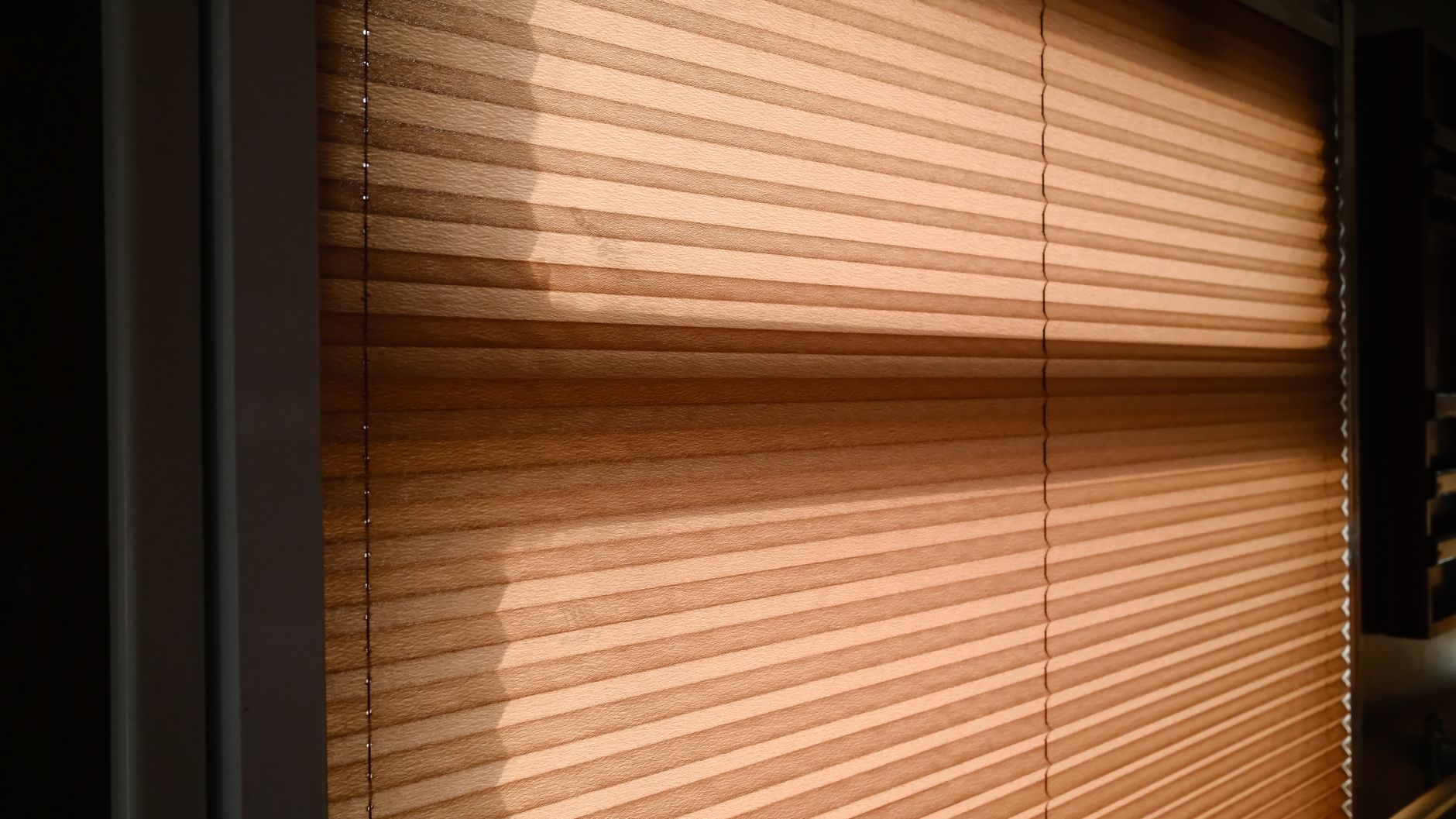
Budget management is central to every builder’s business model. Specifying the right materials at the right price point — without sacrificing the quality that buyers expect — is a constant balancing act. Faux wood blinds hit a sweet spot that real wood simply cannot match: they look premium, perform reliably, and cost significantly less per unit, especially when ordered at scale for multi-home projects.
Price Comparison: Faux Wood vs. Real Wood
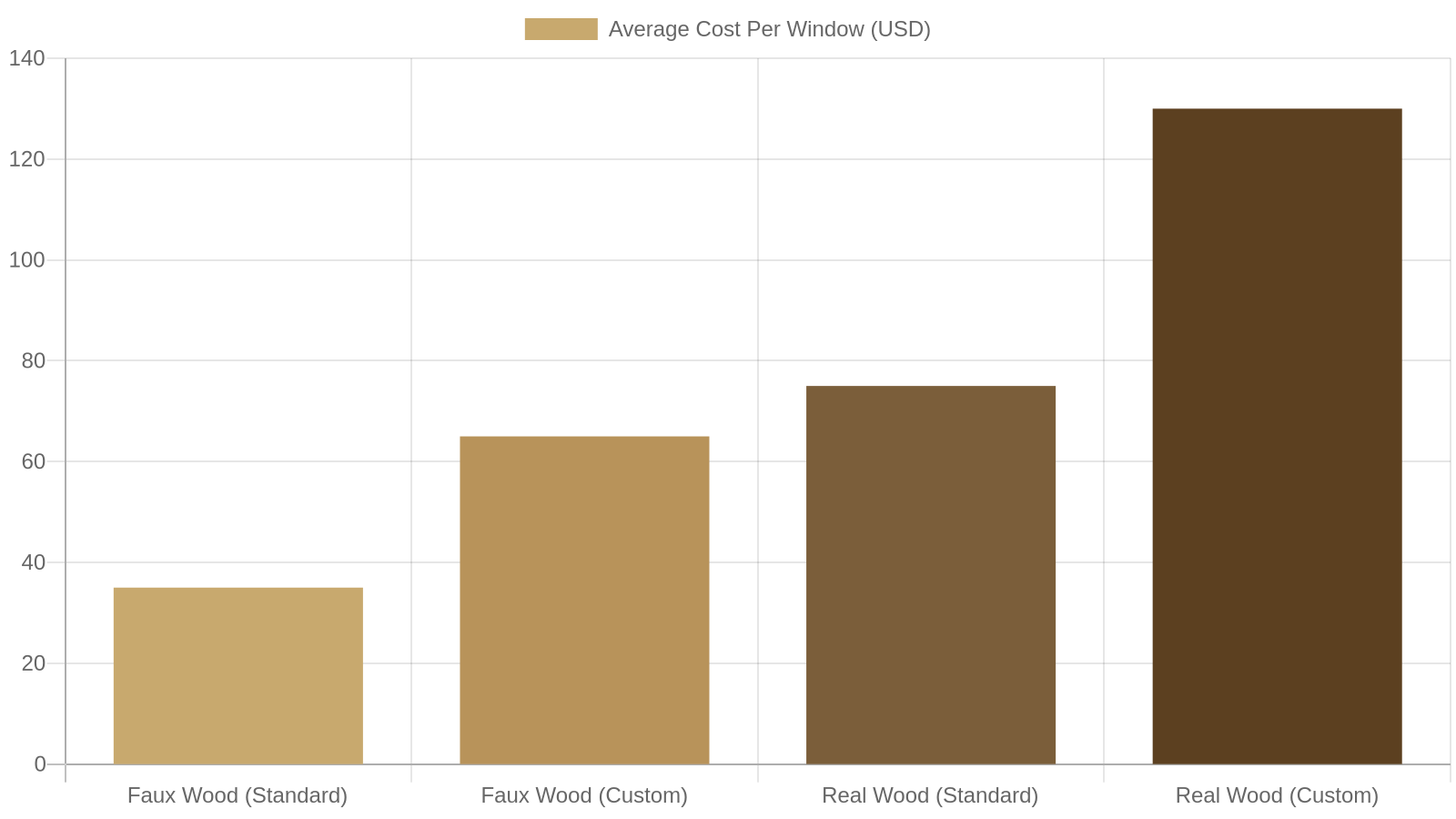
On average, real wood blinds cost 30–50% more per window than comparable faux wood blinds. For a builder finishing a 25-home subdivision with an average of 12 windows per home (300 windows total), that price gap can translate to $6,000–$15,000 or more in savings across the project — savings that can be reinvested in other finishes or passed along as a competitive advantage to buyers. Faux wood blinds typically range from $25–$80 per window for standard sizes, while real wood equivalents often run $50–$150 per window before installation.
Perceived Value for Homebuyers
Despite costing less, faux wood blinds are virtually indistinguishable from real wood to the untrained eye. The embossed wood-grain textures and authentic stain-matched finishes available today are remarkably convincing. Homebuyers perceive included window treatments as a significant value-add, and faux wood blinds deliver that perception without straining the builder’s budget. In competitive West Tennessee markets like Jackson and Lexington, that included-blind package can be a meaningful differentiator at the sales table.
3. Durability That Holds Up Through Move-In and Beyond
Durability is a non-negotiable for builders and contractors. A window treatment that fails within the first year of occupancy reflects poorly on the builder, not just the product. Faux wood blinds are engineered for long-term residential performance, resisting the physical and environmental stresses that real wood cannot always withstand. Understanding the durability profile of faux wood helps builders make confident specification decisions.
Impact Resistance and Everyday Wear
New homeowners are not always gentle with their window treatments in the first months of living in a new home. Kids, pets, and the general chaos of moving in all take a toll. Faux wood slats are significantly more impact-resistant than real wood slats, which can chip, crack, or splinter when struck. The composite or solid PVC construction flexes slightly on impact rather than breaking, meaning the blinds you install at closing still look great at the one-year warranty inspection.
Lifespan Expectations for Builders
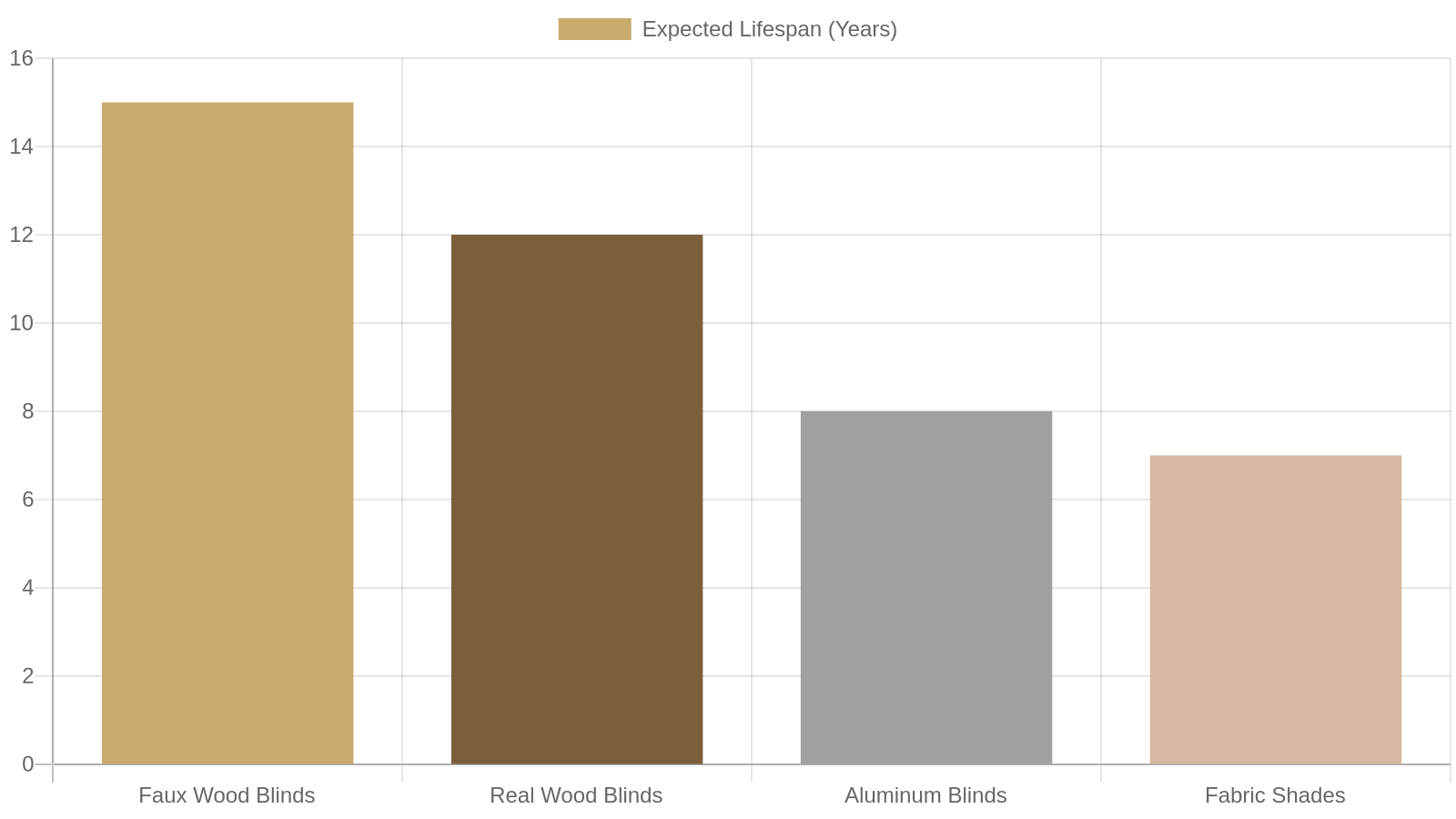
Quality faux wood blinds installed in normal living conditions carry an expected lifespan of 10–20 years, comparable to or exceeding real wood in most residential applications. For builders offering a one-year structural warranty and wanting to minimize warranty service calls related to window treatments, that durability is a meaningful advantage. Blinds Galore’s custom-built faux wood options are sourced from manufacturers with proven track records, giving West Tennessee builders confidence in long-term product performance.
4. Easy Cleaning and Zero Maintenance for Homeowners
When builders select window treatments for new homes, they’re also making a choice on behalf of the homeowners who will live with those treatments for years. Ease of maintenance is a quality-of-life factor that homeowners genuinely appreciate — and that appreciation reflects well on the builder. Faux wood blinds are among the lowest-maintenance window treatment options available, a fact that deserves a prominent place in any builder’s sales conversation.
Wipe-Clean Surfaces Save Homeowners Time
One of the most common homeowner complaints about window treatments is how difficult they are to clean. Real wood requires careful dusting and occasional wood-safe conditioning to prevent drying and cracking. Faux wood blinds need nothing more than a damp cloth or a quick pass with a microfiber duster. For builders marketing to busy families in Jackson and surrounding communities, the low-maintenance pitch is a genuine selling point that resonates at open houses and model home tours.
No Refinishing, No Conditioning, No Worries
Real wood blinds may need refinishing or re-staining over time to maintain their appearance, especially in sun-exposed rooms. Faux wood blinds require no refinishing, no conditioning oils, and no special cleaning products — ever. The factory finish is permanent and UV-stabilized. For property managers and landlords in the Jackson area who oversee multiple units, this zero-maintenance profile translates directly into lower operating costs and fewer tenant maintenance requests.
5. Energy Efficiency Benefits in the West Tennessee Climate
Energy efficiency is an increasingly important consideration for West Tennessee homebuyers. Rising utility costs and a growing awareness of home performance make energy-saving features a meaningful selling point. Faux wood blinds contribute to a home’s thermal envelope in ways that many builders overlook when specifying window treatments. Understanding the energy performance of faux wood can help builders add another layer of value to their finished homes.
Insulating Properties of Faux Wood Slats
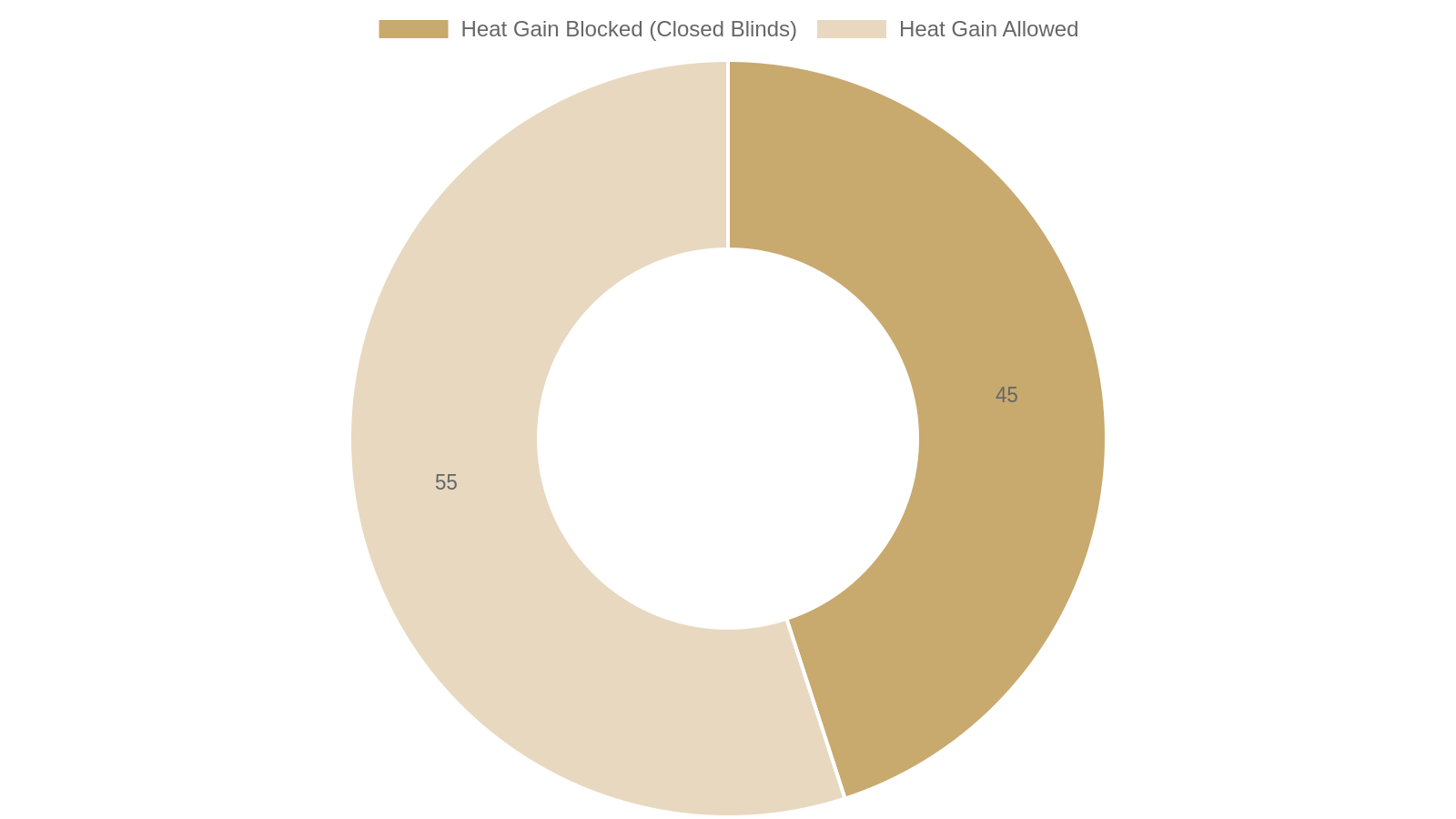
Faux wood blinds provide a meaningful layer of insulation at the window plane. When fully closed, the overlapping slats create a barrier that slows heat transfer — keeping interiors cooler in summer and reducing heat loss in winter. Studies on window covering insulation suggest that closed blinds can reduce heat gain through windows by up to 45% in summer conditions. In West Tennessee’s long, hot summers, that translates to measurable savings on cooling bills — a fact builders can include in their energy-efficiency marketing materials.
Light Control and Glare Reduction
Beyond thermal insulation, faux wood blinds offer precise light control through slat angle adjustment. Homeowners can angle slats to redirect sunlight toward the ceiling for diffused natural light, or close them completely for full privacy and darkness. This level of control reduces reliance on artificial lighting during daylight hours, contributing to lower electricity usage. For builders pursuing energy-efficient certifications or marketing homes with green features, faux wood blinds are a simple, cost-effective addition to the energy story.
6. Wide Style and Finish Options to Satisfy Every Buyer
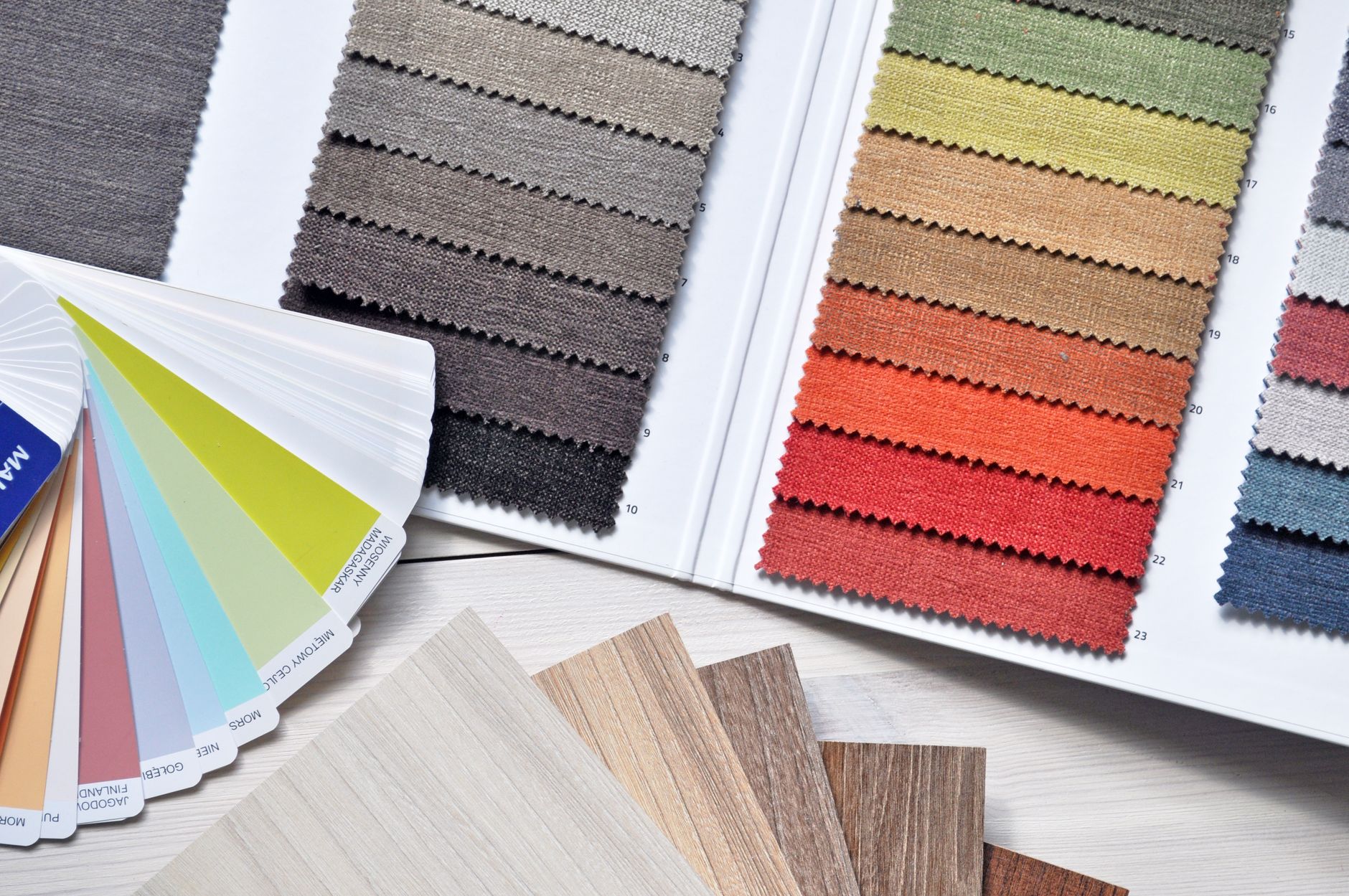
One of the practical challenges builders face when specifying window treatments for entire developments is satisfying the diverse tastes of their buyers. Faux wood blinds solve this problem elegantly by offering a broad range of slat widths, colors, and finishes that work across architectural styles — from traditional Southern homes to modern farmhouse designs that are popular throughout the Jackson, TN area. The design flexibility of faux wood makes it a genuinely universal specification choice.
Slat Width Choices and Design Flexibility
Faux wood blinds are available in standard slat widths of 1 inch, 2 inches, and 2.5 inches, each creating a distinct visual character. Narrower 1-inch slats suit contemporary and transitional interiors with a cleaner, more refined look. Wider 2- and 2.5-inch slats evoke a more traditional, plantation-style aesthetic that’s popular in West Tennessee homes. Builders can specify a single slat width across a development for consistency, or offer buyers a choice at the design center stage — both approaches work seamlessly with custom-order faux wood programs.
Color and Finish Matching for Every Interior
Today’s faux wood blind manufacturers offer 30 or more color and finish options, from bright white and antique white to rich espresso, mahogany, and gray-washed tones. Many finishes are designed to coordinate with popular cabinet and trim paint colors, making it easy for builders to create a cohesive interior package. Blinds Galore works with builders to select finishes that complement their standard interior packages, simplifying the specification process and ensuring a polished result at every home.
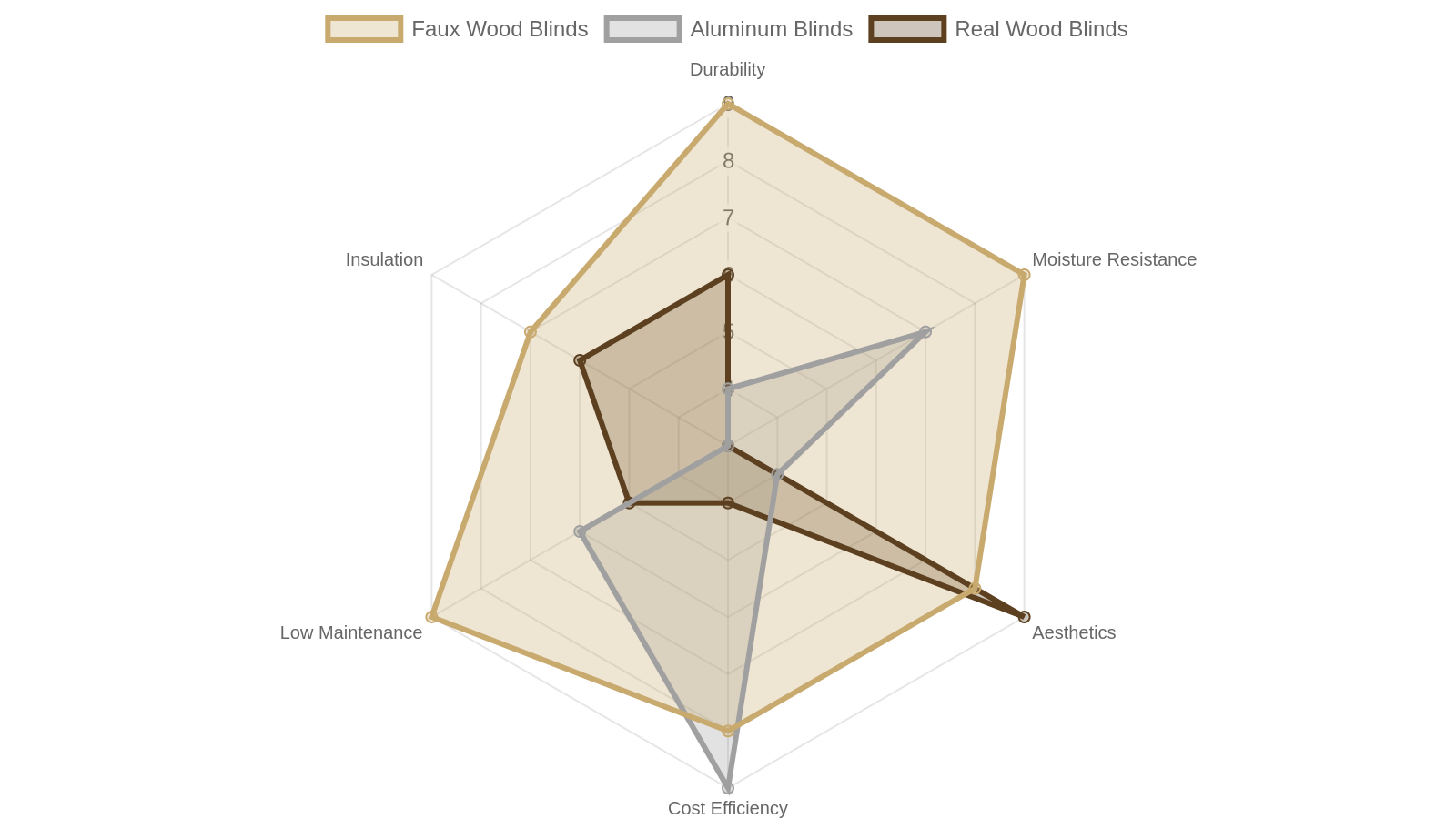
Faux Wood Blinds vs. Competing Window Treatments — Builder Comparison at a Glance
Use this side-by-side comparison to evaluate faux wood blinds against the most common alternatives when specifying window treatments for new construction or renovation projects in West Tennessee.
7. Fast, Professional Installation Across Multiple Units

The installation phase is where many window treatment projects go wrong — wrong measurements, delayed orders, scheduling conflicts, and poor craftsmanship all create headaches for builders and their clients. Working with an experienced local partner who specializes in builder and contractor accounts eliminates these risks and keeps projects moving. Blinds Galore has spent over 18 years refining its installation process for West Tennessee builders, and that experience shows in the efficiency and quality of every project.
Coordinated Scheduling for Subdivisions and Developments
Installing window treatments across a multi-home development requires careful coordination. Blinds Galore offers coordinated scheduling for builders and contractors, handling measurement, fabrication, and installation across multiple units in a logical sequence that fits the construction timeline. Rather than managing multiple vendor relationships and scheduling conflicts, builders work with a single point of contact who understands the demands of professional construction schedules in the Jackson and West Tennessee market.
Professional Measuring Eliminates Costly Errors
Incorrect measurements are one of the most common — and costly — mistakes in window treatment installation. A single mis-measured window can mean a reorder, a delay, and an unhappy client. Blinds Galore’s professional measuring service eliminates this risk entirely. Trained installers take precise inside-mount and outside-mount measurements for every window, ensuring a perfect fit the first time. For builders managing dozens of windows across multiple homes, that accuracy is not just convenient — it’s essential to staying on schedule and on budget.
8. Ideal for Rental Properties and Property Managers
While this article focuses primarily on home builders and contractors, it’s worth noting that faux wood blinds are equally well-suited for property managers and landlords throughout the West Tennessee area. The combination of durability, low maintenance, and consistent availability makes faux wood the practical choice for rental properties in Jackson, Lexington, Henderson, Milan, and surrounding communities.
Durability Reduces Turnover Costs
Property managers and landlords in the Jackson, TN area know that window treatments take a beating in rental units. Tenants are not always careful, and cheap blinds need replacement every 2–3 years — a recurring cost that adds up quickly across a portfolio. Quality faux wood blinds, by contrast, can last 10–15 years even in rental conditions, dramatically reducing the frequency and cost of replacement. The upfront investment in faux wood pays for itself many times over compared to the cycle of replacing inexpensive aluminum or vinyl blinds.
Uniform Appearance Across Multiple Units
For property managers overseeing apartment complexes or rental home portfolios, visual consistency across units matters for both marketing and maintenance. Faux wood blinds in a standard white or off-white finish create a clean, professional appearance that photographs well and appeals to prospective tenants. When a replacement is needed, matching the existing style is straightforward because faux wood finishes are standardized across product lines. Blinds Galore can maintain records of specifications for property managers, making future reorders simple and accurate.
9. Comparing Faux Wood to Other Builder-Grade Window Treatments
To make an informed specification decision, builders need to understand how faux wood blinds stack up against the other common options in the builder-grade window treatment category. Each product type has its place, but faux wood consistently comes out ahead on the combination of cost, durability, aesthetics, and maintenance that matters most to builders and their clients. The comparison below covers the most common alternatives.
Faux Wood vs. Aluminum Blinds
Aluminum blinds are the cheapest option on paper, typically running $10–$25 per window, but they come with significant trade-offs. Aluminum slats bend easily and permanently — a single accidental bump can ruin a slat’s appearance. They also conduct heat, making them poor insulators, and the metallic look dates quickly. Faux wood blinds cost more upfront but deliver a dramatically better aesthetic and far greater durability, making the total cost of ownership lower over a 10-year horizon when replacement and labor costs are factored in.
Faux Wood vs. Fabric Shades
Fabric roller shades and cellular shades are popular alternatives, particularly for their clean, modern look and excellent light-filtering options. However, fabric shades are significantly more vulnerable to moisture, staining, and physical damage than faux wood blinds. In homes with children or pets — a large segment of the West Tennessee buyer pool — fabric shades often need replacement within 5–7 years. Faux wood blinds offer comparable aesthetics in many settings with far greater resilience, making them the safer specification choice for builders who want to minimize post-closing issues.
Ready to Spec Faux Wood Blinds for Your Next West Tennessee Project?
If you’re a home builder or contractor in the Jackson, TN area looking for a reliable, high-quality window treatment solution that satisfies buyers, fits your budget, and installs without drama, faux wood blinds from Blinds Galore are the clear answer. With over 18 years of experience serving West Tennessee’s building community, a 100% satisfaction guarantee, and free in-home consultations, Blinds Galore makes it easy to get every window right — every time.
How Blinds Galore Works With Builders and Contractors
Blinds Galore has been West Tennessee’s trusted window treatment partner for over 18 years, working with home builders, remodeling contractors, and property managers across Jackson, Lexington, Henderson, Milan, and the surrounding communities. The process is simple: contact the team, schedule a free consultation, and let Blinds Galore handle professional measuring, custom fabrication, and installation — all backed by a 100% satisfaction guarantee. There’s no need to manage multiple vendors or worry about measurement errors. One call covers everything.
Your Free Builder Consultation Starts Here
Whether you’re finishing a single custom home or coordinating window treatments across a 50-home subdivision, Blinds Galore has the experience, product selection, and installation capacity to deliver on time and on budget. Call (731) 571-5179 today to speak with a window treatment specialist, or visit the showroom to see the full faux wood blind collection in person. The team brings the showroom to you with free in-home consultations — no pressure, just expert guidance tailored to your project’s needs and your buyers’ expectations.
Ready to upgrade your next project? Explore our custom faux wood blind options for West Tennessee builders and contractors and see why so many local professionals trust Blinds Galore for every window in every home. You can also request a free builder consultation online and a specialist will follow up within one business day.
Frequently Asked Questions
Are faux wood blinds good for humid climates like West Tennessee?
Yes — faux wood blinds are an excellent choice for West Tennessee's humid climate. Unlike real wood, they resist warping, swelling, and cracking caused by moisture and humidity, making them suitable for every room in the house including bathrooms and kitchens.
How much do faux wood blinds cost for a new construction home?
Faux wood blinds typically cost $35–$65 per window for standard sizes, and $50–$80 for custom sizes. For a home with 12 windows, expect a total product cost of roughly $420–$960 before professional installation, which varies by project scope.
Can Blinds Galore handle window treatments for an entire subdivision or multi-home project?
Absolutely. Blinds Galore regularly works with home builders and contractors across West Tennessee on multi-home projects, providing coordinated measuring, custom fabrication, and installation scheduling to fit construction timelines. Call (731) 571-5179 to discuss your project.
What is the difference between faux wood and real wood blinds?
Faux wood blinds are made from composite PVC and wood fiber or solid PVC, making them moisture-resistant, more durable, and less expensive than real wood blinds. Real wood blinds offer a slightly more premium feel but are vulnerable to warping in humid or wet environments and cost 30–50% more.
Do faux wood blinds help with energy efficiency?
Yes. When fully closed, faux wood blinds can reduce summer heat gain through windows by up to 45%, according to U.S. Department of Energy research on window coverings. This helps reduce cooling costs in West Tennessee's hot summers and is a useful selling point for energy-conscious homebuyers.
Does Blinds Galore offer free consultations for builders and contractors in Jackson, TN?
Yes. Blinds Galore offers free in-home or on-site consultations for builders, contractors, and property managers throughout the Jackson, TN area and surrounding West Tennessee communities. Contact the team at (731) 571-5179 or through the website to schedule your consultation.
You might also like
Best Energy-Efficient Cellular Shades for Jackson TN Living Rooms: a Cost Savings Guide
Quick answer: Cellular shades — also called honeycomb shades — are the single most energy-efficient
Best Blackout Shades for Jackson TN Bedrooms: 9 Things to Know
Quick answer: Blackout shades block 99–100% of incoming light, making them the top choice for Jackson,
Best Faux Wood Blinds for Moisture-Prone Bathrooms and Kitchens in Jackson, TN
Quick answer: Faux wood blinds are the single best window treatment choice for moisture-prone bathrooms

Best Motorized Blinds for Large Windows in Jackson, TN: Cost and Control Guide
Quick answer: Motorized blinds are the most practical solution for large windows in Jackson, TN homes,
Faux Wood vs. Real Wood Blinds: Durability and Cost Compared for Jackson, TN Homes
Quick answer: Faux wood blinds typically cost $20–$60 per window less than real wood and outperform
7 Best Motorized Cellular Shades for Large Windows in Jackson, TN
Quick answer: Motorized cellular shades are the top choice for large windows in Jackson, TN homes because