

Best Faux Wood Blinds for Moisture-Prone Bathrooms and Kitchens in Jackson, TN
Quick answer: Faux wood blinds are the single best window treatment choice for moisture-prone bathrooms and kitchens in Jackson, TN. Unlike real wood, high-quality faux wood (typically PVC or a composite core) won't warp, crack, or grow mold when exposed to steam, humidity, and splashing water — problems that are very real in West Tennessee's warm, humid climate. They look nearly identical to real wood, cost 20–40% less, and can last 15–25 years with minimal upkeep. For best results, choose 2-inch or 2½-inch slats in a moisture-rated PVC composite, and have them professionally measured and installed.
Why Moisture Is the Enemy of Window Treatments in Jackson, TN

Before choosing any window treatment for a bathroom or kitchen, it helps to understand exactly what those rooms put window coverings through on a daily basis. Jackson, TN’s naturally humid climate makes the challenge even greater — your blinds aren’t just dealing with cooking steam or shower vapor, they’re starting from a higher baseline humidity than homes in drier parts of the country. Understanding the enemy is the first step toward picking a product that will actually last.
West Tennessee's Humidity Problem
Jackson, TN sits in a region where average relative humidity hovers between 65% and 80% for much of the year, and indoor kitchens and bathrooms push that even higher. When you boil a pot of pasta or run a hot shower, localized humidity can spike to 90–100% for 15–30 minutes at a time. Over weeks and months, that repeated moisture exposure destroys traditional wood window coverings from the inside out.
- Warping: Real wood slats absorb moisture and expand unevenly, leaving blinds that won’t close flat.
- Cracking: As wood dries out between moisture cycles, it contracts and can split along the grain.
- Mold and mildew: Porous wood surfaces trap organic matter and moisture — the perfect breeding ground for mold spores.
What Happens to the Wrong Blinds Over Time
Homeowners who install standard fabric shades or real wood blinds in bathrooms and kitchens often notice problems within the first 12–18 months. Fabric shades develop musty odors and dark mildew spots that no amount of cleaning removes. Real wood blinds begin to bow — sometimes so severely that the slats overlap each other and the blind can no longer be raised or lowered smoothly. Aluminum mini-blinds resist moisture but look institutional and dent easily. The result? An expensive replacement cycle that faux wood blinds are specifically engineered to break.
What Exactly Are Faux Wood Blinds? A Clear Definition
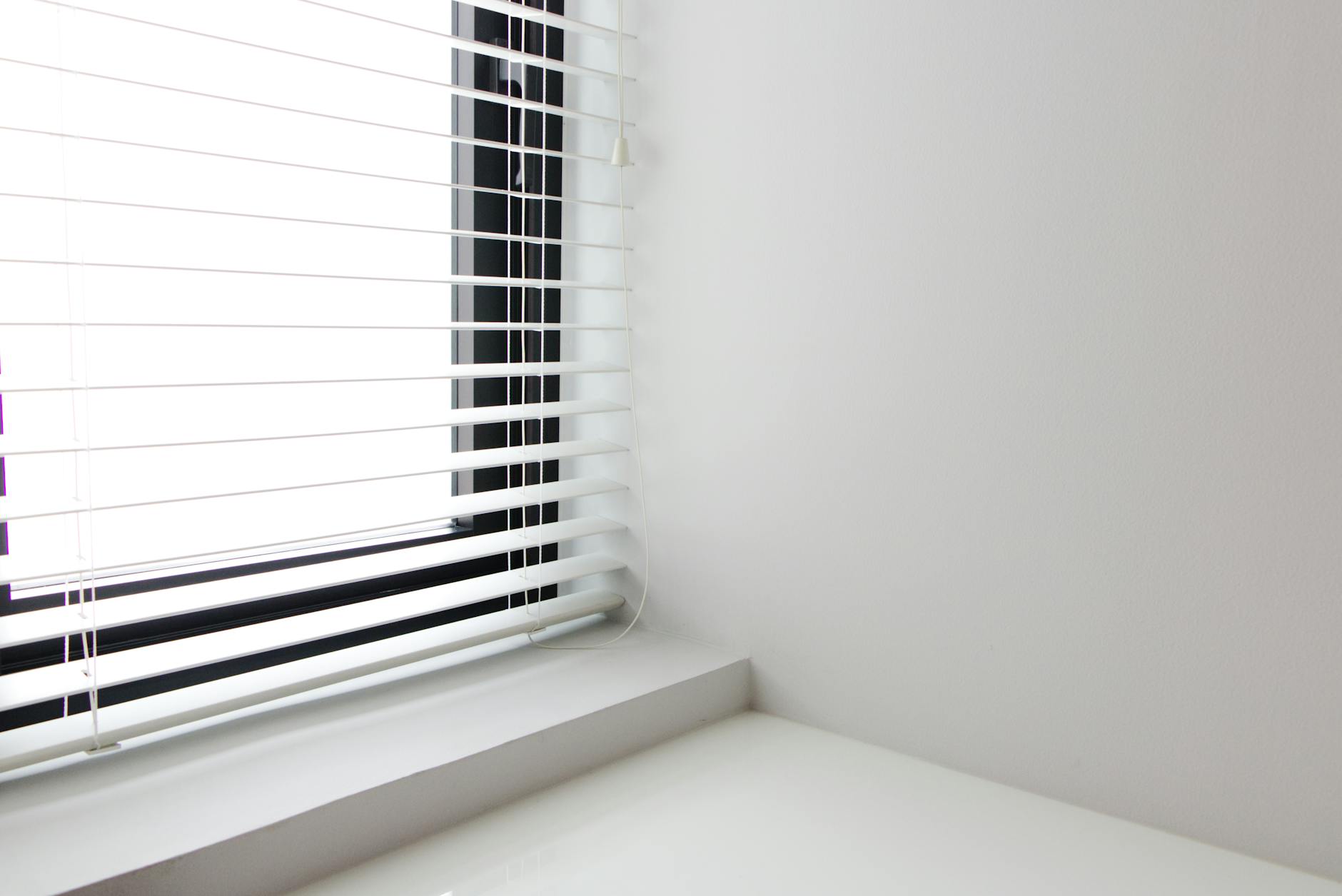
The term ‘faux wood’ gets used loosely in home improvement conversations, so it’s worth pinning down exactly what you’re buying before you invest. Not all faux wood blinds are created equal, and the material composition makes a significant difference in how well they hold up in genuinely wet environments like a Jackson, TN kitchen or master bathroom.
Materials and Construction
Faux wood blinds are horizontal slatted blinds manufactured from PVC (polyvinyl chloride), a wood-PVC composite, or a polystyrenene-based compound rather than natural timber. The best moisture-rated options use a hollow or solid PVC core wrapped in a wood-grain textured finish that is heat-pressed or printed to mimic the look of painted or stained hardwood. Slat widths typically come in 1-inch, 2-inch, and 2½-inch profiles, with 2-inch being the most popular for residential kitchens and bathrooms because it balances light control with a classic aesthetic.
- Pure PVC slats: Maximum moisture resistance, lightest weight, best for full bathrooms.
- Wood-PVC composite slats: Slightly heavier, richer texture, suitable for kitchens with moderate steam exposure.
- Polystyrene slats: Budget-friendly, adequate for powder rooms with low humidity.
How Faux Wood Differs from Real Wood Blinds
At a glance — especially from across a room — faux wood and real wood blinds are nearly indistinguishable. Both come in dozens of stain and paint colors, both use similar tilt rods and ladder cord hardware, and both offer the same classic horizontal louver look. The critical differences are structural: real wood is a natural, porous material that breathes with humidity changes, while faux wood is dimensionally stable and non-porous. Real wood blinds typically weigh 30–50% more per square foot than faux wood, which also makes faux wood a smarter choice for very wide windows where weight can strain the headrail mechanism over time.
Faux Wood vs. the Competition: How Other Materials Stack Up
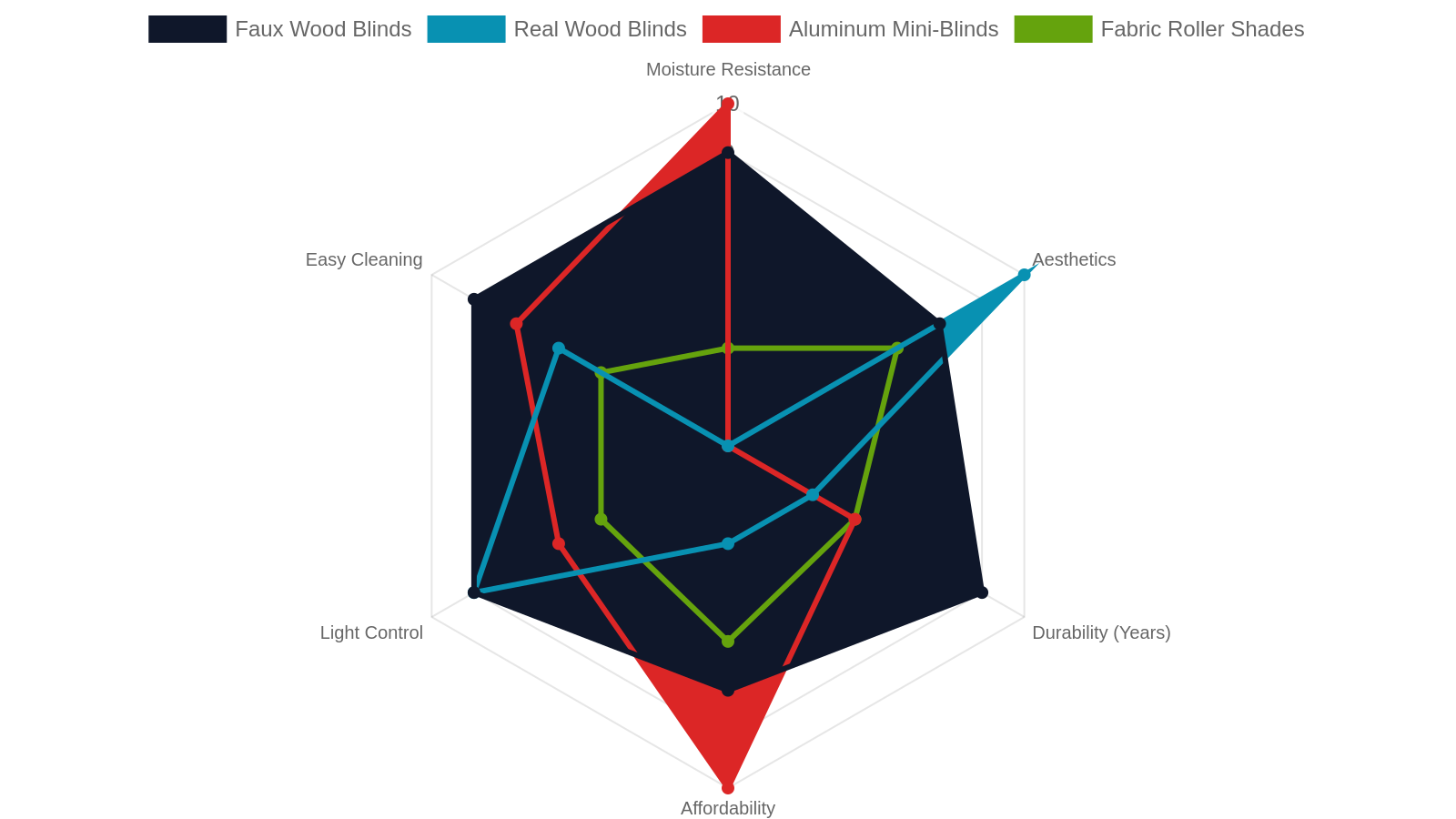
Faux wood blinds don’t exist in a vacuum — homeowners in Jackson and across West Tennessee have plenty of window treatment options to consider. Understanding how faux wood stacks up against real wood, aluminum, and fabric alternatives helps you make a confident, informed decision rather than guessing at the hardware store.
Real Wood Blinds in Humid Spaces
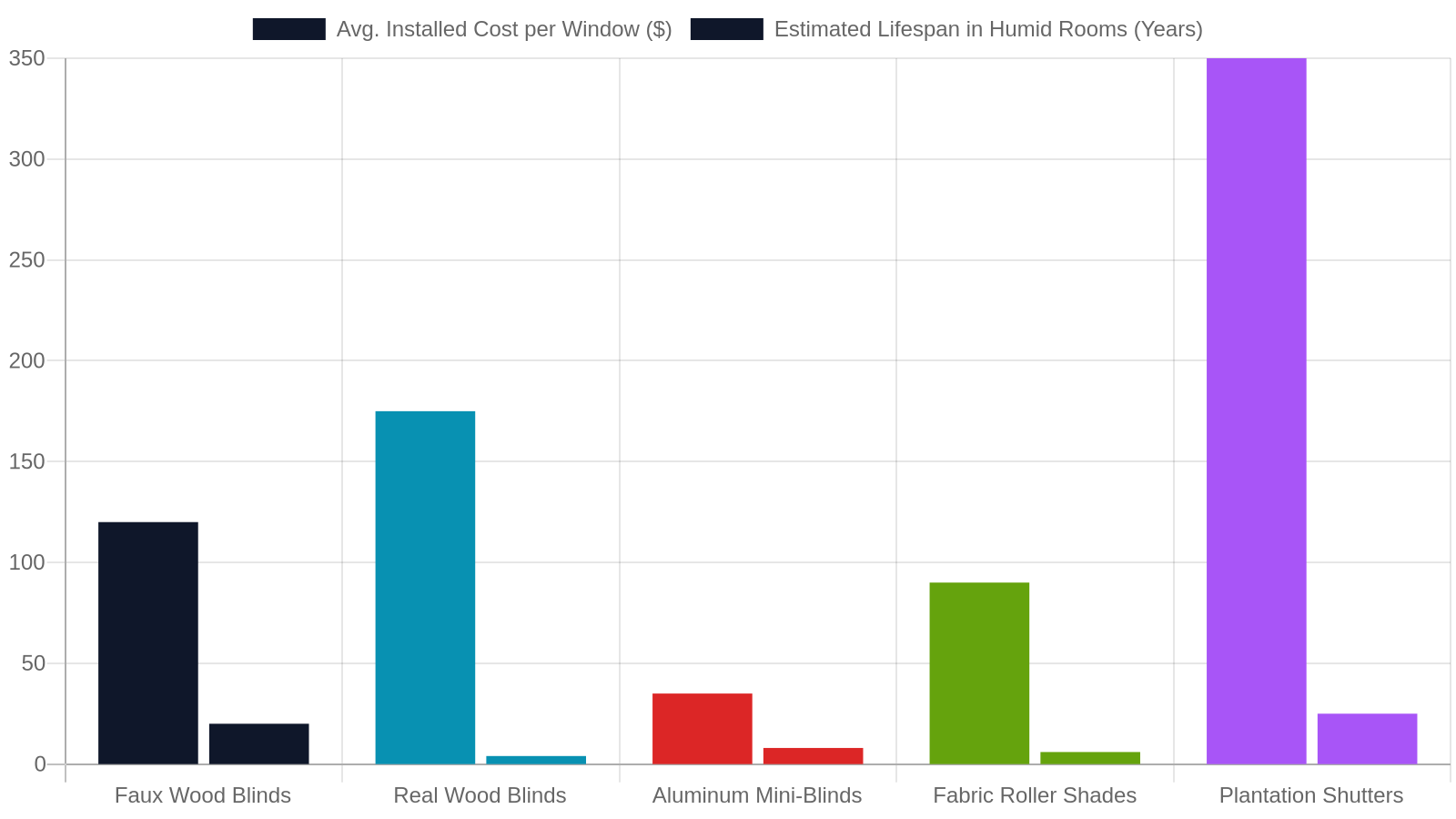
Real wood blinds are beautiful and carry a premium feel, but they are simply not engineered for kitchens and bathrooms. Most manufacturers explicitly void the warranty if real wood blinds are installed in rooms with high humidity. A quality set of real wood blinds costs between $80 and $200 per window installed, and in a humid environment, you may be replacing them every 3–5 years. Over a 15-year period, that’s potentially three full replacement cycles compared to one set of faux wood blinds.
Aluminum Mini-Blinds
Aluminum mini-blinds are genuinely moisture-proof and cost as little as $15–$40 per window off the shelf. However, they dent permanently with the slightest contact, the thin 1-inch slats look dated, and they rattle loudly in any air movement. For rental properties where durability and budget are paramount, they serve a purpose — but for a kitchen or bathroom in a Jackson, TN home where aesthetics matter, most homeowners find them unsatisfying within a year of installation.
Cellular Shades and Roller Shades
Cellular (honeycomb) shades offer excellent insulation — R-values between 2.0 and 4.0 depending on cell count — but their fabric construction traps moisture inside the honeycomb cells, making them prone to mildew in bathrooms. Moisture-rated roller shades made from vinyl-coated polyester are a better alternative and cost $50–$120 per window, but they offer less light-control precision than slatted faux wood blinds and don’t provide the classic look many homeowners prefer. Faux wood blinds remain the strongest all-around performer for humid rooms when you weigh aesthetics, durability, light control, and price together.
Key Features to Look for in Moisture-Rated Faux Wood Blinds
Not every faux wood blind on the market is built to handle a steamy Jackson, TN bathroom or a busy kitchen above the stove. The category spans a wide quality range — from builder-grade imports that look great on day one and fail within two years, to premium moisture-rated products with 20-year track records. Knowing what to look for puts you in control of that conversation.
Slat Width and Thickness
For bathrooms and kitchens, 2-inch slats are the sweet spot. They’re wide enough to let in generous natural light when open, but narrow enough to stack compactly when raised. Thicker slats — typically 3mm to 4mm in premium lines — are more rigid and resist bowing under repeated humidity exposure better than thinner economy slats (1.5mm–2mm). Always ask your window treatment specialist for the slat thickness specification, not just the width.
Headrail and Hardware Quality
The slats get all the attention, but the headrail and hardware are equally important in a moist environment. Look for rust-proof aluminum or stainless steel hardware inside the headrail mechanism. Plastic gears and steel springs will corrode or seize in a bathroom environment within 2–3 years. Quality faux wood blinds use corrosion-resistant metal components throughout — lift cords, tilt rods, and bottom rails should all be rated for high-humidity use. Ask specifically whether the product carries a moisture-environment warranty.
Cordless and Motorized Options for Safety and Convenience
Cordless faux wood blinds have become the standard recommendation for bathrooms and kitchens for two reasons: child and pet safety (dangling cords are a strangulation hazard) and moisture management (lift cords absorb water and can wick mildew up into the headrail). A cordless lift mechanism uses a simple push-up, pull-down operation and eliminates that risk entirely. Motorized options — controllable via remote, app, or voice assistant — are increasingly popular in kitchen settings where your hands may be wet or occupied, and they typically add $50–$150 per window to the installed cost.
Color, Finish, and Style: Making Faux Wood Look Great in Your Home
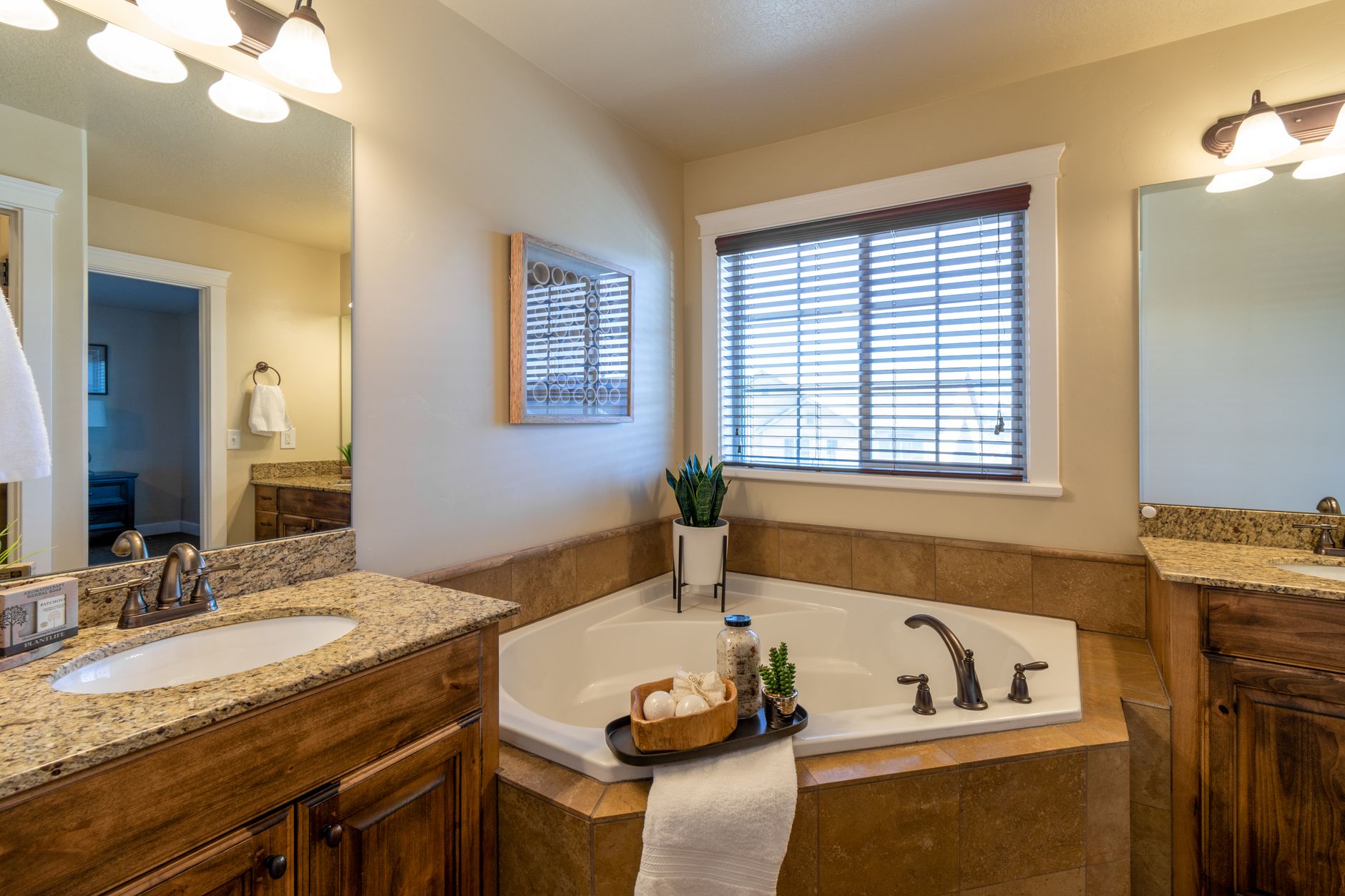
One of the most common misconceptions about faux wood blinds is that choosing a moisture-resistant material means sacrificing style. In reality, today’s faux wood blinds are available in a stunning range of colors, finishes, and configurations that can complement everything from a farmhouse kitchen in Henderson, TN to a modern spa-style bathroom in Jackson. Style and performance are not a trade-off — you can have both.
Popular Color Choices for Kitchens
Kitchen blinds need to complement cabinetry, countertops, and backsplash tile — often simultaneously. White and off-white finishes remain the most popular choice because they read as clean, bright, and timeless against virtually any cabinet color. Light oak and natural wood-grain finishes pair beautifully with shaker-style cabinetry and open-concept spaces. For darker, more dramatic kitchens with navy or forest-green cabinetry, a dark walnut or espresso faux wood finish adds richness without competing with the room’s palette. Most quality faux wood lines offer 30–60 color and finish options.
Bathroom-Specific Style Considerations
Bathroom windows present unique challenges: they’re often smaller than kitchen windows, may be positioned high on the wall for privacy, and frequently need to balance light with privacy more carefully than any other room. Top-down/bottom-up faux wood blinds are an excellent solution — they allow you to lower the top portion of the blind while keeping the bottom raised, letting in natural light from above while maintaining privacy at eye level. This configuration is especially popular in Jackson, TN master bathrooms where windows face neighboring homes or the street. Frosted or obscure glass windows can work with any finish, while clear-glass bathroom windows benefit most from a privacy-forward configuration.
Measuring and Sizing: Why Getting It Right Matters
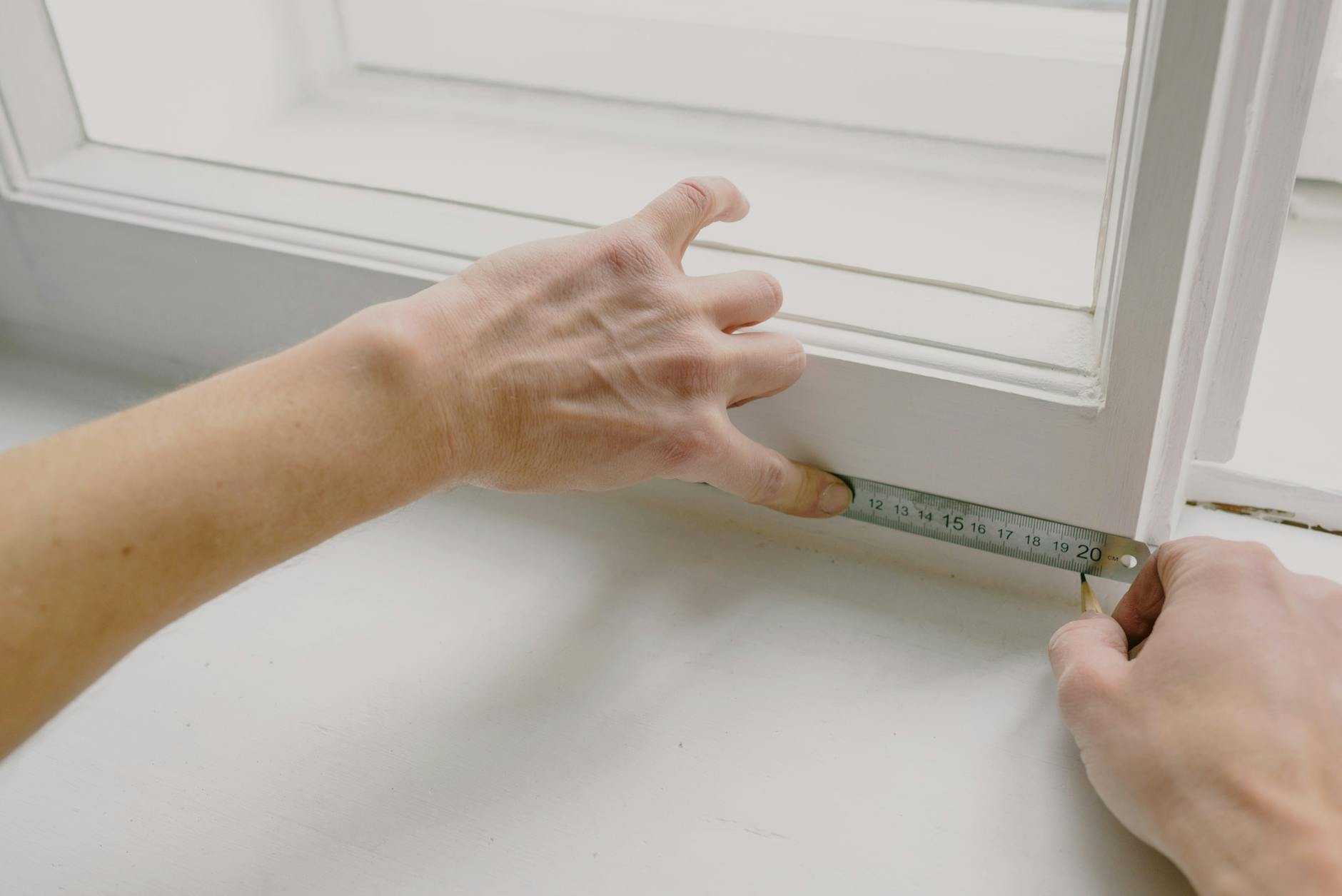
Even the highest-quality faux wood blind performs poorly if it doesn’t fit the window correctly. Gaps at the sides let in light and reduce privacy; a blind that’s too wide won’t mount properly and may bind or jam. Custom sizing — as opposed to buying a standard off-the-shelf size and trimming it down — is the only way to guarantee a perfect fit, especially in the varied window sizes found in Jackson, TN homes built across different decades.
Inside Mount vs. Outside Mount
Faux wood blinds can be installed in one of two ways. An inside mount fits within the window frame itself, creating a clean, built-in look that shows off the window trim. This requires a minimum depth of 1¾ inches inside the frame for standard blinds, and 2½ inches for a flush, no-light-gap installation. An outside mount attaches the headrail to the wall or trim above the window, which is useful when the window frame is too shallow, when you want to make a window appear larger, or when you need to block more light around the edges. Both options work equally well in kitchens and bathrooms.
Why Professional Measuring Prevents Costly Mistakes
Custom faux wood blinds are cut to your exact measurements — which means a measurement error of even ⅛ inch can result in a blind that won’t fit properly. Bathroom and kitchen windows are particularly prone to measurement complications: window frames in older Jackson, TN homes may be out of square, and kitchen windows above sinks often have limited depth due to cabinetry. A professional measuring visit catches these issues before the blind is manufactured. At Blinds Galore, every free in-home consultation includes precise professional measuring — eliminating the guesswork and the costly remakes that come from DIY measurements gone wrong.
Installation Tips for Bathrooms and Kitchens Specifically
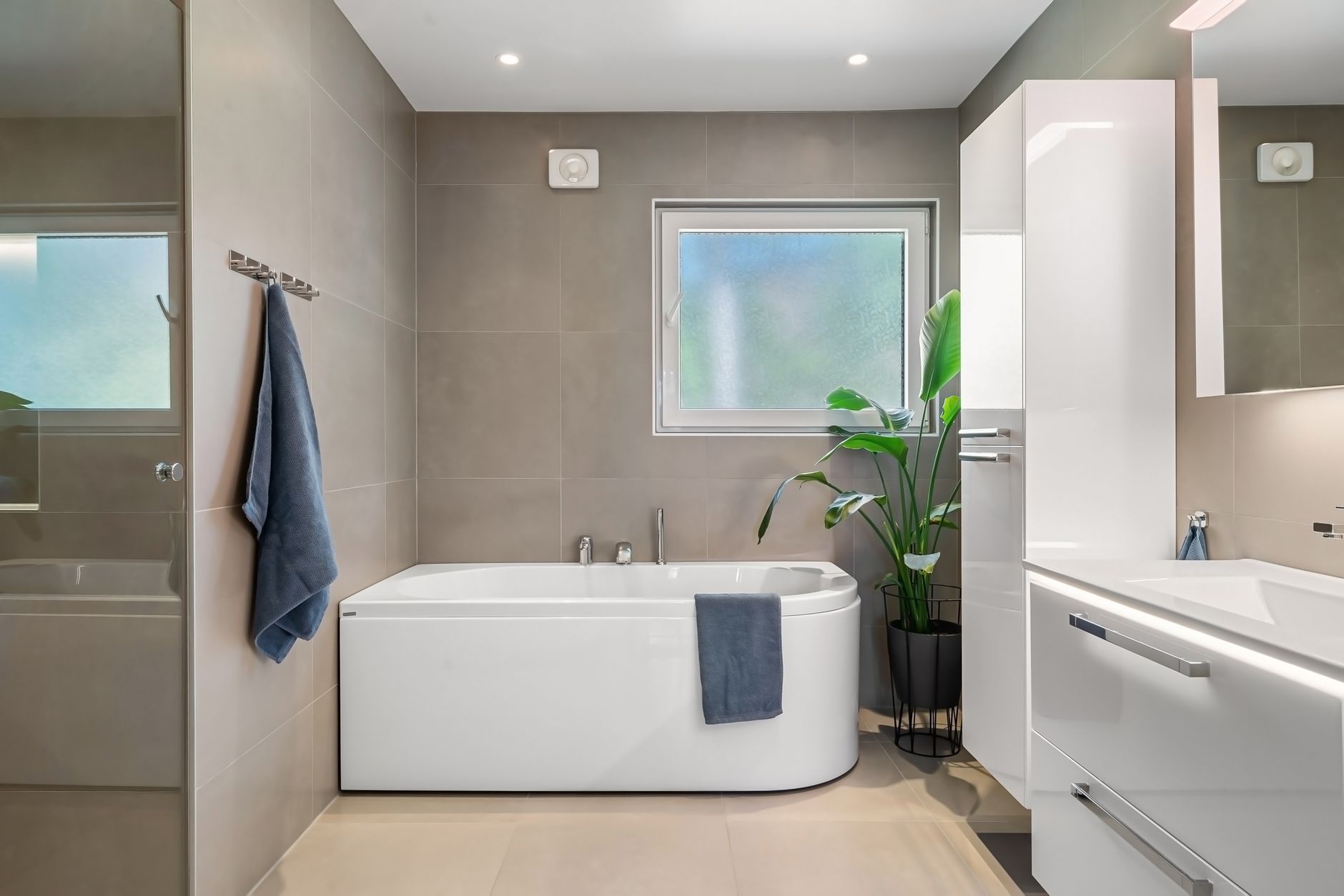
Professional installation isn’t just about getting the blind mounted straight — it’s about positioning the blind correctly relative to the specific hazards in each room. A kitchen window above a sink has different clearance requirements than a bathroom window next to a shower. These details matter for the long-term performance of your investment, and they’re exactly the kind of thing an experienced installer catches during a professional fitting.
Clearance from Water Sources
In kitchens, the most common installation mistake is mounting blinds too close to the sink or cooktop. Blinds positioned within 6 inches of a sink basin will receive direct water splash on a daily basis — even moisture-rated faux wood has limits when submerged repeatedly. The ideal position keeps the bottom rail at least 4–6 inches above the sink deck. Above a cooktop, ensure the blind is mounted at least 24 inches above the burner grates to prevent heat damage to the PVC slats, which can soften at sustained temperatures above 140°F.
Ventilation and Airflow Considerations
Good ventilation is your blind’s best friend in a bathroom. If your bathroom has an exhaust fan, run it during and for 15–20 minutes after every shower — this dramatically reduces the humidity load on your window treatments. Tilt the slats slightly open (rather than fully closed) when the room isn’t in use to allow air circulation around the slats and prevent moisture from pooling in the ladder cord channels. In kitchens, use your range hood exhaust fan while cooking to vent steam before it condenses on the blind slats above the window.
Faux Wood Blind Options at a Glance: Features, Cost, and Best Use
Use this table to compare the main faux wood blind configurations available for bathrooms and kitchens in Jackson, TN homes. Prices reflect typical installed custom costs per standard window.
Cleaning and Maintenance: Keeping Faux Wood Blinds Looking New
Faux wood blinds require significantly less maintenance than fabric shades or real wood blinds, but a small amount of regular care goes a long way toward preserving their appearance and extending their lifespan. In a kitchen or bathroom, where grease, soap scum, and hard water deposits are facts of life, having a simple cleaning routine in place from day one keeps your investment looking sharp for decades.
Weekly and Monthly Cleaning Routines
One of faux wood’s greatest advantages is how easy it is to clean. A weekly dusting with a microfiber cloth or a blind-cleaning tool that wipes multiple slats simultaneously keeps grease and dust from building up. For kitchens, a monthly wipe-down with a damp cloth and a drop of dish soap removes cooking grease that accumulates on slats near the stove. Unlike fabric shades, faux wood slats don’t absorb odors or grease — they sit on the surface and wipe away cleanly. Avoid abrasive scrubbers, which can scratch the wood-grain finish.
Deep Cleaning for Bathroom Blinds
Bathroom faux wood blinds can be deep-cleaned once or twice a year by removing them from the headrail and soaking them in a bathtub filled with warm water and a small amount of mild detergent. Let them soak for 10–15 minutes, then wipe each slat with a soft cloth, rinse thoroughly, and hang them to dry completely before reinstalling. This process removes soap scum, hard water deposits, and any mildew residue that may have begun forming in cord channels. Never use bleach-based cleaners on colored or wood-grain finishes — they can strip the surface coating.
Cost Breakdown: What to Expect for Custom Faux Wood Blinds in Jackson, TN

Custom window treatments represent a real investment, and it’s reasonable to want a clear picture of what you’ll spend before you commit. The good news is that faux wood blinds sit comfortably in the middle of the window treatment price spectrum — more affordable than plantation shutters or motorized roller shades, and far more durable than the budget options that end up costing more over time through repeated replacement.
Price Ranges by Window Size and Feature Level
Custom faux wood blinds in Jackson, TN are typically priced by the window, with cost driven by width, height, and feature upgrades. A standard kitchen window measuring 36 inches wide by 48 inches tall will typically run $85–$150 installed for a quality moisture-rated faux wood blind. A larger bathroom window or a wide kitchen window over 60 inches wide may run $150–$250 installed. Cordless lift systems add approximately $20–$40 per window, and motorized options add $80–$150 per window depending on the motor brand and smart-home compatibility.
Total Project Cost for a Typical Jackson, TN Kitchen or Bathroom
Most Jackson-area kitchens have 2–4 windows, putting a complete kitchen faux wood blind project in the $250–$700 range installed. A master bathroom with one or two windows typically runs $150–$400 installed. These figures represent custom-cut, professionally installed, moisture-rated products — not the builder-grade blinds available at big-box stores for $20 apiece that will need replacing in 2–3 years. When you factor in the 15–25 year lifespan of quality faux wood blinds, the cost-per-year is often lower than repeated cheap replacements.
Faux Wood Blinds vs. Plantation Shutters for Wet Rooms: Which Wins?
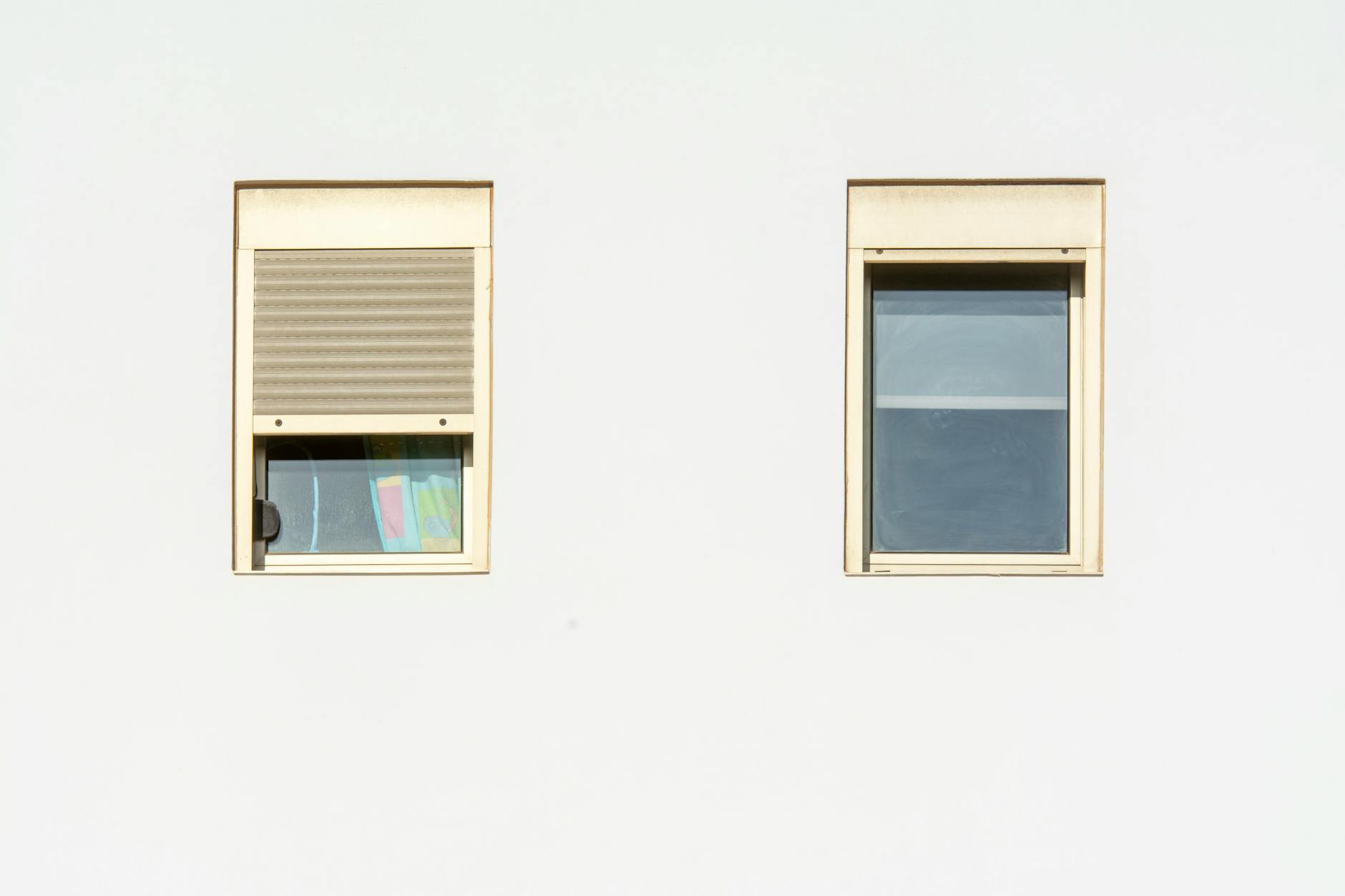
Homeowners frequently ask whether they should choose faux wood blinds or plantation shutters for their bathrooms and kitchens. It’s a fair question — both products are moisture-resistant, both look great, and both are available as custom-fitted options from Blinds Galore. The answer depends on your budget, your timeline, and what you’re optimizing for.
Where Plantation Shutters Have the Edge
Plantation shutters — especially those made from moisture-rated composite or PVC — are arguably the most durable window covering available for humid environments. Their solid frame construction, wide louvers (typically 2½ to 4½ inches), and hinged panel design mean there are no cords to absorb moisture and no slat stacks to trap humidity. They also add measurable resale value to a home — studies suggest shutters can return 60–80% of their cost in home value. However, plantation shutters in Jackson, TN typically cost $250–$600 per window installed, making them 2–4 times the price of faux wood blinds.
When Faux Wood Blinds Are the Smarter Choice
For most Jackson, TN homeowners upgrading a kitchen or bathroom on a realistic budget, faux wood blinds deliver 90% of the performance and aesthetic appeal of plantation shutters at 30–50% of the cost. They’re the right choice when you’re covering multiple windows, working with an irregular window size that would make shutters prohibitively expensive, or when you want the flexibility to change your look in 10–15 years without a major renovation. For rental properties in Milan, Lexington, or Henderson, faux wood blinds are almost always the recommended choice — durable enough to outlast multiple tenant cycles, affordable enough to replace if damaged.
Ready to Upgrade? Your Next Step with Blinds Galore in Jackson, TN

If you’ve been putting off upgrading the blinds in your kitchen or bathroom because you weren’t sure where to start, this is your sign to take the next step. The right faux wood blinds will transform those rooms — protecting your windows from moisture damage, improving privacy and light control, and adding a polished, finished look that holds up for decades in Jackson, TN’s humid climate. Upgrade to custom faux wood blinds with Blinds Galore and see firsthand why West Tennessee homeowners have trusted this team for over 18 years. Give us a call at (731) 571-5179 to schedule your free in-home consultation — or reach out through our contact page and we’ll get back to you promptly. You can also explore our full custom shades collection if you’d like to compare options before your consultation.
The Free In-Home Consultation Experience
Blinds Galore brings the showroom directly to your Jackson, TN home — you don’t have to drive anywhere, carry samples around, or guess how a finish will look in your actual lighting. During a free in-home consultation, a window treatment specialist will measure every window precisely, show you physical samples in your own kitchen and bathroom light, and walk you through the options that make the most sense for your specific rooms and budget. There’s no pressure and no obligation — just expert guidance from a team with over 18 years of experience serving West Tennessee homeowners.
The Blinds Galore Satisfaction Guarantee
Every custom faux wood blind installation from Blinds Galore comes backed by a 100% satisfaction guarantee. If something isn’t right — the fit, the finish, the function — the team will make it right. That commitment has built the company’s reputation across Jackson, Lexington, Henderson, Milan, and the surrounding communities over nearly two decades. When you’re investing in custom window treatments for your home, working with a company that stands behind its work isn’t a luxury — it’s a necessity.
Frequently Asked Questions
Are faux wood blinds really waterproof for bathrooms?
High-quality PVC faux wood blinds are highly water-resistant and will not warp, crack, or grow mold under normal bathroom humidity and steam exposure. They are not designed to be submerged continuously, but they handle daily shower steam and splashing water far better than real wood, fabric, or composite alternatives. Always choose a product specifically rated for high-humidity environments.
How long do faux wood blinds last in a kitchen or bathroom?
Premium moisture-rated faux wood blinds typically last 15–25 years in kitchens and bathrooms when properly installed and maintained. Budget PVC blinds from big-box stores may last only 5–8 years. Professional installation, correct placement away from direct water sources, and regular cleaning significantly extend the lifespan.
Can faux wood blinds be installed above a kitchen sink?
Yes, but placement matters. The bottom rail should sit at least 4–6 inches above the sink deck to minimize direct water splash contact. A cordless lift system is strongly recommended for above-sink installations to eliminate moisture-absorbing lift cords. A professional measuring visit will confirm the ideal mounting height for your specific sink and window configuration.
What is the best color for faux wood blinds in a kitchen?
White and off-white are the most popular choices because they complement virtually any cabinet color and make the space feel bright and clean. Light oak or natural wood-grain finishes work beautifully with shaker-style cabinetry. For darker, more dramatic kitchens, espresso or dark walnut finishes add richness. Seeing physical samples in your actual kitchen lighting — as offered during a Blinds Galore free in-home consultation — is the best way to make a confident color choice.
Do faux wood blinds add value to a home in Jackson, TN?
Custom faux wood blinds contribute to a home's perceived value and appeal to buyers by presenting a finished, cohesive look throughout the home. While they don't carry the same resale premium as plantation shutters, they are a strong selling point — especially in kitchens and bathrooms where buyers notice the quality of window treatments. They also signal to buyers that the home has been well-maintained.
How much do custom faux wood blinds cost in Jackson, TN?
Custom faux wood blinds in Jackson, TN typically cost between $85 and $165 per window installed, depending on window size, slat width, and feature upgrades like cordless lift or motorization. A complete kitchen project covering 2–4 windows generally runs $250–$700 installed. Blinds Galore offers free in-home consultations with no-obligation quotes tailored to your specific windows and budget.
You might also like
Best Blackout Shades for Jackson TN Bedrooms: 9 Things to Know
Quick answer: Blackout shades block 99–100% of incoming light, making them the top choice for Jackson,

Best Motorized Blinds for Large Windows in Jackson, TN: Cost and Control Guide
Quick answer: Motorized blinds are the most practical solution for large windows in Jackson, TN homes,
Faux Wood vs. Real Wood Blinds: Durability and Cost Compared for Jackson, TN Homes
Quick answer: Faux wood blinds typically cost $20–$60 per window less than real wood and outperform

7 Best Motorized Cellular Shades for Large Windows in Jackson, TN
Quick answer: Motorized cellular shades are the top choice for large windows in Jackson, TN homes because

9 Reasons to Choose Blinds Galore for West Tennessee Window Treatments
Quick answer: Blinds Galore is West Tennessee's go-to source for custom blinds, shades, and plantation

10 Best Custom Shades for Jackson TN Nurseries and Kids’ Rooms
Quick answer: For Jackson, TN nurseries and children's rooms, the safest and most durable custom