

9 Ways Cellular Shades Cut Energy Costs in Jackson, TN Homes
Quick answer: Cellular shades — also called honeycomb shades — are the most energy-efficient window covering available for Jackson, TN homes. Their unique air-pocket construction acts like insulation, keeping summer heat out and winter warmth in. Single-cell shades offer an R-value around 2.0, while triple-cell shades can reach R-4.0 or higher, meaningfully reducing HVAC load. Installed by a professional with proper fit, cellular shades can lower annual energy bills by 10–25%. For West Tennessee homeowners dealing with hot, humid summers and cool winters, they're one of the smartest upgrades you can make.
1. What Cellular Shades Actually Are (and Why the Honeycomb Matters)
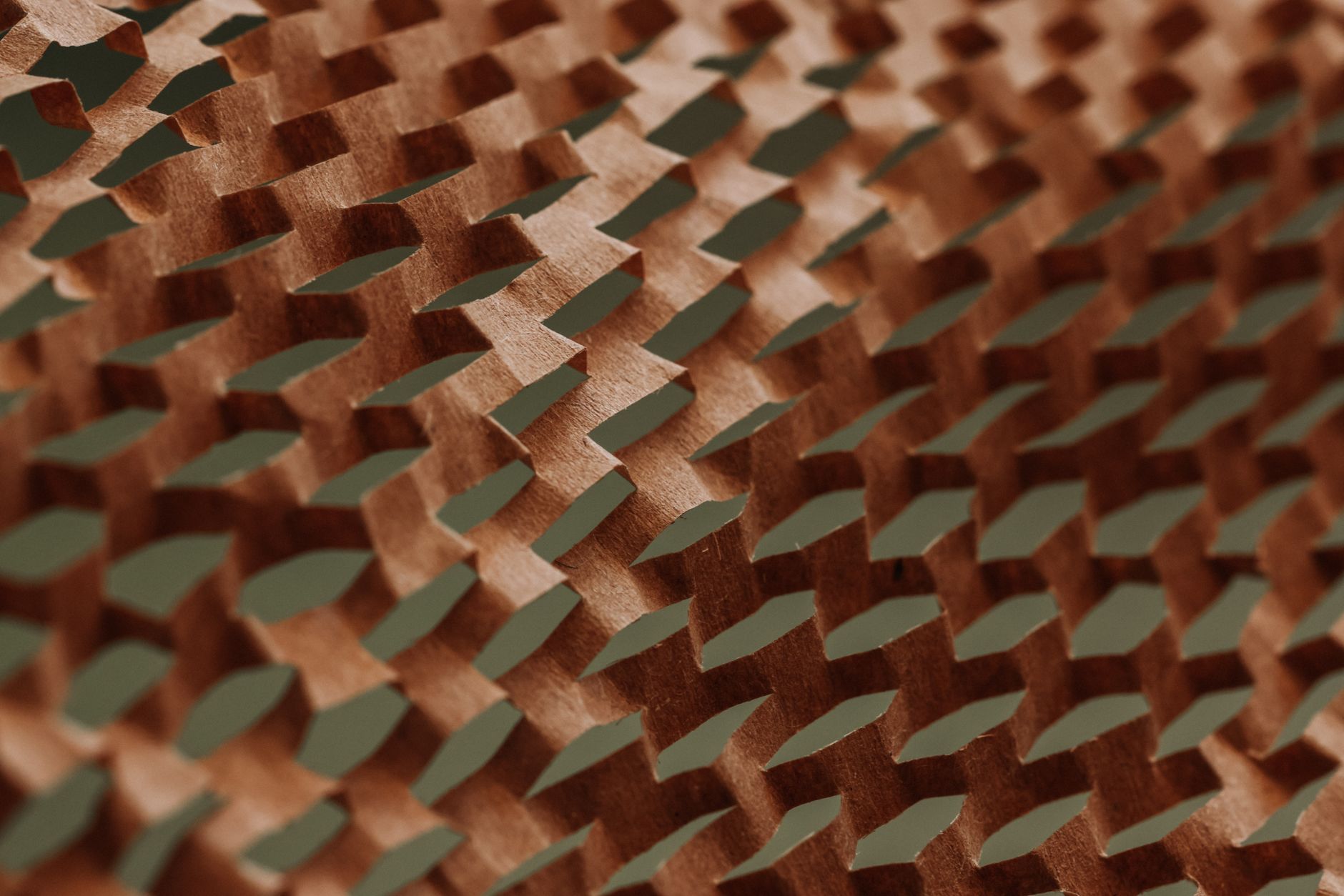
Before diving into energy savings, it helps to understand exactly what you’re buying. Cellular shades are a specific type of window shade engineered with an internal structure that no other window covering replicates. Unlike roller shades, wood blinds, or even plantation shutters, their insulating power comes from the fabric itself — not just from blocking light.
Knowing the construction helps you make a smarter purchase decision, especially when comparing price tiers. A $40 big-box single-cell shade and a professionally measured, custom-fit triple-cell shade are not the same product, even if they look similar in a photograph.
The Science of the Air Pocket
Cellular shades get their name from the small, repeating air pockets — called cells — woven into the fabric. Each cell traps a column of still air between the window glass and your living space. Still air is one of nature’s best insulators, which is exactly why double-pane windows and spray-foam insulation work so well. The cellular shade borrows the same principle and applies it to a soft, attractive fabric panel.
When sunlight hits your window in July, the glass surface can reach temperatures above 120°F. Without a barrier, that radiant heat pours directly into your room, forcing your air conditioner to work harder. The air pockets in a cellular shade interrupt that heat transfer before it reaches your interior air.
Single-Cell vs. Double-Cell vs. Triple-Cell Construction
Not all cellular shades are built the same. The number of cell layers determines how much insulation you get:
- Single-cell (single-honeycomb): One row of air pockets. Lightest, most affordable, R-value approximately 2.0. Good for mild climates or interior rooms.
- Double-cell (double-honeycomb): Two stacked rows of cells. R-value approximately 3.0–3.5. The most popular choice for bedrooms and living rooms in West Tennessee.
- Triple-cell (triple-honeycomb): Three rows of cells. R-value approximately 4.0–5.0. Best for large picture windows, rooms with direct west-facing sun exposure, or homeowners prioritizing maximum energy savings.
For most Jackson, TN homes, double-cell shades hit the sweet spot between cost and performance. Triple-cell shades make the most sense on windows that take the brunt of Tennessee’s afternoon sun.
2. How West Tennessee's Climate Makes Cellular Shades a Smart Investment
Energy-efficient window treatments aren’t a universal product — their value depends heavily on your local climate. Jackson, TN’s specific combination of long hot summers, cool winters, and high humidity creates a year-round case for cellular shades that homeowners in milder regions simply don’t have. Understanding your climate helps you justify the investment with real numbers.
Jackson's Hot, Humid Summers
Jackson, TN sits in a humid subtropical climate zone (USDA Zone 7b). Average July high temperatures hover around 91°F, and the heat index regularly pushes past 100°F. Windows are the weakest thermal link in any home’s envelope — a standard single-pane window has an R-value of roughly 1.0, and even a quality double-pane window tops out around R-3.0. Every hour of direct afternoon sun on unprotected glass is essentially a space heater running inside your home.
Cellular shades installed on south- and west-facing windows dramatically reduce solar heat gain during the cooling season, which in West Tennessee runs from late April through October — roughly six months of the year.
Cool Winters and Heating Bills
Jackson winters are mild by Midwest standards but still demand real heating. Average January lows dip to around 30°F, and cold snaps can push well below freezing. During these months, the insulating air pockets in cellular shades work in reverse — they hold warm interior air near the glass and slow the rate of heat loss through the window.
The U.S. Department of Energy estimates that heat loss through windows accounts for 25–30% of residential heating energy use. Adding cellular shades with an R-value of 3.0 to a standard double-pane window effectively raises the combined R-value of that window assembly, reducing the temperature differential your furnace has to overcome.
Humidity and Light Control in West Tennessee
Beyond temperature, West Tennessee’s humidity creates a secondary challenge: UV-driven fading of floors, furniture, and artwork. Cellular shades in light-filtering or room-darkening fabrics block 50–99% of UV rays depending on opacity, protecting your interior investments. This is a benefit that pure insulation products like weatherstripping simply can’t offer. Communities across the region — from Lexington to Henderson to Milan — share the same climate profile, making cellular shades a broadly relevant upgrade for any West Tennessee homeowner.
3. The R-Value Story: Comparing Cellular Shades to Other Window Treatments
One of the most common questions homeowners ask is: how much better are cellular shades compared to what I already have? The answer lies in R-value — a standardized measurement of thermal resistance that makes it possible to compare apples to apples across completely different products.
What R-Value Means for Window Coverings
R-value measures thermal resistance — the higher the number, the better a material resists heat flow. For context, a standard 2×4 exterior wall with fiberglass batt insulation has an R-value of about 13. Windows are inherently poor insulators, which is why window treatments that add even R-1.0 to R-3.0 can make a noticeable difference in comfort and energy bills.
The R-value of a window covering is measured independently of the window itself. When you combine a double-pane window (R-3.0) with a double-cell cellular shade (R-3.5), the combined assembly approaches R-6.5 — more than double the insulation of the bare window.
Side-by-Side R-Value Comparison
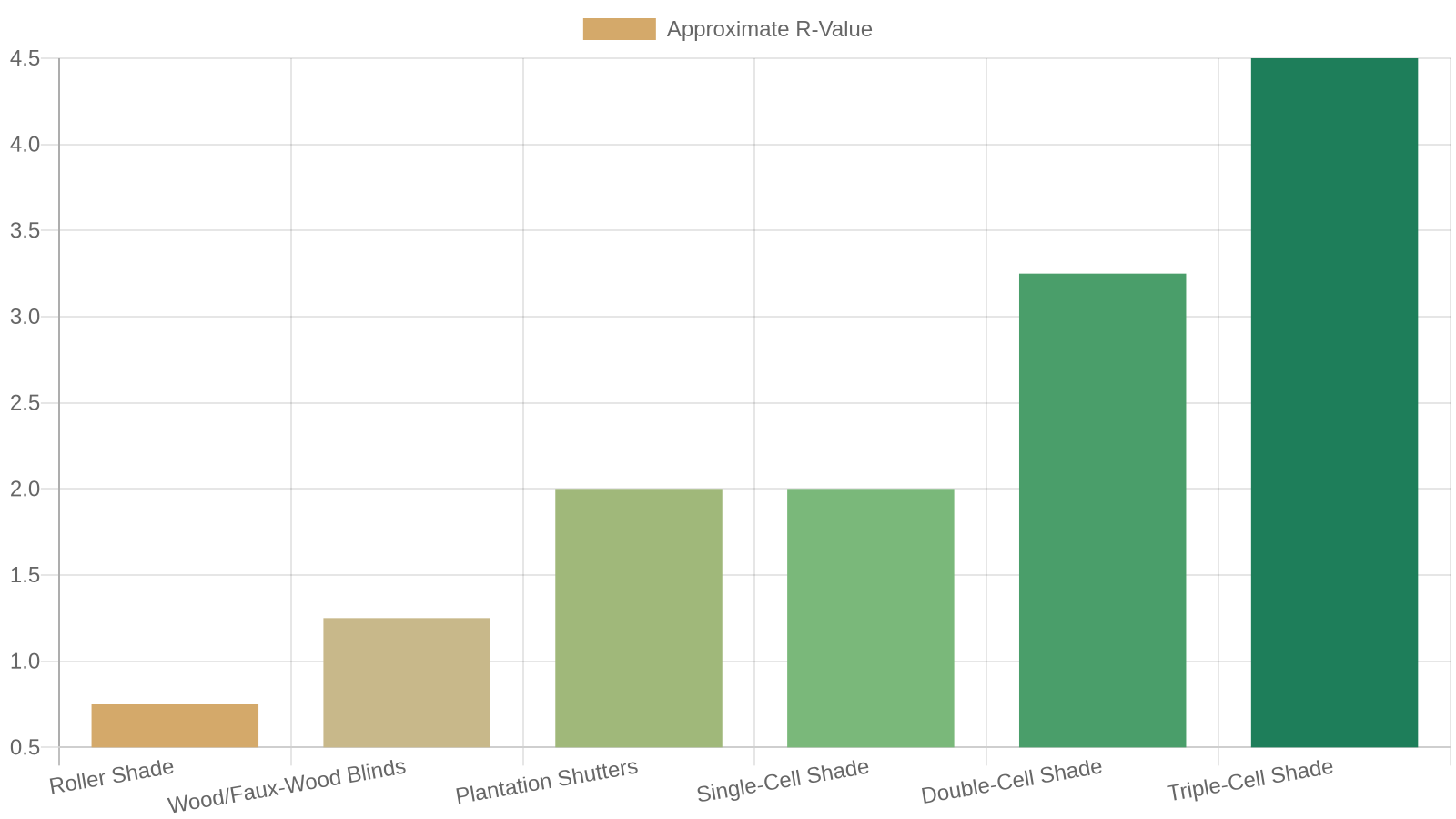
Here’s how common window treatments stack up on insulating performance:
- Standard roller shade: R-0.5 to R-1.0
- Horizontal wood or faux-wood blinds: R-1.0 to R-1.5 (closed)
- Plantation shutters: R-1.5 to R-2.5 (closed)
- Single-cell cellular shade: R-2.0
- Double-cell cellular shade: R-3.0 to R-3.5
- Triple-cell cellular shade: R-4.0 to R-5.0
No other common window covering comes close to triple-cell cellular shades for pure insulating value. Plantation shutters offer excellent light control and aesthetics, but their R-value is lower than even a single-cell shade. For homeowners whose primary goal is energy savings, cellular shades are the clear winner.
4. Real Energy Savings: What the Numbers Say for Jackson Homeowners

Abstract R-values are useful for comparisons, but what Jackson homeowners really want to know is: how much money will I actually save? While every home is different, published research and utility data give us a solid framework for estimating real-world savings.
Department of Energy Estimates
The U.S. Department of Energy’s research on window attachments (published in their Energy Savers guidance) indicates that cellular shades can reduce heat loss through windows by up to 40% in cold conditions and reduce heat gain by up to 60% in warm conditions when properly installed. Translating that to dollars: a home with 15 standard windows spending $200/month on heating and cooling could save $20–$50 per month — or $240–$600 per year — by upgrading to double- or triple-cell cellular shades throughout.
Actual savings vary based on your home’s construction, existing window quality, thermostat habits, and utility rates. Tennessee Valley Authority (TVA) customers in the Jackson area pay an average residential rate of approximately $0.11–$0.13 per kWh, which means every kilowatt-hour saved has real dollar value.
The Payback Period Calculation
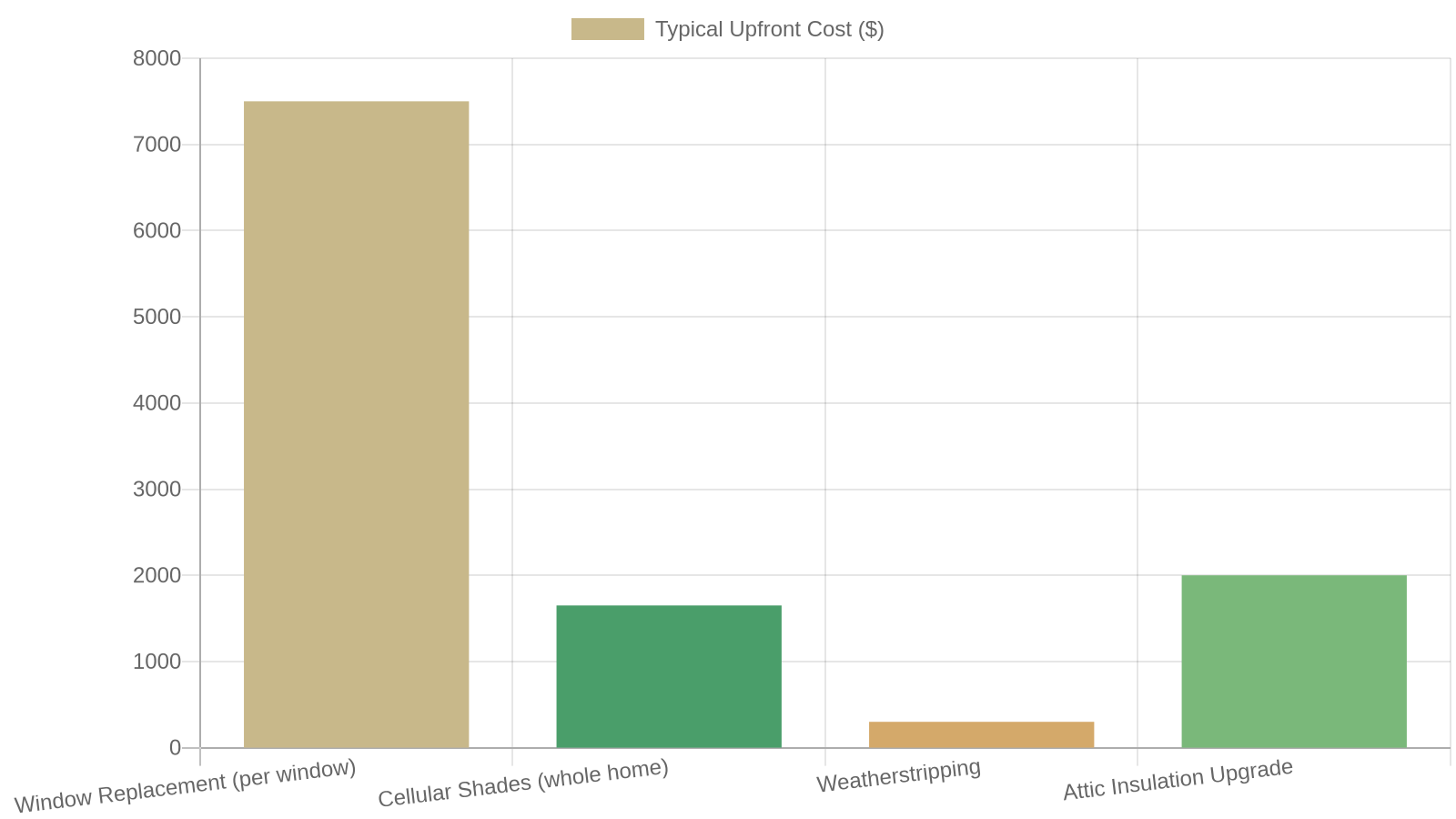
Custom cellular shades for a typical Jackson, TN home (10–15 windows) typically cost between $800 and $2,500 installed, depending on window size, cell type, and fabric selection. Using a conservative annual savings estimate of $300, the payback period is roughly 3–8 years. After that, every year of savings is pure return on investment.
Compare that to replacing a double-pane window with a triple-pane unit, which costs $400–$800 per window and delivers a similar or smaller improvement in the overall thermal assembly. Cellular shades offer a dramatically faster payback at a fraction of the cost — making them one of the highest-ROI energy upgrades available to homeowners.
5. Choosing the Right Opacity: Light-Filtering vs. Room-Darkening vs. Blackout
Cellular shades come in a range of fabric opacities, and the right choice depends on the room’s purpose, its sun exposure, and your personal preferences. Getting this decision right ensures you maximize both energy savings and livability — because the most energy-efficient shade in the world isn’t doing its job if you keep it open all day because the room feels too dark.
Light-Filtering Cellular Shades
Light-filtering cellular shades allow soft, diffused natural light to pass through the fabric while blocking direct glare and the majority of UV radiation. They maintain a sense of openness and connection to the outdoors — ideal for living rooms, kitchens, and dining areas where you want natural light without harsh sun. Light-filtering fabrics typically block 50–75% of incoming light and 70–90% of UV rays.
From an energy standpoint, light-filtering shades still provide the full insulating benefit of the honeycomb cell structure. The fabric opacity affects light transmission, not the air-pocket insulation. So you don’t have to sacrifice energy savings to keep your rooms bright and welcoming.
Room-Darkening and Blackout Options
Room-darkening cellular shades block 95–99% of incoming light, making them ideal for bedrooms, home theaters, and nurseries. Blackout cellular shades go a step further with a reflective backing that blocks virtually all light and adds a small additional layer of solar heat rejection.
In Jackson’s intense summer sun, room-darkening shades on south- and west-facing windows can meaningfully reduce solar heat gain beyond what light-filtering fabrics achieve. If a bedroom faces west and heats up unbearably every afternoon, upgrading to room-darkening double-cell shades addresses both the comfort and the energy problem simultaneously.
Top-Down/Bottom-Up: The Best of Both Worlds
One of the most practical features available on cellular shades is top-down/bottom-up (TDBU) operation. With TDBU shades, you can lower the top of the shade to let in natural light from above while keeping the bottom raised for privacy — or raise the bottom for ventilation while the top stays closed for shade. This flexibility is especially valuable in Jackson neighborhoods where homes sit close together, giving you privacy without sacrificing daylight. TDBU shades are available in all opacity levels and all cell configurations.
6. Cordless, Motorized, and Smart-Home Options for Modern Jackson Homes
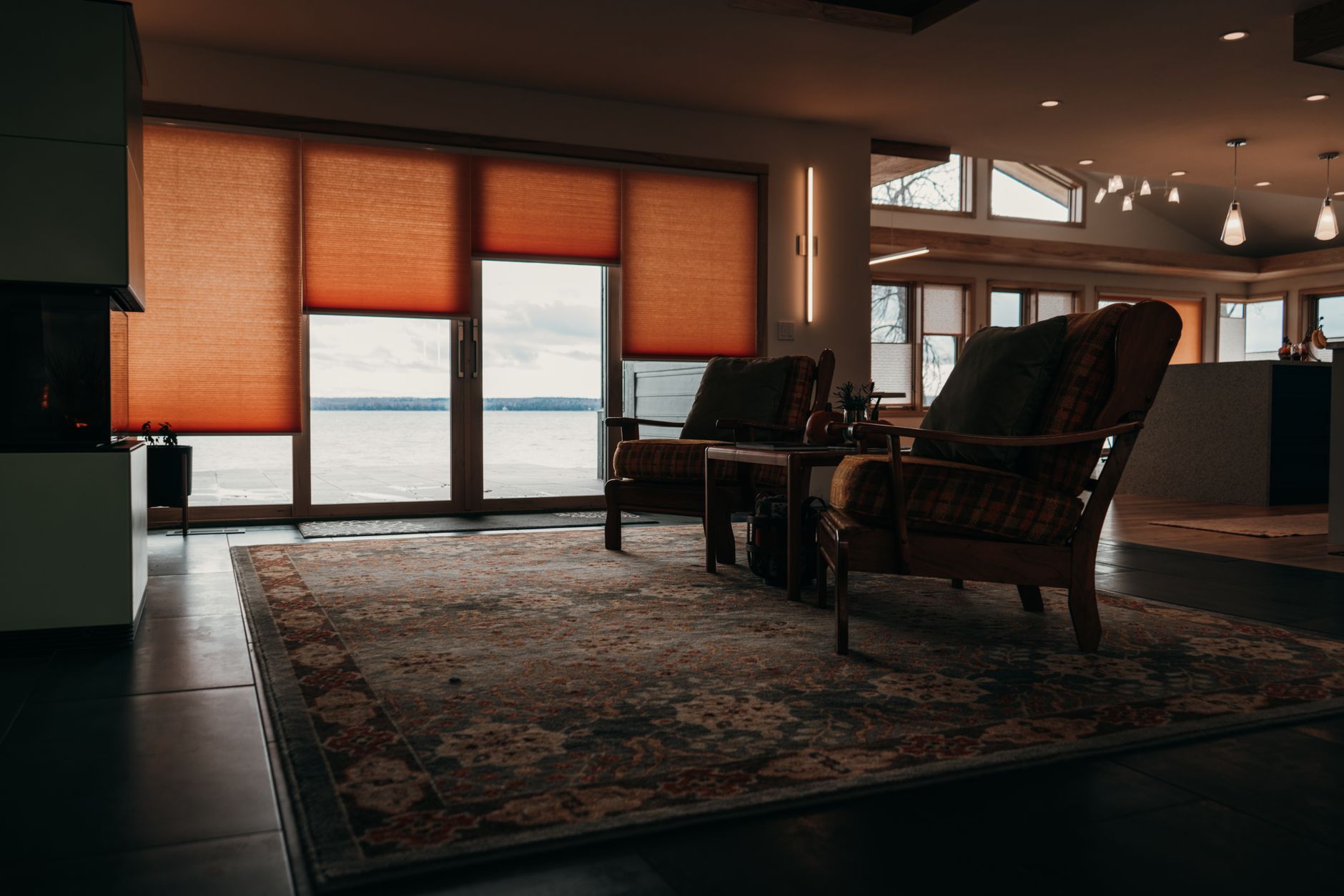
Today’s cellular shades aren’t your grandmother’s pull-down shades. Modern operating systems range from simple cordless lifts to fully motorized, app-controlled systems that integrate with your smart home. For Jackson homeowners who want maximum energy savings with minimum daily effort, the right operating system can make all the difference.
Cordless Lift Systems
Cordless cellular shades are operated by simply pushing or pulling the bottom rail — no dangling cords, no tangling, and no cord-safety hazard for children or pets. The Consumer Product Safety Commission has identified corded window coverings as a strangulation risk for young children, and cordless systems eliminate that risk entirely. Beyond safety, cordless shades have a cleaner, more streamlined appearance that suits modern and transitional home styles prevalent in Jackson neighborhoods.
Motorized Cellular Shades
Motorized cellular shades operate via a quiet battery-powered or hardwired motor, controlled by a remote, a wall switch, or a smartphone app. For hard-to-reach windows — high transoms, skylights, windows above a staircase — motorization transforms an otherwise impractical shade into an easy daily-use product. Motorized shades also enable scheduling: program them to lower automatically at 2 p.m. when the west-facing sun hits hardest, then raise again at sunset. This kind of automated solar management can noticeably reduce afternoon cooling load without any effort on your part.
Smart-Home Integration and Energy Automation
Many motorized cellular shade systems are compatible with smart-home platforms including Amazon Alexa, Google Home, Apple HomeKit, and SmartThings. When integrated with a smart thermostat like a Nest or Ecobee, your shades and HVAC system can work together automatically — shades lower when the thermostat detects rising indoor temperatures, reducing the cooling load before the AC even kicks on. This level of automation represents the leading edge of residential energy management, and it starts with the right window covering. Blinds Galore can walk you through motorized and smart-home compatible options during a free in-home consultation.
7. Proper Fit: Why Professional Measuring Makes or Breaks Energy Performance

Even the best triple-cell cellular shade will underperform if it doesn’t fit the window correctly. Gaps, improper mounting depth, and misaligned hardware all compromise the insulating air pocket and allow heat to bypass the shade. This is one of the most overlooked factors in energy-efficient window treatments — and it’s the reason professional measuring matters as much as product selection.
Inside Mount vs. Outside Mount
Cellular shades can be mounted inside the window frame (inside mount) or on the wall outside the frame (outside mount). Inside mounts provide the cleanest look and the best energy performance — when the shade fits snugly inside the frame, gaps on the sides are minimized, reducing the convective air currents that carry heat around the shade rather than through it. Outside mounts are sometimes necessary when the window frame is too shallow for an inside mount, or when the homeowner wants to make a window appear larger.
For energy efficiency, inside mount with a precise fit is always preferred. A shade that’s even half an inch too narrow on each side creates a gap that allows warm or cold air to bypass the insulating cells entirely.
The Gap Problem: Why Big-Box Shades Underperform
Standard-size cellular shades sold at big-box retailers come in fixed width increments — typically every half-inch or inch. Because windows are rarely exactly a standard size, these shades almost always leave gaps. A 1-inch gap on each side of a 36-inch-wide window represents about 5% of the window’s width left uninsulated. Multiply that across 15 windows and you’ve effectively left two full windows uncovered from an energy standpoint.
Custom-measured shades from a professional like Blinds Galore are cut to your exact window dimensions, eliminating these gaps and ensuring the shade performs as its R-value specification promises. This is why professional measuring isn’t just a convenience — it’s a prerequisite for realizing the energy savings you’re investing in.
Blinds Galore's Free In-Home Measuring Service
Blinds Galore brings the showroom to your home with a free in-home consultation and professional measuring service. A trained consultant visits your Jackson, TN home (or your property in Lexington, Henderson, Milan, or the surrounding area), measures every window precisely, discusses your energy goals and style preferences, and recommends the right cell type, opacity, and operating system for each room. There’s no guesswork, no returns, and no ill-fitting shades. Every product is custom-built to your exact specifications — backed by a 100% satisfaction guarantee.
Cellular Shade Options at a Glance: Which Is Right for Your Home?
Use this comparison to match the right cellular shade configuration to each room's needs and your budget priorities.
8. Style and Design: Cellular Shades That Complement Any Jackson, TN Interior
Energy efficiency and good design are not mutually exclusive. Today’s cellular shades are available in an enormous range of colors, textures, and cell sizes that complement virtually any interior style — from the classic Southern farmhouse aesthetics common in Jackson neighborhoods to sleek contemporary interiors. Choosing the right look ensures your shades enhance your home’s value and appeal, not just its energy performance.
Color and Fabric Options
One of the most common misconceptions about cellular shades is that they’re utilitarian and plain. Modern cellular shade collections offer hundreds of fabric colors and textures — from crisp whites and warm linens to deep charcoals and soft sage greens. Fabrics range from smooth and contemporary to subtly textured weaves that add visual warmth to a room. For West Tennessee homes with traditional, farmhouse, or transitional design styles, warm neutrals like linen, ivory, and greige are perennially popular. For more contemporary spaces, cool grays and soft blues read as clean and modern.
Cell Size and Visual Weight
Cellular shades are available in cell sizes ranging from 3/8 inch (mini-cell) to 3/4 inch (standard) to 1.5 inches (large-cell). Smaller cells create a finer, more delicate texture that suits smaller windows and more formal rooms. Larger cells have a bolder, more casual look that works well in open-plan living spaces and rooms with large windows. Cell size does not significantly affect R-value — that’s determined by the number of cell layers, not their diameter. So you can choose cell size purely on aesthetic grounds without compromising energy performance.
Pairing Cellular Shades with Other Window Treatments
Cellular shades pair beautifully with drapery panels for a layered, designer look. The shades handle the energy efficiency and privacy functions while the drapes add softness, pattern, and a sense of height. This combination is especially popular in formal living and dining rooms. Cellular shades can also be paired with decorative valances to conceal the headrail and add a finished, custom look. For homeowners who want the energy benefits of cellular shades but also love the look of wood or faux-wood blinds, consider using cellular shades in bedrooms and living areas while using custom faux-wood blinds in kitchens, bathrooms, and other high-humidity spaces.
9. Cellular Shades for Every Room: A Room-by-Room Guide
Different rooms have different light, privacy, and moisture requirements — which means the ideal cellular shade for your bedroom is probably not the same as the ideal shade for your kitchen. A thoughtful room-by-room approach ensures every window in your Jackson, TN home is covered with the right product for its specific conditions.
Living Rooms and Great Rooms
Living rooms typically have the largest windows in the home and receive the most social use, making light quality a top priority. Light-filtering double-cell shades in a warm neutral are the most popular choice — they soften harsh afternoon sun, reduce glare on TV screens, and maintain an open, airy feel. For living rooms with large west-facing windows that overheat in summer, consider room-darkening double-cell shades or a TDBU configuration that lets you block the lower half of the window (where direct sun enters) while keeping the upper half open for sky light.
Bedrooms and Nurseries
Bedrooms benefit most from room-darkening or blackout cellular shades. Quality sleep depends on darkness, and blackout shades also reduce the sound of early-morning birds and traffic — a bonus beyond their energy benefits. For nurseries, cordless blackout cellular shades are the gold standard: safe for children, effective at blocking light during daytime naps, and thermally efficient for maintaining a consistent room temperature. Double-cell blackout shades in a soft white or warm gray are the most requested bedroom option at Blinds Galore.
Kitchens, Bathrooms, and High-Humidity Spaces
Kitchens and bathrooms present a moisture challenge for some cellular shade fabrics. Look for cellular shades specifically rated for high-humidity environments — these use moisture-resistant fabric treatments and hardware that won’t rust or warp. Alternatively, many Jackson homeowners use cellular shades in their living areas and bedrooms while choosing custom shades in moisture-resistant materials for kitchens and baths. A Blinds Galore consultant can help you identify the right product for every room in your home during a single in-home visit.
Ready to Lower Your Energy Bills? Start with a Free In-Home Consultation
You’ve done the research. You know that double- and triple-cell cellular shades outperform every other window covering for thermal resistance, that proper fit is essential for realizing those savings, and that Jackson, TN’s climate makes energy-efficient window treatments a genuinely smart investment. The next step is simple: let a local expert bring the showroom to your home and show you exactly what’s possible.
Why Jackson Homeowners Choose Blinds Galore
Blinds Galore has been serving Jackson, TN and the surrounding West Tennessee communities — including Lexington, Henderson, and Milan — for over 18 years. Every consultation is free, every product is custom-built to your exact window dimensions, and every installation is backed by a 100% satisfaction guarantee. When you call (731) 571-5179, you’re not reaching a call center — you’re connecting with a local team that knows West Tennessee homes, West Tennessee weather, and what it takes to keep your family comfortable year-round.
Your Next Step
The best way to find out exactly how much you could save with energy-efficient cellular shades is to have a professional assess your specific windows, sun exposure, and existing insulation. Blinds Galore’s free in-home consultation includes a room-by-room evaluation, precise measurements, and a no-pressure product recommendation tailored to your budget and energy goals.
Ready to get started? Call (731) 571-5179 or schedule your free in-home consultation online. And if you want to keep learning about window treatments, energy efficiency, and home design tips for West Tennessee homeowners, explore the Blinds Galore blog — updated regularly with practical advice for every room in your home.
Frequently Asked Questions
How much can cellular shades actually reduce my energy bill in Jackson TN?
Most homeowners see a 10–25% reduction in window-related heating and cooling costs after installing double- or triple-cell cellular shades throughout their home. For a typical Jackson, TN home spending $150–$200/month on HVAC, that translates to roughly $180–$600 in annual savings. Actual results depend on window size, sun exposure, and existing insulation.
What is the difference between single-cell, double-cell, and triple-cell cellular shades?
The number of cell layers determines insulating power. Single-cell shades have one row of air pockets (R-value ~2.0), double-cell shades have two rows (R-value ~3.25), and triple-cell shades have three rows (R-value ~4.5). More cells mean better insulation but also a higher price. Double-cell is the most popular choice for West Tennessee homes.
Are cellular shades worth it compared to just replacing my windows?
For most homeowners, yes. New triple-pane windows cost $400–$800 per window and deliver a similar or smaller improvement in the window assembly's total R-value compared to adding cellular shades. Custom cellular shades for an entire home typically cost $800–$2,500 installed — a fraction of the cost of window replacement — with a payback period of 3–8 years.
Can cellular shades be used in bathrooms and kitchens where there's moisture?
Yes, but you should choose cellular shades specifically rated for high-humidity environments. These use moisture-resistant fabric treatments and corrosion-resistant hardware. Ask your Blinds Galore consultant to identify the right fabric for each room during your free in-home consultation.
Do cellular shades work with smart home systems like Alexa or Google Home?
Motorized cellular shades from many leading brands are compatible with Amazon Alexa, Google Home, Apple HomeKit, and SmartThings. When paired with a smart thermostat, they can automatically lower during peak sun hours to reduce cooling load. Blinds Galore can recommend and install motorized options compatible with your existing smart home setup.
Does Blinds Galore serve areas outside Jackson TN?
Yes. Blinds Galore serves the greater West Tennessee area, including Lexington, Henderson, Milan, and surrounding communities. Free in-home consultations are available throughout the region — call (731) 571-5179 to schedule a visit.
You might also like
9 Best Energy-Efficient Window Treatments to Lower Heating Costs in Jackson, TN
Quick answer: The best energy-efficient window treatments for Jackson, TN homes include cellular (honeycomb)
Best Window Treatments for Energy Savings in Jackson, TN Homes
Quick answer: In West Tennessee's hot, humid summers and chilly winters, the right window treatments