

Your Complete Guide to Custom Blinds, Shades, and Shutters in West Tennessee
Quick answer: Custom blinds, shades, and shutters from a West Tennessee specialist give Jackson-area homeowners precise light control, better energy efficiency, and a polished look that off-the-shelf products simply can't match. Blinds Galore has served the greater Jackson, TN area for over 18 years, offering free in-home consultations, professional measuring, and a 100% satisfaction guarantee. Whether you're outfitting a single bedroom or an entire new build in Lexington or Milan, this guide walks you through every product type, key buying decisions, and what to expect from the process start to finish.
1. Why Custom Window Treatments Outperform Off-the-Shelf Options
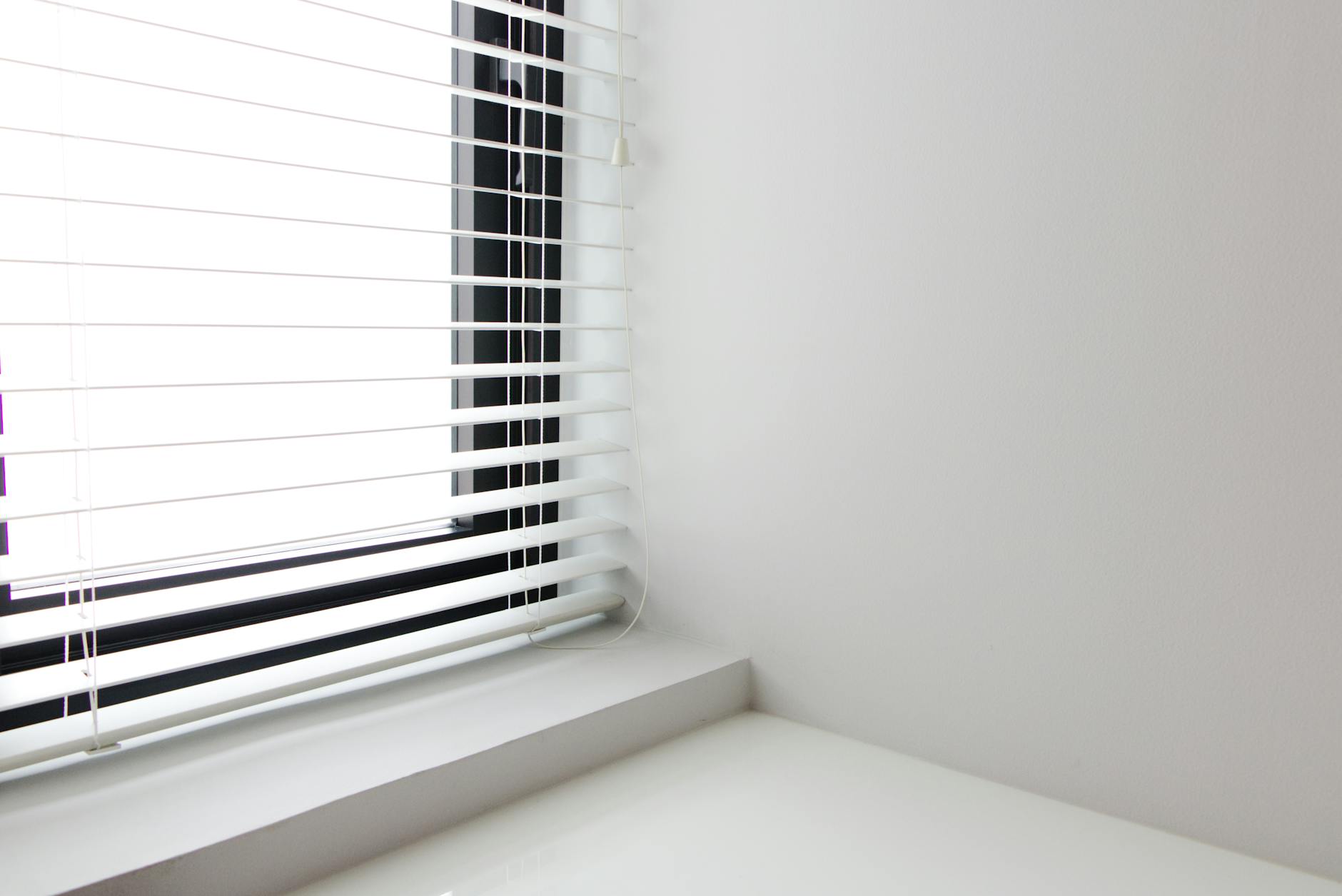
When it comes to window treatments, the word custom is not just a marketing upgrade — it’s a fundamentally different product. Custom blinds, shades, and shutters are measured, manufactured, and installed specifically for your windows, your home, and your lifestyle. The difference shows up in fit, material quality, and long-term value in ways that store-bought products simply cannot replicate.
The Fit Problem with Standard Sizes
Walk into any big-box home improvement store and you’ll find blinds in a handful of standard widths — typically 23″, 27″, 35″, and 46″. The catch? Most windows in real homes don’t match those dimensions. A window that measures 38¼” wide gets paired with a 35″ blind, leaving nearly 3 inches of exposed frame on each side. That gap lets in unwanted light, reduces privacy, and looks unfinished. Custom blinds are cut to the exact eighth-of-an-inch measurement of your window, so there are no gaps, no awkward overhangs, and no light leaks.
Durability and Material Quality
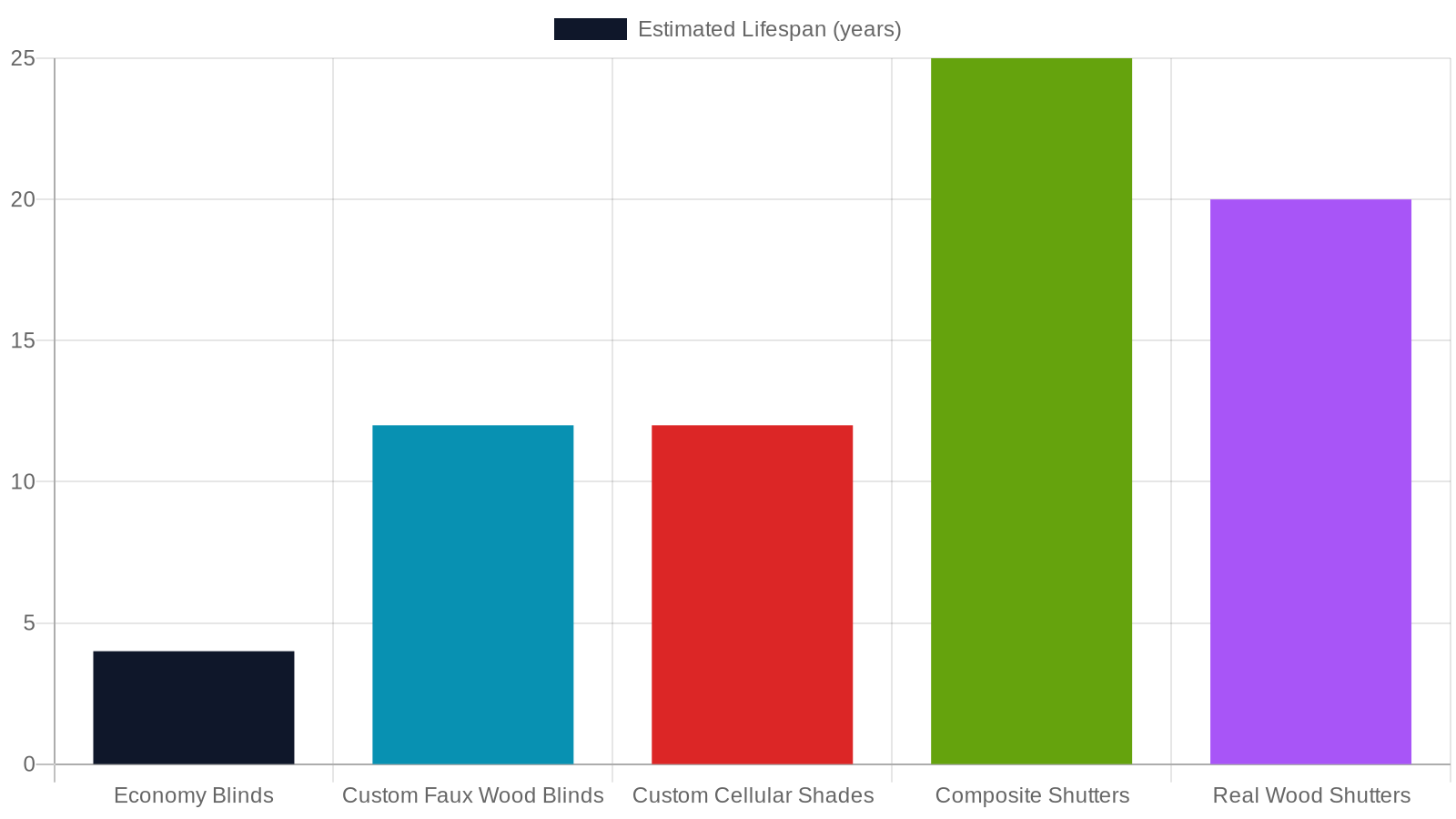
Custom window treatments are built from commercial-grade materials that are simply not available in retail packaging. Faux wood slats in custom blinds, for example, are typically 30–40% thicker than their store-bought counterparts, which means they resist warping in high-humidity rooms like bathrooms and kitchens. Fabric shades use higher thread-count woven textiles that hold their shape and color for 10–15 years under normal use, compared to 3–5 years for economy roller shades. When you invest in custom, you’re buying a product that’s engineered to last.
Energy Savings That Add Up
The U.S. Department of Energy estimates that heat gain and heat loss through windows accounts for 25–30% of residential heating and cooling energy use. Properly fitted custom cellular shades with a honeycomb construction can reduce that window-related energy loss by up to 40% compared to an uncovered window. In West Tennessee’s climate — where summers regularly push past 95°F and winters dip below freezing — that translates to real savings on your utility bill every single month. Custom plantation shutters add a layer of insulation through their solid wood or composite construction, further improving your home’s thermal envelope.
2. A Closer Look at Custom Blinds: Types, Materials, and Best Uses
The word blinds covers a surprisingly wide range of products, each with distinct materials, operating mechanisms, and ideal use cases. Understanding the differences helps you make a confident choice for each room in your home — and a professional in-home consultation makes that process even easier.
Wood Blinds: Classic Warmth for Living Rooms and Bedrooms
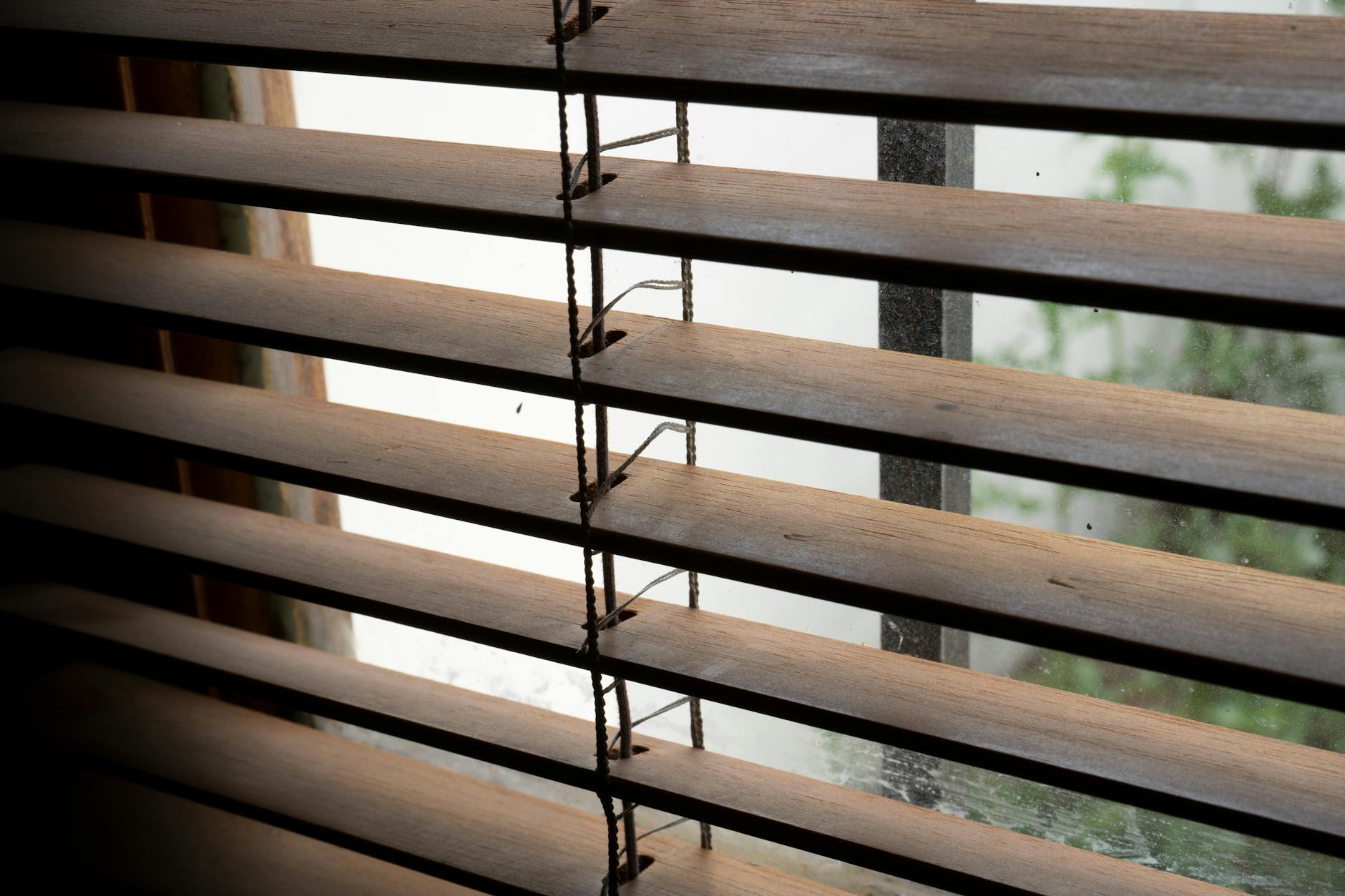
Real wood blinds remain one of the most popular choices for living rooms, dining rooms, and master bedrooms in Jackson-area homes. Basswood is the most common species used — it’s lightweight, strong, and accepts stain beautifully. Slat widths range from 1″ (for smaller windows with a traditional look) to 2½” (for larger windows where a bolder statement is desired). Most custom wood blinds are available in 30–50 stain and paint colors. One important caveat: real wood is not recommended for bathrooms or kitchens where humidity fluctuates significantly, as the slats can warp over time.
Faux Wood Blinds: Durability Meets Affordability
Faux wood blinds are made from PVC or a composite of wood and synthetic materials, making them moisture-resistant and significantly more durable in humid environments. They look nearly identical to real wood at a fraction of the cost — typically 20–35% less expensive per window — and they’re available in widths up to 96″ for large picture windows or sliding glass doors. For West Tennessee homeowners with young children or pets, faux wood is often the smarter long-term investment. Explore Blinds Galore’s custom faux wood blind options to see the full range of colors and finishes available for Jackson-area homes.
Aluminum Mini Blinds: The Practical Choice for Rentals and Offices
Aluminum mini blinds with ½” or 1″ slats are the workhorse of the window treatment world — affordable, easy to clean, and available in dozens of colors. They’re a top choice for property managers in Jackson, Lexington, and Henderson who need to outfit multiple units without breaking the budget. Custom aluminum blinds are also popular for home offices and garages where light control matters more than aesthetics. Despite their utilitarian reputation, modern aluminum blinds come with features like top-down/bottom-up operation and cordless lifts that make them safer for households with young children.
3. Custom Shades: From Light-Filtering to Room-Darkening Solutions
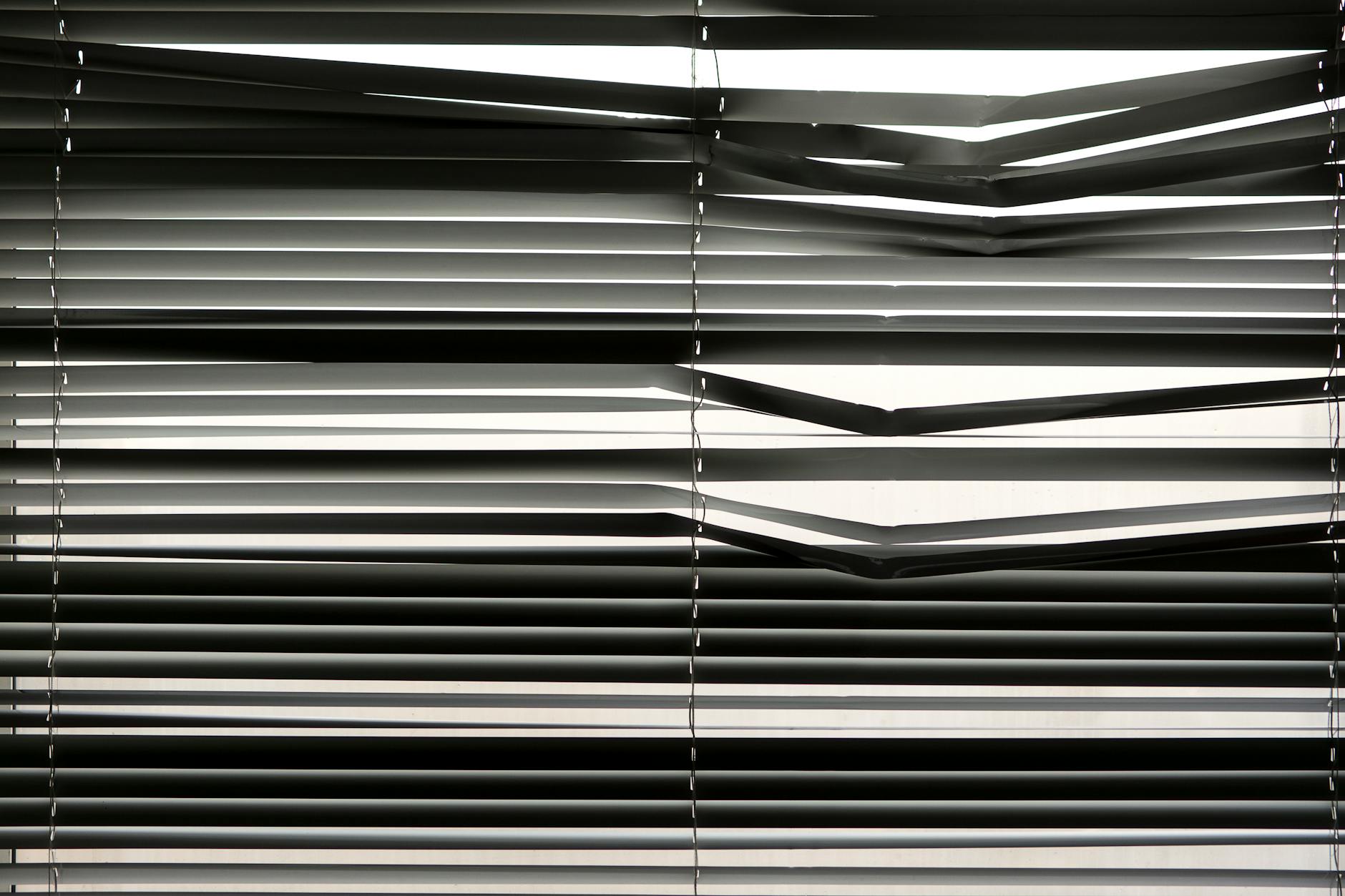
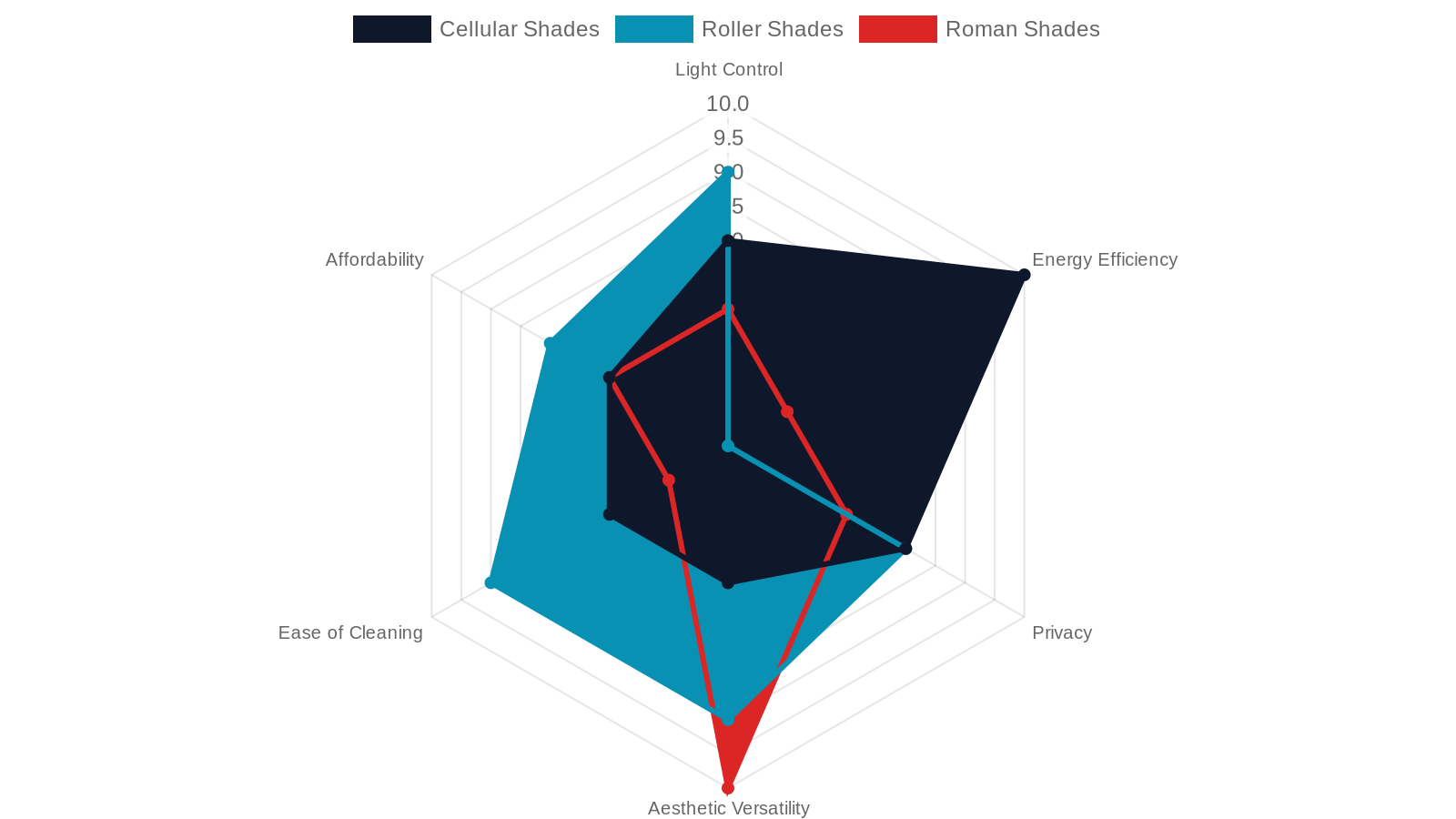
Custom shades differ from blinds in one fundamental way: instead of adjustable slats, they use continuous fabric panels to control light and privacy. That fabric-forward construction opens up a world of texture, color, and opacity options that can dramatically change the feel of a room. Here’s a breakdown of the most popular shade styles for West Tennessee homes.
Roller Shades: Clean Lines for Modern Interiors
Roller shades are among the most versatile window treatments available. A single piece of fabric rolls up onto a tube mounted above the window, offering a streamlined look that suits contemporary and transitional home styles equally well. Fabric opacity is the key variable: sheer fabrics (1–5% openness factor) diffuse sunlight while maintaining an outside view; light-filtering fabrics (5–10% openness) soften glare without blocking light; and blackout fabrics (0% openness) block virtually all incoming light — ideal for bedrooms and home theaters. Custom roller shades are available in widths up to 144″ for wide windows and sliding doors.
Cellular (Honeycomb) Shades: The Energy-Efficiency Champion
Cellular shades get their name from the hexagonal air pockets — or cells — woven into the fabric. Those pockets trap air and create an insulating barrier between the window glass and your living space. Single-cell shades offer good insulation; double-cell shades (two layers of honeycomb) improve thermal performance by roughly 20%; and triple-cell shades are the gold standard for energy efficiency, reducing heat transfer by up to 40% compared to an uncovered window. In Jackson, TN, where HVAC costs can spike dramatically in July and August, cellular shades in south- and west-facing rooms can pay for themselves within 3–5 years through reduced energy bills.
Roman Shades and Woven Woods: Texture and Warmth
Roman shades fold into horizontal pleats when raised, creating a soft, tailored look that works beautifully in kitchens, dining rooms, and reading nooks. They’re available in hundreds of fabric options — from crisp linen to rich velvet — and can be lined for added privacy and light control. Woven wood shades (also called bamboo or natural shades) are crafted from grasses, reeds, jute, or bamboo, bringing an organic texture to any room. They filter light naturally and add warmth without feeling heavy. Browse Blinds Galore’s full custom shades collection to see fabric swatches, opacity options, and operating systems for every room in your home.
4. Plantation Shutters: The Premium Window Treatment Built to Last
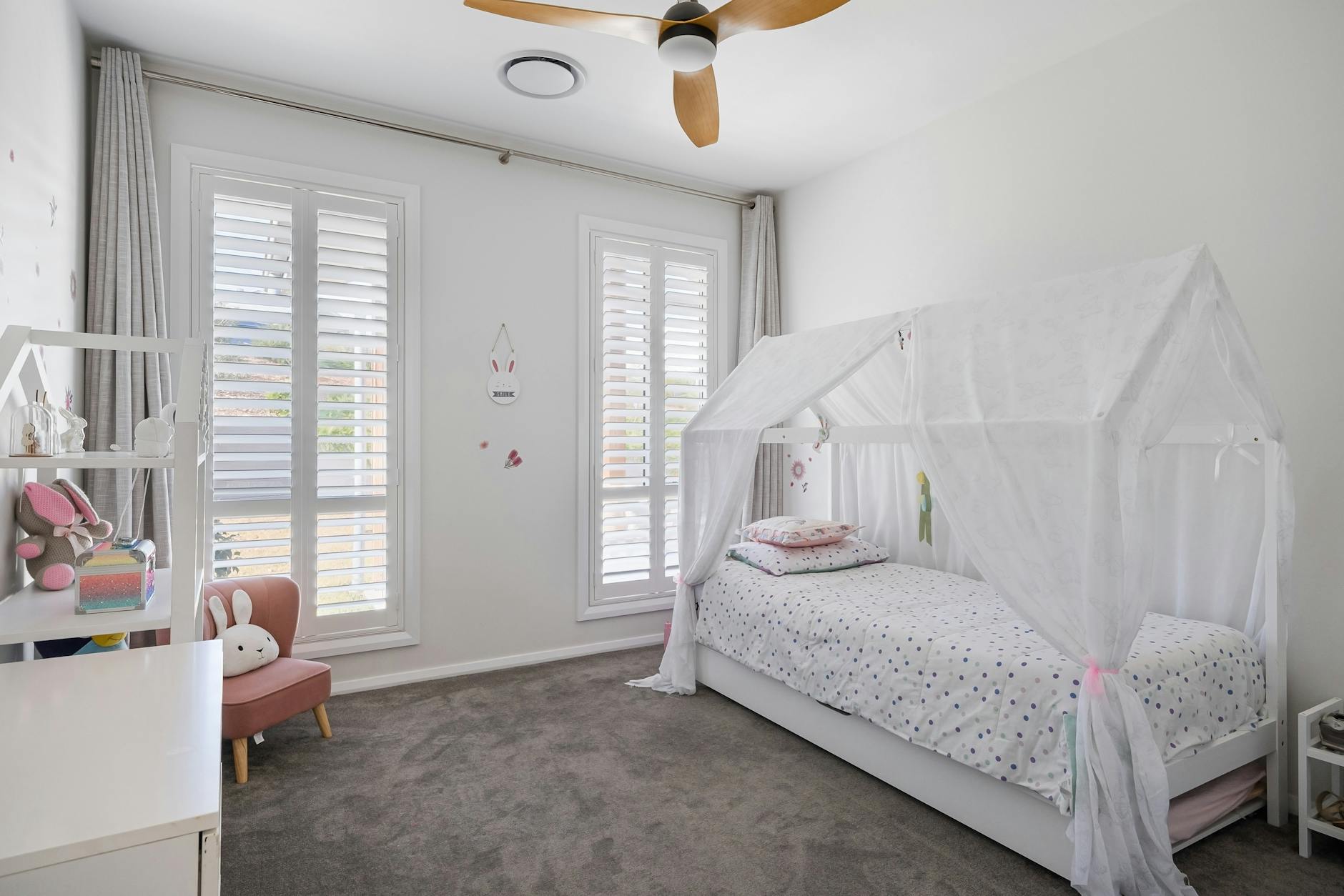
If custom blinds and shades represent smart investments, plantation shutters are the premium choice — a permanent architectural upgrade that enhances your home’s value, beauty, and functionality all at once. They’re the most durable window treatment available, and for good reason: they’re built from solid materials designed to last the life of your home.
What Makes Plantation Shutters Different
Plantation shutters are solid-panel window coverings with wide, adjustable louvers — typically 2½”, 3½”, or 4½” wide — that tilt to control light and privacy. Unlike blinds and shades, shutters are permanently mounted to the window frame and become a structural part of the room. They don’t fade, sag, or need replacing every few years. A quality set of plantation shutters installed today will likely still be in perfect condition when you sell your home 20 years from now — and real estate professionals consistently note that shutters add perceived value to a listing, with some studies suggesting a return of 60–80 cents on every dollar invested.
Wood vs. Composite Shutters: Which Is Right for You?
Custom plantation shutters come in two primary materials. Real wood shutters — typically crafted from basswood or poplar — offer the warmest, most authentic look and accept paint or stain in virtually any color. They’re ideal for formal living rooms, dining rooms, and master suites where aesthetics are the top priority. Composite shutters are engineered from a wood-polymer blend that resists moisture, cracking, and warping — making them the better choice for bathrooms, kitchens, and laundry rooms. Composite shutters are also slightly more affordable, typically running 10–20% less than comparable wood shutters per window.
Specialty Shapes and Custom Configurations
One of the greatest advantages of ordering custom plantation shutters is the ability to fit non-standard window shapes. Arched windows, angled windows in cathedral ceilings, bay windows, and French doors all present challenges for off-the-shelf products — but custom shutters can be built to fit any shape precisely. Learn more about Blinds Galore’s custom-built shutters and see how specialty configurations are handled for unique architectural features common in Jackson and West Tennessee homes. Panel configurations range from single-panel to bi-fold and full-height, giving you complete design flexibility.
5. Choosing the Right Window Treatment for Each Room
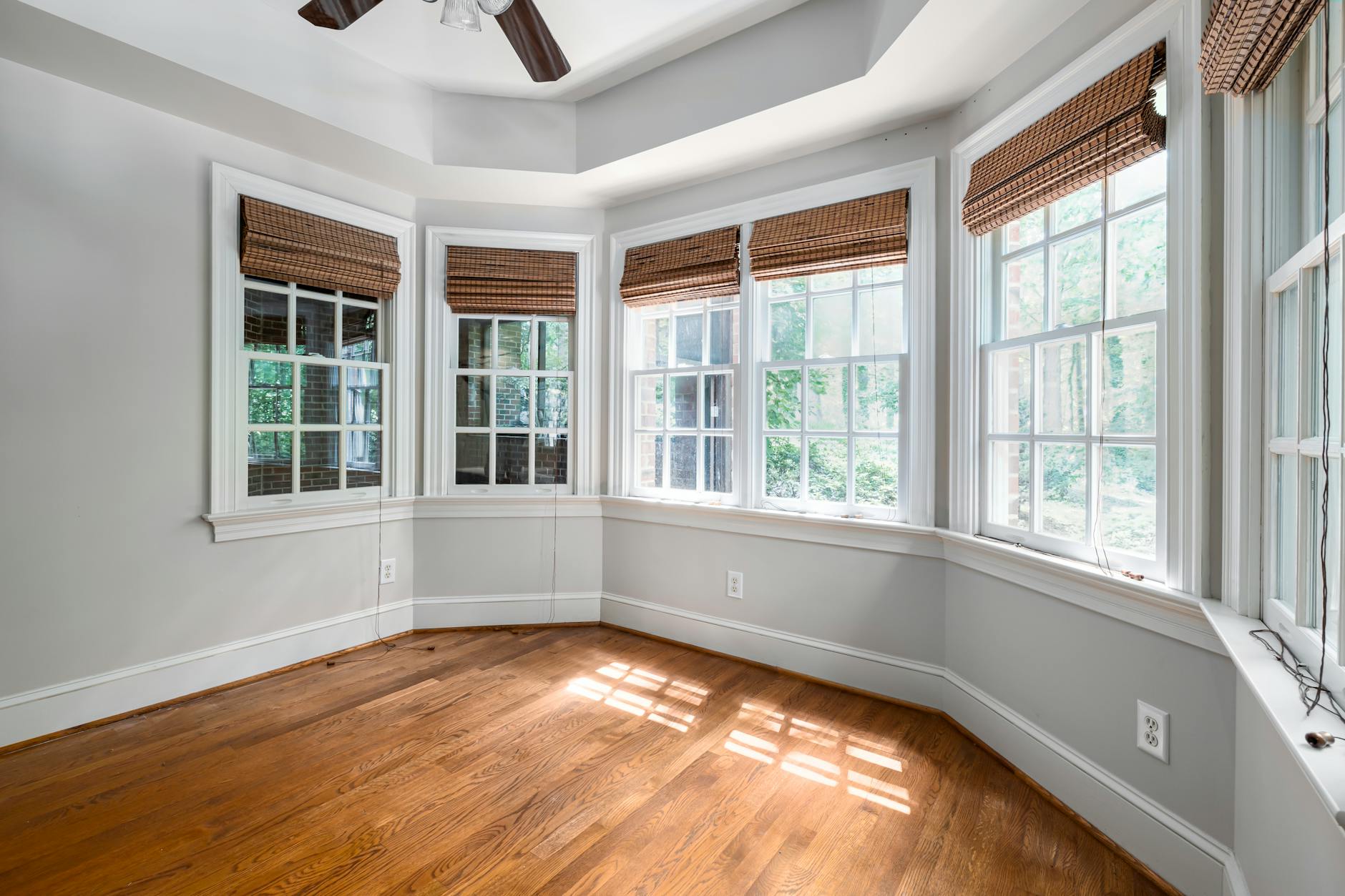
Not every window treatment works equally well in every room. The best choice depends on the room’s function, its exposure to moisture and sunlight, and the aesthetic you’re trying to achieve. Here’s a room-by-room guide to help you think through the decision before your in-home consultation.
Living Rooms and Dining Rooms: Style Meets Function
Main living areas are where aesthetics and light control intersect most visibly. Plantation shutters or wood blinds create a timeless, polished look that works with traditional and transitional décor. For a more relaxed, layered feel, Roman shades paired with sheer side panels offer softness and texture. Light-filtering roller shades in a neutral linen tone are a popular choice for open-concept spaces where a clean, modern look is the goal. In dining rooms, consider a top-down/bottom-up operating system so you can let in natural light from above while maintaining privacy at eye level during evening meals.
Bedrooms: Privacy and Sleep Quality First
Bedrooms demand maximum light control and privacy. Blackout cellular shades or blackout roller shades are the most effective solution for shift workers, light sleepers, and nurseries. For a softer aesthetic, blackout Roman shades lined with a room-darkening fabric offer the best of both worlds — beautiful texture during the day and complete darkness at night. Plantation shutters with wide 4½” louvers are also an excellent bedroom choice: tilt them fully closed for complete privacy, or angle them upward to direct light toward the ceiling without direct glare. In Milan and Henderson, where streetlights can be an issue, blackout treatments make a meaningful difference in sleep quality.
Kitchens and Bathrooms: Moisture Resistance Is Non-Negotiable
Kitchens and bathrooms are the most challenging environments for window treatments due to humidity, steam, and cooking grease. In these rooms, stick with moisture-resistant materials exclusively: faux wood blinds, composite shutters, or polyester-based roller shades. Avoid real wood blinds and fabric Roman shades in these spaces unless they’re positioned far from the sink or shower. For kitchen windows above the sink, a faux wood blind with a cordless lift is the safest and most practical option — no dangling cords near water, and easy wipe-clean maintenance with a damp cloth. For bathroom windows, composite shutters offer the most elegant solution with zero maintenance concerns.
6. Understanding Light Control, Privacy, and Opacity Options
One of the most common questions homeowners ask is: How much light do I actually want coming in? The answer varies by room, time of day, and personal preference — and it’s not always as straightforward as ‘light’ or ‘dark.’ Understanding the full opacity spectrum, plus the role of operating systems and motorization, helps you make a choice you’ll be happy with for years.
The Opacity Spectrum Explained
Window treatment fabrics and materials are rated on an opacity scale that determines how much light passes through. Sheer (1–10% openness factor): allows diffused daylight and outside views, minimal privacy at night. Light-filtering (3–14% openness): softens and scatters sunlight, provides daytime privacy, silhouettes visible at night. Room-darkening: blocks 85–99% of incoming light, suitable for bedrooms and media rooms. Blackout (0% openness): blocks virtually 100% of light, ideal for shift workers, nurseries, and home theaters. Understanding where you fall on this spectrum for each room is one of the most important decisions you’ll make — and it’s exactly the kind of guidance a free in-home consultation is designed to provide.
Motorization and Smart Home Integration
Modern custom window treatments can be equipped with motorized operating systems that integrate with Amazon Alexa, Google Home, Apple HomeKit, and dedicated smart home platforms like Lutron Caseta. Motorized shades are particularly valuable for hard-to-reach windows — skylights, tall two-story windows, and windows above kitchen cabinets — where manual operation is inconvenient or impossible. They’re also a genuine accessibility upgrade for elderly homeowners or those with mobility limitations. Battery-powered motors are the simplest to install (no wiring required), while hardwired systems offer more reliable performance for whole-home automation setups. Motorization typically adds $150–$400 per window depending on the system and window size.
7. The Blinds Galore In-Home Consultation Experience
The process of buying custom window treatments can feel overwhelming when you’re staring at hundreds of fabric swatches in a showroom. Blinds Galore eliminates that friction entirely with a free in-home consultation model that has served Jackson-area homeowners for over 18 years. Here’s exactly what to expect from the moment you make contact to the day your new treatments are installed.
What Happens During a Free In-Home Visit
Blinds Galore’s free in-home consultation brings the showroom directly to your home — no driving across town, no guessing how a sample will look in your actual light. A trained consultant arrives with a full range of fabric swatches, material samples, and operating mechanism demonstrations. They measure every window precisely (to the nearest 1/8″) and note any architectural quirks — out-of-square frames, deep sill depths, or unusual mounting surfaces — that could affect the final product. You’ll see how different materials look against your actual wall colors and flooring, in your actual lighting conditions, which makes the decision process dramatically easier and more confident.
Professional Measuring: Why It Matters More Than You Think
Even a 1/8″ measurement error can cause a custom blind or shade to bind in its track, gap at the edges, or fail to mount properly. Professional measuring accounts for variables that most homeowners overlook: the depth of the window recess (which determines whether an inside or outside mount is feasible), the levelness of the window sill, the presence of existing hardware that needs to be removed, and the clearance needed for operating mechanisms. Blinds Galore’s 18+ years of experience in Jackson, TN and surrounding communities means their consultants have seen — and solved — virtually every window challenge West Tennessee homes can present.
The 100% Satisfaction Guarantee
Every order placed through Blinds Galore comes with a 100% satisfaction guarantee. If a product arrives with a manufacturing defect, doesn’t fit as specified, or fails to perform as promised, it will be corrected at no additional cost. This guarantee reflects both the quality of the products and the precision of the professional measuring process — two factors that virtually eliminate the fit-and-finish problems that plague DIY window treatment purchases. For homeowners in Lexington, Henderson, Milan, and throughout West Tennessee, that peace of mind is a significant part of what makes the custom experience worth the investment.
8. Custom Window Treatments for Contractors, Designers, and Property Managers

Custom window treatments aren’t just for individual homeowners. Contractors, interior designers, and property managers throughout West Tennessee have distinct needs — and a local specialist with 18+ years of experience is well-positioned to meet all of them efficiently and professionally.
New Construction and Remodeling Projects
Home builders and remodeling contractors working in Jackson and West Tennessee can streamline their projects significantly by partnering with a dedicated window treatment specialist. Blinds Galore works directly with contractors to schedule measuring visits at the appropriate stage of construction — typically after drywall and trim are complete but before final punch-list. This coordination eliminates the scheduling chaos of trying to fit window treatment installation into a busy build schedule. Bulk pricing is available for multi-window projects, and professional installation ensures that every blind, shade, and shutter is mounted correctly the first time — no callbacks, no warranty headaches.
Interior Designers: Samples, Customization, and Trade Relationships
Interior designers working in West Tennessee appreciate the depth of customization available through a dedicated custom window treatment provider. Unlike retail stores with limited SKUs, custom specialists can source specific fabric colors, textures, and hardware finishes to match a designer’s vision precisely. Sample availability, accurate lead time communication, and reliable installation scheduling are the three things designers value most in a trade partner — and all three are central to how Blinds Galore operates. If you’re a designer working on a project in Jackson, Lexington, or Henderson, reach out to discuss trade pricing and project coordination.
Property Managers: Durable, Low-Maintenance Solutions
For property managers overseeing rental units in Jackson and surrounding communities, window treatments need to be durable, easy to clean, and affordable enough to replace when tenants turn over. Faux wood blinds and cordless aluminum mini blinds are the two most popular choices for rental properties — both resist moisture, wipe clean easily, and cost significantly less per window than fabric shades or shutters. Cordless lift systems are also a smart choice for rentals, as they eliminate the liability associated with corded blinds in units that may be occupied by families with young children. Bulk ordering across multiple units can reduce per-window costs by 15–25%.
Custom Window Treatment Options at a Glance
Use this comparison to quickly identify which window treatment type best fits each room's needs, budget, and maintenance expectations.
9. Measuring, Ordering, and Installation: A Step-by-Step Timeline
One of the most common concerns homeowners have about custom window treatments is the process itself: How long will it take? What do I need to do? Will installation be disruptive? The good news is that the process is straightforward, and for most homes in Jackson and West Tennessee, the entire journey from first consultation to finished installation takes less than four weeks.
Step 1: Schedule and Consultation (Day 1)
The process begins with a single phone call or online inquiry. A Blinds Galore consultant schedules a free in-home visit at a time that works for you — evenings and weekends are available for working homeowners. During the visit (typically 45–90 minutes depending on the number of windows), the consultant measures every window, presents product options, and helps you finalize your selections. You’ll receive a detailed quote before the consultant leaves your home, so there are no surprises later.
Step 2: Manufacturing and Lead Times (Days 2–21)
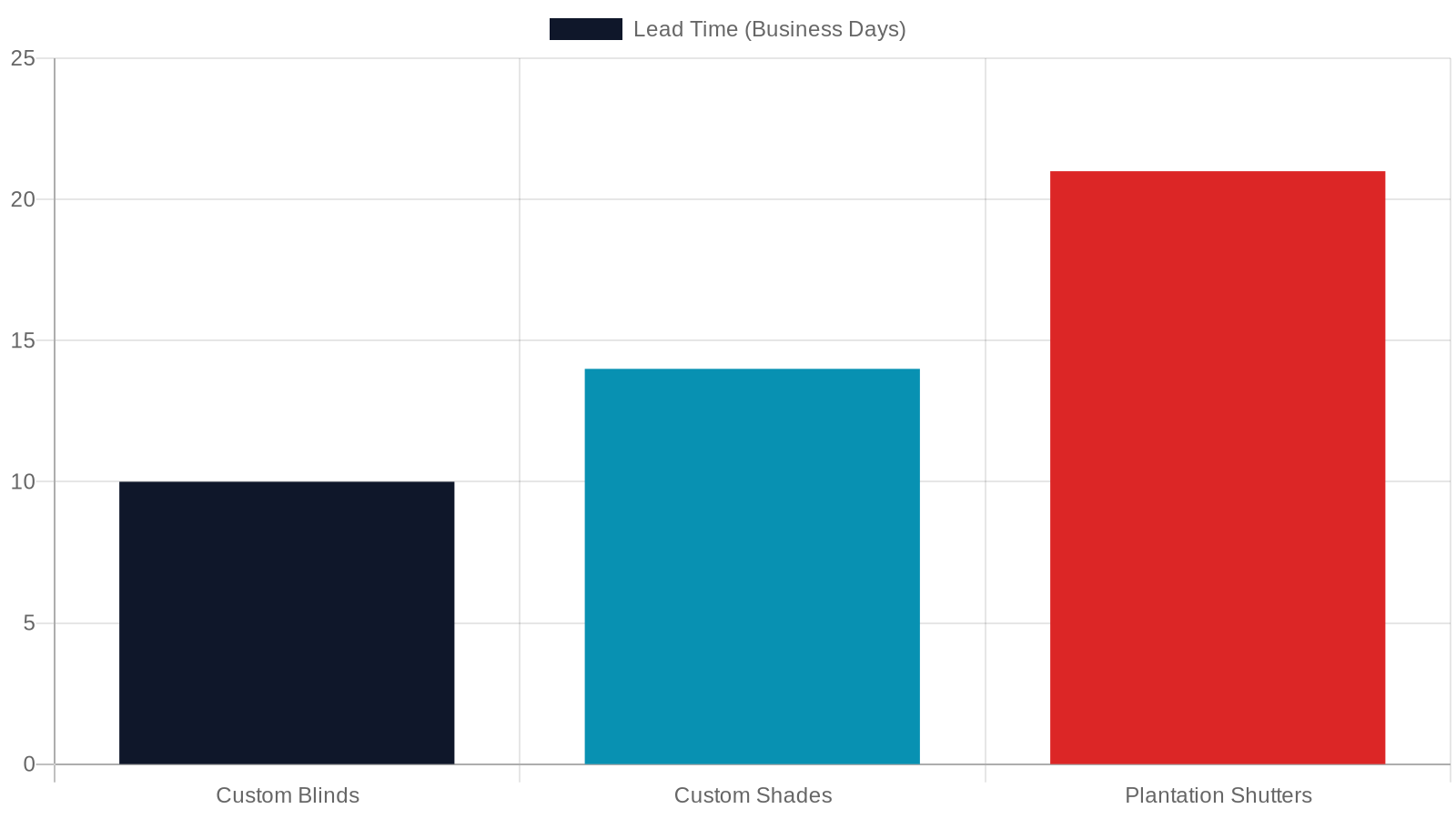
Once your order is confirmed, your custom window treatments enter production. Standard lead times vary by product type: custom blinds typically take 7–10 business days; custom shades run 10–14 business days; and plantation shutters — which involve more complex fabrication — typically require 3–4 weeks. Rush options are sometimes available for an additional fee. You’ll be contacted as soon as your order arrives so installation can be scheduled promptly.
Step 3: Professional Installation (Final Day)
Professional installation is included with every Blinds Galore order. Installers arrive with all necessary hardware, tools, and the expertise to handle any mounting surface — drywall, wood trim, vinyl frames, and masonry. A typical whole-home installation of 8–12 windows takes 2–4 hours. Once complete, the installer demonstrates the operating mechanisms for every product, answers any questions, and ensures you’re completely satisfied before leaving. Any issues identified during installation are addressed immediately — this is the 100% satisfaction guarantee in action.
10. Care, Maintenance, and Longevity Tips for Your Window Treatments
Custom window treatments are a meaningful investment — and like any investment, they reward a little regular attention. The good news is that maintenance for most blinds, shades, and shutters is simple and takes only a few minutes per week. Here’s what you need to know to keep your treatments looking and operating like new for years to come.
Cleaning Blinds: Dusting, Wiping, and Deep Cleaning
Wood and faux wood blinds should be dusted weekly with a microfiber cloth or a blind-cleaning tool that cleans multiple slats simultaneously. For deeper cleaning, close the slats in one direction and wipe with a slightly damp cloth, then repeat in the other direction. Avoid soaking wood blinds — moisture can cause warping. Faux wood and aluminum blinds can tolerate a mild soap-and-water solution for stubborn grease or grime. Never put blinds in a bathtub full of water, as this can damage the tapes, cords, and headrail components.
Caring for Fabric Shades and Shutters
Fabric shades should be vacuumed monthly using a brush attachment on low suction to remove dust without distorting the fabric. Spot-clean stains immediately with a clean white cloth and a small amount of mild upholstery cleaner — always test in an inconspicuous area first. Plantation shutters are the easiest of all window treatments to maintain: a weekly wipe-down with a dry microfiber cloth keeps them looking pristine. For a deeper clean, a slightly damp cloth with a drop of dish soap removes fingerprints and cooking residue effectively. Avoid harsh chemical cleaners on painted shutters, as they can dull the finish over time.
Extending the Life of Your Investment
A few simple habits will significantly extend the life of your custom window treatments. Operate blinds and shades gently — yanking cords or forcing stuck slats is the number-one cause of premature mechanical failure. Keep blinds and shades fully raised during severe weather if windows are open, as wind can cause fabric shades to flap and tear. Inspect operating mechanisms annually and lubricate any sticking components with a small amount of silicone spray (never WD-40, which attracts dust). With proper care, custom faux wood blinds and cellular shades should last 10–15 years, and plantation shutters should last the lifetime of your home.
11. How to Budget for Custom Window Treatments in West Tennessee

Custom window treatments cover a wide price range, and understanding what drives cost helps you plan your budget realistically. The key insight is that custom doesn’t always mean expensive — it means precisely right for your windows, which often saves money in the long run by eliminating the replacements and workarounds that off-the-shelf products require.
Understanding the Cost Variables
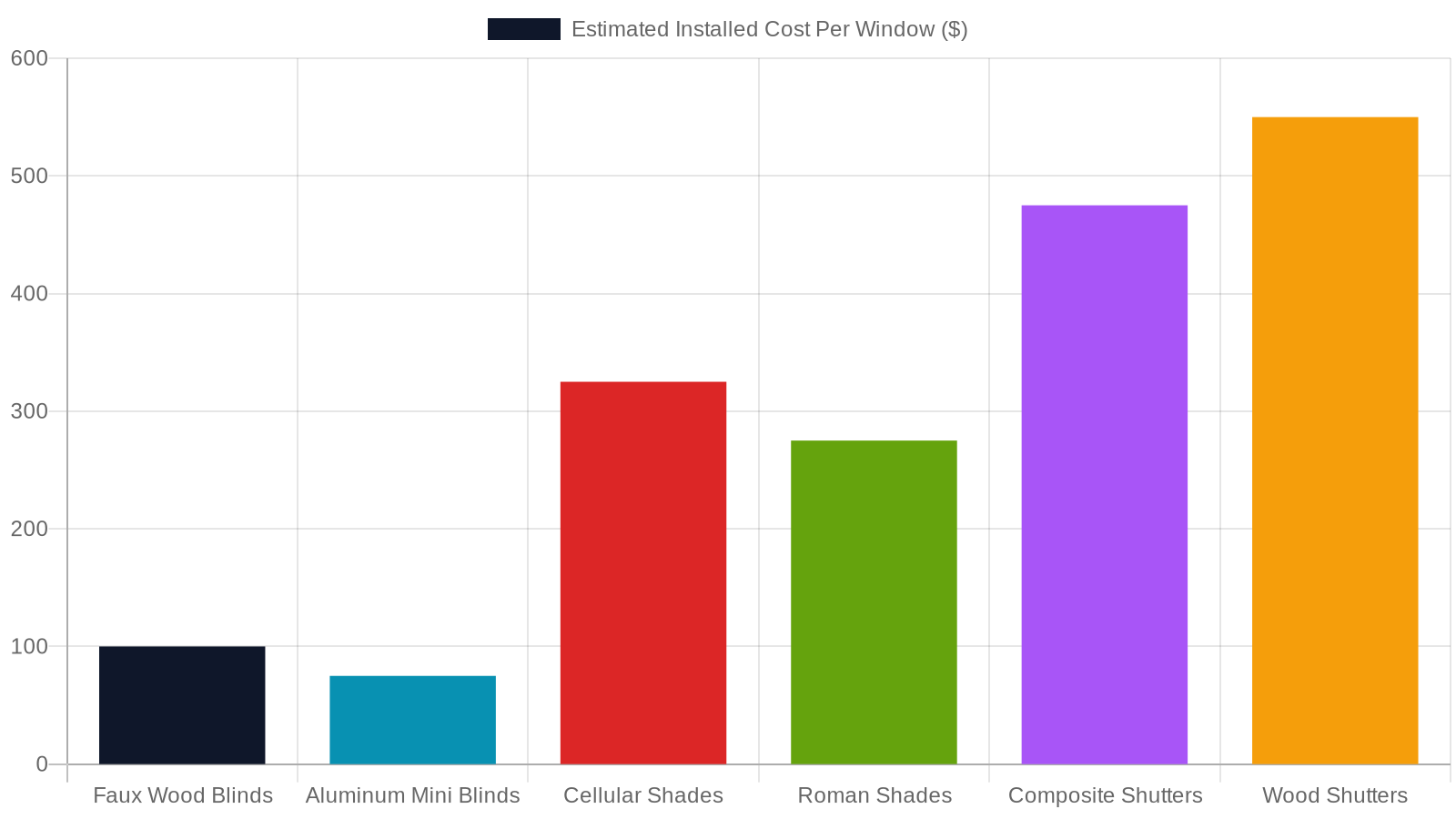
The cost of custom window treatments depends on four primary variables: product type, window size, material/fabric selection, and operating system. A basic cordless faux wood blind for a standard 36″ × 48″ window might cost $80–$120 installed. A motorized blackout cellular shade for the same window runs $250–$400. A custom wood plantation shutter for a 36″ × 60″ window typically costs $350–$600 installed, depending on louver size and frame style. These are per-window figures — a whole-home project covering 10–15 windows will naturally represent a more significant investment, but volume pricing often applies.
Prioritizing by Room for Maximum Impact
If budget is a consideration, prioritize the rooms where window treatments will make the biggest functional and visual difference. Living rooms and master bedrooms are almost always the highest-impact rooms — they’re the spaces you spend the most time in and the spaces guests see first. Start there with your best product selection, then move to secondary bedrooms and utility spaces where a more economical choice is perfectly appropriate. Many Jackson homeowners choose plantation shutters for their main living areas and faux wood blinds for guest rooms and home offices — a hybrid approach that balances aesthetics and budget effectively.
Ready to Transform Your Jackson, TN Home? Here's Your Next Step
You’ve done the research. You understand the products, the process, and the value of working with a local specialist who knows West Tennessee homes inside and out. Now it’s time to take the one step that turns information into action: scheduling your free in-home consultation with Blinds Galore.
Serving Jackson, Lexington, Henderson, Milan, and All of West Tennessee
Blinds Galore has been the trusted window treatment specialist for West Tennessee homeowners, contractors, and designers for over 18 years. From a single bedroom blind in Lexington to a full plantation shutter installation across a new construction home in Henderson, the team brings the same level of care, precision, and expertise to every project. The service area covers the greater Jackson, TN region and extends throughout West Tennessee — so wherever you call home, a free in-home consultation is just a phone call away.
Your Free In-Home Consultation Is Waiting
The easiest way to get started is to call (731) 571-5179 and schedule your free in-home consultation. A trained consultant will visit your home, measure every window, present product options in your actual space, and provide a detailed quote — all at no cost and no obligation. With a 100% satisfaction guarantee on every order, there’s no risk and no guesswork. Visit Blinds Galore’s website to learn more about the full product lineup, see inspiration photos, and request your free consultation online. You can also reach out through the contact page if you prefer to send a message before calling. Your perfect windows are closer than you think — and the team at Blinds Galore is ready to help you get there.
Frequently Asked Questions
How much do custom blinds cost in Jackson, TN?
Custom blinds in Jackson, TN typically range from $75 to $150 per window installed for aluminum or faux wood options, and $200 to $400+ for premium materials like real wood or motorized shades. Plantation shutters run $350 to $600+ per window. Blinds Galore provides free in-home quotes so you know the exact cost before committing.
What is the difference between blinds and shades?
Blinds have adjustable slats (horizontal or vertical) that tilt to control light and privacy, while shades use a continuous piece of fabric that raises and lowers as a single panel. Blinds offer more precise light control; shades offer more fabric and texture options. Both are available in custom sizes for any window.
Are plantation shutters worth the investment?
Yes, for most homeowners plantation shutters are worth the higher upfront cost. They last 20–30 years, require minimal maintenance, improve energy efficiency, and add perceived resale value to your home — with some estimates suggesting a 60–80 cent return on every dollar invested. They also eliminate the need for replacement every few years, which off-the-shelf products often require.
How long does it take to get custom window treatments installed?
From consultation to installation, most custom window treatment projects take 2–4 weeks. Custom blinds typically have a 7–10 business day lead time; custom shades take 10–14 business days; and plantation shutters require 3–4 weeks due to their more complex fabrication. Installation itself usually takes 2–4 hours for a whole home.
Does Blinds Galore serve areas outside of Jackson, TN?
Yes. Blinds Galore serves the greater Jackson, TN area and surrounding West Tennessee communities including Lexington, Henderson, Milan, and beyond. Call (731) 571-5179 to confirm service availability in your specific location and schedule a free in-home consultation.
What window treatments are best for bathrooms and kitchens?
For bathrooms and kitchens, choose moisture-resistant options: faux wood blinds, composite plantation shutters, or polyester-based roller shades. Avoid real wood blinds and untreated fabric shades in these rooms, as humidity and steam can cause warping, mold, and fabric damage over time.
You might also like
10 Best Custom Roman Shades for Jackson TN Living Rooms: Style and Light Control Guide
Quick answer: Custom Roman shades are one of the most versatile and stylish window treatments for Jackson,

What Makes Blinds Galore Jackson TN’s Trusted Window Treatment Expert Since 2006
Quick answer: Blinds Galore has served Jackson, TN and surrounding West Tennessee communities since 2006
Best Energy-Efficient Cellular Shades for Jackson TN Living Rooms: a Cost Savings Guide
Quick answer: Cellular shades — also called honeycomb shades — are the single most energy-efficient
Best Blackout Shades for Jackson TN Bedrooms: 9 Things to Know
Quick answer: Blackout shades block 99–100% of incoming light, making them the top choice for Jackson,
Best Faux Wood Blinds for Moisture-Prone Bathrooms and Kitchens in Jackson, TN
Quick answer: Faux wood blinds are the single best window treatment choice for moisture-prone bathrooms

Best Motorized Blinds for Large Windows in Jackson, TN: Cost and Control Guide
Quick answer: Motorized blinds are the most practical solution for large windows in Jackson, TN homes,