

10 Best Custom Shades for Jackson TN Sunrooms: UV and Temperature Guide
Quick answer: The best custom shades for a Jackson, TN sunroom combine high UV-blocking fabrics (look for a UV protection factor of 50+ and openness factors of 1–5%) with cellular or solar roller construction to cut heat gain by up to 40%. Top choices include solar shades, cellular shades, Roman shades with UV-rated liners, and motorized roller shades. Because West Tennessee sunrooms face intense summer sun from April through October, the right shade can lower interior temps by 10–15°F, protect furniture from fading, and trim cooling bills. A free in-home consultation from Blinds Galore in Jackson, TN helps you match the right product to your exact sun exposure and décor.
Why Sunrooms in Jackson, TN Demand Specialized Window Shades
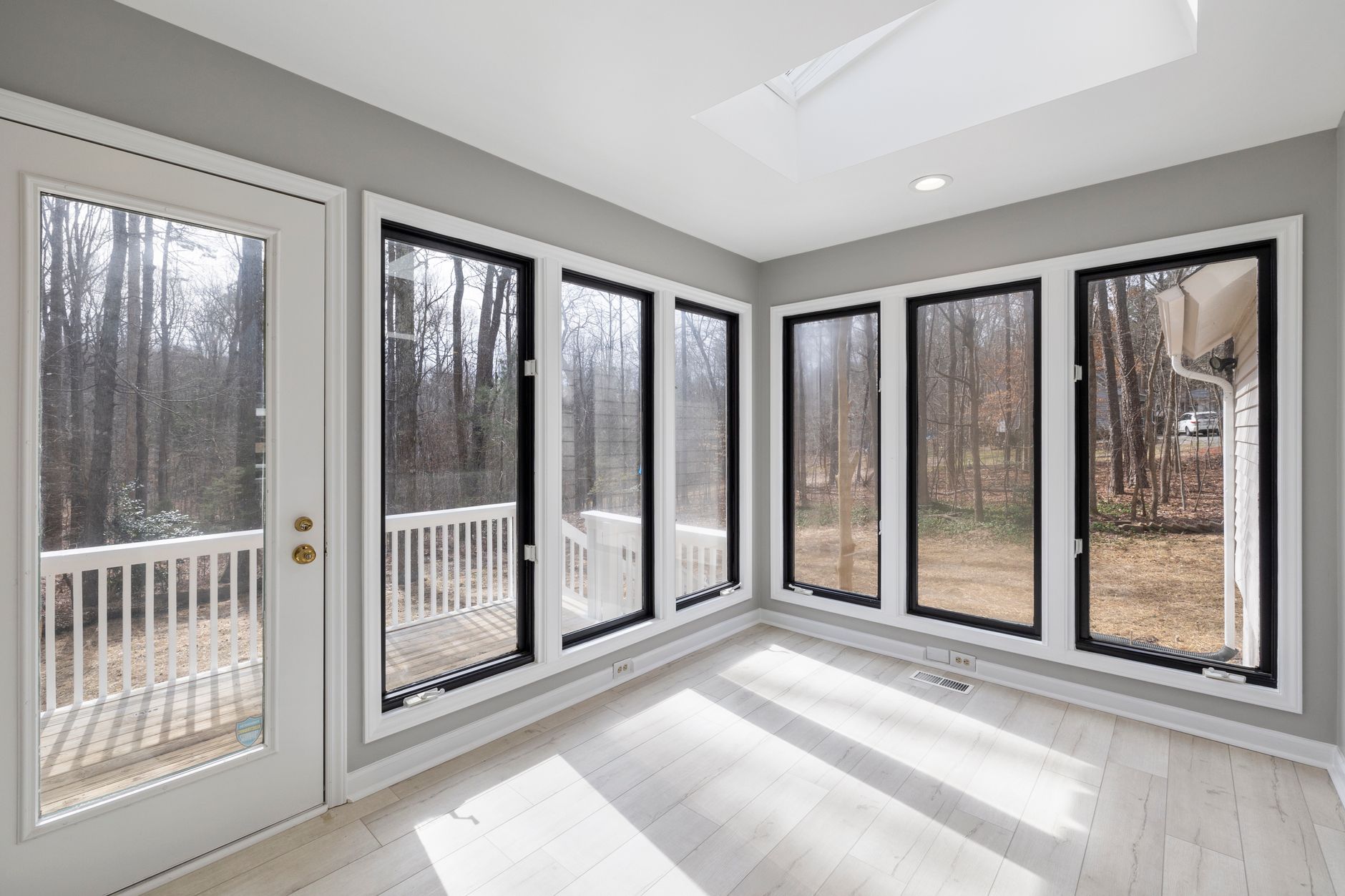
A sunroom is one of the most beloved features a Jackson, TN home can have — a bright, airy space that connects you to the outdoors without the bugs or the heat. But that same glass-heavy construction that makes sunrooms magical also makes them vulnerable. Without the right window treatments, a West Tennessee sunroom can become a solar oven by July, and your furniture, flooring, and energy bills all pay the price. Understanding why sunrooms need specialized shades is the essential first step before choosing any product.
West Tennessee Sun: Hotter and Longer Than You Think
Jackson, TN sits in USDA Hardiness Zone 7b and logs an average of 213 sunny days per year — well above the national average of 205. From late April through early October, afternoon temperatures regularly exceed 90°F, and south- and west-facing sunroom glass can push interior surface temps past 130°F without proper shading. That kind of radiant heat doesn’t just make the room uncomfortable; it accelerates fading of flooring, furniture, and artwork at a measurable rate.
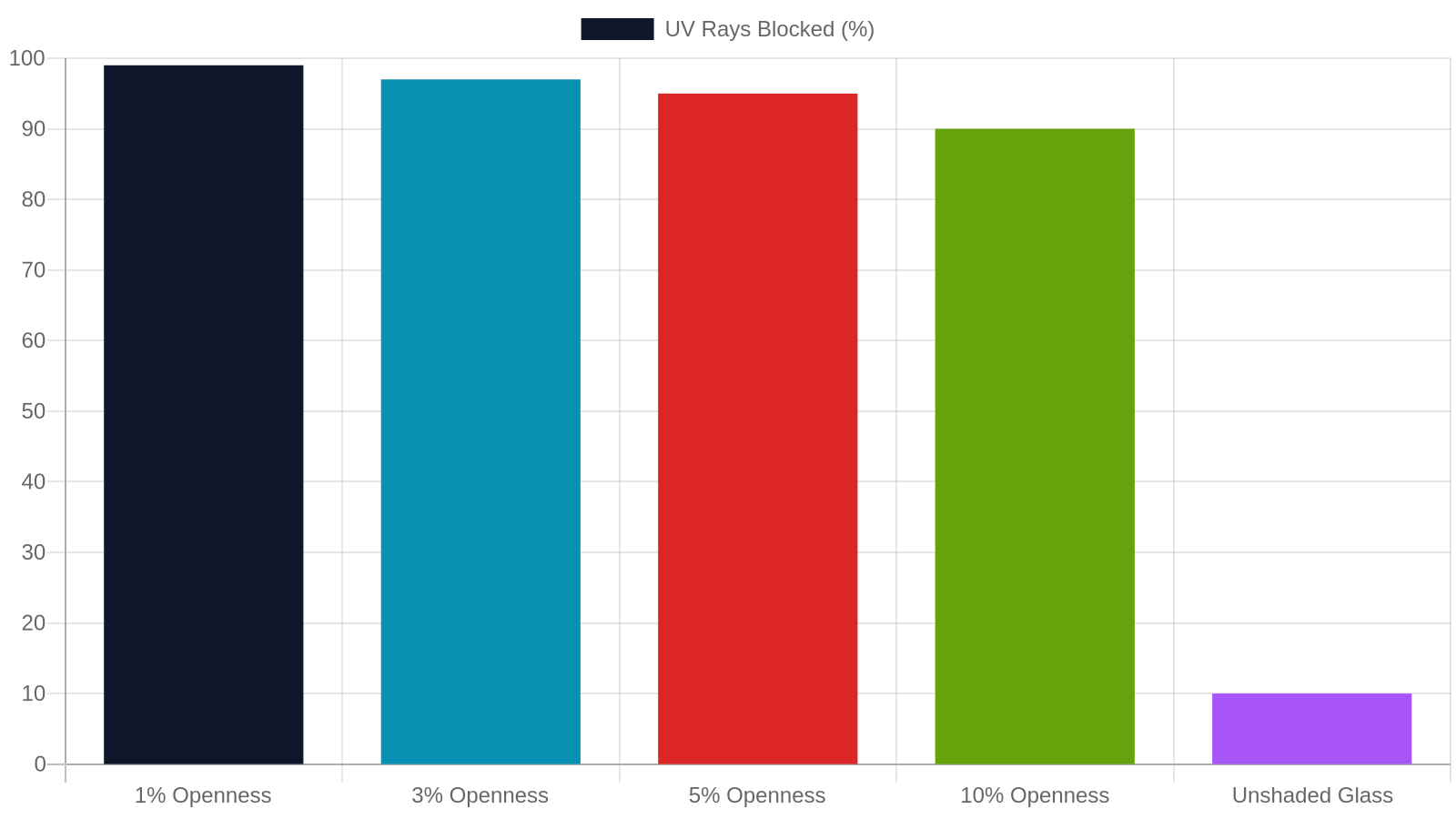
UV-A and UV-B radiation account for up to 40% of solar heat gain through untreated glass. Standard single-pane sunroom panels transmit nearly 90% of UV rays, while even modern double-pane low-e glass still allows 20–30% through. A quality solar shade rated at 1–3% openness factor blocks 97–99% of UV radiation, dramatically slowing the fading clock.
The Cost of Doing Nothing
Homeowners who leave sunrooms unshaded in West Tennessee typically report two recurring problems: the room becomes unusable for four to five months of the year, and their HVAC system works overtime trying to compensate. The U.S. Department of Energy estimates that solar heat gain through windows accounts for 25–30% of residential cooling costs. In a sunroom with 200–400 square feet of glass, that figure climbs even higher.
Furniture fading is equally costly. The Skin Cancer Foundation notes that UV exposure sufficient to fade upholstery can occur in as little as 50 hours of direct sunlight — roughly three weeks of afternoon sun in a Jackson summer. Replacing a sectional sofa or hardwood floor because of sun damage runs $2,000–$10,000+, making a $400–$1,200 shade investment look very sensible.
1. Solar Shades: The Gold Standard for UV and Heat Control

If you ask any window treatment professional in West Tennessee what single product type does the most work in a sunroom, the answer is almost always solar shades. Engineered specifically to combat solar heat gain and UV radiation, solar shades are the workhorse of sunroom window treatments. They block UV rays, reduce glare, and lower interior temperatures — all while letting you keep your view of the backyard or garden. Here’s what you need to know before you buy.
Understanding Openness Factor (OF)
Solar shades are woven from a fiberglass or polyester mesh that blocks UV rays while preserving your view. The key spec is openness factor (OF) — the percentage of the fabric that is open weave. A 1% OF shade blocks 99% of UV radiation and is ideal for south- and west-facing sunroom walls. A 3% OF blocks 97% of UV with a slightly clearer daytime view. A 5% OF blocks 95% of UV and gives the most transparency, suitable for north-facing glass or rooms where view preservation is the priority.
For most Jackson, TN sunrooms, Blinds Galore recommends 1–3% openness factor solar shades in a light-reflective color (white, pearl, or light gray) to maximize heat reflection back through the glass before it enters the room.
Solar Shade Fabrics and Price Ranges
Entry-level solar shades use a PVC-coated polyester mesh and retail in the $80–$180 per window range for standard sizes. Mid-range fiberglass-core fabrics — more dimensionally stable and better at holding their flat profile over time — run $150–$300 per window. Premium solar shades with dual-layer construction (a reflective backing bonded to the mesh) can reach $250–$450 per window but deliver the best combined UV blocking and insulation performance.
Custom-sized solar shades for sunroom windows, which often have non-standard dimensions, are measured and fabricated to the exact inch. Blinds Galore handles this measurement process during a free in-home visit, ensuring every shade fits flush with no light gaps at the edges — a common problem with off-the-shelf alternatives.
2. Cellular (Honeycomb) Shades: Best for Year-Round Insulation
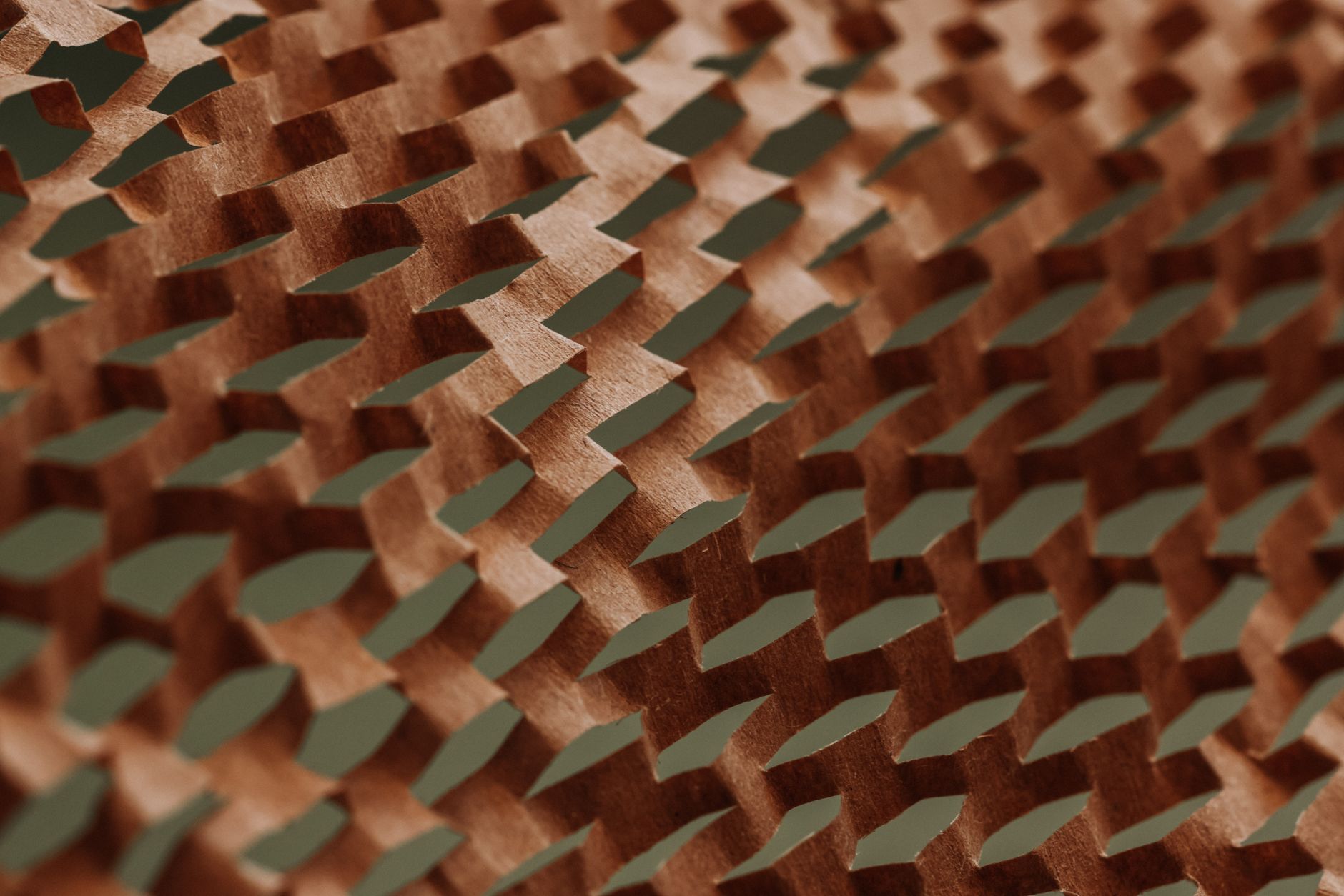
Solar shades win the UV battle, but if your Jackson, TN sunroom is also a year-round living space — used for morning coffee in January as well as afternoon reading in August — you need a shade that insulates as well as it blocks UV. That’s where cellular shades earn their place. Their signature honeycomb construction traps air in individual pockets, turning a single layer of fabric into a meaningful thermal barrier against both summer heat and winter cold.
How the Honeycomb Cell Structure Works
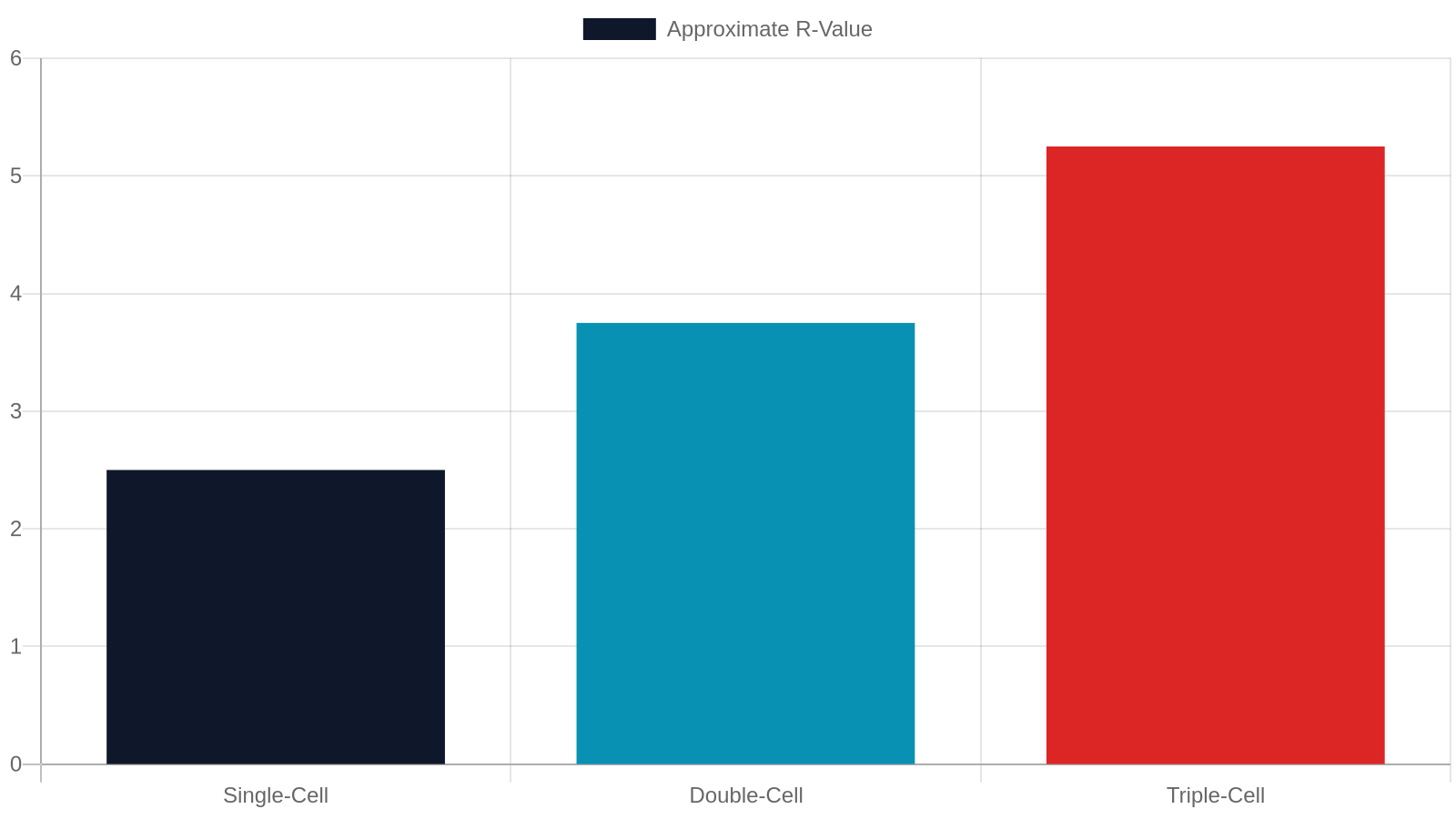
Cellular shades — also called honeycomb shades — trap air inside individual fabric cells, creating a layer of insulation between the glass and the room. A single-cell design provides an R-value of approximately R-2 to R-3, while a double-cell construction reaches R-3 to R-4.5, and a triple-cell shade can achieve R-4.5 to R-6. In a sunroom where you’re fighting both summer heat gain and winter heat loss, that insulation value translates directly to lower utility bills year-round.
The U.S. Department of Energy has documented that cellular shades can reduce heat loss through windows by up to 40% in winter and cut solar heat gain by up to 60% in summer when used in a top-down/bottom-up configuration that allows you to admit light from the upper portion of the window while insulating the lower half.
Blackout vs. Light-Filtering Cellular Shades for Sunrooms
Cellular shades come in three light-control levels: sheer/light-filtering (lets diffused light through, no UV blocking beyond 50%), room-darkening (blocks 85–95% of light), and blackout (99%+ light block). For sunrooms, most homeowners find that a light-filtering cellular shade in a UV-rated fabric hits the sweet spot — the room stays bright and pleasant while UV radiation and heat gain are substantially reduced.
If your sunroom doubles as a home theater or napping space, a room-darkening or blackout cellular option makes more sense. Blinds Galore can show you fabric samples in your actual sunroom during a free consultation so you can see exactly how each light-control level performs before committing.
3. Roman Shades with UV-Rated Liners: Style Meets Sun Protection
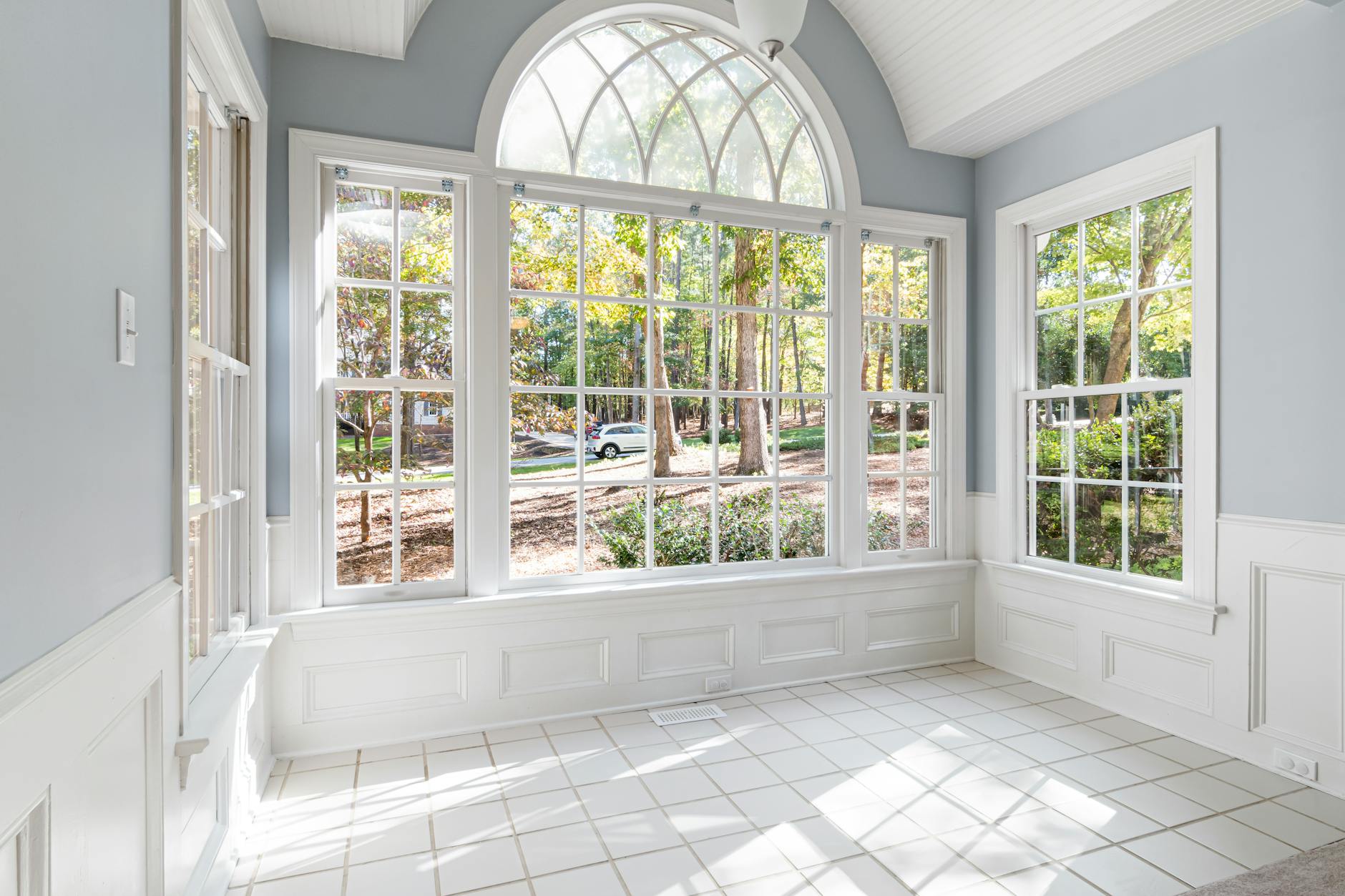
Not every sunroom calls for the utilitarian look of a roller or cellular shade. If your sunroom is a designed space — furnished with care, decorated with intention — you may want a window treatment that pulls its visual weight as much as its functional weight. Roman shades with UV-rated liners offer exactly that combination: the soft, tailored elegance of a fabric shade with the sun-blocking performance your West Tennessee sunroom demands.
Choosing the Right Liner for a Sunroom Roman Shade
A Roman shade without a liner is essentially a decorative fabric panel — beautiful, but offering minimal UV or heat protection. Adding a UV-rated blackout liner transforms it into a functional sun-control treatment. Look for liners rated to block 99% of UV radiation (often labeled ‘blackout’ or ‘UV-block’ by manufacturers). These liners also add a layer of insulation, improving the shade’s overall thermal performance by an estimated 20–30% compared to an unlined version.
For sunrooms in Jackson and surrounding West Tennessee communities like Lexington and Henderson, Blinds Galore recommends pairing a natural linen or textured cotton Roman shade face fabric with a white or cream UV-block liner. The white liner reflects heat back through the glass rather than absorbing it, keeping the room cooler than a dark-colored liner would.
Roman Shade Styles That Work in Sunrooms
Not all Roman shade fold styles are equally practical in a sunroom environment. Flat Roman shades (no folds when lowered) provide the cleanest, most even UV coverage because there are no fabric gaps. Hobbled Romans maintain their cascading folds even when lowered, which creates small pockets of unshaded glass — less ideal for maximum UV control but very attractive aesthetically. Relaxed Romans offer a casual, slightly curved hem that suits the informal feel of many sunrooms.
Custom Roman shades for sunrooms typically range from $150–$400 per window depending on fabric, liner, and size. Because sunroom windows often feature unusual proportions — wide picture windows, narrow side lites, or angled skylights — custom fabrication is almost always necessary for a proper fit.
4. Motorized Roller Shades: Convenience and Precision Sun Control
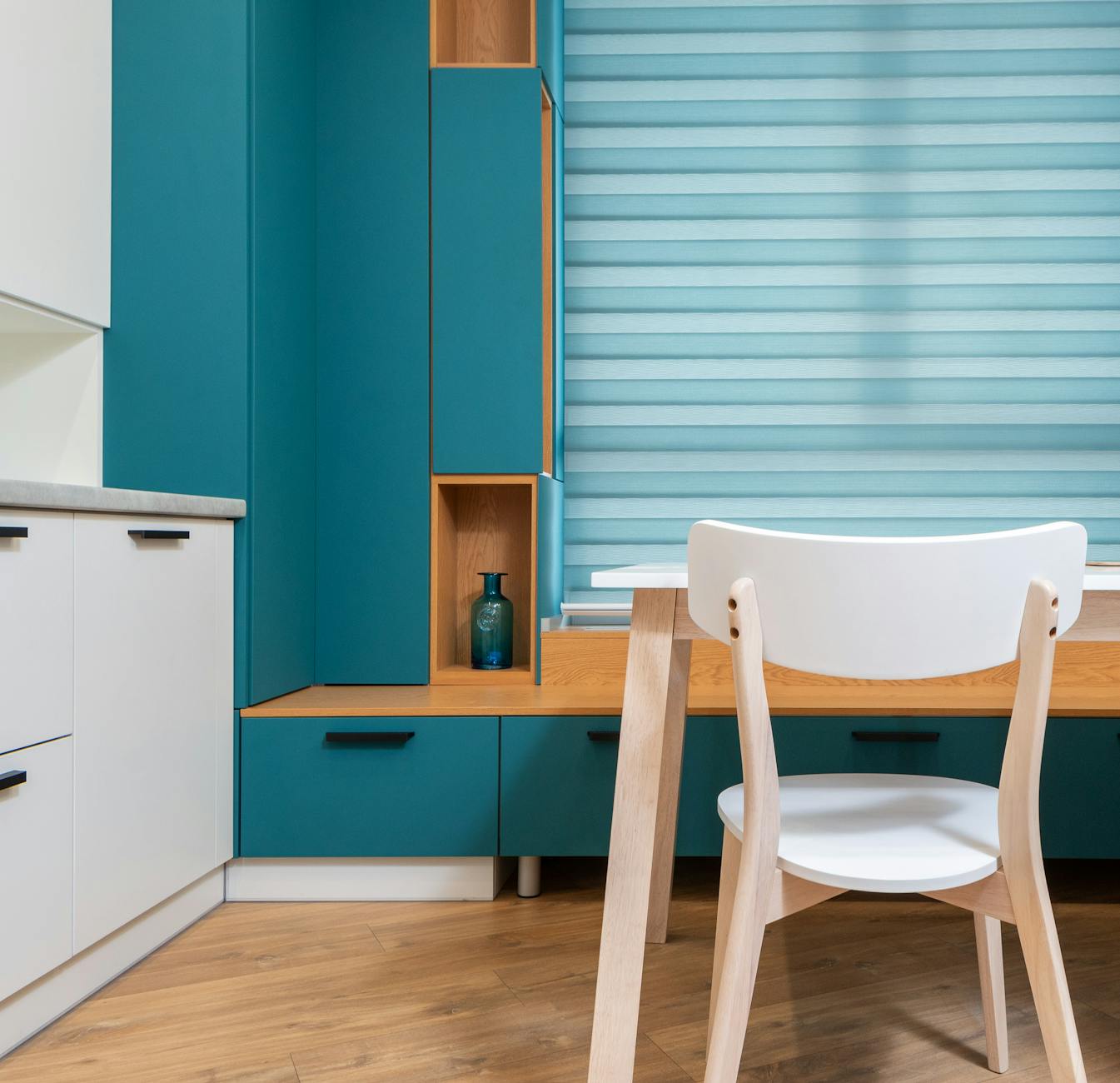
Technology has changed what’s possible with sunroom shading. Motorized roller shades combine the proven UV-blocking performance of solar shade fabrics with the convenience of push-button or smartphone control. For homeowners in Jackson, TN who want maximum sun protection without constantly fussing with cords and pulls — especially in large sunrooms with many windows — motorization is no longer a luxury. It’s a genuinely practical upgrade.
Why Motorization Makes Sense in a Sunroom
Sunrooms often have windows in hard-to-reach locations — high on a vaulted ceiling, above a built-in bench, or spanning an entire wall. Motorized roller shades solve the reach problem entirely. More importantly, they enable scheduled automation: program your shades to lower automatically at 2 p.m. when the western sun hits hardest, then raise again at 6 p.m. when the angle drops. This kind of set-and-forget scheduling can reduce solar heat gain during peak hours by 35–45% without any daily effort on your part.
Smart home integration is another major benefit. Motorized shades from leading brands are compatible with Google Home, Amazon Alexa, Apple HomeKit, and SmartThings, allowing voice control and integration with thermostat schedules. When your Nest thermostat detects the house warming up, it can automatically signal the shades to lower — a genuinely useful automation for Jackson summers.
Battery vs. Hardwired Motorization
For sunrooms where running new electrical wiring is impractical, battery-powered motorized shades are an excellent option. Modern lithium battery packs last 12–18 months on a single charge with typical daily use, and many systems send a low-battery alert to your smartphone before the shade stops working. Hardwired motorization is more reliable long-term and is the preferred choice for new sunroom construction or major renovations where walls are already open.
Solar-powered motorized shades are a third option particularly well-suited to sunrooms: a small photovoltaic panel mounts at the top of the shade and trickle-charges the battery using the same sunlight you’re trying to block. These systems can operate indefinitely without any battery replacement in a well-lit sunroom environment. Pricing for motorized roller shades typically runs $300–$700 per window installed, depending on size and drive system.
5. Woven Wood and Bamboo Shades: Natural Style with Moderate UV Control
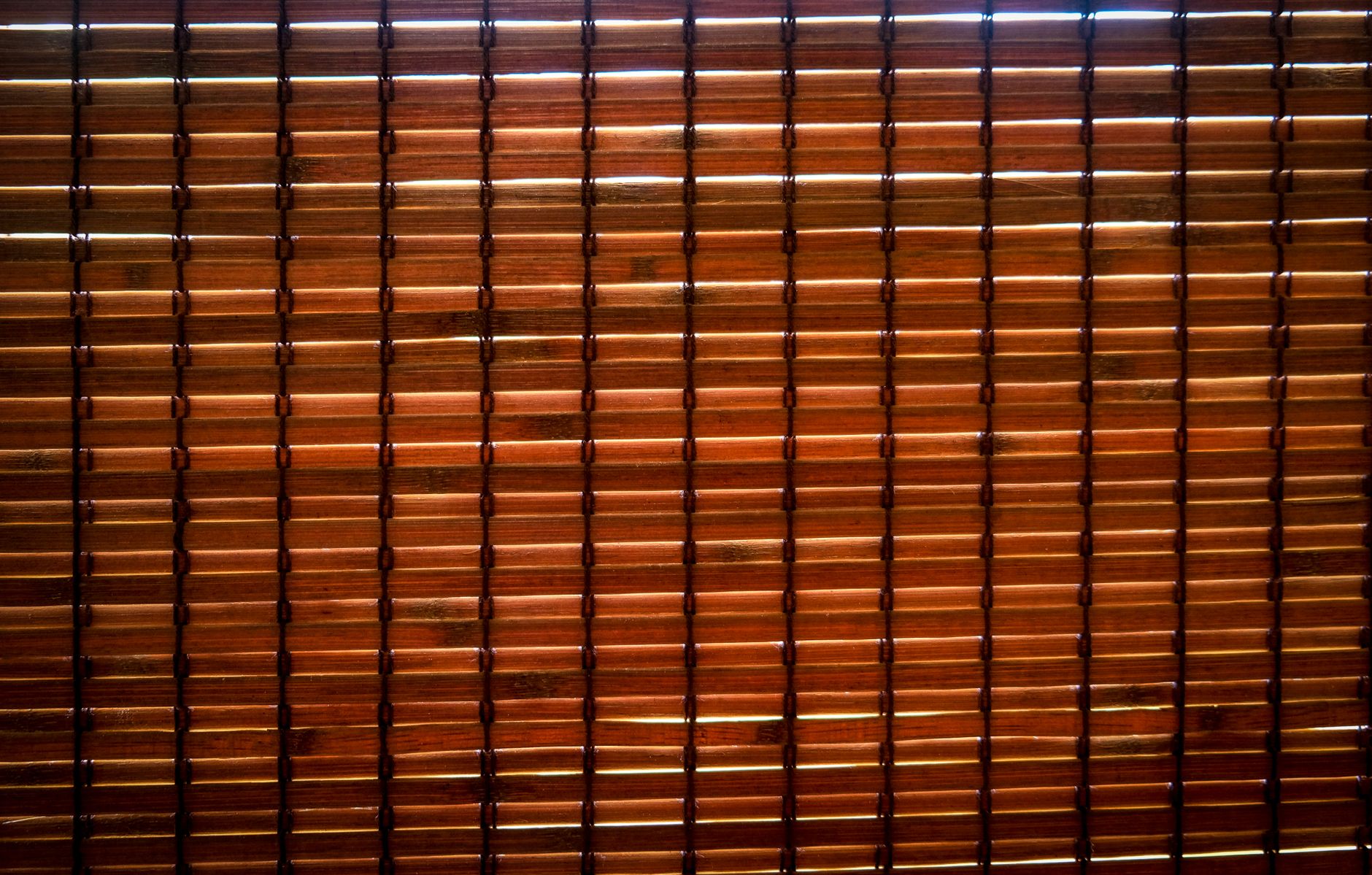
There’s a reason woven wood and bamboo shades are a perennial favorite in Southern homes: they bring warmth, texture, and a connection to natural materials that no synthetic fabric can fully replicate. In a Jackson, TN sunroom designed around a coastal, farmhouse, or organic-modern aesthetic, woven wood shades can be the perfect finishing touch. The key is understanding their UV limitations and pairing them correctly with liners to get the performance your sunroom actually needs.
What Woven Wood Shades Actually Block
Woven wood shades — made from natural materials like bamboo, jute, seagrass, and rattan — are among the most popular window treatments in West Tennessee homes for their warm, organic aesthetic. However, their UV-blocking performance is more modest than solar or cellular shades. An unlined woven wood shade typically blocks 40–70% of UV radiation depending on weave tightness, compared to 95–99% for a solar shade. They also provide minimal insulation value on their own.
The solution is pairing woven wood shades with a privacy or blackout liner. A liner brings UV blocking up to 85–95% and adds meaningful insulation. For sunrooms where aesthetics are the primary driver and the space is used mainly in the morning or evening (avoiding peak afternoon sun), woven wood shades with liners are a beautiful and functional choice.
Durability Considerations for Sunroom Environments
Natural woven wood shades require some care in high-UV, high-heat environments. Untreated bamboo can warp, bleach, or crack with prolonged direct sun exposure over two to three years. Look for shades made from UV-stabilized or treated bamboo, or opt for synthetic woven alternatives that mimic the look of natural materials while offering far greater resistance to fading and warping. Synthetic woven shades typically carry a 5-year fade warranty versus 2–3 years for untreated natural materials.
Price range for woven wood shades runs $90–$250 per window unlined and $140–$350 per window with a UV-block liner. Custom sizing for sunroom windows is available through Blinds Galore, where you can view fabric samples in person during a free in-home consultation.
6. Exterior Solar Shades: Stop Heat Before It Enters the Glass
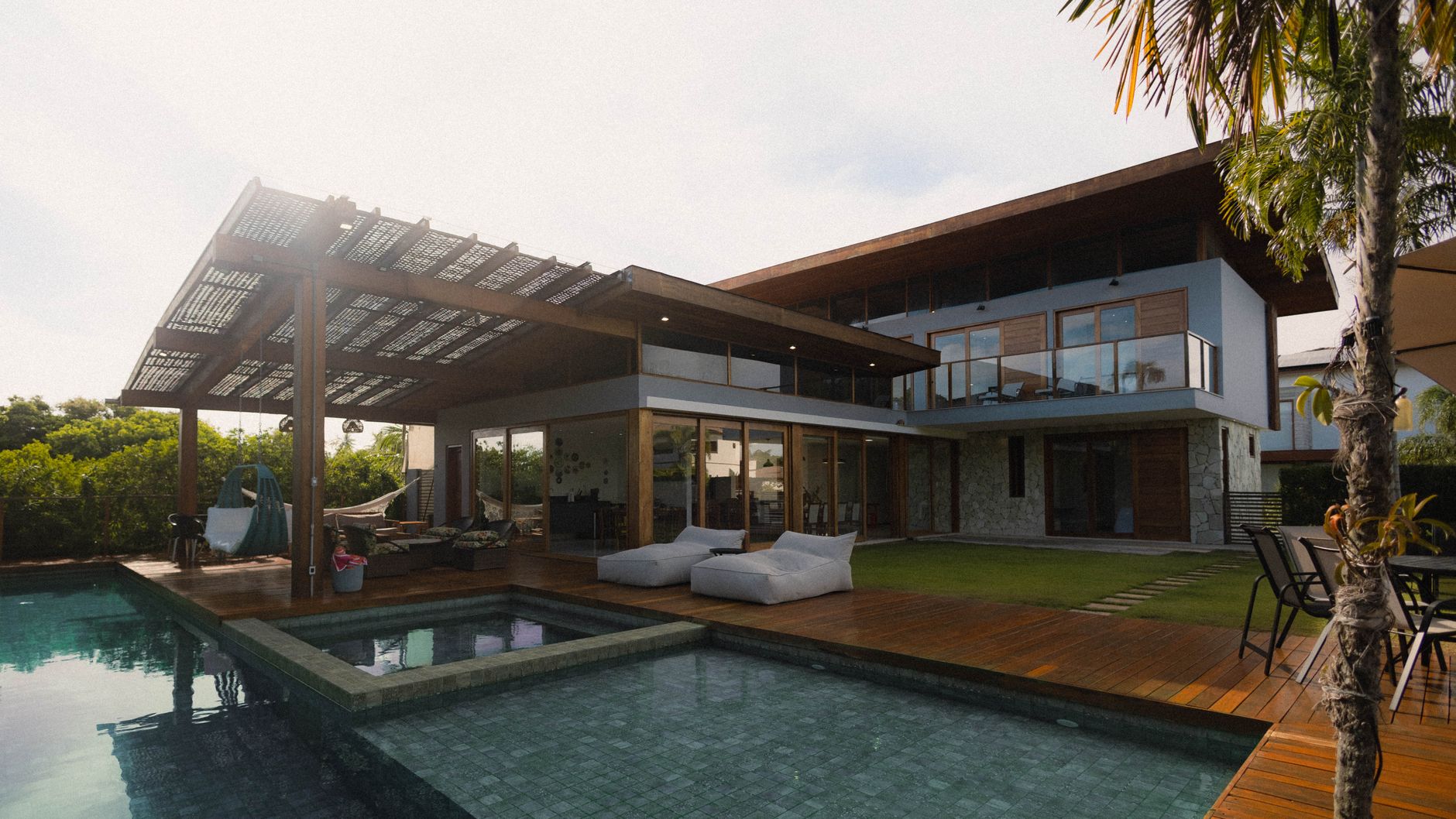
For the most heat-challenged sunrooms in West Tennessee, the most effective strategy is to stop solar energy before it ever enters the glass. Exterior solar shades do exactly that — they mount on the outside of the sunroom and intercept UV radiation and heat at the source. While they require a larger upfront investment than interior shades and more robust hardware to handle outdoor conditions, their thermal performance is in a class of its own.
The Physics Advantage of Exterior Shading
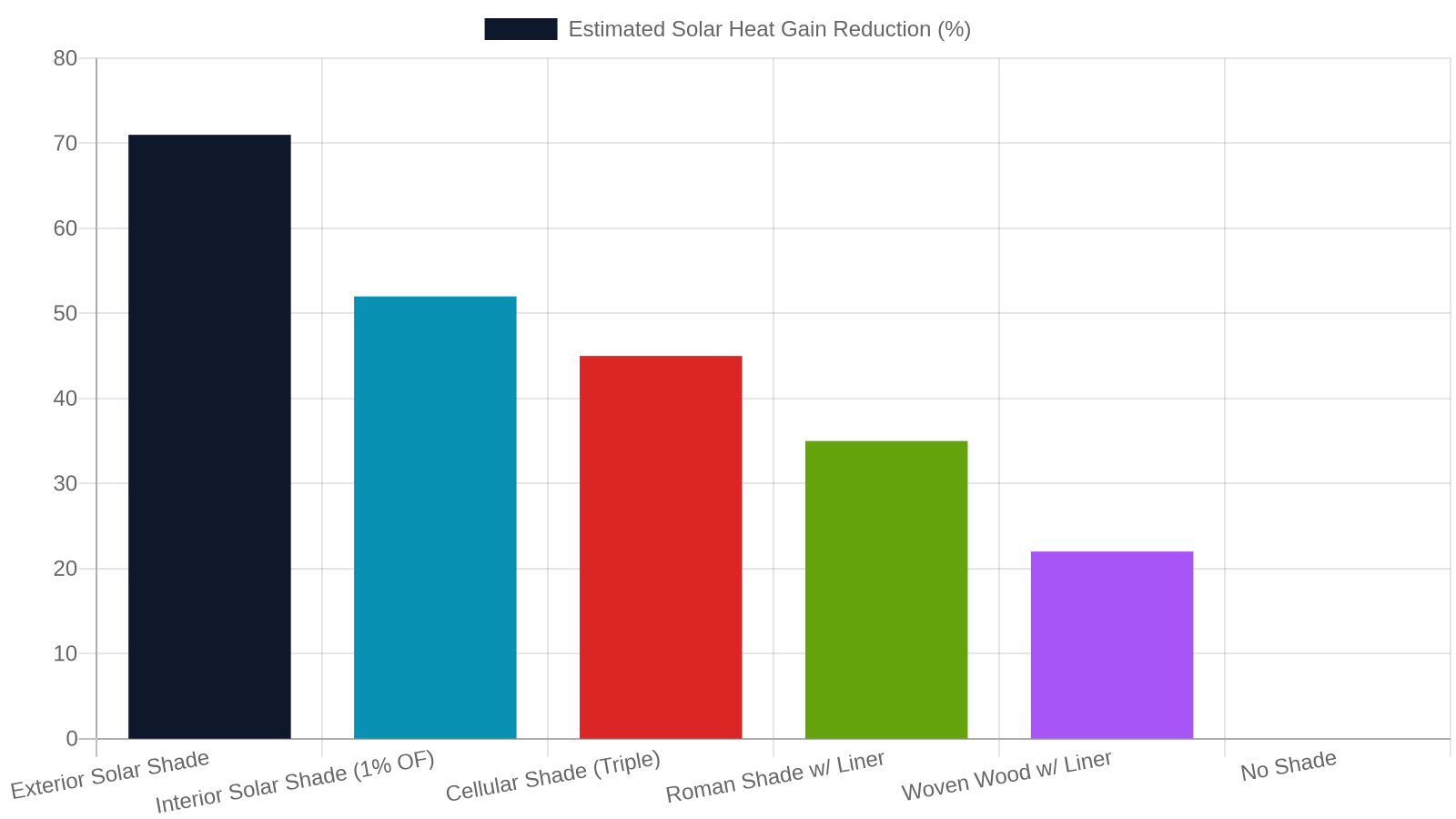
Interior shades — regardless of how well-rated they are — face a fundamental limitation: the solar energy has already passed through the glass and entered the room before the shade can reflect or absorb it. Exterior solar shades intercept that energy before it hits the glass, which is significantly more effective at reducing heat gain. The U.S. Department of Energy estimates that exterior shading can reduce solar heat gain by up to 65–77%, compared to 40–55% for the best interior shades.
For sunrooms with severe west-facing exposure — common in subdivisions throughout Jackson, Lexington, and Milan, TN — exterior solar shades can be the difference between a room that’s usable at 4 p.m. in August and one that isn’t. They’re particularly effective on large fixed-glass panels where interior shade options are limited by window depth or trim configuration.
Installation and Maintenance Considerations
Exterior solar shades are typically mounted on a roller system attached to the exterior fascia or soffit of the sunroom. They must be rated for outdoor exposure — look for fabrics with a minimum 500-hour UV resistance rating (tested per ASTM G154) and hardware with a marine-grade or powder-coated aluminum finish to resist West Tennessee humidity and seasonal temperature swings.
Maintenance involves periodic cleaning with mild soap and water (two to four times per year) and retracting the shades during high-wind events. Most quality exterior solar shade systems include a wind sensor that automatically retracts the shade when wind speeds exceed a set threshold, protecting both the shade and the sunroom structure. Exterior solar shade systems run $400–$900 per opening installed, reflecting the additional hardware and weatherproofing requirements.
7. Skylight Shades: Don't Forget the Roof Glass
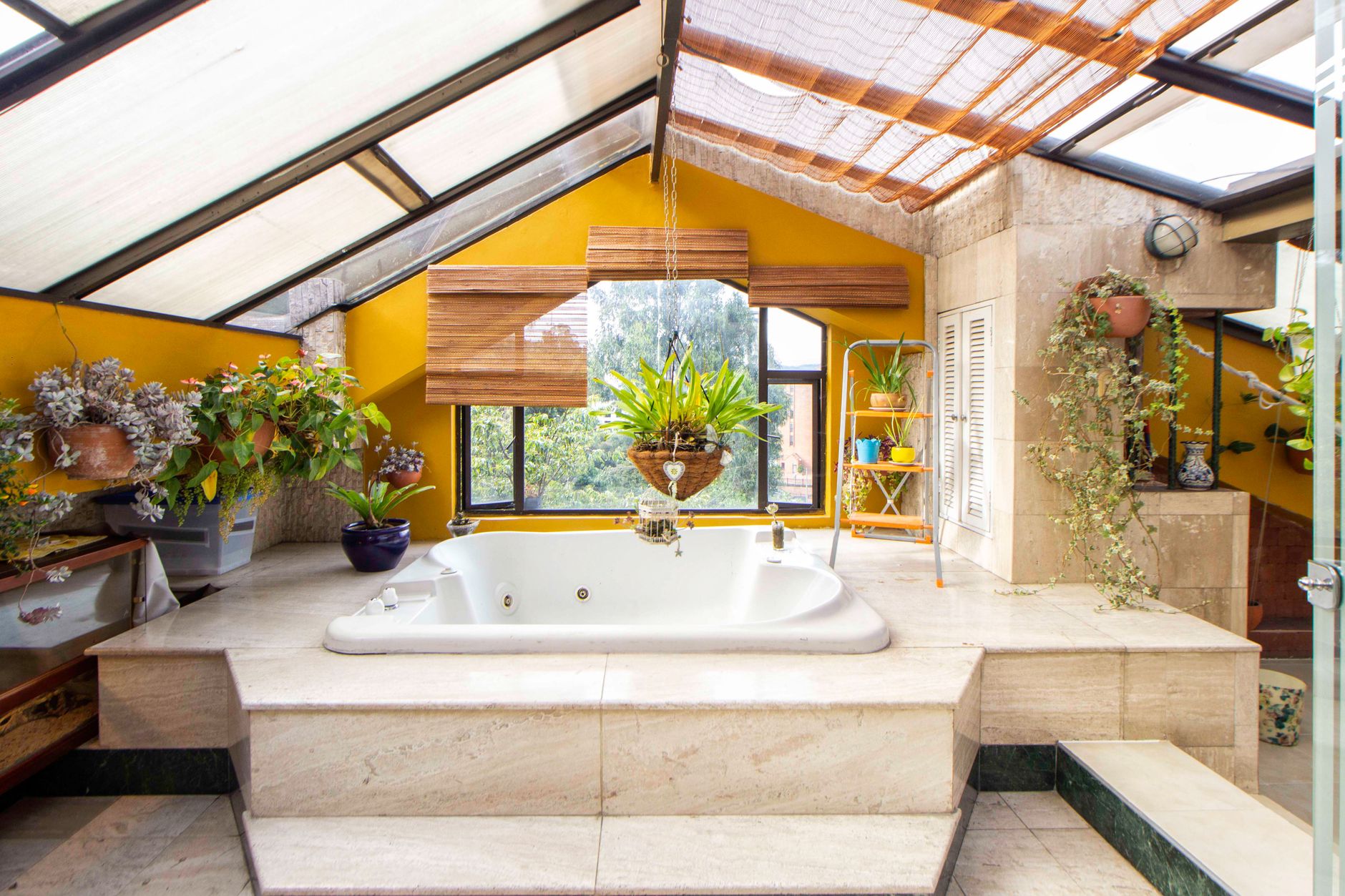
When homeowners in Jackson, TN plan their sunroom shading strategy, they almost always focus on the vertical windows — and completely overlook the glass above their heads. Skylights and glass roof panels are the Achilles heel of many sunroom designs, admitting intense overhead sun that no floor-standing fan or air conditioner can efficiently counteract. A complete sunroom shading plan must include skylight-specific shades engineered for overhead installation.
Why Skylights Are the Biggest Heat Problem in Many Sunrooms
Many Jackson-area sunrooms feature skylights or a partial glass roof — and these overhead glass panels are often the largest single source of heat gain in the entire room. Sunlight striking a horizontal or near-horizontal glass surface hits at a much more direct angle than vertical wall glass, meaning solar intensity per square foot is 30–50% higher through skylight glass than through vertical windows at the same time of day. An unshaded 4×4-foot skylight can add as much heat to a room as a small space heater running continuously during peak afternoon hours.
Skylight shades are specifically engineered for overhead mounting. They use a tensioned cord or track system on both sides of the shade to keep the fabric taut against gravity, preventing sagging and ensuring the shade stays in contact with the frame for maximum coverage.
Skylight Shade Options and Costs
The most popular skylight shade options for West Tennessee sunrooms are cellular skylight shades (for insulation plus UV blocking), solar mesh skylight shades (for view-through with UV control), and blackout skylight shades (for rooms that double as sleeping or media spaces). Motorization is highly recommended for skylight shades because manual operation of an overhead shade is awkward and impractical for daily use.
Custom skylight shades are priced by the square foot of glass coverage. Expect to pay $200–$600 per skylight for a motorized cellular or solar option, depending on size and drive system. Proper measurement is critical — even a quarter-inch gap at the frame edge will allow direct sunlight to enter and defeat the purpose of the shade. Blinds Galore measures every skylight precisely during the in-home consultation to guarantee a perfect fit.
Sunroom Shade Comparison: UV Protection, Insulation, and Cost at a Glance
Use this comparison to quickly identify which shade type best matches your sunroom's primary needs — whether that's maximum UV blocking, year-round insulation, aesthetic appeal, or smart-home convenience.
8. Layering Shades for Maximum Comfort: The Two-Treatment Strategy
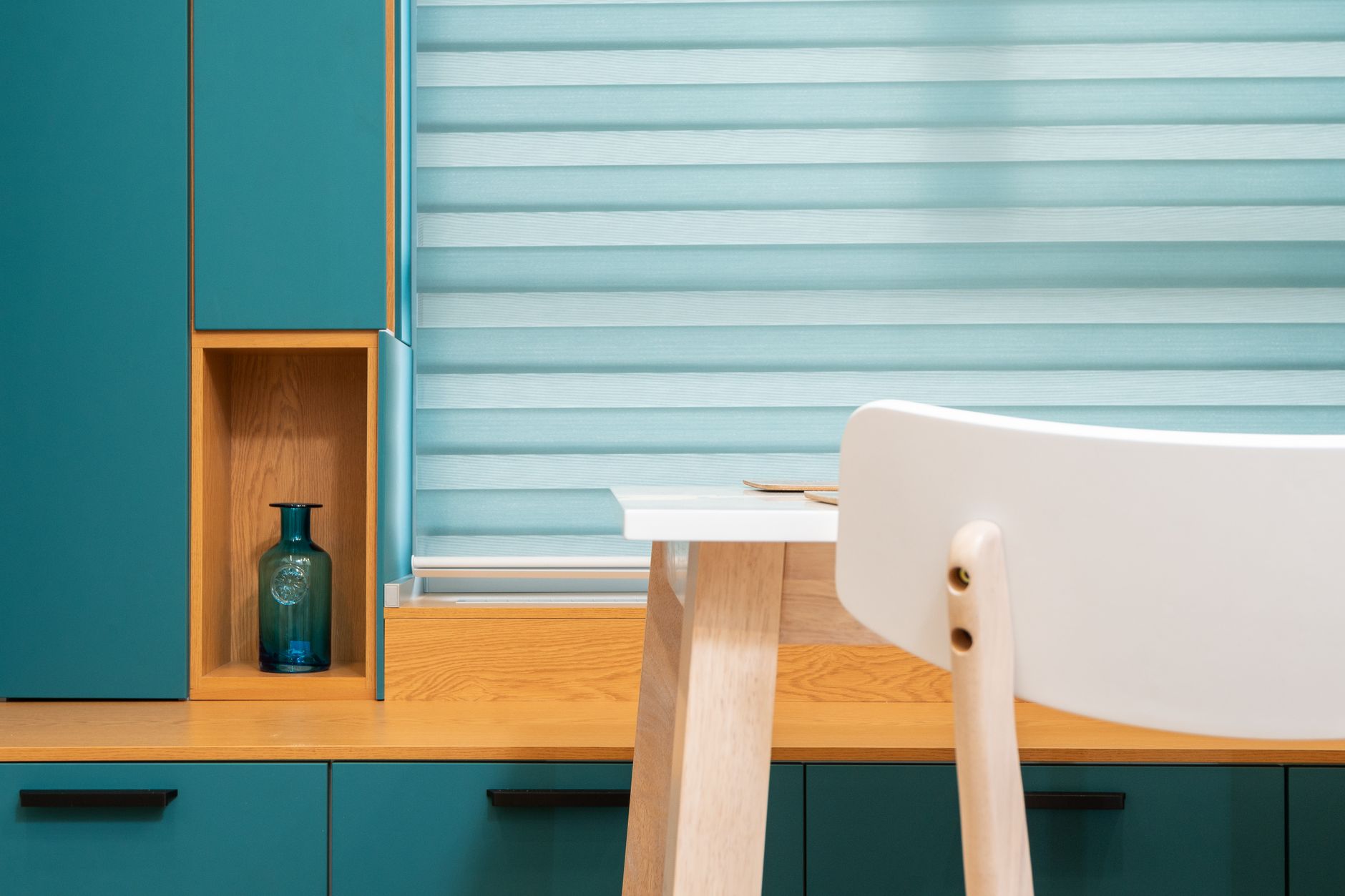
No single shade type perfectly handles every condition a West Tennessee sunroom experiences across a full year. The smartest approach — and the one Blinds Galore most often recommends for clients in the greater Jackson area — is a two-treatment layering strategy that gives you flexible control over light, privacy, UV protection, and insulation depending on the time of day and season. Think of it like having both a light jacket and a heavy coat: you use what the weather calls for.
Sheer Shades as a Base Layer
The most effective sunroom window treatment setups use two layers: a sheer or light-filtering shade as the primary daytime layer, and a room-darkening or blackout shade as the secondary layer for peak-heat hours or evening privacy. Sheer shades — including sheer roller shades and sheer cellular shades — diffuse light beautifully, reduce glare by 50–70%, and block 40–60% of UV radiation without making the room feel closed off. They’re the perfect everyday layer for a sunroom that’s meant to feel bright and connected to the outdoors.
Pairing a sheer shade with a solar shade on the same window (using a dual-bracket or double-roller system) gives you the flexibility to dial in exactly the right combination of light, privacy, and UV protection for any time of day or season.
Dual Roller Systems: One Bracket, Two Shades
Modern dual roller shade systems mount two independent shade rolls on a single headrail, allowing you to operate a sheer shade and a blackout or solar shade independently from the same window. This eliminates the need for a separate curtain rod or valance, keeping the look clean and tailored. Dual roller systems are available in both manual and motorized configurations and are custom-fabricated to fit any window width.
For a sunroom in Jackson or nearby communities like Henderson, TN, a typical dual-roller setup might pair a 5% openness solar shade (daytime UV control with view-through) with a room-darkening cellular shade (afternoon heat block and evening insulation). This combination addresses every lighting and temperature scenario the room will encounter across all four seasons. Dual roller systems typically add $80–$150 per window over the cost of a single shade.
9. Measuring and Installing Sunroom Shades: Why Precision Matters

Even the highest-performing solar shade or cellular shade will underperform if it’s measured or installed incorrectly. Sunroom windows are notoriously tricky: they come in non-standard sizes, unusual aspect ratios, and frame materials that don’t always accommodate standard mounting hardware. Getting the measurement right is the single most important step in the entire process — and it’s the step most homeowners are least equipped to do on their own.
Inside Mount vs. Outside Mount for Sunroom Windows
Sunroom windows often present unique mounting challenges. Many sunroom frames are aluminum extrusions with shallow depth — sometimes as little as 1.5 inches — which may not accommodate an inside-mount shade bracket. The minimum inside-mount depth for most roller shades is 2 inches, and for cellular shades it’s typically 2.5 inches. When depth is insufficient, an outside mount (where the shade mounts to the wall or frame face above the window) is the correct solution and actually provides slightly better UV coverage by extending the shade beyond the window edges.
Outside-mounted shades should overlap the window frame by a minimum of 1.5 inches on each side and 2 inches at the top and bottom to prevent light gaps. Getting these measurements wrong by even half an inch results in visible light leaks that undermine both the aesthetic and the UV-blocking performance of the shade.
Why Professional Measurement Pays for Itself
A common mistake among DIY window treatment shoppers is measuring the glass only, rather than the full opening including frame reveals and trim. Custom shades fabricated to incorrect measurements cannot be returned or adjusted — they must be remade, which doubles the cost. Professional measurement by an experienced installer eliminates this risk entirely.
Blinds Galore’s in-home measurement service — included at no charge with every consultation — uses calibrated steel tape measures and checks each window at three points (top, middle, and bottom) to account for any out-of-square framing, which is extremely common in older Jackson-area homes and sunroom additions. This level of precision is what separates a custom shade that fits perfectly from one that lets in light at the edges and never looks quite right.
10. Budgeting for Sunroom Shades: What to Expect in Jackson, TN

One of the first questions homeowners ask when planning a sunroom shading project is: what’s this going to cost? The honest answer is that custom sunroom shades span a wide range depending on the products you choose, the number of windows, and whether you add motorization. Understanding realistic price ranges upfront helps you plan a budget that gets you the performance you need without overspending on features you don’t.
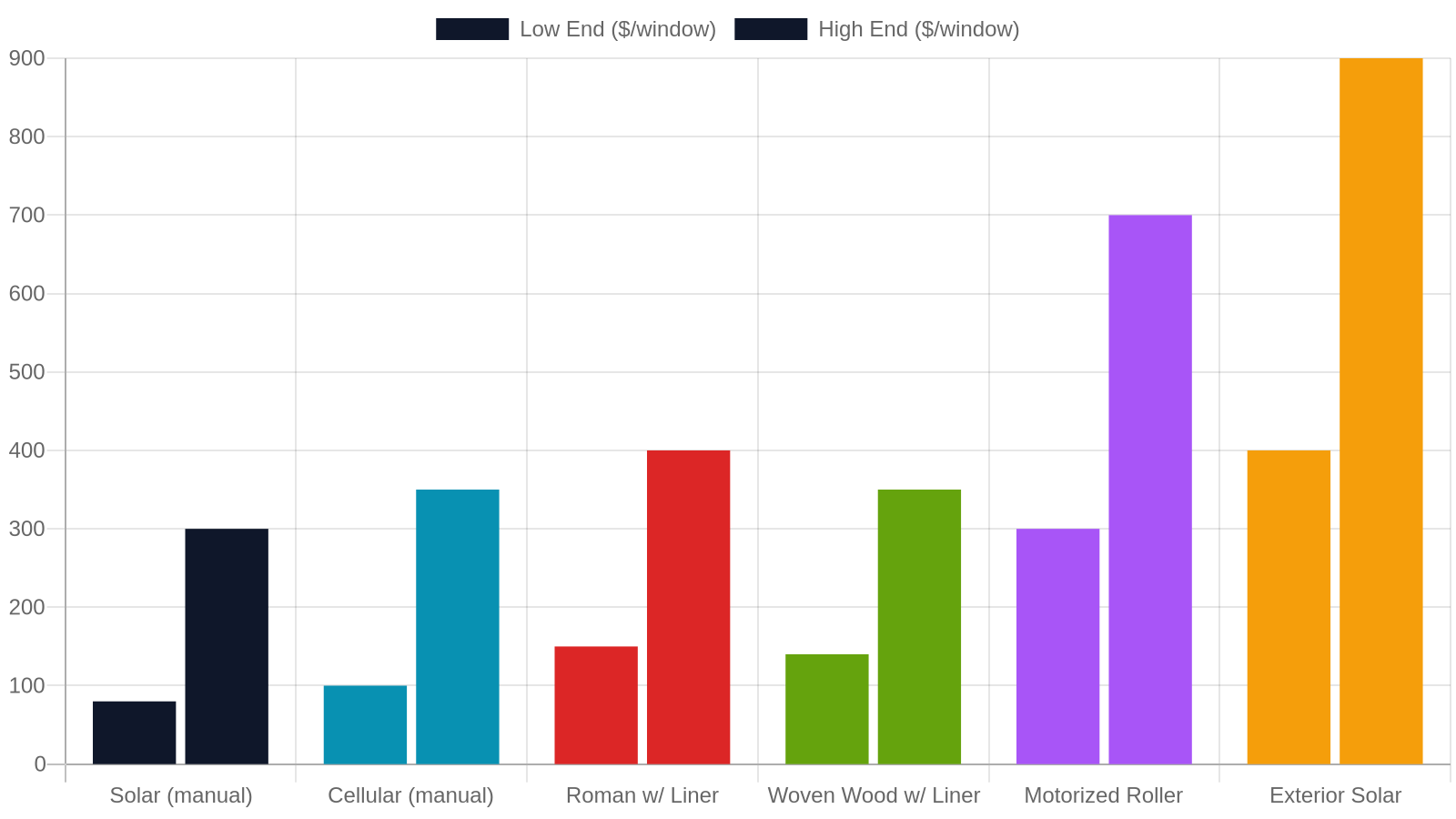
Per-Window Cost Ranges by Shade Type
Custom sunroom shades in the Jackson, TN market are priced per window, with cost driven by shade type, fabric grade, size, and motorization. Here’s a realistic range for professionally measured and installed custom shades:
- Solar Shades (manual): $80–$300 per window
- Cellular Shades (manual): $100–$350 per window
- Roman Shades with UV Liner: $150–$400 per window
- Woven Wood with Liner: $140–$350 per window
- Motorized Roller Shades: $300–$700 per window
- Exterior Solar Shades: $400–$900 per opening
- Skylight Shades (motorized): $200–$600 per skylight
A typical 12×16-foot sunroom with six windows and two skylights might budget $1,800–$5,500 for a complete custom shading solution, depending on product selection and motorization choices.
Long-Term Value: Energy Savings and Furniture Protection
Quality sunroom shades typically pay back their cost in two ways. First, energy savings: the DOE estimates that properly selected window treatments can reduce annual cooling and heating costs by $150–$400 per year for a well-shaded sunroom, meaning a $2,500 shade investment pays back in 6–17 years on energy alone. Second, furniture and flooring protection: replacing sun-faded furnishings costs far more than the shades that would have prevented the damage. A $3,000 area rug that lasts 20 years with UV protection versus 5 years without represents $9,000+ in avoided replacement cost.
Blinds Galore backs every installation with a 100% satisfaction guarantee — if something isn’t right, they make it right. For homeowners in Jackson, Lexington, Henderson, Milan, and surrounding West Tennessee communities, that guarantee removes the risk from what is otherwise a significant home investment.
Ready to Transform Your Jackson, TN Sunroom? Here's Your Next Step
You’ve done the research. You know your options — solar shades, cellular shades, Roman shades, motorized rollers, exterior systems, and skylight solutions. Now the most valuable next step is seeing those options in your actual sunroom, in your real light, against your existing décor. That’s exactly what Blinds Galore’s free in-home consultation is designed to do. Serving Jackson, TN and surrounding West Tennessee communities, the team at Blinds Galore makes the process easy, pressure-free, and completely tailored to your home.
What to Expect from a Free In-Home Consultation
Blinds Galore brings the showroom directly to your home — no driving to a store, no guessing how a fabric will look in your actual light. During a free in-home consultation, a window treatment specialist visits your Jackson-area home, measures every window and skylight precisely, shows you physical fabric samples in your sunroom’s real lighting conditions, and provides a detailed written quote with no pressure and no obligation. The entire process typically takes 45–75 minutes for a standard sunroom.
You’ll leave the consultation knowing exactly which shade types are right for your sun exposure, which fabrics and colors complement your décor, and what the complete project will cost — all before spending a dollar. Call Blinds Galore at (731) 571-5179 to schedule your free visit, or reach out through the contact page to pick a time that works for your schedule.
Explore Your Custom Shade Options Online First
If you’d like to do some research before your consultation, browse Blinds Galore’s full custom shades collection to see the product lines, fabric options, and style categories available for your sunroom project. You can also explore custom plantation shutters if you’re considering a more architectural solution for part of your sunroom, or watch product videos to see how different shade types operate before your in-home visit.
With over 18 years of experience serving homeowners across Jackson, Lexington, Henderson, Milan, and the greater West Tennessee region, Blinds Galore has the expertise to recommend exactly the right combination of UV protection, insulation, and style for your sunroom. Every project is backed by a 100% satisfaction guarantee — your comfort and confidence in the finished result is the only outcome that matters.
Frequently Asked Questions
What is the best shade for a sunroom with a lot of west-facing windows?
For west-facing sunroom windows in Jackson, TN, a 1–3% openness factor solar shade is the top choice because it blocks 97–99% of UV radiation while preserving your view. For extreme exposure, exterior solar shades are even more effective, reducing solar heat gain by up to 71% before it ever enters the glass.
How much do custom sunroom shades cost in Jackson, TN?
Custom sunroom shades in Jackson, TN typically range from $80–$300 per window for manual solar or cellular options, up to $300–$700 per window for motorized roller shades, and $400–$900 per opening for exterior solar systems. A complete sunroom shading project for 6–8 windows commonly runs $1,800–$5,500 installed.
Do sunroom shades actually reduce energy bills?
Yes. The U.S. Department of Energy estimates that properly selected window treatments can reduce annual cooling and heating costs by $150–$400 per year for a sunroom. Solar heat gain through windows accounts for 25–30% of residential cooling costs, and quality shades can cut that heat gain by 35–71% depending on the product.
Can I put regular blinds in a sunroom, or do I need special shades?
Standard horizontal blinds provide minimal UV protection (typically 50–70% at best when fully closed) and no meaningful insulation. Sunrooms require UV-rated shade fabrics — specifically solar shades, UV-lined Roman shades, or cellular shades — to meaningfully protect furniture from fading and reduce heat gain. Regular blinds are not recommended for primary sunroom use.
How do I measure sunroom windows for custom shades?
Measure each window at three points — top, middle, and bottom — to account for out-of-square framing, which is common in sunroom additions. For inside mounts, you need a minimum depth of 2–2.5 inches depending on shade type. Because sunroom windows often have non-standard dimensions, professional measurement by Blinds Galore (free with every consultation) is strongly recommended to avoid costly remakes.
Are motorized sunroom shades worth the extra cost?
For sunrooms with hard-to-reach windows, multiple large windows, or skylights, motorized shades are well worth the additional $150–$300 per window. They enable automated scheduling (shades lower automatically during peak heat hours), integrate with smart home systems, and make daily operation effortless — which means you'll actually use them consistently rather than leaving windows unprotected.
You might also like

Best Custom Shades for Jackson TN Nurseries: Safety and Light Control Guide
Quick answer: The best custom shades for a Jackson, TN nursery combine cordless or motorized operation
9 Best Motorized Custom Shades for Jackson TN Smart Homes
Quick answer: Motorized custom shades let Jackson, TN homeowners control light, privacy, and energy efficiency
7 Best Custom Shades for Bedroom Blackout and Sleep in Jackson, TN
Quick answer: The best custom shades for bedroom blackout and better sleep in Jackson, TN homes are cellular