

Faux Wood vs. Real Wood Blinds: Durability and Cost Compared for Jackson, TN Homes
Quick answer: Faux wood blinds typically cost $20–$60 per window less than real wood and outperform real wood in humid rooms like bathrooms and kitchens — a major advantage in West Tennessee's muggy summers. Real wood blinds offer a richer, more authentic look and are slightly lighter on wide windows, but they warp and fade faster in high-humidity spaces. For most Jackson, TN homeowners, faux wood is the smarter long-term investment; real wood shines in formal living and dining rooms where aesthetics take priority.
1. What Are Faux Wood and Real Wood Blinds, Exactly?
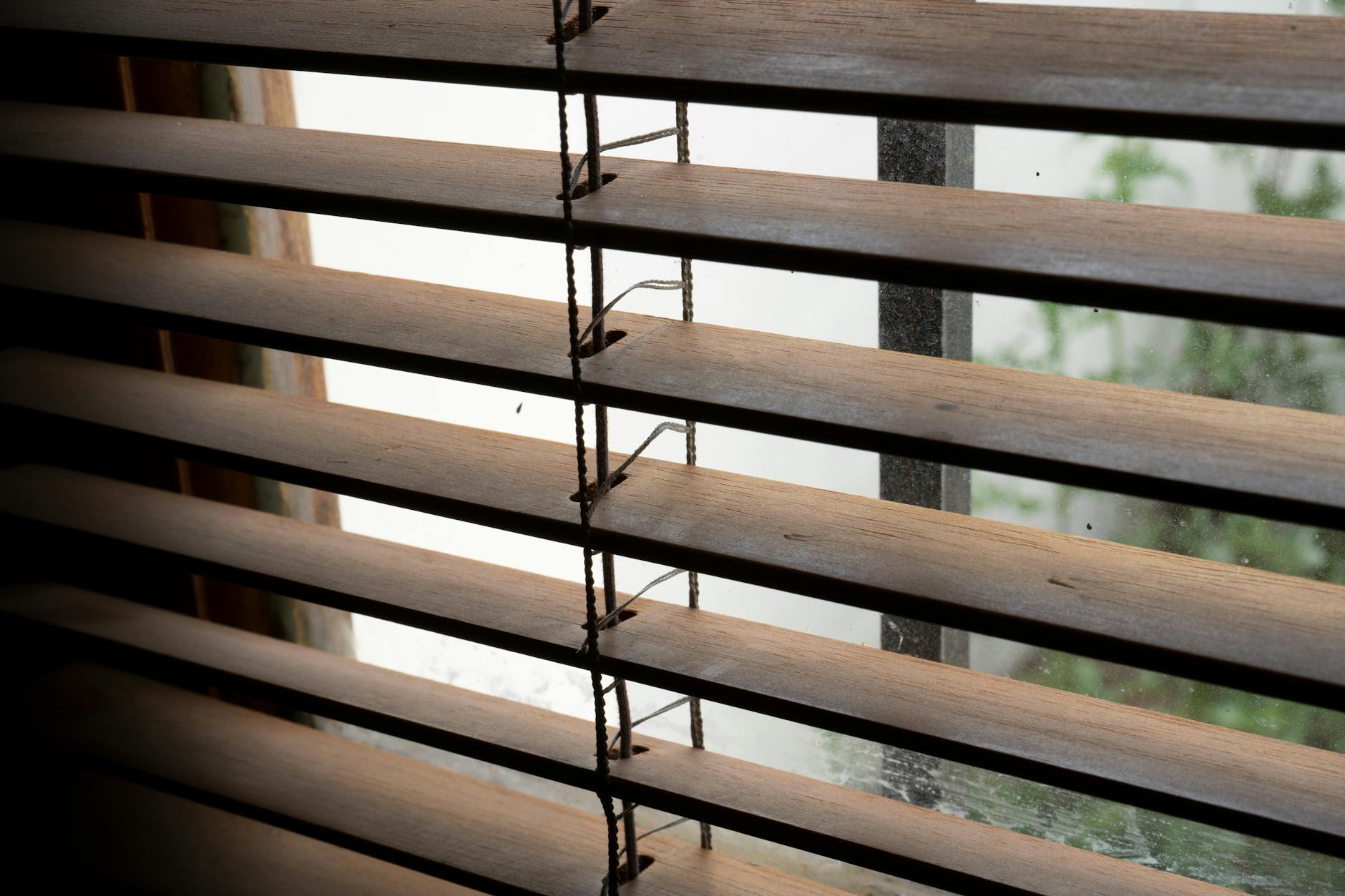
Before diving into price tags and performance data, it helps to understand exactly what you’re comparing. The terms “faux wood” and “real wood” get tossed around loosely in showrooms and big-box stores, but the material differences have real consequences for how your blinds look, feel, and hold up over years of use in a West Tennessee home.
Defining Real Wood Blinds
Real wood blinds are crafted from natural hardwoods — most commonly basswood, ramin, or paulownia. Basswood is the industry gold standard: it’s lightweight, takes stain beautifully, and produces that unmistakable warm grain that interior designers love. Each slat is milled, sanded, and finished, meaning no two blinds look exactly alike. Typical slat widths run 2 inches or 2½ inches, and they’re available in dozens of stain and paint colors. Because they’re genuine wood, they’re somewhat sensitive to moisture and direct sunlight over long periods.
Defining Faux Wood Blinds
Faux wood blinds are made from PVC (polyvinyl chloride), a composite of wood fiber and polymer, or a vinyl-wrapped MDF core. Modern manufacturing has become so refined that a good faux wood blind is nearly indistinguishable from real wood at a glance — the slats have embossed grain patterns, realistic color variation, and the same 2-inch or 2½-inch slat profiles. The key difference is what’s inside: a material engineered to resist moisture, UV fading, and temperature swings. For homeowners in Jackson, TN, where summer humidity regularly tops 70–80%, that engineering matters enormously.
Why the Distinction Matters for West Tennessee Homes
West Tennessee sits in a humid subtropical climate zone. Jackson averages roughly 52 inches of rainfall per year — well above the national average of 38 inches — and summer relative humidity frequently climbs past 75%. That climate context is the single most important factor when choosing between faux and real wood. A blind that performs beautifully in a dry Arizona home may warp, crack, or discolor within two to three years in a Jackson kitchen or bathroom. Understanding the material from the ground up helps you make a decision you won’t regret.
2. Head-to-Head Durability: Which Blind Holds Up Longer?
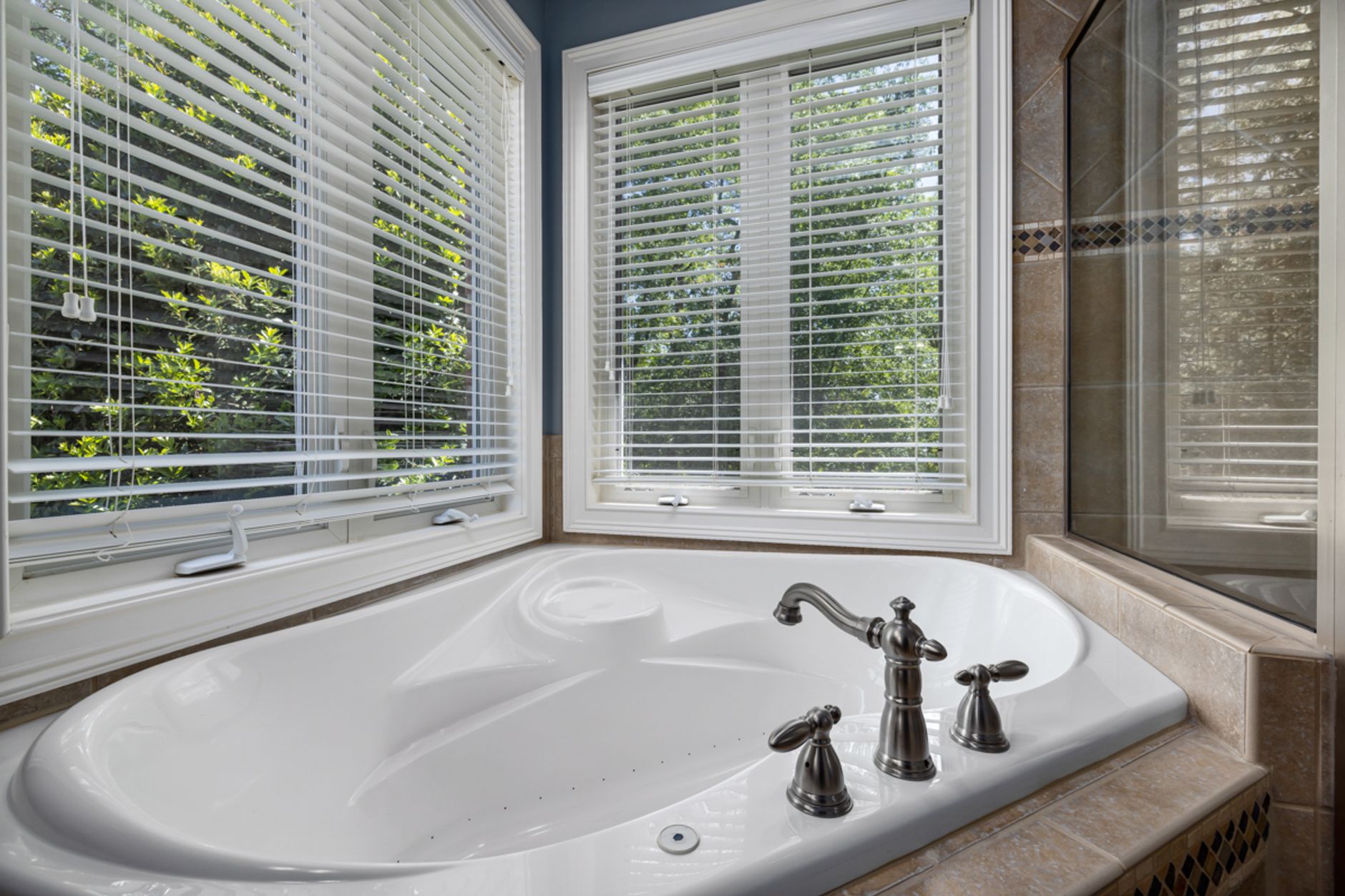
Durability is the number-one concern most Jackson homeowners raise when choosing window treatments — and rightly so. A set of blinds is an investment you expect to last a decade or more. The durability story breaks down across several real-world conditions: moisture, sunlight, temperature swings, and physical wear from daily use.
Moisture and Humidity Resistance
This is where faux wood wins decisively. PVC and composite faux wood blinds are 100% waterproof or highly water-resistant, making them ideal for bathrooms, kitchens, laundry rooms, and any space where steam or splashing water is routine. Real wood, by contrast, expands when it absorbs moisture and contracts when it dries — a cycle that causes slats to warp, bow, or crack over time. In Jackson’s humid summers, real wood blinds in a bathroom or kitchen can show visible warping within 12–24 months without careful climate control.
UV and Fade Resistance
Both materials fade under prolonged direct sunlight, but faux wood holds its color longer. Quality PVC blinds are often UV-stabilized during manufacturing, giving them a rated lifespan of 7–12 years even in sun-drenched south-facing windows. Real wood blinds, especially those with lighter stains or paint finishes, can show noticeable fading or yellowing within 3–5 years in rooms with heavy sun exposure. Adding UV-blocking cellular shades or solar shades behind real wood blinds can extend their life, but that adds cost.
Impact, Scratch, and Everyday Wear
Real wood slats are actually more prone to denting and scratching than faux wood composites because natural wood is softer. A composite faux wood slat resists the casual bumps from pets, kids, and vacuum cleaners better than a basswood slat. That said, real wood blinds are 30–40% lighter per square foot on very wide windows (wider than 72 inches), which reduces the mechanical strain on the headrail and lift cords — giving real wood a slight edge in longevity for large picture windows. For standard residential window widths of 24–48 inches, faux wood is the more durable everyday choice.
3. The Real Cost Breakdown: Purchase Price, Installation, and Lifetime Value

Price is almost always part of the conversation, and it should be — window treatments are a meaningful home investment. But focusing only on the sticker price misses the bigger picture. Let’s look at what you actually spend from purchase through installation and eventual replacement.
Upfront Purchase Price per Window
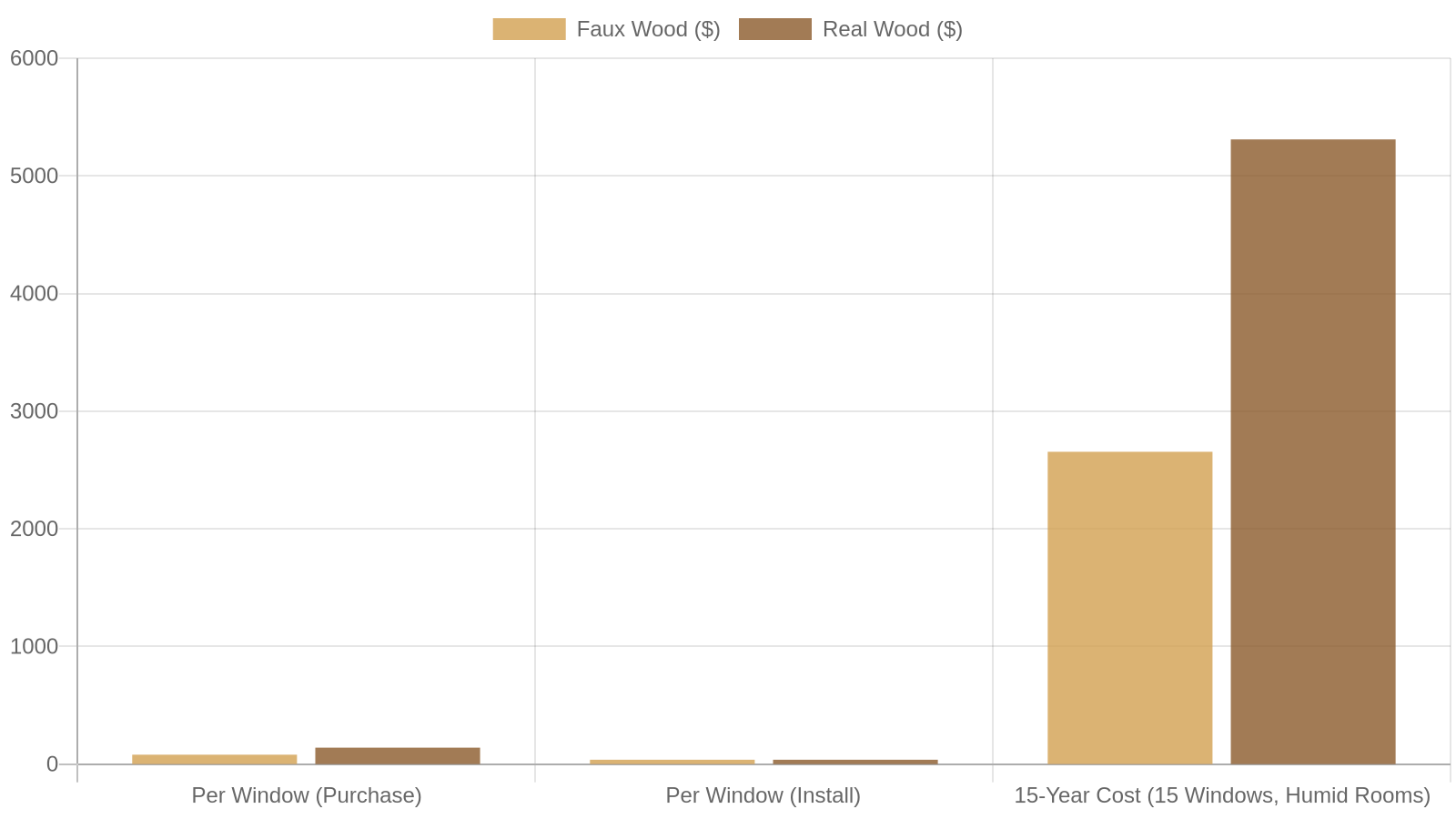
Material costs vary by slat width, window size, and brand tier, but general market pricing in the Jackson, TN area follows a consistent pattern. Faux wood blinds for a standard 36×60-inch window typically run $40–$120 per window for quality custom units. Real wood blinds for the same window size generally range from $80–$200 per window — roughly 50–80% more expensive at the same quality tier. For a home with 15 windows, that difference can add up to $600–$1,200 in upfront savings by choosing faux wood.
Installation Costs
Professional installation in West Tennessee averages $25–$50 per window regardless of whether you choose faux or real wood — the labor process is nearly identical. Where costs diverge is in the measuring stage: real wood blinds require more precise humidity-adjusted measurements because the material expands seasonally. Errors in measuring real wood blinds are costlier to correct. At Blinds Galore, our free in-home consultations include professional measuring, which eliminates this risk entirely and ensures a perfect fit the first time.
Lifetime Cost and Replacement Frequency
This is where the math really favors faux wood in West Tennessee. A quality faux wood blind in a humid room may last 10–15 years before needing replacement. A real wood blind in the same humid environment might need replacing in 5–8 years — sometimes sooner if the room lacks consistent climate control. Over a 15-year window (pun intended), you could pay for real wood blinds twice for the cost of one set of faux wood. Factor in installation fees for the second set, and the lifetime cost gap widens to $1,500–$3,000+ for a whole-home installation.
4. Aesthetics and Style: Can You Really Tell the Difference?
For many homeowners, aesthetics drive the decision as much as price or durability. After all, your blinds are one of the first things guests notice when they walk into a room. The good news is that both options have genuinely strong visual appeal — the question is which look fits your space and your lifestyle.
Visual Realism of Modern Faux Wood
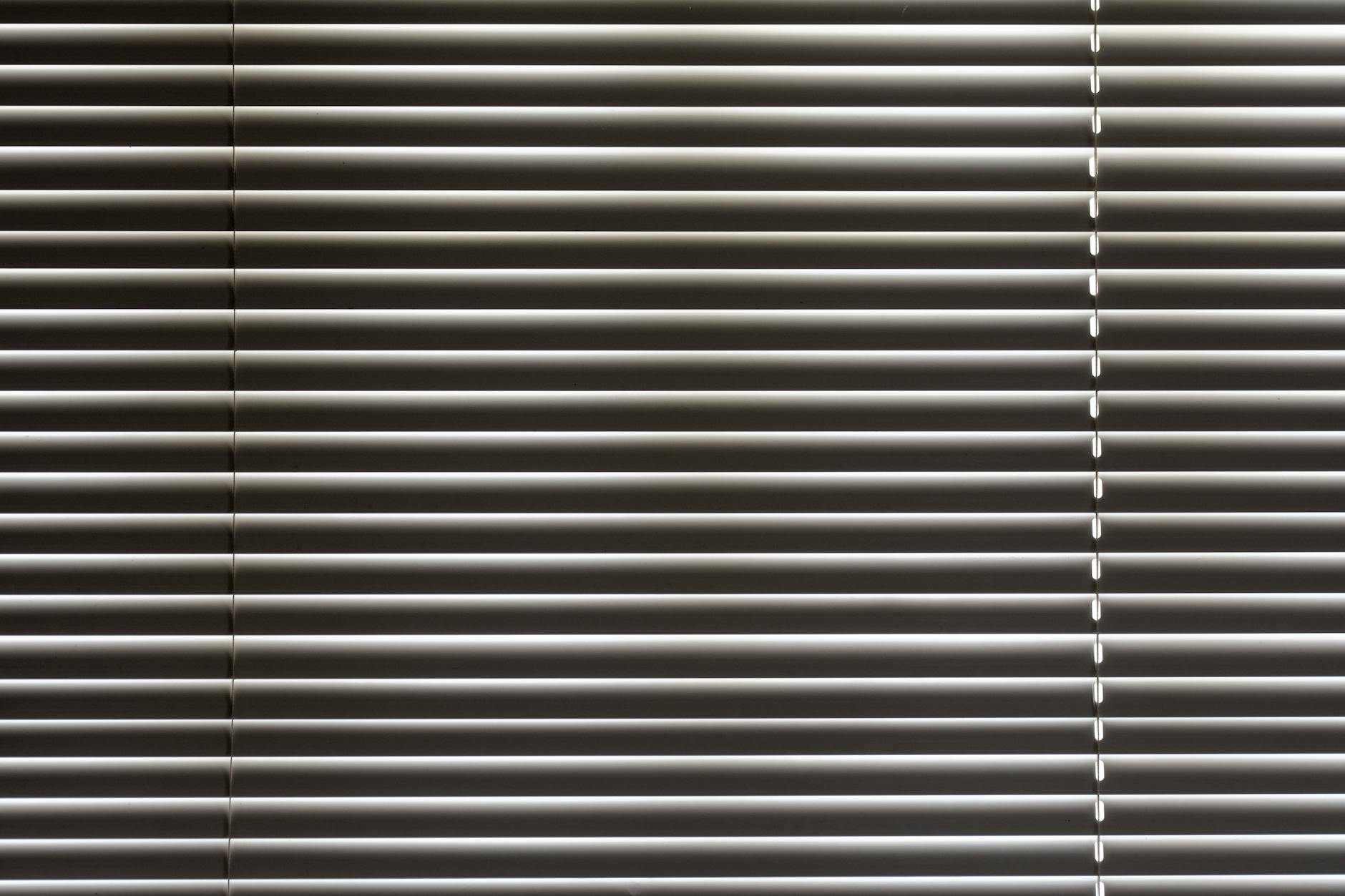
Ten years ago, faux wood blinds had a telltale plastic sheen that gave them away immediately. Today’s composite and PVC blinds use embossed grain textures, multi-tone color layering, and matte finishes that mimic real wood convincingly. In a room with normal lighting, most guests — and even some interior designers — cannot distinguish a premium faux wood blind from a real wood blind without touching the slat. The color palette has also expanded dramatically: you’ll find faux wood in over 30 standard stain and paint colors, from classic white and antique white to rich mahogany and gray-washed driftwood tones.
Where Real Wood Still Wins on Looks
Up close, in hand, real wood has a warmth and depth that no manufactured material fully replicates. The natural variation in grain, the way light catches the surface differently at different angles, and the slight weight of the slat all contribute to a premium tactile experience. In formal spaces — a dining room with coffered ceilings, a home library, or a master bedroom with high-end furniture — real wood blinds elevate the room in a way that’s worth the extra investment for design-conscious homeowners. If you’re staging a home for sale in the $400,000+ market, real wood can be a compelling selling point.
Coordinating with Your Interior in Jackson-Area Homes
West Tennessee homes tend to feature a mix of traditional Southern architecture — craftsman bungalows, brick ranch homes, and newer suburban builds in communities like Lexington and Henderson. Faux wood in warm whites and tans coordinates beautifully with the neutral palettes common in these homes. Real wood in honey oak or walnut stains pairs exceptionally well with hardwood floors and traditional millwork. Either option can be matched to your existing trim and cabinetry — the key is bringing samples into your actual space, which is exactly what Blinds Galore’s free in-home consultation is designed to do.
5. Room-by-Room Recommendations for West Tennessee Homes
The best blind for your home isn’t one-size-fits-all — it’s room-specific. Different spaces in a Jackson, TN home face dramatically different conditions, from the steam of a morning shower to the afternoon sun blazing through a south-facing living room window. Here’s how to match the right material to each room.
Kitchens, Bathrooms, and Laundry Rooms
Winner: Faux wood, hands down. These are the highest-humidity rooms in any home, and real wood simply doesn’t belong here in a West Tennessee climate. Steam from showers, splashing water near sinks, and the heat-and-cool cycles near stoves all accelerate warping and finish deterioration in natural wood. Faux wood’s waterproof or water-resistant construction handles all of this without complaint. Choose a 2-inch slat in bright white or antique white for kitchens and baths — it’s easy to wipe clean and reflects light well in typically smaller windows.
Living Rooms, Dining Rooms, and Home Offices
Winner: Either, depending on your budget and style goals. These rooms have more stable humidity levels and are the spaces where aesthetics matter most to guests. If your living room features hardwood floors and traditional furniture, real wood blinds in a matching stain create a cohesive, high-end look. If you’re working with a tighter budget or have young children and pets, faux wood delivers nearly the same visual impact at a lower price point with better scratch resistance. Home offices benefit from faux wood’s superior light control and UV resistance — protecting your furniture and screens from sun damage.
Bedrooms and Sunrooms
Winner: Faux wood for sunrooms; either for bedrooms. Sunrooms are essentially outdoor-adjacent spaces with dramatic temperature and humidity swings — faux wood is the only sensible choice. Bedrooms are more forgiving: humidity is moderate, sun exposure is often limited, and the priority is light control and privacy. Real wood blinds in a bedroom feel luxurious and warm; faux wood offers the same function at a lower cost. For children’s bedrooms in Milan or Henderson, faux wood’s durability against accidental impacts makes it the practical pick.
6. Energy Efficiency: Do Either Blinds Actually Save You Money on Utilities?
Energy efficiency has become a top priority for West Tennessee homeowners facing rising utility bills. Window treatments play a real — if often underestimated — role in your home’s thermal performance. Here’s what the data says about how faux wood and real wood blinds stack up on energy savings.
How Blinds Reduce Heat Gain and Loss
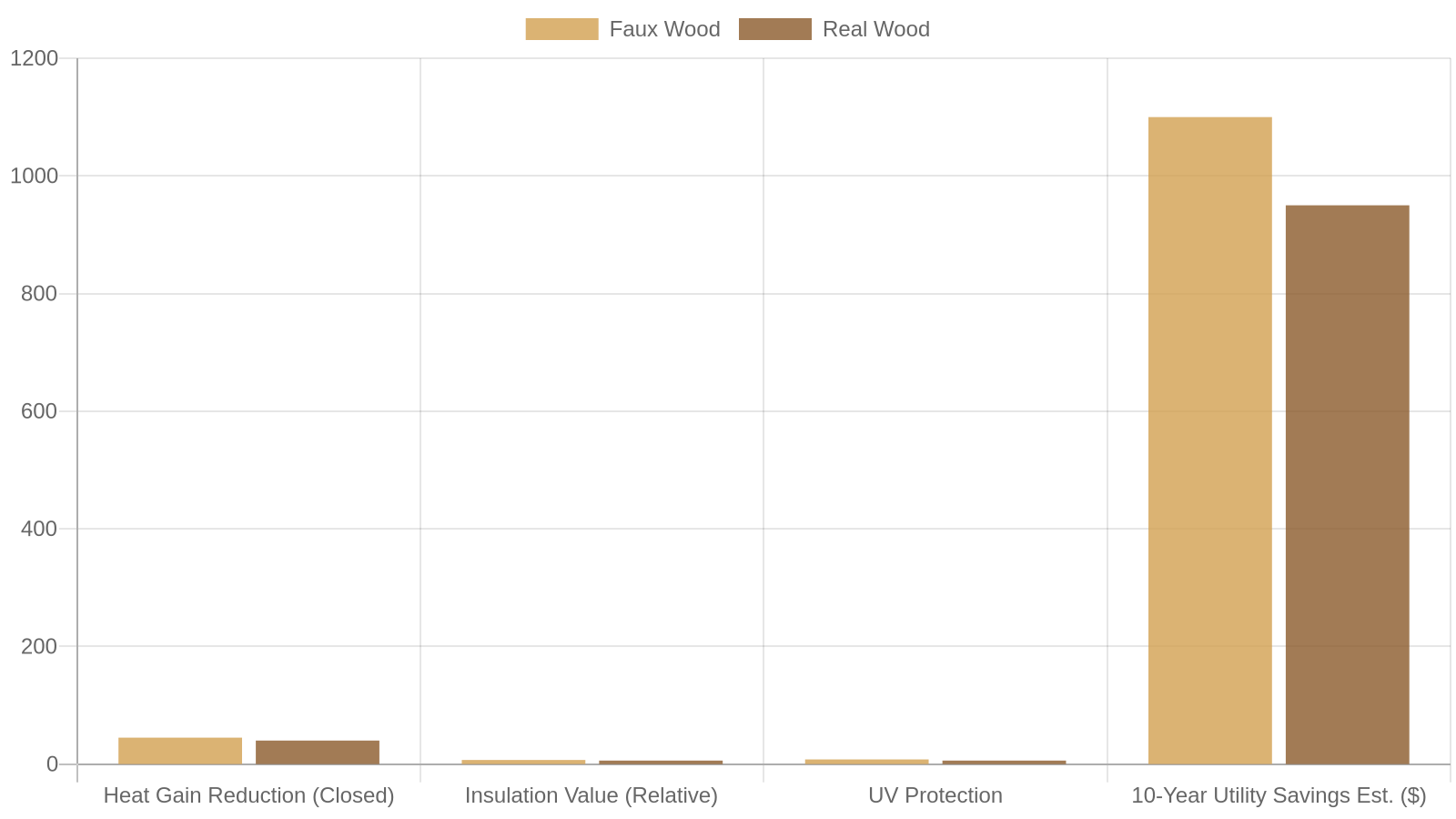
Window blinds of any type create an air pocket between the glass and the room, which acts as a modest insulating layer. The U.S. Department of Energy estimates that medium-colored blinds with a reflective backing can reduce heat gain by up to 45% when fully closed during peak summer sun hours. In Jackson, TN, where summer temperatures regularly reach 90–95°F and air conditioning runs nearly continuously from June through September, that reduction translates to measurable utility savings.
Faux Wood vs. Real Wood: The Energy Comparison
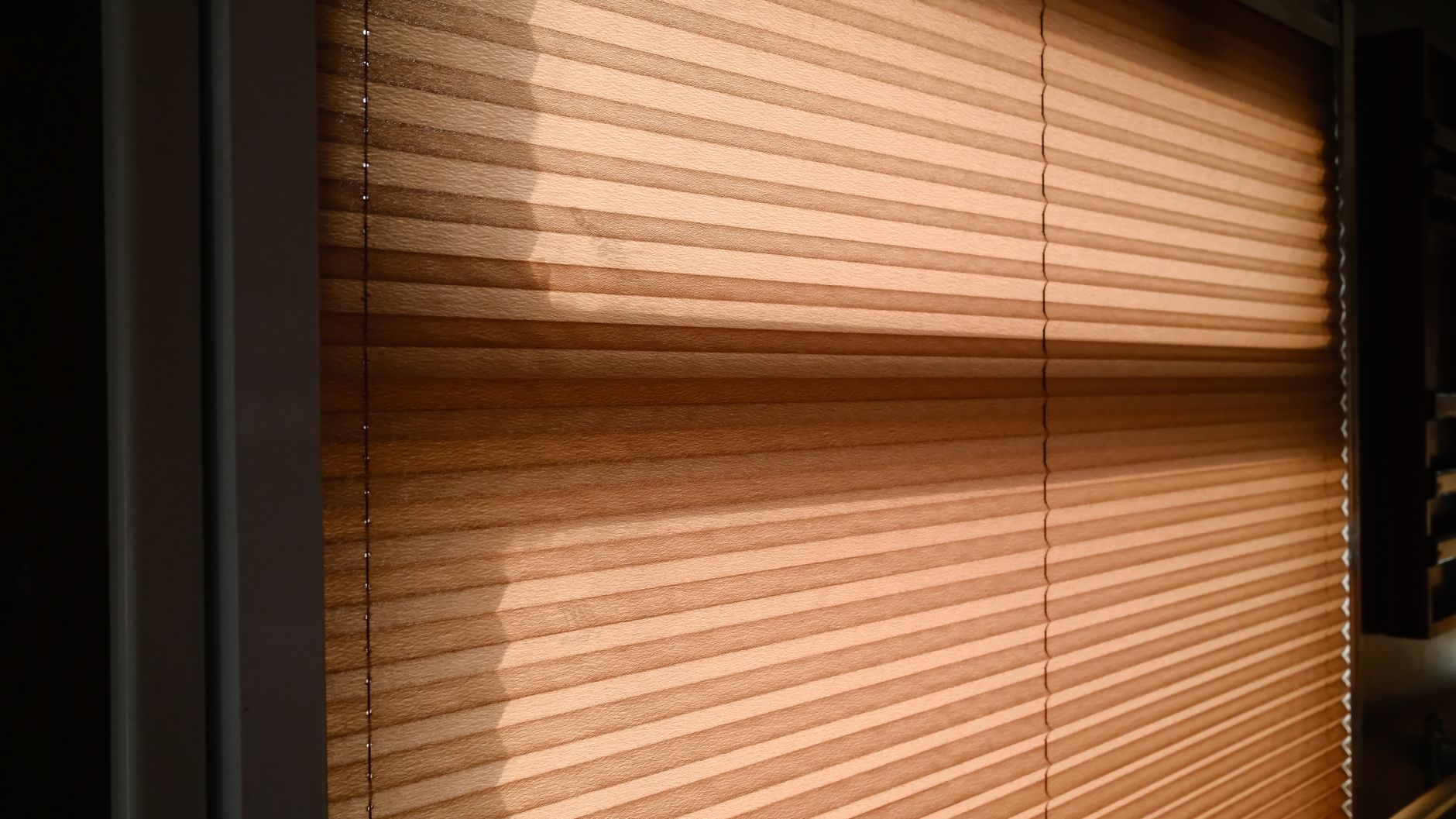
Neither faux wood nor real wood blinds are insulating products in the way cellular shades are — they don’t trap air in honeycomb pockets. However, faux wood’s denser, non-porous construction provides a slightly better thermal barrier than real wood’s more porous grain. The difference is modest — roughly 5–10% better insulation value for faux wood. For serious energy efficiency, pairing either blind type with a cellular shade liner or choosing a product with a UV-reflective coating will deliver far more impact than the material choice alone. Ask your Blinds Galore consultant about combination window treatment solutions that maximize both style and efficiency.
Long-Term Savings Potential in West Tennessee
The average Jackson, TN household spends approximately $1,800–$2,400 per year on energy, with cooling accounting for a significant share in summer months. Even a conservative 5% reduction in cooling costs from properly managed window coverings saves $90–$120 annually. Over a 10-year lifespan, that’s $900–$1,200 in utility savings — enough to offset a meaningful portion of your blind investment. The takeaway: both faux and real wood provide energy benefits, but faux wood’s slight edge in insulation value, combined with its lower upfront cost and longer lifespan in humid rooms, makes it the better overall value in West Tennessee’s climate.
7. Maintenance and Cleaning: What's the Day-to-Day Reality?
The most beautiful blinds in the world become an eyesore if they’re hard to keep clean. For busy families in Jackson and surrounding communities, maintenance ease is a practical priority — especially in homes with kids, pets, or a love of cooking. Here’s the honest day-to-day reality for each material.
Cleaning Faux Wood Blinds
Faux wood blinds are among the easiest window treatments to maintain. Because the surface is non-porous PVC or composite, dust doesn’t embed itself into the material — it sits on top and wipes away easily. A weekly dusting with a microfiber cloth or a quick pass with a vacuum brush attachment keeps them looking fresh. For deeper cleaning, you can wipe faux wood slats with a damp cloth and mild soap without any risk of water damage. In kitchens, where grease and cooking residue build up, this washability is a genuine quality-of-life advantage over real wood.
Cleaning Real Wood Blinds
Real wood blinds require more careful maintenance. Dusting is equally straightforward — a dry microfiber cloth or feather duster works well. The critical difference is moisture: never use a wet cloth on real wood blinds. Water can raise the grain, cause swelling, or strip the finish. For stubborn spots, use a barely-damp cloth and dry immediately. Real wood blinds also benefit from an annual application of a wood conditioner or furniture polish to keep the finish from drying out and cracking — an extra step that adds 15–30 minutes per year but meaningfully extends their lifespan.
Cord and Mechanism Maintenance
Both blind types use similar lift cord and tilt rod mechanisms, and both benefit from the same periodic maintenance: checking cords for fraying, lubricating tilt mechanisms with a dry silicone spray every 2–3 years, and ensuring the headrail is free of dust buildup. Faux wood blinds, being heavier than real wood on wide spans, can put more strain on lift cords over time — a reason to choose motorized or cordless options for windows wider than 60 inches. Cordless and motorized faux wood blinds are available through Blinds Galore and eliminate cord wear entirely while adding a clean, modern look.
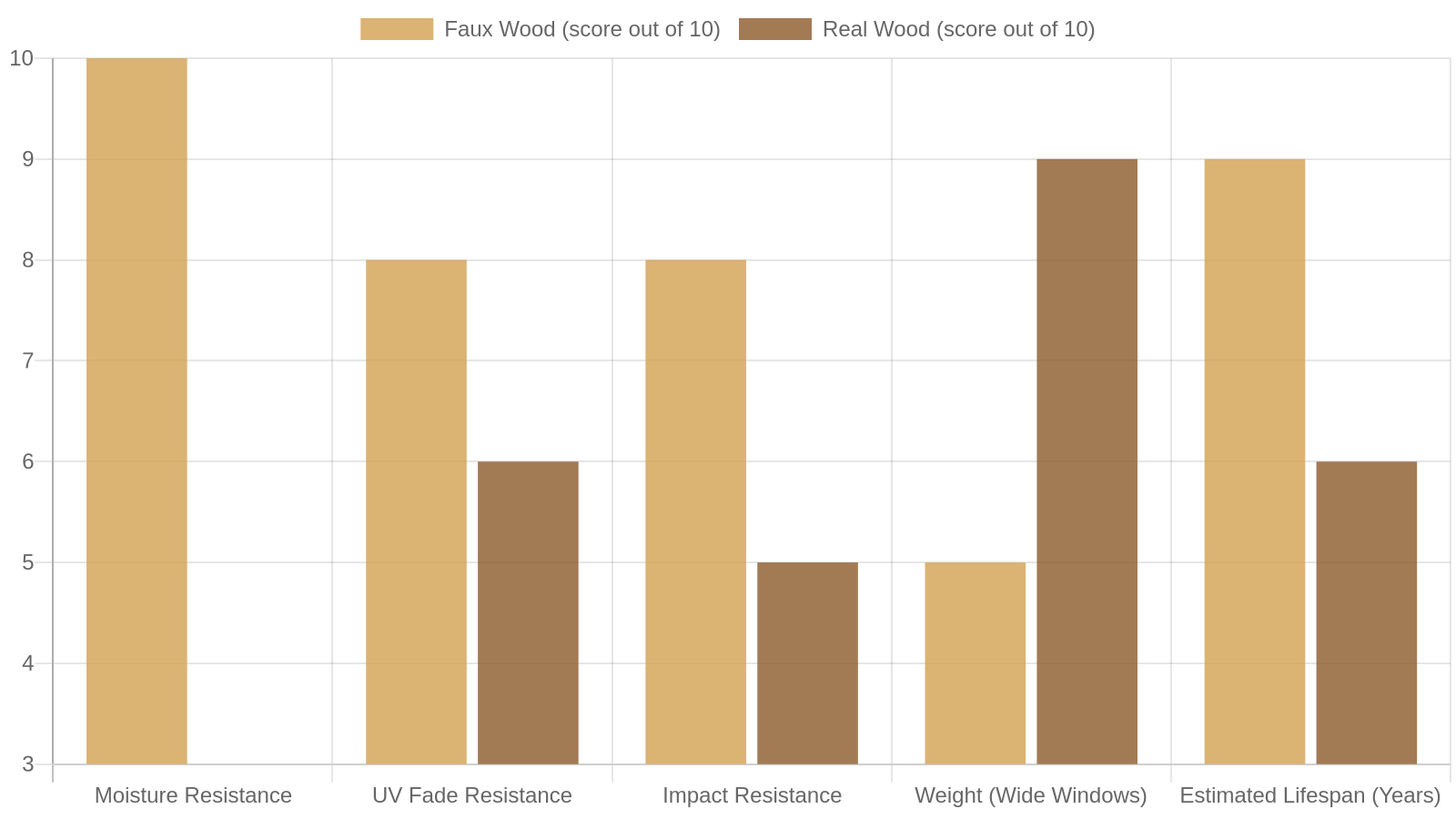
Faux Wood vs. Real Wood Blinds: 10-Point Comparison at a Glance
Use this side-by-side comparison to quickly assess which blind type fits your priorities. Ratings reflect performance in West Tennessee's humid subtropical climate.
8. Customization Options: Colors, Sizes, and Special Features
One of the great advantages of working with a custom blind specialist rather than a big-box retailer is the depth of customization available. Whether you’re looking for an exact color match to your trim or a motorized system that integrates with your smart home, both faux and real wood blinds offer more options than most homeowners realize.
Color and Finish Variety
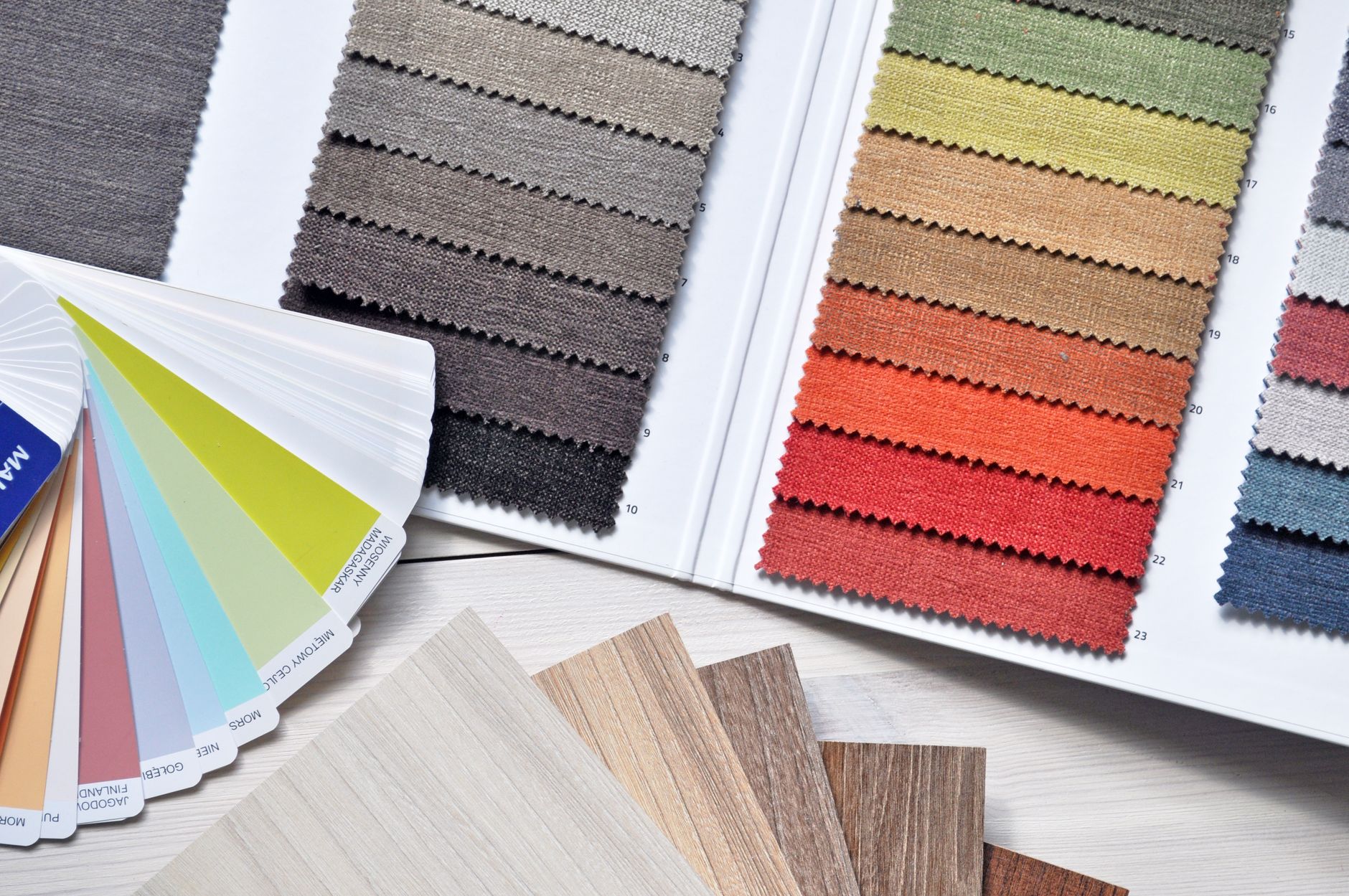
Both faux wood and real wood blinds offer extensive customization, but they excel in different directions. Real wood blinds can be stained to match virtually any wood tone — from pale natural pine to deep espresso — and can also be painted in custom colors to match trim work precisely. Faux wood blinds come in a wide range of factory colors (typically 25–40 standard options) and can be special-ordered in custom colors. For homeowners who want an exact trim match, real wood’s paintability gives it a slight edge; for those choosing from a standard palette, faux wood’s factory finishes are consistent and durable.
Sizing and Special Configurations
Both types are available in custom sizes to fit any window — from narrow 12-inch bathroom windows to wide 96-inch picture windows. For very wide windows, real wood’s lighter weight makes it the better structural choice, as noted earlier. Faux wood is available in 2-inch and 2½-inch slat widths; real wood adds a 1-inch micro-slat option for a more traditional look in smaller windows. Both types can be configured with top-down/bottom-up operation, which allows you to lower the top of the blind while keeping the bottom closed for privacy — a popular choice in street-facing rooms throughout Jackson neighborhoods.
Motorization and Smart Home Integration
Motorized blinds are increasingly popular in West Tennessee homes, and both faux and real wood are available with motorized lift systems. However, faux wood motorized blinds are typically $50–$100 less per window than motorized real wood, making whole-home automation more accessible. Motorized blinds can integrate with smart home systems like Amazon Alexa, Google Home, and Apple HomeKit — allowing you to schedule your blinds to close automatically during peak afternoon sun hours, maximizing both privacy and energy savings without lifting a finger.
9. What Jackson, TN Homeowners Should Know About Local Conditions
General blind comparisons are useful, but the best advice is always local advice. Jackson, TN and the surrounding West Tennessee communities have specific climate conditions, sun angles, and real estate dynamics that should shape your window treatment decision. Here’s what makes our region unique — and why it matters for your blinds.
West Tennessee's Humidity: The Deciding Factor
If there’s one piece of advice that applies to virtually every homeowner in Jackson, Lexington, Henderson, and Milan, it’s this: never install real wood blinds in a bathroom, kitchen, or sunroom without understanding the humidity risk. West Tennessee’s climate is genuinely hard on natural wood products. The combination of hot, humid summers (average July humidity: 74%) and mild but damp winters creates year-round moisture stress on wood materials. Homes without whole-house dehumidification are especially vulnerable. Faux wood’s moisture immunity is not a marketing claim — it’s a material science fact that directly addresses the region’s biggest climate challenge.
Sun Exposure in South-Facing Rooms
Jackson, TN sits at approximately 35.6° North latitude, which means south-facing windows receive intense direct sunlight for 6–8 hours per day during summer months. UV exposure at this latitude is significant enough to fade fabrics, damage hardwood floors, and degrade window treatment finishes noticeably faster than in northern states. For south-facing rooms, faux wood’s superior UV resistance is a meaningful advantage — and pairing either blind type with a UV-filtering solar shade liner adds another layer of protection for your furniture and flooring.
Resale Value Considerations in the Jackson Market
Jackson’s real estate market has grown steadily, with median home prices rising approximately 18% over the past three years. Window treatments are increasingly noted in listing descriptions as a selling point. Custom blinds — whether faux or real wood — add perceived value that builder-grade or big-box blinds simply don’t. For most price points in the Jackson market, custom faux wood blinds offer the best return on investment: they look polished, they’re durable for the next owner, and they don’t carry the humidity-risk liability of real wood in a Southern climate home.
10. The Verdict: Which Blind Is Right for Your Home?
After walking through durability, cost, aesthetics, energy efficiency, maintenance, and local climate factors, the verdict is nuanced — as it should be. The right blind depends on the room, your budget, your lifestyle, and your design goals. Here’s a clear decision framework to help you choose with confidence.
Choose Faux Wood If…
- You have bathrooms, kitchens, laundry rooms, or sunrooms to cover
- Your budget is a primary consideration and you want maximum coverage per dollar
- You have children, pets, or active households where durability and easy cleaning matter
- You’re covering south- or west-facing windows with heavy sun exposure
- You want motorized or smart home integration at a lower cost per window
- You’re a property manager or landlord in the Jackson area needing durable, low-maintenance window treatments across multiple units
Choose Real Wood If…
- You’re furnishing a formal living room, dining room, or master bedroom where premium aesthetics are the priority
- You have very wide windows (72 inches or wider) where real wood’s lighter weight reduces mechanical strain
- You’re working with a high-end interior design project where the tactile quality of natural wood matters to the client
- You have consistent climate control (whole-house HVAC with dehumidification) that protects wood from humidity swings
- You’re staging or selling a luxury home where the premium look of real wood adds tangible market appeal
When in Doubt, Mix and Match
Many Jackson homeowners use both: faux wood in moisture-prone and high-traffic rooms, real wood in the formal spaces where aesthetics take center stage. This hybrid approach gives you the best of both worlds — durability where you need it, luxury where you want it — while keeping the overall project budget in check. A Blinds Galore consultant can walk through your home room by room and help you build a customized plan that balances performance, style, and cost across your entire house.
Ready to Upgrade Your Windows? Here's Your Next Step
You’ve done the research — now it’s time to see the options in person. The best way to make a confident decision on faux wood vs. real wood blinds isn’t reading another article; it’s holding the actual samples in your actual rooms with an expert by your side. That’s exactly what Blinds Galore offers, at no cost and no obligation, right here in West Tennessee.
Why Work With Blinds Galore in Jackson, TN
Blinds Galore has been serving Jackson, TN and the surrounding West Tennessee communities — including Lexington, Henderson, and Milan — for over 18 years. We bring the showroom to your home with free in-home consultations that include professional measuring, material samples, and tailored recommendations based on your specific rooms, windows, and lifestyle. You’ll never be left guessing about whether a color or material is right for your space — you’ll see it in your own light, against your own walls, before you commit to anything. And every installation is backed by our 100% satisfaction guarantee.
What to Expect From Your Free In-Home Consultation
When a Blinds Galore consultant visits your home, here’s what happens: we measure every window precisely (including accounting for any seasonal wood expansion if you’re considering real wood), we show you physical samples of faux wood and real wood options in your actual lighting conditions, and we provide a clear, itemized quote with no hidden fees. There’s no pressure and no obligation. Most consultations take 45–60 minutes for a whole home, and homeowners consistently tell us it’s the most useful hour they’ve spent in their renovation process. We handle everything from measurement to professional installation — you just enjoy the finished result.
Get Started Today
If you’re ready to explore your options, we’d love to help. Learn more about upgrading to custom faux wood blinds with Blinds Galore — or give us a call directly at (731) 571-5179 to schedule your free in-home consultation. You can also reach us through our contact page to pick a time that works for your schedule. Whether you’re leaning toward faux wood, real wood, or a mix of both, our team is ready to bring the right solution to your Jackson, TN home — with the neighborly service and expert craftsmanship West Tennessee homeowners have trusted for nearly two decades.
Frequently Asked Questions
Are faux wood blinds as good as real wood blinds?
For most rooms in a West Tennessee home, faux wood blinds are actually the better choice because they resist moisture, last longer in humid conditions, and cost significantly less. Real wood blinds are superior in formal, dry rooms where premium aesthetics are the priority.
How long do faux wood blinds last compared to real wood?
Quality faux wood blinds typically last 10–15 years even in humid rooms. Real wood blinds in high-humidity spaces like bathrooms or kitchens may need replacement in 5–8 years due to warping and finish deterioration. In dry, climate-controlled rooms, real wood can last 10+ years as well.
Do faux wood blinds warp in heat?
Standard PVC faux wood blinds can soften slightly in extreme heat — typically above 140°F — which can occur in a closed car but is rarely an issue in a home. Composite (wood-polymer blend) faux wood blinds have better heat resistance and are the preferred choice for rooms with significant sun exposure.
What is the average cost of custom blinds in Jackson, TN?
Custom faux wood blinds in the Jackson, TN area typically run $40–$120 per window for the blind itself, plus $25–$50 per window for professional installation. Real wood blinds run $80–$200 per window. Blinds Galore offers free in-home consultations and measuring to give you an accurate quote for your specific windows.
Can I put real wood blinds in my bathroom?
It's not recommended, especially in West Tennessee's humid climate. Real wood blinds in bathrooms are highly susceptible to warping, swelling, and finish damage from steam and moisture. Faux wood blinds are the standard recommendation for bathrooms, kitchens, and any high-humidity room.
Do blinds really help with energy efficiency in Tennessee summers?
Yes. The U.S. Department of Energy estimates that medium-colored blinds with a reflective backing can reduce heat gain through windows by up to 45% when fully closed during peak sun hours. In Jackson, TN's hot summers, this can translate to meaningful reductions in cooling costs — potentially $90–$120 per year for a typical home.
You might also like

Best Motorized Blinds for Large Windows in Jackson, TN: Cost and Control Guide
Quick answer: Motorized blinds are the most practical solution for large windows in Jackson, TN homes,

7 Best Motorized Cellular Shades for Large Windows in Jackson, TN
Quick answer: Motorized cellular shades are the top choice for large windows in Jackson, TN homes because

9 Reasons to Choose Blinds Galore for West Tennessee Window Treatments
Quick answer: Blinds Galore is West Tennessee's go-to source for custom blinds, shades, and plantation

10 Best Custom Shades for Jackson TN Nurseries and Kids’ Rooms
Quick answer: For Jackson, TN nurseries and children's rooms, the safest and most durable custom

How to Contact Blinds Galore Jackson TN for a Free In-Home Consultation
Quick answer: Contacting Blinds Galore in Jackson, TN is simple: call (731) 571-5179 or submit a request

7 Best Custom Shades for Pet-Friendly Homes in Jackson, Tennessee
Quick answer: For pet-friendly homes in Jackson, Tennessee, the best custom shades combine durability,