


Shutters with Drapes: Style, Privacy & Savings
Some homeowners in West Tennessee reach the same point after trying one window treatment at a time. The blinds handle privacy but feel hard. The curtains soften the room but never quite control light the way they want. The answer is often the combination they were originally told not to mix.
Shutters with drapes work because each treatment solves a different problem. Shutters give the window structure, clean lines, privacy, and daily light control. Drapes add softness, color, sound absorption, and a finished designer look. When they’re measured and installed correctly, the pairing looks intentional instead of crowded.
That matters in Jackson and across West Tennessee, where homes deal with bright sun, humidity, changing temperatures, and a wide mix of architecture. A newer build in Medina doesn’t need the same treatment plan as a traditional brick home in Jackson or a remodel in Milan. The layered approach lets you tune the look to the house instead of forcing one product to do everything.
The Timeless Elegance of Layering Shutters with Drapes
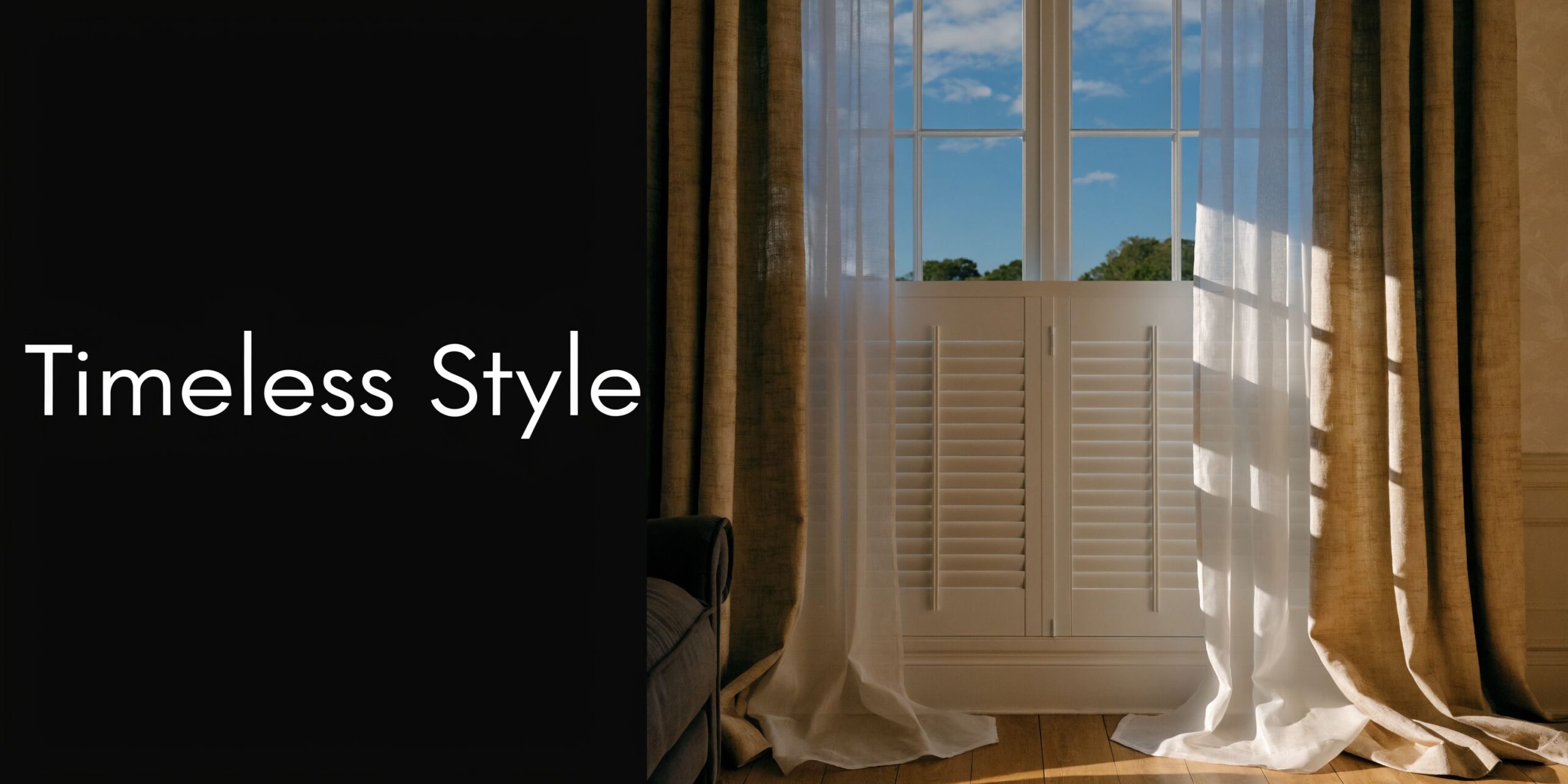
A common living room problem looks like this. The window itself is beautiful, but the room still feels unfinished. Bare shutters can look sharp yet slightly stark. Drapes alone can look heavy or too casual depending on the fabric. Put them together, and the window starts to feel anchored.
Why the pairing feels so natural
Shutters already have a long design history behind them. Shutters originated in 15th century Greece, predating glass windows and serving as the primary means to seal window openings. Their evolution from essential utility to a key style element, especially with the mass production of louvered shutters during the Industrial Revolution, highlights their foundational role in window treatment history long before drapes became fashionable (history of shutters).
That history still shows up in how the combination feels today. The shutter creates the architectural base. The drape adds the room’s personality.
In practice, that means:
- For traditional homes: stained wood shutters with pleated drapes give weight and warmth.
- For newer interiors: white plantation shutters with linen panels keep things crisp without feeling cold.
- For large family spaces: stationary drapery panels frame the opening while the shutters do the daily work.
Practical rule: If the room needs structure, start with shutters. If it needs softness, add drapes. Most homes need both.
What works in West Tennessee homes
This pairing makes sense locally because our homes rarely fit one narrow style category. Many houses in West Tennessee blend formal trim, casual furniture, and practical day-to-day use. Shutters with drapes bridge those styles better than almost any single treatment.
The look also ages well. You can repaint walls, swap out rugs, or change furniture, and the window treatment still makes sense.
A lot of homeowners assume layered windows will feel busy. That usually happens only when the proportions are off, the rod is too low, or the fabric is too bulky for the room. When the shutter profile, rod placement, and panel fullness are chosen correctly, the result looks custom because it is custom.
If you want help planning that combination around your exact windows, call (731) 571-5179 for a custom install with 100% satisfaction built into the process.
Unlocking Superior Light Control Privacy and Efficiency
The strongest argument for shutters with drapes isn’t style. It’s performance.
One treatment almost always asks you to compromise. With shutters alone, you get great control during the day but may still want added softness or room darkening at night. With drapes alone, you can close off the room, but you lose the precision that adjustable louvers provide. Layering fixes that.
Light control that actually fits real life
Shutters are the daily driver. You tilt the louvers to cut glare, protect furnishings, and keep privacy without giving up daylight. Drapes come in when the room needs a stronger response, such as late afternoon sun in a west-facing den or early morning light in a bedroom.
That gives you several usable settings instead of just open or closed.
- Morning: louvers angled for filtered light
- Midday: shutters adjusted for glare control
- Evening: drapes drawn for softness and privacy
- Sleep or movie time: drapes closed fully, with shutters behind them for another barrier
Privacy without making the room feel shut down
The combination outperforms most single options. Shutters let you block direct sightlines while still letting light in. Drapes then add a second layer when the room faces the street, a nearby neighbor, or a backyard with a direct line of view.
Bathrooms, front bedrooms, and street-facing living rooms benefit most. The room feels protected without looking sealed off.
When a homeowner says they want privacy but don’t want the room to feel dark, shutters are usually the answer. When they also want softness and a finished perimeter, that’s when drapes come in.
Why West Tennessee homeowners should pay attention to insulation
West Tennessee weather changes fast enough that your windows matter more than many people expect. Sun, humidity, and cooler spells all push on the glass. Layered treatments help slow that exchange.
For homeowners in variable climates like West Tennessee, combining shutters with insulated drapes can reduce heat loss by up to 45% in winter and block 86% of solar heat gain in summer, potentially cutting annual HVAC costs by 15-25% (shutters with curtains energy data).
That doesn’t mean every room needs a heavy blackout panel. It means the right drape construction, paired with the right shutter installation, can improve comfort in a measurable way.
Where the pairing makes the biggest difference
Here’s where I’d prioritize shutters with drapes first:
| Room | Why it works |
|---|---|
| Primary bedroom | Better darkness, privacy, and a calmer look |
| Living room | Controls glare on TV screens while keeping a polished feel |
| Front-facing rooms | Handles privacy without sacrificing daylight |
| Large windows | Makes wide openings feel tailored instead of exposed |
If insulation is the main goal, this guide to best window coverings for insulation helps sort out when layered treatments make more sense than shades or blinds alone.
Choosing Fabrics Hardware and Styles for Your Home
Good layered windows don’t happen by accident. The shutter and the drape need to agree with each other. Not match exactly. Agree.
That starts with deciding what role each part will play. The shutter handles structure and function. The drape handles softness, scale, and visual finish.
Start with the shutter finish
White shutters are the safest choice when the room already has enough wood tone, pattern, or color. They brighten the opening and work especially well in homes that get strong daylight.
Wood-stained shutters fit homes with warmer trim, traditional furniture, or older architectural details. They also help a large room feel less stark.
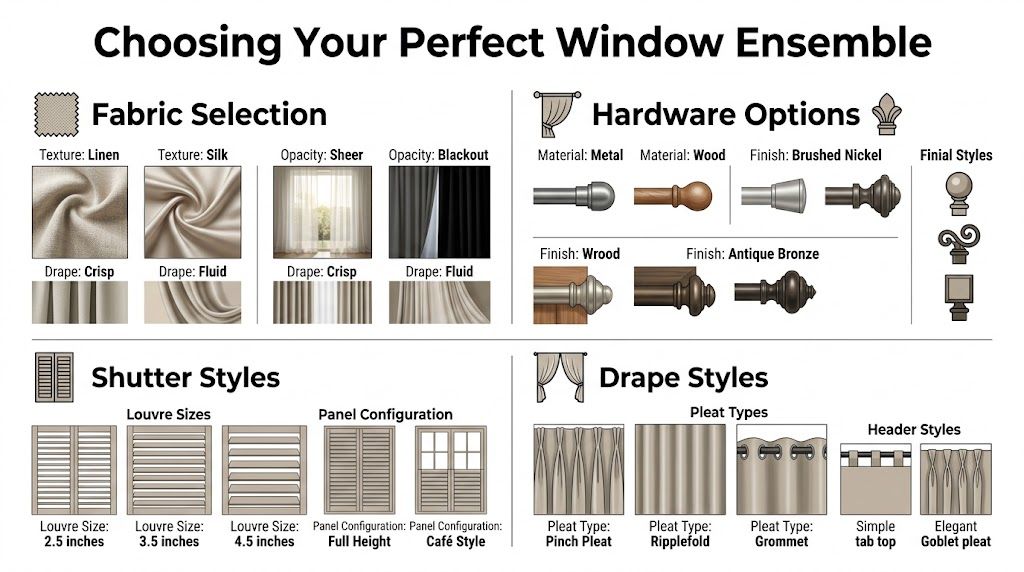
Louver size changes the feel, too. Common options include 2.5", 3.5", or 4.5". Larger louvers usually read more open and contemporary, while smaller louvers can feel more classic.
Pick drapery fabric for the job, not just the sample book
A fabric can look beautiful on a hanger and still be wrong for the room. Weight, fold, lining, and texture matter more than many people realize.
Use this quick checklist:
- For casual rooms: linen-look fabrics and soft woven blends hang naturally and keep the window from feeling formal.
- For bedrooms: lined drapes or blackout drapes give the room more control and a fuller appearance.
- For formal spaces: velvet, heavier textured weaves, or neatly pleated panels bring more presence.
- For humid areas: avoid fabrics that wrinkle easily or collapse into a limp shape.
If you’re comparing natural fiber options, this guide to cotton fabric is useful for understanding how cotton behaves in sewing and home projects. That’s especially helpful when you’re trying to decide whether you want a crisp drape, a relaxed fold, or something that needs lining for better body.
Fabric has to perform at the window you have, not the one in the showroom photo.
Choose a header style that matches the room
Header style changes the whole mood.
| Drape style | Best use | What to watch |
|---|---|---|
| Pinch pleat | Traditional and transitional rooms | Looks tailored, needs the right fullness |
| Grommet | Simpler, more modern spaces | Can look too casual beside ornate trim |
| Ripplefold | Clean contemporary interiors | Needs compatible track or hardware |
| Rod pocket | Decorative side panels | Not ideal for panels you open often |
In many West Tennessee homes, pinch pleat or custom stationary panels are the safest choice with shutters. They frame the window neatly and don’t fight the strong lines of the louvers.
Hardware can make the job look finished or improvised
The rod should relate to the room’s other finishes. Matte black works with modern fixtures. Brushed nickel stays neutral. Warm brass can add richness, especially with wood accents.
What doesn’t work is mixing hardware styles without a reason. Heavy traditional finials with sleek shutters can look disconnected. Tiny rods on a large layered window often look undersized.
A good selection process usually follows this order:
- Confirm the shutter color and louver size
- Choose the drape fabric and lining
- Select the header style
- Finish with the rod, rings, and finials
If you’re narrowing options by room style, this article on how to choose window treatments helps sort through the practical side of those design decisions.
How to Measure and Mount Hardware Correctly
Most bad-looking layered windows come from measurement mistakes, not product mistakes. The materials may be fine. The placement isn’t.
A rod mounted too low makes the room feel shorter. Panels that don’t clear the shutter frame catch on louvers and never hang right. An inside-mounted shutter in a shallow frame can create fit problems before the drapes even go up.
Measure the window before you choose the mount
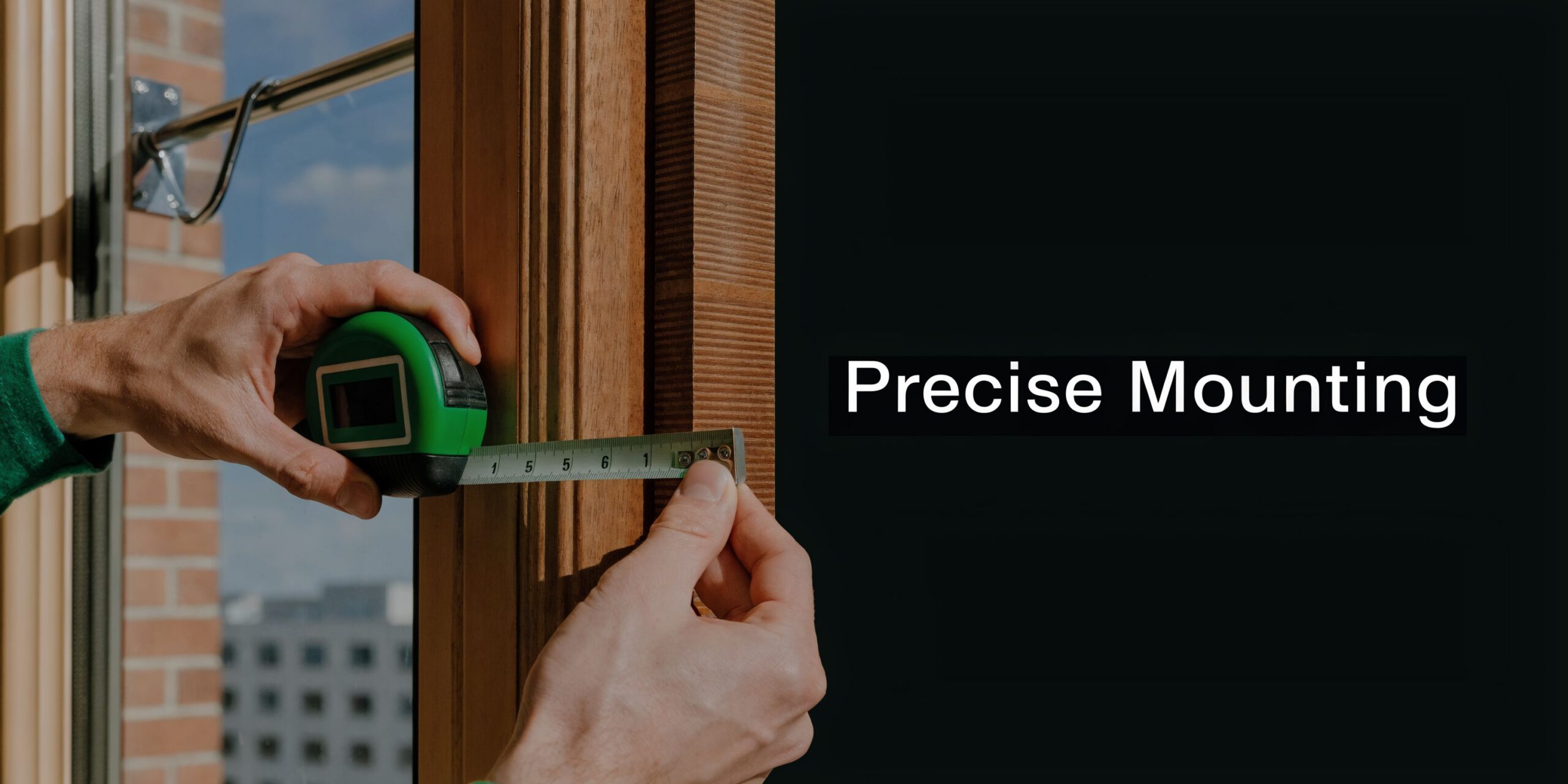
Professional installation benchmarks show that precise measurement is critical. For an inside mount, the window frame depth must be greater than or equal to the shutter louver size, such as 2.5-4.5 inches. When layering, drapery rods should be mounted 4-6 inches above the shutter frame to create visual height and ensure clearance. Following these steps reduces fit errors by over 40% compared to DIY attempts (measuring and pairing shutters with curtains).
That one point about depth matters more than people think. If the frame doesn’t have enough depth, the shutter may need a different mounting approach. Trying to force an inside mount when the frame won’t accommodate it usually leads to a compromised look.
Use this field checklist before ordering anything:
- Check frame depth: make sure the shutter can sit where it needs to sit.
- Measure width and height carefully: don’t assume the opening is perfectly square.
- Look for trim obstacles: casing details affect rod and bracket placement.
- Account for projection: the drape has to hang in front of the shutters without rubbing.
Rod placement is where the room gains height
Mounting the rod 4-6 inches above the shutter frame does two jobs. It gives the drapes room to clear the shutters, and it visually lifts the wall.
The width matters, too. Panels should stack back far enough that they frame the window rather than cover the shutter face when open. If they don’t, you lose both light and the architectural effect you paid for.
Installer’s note: The prettiest drapes in the world still look wrong if they interrupt shutter movement.
This guide on how to measure windows for blinds is useful for understanding opening dimensions before you get into a layered treatment plan.
Here’s a helpful visual on the process and the kind of precision involved during install.
Common mistakes that spoil the finished look
I see the same problems repeatedly:
- Rod too close to the shutter frame: the fabric brushes the louvers.
- Panels too thick for the space: the window feels crowded.
- Wrong panel width: the drapes look skimpy when closed.
- Ignoring out-of-square openings: one side hangs differently from the other.
Blinds Galore handles custom install for shutters and drapery in West Tennessee, including measuring, ordering, and fitting around real-world trim and wall conditions. That matters if you want a layered look with 100% satisfaction instead of trial and error.
Professional Installation and Maintaining Your Look
Once the products are chosen, the last ten percent of the job decides whether the result looks polished or pieced together. Custom installation matters.
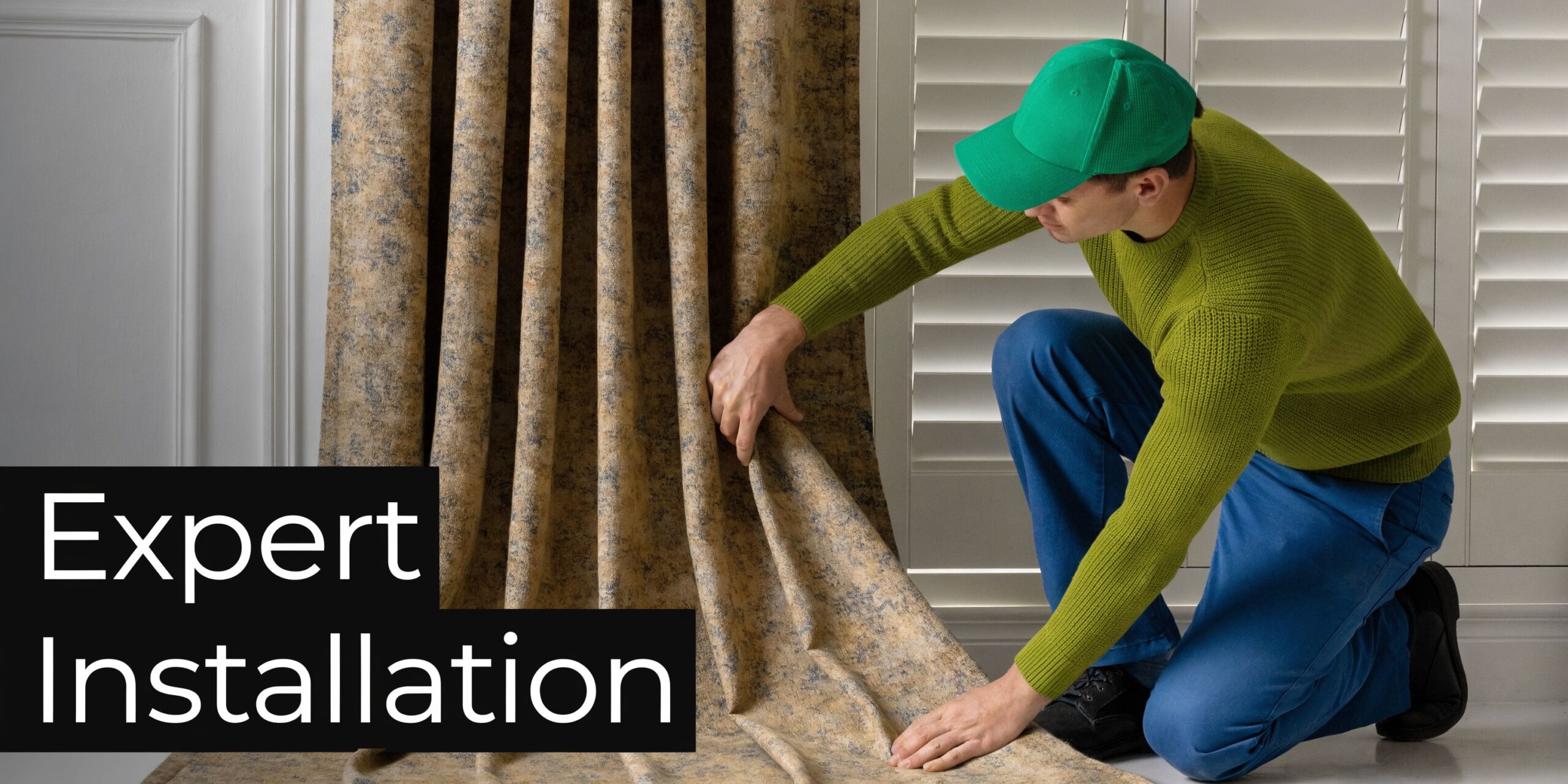
The rod has to be level. Brackets have to hit secure anchoring points. The panels need the right break or float at the floor. Even good drapes can look awkward on day one if nobody dresses the folds and spacing properly.
What professional finishing changes
A finished installation usually includes details homeowners don’t always think about until they see them done right:
- Panel training: folds are set so the drapes fall evenly.
- Rod alignment: the left and right returns look balanced.
- Clearance testing: shutters open, louvers tilt, and fabric stays out of the way.
- Visual centering: the window treatment looks centered in the room, not just on the rough opening.
That’s the difference between “installed” and “custom.”
Keeping shutters with drapes looking sharp
Maintenance is simpler than expected if the materials were chosen well.
For shutters:
- Dust regularly: a microfiber cloth or soft brush attachment handles routine buildup.
- Wipe gently when needed: especially in kitchens or high-touch areas.
- Check moving parts: make sure louvers and panels still move freely.
For drapes:
- Vacuum lightly: use an upholstery attachment to control dust.
- Follow the care label: some fabrics can be cleaned more easily than others.
- Keep hems off wet floors: especially near entry areas or condensation-prone windows.
Tie-backs and holdbacks can help, but they need to fit the room. If the panels are formal, use formal hardware. If the room is relaxed, simple fabric ties or clean metal holdbacks usually work better.
A layered window should still be easy to live with. If it’s too fussy to open, clean, or maintain, the plan wasn’t practical enough.
If you’re looking for a clean result from first measure to final adjustment, call (731) 571-5179. The goal is a custom install that looks right, functions correctly, and ends in 100% satisfaction.
Frequently Asked Questions About Shutters and Drapes
Can I use blackout drapes with plantation shutters
Yes, and it’s one of the most practical combinations for bedrooms, nurseries, and media rooms. The shutters manage daytime glare and privacy. The blackout drapes take over when you want a darker room and a softer perimeter.
The key is choosing enough projection on the rod so the blackout panel hangs freely in front of the shutter frame.
Do shutters and drapes have to match
No. In fact, they usually look better when they don’t.
Shutters are often the neutral architectural layer. Drapes can bring in depth through color, texture, or pattern. White shutters with navy, taupe, olive, charcoal, or soft patterned panels all work if the rest of the room supports the palette.
What if my window is arched or an unusual shape
Specialty windows can still use a layered approach, but the solution changes. Some windows need custom-shaped shutters with stationary side panels. Others work better with a framed drapery treatment that highlights the shape instead of trying to cover it fully.
The right answer depends on how much privacy and light control the room needs.
Are shutters with drapes too much for a small room
Not if the scale is right. Small rooms benefit from this combination when the rod is mounted high, the drapes are kept neat, and the fabric isn’t overly heavy.
What makes a small room feel crowded is bulk, not layering itself.
Which rooms benefit most from this combination
The strongest candidates are:
- Bedrooms: where privacy and darkness matter
- Living rooms: where glare control and softness both matter
- Dining rooms: where the room needs a more finished edge
- Street-facing rooms: where privacy is part of everyday use
Who should I call if I want help with my windows
If you want a local recommendation for Jackson and the surrounding West Tennessee area, call Mark at (731) 571-5179. It’s the simplest way to sort out what will work in your home instead of guessing from sample photos.
If you’re ready for shutters with drapes that are measured correctly, styled for your home, and installed with care, contact Blinds Galore. They serve West Tennessee with in-home consultations, custom install, and a clear commitment to 100% satisfaction.
You might also like

Best Plantation Shutter Brands – 2026 Review
If you're looking at your windows right now and thinking the room needs more polish, better privacy,

What Are Plantation Shutters Made Of
You're probably looking at a window right now thinking the same thing a lot of West Tennessee homeowners
Contemporary Roman Shades: Modern Styles for Your Home
You know the feeling. Your old blinds work, but they don't do your room any favors. They look hard,

Sliding Glass Window Treatments for Your West TN Home
That sliding glass door probably does two jobs at once in your home. It opens your living space to the

Vertical Blinds vs Horizontal Blinds: The Definitive Homeowner’s Guide
When you're trying to decide between vertical and horizontal blinds, it really comes down to your

Cordless Blinds vs Corded Blinds A Modern Homeowner’s Guide
When you're weighing the pros and cons of cordless blinds vs corded blinds, the verdict for today's