

10 Best Custom Shades for Jackson TN Home Theaters: Blackout and Light Control Options
Quick answer: For a true cinematic experience in your Jackson, TN home theater, blackout roller shades and motorized cellular shades are the top choices — they block 100% of incoming light, reduce echo, and integrate with smart-home systems. Woven wood and solar shades work well in dual-purpose media rooms where some natural light is still welcome. Blinds Galore offers free in-home consultations and custom installation across Jackson, Lexington, Henderson, and Milan, so you get a perfect fit every time.
Why Light Control Makes or Breaks a Home Theater
Before diving into specific shade types, it helps to understand exactly what light does to a home theater environment. Jackson, TN homeowners often invest thousands of dollars in projectors, surround-sound systems, and comfortable seating — only to underestimate how dramatically natural light can degrade the experience. Light control is not just a luxury upgrade; it is the foundation of every great home cinema.
The Science of Contrast Ratio and Ambient Light
Even a modest 4K projector can deliver a stunning picture — until a sliver of afternoon sunlight washes out the screen. Projector manufacturers measure image quality in contrast ratio, the difference between the brightest white and the darkest black the device can produce. A high-end projector may boast a contrast ratio of 100,000:1, but ambient light from an uncovered window can reduce your perceived contrast to as low as 10:1, essentially making your expensive equipment look like a budget TV from 2005.
Light-measuring studies show that even 1 foot-candle of stray light falling on a 100-inch screen can reduce perceived image depth by up to 60%. The solution is not a brighter projector — it is a darker room, and that starts with the right window shades.
Glare, Eye Strain, and Viewing Comfort
Beyond picture quality, uncontrolled light causes real physical discomfort. The American Optometric Association notes that prolonged exposure to screen glare contributes to digital eye strain, headaches, and disrupted sleep patterns — especially in evening viewing sessions. In West Tennessee, where summer sun angles are steep and afternoons are intensely bright, south- and west-facing home theater windows are particularly problematic without proper blackout coverage.
Choosing the right shade fabric and opacity level is therefore both an aesthetic and a health decision for your household.
1. Blackout Roller Shades — the Gold Standard for Dedicated Theaters
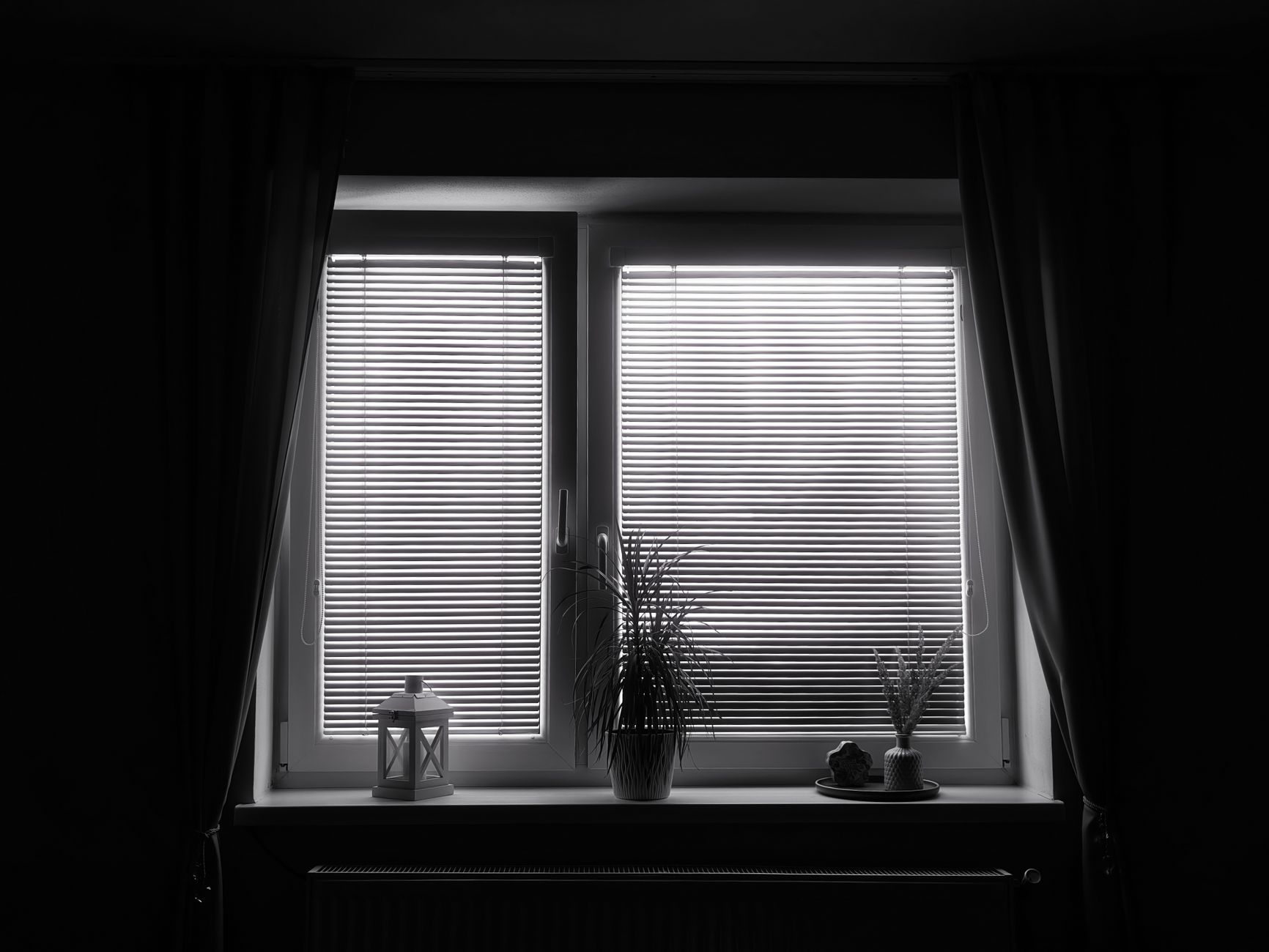
When Jackson homeowners ask what single window treatment delivers the most dramatic improvement to a home theater, the answer is almost always a custom blackout roller shade. Clean, minimal, and engineered specifically to eliminate light, these shades are the workhorse of professional home cinema design. Here is what you need to know before choosing one.
How Blackout Roller Shades Work
Blackout roller shades use a tightly woven, opaque fabric — typically coated with a light-blocking acrylic or foam backing — that prevents virtually all light transmission. Quality blackout fabrics carry an openness factor of 0%, meaning no visible weave gaps allow light to pass through the material itself. The critical detail is edge sealing: standard rollers leave a small gap between the fabric and the window frame, which can admit thin lines of light. For a true blackout result, look for side-channel cassette systems that press the fabric against the frame on all four sides.
Blinds Galore measures every window precisely so your roller shade sits flush, eliminating those telltale light leaks that ruin a dark scene.
Fabric Options and Light-Blocking Ratings
Not all blackout fabrics are created equal. Common ratings include:
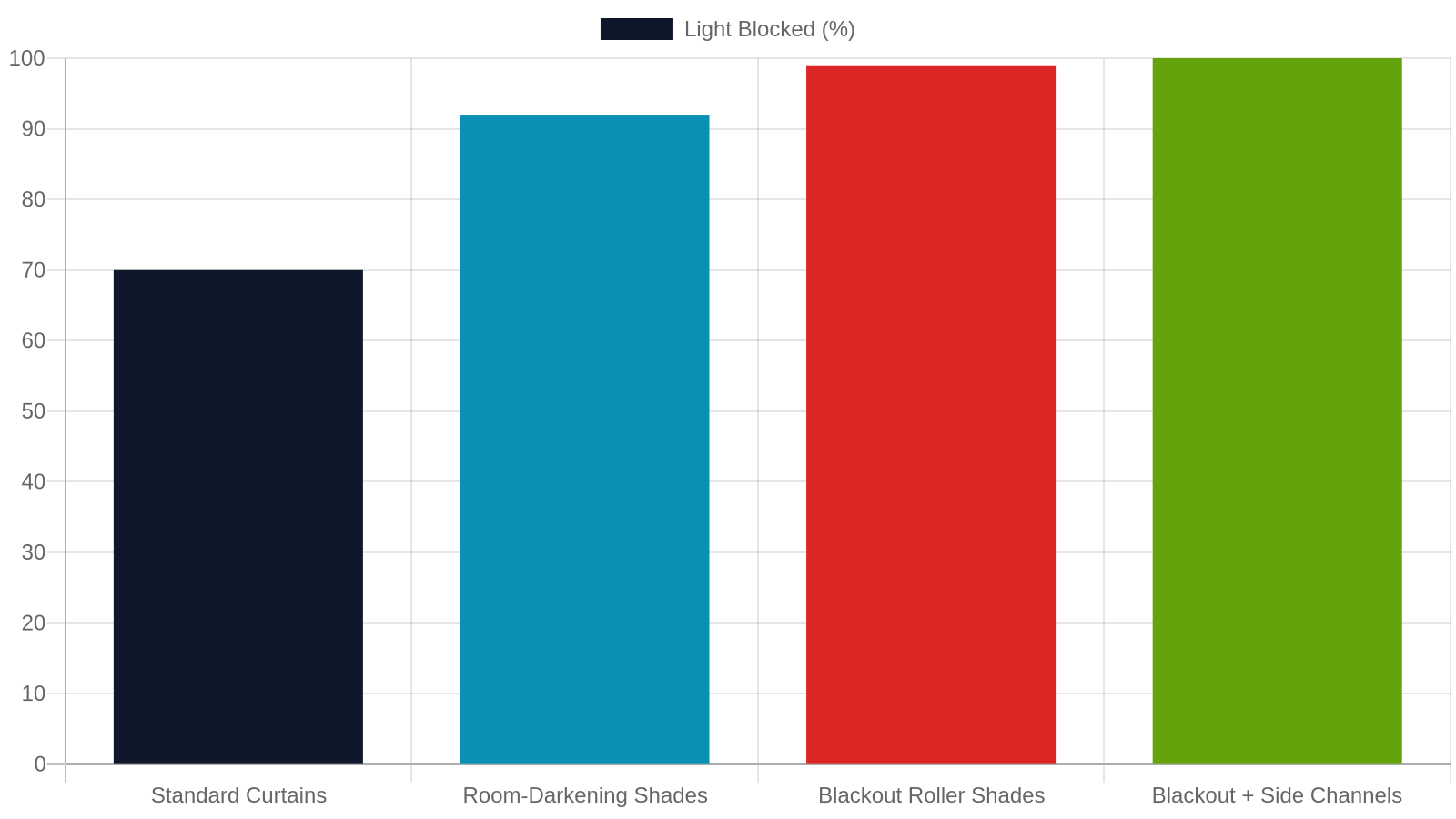
- Room-darkening (85–99% light block): Suitable for bedrooms and dual-use rooms; some ambient glow remains around edges.
- Blackout (99–100% light block): Designed for dedicated theaters and nurseries; requires cassette or side-channel hardware for full effect.
- Thermal blackout: Adds an insulating foam or reflective layer, reducing summer heat gain by up to 33% — a meaningful energy benefit in Jackson’s hot summers.
Fabric colors matter too. Darker backing colors (charcoal, black) outperform white backings in true blackout performance, even when the face fabric is a lighter decorative color.
2. Motorized Shades — Smart Control for the Ultimate Viewing Experience
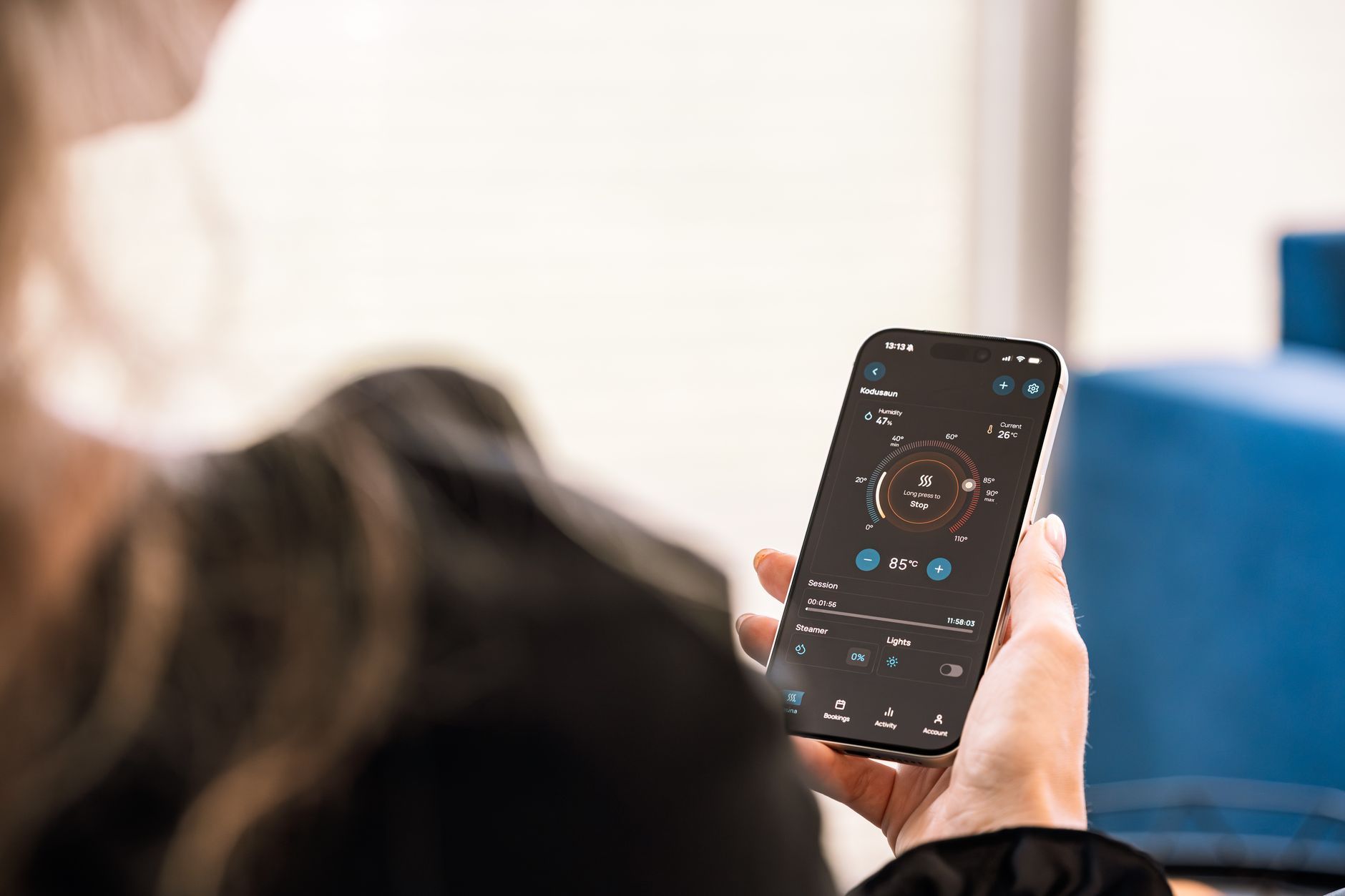
A dedicated home theater deserves controls that match the experience. Motorized shades eliminate the awkward mid-movie scramble to manually adjust a shade, and they open up a world of smart-home automation that makes your theater feel genuinely professional. Here is how motorized shades work and what they cost in the Jackson, TN market.
Integration with Smart-Home Systems
Motorized shades connect to platforms like Google Home, Amazon Alexa, Apple HomeKit, and Lutron Caséta, allowing you to lower every shade in your theater with a single voice command or a tap on your phone. Many homeowners in Jackson program “Movie Mode” scenes that simultaneously dim the lights, lower the shades, and power on the projector — all before the opening credits finish rolling.
Lutron’s RA3 system, for example, supports up to 100 motorized shades in a single home network, with battery-operated motors that last 2–5 years on a single charge, eliminating the need for hardwired installation in most retrofit situations.
Cost Considerations and ROI
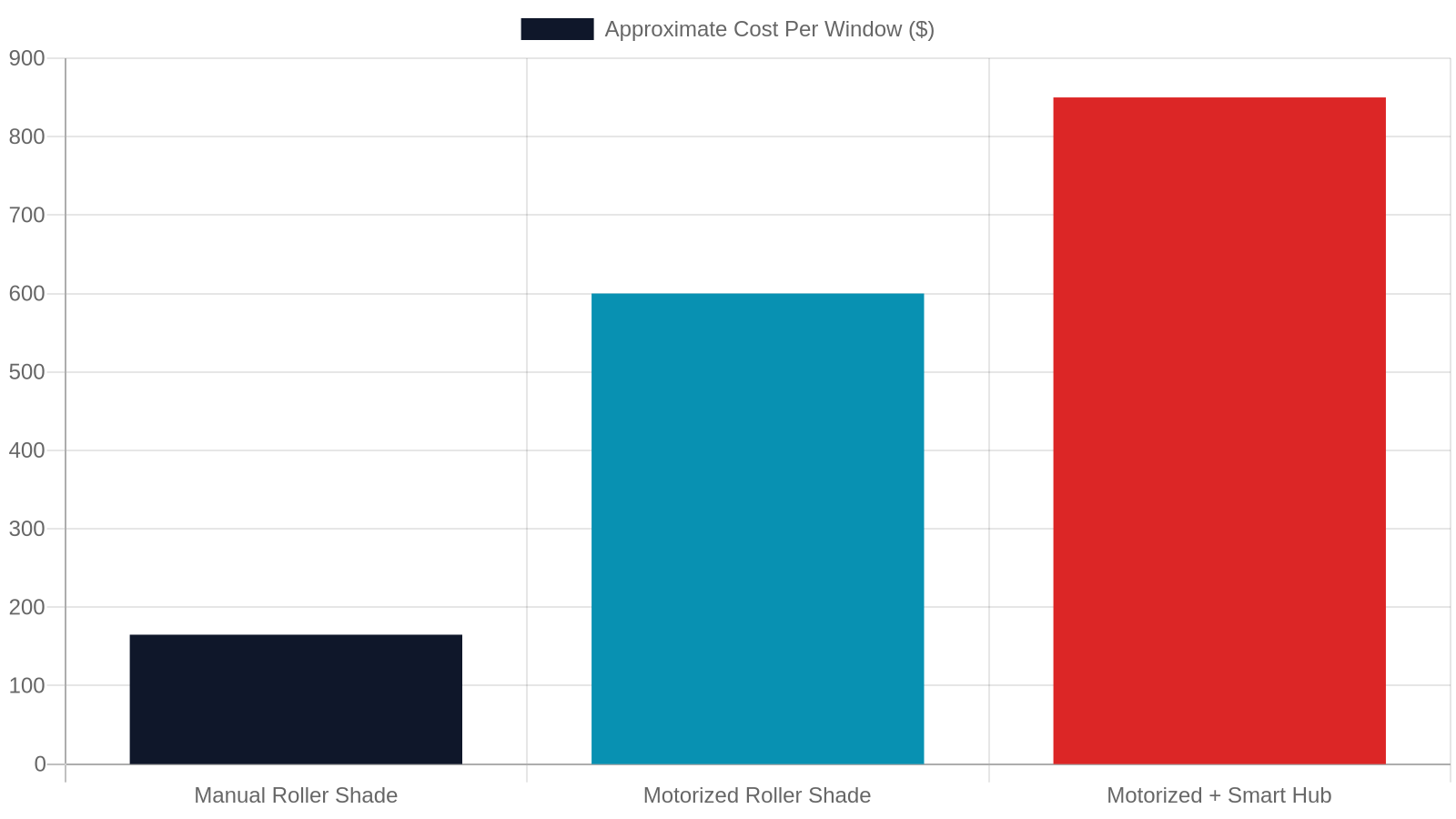
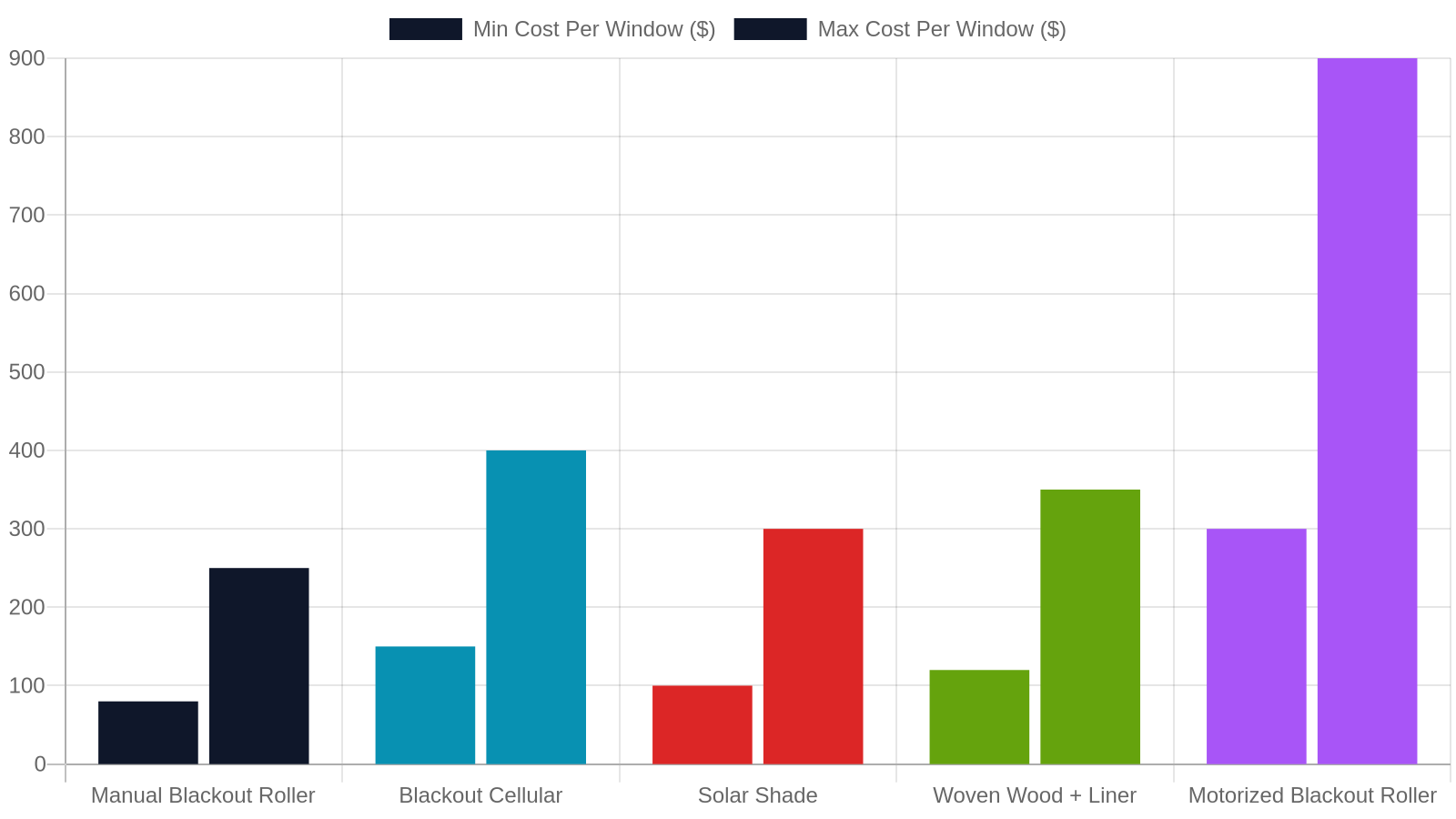
Motorized blackout shades carry a higher upfront cost than manual options — typically $300–$900 per window for a professionally installed custom unit, compared to $80–$250 for a manual roller shade. However, the convenience factor, energy savings (motorized shades can reduce HVAC load by 10–15% when programmed to close during peak sun hours), and the “wow factor” for resale value make them a compelling investment for serious home theater enthusiasts.
Blinds Galore’s free in-home consultation includes a full motorization walkthrough so you understand exactly what is involved before committing to a system.
3. Cellular (Honeycomb) Shades — Blackout Performance Plus Insulation
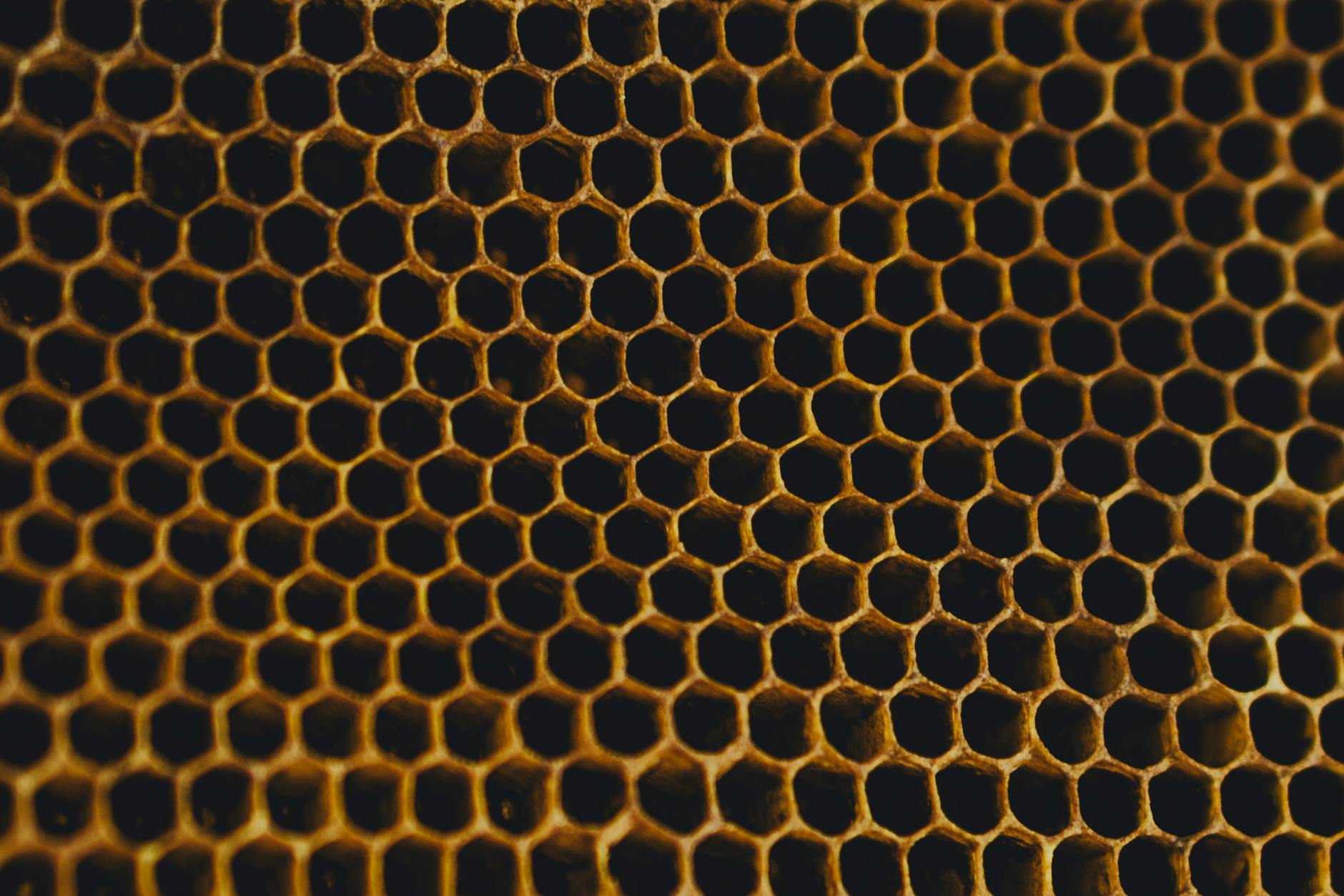
Cellular shades offer a compelling two-for-one benefit for home theater rooms: they block light effectively in blackout configurations AND provide meaningful thermal and acoustic insulation. For Jackson homeowners dealing with Tennessee’s hot summers and chilly winters, that insulation bonus can translate into real energy savings year-round.
Single-Cell vs. Double-Cell vs. Triple-Cell
Cellular shades get their name from the hexagonal air pockets — cells — woven into the fabric. Each layer of cells adds insulating value:
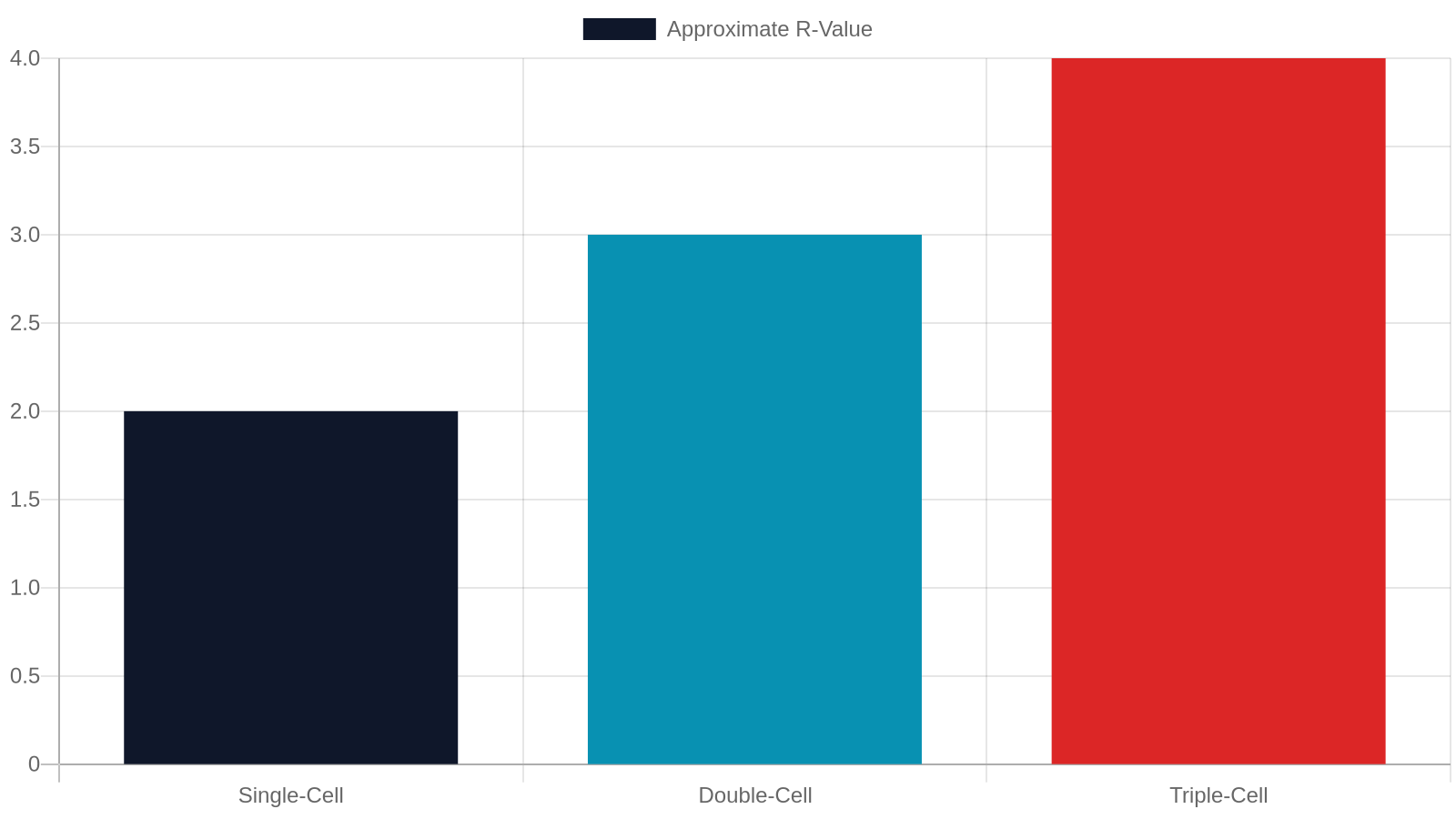
- Single-cell: R-value of approximately 2.0 — good light control, basic insulation.
- Double-cell: R-value of approximately 3.0 — the most popular choice for bedrooms and media rooms.
- Triple-cell: R-value of approximately 4.0 — maximum insulation, ideal for rooms with large windows in climates with hot summers and cold winters, like Jackson, TN.
In blackout configurations, the fabric face is opaque and the cell backing is coated to prevent light transmission through the cell walls themselves — a detail that matters on sunny West Tennessee afternoons.
Acoustic Benefits for Home Theaters
One underappreciated benefit of cellular shades in a home theater is sound absorption. The honeycomb structure traps not just air but also sound waves, reducing echo and reverberation in the room. Acoustic engineers recommend a mix of hard and soft surfaces in a home theater; cellular shades on the windows contribute meaningfully to the soft-surface total, improving dialogue clarity and bass response without requiring expensive acoustic panels on every wall.
Studies suggest that window treatments covering large glass surfaces can reduce mid-frequency reverberation (500 Hz–2 kHz) by 15–25% in a typical living-room-sized theater space.
4. Solar Shades — the Smart Choice for Dual-Purpose Media Rooms
Not every media room is a dedicated, lights-out cinema. Many Jackson homeowners have a living room or bonus room that serves as both an everyday family space and an occasional movie-watching spot. For these dual-purpose rooms, solar shades offer a smart middle ground — cutting glare and UV without sacrificing the bright, airy feel of the space during daylight hours.
Understanding Openness Factor
Solar shades are woven from a mesh fabric that filters light rather than blocking it entirely. The key specification is openness factor — the percentage of the fabric that is open weave. Common ratings:
- 1% openness: Very tight weave; blocks up to 99% of UV rays, significantly reduces glare, maintains some view-through.
- 3% openness: Balanced privacy and light filtering; popular for living rooms and offices.
- 5% openness: More transparent; great for preserving views while cutting harsh glare.
- 10% openness: Lightest filter; minimal privacy, maximum view.
For a media room that doubles as a living space, a 1% or 3% solar shade dramatically reduces screen glare during daytime TV watching without plunging the room into full darkness.
Layering Solar Shades with Blackout Drapes
Many Jackson homeowners get the best of both worlds by layering a 3% solar shade with a blackout drape or roller shade on a double-bracket system. During the day, the solar shade filters glare for casual viewing. At night or during a serious movie session, the blackout layer closes completely. This dual-layer approach is particularly popular in open-plan homes where the media area shares space with a kitchen or dining room and full darkness is not always practical or desirable.
Blinds Galore’s design consultants can help you plan a layered system that works within your window’s depth and your room’s aesthetic.
5. Woven Wood and Roman Shades — Style Without Sacrificing Function
Home theaters do not have to look like commercial cinemas. Many Jackson homeowners want a space that feels inviting and stylish even when the screen is off — and that is where woven wood and Roman shades earn their place. With the right liner, these decorative options deliver genuine light-blocking performance without sacrificing the room’s personality.
Woven Wood Shades with Blackout Liners
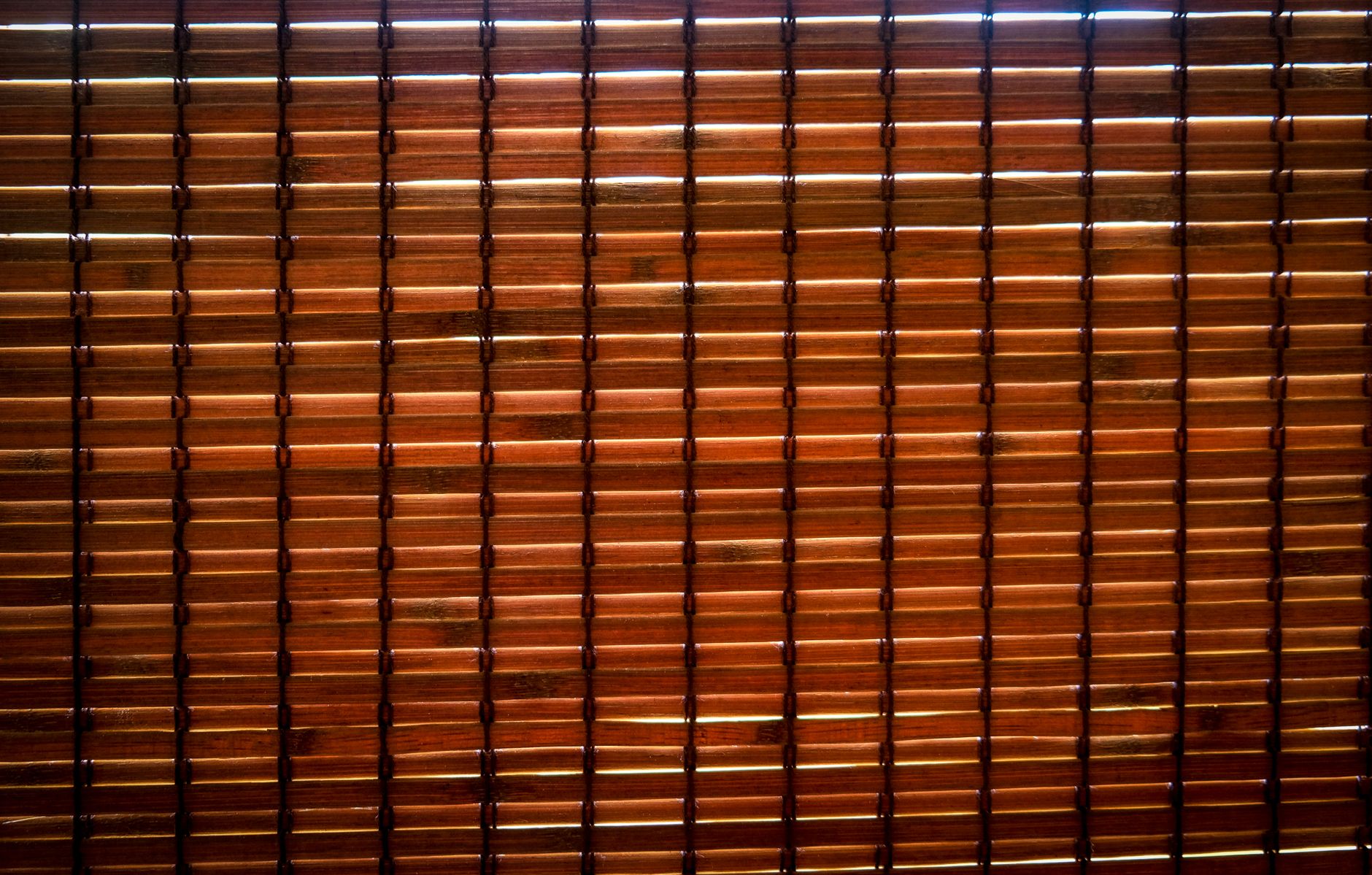
Woven wood shades — also called bamboo or natural shades — bring warmth and texture to a home theater that might otherwise feel sterile with all-black treatments. On their own, woven woods have significant light gaps and are not suitable for blackout applications. However, when paired with a sewn-in blackout liner, they can achieve room-darkening performance (85–95% light block) while maintaining their organic, natural aesthetic on the face.
This combination works especially well in home theaters designed with a warm, lodge-style or rustic aesthetic — think exposed wood beams, leather seating, and natural stone accents. The woven wood face complements the decor while the liner does the functional heavy lifting.
Roman Shades for Smaller Theater Windows
Roman shades fold into neat horizontal pleats when raised, creating a tailored, architectural look. In blackout fabric, they perform comparably to roller shades for light control but add a softer, more formal visual texture. They are particularly well-suited to smaller accent windows — transoms, side-lights, or the narrow windows sometimes flanking a home theater entry door — where a roller shade’s utilitarian look might feel out of place.
Custom Roman shades from Blinds Galore are sewn to your exact window dimensions, ensuring the folds stack evenly and the blackout liner covers every inch of glass when closed.
6. Shade Fabric Colors and Their Impact on Picture Quality
The color of your shade fabric is not just a decorative choice — it directly affects your projector’s picture quality. Understanding how fabric reflectance interacts with your theater’s lighting environment will help you make a smarter selection, whether you are outfitting a dedicated cinema or a dual-purpose media room in your Jackson home.
Why Dark Walls and Dark Shades Work Together
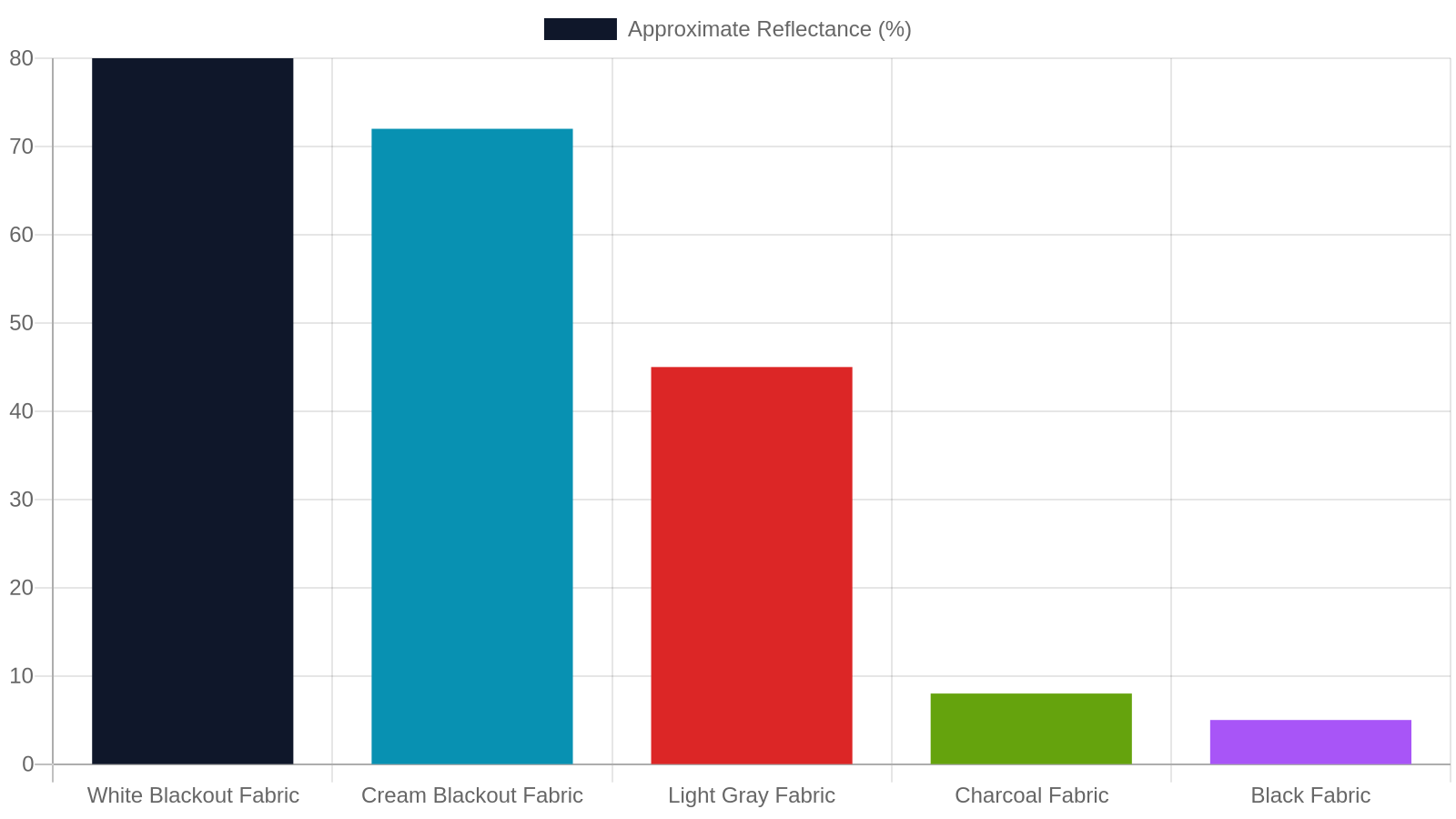
Professional home theater designers consistently recommend dark, matte surfaces on every wall, ceiling, and window treatment in a dedicated cinema room. Light-colored shades — even blackout ones — can reflect ambient light from the screen back onto the viewing surface, creating a subtle wash that reduces contrast. A charcoal or dark gray blackout shade absorbs that reflected light rather than bouncing it back.
The Imaging Science Foundation (ISF) recommends a room reflectance of less than 10% for optimal projector performance. Dark charcoal or black blackout fabrics typically measure 5–8% reflectance, while white or cream blackout fabrics can measure 60–80% reflectance — a significant difference in a dark room.
Balancing Aesthetics When the Room Has Multiple Uses
If your media room doubles as a living space, an all-black shade can feel oppressive when the screen is off and the lights are on. A practical compromise is choosing a dark charcoal or slate gray face fabric with a black backing. From inside the room, the shade reads as a sophisticated neutral that complements most furniture palettes. From outside, the backing remains dark for maximum light control during screenings.
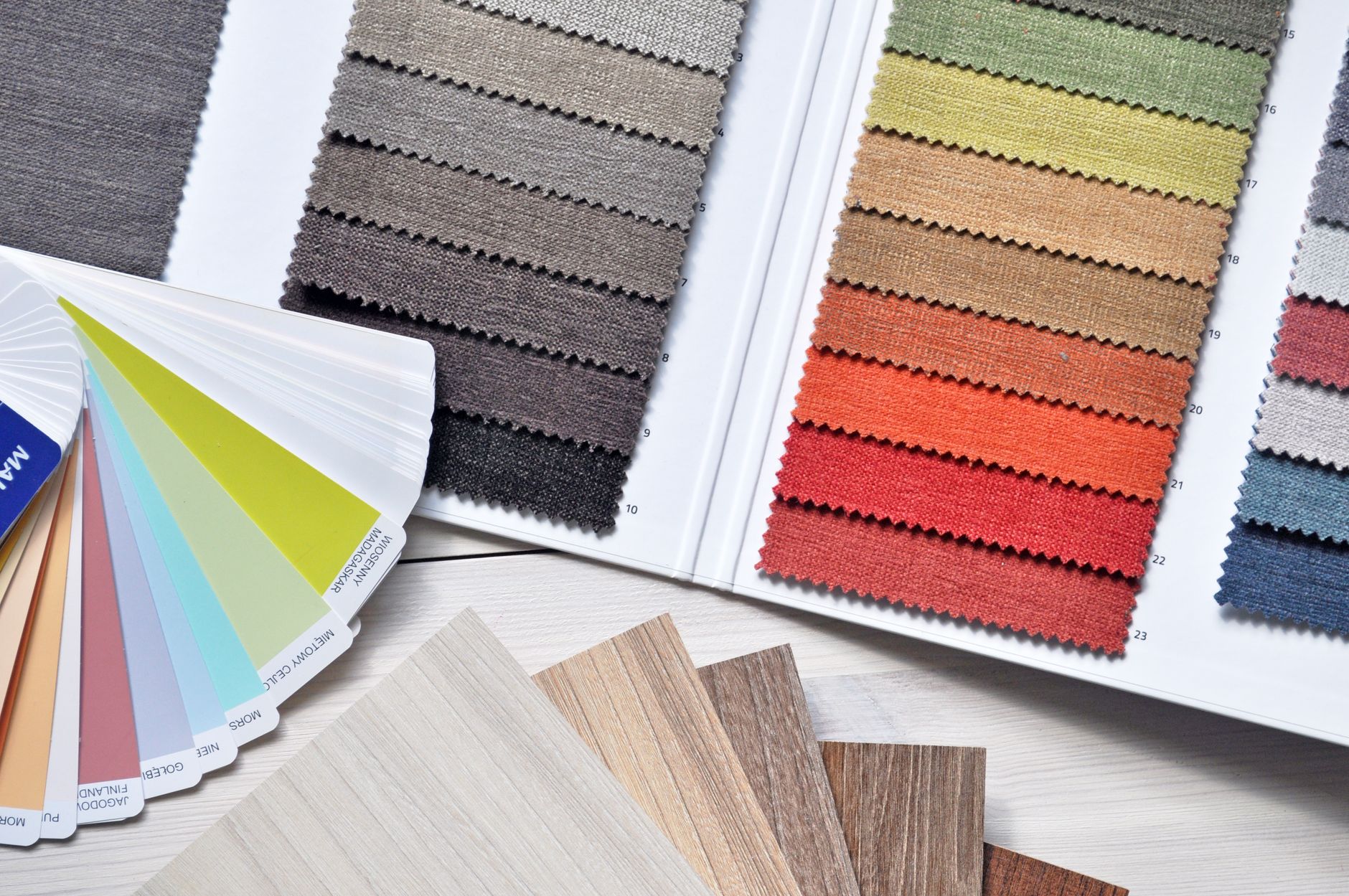
Blinds Galore carries fabric sample books from leading manufacturers including Hunter Douglas, Graber, and Bali, so you can see exactly how a fabric looks in your room’s light before committing to a custom order.
7. Measuring and Installation: Why Custom Fit Matters
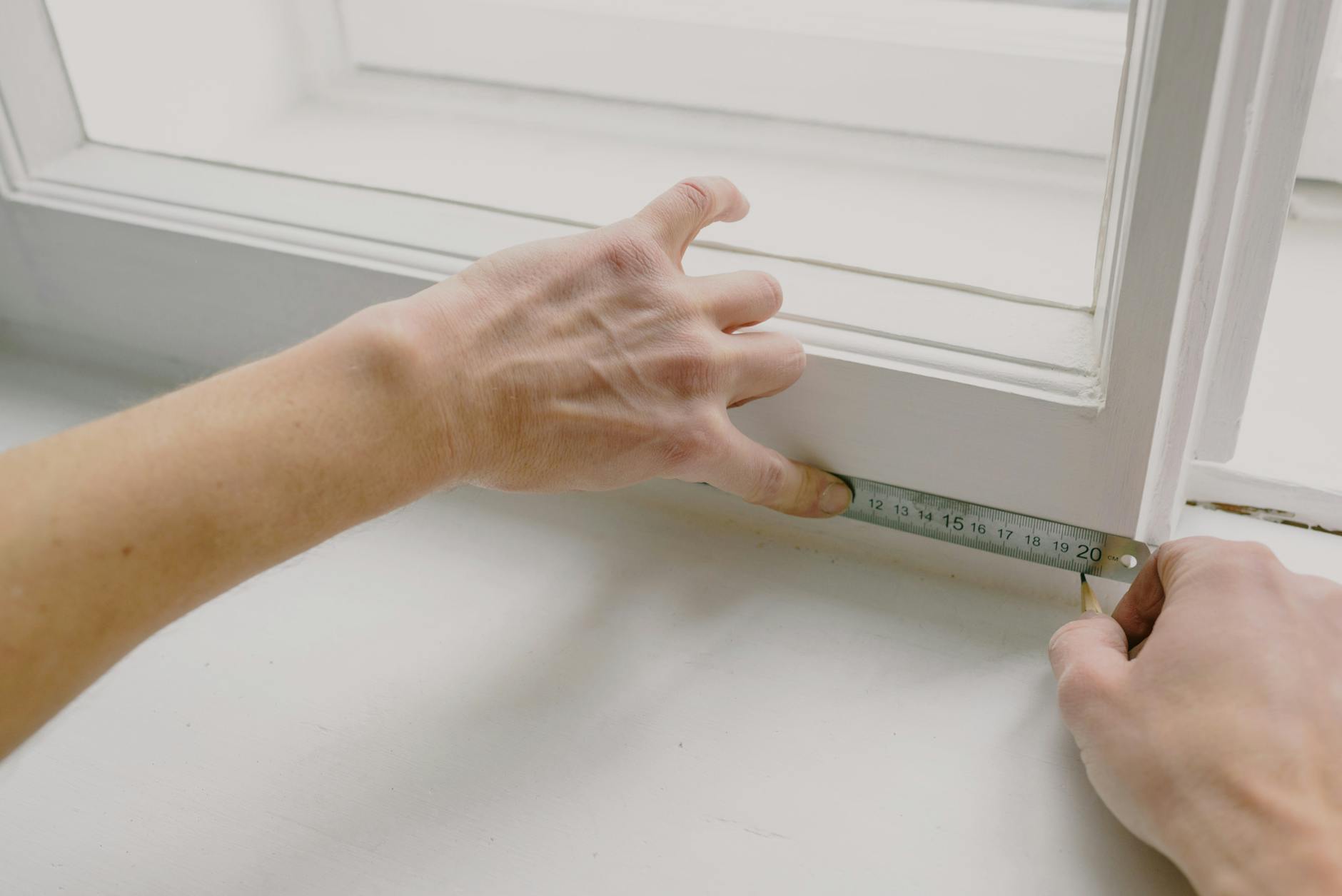
Even the best blackout fabric fails if the shade is the wrong size. Home theater windows demand precision — a quarter-inch gap at the edge of a shade can admit a distracting sliver of light that ruins a dark scene. Professional measuring is not a luxury for a home theater installation; it is a necessity.
Inside Mount vs. Outside Mount for Theaters
Shade mounting position dramatically affects light control. An inside mount — where the shade fits within the window frame — looks clean and architectural but leaves a small gap between the fabric and the frame on all four sides. In a casual bedroom, this is acceptable. In a home theater, those gaps can admit enough light to create distracting halos around the window during a dark scene.
An outside mount — where the shade bracket attaches to the wall above and outside the window frame — allows the fabric to overlap the frame by 2–3 inches on each side, sealing out far more light. For dedicated theater applications, Blinds Galore almost always recommends outside mounting with a generous overlap, combined with a cassette headrail that closes the top gap.
Common DIY Measuring Mistakes
Home theater windows are often non-standard sizes — wide panoramic windows, angled skylights, or recessed frames that require precise deductions. The most common DIY measuring mistakes include:
- Measuring only once (always measure width at top, middle, and bottom — use the smallest measurement)
- Forgetting to account for window cranks, handles, or HVAC vents that affect shade clearance
- Ordering inside-mount shades without checking frame depth (minimum 2.5 inches required for most roller shade hardware)
- Ignoring stack height — a fully raised blackout shade can stack 4–8 inches, potentially blocking part of the window when open
Blinds Galore’s professional measuring service eliminates all of these risks. Every measurement is guaranteed, and if a custom shade does not fit due to a measuring error on our part, we remake it at no charge.
Home Theater Shade Options at a Glance — 6-Point Comparison
Use this table to quickly compare the most popular custom shade types for home theaters in Jackson, TN across the six factors that matter most to cinema enthusiasts.
8. Energy Efficiency Bonus: Shades That Cut Your Utility Bills
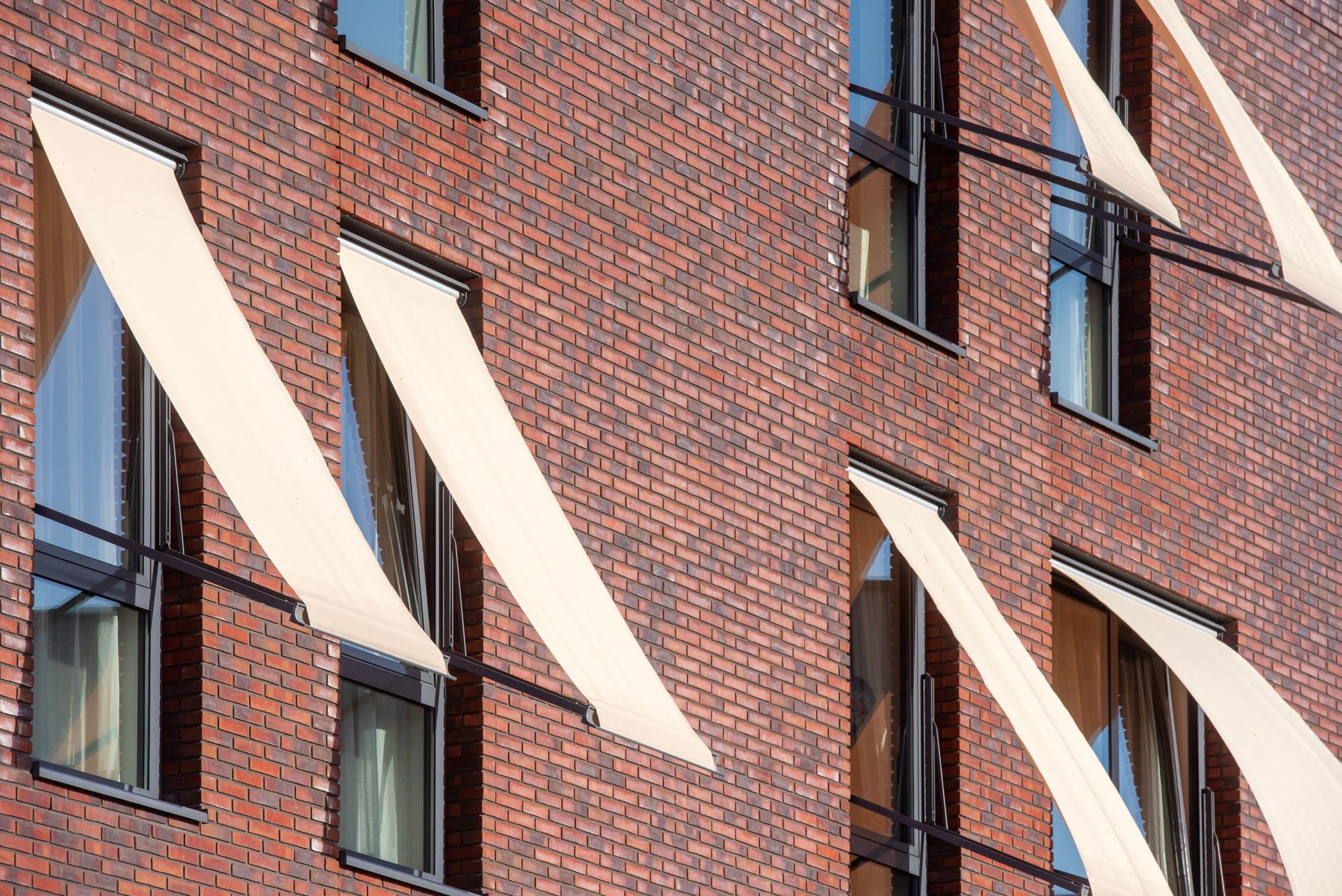
A home theater is already an energy-intensive room — projectors, amplifiers, and subwoofers all generate heat and draw significant power. The last thing you want is your windows adding to that thermal load. The good news is that the same shades that deliver blackout performance also happen to be among the most energy-efficient window treatments available.
Solar Heat Gain and Jackson TN Summers
Jackson, TN averages over 200 sunny days per year, and summer temperatures regularly exceed 90°F. South- and west-facing windows in a home theater can admit enormous amounts of solar heat, forcing your HVAC system to work harder and raising your monthly utility bill. The U.S. Department of Energy estimates that window treatments can reduce solar heat gain by up to 77% when properly selected and installed.
Thermal blackout cellular shades and solar shades with low solar heat gain coefficients (SHGC) are the most effective options for energy management. A triple-cell blackout cellular shade on a west-facing theater window can meaningfully reduce afternoon heat load — keeping the room cooler for evening screenings and reducing the strain on your projector’s cooling system.
Winter Insulation and Year-Round Savings
The same cellular shades that block summer heat also trap warmth in winter. The Department of Energy estimates that insulating cellular shades can reduce heat loss through windows by 40% or more compared to an uncovered window. In a room with multiple large windows — common in home theater additions and bonus rooms — that savings adds up quickly across a West Tennessee winter.
When you factor in both summer cooling savings and winter heating savings, quality cellular blackout shades typically pay back their installation cost within 3–5 years in energy savings alone, making them one of the smartest long-term investments for a Jackson homeowner.
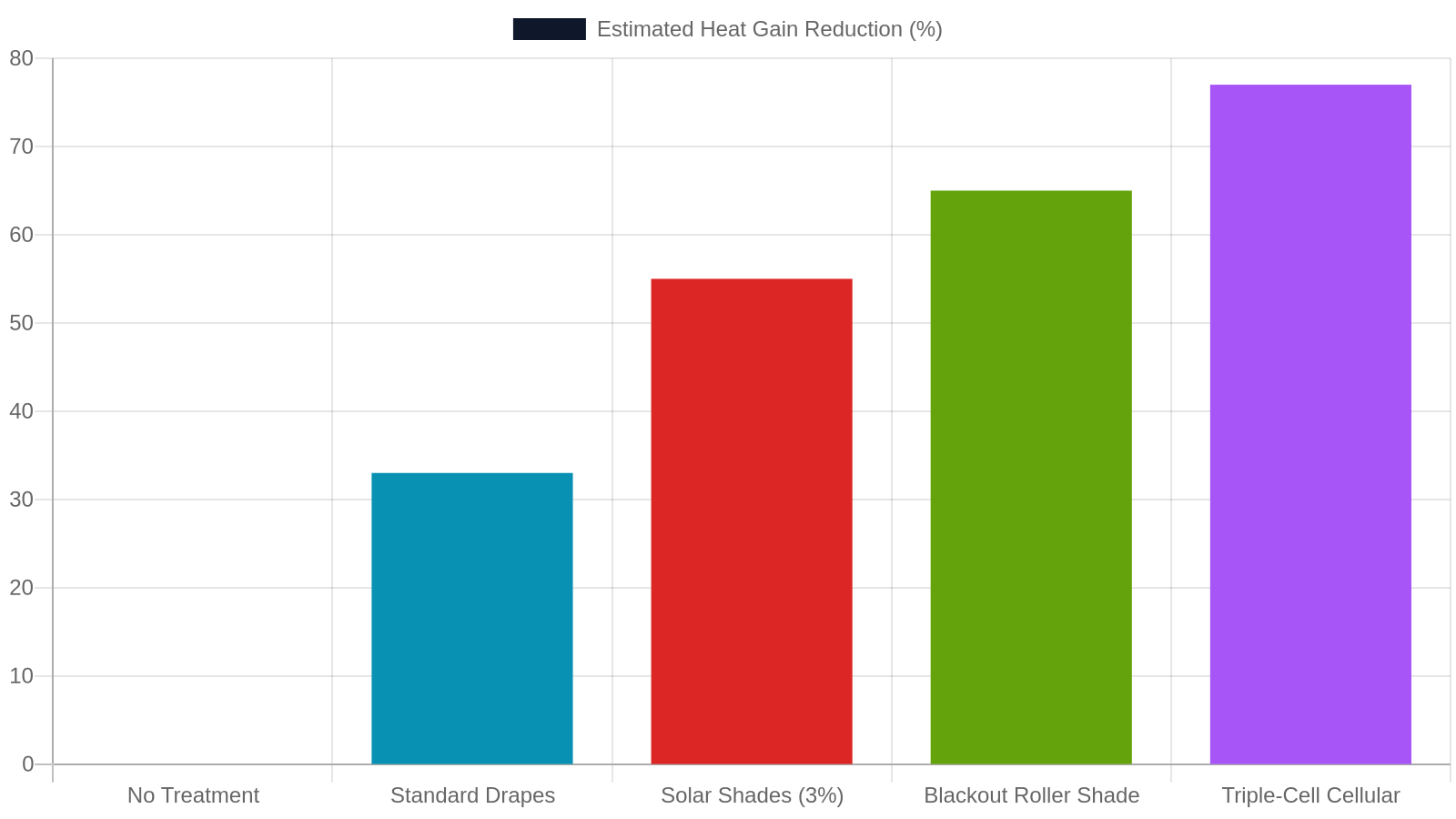
9. Plantation Shutters as a Theater Accent — When They Work and When They Don't
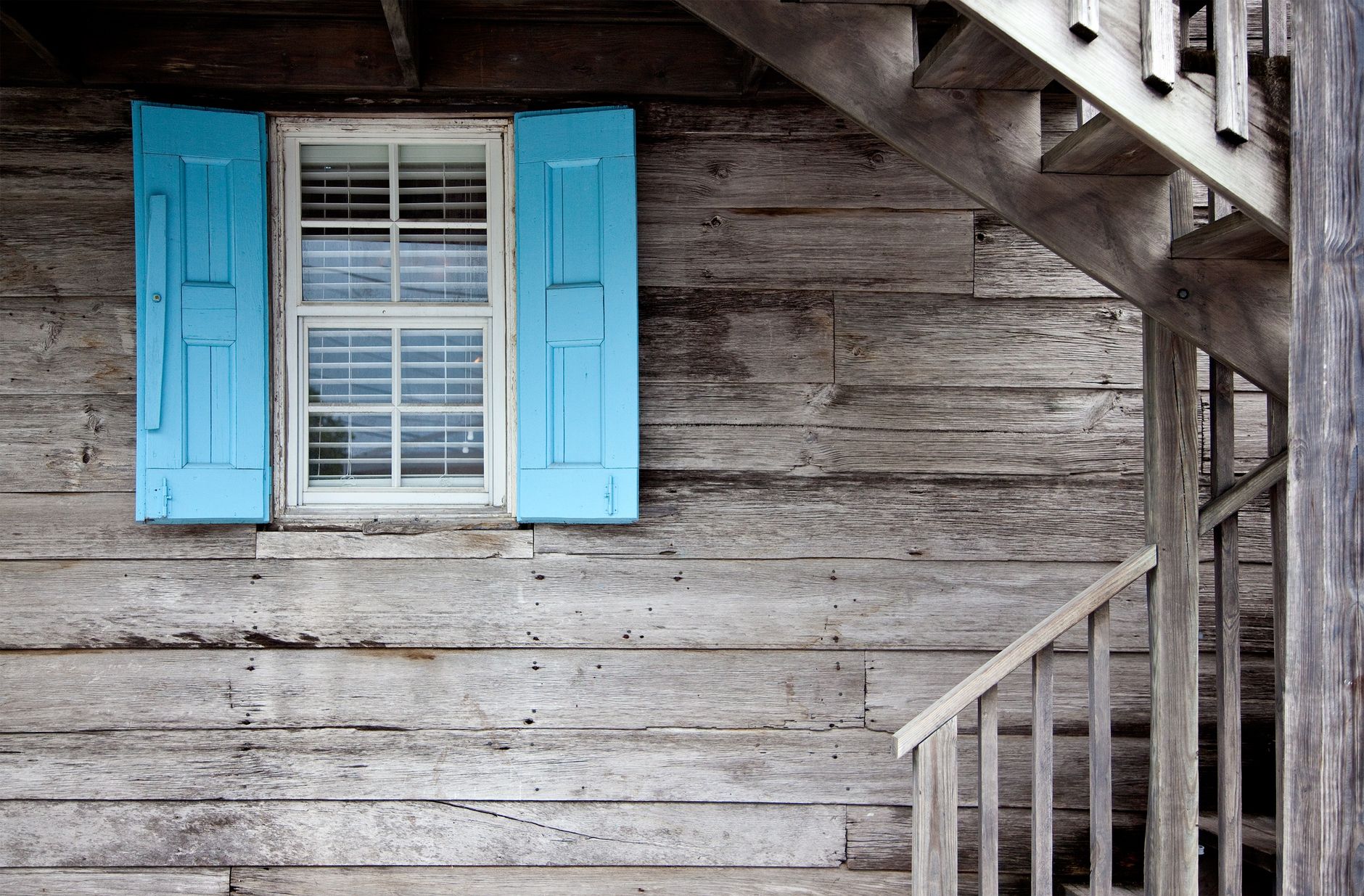
Plantation shutters are one of the most requested window treatments across West Tennessee — and for good reason. They are durable, beautiful, and add lasting value to any home. But do they belong in a home theater? The answer depends on where in the room they are installed and what role they are expected to play.
The Case for Shutters in a Home Theater
Plantation shutters offer unmatched durability and a timeless aesthetic that adds real resale value to a Jackson home. In a home theater context, shutters work best on smaller accent windows — side-lights, transoms, or narrow windows that frame the room rather than dominate it. Closed louvers on a quality shutter block a meaningful amount of light, and pairing shutters with a blackout roller shade behind them gives you both the architectural look of shutters and the complete darkness of a shade when you need it.
Blinds Galore offers custom-built plantation shutters sized and finished to your exact specifications — a popular choice for homeowners in Henderson and Milan who want a classic Southern look throughout their homes.
When Shutters Are Not the Right Choice
For large picture windows or wide panoramic windows that are the primary light source in a home theater, shutters have two significant limitations. First, even fully closed louvers allow some light to pass through the slat gaps — typically achieving only 70–80% light blockage, well short of the 99–100% needed for a true cinema experience. Second, shutters are a fixed architectural element that cannot be motorized for smart-home integration in the same seamless way that roller shades can.
The verdict: shutters are a beautiful accent in a home theater, but they are not a replacement for a dedicated blackout shade on the room’s primary windows.
10. Budgeting Your Home Theater Shade Project in Jackson TN

One of the most common questions Blinds Galore hears from Jackson homeowners planning a home theater is: “How much should I expect to spend?” The honest answer is that it depends on the number of windows, the shade type, and whether you want motorization — but we can give you a solid framework for budgeting your project.
Typical Price Ranges by Shade Type
Custom window treatments are priced by the window, and costs vary based on fabric, size, hardware, and motorization. Here are realistic ranges for the Jackson, TN market:
- Manual blackout roller shades: $80–$250 per window (installed)
- Motorized blackout roller shades: $300–$900 per window (installed)
- Blackout cellular shades (double-cell): $150–$400 per window (installed)
- Solar shades (1–3% openness): $100–$300 per window (installed)
- Woven wood with blackout liner: $120–$350 per window (installed)
- Custom Roman shades (blackout fabric): $150–$450 per window (installed)
A typical home theater with 3–5 windows might run $500–$3,000 total for manual shades, or $1,500–$6,000+ for a fully motorized smart-home system.
How to Prioritize Your Budget
If budget is a constraint, prioritize the largest windows first — the ones that admit the most light — and use manual blackout roller shades with outside mounts and cassette headrails for maximum performance per dollar. Add motorization to the most frequently used shades (the ones you lower every single movie night) and leave less-used accent windows as manual. This hybrid approach lets you enjoy smart-home convenience where it matters most without paying for motorization on every window in the room.
Blinds Galore’s free in-home consultation includes a no-pressure budget conversation, so you know exactly what each option costs before making any decisions. Call us at (731) 571-5179 to schedule yours today.
Ready to Transform Your Jackson TN Home Theater?
You have done the research. You know the difference between a blackout roller shade and a cellular shade, you understand openness factor, and you have a sense of your budget. Now it is time to take the next step and see exactly what these treatments will look like in your actual home theater space — because nothing beats seeing real fabric samples in your real room.
What to Expect from a Blinds Galore In-Home Consultation
Blinds Galore brings the showroom directly to your home — no driving across town, no guessing how a fabric will look in your actual lighting. During your free in-home consultation, a Blinds Galore design expert will:
- Measure every window in your theater room with professional-grade tools
- Bring fabric samples from leading brands so you can see colors and textures in your real light
- Walk you through manual vs. motorized options and smart-home compatibility
- Provide a detailed, no-obligation quote before you leave
We serve Jackson, Lexington, Henderson, Milan, and surrounding communities throughout West Tennessee. Our 100% satisfaction guarantee means if something is not right after installation, we make it right — period.
Your Next Step
Whether you are building a dedicated cinema room from scratch or upgrading an existing media space, the right custom shades make an immediate, dramatic difference in picture quality, comfort, and energy efficiency. Explore our full custom shades collection to see the blackout and light-control options available for your home theater project, then call us at (731) 571-5179 to schedule your free in-home consultation. You can also reach out online and a member of our team will get back to you promptly.
Blinds Galore has served West Tennessee homeowners for over 18 years. We would love to help you build the home theater experience you have been dreaming about — right here in Jackson, TN.
Frequently Asked Questions
What is the best shade for a home theater in Jackson TN?
Blackout roller shades with side-channel cassette systems are the top choice for dedicated home theaters because they block 99–100% of incoming light. For smart-home integration, motorized blackout roller shades are the gold standard. Blinds Galore offers free in-home consultations to help you choose the right option for your specific room.
Do blackout shades really block all light in a home theater?
A quality blackout fabric blocks 99–100% of light through the material itself, but light can still enter around the edges if the shade is inside-mounted without side channels. For true darkness, Blinds Galore recommends outside-mounted shades with a cassette headrail and 2–3 inch side overlaps to seal all four edges of the window.
How much do custom blackout shades cost in Jackson TN?
Manual blackout roller shades typically run $80–$250 per window installed, while motorized options range from $300–$900 per window. A full home theater with 3–5 windows might cost $500–$3,000 for manual shades or $1,500–$6,000+ for a motorized smart-home system. Call Blinds Galore at (731) 571-5179 for a free, no-obligation quote.
Can I use plantation shutters in my home theater?
Plantation shutters work well on small accent windows in a home theater, but they only block about 70–80% of light on their own — not enough for a true cinema experience. For primary theater windows, pair shutters with a blackout roller shade behind them, or use a dedicated blackout shade as the primary treatment.
Are motorized shades worth the extra cost for a home theater?
For a dedicated home theater, motorized shades are generally worth the investment. They integrate with smart-home platforms like Alexa, Google Home, and Lutron, allowing one-touch or voice-activated scene control. They also reduce HVAC load by 10–15% when programmed to close during peak sun hours, partially offsetting the higher upfront cost over time.
Do solar shades work for home theaters?
Solar shades are not ideal for dedicated blackout theaters because they filter rather than block light. However, for dual-purpose media rooms used for daytime TV watching, a 1–3% openness solar shade dramatically reduces screen glare while keeping the room bright and comfortable. Many homeowners layer a solar shade with a blackout roller shade for maximum flexibility.