
9 Best Custom Blinds for Home Offices in Jackson, TN
Quick answer: The best custom blinds for home offices in Jackson, TN balance glare control, privacy, and style without sacrificing natural light. Top choices include solar shades, faux wood blinds, cellular shades, and plantation shutters — each offering different levels of light filtering, insulation, and durability. For a dedicated home office, look for treatments rated for glare reduction (30–70% openness factor) and easy cord-free or motorized operation. Blinds Galore offers free in-home consultations across Jackson, Lexington, Henderson, and Milan so you can find the perfect fit without guessing.
Why Your Home Office Window Treatment Actually Matters

Most homeowners think about aesthetics first when choosing window treatments — and that’s understandable. But in a home office, the stakes are higher. The wrong blinds can create screen glare that strains your eyes, let in afternoon heat that spikes your energy bill, or leave you feeling exposed on video calls. Getting this decision right is about function just as much as style.
Glare Is the Silent Productivity Killer
According to the American Optometric Association, computer vision syndrome affects up to 90% of people who spend three or more hours a day at a screen. A significant driver? Uncontrolled window glare. Even on an overcast West Tennessee day, diffused light bouncing off a monitor can cause eye strain, headaches, and a measurable drop in focus.
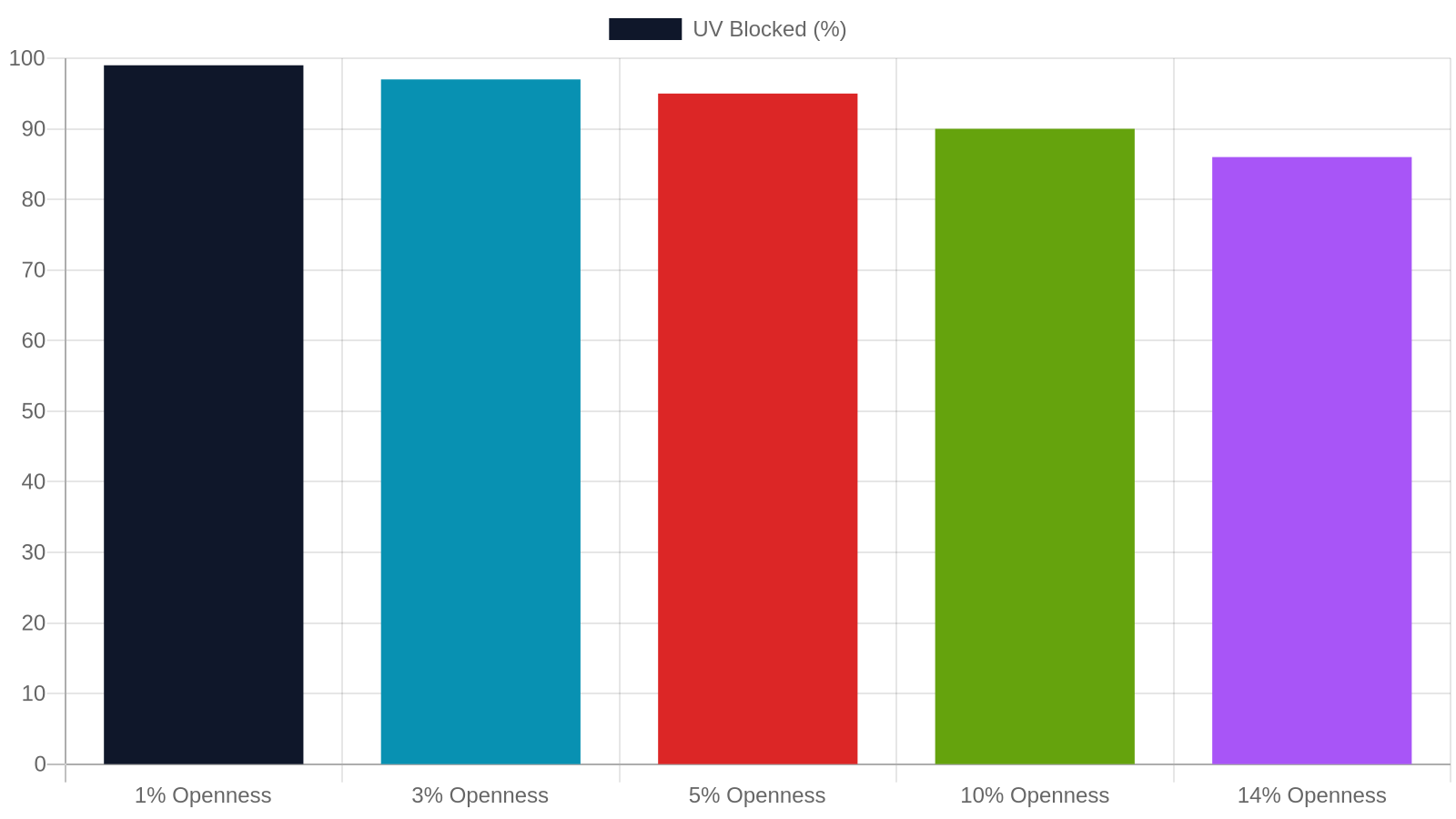
The right window treatment cuts that glare without plunging your workspace into darkness. Solar shades with a 3–5% openness factor, for example, block 95–97% of direct UV rays while still letting you see the yard — a balance that’s nearly impossible to achieve with off-the-shelf blinds from a big-box store.
Energy Costs and Comfort in West Tennessee Summers
Jackson, TN summers routinely push past 90°F, and a west- or south-facing home office window can add 10–15°F to your room temperature by mid-afternoon. The U.S. Department of Energy estimates that window treatments can reduce heat gain by up to 77% when properly selected and installed. That translates directly into lower utility bills and a more comfortable workspace — no extra AC required.
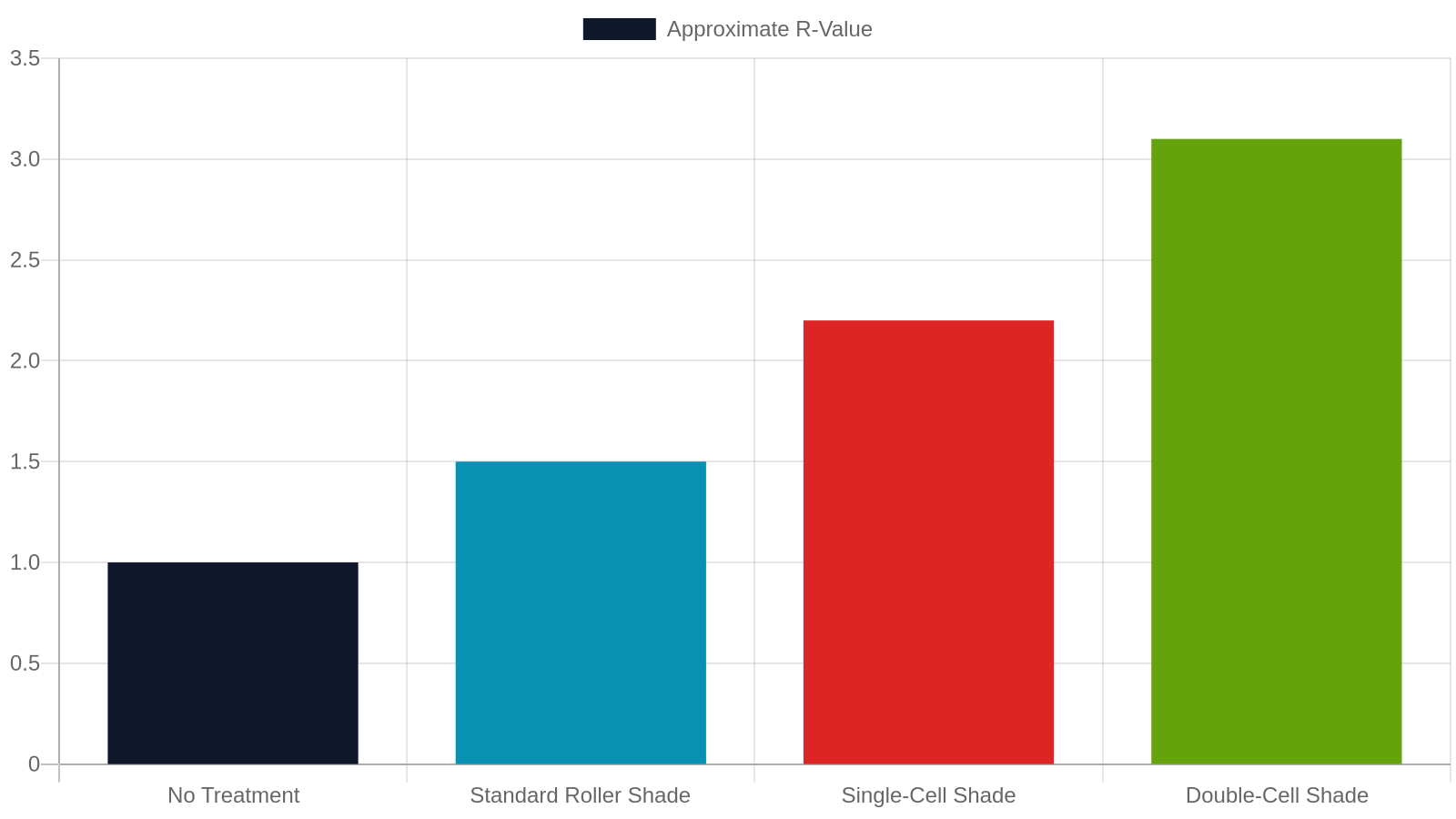
Cellular (honeycomb) shades are particularly effective here, trapping air in their pockets and acting as a thermal buffer between the glass and your room. A double-cell shade can improve a window’s insulating value from roughly R-1 to R-3 or higher.
1. Solar Shades — Best for Screen-Glare Reduction
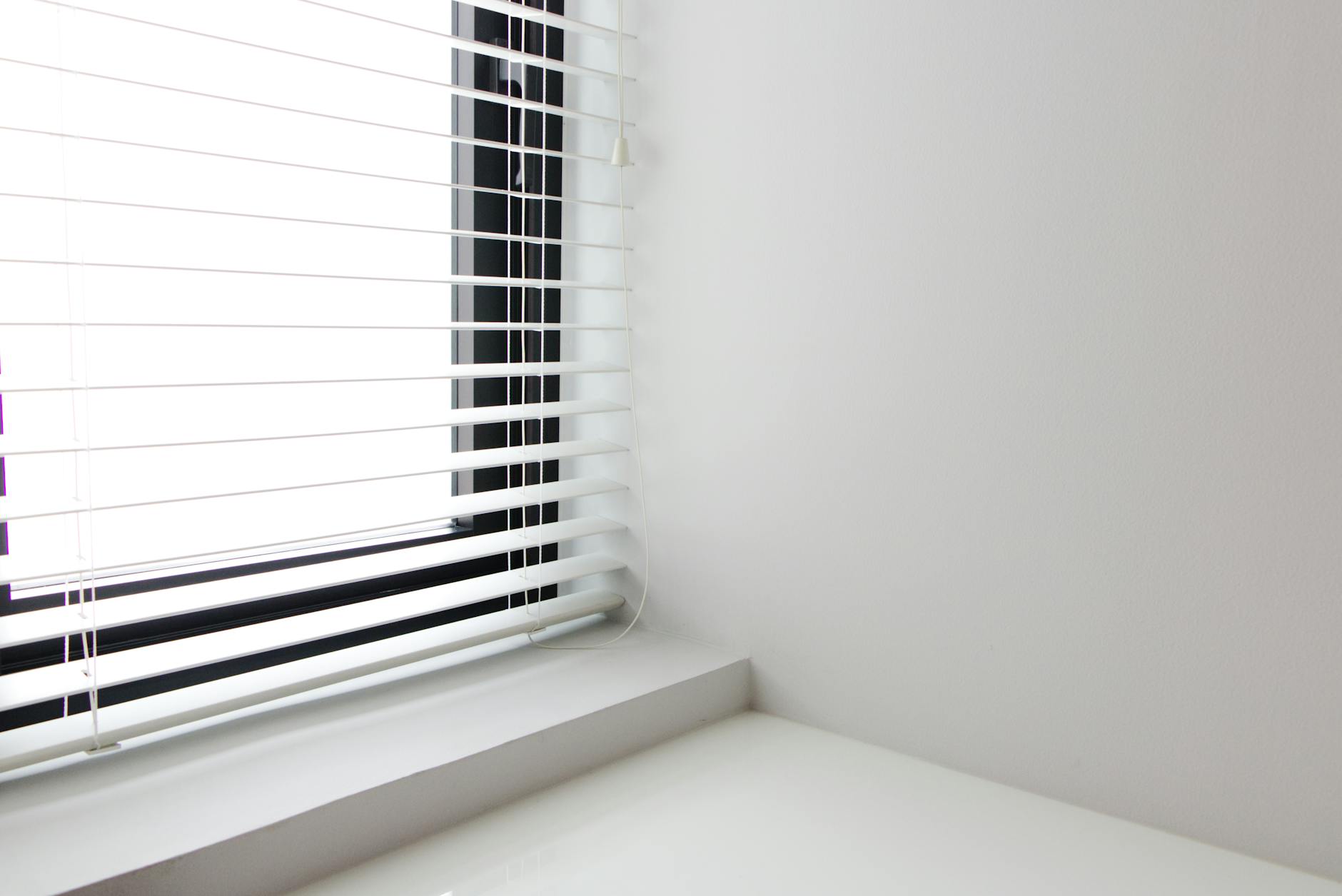
Solar shades are purpose-built for screen-heavy environments. Unlike standard roller shades or horizontal blinds, they use a open-weave mesh fabric that scatters and diffuses incoming sunlight rather than simply blocking it. The result is a workspace that feels bright and airy without the harsh glare that makes staring at a monitor painful.
Understanding Openness Factor
Solar shades are rated by openness factor — the percentage of the fabric that is open weave. A 10% openness shade lets in more light and view but less UV protection. A 1% shade is nearly blackout. For most home offices, a 3% to 5% openness factor hits the sweet spot: it eliminates glare on screens, blocks 95–97% of UV rays, and still allows a soft, diffused daylight that feels natural rather than cave-like.
Solar shades come in a range of neutral colors — charcoal, linen, bronze — that complement virtually any home office décor. They’re also one of the most affordable custom options, typically ranging from $80 to $200 per window depending on size and fabric.
Motorized Solar Shades for the Modern Home Office
If you’re on video calls all day, the last thing you want is to get up and fiddle with a cord every time the sun shifts. Motorized solar shades — controlled by a remote, wall switch, or smartphone app — let you adjust light levels without leaving your chair. Many systems are compatible with Amazon Alexa, Google Home, and Apple HomeKit, making them a natural fit for a tech-forward home office setup.
Motorized options add roughly $100–$250 per window to the base cost, but the convenience and the polished, cord-free look are hard to argue with — especially if you have large or hard-to-reach windows.
2. Faux Wood Blinds — Best for Durability and Classic Style
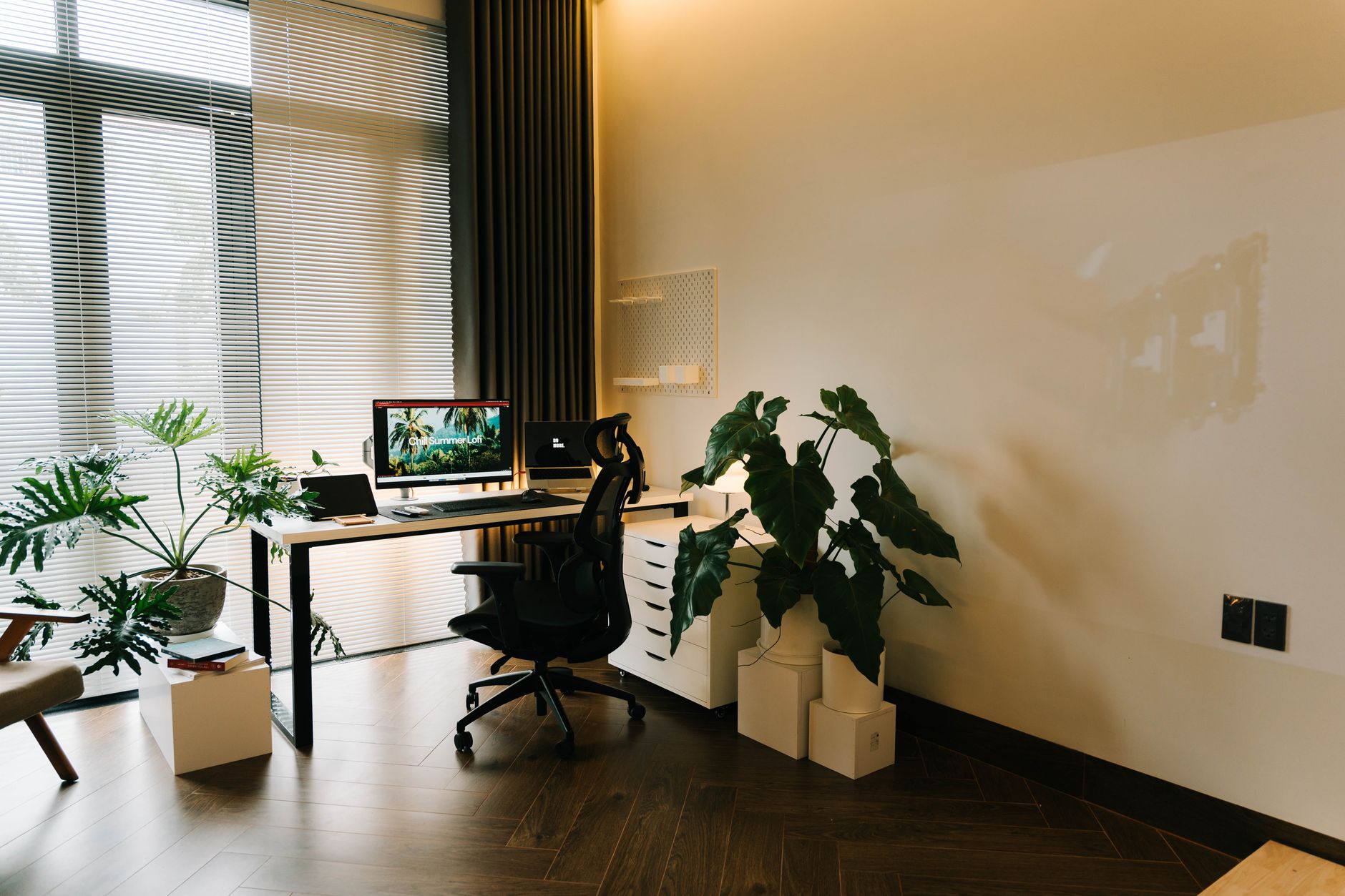
Faux wood blinds are one of the most popular choices for home offices across Jackson and West Tennessee — and for good reason. They deliver a timeless, polished look that works in traditional, transitional, and even contemporary spaces, while offering the kind of rugged durability that holds up to daily use year after year. Explore Blinds Galore’s custom faux wood blind options to see the full range of finishes and slat sizes available for your home office.
Why Faux Wood Outperforms Real Wood in Many Rooms
Real wood blinds are beautiful, but they’re sensitive to humidity — a real concern in West Tennessee, where summer humidity regularly tops 70%. Faux wood blinds are made from PVC or a wood-composite material that resists warping, cracking, and fading. They look nearly identical to real wood at a fraction of the price and hold up far better in rooms with fluctuating temperature and moisture.
For a home office where the window might be near an air vent or in a sun-drenched room, faux wood is often the smarter long-term investment. Quality custom faux wood blinds typically run $60–$180 per window and carry warranties of 5–10 years from reputable manufacturers.
Light Control Precision with 2-Inch and 2.5-Inch Slats
Faux wood blinds give you precise, analog control over light direction — tilt the slats up to bounce light toward the ceiling, tilt them down to direct it toward the floor, or close them completely for privacy. This level of control is something roller shades and cellular shades simply can’t match.
For home offices, 2-inch slats are the most popular choice — wide enough to offer a clean, modern look and easy to adjust, but not so large that they feel heavy in a smaller room. The 2.5-inch option suits larger windows and gives a slightly more architectural feel that pairs well with built-in bookshelves or a formal office aesthetic.
3. Cellular Shades — Best for Energy Efficiency
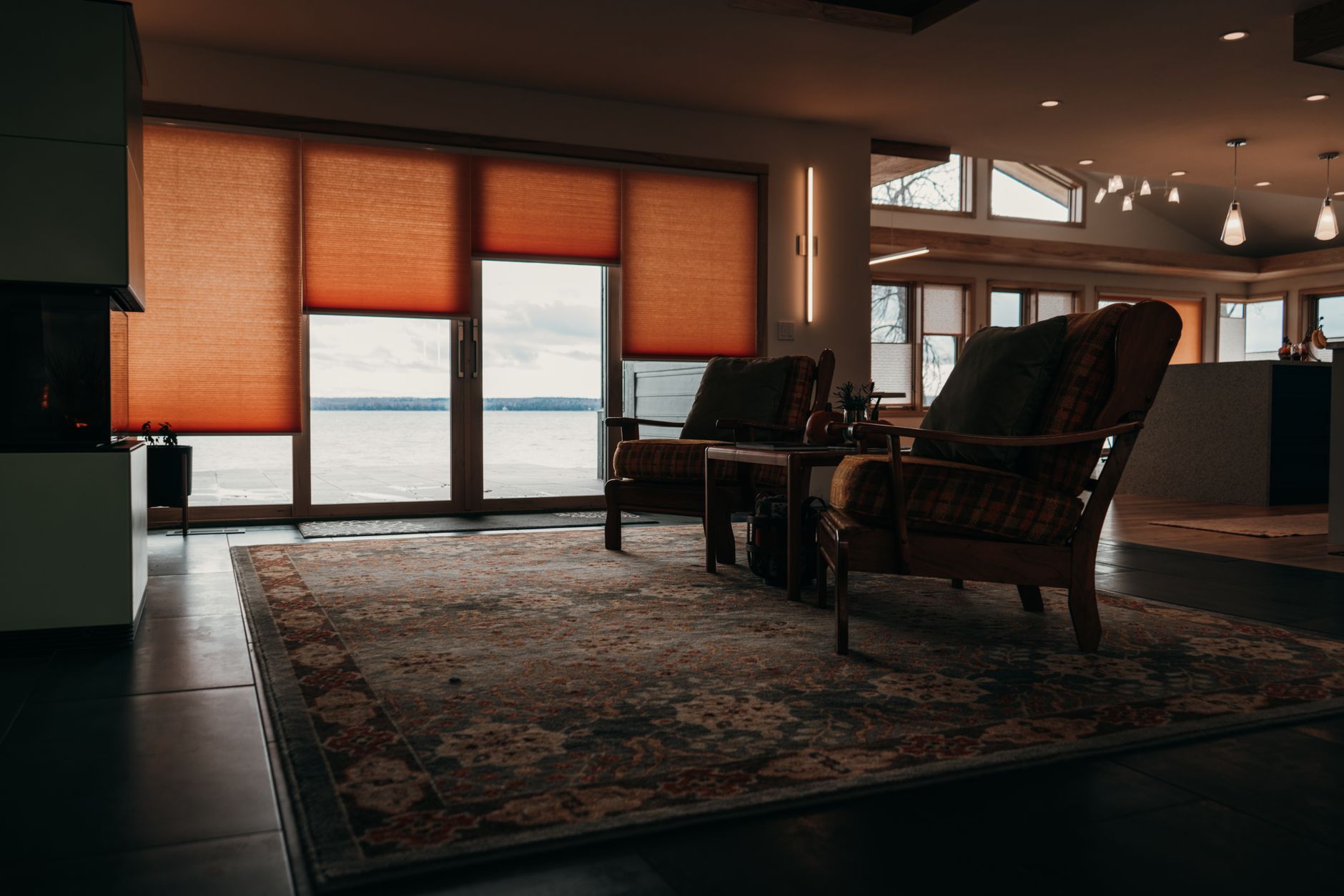
If your energy bill is a concern — and in a West Tennessee summer, it should be — cellular shades are the window treatment to consider. Their unique honeycomb construction creates insulating air pockets that slow the transfer of heat through your windows, keeping your home office cooler in July and warmer in January without making the room feel closed off.
Single-Cell vs. Double-Cell: Which Do You Need?
Cellular shades — also called honeycomb shades — trap air inside their accordion-like pockets to create an insulating barrier at the window. Single-cell shades have one layer of pockets and are a solid choice for mild climates or interior windows. Double-cell shades stack two layers of pockets and can nearly double the insulating value, making them the better pick for exterior walls in Jackson’s hot summers and occasionally cold winters.
The U.S. Department of Energy notes that cellular shades can reduce window heat loss by up to 40% in winter and reduce solar heat gain significantly in summer. For a home office where you’re running a computer (and generating heat yourself), that insulation makes a real difference in comfort and monthly energy costs.
Light-Filtering vs. Room-Darkening Cellular Options
Cellular shades come in two primary opacity levels for home offices. Light-filtering versions diffuse sunlight into a soft, even glow — ideal if your desk faces away from the window and you want ambient daylight without harsh shadows. Room-darkening cellular shades (sometimes called blackout) are better if you do video presentations, use a projector, or simply work better in a darker environment.
Many manufacturers also offer top-down/bottom-up cellular shades, which let you lower the shade from the top for privacy at eye level while keeping the bottom open for light — a clever solution for ground-floor home offices in neighborhoods where passersby can see in.
4. Plantation Shutters — Best for Long-Term Value
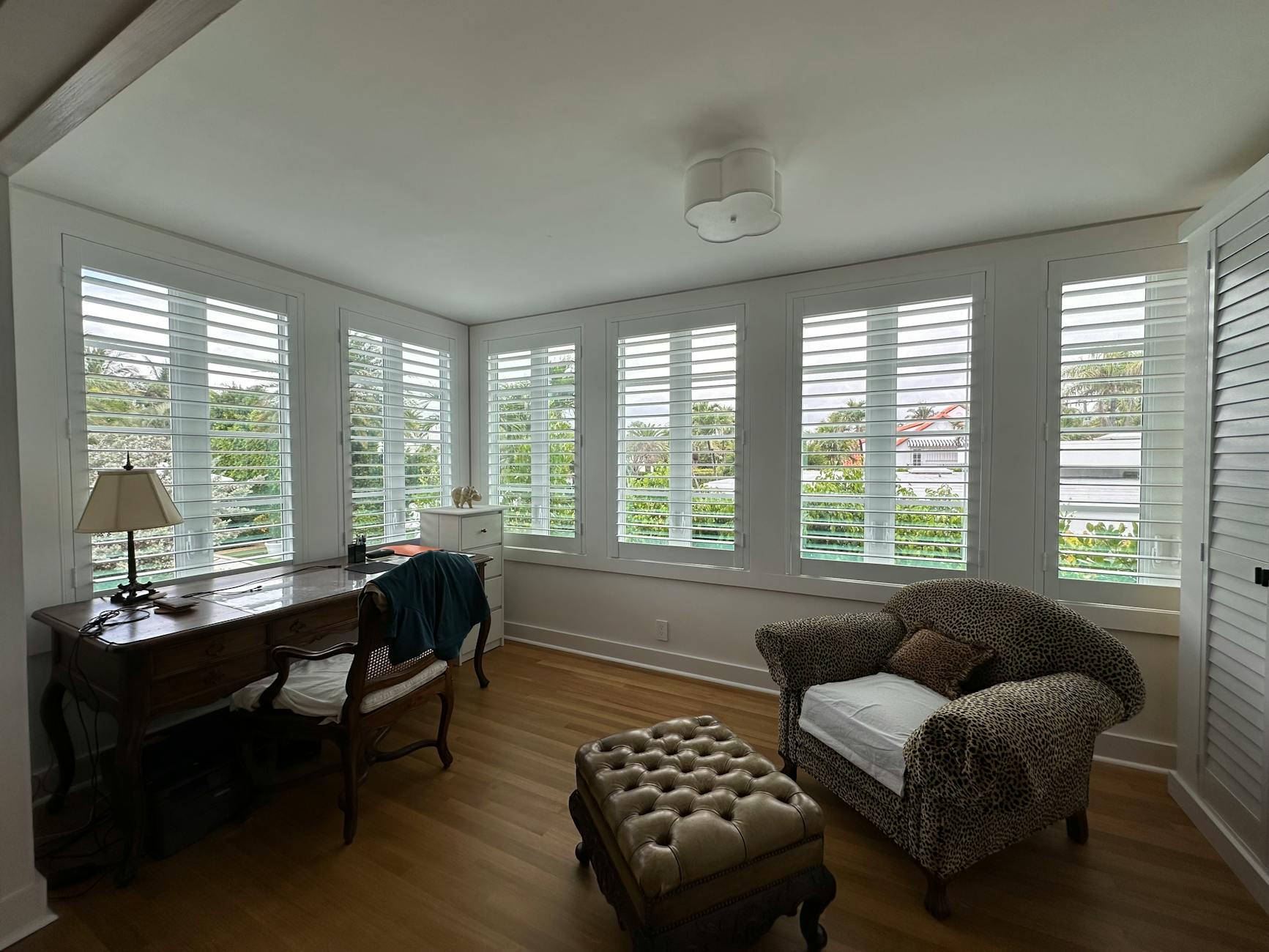
Plantation shutters represent the premium tier of home office window treatments — and they earn that status. Unlike blinds or shades that need to be replaced every 5–10 years, quality custom-built shutters can last 20–30 years with minimal maintenance. They’re a one-time investment that pays dividends in light control, energy efficiency, and home value. See Blinds Galore’s custom-built shutter options for styles and finishes that suit West Tennessee homes.
The Structural Advantage of Custom-Built Shutters
Plantation shutters are the only window treatment that is built into the window frame itself, making them a permanent architectural feature rather than an accessory. Custom-built shutters from Blinds Galore are measured and crafted to fit your exact window dimensions — no gaps, no light leaks, no sagging over time. They add genuine resale value to your home, with real estate professionals frequently citing shutters as a feature that increases perceived home value by 3–5%.
For a home office, shutters offer a clean, built-in look that signals seriousness and professionalism — something that matters if clients ever see your workspace on a video call or in person.
Louver Size and Light Direction Control
Plantation shutters come with louvers (slats) typically ranging from 2.5 inches to 4.5 inches wide. Larger louvers (3.5″ or 4.5″) are popular in modern and transitional homes because they offer a wider view when open and a more dramatic look when closed. Smaller louvers (2.5″) suit traditional or colonial-style homes and provide finer light control.
In a home office, the ability to tilt louvers precisely — directing light toward the ceiling rather than straight at your monitor — is a functional advantage that few other treatments can match. You can also split shutters into top and bottom panels that operate independently, giving you privacy at eye level while allowing light in from above.
5. Roller Shades — Best for Minimalist and Modern Offices
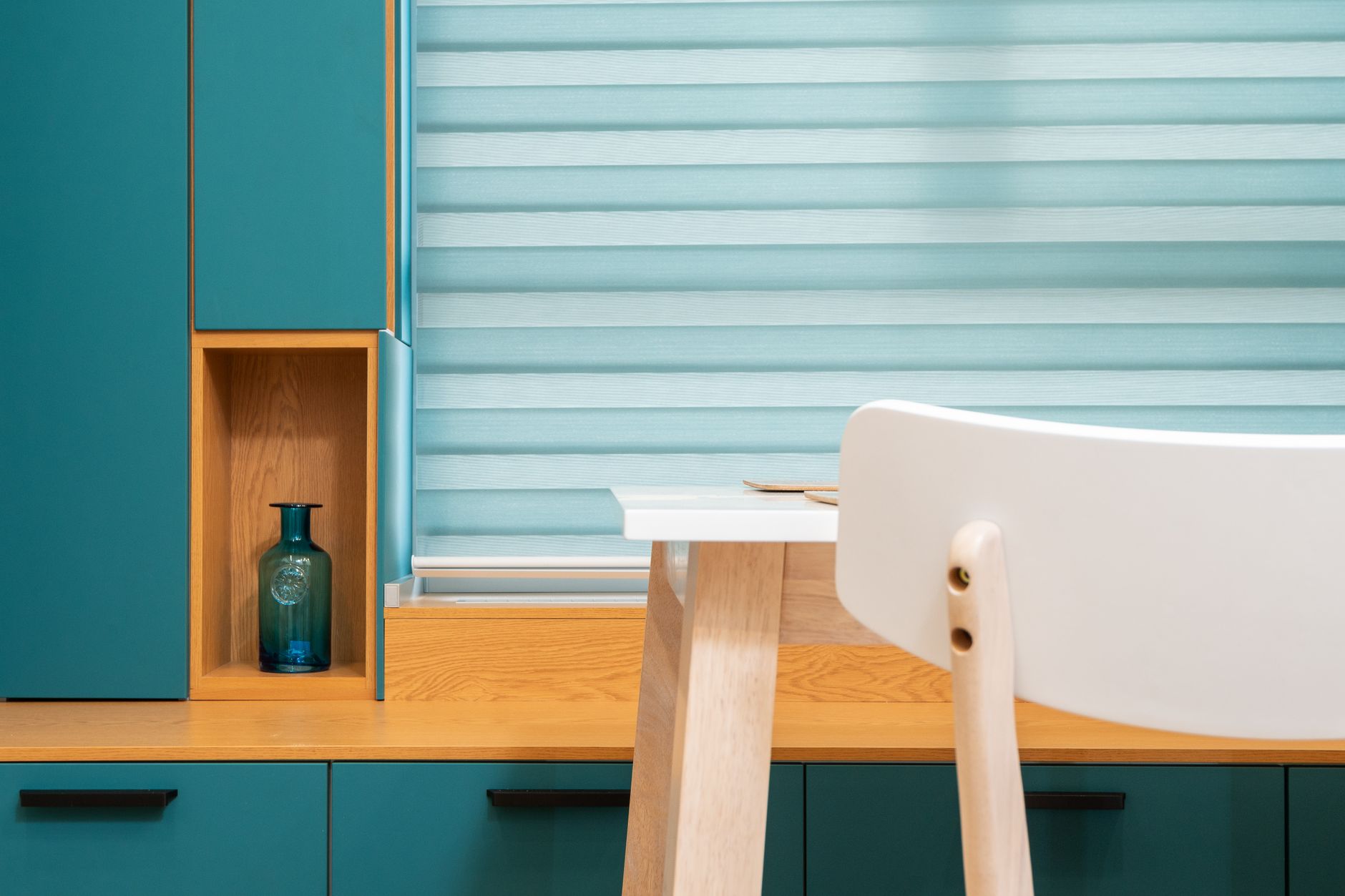
If your home office aesthetic leans toward clean lines and uncluttered surfaces, roller shades are a natural fit. They disappear completely when raised, leaving nothing but the window — and they drop into place in a single smooth motion. For minimalist and modern offices, that simplicity is a feature, not a compromise.
Blackout Roller Shades for Video Calls and Presentations
Standard roller shades have evolved significantly. Today’s custom roller shades come in hundreds of fabrics — from sheer linen that barely filters light to true blackout materials that block 99%+ of incoming light. For home offices used for video conferencing or presentations, a blackout roller shade gives you complete control over your background lighting at the touch of a button (or pull of a chain).
Custom blackout roller shades typically cost $75–$180 per window, making them one of the more affordable options on this list. Pair them with a sheer curtain panel for a layered look that gives you both daytime privacy and full blackout capability when needed.
Printed and Patterned Roller Shades as Design Statements
One underrated advantage of roller shades is the ability to print custom patterns, textures, or even photographs directly onto the fabric. For a home office that doubles as a creative studio or design workspace, a patterned roller shade can serve as a subtle design statement without overwhelming the room.
Neutral geometric patterns, linen textures, and nature-inspired prints are all popular choices in West Tennessee homes. Because the shade rolls up completely out of sight when raised, you get a clean window view during the day and a design feature in the evening — the best of both worlds.
6. Sheer Shades — Best for Balancing Privacy and Natural Light
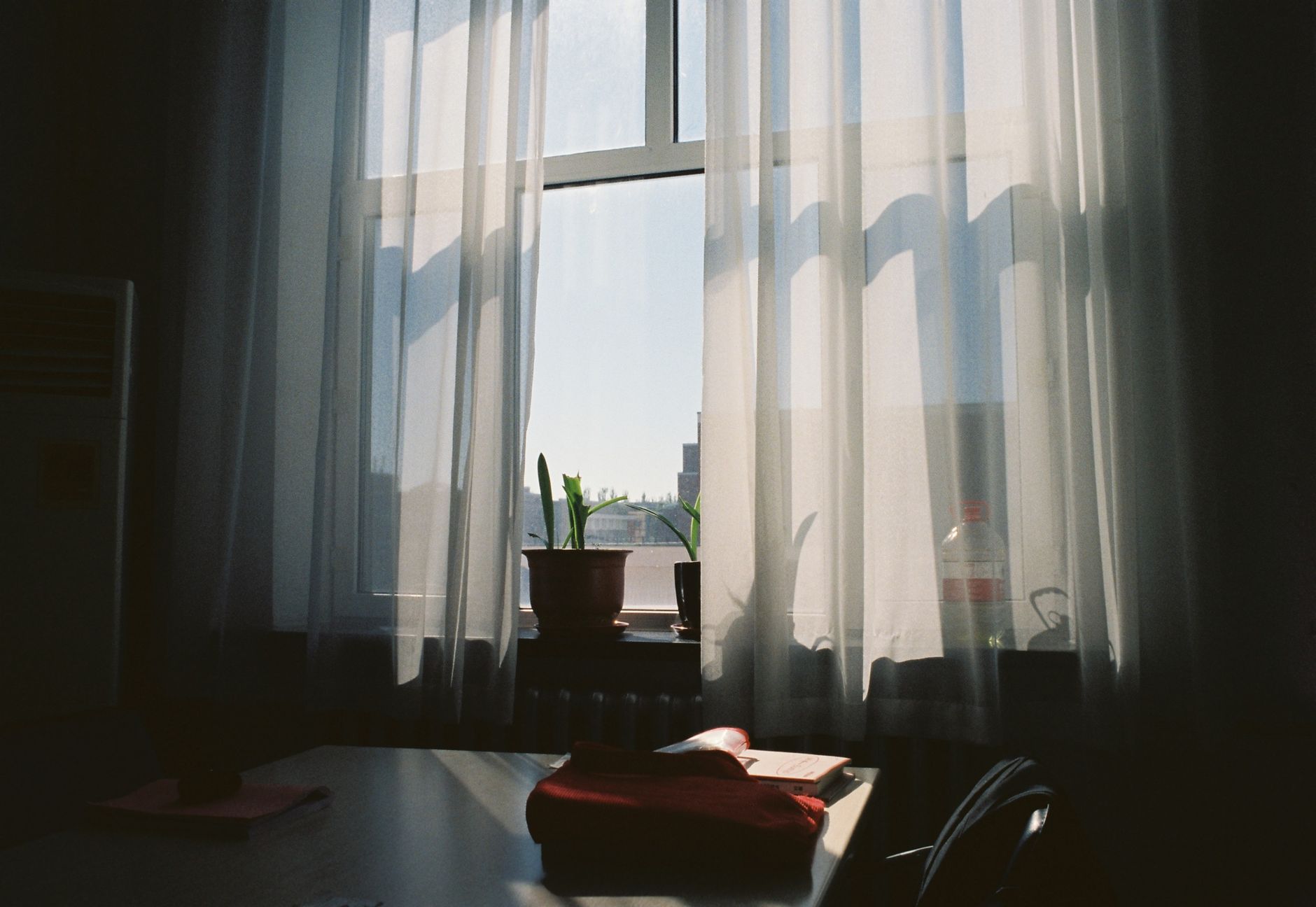
Not every home office needs total light control. If you work best in a bright, airy environment and your windows don’t face direct afternoon sun, sheer shades can give you the softened natural light that makes a workspace feel alive without the harshness that causes eye strain. They’re also one of the most elegant-looking options — and they photograph beautifully for those video call backgrounds.
How Sheer Shades Differ from Standard Sheers
Sheer shades — sometimes called light-filtering shades or Silhouette-style shades — combine soft fabric vanes suspended between two sheer panels. When the vanes are open, light flows through freely and you can see outside clearly. When closed, the overlapping vanes create privacy while still allowing diffused light to fill the room. It’s a fundamentally different mechanism from a standard sheer curtain, which provides no real privacy during daylight hours.
For home offices where you want to feel connected to the outdoors — watching the garden, monitoring the weather, or simply enjoying a view — sheer shades offer the best balance of openness and privacy available in a single window treatment.
Ideal Placement: East- and North-Facing Windows
Sheer shades work best on east- and north-facing windows where direct sunlight is less intense. East-facing windows get morning sun that’s warm and welcome; north-facing windows rarely get direct sun at all, making them ideal for screen work. On south- or west-facing windows — which receive the harshest afternoon sun in Jackson, TN — you’ll want a solar shade or cellular shade with more UV-blocking capability.
If your home office has multiple windows facing different directions, consider layering treatments: sheer shades on the north or east windows for ambiance, and solar or cellular shades on the south or west windows for glare and heat control.
9 Custom Blind Options for Home Offices: Side-by-Side Comparison
Use this table to quickly compare all nine window treatment options across the factors that matter most for a productive home office in Jackson, TN.
7. Motorized and Smart Blinds — Best for Tech-Forward Workspaces
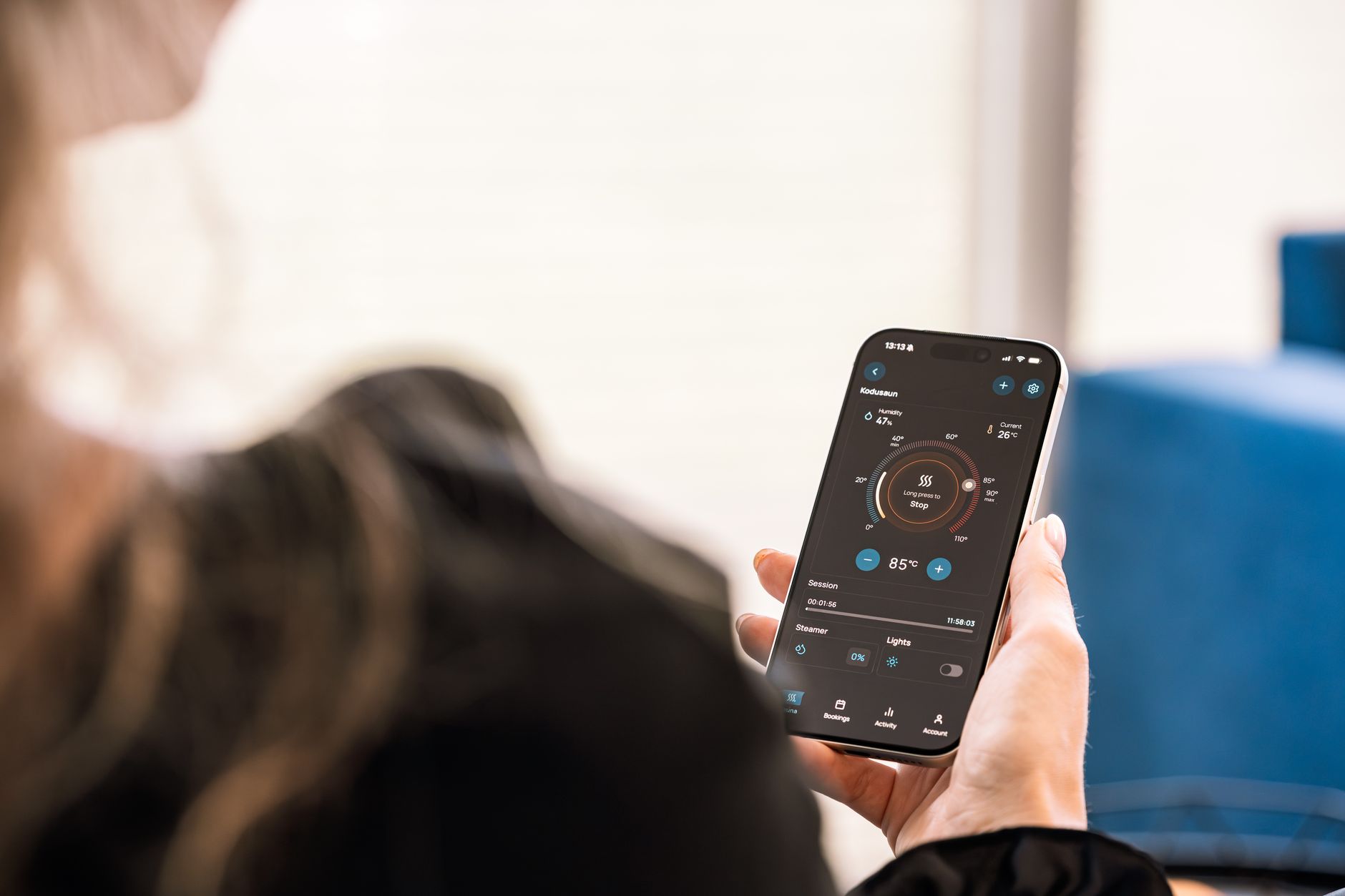
If you’re already working in a tech-forward home office with multiple monitors, a standing desk, and smart lighting, it makes sense to extend that intelligence to your window treatments. Motorized and smart blinds let you adjust light levels without breaking your focus — and they integrate seamlessly with the smart home ecosystems most remote workers already use.
Scheduling and Automation for Consistent Light
One of the most underappreciated features of motorized window treatments is scheduling. Using a smartphone app or smart home hub, you can program your blinds to lower automatically at 2 PM when the west-facing sun hits your monitor hardest, then raise again at 5 PM when the light softens. This kind of set-it-and-forget-it automation removes one more decision from your workday and keeps your environment consistently comfortable.
Most motorized systems run on rechargeable lithium-ion batteries that last 6–18 months on a single charge, eliminating the need for hardwired installation in most cases. Solar-powered motorized shades are also available and are particularly well-suited to sunny West Tennessee homes.
Voice Control and Smart Home Integration
Leading motorized blind systems from brands like Somfy, Lutron, and Hunter Douglas integrate with Amazon Alexa, Google Assistant, and Apple HomeKit. A simple voice command — “Alexa, lower the office blinds” — adjusts your window treatments without interrupting your workflow. For home offices where multitasking is constant, that hands-free convenience adds up over the course of a workday.
Motorized treatments also eliminate dangling cords, which is a significant safety advantage in homes with children or pets — and a cleaner aesthetic in a professional workspace. The Consumer Product Safety Commission estimates that corded window coverings pose a strangulation hazard, making cordless and motorized options the recommended choice for any home.
8. Layering Window Treatments for Maximum Flexibility
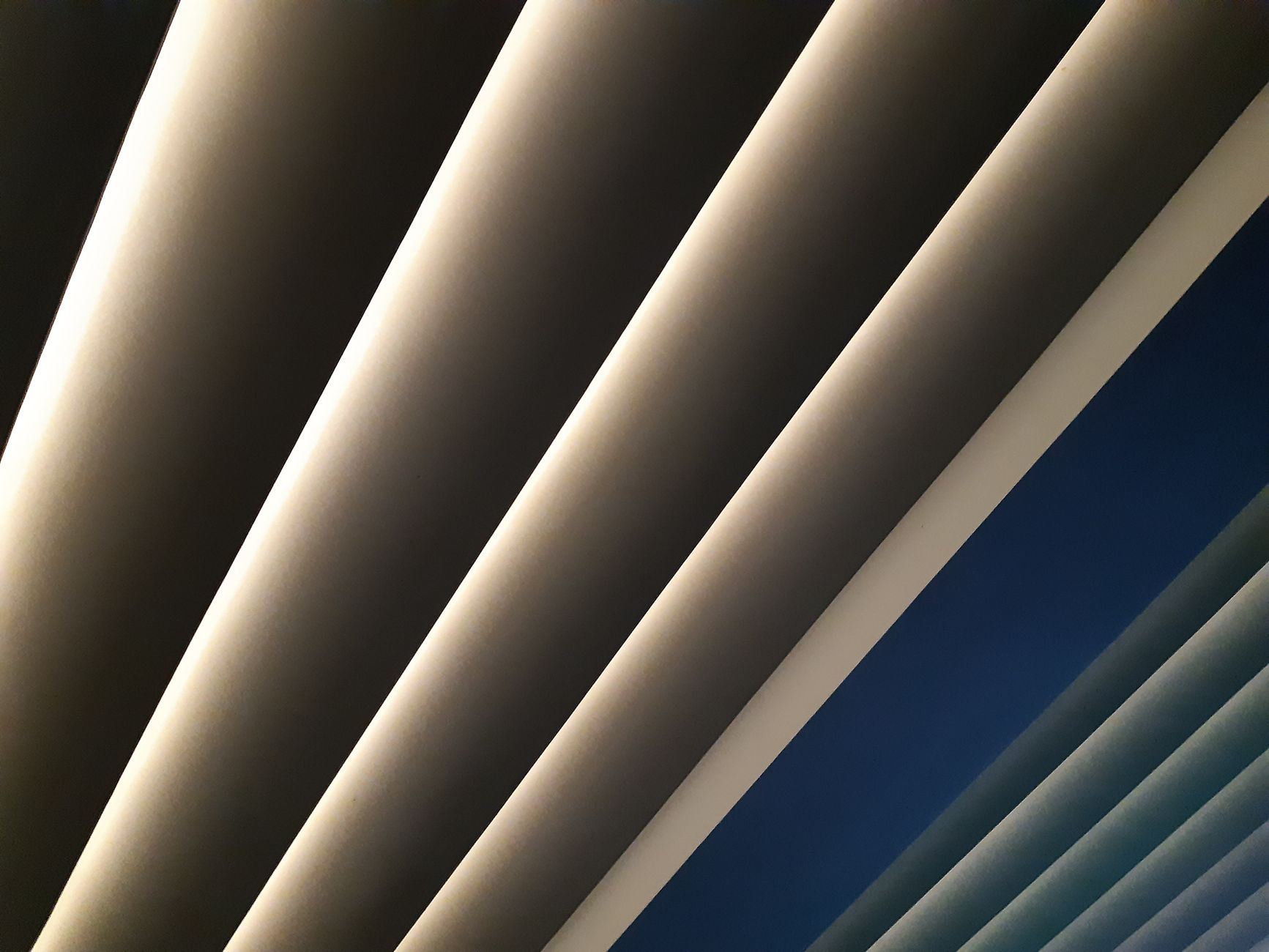
Sometimes the best window treatment for a home office isn’t a single product — it’s a thoughtfully layered combination of two. Layering gives you the flexibility to handle every lighting scenario your workday throws at you: bright morning light, harsh afternoon sun, evening privacy, and everything in between. It’s a strategy interior designers use routinely, and it’s more affordable than most homeowners expect.
The Classic Combination: Sheer Plus Blackout
Layering two window treatments on the same window gives you a range of light control options that no single treatment can match. The most popular pairing for home offices is a sheer roller shade on the front bracket and a blackout roller shade on the back bracket (a system called double roller or day-night shades). During the day, use the sheer alone for soft, diffused light. For video calls or focused work sessions, drop the blackout shade for complete control.
This dual-shade system typically costs $150–$350 per window for custom-fitted versions and is one of the most versatile investments you can make in a home office window treatment.
Drapery Panels as a Finishing Layer
Adding floor-to-ceiling drapery panels on either side of a window — without covering the glass — frames the window architecturally and adds softness and warmth to what might otherwise be a stark, functional space. Drapery panels don’t need to be functional; they serve primarily as a design element that makes the room feel more finished and less like a spare bedroom converted into an office.
For West Tennessee homes with traditional or transitional interiors, pairing faux wood blinds or plantation shutters with neutral linen drapes creates a layered, high-end look that works in both formal and casual home office settings.
Comparing Your 9 Best Options at a Glance
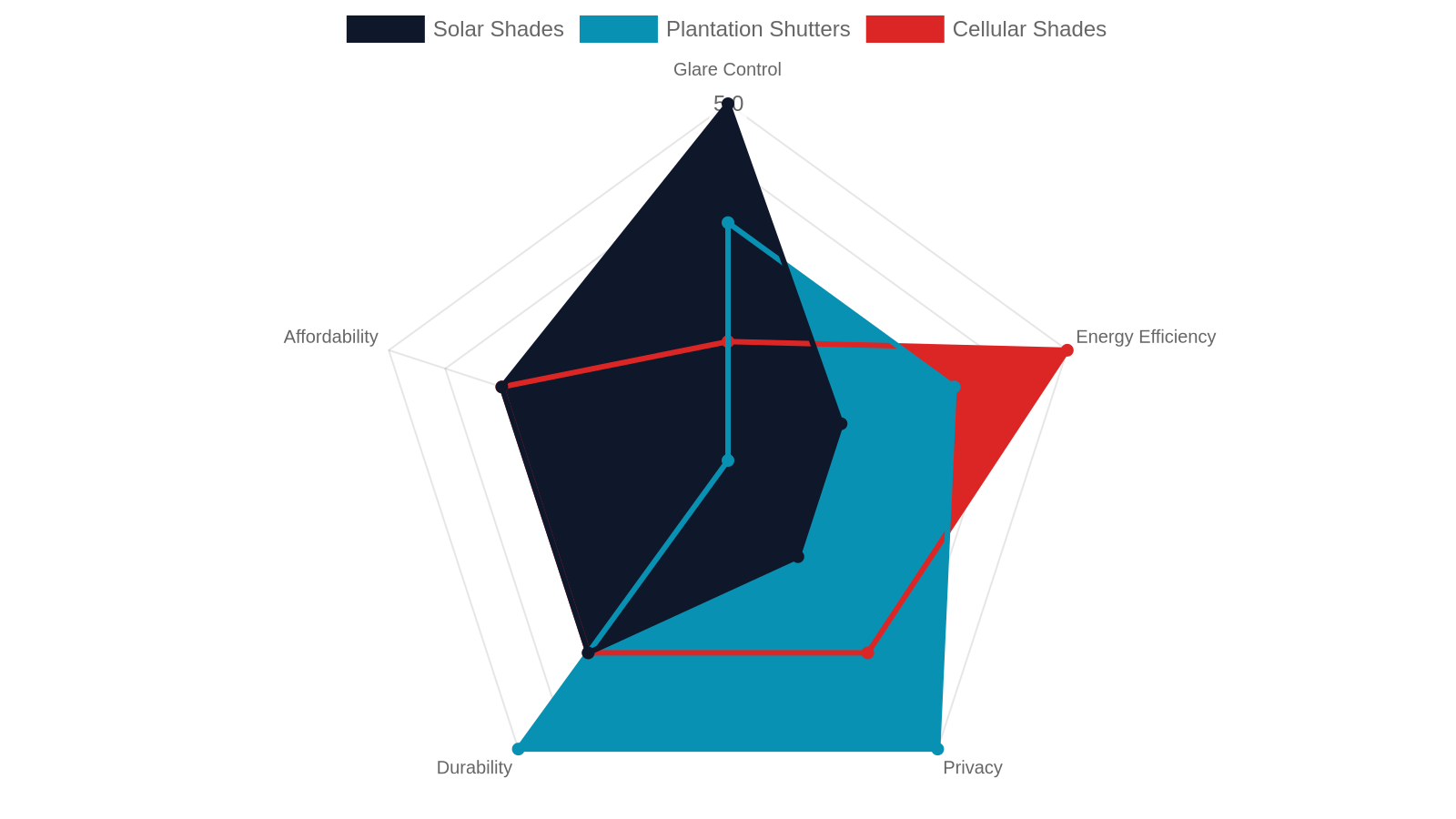
Every home office is different — different window sizes, orientations, décor styles, and work habits. The comparison table below summarizes the nine custom blind and shade options covered in this guide across the dimensions that matter most for a productive workspace: glare control, energy efficiency, privacy, durability, and approximate cost per window. Use it as a quick reference before your consultation with Blinds Galore.
Ready to Transform Your Jackson, TN Home Office?
You’ve done the research. Now it’s time to see these options in your actual home office — with your light, your colors, and your windows. Blinds Galore has helped West Tennessee homeowners get this decision right for over 18 years, and the process starts with a simple, no-cost conversation.
What to Expect from a Free In-Home Consultation
Blinds Galore brings the showroom directly to your home — no driving across Jackson, no guessing how a sample will look in your actual light. During a free in-home consultation, a Blinds Galore specialist will measure every window precisely, walk you through fabric and material samples in your actual space, and make tailored recommendations based on your window orientation, décor, and budget. There’s no pressure and no obligation.
The process typically takes 45–60 minutes for a standard home office with one to three windows. You’ll leave the consultation with a clear quote, a firm timeline, and confidence that what you’ve ordered will fit and function exactly as expected — backed by Blinds Galore’s 100% satisfaction guarantee.
Serving Jackson, Lexington, Henderson, Milan, and Beyond
Blinds Galore serves homeowners, home builders, interior designers, and property managers across the greater Jackson, TN area — including Lexington, Henderson, Milan, and surrounding West Tennessee communities. With over 18 years of experience and a commitment to custom, professionally installed window treatments, the team knows what works in West Tennessee homes and what doesn’t.
Ready to get started? Call (731) 571-5179 to schedule your free in-home consultation, or visit the Blinds Galore blog for more window treatment tips, inspiration, and guides tailored to West Tennessee homeowners. You can also reach out through the contact page to ask questions or request a callback at a time that works for you.
Frequently Asked Questions
What are the best blinds for reducing glare on a computer screen?
Solar shades with a 3–5% openness factor are the top choice for computer screen glare. They block 95–97% of UV rays and diffuse direct sunlight into soft ambient light without making the room feel dark. Blackout roller shades are the best option if you need complete light elimination for video presentations.
Are plantation shutters worth the cost for a home office?
Yes, for most homeowners. Plantation shutters last 20–30 years, add 3–5% to perceived home value, and provide the best combination of light control, privacy, and architectural appeal. The higher upfront cost ($250–$600 per window) is offset by their longevity and the fact that they never need to be replaced like fabric shades.
How much do custom blinds for a home office cost in Jackson, TN?
Custom blinds for a home office in Jackson, TN typically range from $60 to $600 per window depending on the treatment type. Faux wood blinds start around $60–$180, solar shades run $80–$200, and plantation shutters range from $250–$600. Motorized options add $100–$250 per window. Blinds Galore offers free in-home consultations with no-obligation quotes.
What window treatment is best for a home office with south- or west-facing windows?
South- and west-facing windows receive the harshest afternoon sun in West Tennessee. Solar shades (3–5% openness) or double-cell cellular shades are the best choices — they block UV rays and reduce heat gain by up to 77%, keeping your office cooler without blocking all natural light.
Can I get motorized blinds for my home office without hardwiring them?
Yes. Most modern motorized blind systems run on rechargeable lithium-ion batteries that last 6–18 months on a single charge. Solar-powered motorized options are also available. No electrician or hardwiring is required in most cases, making motorized shades a practical upgrade for any home office.
Does Blinds Galore serve areas outside of Jackson, TN?
Yes. Blinds Galore serves the greater Jackson, TN area and surrounding West Tennessee communities including Lexington, Henderson, and Milan. Call (731) 571-5179 to confirm service in your area and schedule a free in-home consultation.